

P0460 on 2012-2015 Ford Focus: Fuel Gauge, Purge Valve, and Tank Issues Explained
On a 2012-2015 Ford Focus, code P0460 is almost always a symptom of a much larger, well-known problem: a faulty canister purge valve. This valve sticks open, creating excessive vacuum that deforms the plastic fuel tank, which in turn damages the fuel level sensor. The fix involves reprogramming the PCM, replacing the purge valve, and often the fuel tank and the entire fuel pump assembly, a sequence of repairs covered under Ford's recall 18S32.
- P0460 on a 2012-2015 Focus is not a simple sensor issue; it's a symptom of a faulty canister purge valve (CPV).
- The faulty CPV was subject to Ford recall 18S32 and customer satisfaction program 24N07.
- The primary cause is the CPV sticking open, which creates a vacuum that deforms the fuel tank and damages the fuel level sensor.
- The correct repair order is to first test and replace the CPV. Then, assess the fuel tank and fuel pump assembly for damage and replace them if necessary.
- Do not replace only the fuel pump/sensor without addressing the faulty purge valve, or the problem will likely return.
What's Unique About the 2012-2015 Ford FOCUS
For the 2012-2018 Ford Focus, P0460 is rarely a simple sensor failure. This platform is known for a specific sequence of failure that begins with the canister purge valve (CPV). The CPV sticks open, causing constant engine vacuum to be applied to the fuel tank. This vacuum is strong enough to physically deform or crush the plastic fuel tank, sometimes causing it to suck inward by more than an inch. As the tank collapses, it damages the float arm or the resistor on the fuel level sending unit (which is part of the fuel pump module), leading to the P0460 code. This issue was so widespread that Ford issued recall 18S32 (NHTSA #18V735) and a follow-up recall 19S22 to address it.
Diagnostic Flowchart
Tap your situation to follow the diagnostic path that matches what you're seeing on this vehicle.
Symptoms You May Notice
- Inaccurate or erratic fuel gauge.
- Fuel gauge stuck on empty or full.
- Inaccurate Distance to Empty (DTE) display.
- Check Engine Light (Malfunction Indicator Lamp) is on.
- Engine stalling, especially at low speeds or after refueling.
- Difficulty starting the engine after filling the gas tank.
- Rough idle.
- Replacing only the fuel pump/level sensor. If the faulty canister purge valve isn't also replaced and the PCM reprogrammed, the new pump will likely be damaged again when the tank re-deforms.
- Replacing only the canister purge valve without inspecting the tank and fuel pump module. If the tank is already collapsed and the sending unit damaged, a new CPV alone will not fix the erratic fuel gauge.
Most Likely Causes
- Faulty Canister Purge Valve (CPV) 🔴 High Probability → Shop Vapor Canister This is the root cause of the entire issue on this platform, as documented in Ford's recall 18S32 and Customer Satisfaction Program 24N07. The valve sticks open, creating a constant vacuum pull on the fuel tank that leads to a cascade of failures.
How to confirm: With the engine running, unplug the electrical connector from the purge valve. If you can feel vacuum on the port with your finger, the valve is stuck open and has failed. The presence of code P1450 alongside P0460 is another strong indicator.
Typical fix: Replace the canister purge valve and reprogram the PCM. The recall remedy includes a PCM software update to better detect a faulty CPV in the future.
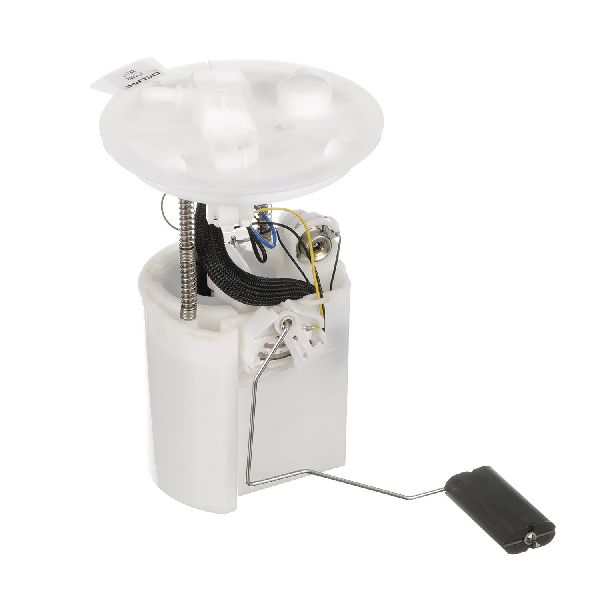
Est. part cost: $30-$90 - Damaged Fuel Level Sending Unit / Fuel Pump Module 🔴 High Probability → Shop Fuel Tank Sending Unit This is a secondary failure. The sending unit, which is part of the fuel pump module, is damaged when the fuel tank deforms. The float arm can be bent or the sensor contacts damaged, leading directly to the P0460 code.
How to confirm: After confirming the purge valve is faulty and the tank is deformed, damage to the sending unit is almost certain. The resistance can be tested with a multimeter while moving the float arm; an open circuit or erratic readings confirm failure. However, given the known issue, it's often replaced as part of the complete repair with the tank and CPV.
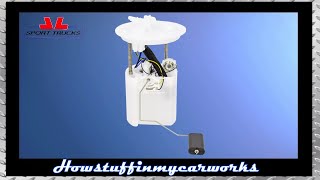
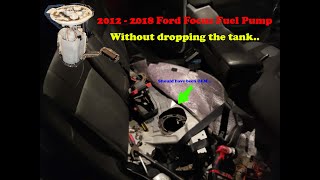
Typical fix: Replace the entire fuel pump module assembly, which includes the fuel level sensor. 🎬 See this walkthrough on replacing the fuel pump assembly.
Est. part cost: $150-$400 - Deformed/Collapsed Fuel Tank 🟡 Medium Probability → Shop Fuel Tank The excessive vacuum from the failed purge valve can suck the plastic fuel tank inward, causing it to collapse or deform. An owner complaint to the NHTSA specifically mentioned the gas tank was "sunk in." [ODI #11419926] Ford's recall specifies that a tank deformed by more than 25mm (1 inch) requires replacement.
How to confirm: Visually inspect the bottom of the fuel tank from underneath the vehicle. Any significant concavity or deformation confirms the issue. Dealers are required to take photos to document the deformation for the recall claim.
Typical fix: The fuel tank must be replaced. This is a more involved repair that requires dropping the tank. This was a required part of the recall repair if deformation was present.
Est. part cost: $300-$600 - Wiring or Connector Issue ⚪ Low Probability While less common for this specific P0460 issue, the main engine harness on 2012-2014 Focus models is known to chafe. TSB 18-2062 addresses potential wiring damage that can cause a host of DTCs and drivability problems.
How to confirm: Inspect the wiring harness and connector at the top of the fuel pump module for corrosion or damage. Also inspect the main engine harness for chafing, particularly near the top of the engine, as outlined in TSB 18-2062.
Typical fix: Repair or replace the damaged section of the wiring harness or the connector. This may involve splicing in new wire and adding protective convolute loom.
Est. part cost: $10-$50
Diagnosis Steps
- Check Recall Status: First, check if your vehicle's VIN is covered under Ford recall 18S32/19S22 or Customer Satisfaction Program 24N07. If the repair has not been done, a Ford dealer should perform the entire diagnosis and repair for free.
- Scan for all DTCs. Pay close attention to the presence of P1450, as it strongly points to a faulty purge valve.
- Test the Canister Purge Valve (CPV). Locate the valve in the engine bay. Start the engine, then unplug the valve's electrical connector. Place your finger over the vacuum port; if you feel suction, the valve is stuck open and must be replaced.
- Visually inspect the fuel tank. Safely lift the vehicle and look at the bottom of the plastic fuel tank. If it is noticeably 'sunk in' or deformed, it has been damaged by vacuum and will need replacement. Ford's recall criteria for replacement is deformation greater than 25mm (1 inch).
- Plan repairs based on findings. The complete, correct repair involves replacing the canister purge valve, reprogramming the PCM, and replacing the fuel tank and fuel pump/sender assembly if they are damaged. Performing only part of the repair will lead to repeat failures.
- If the CPV tests good and the tank is not deformed (unlikely on this platform), proceed with standard electrical diagnostics: check the wiring harness for chafing (per TSB 18-2062), and test the connector and resistance of the fuel level sensor.
Parts You'll Likely Need
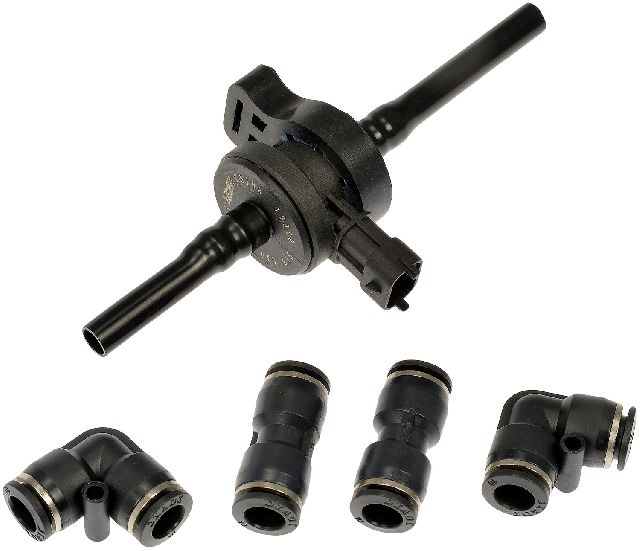
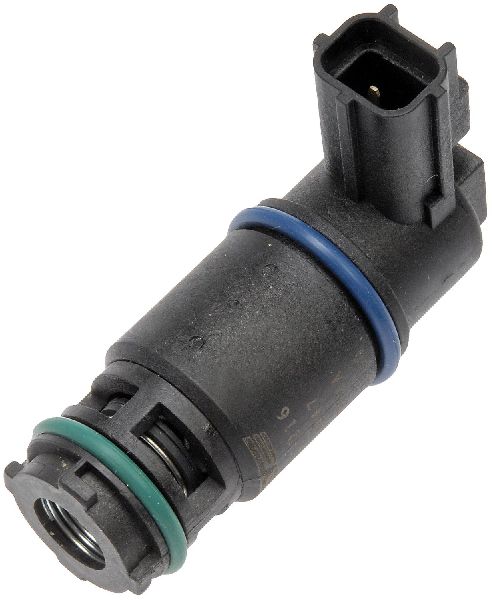
- Vapor Canister Purge Valve
(OEM #BV6Z-9D289-E (replaces -B, -D))— This is the primary point of failure and the root cause of P0460 on this vehicle. It sticks open, creating vacuum that damages other components. Part number has been revised; -E is a later version.
Trusted brands: Motorcraft, Bosch, Dorman
OEM price range: $50-$80
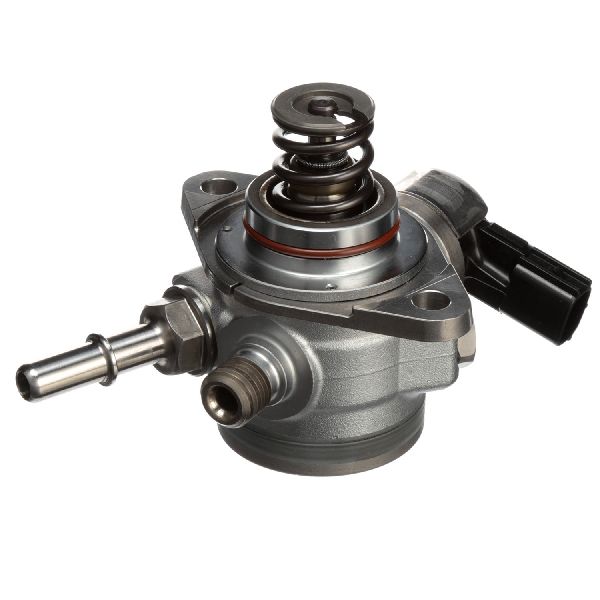
Aftermarket price range: $30-$60 - Fuel Pump and Sender Assembly
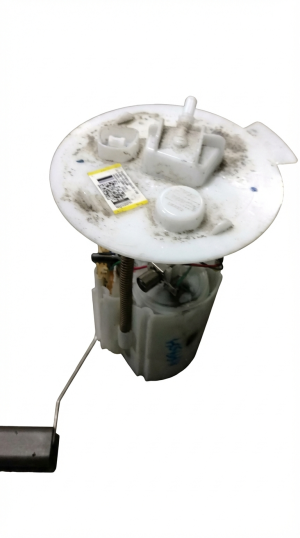
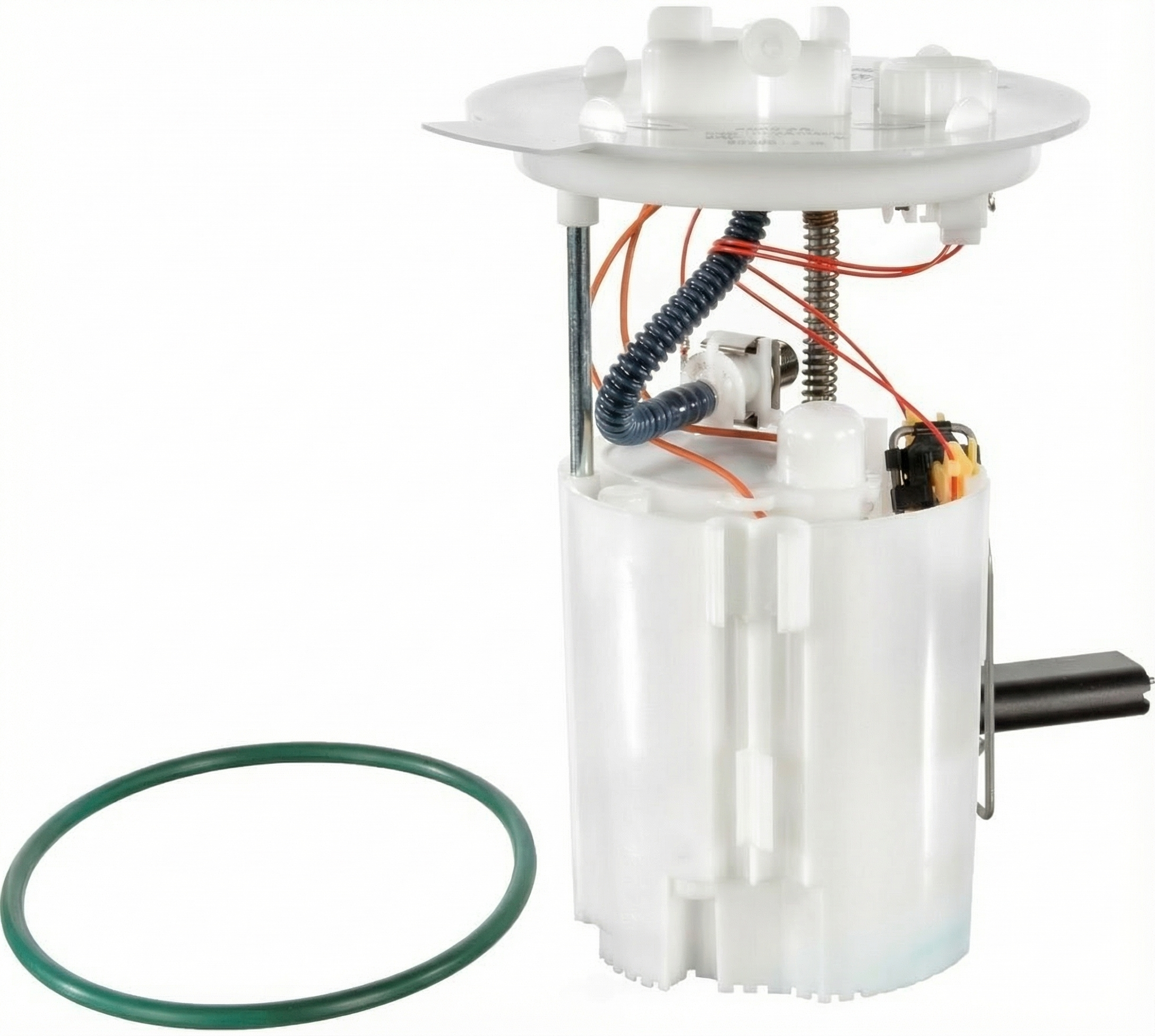
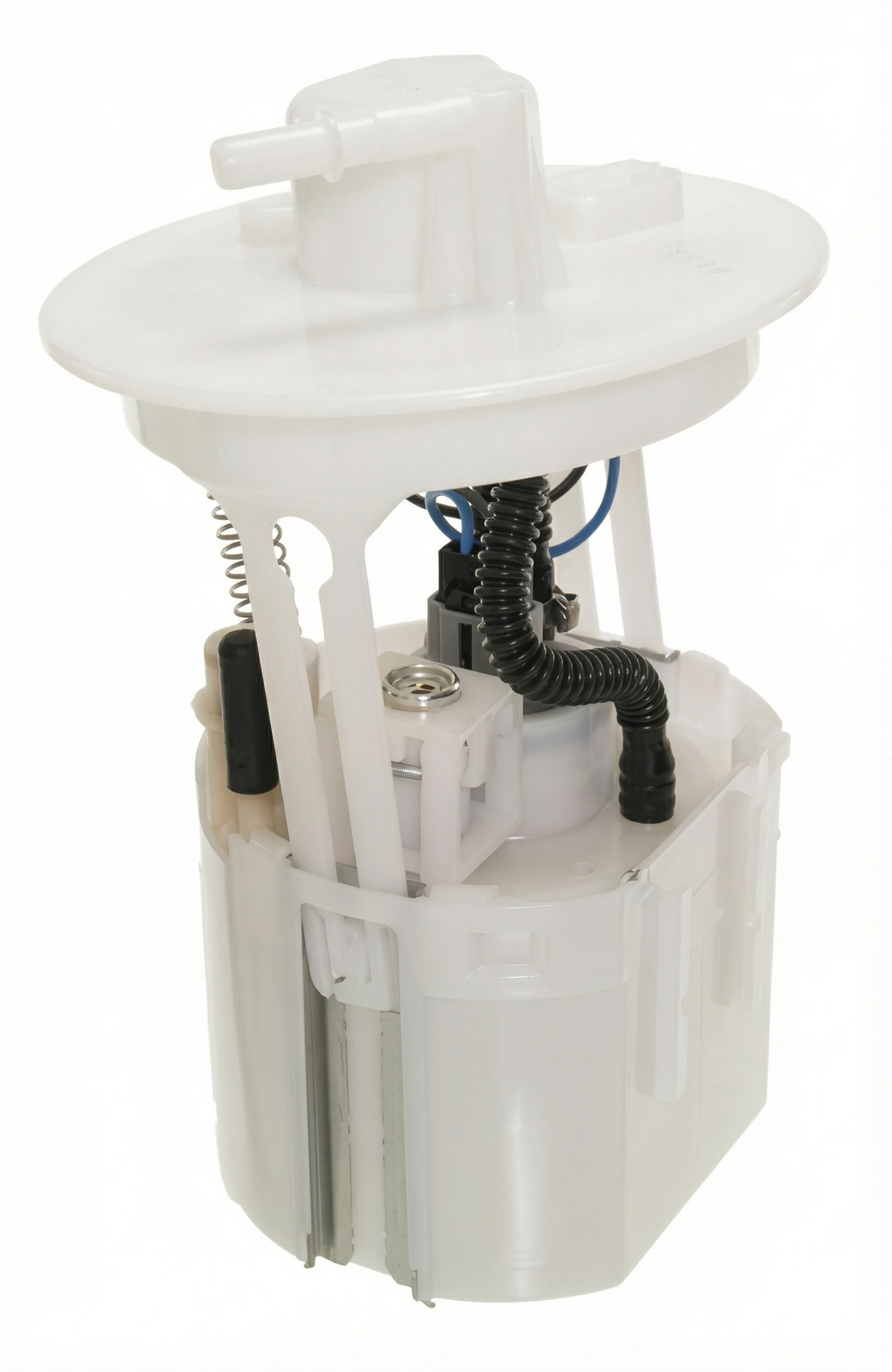
(OEM #BV6Z-9H307-AV (for 2.0L non-turbo))— The fuel level sender is part of this assembly and gets damaged when the fuel tank deforms. It is the component that directly reports the fault for code P0460. This part number supersedes several previous versions including -H, -K, -P, and -U.
Trusted brands: Motorcraft, Delphi, Spectra Premium
OEM price range: $250-$400
Aftermarket price range: $150-$250 - Fuel Tank
(OEM #BV6Z-9002-E (replaces -C, -D))— Required if the original tank is physically deformed or collapsed from excessive vacuum. This part fits the 2.0L Focus from 2012-2018.
Trusted brands: Ford (OEM)
OEM price range: $400-$600
Aftermarket price range: $300-$500
Related Codes That Often Appear With This One
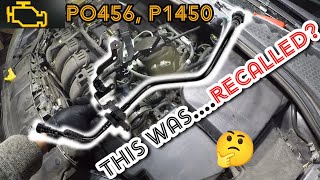
- P1450 — This code means 'Unable to Bleed Up Fuel Tank Vacuum.' It is the most direct indicator of the root cause, confirming that the canister purge valve is stuck open and creating excessive vacuum. It is mentioned alongside P0460 in TSBs and recall documents.
- P0456 — Indicates a small EVAP leak. This can be triggered by the same faulty purge valve system. It is cited along with P0460 in TSBs and recall 18S32.
- P0420 — Catalyst System Efficiency Below Threshold. While not directly related, drivability issues and incorrect fuel mixtures caused by the EVAP fault can sometimes contribute to this code appearing. It is also listed in the group of potential codes in recall 18S32.
- P0463 — Indicates 'Fuel Level Sensor 'A' Circuit High Input'. This is a more specific version of the P0460 fault and is often seen when the sensor fails in a specific manner (e.g., reading full).
Technical Service Bulletins (TSBs) & Recalls
- 18S32 / 19S22 (NHTSA 18V735 / 19V515): Primary recall for CPV, tank deformation, and resulting P0460 code.
- 24N07: Customer Satisfaction Program / extended warranty for the canister purge valve.
- 16-0062 / 15-0034: Earlier TSBs acknowledging the group of DTCs (including P0460) related to the EVAP issue before the full recall was issued.
- 18-2062: TSB related to potential engine wiring harness chafing on 2012-2014 Focus models, which could be a rare alternative cause for electrical codes.
Platform-Specific Known Issues
- **Ford Safety Recall 18S32 (NHTSA 18V735)
Mechanic-Grade Diagnostic Values
- Fuel Level Sensor Resistance — expected: Approximately 16 Ohms (Full) to 158 Ohms (Empty).. Failure: An open circuit (infinite resistance) or a reading that does not change when the float position is altered indicates a failed sensor.
- Fuel Tank Pressure Sensor Voltage (at rest) — expected: Approximately 2.4V to 2.8V with the system vented and no pressure or vacuum.. Failure: A voltage reading significantly outside this range at rest can indicate a sensor or wiring issue. During the fault condition (P1450), this voltage will drop as vacuum increases.
Hidden / Shadow Codes Worth Checking
- B2628: Fuel Sender No. 2 Circuit Short to Ground. This is a Body Control Module (BCM) code that can be stored when there is a direct electrical fault with the fuel level sender, as opposed to the irrational reading reported by P0460. (see via A scan tool capable of reading codes from the Body Control Module (BCM), such as Ford's IDS.)
- B10C0: Fuel Pump Driver Module Fault. This code, stored in the BCM, points to an issue with the fuel pump control module itself, which could be an intermittent cause of stalling or fuel delivery problems that might be confused with the P0460 issue. (see via A scan tool capable of reading Body Control Module (BCM) codes.)
Scan Tool Commands That Help
- Ford IDS (or equivalent advanced scan tool): Instrument Cluster Self-Test (Gauge Sweep) — To quickly verify that the instrument cluster and the fuel gauge stepper motor are physically working. If the gauge sweeps from empty to full during the test, the gauge itself is likely not the problem.
- Ford IDS (or equivalent advanced scan tool): Live Data Monitoring (Fuel Tank Pressure, Commanded EVAP Purge) — To diagnose the root cause (P1450). A technician can monitor the fuel tank pressure in PSI or Volts while commanding the purge valve on and off to see if it is functioning correctly or stuck open, causing the vacuum that leads to P0460.
Wiring & Ground Locations
- F56 (20A) — In the passenger compartment fuse panel, located below the glove box. It is typically a yellow 20A fuse at the top of the left column.. This is the primary fuse for the fuel pump. While a blown fuse is not the typical cause for P0460 on this platform, checking it is a fundamental first step in any fuel system diagnosis.
- Fuel Pump Relay — Integrated into the Body Control Module (BCM), which is located in the right kick panel area, under the dashboard.. A failed fuel pump relay would cause a no-start condition, not typically a P0460. However, it's critical for technicians to know that this relay is not a simple plug-in component; it requires replacement of the entire BCM.
- G401 — For the 5-door model, this ground is located in the right rear corner of the vehicle. For the 4-door sedan, it is at the right rear of the vehicle.. This is a major chassis ground point for components in the rear of the vehicle. A poor connection at G401 could potentially affect the fuel pump module or sending unit, which are grounded to the chassis.
- C435 — This is the main electrical connector on top of the fuel pump assembly, accessible after dropping the fuel tank.. This is the primary connection point to test the fuel level sensor circuit for power, ground, and signal continuity back to the PCM/BCM. The signal wire for the fuel pump is a Yellow/Blue wire at the BCM.
Real Owner Repair Stories
- YouTube user 'strikeengine' (Ford Focus (Mk3, year not specified but within range)) — Fuel gauge consistently reading low, even with a full tank.
❌ Tried (didn't work) Initially just lived with the problem for about 6 months.
✅ What actually fixed it The user identified that the fuel tank was being sucked in by vacuum, causing the fuel pump module (and attached sender) to tilt, pulling the float out of the fuel and giving a false low reading. The user's 'fix' was to disconnect the vacuum line from the purge valve mechanism to the intake manifold, preventing the vacuum from reaching the tank. This resolved the inaccurate gauge reading, confirming the tank deformation was the direct cause.
Model Year Variations Within This Range
- 2012-2014: On models from 2012-2014, there is no access panel under the rear seat to get to the fuel pump. The fuel tank must be dropped to service the fuel pump or sending unit.
- 2015-2018: Some later models may have an access panel under the rear seat, making fuel pump/sender replacement easier. However, many still require the tank to be dropped. Physical verification is recommended before starting the repair.
Helpful Videos


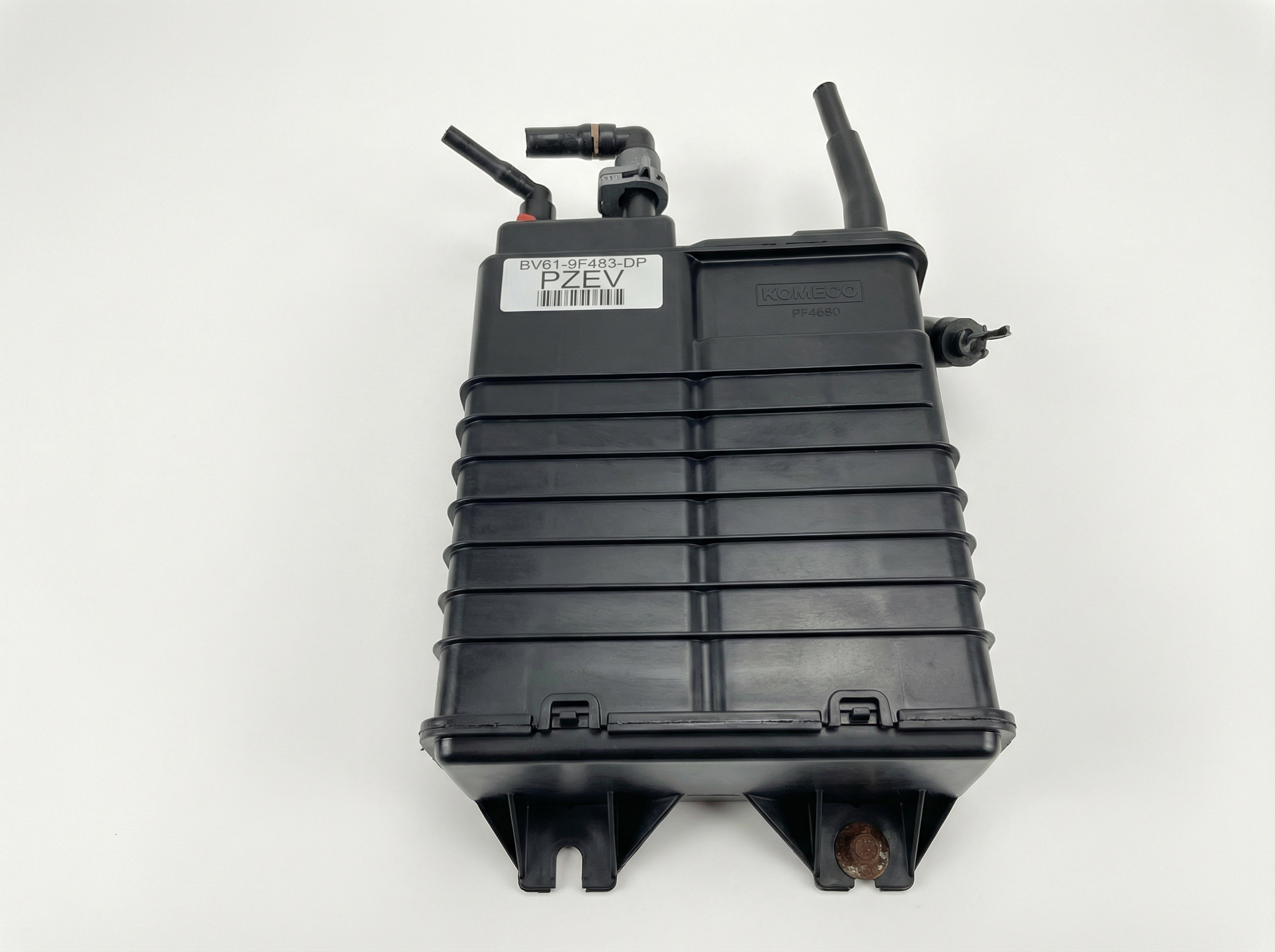
Used OEM Parts in Stock

New Aftermarket Parts Available


The information in this article is provided for general reference and educational purposes only. Vehicle specifications, procedures, and part compatibility can vary by production date, trim level, and region. Always consult your vehicle's factory service manual and verify part numbers before purchasing or performing repairs. Safety-critical components such as airbags, seat belts, and braking systems should be installed by a qualified professional.
- Ford FOCUS:
- 🧭 Diagnostic Flowchart
- 🎬 Helpful Videos
- 🛍️ Shop This Part
- What's Unique About the 2012-2015 Ford FOCUS
- Symptoms You May Notice
- Most Likely Causes
- Diagnosis Steps
- Parts You'll Likely Need
- Related Codes That Often Appear With This One
- Technical Service Bulletins (TSBs) & Recalls
- Platform-Specific Known Issues
- Mechanic-Grade Diagnostic Values
- Hidden / Shadow Codes Worth Checking
- Scan Tool Commands That Help
- Wiring & Ground Locations
- Real Owner Repair Stories
- Model Year Variations Within This Range
- 🎟️ Get 5% Off