

P0462 on 2013-2020 Ford Fusion: Fuel Level Sensor Circuit Low Causes and Fixes
On a 2013-2020 Ford Fusion, code P0462 is most often caused by a faulty fuel level sensor or a short in the wiring harness. The fix usually involves replacing the entire fuel pump module, which can be costly, ranging from $1,100 to $1,400 at a shop.
- P0462 on a Fusion means your fuel gauge is unreliable; track your mileage immediately to avoid running out of gas.
- The two most likely causes are a bad fuel level sensor (part of the fuel pump module) or a shorted wire in the harness.
- Always inspect the wiring harness for damage between the fuel tank and the front of the car before buying an expensive fuel pump module.
- Due to the need to drop the fuel tank to access the pump on all 2013+ models, this repair is labor-intensive and can be difficult for a DIYer without the proper tools and safety precautions.
- The cost of repair is high if the entire fuel pump module needs replacement, with shop estimates exceeding $1,100.
What's Unique About the 2013-2020 Ford Fusion
The second-generation Ford Fusion (2013-2020) is noted to be susceptible to this code, with a common point of failure being a shorted ground wire in the fuel level sensor circuit. Unlike some vehicles where the fuel level sensor can be replaced independently, on the Fusion it is integrated into the fuel pump module. This means a simple sensor failure often requires the replacement of the entire, more expensive, fuel pump assembly.
Symptoms You May Notice
- Check Engine Light is on
- Fuel gauge reads empty or is stuck in one position, regardless of the actual fuel level
- Low fuel warning light is constantly illuminated
- Fuel gauge fluctuates erratically
- Replacing the fuel pump module without first thoroughly checking the wiring harness for shorts or corrosion. A simple wiring repair could save hundreds of dollars. 🎬 Watch: How to diagnose and fix a P0462 code
Most Likely Causes
- Faulty Fuel Level Sensor / Fuel Pump Module 🔴 High Probability → Shop Fuel Tank Sending Unit The fuel level sensor is a variable resistor that wears out over time. It is submerged in fuel, and contaminants or corrosion can accelerate failure. On some models, the float arm can also become stuck.
How to confirm: After confirming wiring is intact, test the sensor's resistance with a multimeter while moving the float arm. The resistance should change smoothly. An open circuit (infinite resistance) or a short (zero resistance) indicates a failed sensor. If the fuel tank is full but the sensor voltage is stuck low (e.g., <0.5V), the sensor has failed.
Typical fix: Replace the entire fuel pump module, as the sensor is typically integrated and not sold separately for this vehicle.
Est. part cost: $800-$950 - Wiring Harness Issue (Short to Ground) 🔴 High Probability The wiring harness running from the fuel tank can chafe against the chassis or corrode from road salt and moisture, causing a short to ground. Sources specifically mention shorted ground wires as a known issue on the 2013-2018 Fusion.
How to confirm: Perform a visual inspection of the wiring harness between the fuel tank and the PCM. Use a multimeter to check for continuity to ground on the signal wire. Wiggling the harness while monitoring live data on a scan tool can also reveal intermittent shorts.
Typical fix: Repair the damaged section of the wire or replace the corroded connector.
Est. part cost: $10-$50 - Corroded or Loose Electrical Connector 🟡 Medium Probability The main electrical connector on top of the fuel pump module is exposed to the elements under the vehicle, making it susceptible to moisture intrusion and corrosion, especially in regions that use road salt.
How to confirm: Disconnect the connector at the fuel pump module and inspect the pins for corrosion (green or white powder) or damage. Ensure it is seated securely.
Typical fix: Clean the connector terminals with an electrical contact cleaner or replace the connector pigtail if it's severely damaged.
Est. part cost: $20-$60
Rare But Worth Checking
- Faulty Instrument Panel Cluster (IPC): → Shop Instrument Cluster The IPC processes the signal from the fuel level sensor to drive the gauge. While uncommon, an internal failure in the cluster's circuitry can mimic the symptoms of a bad sensor or wiring. A gauge sweep test using a high-end scan tool can help diagnose the cluster.
- Powertrain Control Module (PCM) Malfunction: A failure in the PCM's internal driver circuit for the fuel level sensor is very rare. This should only be considered after all other possibilities, including wiring and the sensor itself, have been exhaustively tested and ruled out.
Diagnosis Steps
- Scan for Codes: Use an OBD-II scanner to confirm P0462 is the only code present. Note any other codes, especially P0463.
- Check Live Data: Monitor the fuel level sensor voltage with the scan tool. A reading stuck below 0.5 volts (e.g., 0.1V - 0.3V) confirms a low input fault.
- Inspect Fuses: Check any fuses related to the fuel pump, instrument cluster, and PCM. A blown fuse can cause circuit issues.
- Visual Inspection: Raise the vehicle and visually inspect the wiring harness running from the fuel tank. Look for any signs of chafing, melting, or corrosion, paying close attention to where the harness may contact the frame or body.
- Test the Connector: Access the fuel pump module connector (often under the rear seat, though some models require dropping the tank). Disconnect it and inspect for corrosion. With the key on, use a multimeter to verify you have the correct reference voltage and a good ground at the connector.
- Test the Sensor: If power and ground to the connector are good, the issue is likely the sensor itself. You can test the sensor's resistance through the pins on the fuel pump module. The resistance should change as the fuel level changes (e.g., ~30 Ω empty to ~300 Ω full). If the resistance is zero or out of spec, the sending unit has failed.
- Isolate the Circuit: If the sensor tests good, the final step is to check for a short to ground on the signal wire between the fuel pump module connector and the PCM.
Parts You'll Likely Need
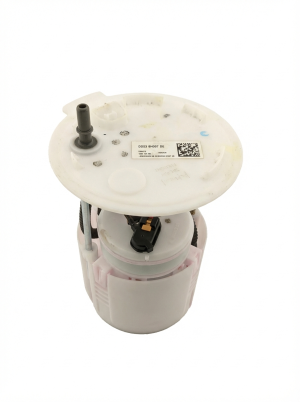
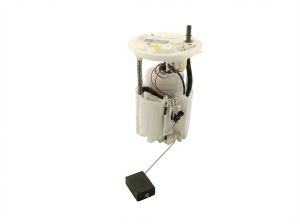
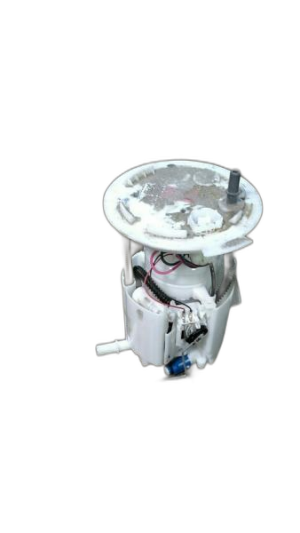
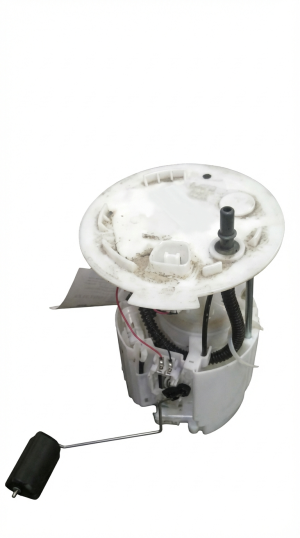
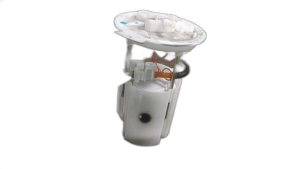
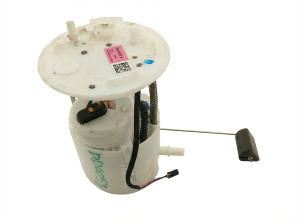
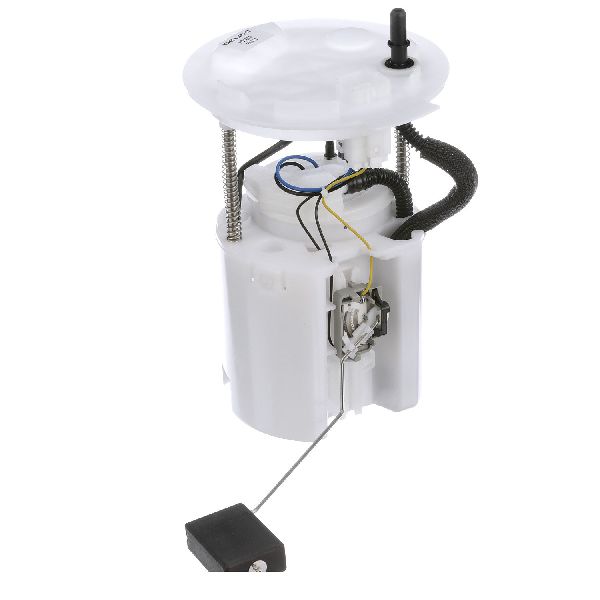
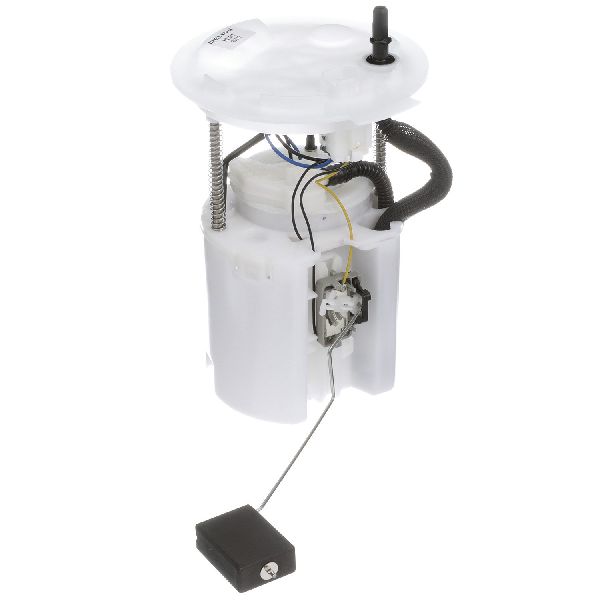
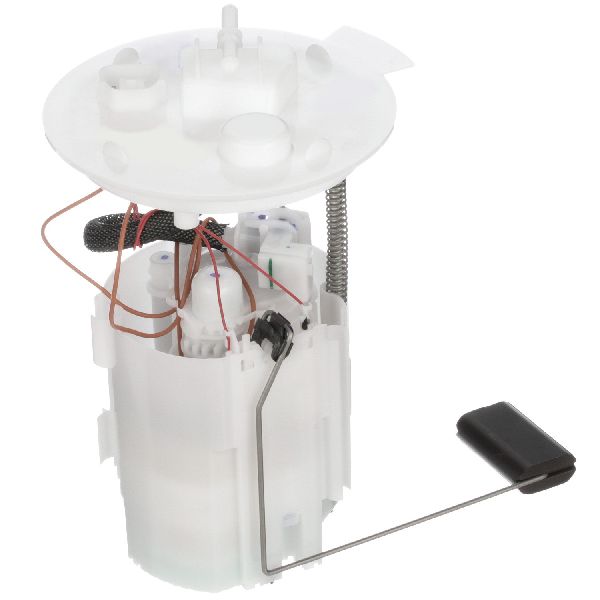
- Fuel Pump and Sender Assembly
(OEM #DG9Z-9A299-M)— The fuel level sensor (sender) is integrated into the fuel pump module. If the sensor fails, the entire assembly must be replaced. This is the most common repair for a confirmed sensor failure.
Trusted brands: Motorcraft, Bosch, Delphi
OEM price range: $220-$350
Aftermarket price range: $150-$250
Related Codes That Often Appear With This One
- P0463 — P0463 is 'Fuel Level Sensor 'A' Circuit High'. Seeing both codes intermittently could point to a chafed wire that is alternating between shorting to ground (P0462) and breaking contact entirely (P0463).
Platform-Specific Known Issues
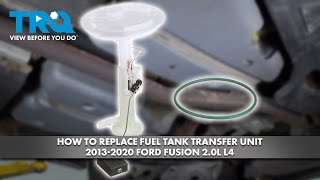
- Accessing the Fuel Pump: → Shop Fuel Pump On 2013 and later models, the fuel tank must be removed from the vehicle to access the fuel pump module. Unlike some earlier vehicles, there is no access panel under the rear seat, which significantly increases the labor time and difficulty of the repair. 🎬 Watch: Step-by-step guide to dropping the tank and replacing the fuel pump
Mechanic-Grade Diagnostic Values
- Fuel Level Sensor Signal Voltage (at PCM) — expected: 0.5V (Empty) to 4.5V (Full) on a 5V reference system.. Failure: A reading consistently below 0.5V, often near 0.1V-0.2V, indicates a short to ground or internal sensor failure and will trigger P0462.
- Fuel Level Sensor Resistance (at pump module connector) — expected: Approximately 180 ± 4 ohms when the tank is empty and 10 ± 2 ohms when the tank is full.. Failure: A reading of zero ohms indicates a short, while an infinite reading (OL) indicates an open circuit. If the resistance does not change smoothly as the float arm is moved, the sensor's resistor track is worn out.
Scan Tool Commands That Help
- Instrument Cluster (No Scan Tool Required): → Shop Instrument Cluster Instrument Cluster Self-Diagnostic Mode (Gauge Sweep Test) — To quickly verify if the instrument panel cluster's gauge motors and internal circuitry are functioning correctly. If the fuel gauge sweeps properly during this test, it is less likely that the cluster itself is the cause of the P0462 code. To activate, press and hold the trip meter reset button, turn the ignition to 'ON' or 'II', and release the button when 'TEST' appears on the display.
Wiring & Ground Locations
- Fuel Pump Control Module — Located at the base of the left (driver's side) 'C' pillar.. This module processes signals related to the fuel pump and sending unit. Its connections and ground are a critical part of the circuit to inspect for corrosion or damage.
- Ground Point G304 — Located at the left (driver's side) 'C' pillar.. This is a primary ground point for components in the rear of the vehicle. A loose or corroded G304 could cause a variety of issues, including the low voltage reading seen with a P0462 code.
OEM Part Supersession History
DG9Z-9A299-F→DG9Z-9A299-M— Standard part revision by the manufacturer for improvements or supplier changes.
Diagnostic Flowchart
Other Known Issues on This Vehicle
Issues unrelated to this code that are worth knowing about as an owner of this generation:
- 1.5L EcoBoost Coolant Intrusion 🔴 High — Common on 2014-2019 models with the 1.5L engine. Can occur at various mileages, often leading to engine replacement. (Ref: TSB 19-2375, TSB 20-2100)
- Shifter Cable Bushing Failure 🟠 Medium — Widespread on 2013-2016 models. The bushing degrades, causing a disconnect between the shifter and transmission, potentially leading to a rollaway. (Ref: Recall 18S20, 22V-413)
- Steering Gear Bolt Corrosion 🔴 High — Affects 2013-2016 models primarily in regions using road salt. Corrosion can cause bolts to fracture, leading to a loss of power steering assist. (Ref: Recall 15S14, 19S26)
- Harsh or Delayed Shifting (6F35 Transmission) 🟠 Medium — Common complaint across many model years. Can be caused by software issues, valve body wear, or failing solenoids.
Used vs. New Parts: Buying Guide for This Vehicle
When a used part is the smart pick: Almost never. The fuel level sender is a wear item and the labor to access it (dropping the fuel tank) is very high. The risk of a used part failing prematurely outweighs the initial cost savings. A used part should only be considered as a last resort if the owner can perform the labor for free.
Donor-vehicle mileage cap: roughly under 50000 miles for the part to have meaningful remaining life.
What to inspect on the donor part:
- Check for zero corrosion on the electrical connector pins.
- Ensure the plastic housing is not brittle or cracked.
- Manually move the float arm to ensure it travels its full range smoothly without sticking or binding.
OEM-only on this vehicle (don't cheap out):
- While not strictly 'OEM-only', using a Motorcraft (OEM) fuel pump and sender assembly is highly recommended to ensure longevity and avoid repeating the high-cost labor of this specific repair.
Aftermarket brands forum-validated for this vehicle:
- Bosch
- Delphi
Real Owner Stories
Aggregated from forums and TSBs cited above. Mileages and costs reflect what owners reported in those sources.
2013-2018 Ford Fusion
Symptoms: The fuel gauge reads empty or is stuck in one position regardless of the actual fuel level; the low fuel warning light is constantly illuminated.
What fixed it: Repairing a short to ground in the wiring harness between the fuel tank and the PCM where the wire had chafed against the chassis.
Source hint: common_causes section regarding 2013-2018 Fusion wiring harness issues
Related OBD-II Codes
Frequently Asked Questions
Can I access the fuel level sensor through an access panel under the rear seat of my 2013-2020 Ford Fusion?
Is there a specific wiring issue I should look for on my 2015 Ford Fusion regarding code P0462?
Should I buy a used fuel pump module to save money on this repair?
My fuel gauge is stuck on empty and P0462 is present; could this be related to the 1.5L EcoBoost coolant issue?
Could a blown fuse cause the P0462 code on my Fusion?
Does the Lincoln MKZ suffer from the same fuel gauge issues as the Fusion?
Helpful Videos
Used OEM Parts in Stock
New Aftermarket Parts Available

The information in this article is provided for general reference and educational purposes only. Vehicle specifications, procedures, and part compatibility can vary by production date, trim level, and region. Always consult your vehicle's factory service manual and verify part numbers before purchasing or performing repairs. Safety-critical components such as airbags, seat belts, and braking systems should be installed by a qualified professional.
- Ford Fusion:
- 🧭 Diagnostic Flowchart
- 🎬 Helpful Videos
- 🛍️ Shop This Part
- What's Unique About the 2013-2020 Ford Fusion
- Symptoms You May Notice
- Most Likely Causes
- Rare But Worth Checking
- Diagnosis Steps
- Parts You'll Likely Need
- Related Codes That Often Appear With This One
- Platform-Specific Known Issues
- Mechanic-Grade Diagnostic Values
- Scan Tool Commands That Help
- Wiring & Ground Locations
- OEM Part Supersession History
- Other Known Issues on This Vehicle
- Used vs. New Parts: Buying Guide for This Vehicle
- Real Owner Stories
- 2013-2018 Ford Fusion
- Related OBD-II Codes
- Frequently Asked Questions
- 🎟️ Get 5% Off