

P0462 on 2011-2016 Hyundai Elantra: Fuel Level Sensor Circuit Low Causes and Fixes
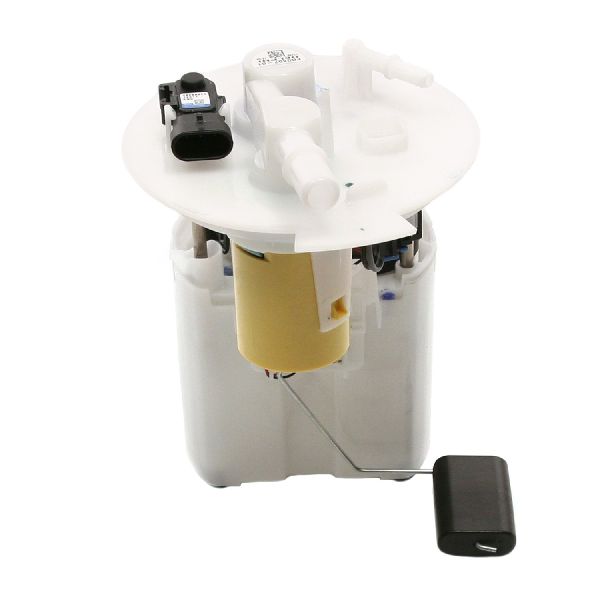
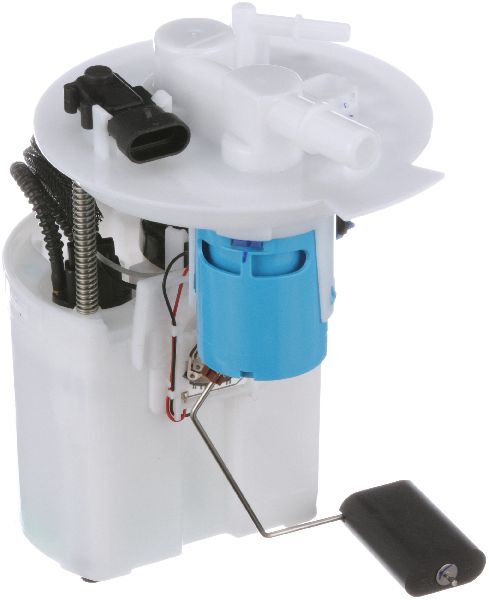
On a 2011-2016 Hyundai Elantra, code P0462 almost always means the fuel level sending unit has failed. This part is integrated into the fuel pump assembly inside the gas tank. Expect to pay between $100 and $350 for a replacement assembly, depending on whether you choose OEM or aftermarket. The repair is accessible under the rear seat.
- P0462 on your Elantra means the fuel gauge is not trustworthy.
- The most likely cause is a failed fuel level sending unit, which is part of the fuel pump module in the gas tank.
- You can continue to drive, but you must track your mileage with the trip meter to avoid running out of fuel.
- The repair involves replacing the fuel pump assembly, which is accessible from under the rear seat.
- Before replacing parts, verify the correct OEM part number for your specific Elantra using its VIN.
What's Unique About the 2011-2016 Hyundai Elantra
For the fifth-generation (MD/UD) Elantra, this code is a straightforward and common issue. The fuel level sender, which is a variable resistor that wears out over time, is the most frequent point of failure. Unlike some vehicles with complex dual-tank systems, the Elantra has a single sender integrated with the fuel pump module. Access is typically under the rear seat cushion, making replacement possible for a DIYer or shop without dropping the fuel tank, which simplifies the repair compared to many other vehicles.
Symptoms You May Notice
- Check Engine Light is on.
- Fuel gauge reads empty or is stuck in one position (e.g., full or half).
- Fuel gauge behaves erratically, jumping between full and empty.
- Low fuel warning light stays on even with fuel in the tank.
- Perceived fuel economy drops because the computer cannot accurately track fuel usage.
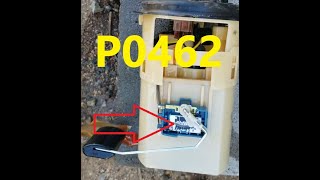
- Replacing the fuel pump itself for a running issue when the only code is P0462. 🎬 Watch: Understanding the P0462 code and its fixes This code specifically relates to the fuel *level* sensing circuit, not the pump's operation, although they are housed in the same assembly.
- Assuming the sending unit is bad without first checking the wiring harness for a short to ground, which can produce the exact same symptoms and code.
Most Likely Causes
- Failed Fuel Level Sending Unit 🔴 High Probability → Shop Fuel Tank Sending Unit The sending unit is a mechanical component with a resistor strip that the float arm sweeps across. Over time, this strip wears out from constant contact, creating dead spots or a complete short circuit, which is a common failure mode for this type of sensor.
How to confirm: Access the fuel pump assembly and measure the resistance of the sending unit with a multimeter while moving the float arm. The resistance should change smoothly and linearly. For this Elantra, the expected range is approximately 10 Ohms at Full to 200 Ohms at Empty. If there are sudden jumps, or it reads shorted (near 0 ohms) or open (infinite ohms) at any point, the unit is bad.
Typical fix: Replace the fuel pump module, which includes the sending unit. While the sender can sometimes be bought separately, it is most commonly sold and replaced as part of the entire fuel pump assembly to ensure all related components are new.
Est. part cost: $150-$400 - Wiring or Connector Issue 🟡 Medium Probability The wiring connector is located on top of the fuel tank under the rear seat. While protected from the elements, it can be exposed to moisture from spills or physical stress during other repairs, potentially leading to corrosion, pushed-out pins, or damage. Rodent damage to the harness has also been observed in similar Hyundai models.
How to confirm: Visually inspect the wiring harness and connector at the top of the fuel pump assembly for any signs of corrosion, damage, or loose pins. Perform a wiggle test on the connector while monitoring live data to see if the voltage reading changes. A persistent low voltage reading (below 0.2V) on the signal wire points to a short to ground somewhere in the harness.
Typical fix: Repair the damaged section of wire or clean/replace the faulty connector.
Est. part cost: $10-$50
Rare But Worth Checking
- Faulty Instrument Cluster: → Shop Instrument Cluster The instrument cluster processes the signal from the fuel level sensor to display it on the gauge. While rare, a failure within the cluster's circuitry can mimic a sensor problem. This is usually suspected only after the sensor and wiring have been confirmed to be good. A related Hyundai Sonata was fixed by replacing the instrument cluster after a new fuel level sensor did not solve the issue.
- Stuck Float Arm: The float arm can become physically stuck due to debris in the tank or damage from incorrect installation. This is uncommon but can happen, especially on vehicles that have sat for a very long time or if the tank has been deformed.
- Faulty Powertrain Control Module (PCM): This is extremely rare. The PCM is the last component to suspect. All other possibilities, including the sensor, wiring, and instrument cluster, should be exhaustively ruled out before considering PCM failure.
Diagnosis Steps
- Confirm the code P0462 is present using an OBD-II scanner.
- Observe the fuel gauge. Note if it is stuck on empty, full, or behaving erratically.
- Use a scan tool to monitor the live data for 'Fuel Level Sensor Voltage'. A reading consistently below 0.5V confirms the 'low input' condition. On some Hyundais, the threshold for the code is as low as 0.064V.
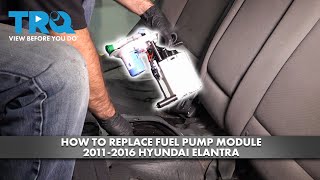
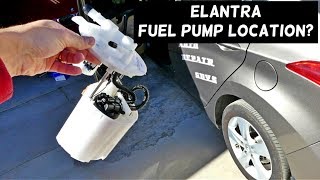
- Gain access to the fuel pump assembly, which is located under the rear seat cushion in the Elantra. 🎬 See: How to locate and access the fuel pump Remove the access panel.
- Disconnect the electrical connector and inspect it for corrosion, damage, or pushed-out pins.
- With the key on, check for reference voltage and a good ground at the connector using a multimeter. A short in the signal wire to ground will also result in a near-zero voltage reading.
- If wiring seems okay, remove the fuel pump assembly from the tank, being careful with fuel spillage.
- Using a multimeter set to Ohms, connect the leads to the sender unit's pins. Manually move the float arm from its lowest to highest position. The resistance reading should change smoothly without any dropouts or open circuits. For the 2011-2016 Elantra, the expected range is ~200 Ohms (Empty) to ~10 Ohms (Full). Any sudden jump to OL (over-limit) or 0 indicates a bad spot.
- If the resistance does not change smoothly or is out of specification, the sending unit is faulty and the fuel pump assembly should be replaced.
- If the sending unit tests good, the fault is likely in the wiring harness (a short to ground between the tank and the PCM) or, very rarely, the instrument cluster or PCM.
Parts You'll Likely Need
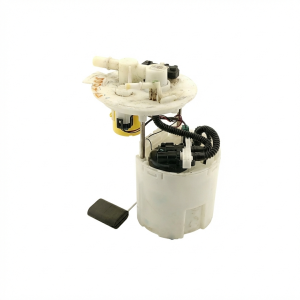
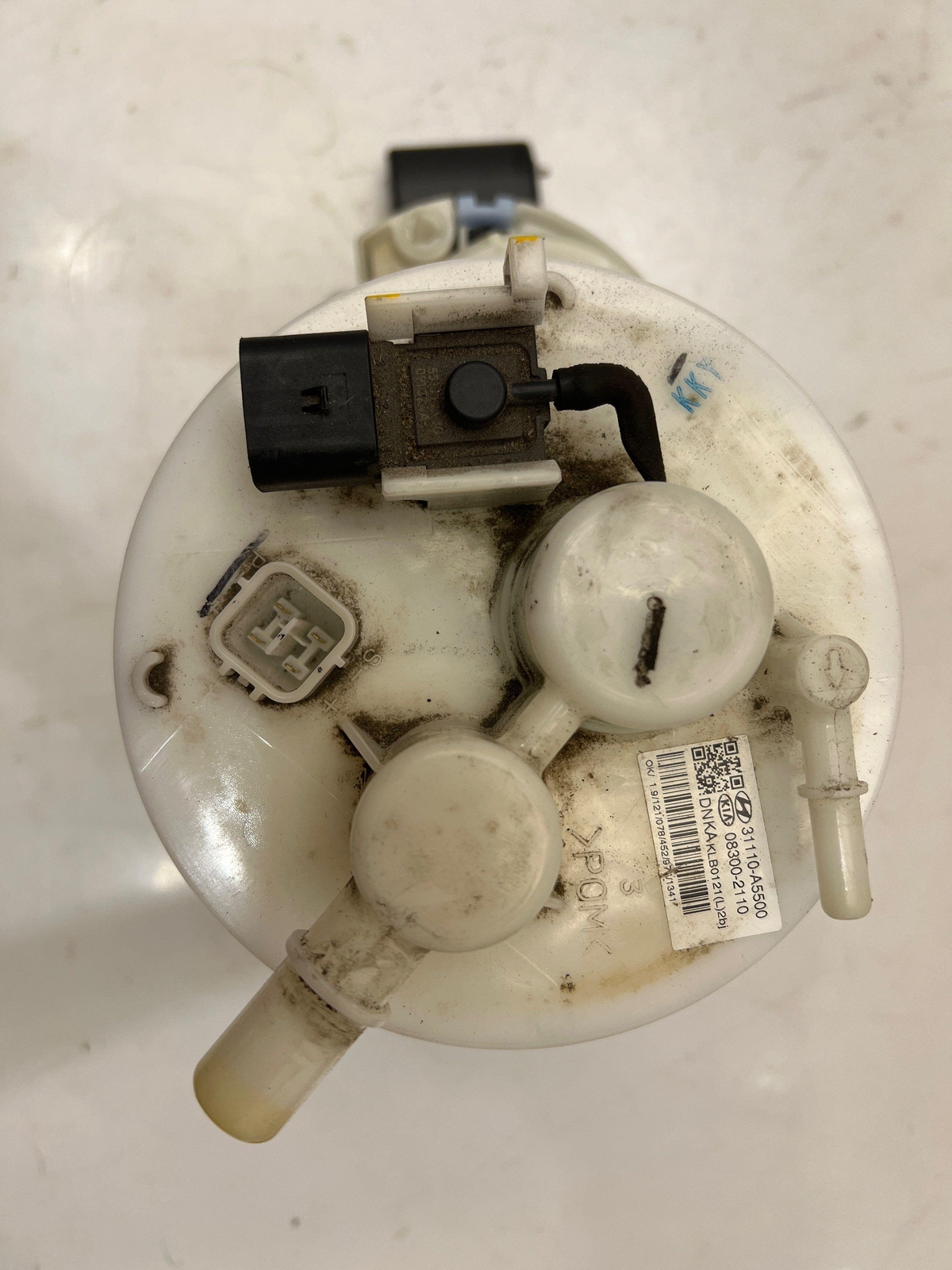
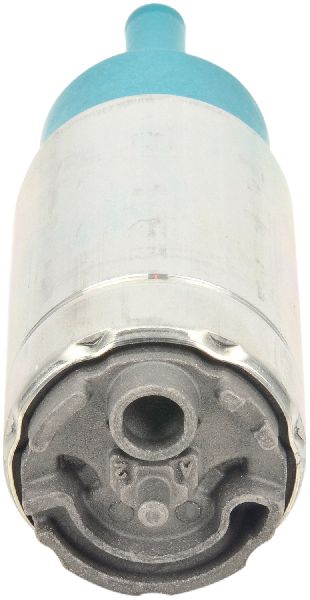
- Fuel Pump Assembly
(OEM #31110-3X500)— This is the most common fix. The fuel level sending unit that causes P0462 is integrated into this assembly. Replacing the entire module is the standard repair and ensures all related components are new.
Trusted brands: Hyundai (Genuine OEM), Delphi, Spectra Premium, Bosch, TYC
OEM price range: $250-$350
Aftermarket price range: $150-$250 - Fuel Level Sending Unit
(OEM #94460-3X520 (for 2014-2016 1.8L Sedan))— In some cases, the sending unit can be purchased separately from the pump motor, though it is often sold as part of the complete assembly. This part contains the float and variable resistor that fails.
Trusted brands: Hyundai (Genuine OEM)
OEM price range: $100-$150
Aftermarket price range: $70-$120
Platform-Specific Known Issues
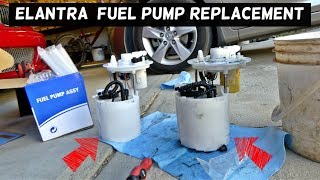
- Owner Repair Experience: An owner of a 2013 Elantra with P0462 and a fuel gauge stuck on empty confirmed the fix was replacing the entire fuel pump assembly. 🎬 Watch: Step-by-step fuel pump module replacement guide They noted the job was straightforward, with access under the rear seat, but emphasized the importance of safety when working with fuel.
- Part Number Variance: While part number 94460-3X520 is common for 2014-2016 1.8L sedans, other numbers like 94460-3X700 exist for 2012-2015 Flex Fuel models. It is critical for owners to verify the correct part number using their vehicle's VIN before purchasing.
Mechanic-Grade Diagnostic Values
- Fuel Level Sensor Resistance — expected: ~10 Ohms (Full) to ~200 Ohms (Empty). Failure: A reading of 'OL' (Open Loop), infinite resistance, near 0 Ohms, or values that do not sweep smoothly when moving the float arm.
- Fuel Level Sensor Signal Voltage (at PCM) — expected: Variable voltage, typically between 0.5V and 4.5V.. Failure: A reading consistently below 0.5V, and especially below 0.2V, confirms a low circuit condition. The code may set with a voltage below 0.064V for more than 5 seconds.
Wiring & Ground Locations
- Fuel Pump Relay — Integrated into the Engine Management System (EMS) box, also known as the E/R Junction Block, in the engine compartment. It is generally not a separately replaceable relay.. While not a direct cause of P0462 (which is a sensor circuit code), knowing its location is crucial for comprehensive fuel system electrical diagnosis.
- Fuel Pump Connector — On top of the fuel pump assembly, accessible by removing the rear seat cushion and an access panel.. This is the primary access point for testing the fuel level sensor's resistance and checking for power, ground, and signal integrity from the harness.
- GM01 (Ground) — Located at the top left side of the dash panel.. This is a primary ground point for many interior components, including potentially the instrument cluster which processes and displays the fuel level. A poor ground here could cause erratic gauge behavior.
- Fuel Level Sensor Signal Wire (at ECM) — A white wire at pin 16 of an ECM connector was identified in one 2013 Elantra case as the signal wire from the fuel pump relay control. Always verify with a vehicle-specific diagram.. This is the wire that carries the low voltage signal to the ECM. Testing for a short to ground on this wire is a key diagnostic step if the sensor itself tests good.
Real Owner Repair Stories
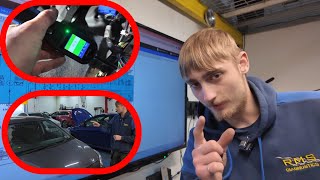
- YouTube user 'RMS Diagnostics' (2014 Hyundai i20 (related model with similar system)) — Fuel gauge not working.
❌ Tried (didn't work) The previous shop had already replaced the fuel sender unit, but the problem persisted.
✅ What actually fixed it The technician traced the wiring from the sender towards the front of the car and discovered rodent damage. Multiple wires under the protective tape were chewed through, including the fuel sender signal wire. Repairing the broken wires resolved the issue. - Reddit user in r/MechanicAdvice (2014 Hyundai Elantra) — Fuel gauge not working at all, stuck on empty.
✅ What actually fixed it The user replaced the entire fuel pump assembly located under the back seat. They described the job as 'surprisingly easy' and taking about an hour.
OEM Part Supersession History
Unknown→31110-3X500— This is the common OEM part number for the complete fuel pump module assembly for the 1.8L Elantra in this generation.
Heads up: The fuel level sender can sometimes be purchased alone as PN 94460-3X520, which fits 2014-2016 1.8L sedans. It is critical to verify the correct part number for your specific VIN and model year, as Flex Fuel models use different parts (e.g., 94460-3X700).
Diagnostic Flowchart
Other Known Issues on This Vehicle
Issues unrelated to this code that are worth knowing about as an owner of this generation:
- Engine Ticking / Piston Slap (1.8L Nu Engine) 🔴 High — Widespread issue, often noticeable on cold starts. Can appear from 60,000 miles onward and may lead to engine damage or failure. (Ref: Subject of class-action lawsuits and warranty extensions like TSB 21-EM-002H and TXXK, which extended powertrain warranty coverage for the engine short block.)
- Steering Coupler Failure 🟠 Medium — Extremely common. Owners report a distinct clicking, clunking, or rattling noise from the steering column when turning the wheel at low speeds or when stationary. (Ref: Hyundai acknowledged the issue and extended the warranty to 10 years/100,000 miles for this specific part.)
- Timing Chain Guide Failure 🔴 High — Less common than piston slap but serious. Plastic timing chain guides can become brittle and crack, causing the chain to slap or jump teeth, leading to a no-start condition or severe engine damage.
- ABS Module Internal Short 🔴 High — Affects a wide range of Hyundai models including the 2011-2015 Elantra. The ABS module can leak brake fluid internally, causing an electrical short. (Ref: Recall 251 (NHTSA Campaign 23V651000). Owners are advised to park outside and away from structures due to fire risk until the recall repair (fuse replacement) is performed.)
Used vs. New Parts: Buying Guide for This Vehicle
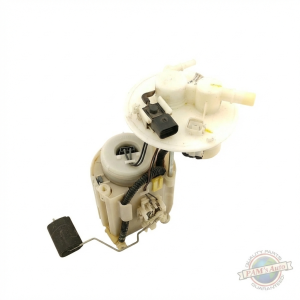
When a used part is the smart pick: A used fuel pump assembly from a reputable salvage yard can be a cost-effective option for this repair, as the failure is almost always the sending unit, not the pump motor itself. If you can find a low-mileage donor car, the entire assembly is often cheaper than a new aftermarket unit.
Donor-vehicle mileage cap: roughly under 80000 miles for the part to have meaningful remaining life.
What to inspect on the donor part:
- Verify the donor vehicle's mileage; lower is always better.
- Inspect the electrical connector on the used part for any signs of corrosion, melting, or pushed-out pins.
- If possible, test the resistance of the sending unit on the donor part before purchase, ensuring it sweeps smoothly from ~10 to ~200 ohms.
- Look for a clean, rust-free assembly, which indicates it came from a well-maintained vehicle.
Aftermarket brands forum-validated for this vehicle:
- Delphi (often an OE supplier)
- Bosch
- Spectra Premium
- Denso
Brands owners have reported issues with on this vehicle:
- Generic, unbranded 'white-box' parts have a higher reported failure rate across many forums and are generally not recommended for a repair that involves accessing the fuel tank.
Real Owner Stories
Aggregated from forums and TSBs cited above. Mileages and costs reflect what owners reported in those sources.
2013 Hyundai Elantra
Symptoms: The fuel gauge was stuck on empty and the P0462 code was present.
What fixed it: Replacing the entire fuel pump assembly. The owner noted the job was straightforward via the access panel under the rear seat.
Source hint: vehicle_specific_issues: Owner Repair Experience
Hyundai Sonata (Related Model)
Symptoms: P0461 and P0462 codes were present.
What fixed it: After replacing the fuel level sensor failed to fix the problem, the ultimate cause was determined to be a faulty instrument cluster.
Source hint: youtube.com video cited in forum_citations
Hyundai Santa Fe (Related Model)
Symptoms: Fuel gauge issues and diagnostic troubleshooting.
What fixed it: Testing the sender's resistance by manually moving the float arm up and down to confirm a bad spot on the resistor strip.
Source hint: hyundai-forums.com thread cited in forum_citations
Related OBD-II Codes
Frequently Asked Questions
Where is the fuel level sensor located on my 2011-2016 Elantra?
Is there a specific part number I should look for when replacing the sensor on a 2014-2016 1.8L sedan?
My Elantra has a ticking noise and P0462; are these related?
Can I just replace the sensor, or do I need the whole fuel pump?
What resistance should I see when testing the fuel sender on my Elantra?
Is there a recall for the fuel gauge issue on this model?
Helpful Videos
Used OEM Parts in Stock
New Aftermarket Parts Available




The information in this article is provided for general reference and educational purposes only. Vehicle specifications, procedures, and part compatibility can vary by production date, trim level, and region. Always consult your vehicle's factory service manual and verify part numbers before purchasing or performing repairs. Safety-critical components such as airbags, seat belts, and braking systems should be installed by a qualified professional.
- Hyundai Elantra:
- 🧭 Diagnostic Flowchart
- 🎬 Helpful Videos
- 🛍️ Shop This Part
- What's Unique About the 2011-2016 Hyundai Elantra
- Symptoms You May Notice
- Most Likely Causes
- Rare But Worth Checking
- Diagnosis Steps
- Parts You'll Likely Need
- Platform-Specific Known Issues
- Mechanic-Grade Diagnostic Values
- Wiring & Ground Locations
- Real Owner Repair Stories
- OEM Part Supersession History
- Other Known Issues on This Vehicle
- Used vs. New Parts: Buying Guide for This Vehicle
- Real Owner Stories
- 2013 Hyundai Elantra
- Hyundai Sonata (Related Model)
- Hyundai Santa Fe (Related Model)
- Related OBD-II Codes
- Frequently Asked Questions
- 🎟️ Get 5% Off