

P0463 on 2007-2014 Cadillac Escalade: Fuel Level Sensor Causes and Fixes
On a 2007-2014 Escalade, code P0463 is almost always caused by a failed fuel level sensor, which is part of the in-tank fuel pump module. The most common fix is to replace the entire fuel pump assembly, a job that costs between $700 and $1100 at a shop due to the labor involved in dropping the fuel tank.
- P0463 on your Escalade means the fuel gauge is unreliable. Keep track of your mileage to avoid running out of gas.
- The most likely culprit is the fuel level sensor, which is part of the fuel pump module inside the gas tank.
- Before buying an expensive new fuel pump module, have the wiring and ground connections checked, as a broken wire can also cause this code.
- Replacing the fuel pump module is a significant job that involves dropping the fuel tank and is best left to a professional if you are not experienced with this type of repair.
What's Unique About the 2007-2014 Cadillac Escalade
The 2007-2014 Cadillac Escalade is built on the GMT900 platform, which it shares with the Chevrolet Tahoe, Suburban, Silverado, and GMC Yukon and Sierra. This entire family of GM trucks and SUVs is notoriously prone to fuel level sensor failures. The sensor, or sending unit, contains a resistor that wears out, often due to sulfur in gasoline. It is integrated into the fuel pump module and cannot be replaced separately from the OEM. This design means a simple sensor failure requires the replacement of the entire, more expensive fuel pump assembly, making the repair significantly more costly than on vehicles with a separate sensor.
Symptoms You May Notice
- Check Engine Light is on
- Fuel gauge reads incorrectly (e.g., stuck on Full, stuck on Empty, or fluctuates randomly).
- Low fuel warning light may illuminate even with a full tank.
- Fuel gauge drops to empty and stays there.
- Replacing only the fuel pump when the issue is a broken wire.
- Replacing the instrument cluster when the fault lies with the in-tank sensor.
- Replacing the fuel pump module without first testing the wiring harness for opens or shorts.
Most Likely Causes
- Failed Fuel Level Sensor / Fuel Pump Module 🔴 High Probability → Shop Fuel Tank Sending Unit The fuel level sensor (sending unit) is a known weak point on this GM truck/SUV platform. The sensor's resistive strip wears out over time, often exacerbated by sulfur in fuel, leading to an open circuit or erratic readings. It is integrated into the fuel pump module and not sold separately by GM.
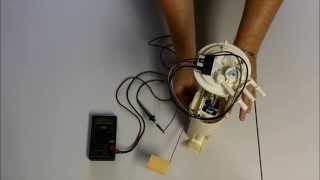
How to confirm: After ruling out wiring, the most definitive test is to access the fuel pump connector and measure the sensor's resistance with a multimeter. On these models, resistance should be approximately 40 ohms when full and 250 ohms when empty. An infinite (OL) reading indicates an open circuit and a faulty sensor.
Typical fix: Replace the entire fuel pump module assembly, which includes a new fuel pump, fuel level sensor, and float.
Est. part cost: $250-$500 - Damaged Wiring or Corroded Connector 🟡 Medium Probability The wiring harness running to the fuel tank is exposed to the elements, making it susceptible to corrosion, chafing, or breaks, especially near the top of the fuel tank and where the harness runs over the transmission.
How to confirm: Visually inspect the wiring harness leading to the fuel pump module for any visible damage. Perform a continuity test on the signal wire (typically purple on these models) from the fuel pump connector to the PCM to check for an open circuit. A voltage check at the connector should show a 5V reference from the PCM.
Typical fix: Repair the broken or corroded section of the wire. Clean or replace the connector if it is damaged.
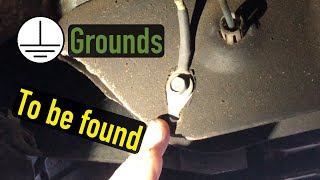
Est. part cost: $10-$50 - Poor Ground Connection ⚪ Low Probability The ground strap for the fuel tank or the ground circuit for the sensor can corrode over time, creating high resistance. While less common for a 'high input' code (which suggests an open), a faulty ground can cause a range of electrical issues. A key ground point to inspect is G305, located on the frame rail near the third body mount on the left side.
How to confirm: Locate the ground connection for the fuel pump circuit (refer to a service manual) and test its integrity using a multimeter. There should be minimal resistance (less than 5 ohms) between the ground wire at the pump connector and the vehicle's chassis.
Typical fix: Clean the corrosion from the ground point and re-secure the connection. If the wire itself is damaged, it will need to be repaired.
Est. part cost: $5-$20
Rare But Worth Checking
- Faulty Fuel Pump Control Module (FPCM): → Shop Fuel Pump The FPCM (also called a driver module) can sometimes fail and cause various fuel system issues. While less common for an isolated P0463, it's a possibility if other fuel-related codes are present. Dorman offers pre-programmed OE FIX modules (like p/n 601-131) that don't require dealer calibration.
- Faulty Instrument Panel Cluster (IPC): → Shop Instrument Cluster In very rare cases, the instrument cluster itself can fail, leading to an incorrect gauge reading. However, with P0463, the fault is almost always in the sensor circuit before the PCM, as the PCM sends the data to the cluster. This is usually accompanied by other gauge or display problems.
- Faulty Powertrain Control Module (PCM): A failure within the PCM is extremely rare but possible. This would typically be the last item to suspect after all other circuit components have been thoroughly tested.
Diagnosis Steps
- Scan the vehicle's computer for P0463 and any other related trouble codes. Note any other codes present.
- Using a scan tool, observe the live data for 'Fuel Level Sensor Voltage'. A reading fixed at or near 5 volts confirms the 'High Input' condition the PCM is seeing.
- Perform a visual inspection of the wiring harness and connector at the top of the fuel tank. Look for obvious signs of damage, corrosion, or loose connections. Pay special attention to the harness section that runs over the transmission.
- Access the fuel pump module connector. With the key on, use a multimeter to verify there is a 5-volt reference on the signal wire (usually purple) and a good ground on the ground wire (usually black).
- If the reference voltage or ground is missing, trace and repair the corresponding wire. If both are present, the wiring to the pump is likely okay.
- With the connector unplugged, measure the resistance across the two fuel level sensor terminals on the pump module itself. The resistance should be between 40 ohms (full) and 250 ohms (empty).
- If the resistance is infinite (OL - Open Loop), the fuel level sending unit is faulty.
- As a final confirmation, you can use a jumper wire to short the signal and ground terminals on the harness-side connector. The fuel gauge on the scan tool should drop to its lowest reading. This confirms the integrity of the wiring and the PCM.
- If the sending unit is confirmed faulty, the entire fuel pump module must be replaced.
Parts You'll Likely Need
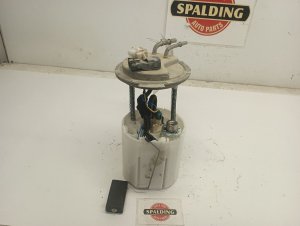
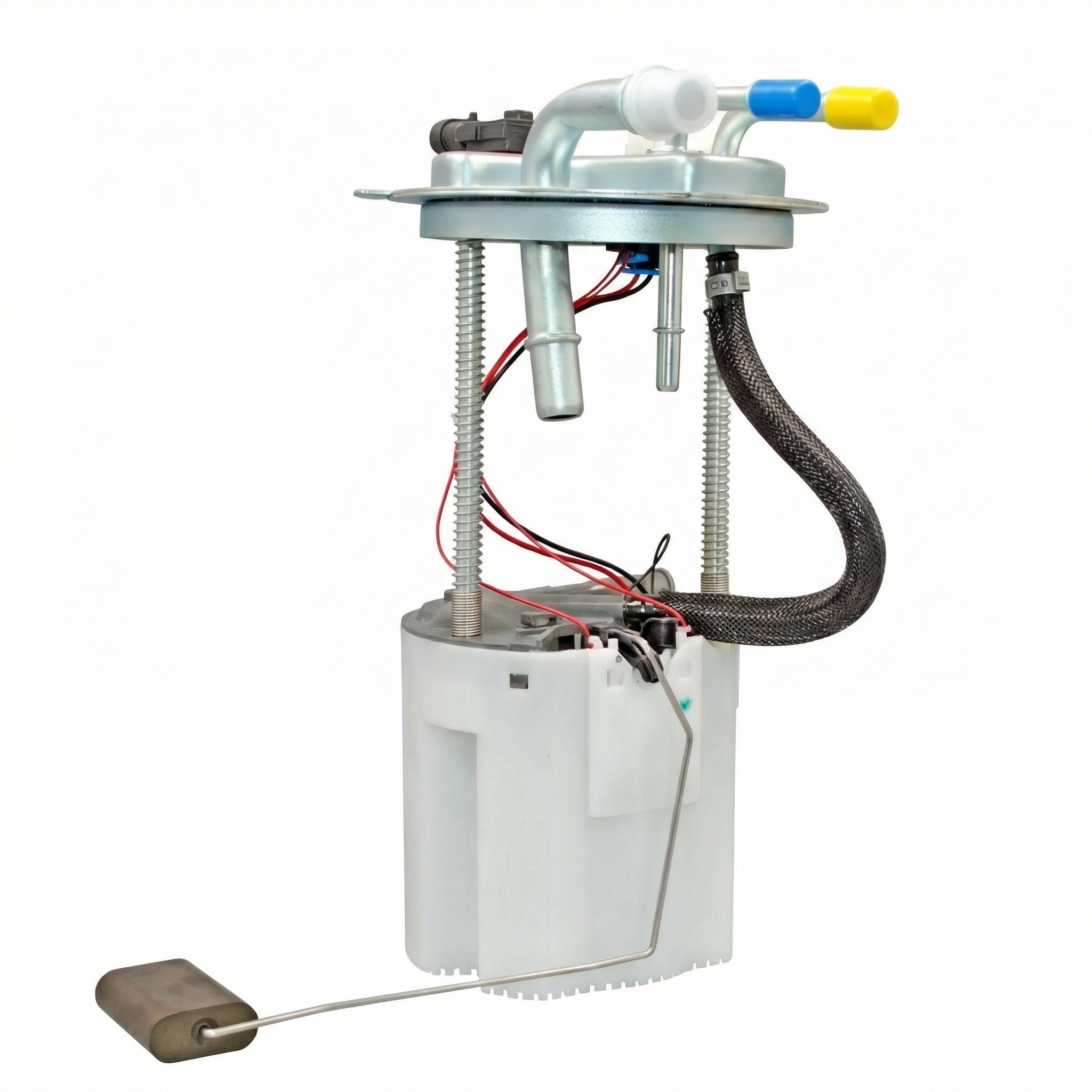
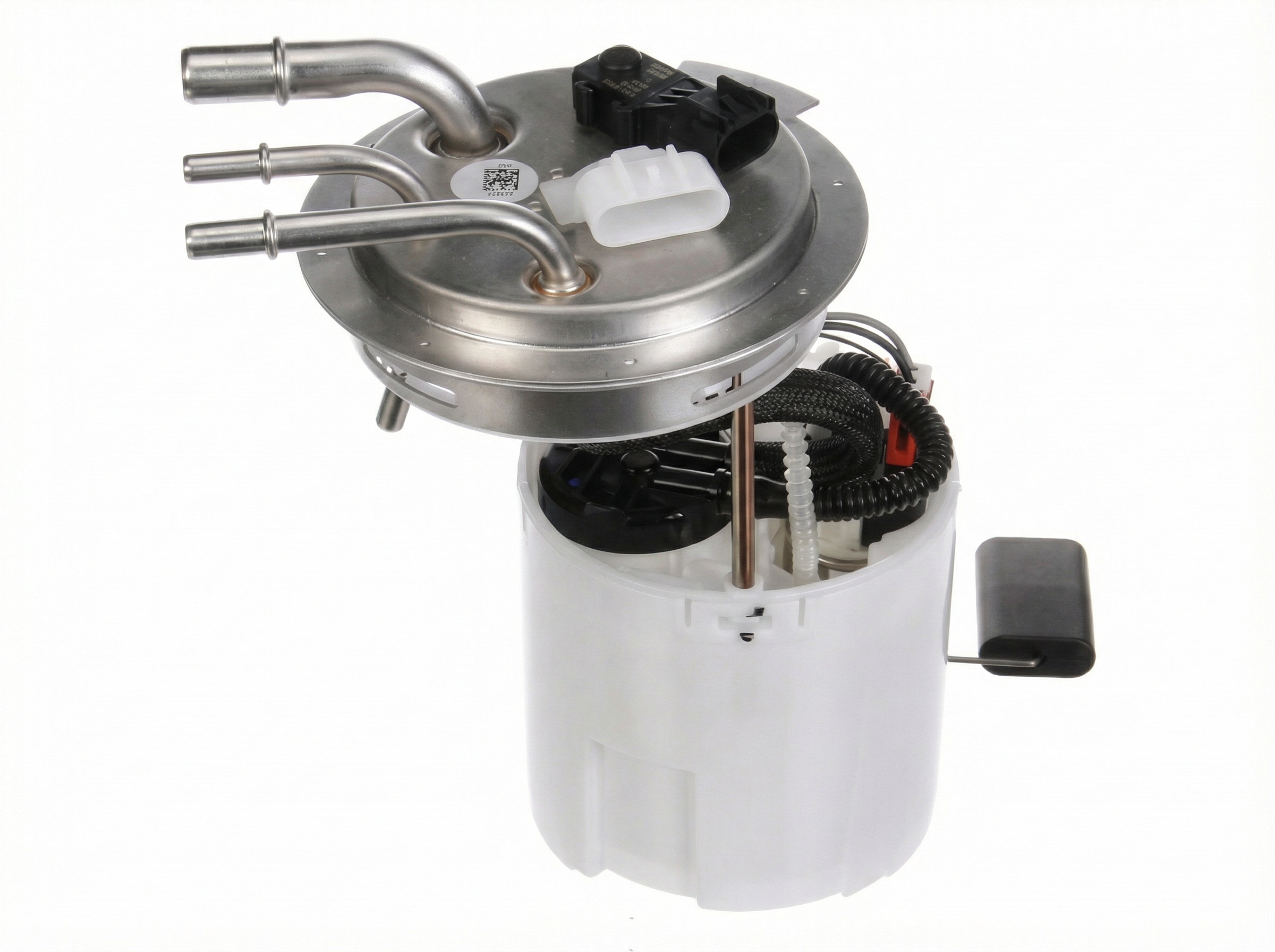
- Fuel Pump and Level Sensor Module
(OEM #19168707 (Note: This number may be superseded. Multiple part numbers exist based on model year and wheelbase, e.g., ESV vs. standard. Always verify with VIN.))— This is the most common cause of failure. The fuel level sensor is integrated into this assembly and is not sold separately by the OEM.
Trusted brands: ACDelco (OEM), Delphi (Often the OE manufacturer), Spectra Premium, Dorman
OEM price range: $350-$500
Aftermarket price range: $200-$350
Related Codes That Often Appear With This One
- P0462 — This code indicates 'Fuel Level Sensor Circuit Low Input,' the opposite of P0463. Seeing both could suggest an intermittent wiring problem or a failing sensor that is fluctuating between open and shorted states.
- P0461 — This code means 'Fuel Level Sensor Circuit Range/Performance.' It indicates the PCM is seeing erratic or illogical signals from the sensor, which is common as the sensor's resistor strip begins to wear out.
Technical Service Bulletins (TSBs) & Recalls
- TSB #10-06-01-007E: While not for P0463, this TSB addresses a very common engine issue on these vehicles: a valve lifter tick noise at startup caused by failing Active Fuel Management (AFM) lifters. This is a critical issue for owners to be aware of.
- Recall 14515: Affects 2008-2014 Escalades for a potential Chassis Electronic Control Module contamination. While it can cause stalling, it is not directly linked to the P0463 code but addresses a related electronic system on the vehicle.
Platform-Specific Known Issues
- A documented case on a 2007 Escalade showed this code was caused by a broken purple signal wire in the harness that runs over the transmission, which required tracing and repairing the wire rather than replacing the pump.
- Owners on
tahoeyukonforum.comand other GM truck forums frequently discuss the P0463 code, with the overwhelming consensus being that the sending unit within the fuel pump assembly has failed, requiring a full module replacement.
Mechanic-Grade Diagnostic Values
- Fuel Level Sensor Resistance — expected: 40 Ohms (Full) to 250 Ohms (Empty). Failure: An infinite (OL) reading indicates an open circuit. A reading outside the specified range indicates a faulty sensor.
- Fuel Level Sensor Circuit Voltage (at PCM) — expected: ~0.5V (Empty) to ~4.5V (Full). Failure: A reading consistently at or near 5V indicates a high circuit condition (open circuit), triggering P0463.
- Fuel Pump Circuit Ground Resistance — expected: Less than 5 Ohms. Failure: Resistance values above 5 Ohms suggest a poor ground connection that needs to be cleaned or repaired.
Scan Tool Commands That Help
- GM Tech2 or GDS2: Read Fuel Level Sensor Voltage/Resistance — This is the primary live data PID to monitor. It allows you to see the exact value the PCM is receiving from the sensor circuit, confirming if it's stuck high.
- GM Tech2 or GDS2: Fuel Gauge Sweep / Output Control — This bidirectional command allows the technician to command the instrument panel fuel gauge to sweep from empty to full. If the gauge responds correctly, it rules out the instrument cluster itself as the problem, pointing the diagnosis back to the sensor circuit or PCM.
- GM Tech2 or GDS2: Clear Codes — On some GM models, after the repair is complete, the code must be manually cleared with a scan tool for the fuel gauge to begin functioning correctly again. Simply fixing the hardware issue may not restore gauge function until the code is cleared.
Wiring & Ground Locations
- Fuel Pump Connector — Top of the fuel tank, accessible after dropping the tank or cutting an access panel.. This is the primary test point. The purple wire is the signal wire, and the black wire is the ground for the level sensor. Testing for 5V reference, ground integrity, and sensor resistance happens at this connector.
- G305 — Under the vehicle, on the frame rail to the rear of the left (driver's side) B-pillar, near the third body mount.. This is a major chassis ground point. While a bad ground here is less likely to cause a 'high input' (open circuit) code, corrosion at this point can cause a host of intermittent electrical issues with the fuel system.
- Harness over Transmission — The main vehicle harness that includes the fuel pump wiring runs from the engine bay, over the transmission, and along the frame rail to the tank.. This area is a known chafe point. Heat from the transmission and vibration can cause wires, including the purple signal wire for the fuel level sensor, to rub through their insulation and break, creating an open circuit that sets P0463.
Real Owner Repair Stories
- Multiple forum reports and technician accounts (2007-2014 GM Trucks/SUVs (GMT900 Platform)) — P0463, fuel gauge stuck on full or empty.
❌ Tried (didn't work) Replacing the fuel pump module without testing wiring.
✅ What actually fixed it A broken purple signal wire was discovered in the wiring harness where it passes over the transmission. The heat and vibration caused the wire to chafe and eventually break. Repairing the broken wire by splicing in a new section resolved the P0463 code without needing to replace the fuel pump module.
OEM Part Supersession History
19206478→19168707— Standard part update/revision by GM.
Heads up: Part number 19168707 is often listed as the pump module *without* the fuel level sensor, intended as a service part for when only the pump motor fails. For a P0463 fix, you need the complete assembly that includes the sensor. Always verify the part description and cross-reference with your VIN to ensure you are buying the complete module with the sending unit included.
Model Year Variations Within This Range
- 2007-2014: While the core issue and fix are consistent, multiple fuel pump module part numbers exist depending on the specific model year, wheelbase (standard vs. ESV), and whether the vehicle is Flex Fuel capable. Using the wrong module can result in incorrect fuel level readings or fitment issues. Always confirm the part number with the vehicle's VIN.
Diagnostic Flowchart
Other Known Issues on This Vehicle
Issues unrelated to this code that are worth knowing about as an owner of this generation:
- Active Fuel Management (AFM) Lifter Failure 🔴 High — Common issue, can occur at various mileages. Often presents as a ticking noise, misfire (P0300), and can lead to camshaft damage. (Ref: TSB #10-06-01-007E, #15-06-01-002L)
- Cracked Dashboard 🟡 Low — Extremely common, especially on vehicles exposed to sun/heat. Cracks typically form on the driver's side near the instrument cluster and/or over the passenger airbag. (Ref: A class-action lawsuit was filed regarding this issue, but no official recall was issued by GM.)
- Broken Exterior and Interior Door Handles 🟠 Medium — Very common failure. The exterior handles break at the pivot point, while the chrome on the interior handles can peel and become sharp.
- Service Suspension System Message 🟠 Medium — Frequently reported. Often caused by failing air ride suspension components (rear shocks, compressor) or front struts locking up.
- Reduced Engine Power Message 🟠 Medium — Commonly caused by a failing electronic throttle body or accelerator pedal position sensor, triggering codes like P2135.
Used vs. New Parts: Buying Guide for This Vehicle
When a used part is the smart pick: A used fuel pump module is almost never a smart choice for this repair. The fuel level sensor is a known high-failure item due to wear. Installing a used unit, even if it works initially, carries a high risk of the same P0463 failure occurring again in the near future, forcing you to repeat the significant labor of dropping the fuel tank.
Donor-vehicle mileage cap: roughly under 20000 miles for the part to have meaningful remaining life.
What to inspect on the donor part:
- Verify the part came from a vehicle that was not stored for a long time, as this can cause corrosion.
- Inspect the electrical connector pins for any signs of corrosion or overheating (discoloration).
- If possible, test the resistance of the level sensor before purchase to ensure it reads between 40-250 ohms and is not an open circuit.
Aftermarket brands forum-validated for this vehicle:
- ACDelco (OEM)
- Delphi (Often the Original Equipment manufacturer for GM).
- Bosch
Brands owners have reported issues with on this vehicle:
- Unbranded, 'white box', or extremely low-cost units from online marketplaces. Forum and Reddit users frequently report these failing within months, sometimes even weeks, making the cost savings not worth the repeated labor.
Real Owner Stories
Aggregated from forums and TSBs cited above. Mileages and costs reflect what owners reported in those sources.
2007 Cadillac Escalade
Symptoms: The vehicle triggered a P0463 code, but the issue was not the sensor itself.
What fixed it: Tracing and repairing a broken purple signal wire in the harness that runs over the transmission.
Source hint: vehicle_specific_issues
2011 Cadillac Escalade
Symptoms: Owner experienced a collapsed lifter issue, which is a significant potential expense for this platform.
What fixed it: This report details AFM lifter failure rather than the P0463 fix, but highlights a common platform risk.
Source hint: cadillacforums.com: A thread titled '2011 Escalade AFM Lifter Failure'
Related OBD-II Codes
Frequently Asked Questions
Can I just replace the fuel level sensor on my 2007-2014 Escalade, or do I need the whole pump?
Is there a specific wiring spot on the Escalade I should check before buying a new pump?
Where is the ground point for the fuel system located on this vehicle?
Does Recall 14515 relate to my fuel gauge reading incorrectly?
What resistance values should I see when testing the Escalade fuel sending unit?
Are there other common issues I should look out for while fixing this on my Escalade?
Helpful Videos

Used OEM Parts in Stock
New Aftermarket Parts Available



The information in this article is provided for general reference and educational purposes only. Vehicle specifications, procedures, and part compatibility can vary by production date, trim level, and region. Always consult your vehicle's factory service manual and verify part numbers before purchasing or performing repairs. Safety-critical components such as airbags, seat belts, and braking systems should be installed by a qualified professional.
- Cadillac Escalade:
- 🧭 Diagnostic Flowchart
- 🎬 Helpful Videos
- 🛍️ Shop This Part
- What's Unique About the 2007-2014 Cadillac Escalade
- Symptoms You May Notice
- Most Likely Causes
- Rare But Worth Checking
- Diagnosis Steps
- Parts You'll Likely Need
- Related Codes That Often Appear With This One
- Technical Service Bulletins (TSBs) & Recalls
- Platform-Specific Known Issues
- Mechanic-Grade Diagnostic Values
- Scan Tool Commands That Help
- Wiring & Ground Locations
- Real Owner Repair Stories
- OEM Part Supersession History
- Model Year Variations Within This Range
- Other Known Issues on This Vehicle
- Used vs. New Parts: Buying Guide for This Vehicle
- Real Owner Stories
- 2007 Cadillac Escalade
- 2011 Cadillac Escalade
- Related OBD-II Codes
- Frequently Asked Questions
- 🎟️ Get 5% Off