

P0463 on 2004-2012 Chevrolet Colorado: Fuel Level Sensor Failure Causes and Fixes
On a 2004-2012 Colorado, P0463 almost always means the fuel level sending unit has failed. This part is integrated into the fuel pump module inside the gas tank. The most common fix is replacing the entire fuel pump module, which is a costly repair due to the part and labor involved. The failure is so common it's listed as a top problem for this generation.
- P0463 on your Colorado means the fuel level sensor has likely failed.
- You cannot trust your fuel gauge. Track your mileage to avoid running out of gas.
- The fix is almost always to replace the entire fuel pump module, which is located inside the fuel tank.
- This is a difficult and hazardous DIY repair. Professional service is strongly recommended.
- Before buying parts, confirm the diagnosis by testing the sensor's resistance and the circuit's integrity at the fuel tank connector.
What's Unique About the 2004-2012 Chevrolet Colorado
The first-generation Chevrolet Colorado (and its GMT355 platform mates, the GMC Canyon and Hummer H3) is known for this issue. The primary cause is the failure of the fuel level sensor's resistive strip, which is part of the larger, more expensive fuel pump module. While wiring issues can occur, the sensor itself is the most frequent point of failure. Owners often debate the best method for access: lifting the truck bed or dropping the fuel tank. Bed removal is often cited as easier, but a key vehicle-specific issue is that on Crew Cab models, there is no access from above, forcing a tank drop.
Symptoms You May Notice
- Check Engine Light is on
- Fuel gauge reads full, empty, or fluctuates erratically (most commonly, it will default to empty)
- Low fuel light may stay on or flash.
- Inaccurate fuel readings on a scan tool
- Replacing the instrument cluster when the problem is the sending unit.
- Replacing the PCM without thoroughly testing the sensor and wiring circuit first.
- Replacing the fuel pump for a drivability issue when the code is only related to fuel level measurement.
Most Likely Causes
- Failed Fuel Level Sensor (Sending Unit) 🔴 High Probability → Shop Fuel Tank Sending Unit The resistive strip or the 'fingers' that contact it on the sensor wear out or break over time, causing an open circuit which the PCM reads as high voltage. This is the most commonly reported failure for P0463 on this platform and is considered one of the top 5 most common problems for the 1st Gen Colorado.
How to confirm: A scan tool will show the fuel level sensor voltage stuck at 5 volts. A diagnostic test involves measuring the resistance of the sensor at the fuel pump connector. Per the service manual, it should be less than 41 ohms when full and greater than 119 ohms when empty. A reading of infinite resistance (open circuit) confirms failure. Note: The common GM range for this era is 40 ohms (empty) to 250 ohms (full), so values may vary slightly.
Typical fix: Replace the entire fuel pump module, as the sensor is integrated. Common part numbers include ACDelco MU1613 and Delphi FG0921.
Est. part cost: $250-$700 - Damaged Wiring or Connectors 🟡 Medium Probability The wiring harness runs along the frame rail and is exposed to the elements, making it susceptible to corrosion or physical damage. The main connector on top of the fuel tank is a frequent spot for corrosion, leading to poor connections and high resistance.
How to confirm: Visually inspect the wiring harness from the PCM to the fuel tank for breaks, chafing, or corrosion. Pay close attention to the connector on the fuel pump module. Test for 5V on the signal wire (typically purple) and continuity to ground on the ground wire (typically black) at the harness connector with the key on. Jumping the signal and ground wires together with a paperclip should make the scan tool reading go from 5V to 0V, confirming circuit integrity.
Typical fix: Repair the damaged section of the wiring harness or clean/replace the corroded connector.
Est. part cost: $20-$100 - Poor Ground Connection ⚪ Low Probability Frame grounds can corrode, leading to high resistance. The first-gen Colorado has several splice packs (like SP105) and ground points (G103, G107) known to cause various electrical issues. A bad ground for the fuel pump circuit can cause erratic signals.
How to confirm: Locate the ground point for the fuel pump circuit on the frame rail near the tank. Check for corrosion or looseness. Perform a voltage drop test on the ground circuit; with the circuit loaded, you should see less than 100mV between the ground wire at the connector and a clean chassis ground.
Typical fix: Disassemble the ground connection, clean all contact points to bare metal, apply dielectric grease, and re-secure it tightly.
Est. part cost: $1-$5
Rare But Worth Checking
- Faulty Powertrain Control Module (PCM): This is extremely rare. The PCM should only be considered after all other possibilities, including the sensor and wiring, have been exhaustively tested and ruled out.
- Faulty Instrument Cluster: → Shop Instrument Cluster An internal failure in the instrument cluster could theoretically cause a faulty gauge reading, but it is highly unlikely to set a P0463 code, which originates from the PCM's reading of the sensor circuit before the data is sent to the cluster.
Diagnosis Steps
- Verify the code with an OBD-II scanner. Note any other codes present.
- Using the scanner's live data, observe the 'Fuel Level Sensor' voltage. A reading stuck at or near 5 volts is a key indicator for P0463.
- Inspect the wiring harness running along the driver's side frame rail to the fuel tank. Look for any signs of physical damage, melting, or corrosion.
- Gain access to the fuel pump module connector on top of the tank. Inspect the connector for green or white corrosion or loose pins.
- Disconnect the harness. With the key ON, test the harness-side connector. You should have a 5-volt reference on the signal wire (purple) and a good ground (less than 1 ohm to chassis) on the low reference wire (black).
- With the harness still disconnected, measure the resistance across the fuel level sensor terminals on the pump module itself. Per the 2011 service manual, it should be less than 41 ohms (full) and greater than 119 ohms (empty). An open circuit (infinite resistance) confirms a failed sensor.
- If the sensor resistance is within spec but the gauge is still faulty, perform a circuit integrity test. Use a fused jumper wire or paperclip to connect the signal and ground terminals on the harness-side connector. The scan tool's fuel level voltage should drop to 0 volts. If it does, the wiring and PCM are good, pointing back to an intermittent sensor failure. If it does not, there is an open or short in the wiring harness.
- If wiring and sensor test good, the issue may be with the PCM, but this is highly unlikely.
Parts You'll Likely Need
- Fuel Pump Module Assembly
(OEM #ACDelco MU1613 (This is a common GM part number, cross-reference for exact vehicle spec))— The fuel level sensor is integrated into the fuel pump module. When the sensor fails, the entire assembly is typically replaced. This is the most common fix for P0463 on this truck.
Trusted brands: ACDelco, Delphi
OEM price range: $400-$725
Aftermarket price range: $250-$500
Related Codes That Often Appear With This One
- P0461 — P0461 indicates a range/performance issue with the sensor. It often appears alongside P0463 as the sensor begins to fail erratically before failing completely high.
- P0462 — P0462 is the opposite code for 'Circuit Low Input'. Seeing both codes intermittently can indicate a sensor that is shorting out or has a broken resistor strip causing wild fluctuations.
Platform-Specific Known Issues
- On Crew Cab models, the fuel pump is not accessible via an access panel under the bed, forcing you to drop the fuel tank for replacement. This was a point of frustration for owners who attempted bed removal first.
- The fuel pump module retaining ring on the tank is highly prone to rusting, which can make removal extremely difficult. A special tool is often required, and care must be taken to not damage the plastic fuel tank, as new tanks are reportedly no longer manufactured for this platform.
Mechanic-Grade Diagnostic Values
- Fuel Level Sensor Resistance (ACDelco MU1613 replacement part) — expected: 40 Ohms (Empty) to 248.5 Ohms (Full). Failure: A reading of infinite resistance (Open Loop / O.L.) indicates a failed sensor. A reading outside the expected range indicates a faulty resistor.
- Fuel Level Sensor Signal Voltage (at PCM, via Scan Tool) — expected: A variable voltage between approx. 0.5V (Full) and 4.5V (Empty).. Failure: A reading fixed at 5.0 volts indicates an open circuit, which triggers P0463.
Scan Tool Commands That Help
- GM Tech2 / GDS2 or equivalent high-level scanner: Instrument Cluster Special Functions -> Gauge Sweep or Fuel Gauge Command — Use this bidirectional control to command the fuel gauge needle to different positions (e.g., Empty, Half, Full). If the gauge responds correctly to the scanner's command, it confirms the instrument cluster and its internal stepper motor are working, isolating the fault to the sending unit or the circuit between the PCM and the tank.
Wiring & Ground Locations
- SP105 — Driver's side engine bay, near the battery, often bolted behind the ABS module. Requires removing the battery and battery tray to access.. This is a critical ground splice pack. The ground circuit for the fuel pump and the fuel level sender both run through SP105. Corrosion inside this unsealed pack is a known cause of many electrical issues on this platform, including fuel gauge problems.
- G103 — On the cowl in the left rear of the engine compartment, located above the brake booster.. This is a major body and module ground point. While not the primary ground for the fuel sender, a poor connection here can cause a host of bizarre electrical issues and ground offsets that could potentially affect PCM readings.
- Fuel Pump Harness Chafing Point — Inside the main wiring loom that runs along the frame under the driver's side, particularly in the wheel well area.. Sand and debris can get inside the loom, abrading the insulation on wires over time. The power wire (often a thicker orange wire) for the fuel pump control module has been found corroded completely through at this location, causing a no-start or intermittent fuel-related codes.
Real Owner Repair Stories
- YouTube user 'Fix It Rich' (2004-2012 Chevrolet Colorado (exact year not specified)) — Crank-no-start, intermittent fuel pump operation, DTCs U0109 (Lost Communication With Fuel Pump Control Module) and P0230.
❌ Tried (didn't work) Replacing the fuel pump, Replacing the Fuel Pump Control Module
✅ What actually fixed it Found a corroded and broken thick orange wire inside the main wiring harness loom under the driver's side wheel well. The corrosion had eaten the wire completely through. The fix was to cut out the bad section of wire and splice in a new piece. - NHTSA ODI #11615682 (Chevrolet Traverse — cross-manufacturer reference) — An owner reported that after a tank of gas, the vehicle threw codes P0452 for the fuel tank pressure sensor circuit and P0463 for the fuel level sensor. Replacing the fuel pump module did not resolve the problem.
- NHTSA ODI #11399819 (Chevrolet Traverse — cross-manufacturer reference) — A report describes a persistent check engine light where two fuel level sensors were installed with no luck in keeping the light from returning; codes included P0463, P069E, and C0045.
OEM Part Supersession History
Varies by year/model→ACDelco MU1613 (and other similar kits)— Part consolidation and potential design update.
Heads up: Many replacement fuel pump modules, including the popular ACDelco MU1613, come with a new wiring pigtail. This is because the connector on the new pump module is often different from the original factory harness connector. The old connector must be cut off and the new pigtail must be spliced (soldered and heat-shrunk) onto the vehicle's harness. Failure to use the supplied pigtail will result in an inability to connect the new pump.
Diagnostic Flowchart
Other Known Issues on This Vehicle
Issues unrelated to this code that are worth knowing about as an owner of this generation:
- GM Passlock II Anti-Theft Failure 🔴 High — Very common. Can occur at any mileage, causing a crank-no-start condition that can leave the driver stranded for a 10-minute lockout period.
- Cracked Cylinder Head / Valve Seat Failure (2004-2007 3.5L L52) 🔴 High — Common on early 5-cylinder models, often leading to misfire codes (P0300-P0305) and requiring expensive cylinder head replacement.
- Faulty Blower Motor Resistor 🟡 Low — Extremely common. Results in HVAC fan only working on the highest setting or not at all. Often caused by an aging blower motor drawing too much current.
- Dirty or Failed Throttle Body 🟠 Medium — Common across all engines. Carbon buildup causes rough idle (P0506), while electronic failure can cause 'Reduced Engine Power' mode (P2135). (Ref: Special Coverage Adjustment 11273B for some V8 models.)
- EVAP Vent Valve Solenoid Failure 🟡 Low — Common failure. The solenoid, located near the spare tire, gets stuck open due to dirt/debris, causing an EVAP leak code (e.g., P0449) and a Check Engine Light.
Used vs. New Parts: Buying Guide for This Vehicle
When a used part is the smart pick: Almost never for the complete fuel pump module. The fuel pump is a critical wear item and a used one has unknown life remaining. A failure can leave you stranded. It is not a recommended part to source from a junkyard unless it is for benchtop testing or you are in an emergency situation with no other option.
Donor-vehicle mileage cap: roughly under 40000 miles for the part to have meaningful remaining life.
What to inspect on the donor part:
- Verify the donor vehicle's mileage is low.
- Inspect the top of the module for excessive rust or corrosion on the metal components and electrical pins.
- Ensure the plastic top is not cracked or brittle.
- Check that the wiring and connectors are intact and have not been cut or damaged during removal.
OEM-only on this vehicle (don't cheap out):
- Fuel Pump Module Assembly
Aftermarket brands forum-validated for this vehicle:
- ACDelco (GM Genuine Part)
- Delphi
Brands owners have reported issues with on this vehicle:
- Unnamed or generic 'white box' brands from online marketplaces are a significant gamble. Forum discussions frequently warn against ultra-low-cost pump assemblies due to high premature failure rates.
Real Owner Stories
Aggregated from forums and TSBs cited above. Mileages and costs reflect what owners reported in those sources.
2006 Chevrolet Colorado
Symptoms: The vehicle threw a P0463 code. There is a debate on whether it is easier to remove the bed or drop the tank to access the sensor.
What fixed it: Replacement of the fuel level sensor/pump module, though the user was cautioned about the rusted retaining ring and the unavailability of replacement tanks.
Source hint: Reddit r/chevycolorado post titled 'P0463 code on 06'
NHTSA Reported Anecdotes
NHTSA ODI #10759346 (Chevrolet Malibu — cross-manufacturer reference): An owner reported that their fuel gauge began to read empty and the check engine light came on with an active P0463 code.
NHTSA ODI #10407281 (Chevrolet Trailblazer — cross-manufacturer reference): A driver noted their fuel gauge was "acting crazy," reading empty regardless of the actual fuel level, leading to a P0463 code for high fuel input.
NHTSA ODI #10691136 (Chevrolet Malibu — cross-manufacturer reference): An owner reported the check engine light illuminated with code P0463 after experiencing intermittent gauge issues.
Related OBD-II Codes
Frequently Asked Questions
Can I access the fuel pump through a panel under the bed on my Crew Cab Colorado?
Is there a specific part number recommended for the fuel level sensor replacement?
What resistance readings should I see on the fuel level sensor for a 2011 Colorado?
Are there known ground issues on the 1st Gen Colorado that could cause a P0463?
I'm worried about breaking the fuel tank while fixing this; is that a valid concern?
Helpful Videos
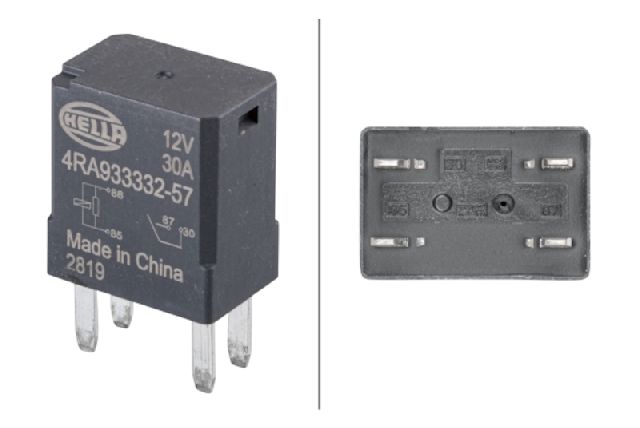
We Have This Part in Stock

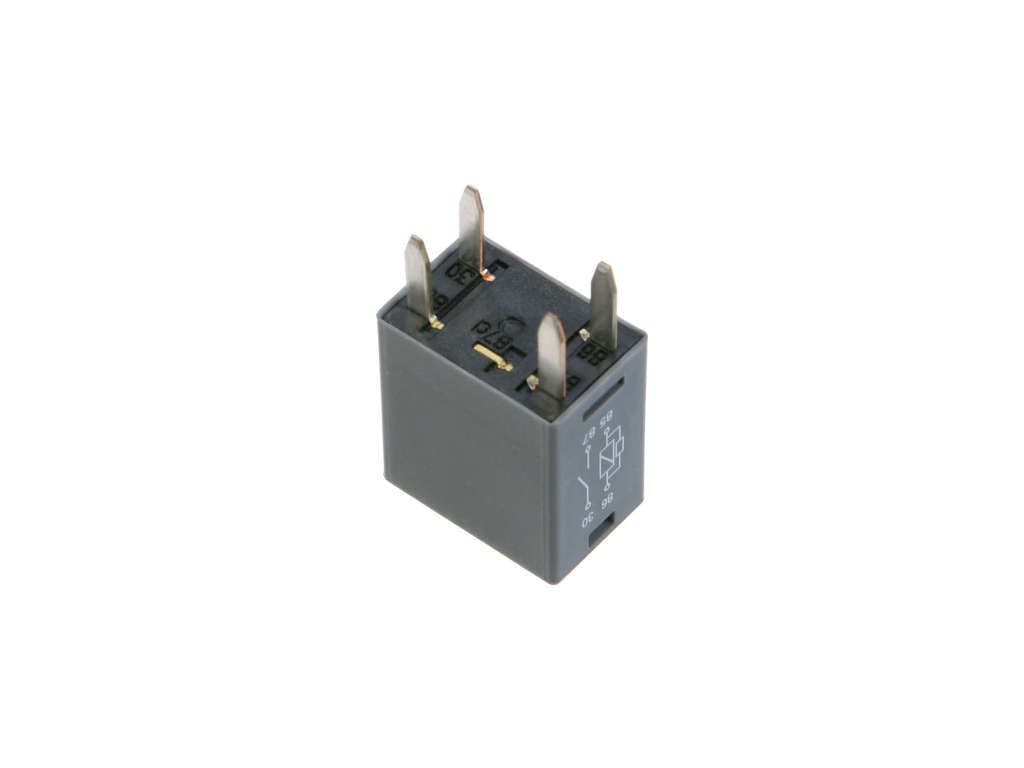

The information in this article is provided for general reference and educational purposes only. Vehicle specifications, procedures, and part compatibility can vary by production date, trim level, and region. Always consult your vehicle's factory service manual and verify part numbers before purchasing or performing repairs. Safety-critical components such as airbags, seat belts, and braking systems should be installed by a qualified professional.
- Chevrolet Colorado:
- 🧭 Diagnostic Flowchart
- 🎬 Helpful Videos
- 🛍️ Shop This Part
- What's Unique About the 2004-2012 Chevrolet Colorado
- Symptoms You May Notice
- Most Likely Causes
- Rare But Worth Checking
- Diagnosis Steps
- Parts You'll Likely Need
- Related Codes That Often Appear With This One
- Platform-Specific Known Issues
- Mechanic-Grade Diagnostic Values
- Scan Tool Commands That Help
- Wiring & Ground Locations
- Real Owner Repair Stories
- OEM Part Supersession History
- Other Known Issues on This Vehicle
- Used vs. New Parts: Buying Guide for This Vehicle
- Real Owner Stories
- 2006 Chevrolet Colorado
- NHTSA Reported Anecdotes
- Related OBD-II Codes
- Frequently Asked Questions
- 🎟️ Get 5% Off