

P0463 on 2007-2013 GMC Sierra 1500: Fuel Level Sensor Failure Causes and Fixes
On a 2007-2013 GMC Sierra, the P0463 code almost always means the fuel level sensor inside the gas tank has failed. This is a notorious issue on the GMT900 platform. The most common and recommended fix is to replace the entire fuel pump module assembly. Expect to pay $250-$450 for the part, with a DIY difficulty of 4/5 due to the need to drop the fuel tank or lift the truck bed.
- P0463 on a 2007-2013 Sierra almost always points to a failed fuel level sensor inside the gas tank.
- You can still drive the truck, but you must track your mileage with the trip meter to avoid running out of fuel.
- The most reliable and recommended repair is to replace the entire fuel pump module assembly, not just the sensor.
- The repair is labor-intensive and requires either dropping the fuel tank or lifting the truck bed, making it a difficult DIY job.
- Always inspect the wiring connector on top of the tank for corrosion or damage, as this can also cause the code.
What's Unique About the 2007-2013 GMC Sierra 1500
The 2007-2013 (GMT900 generation) Sierra and its platform mates are notorious for fuel level sensor failures. This is not a complex software issue but a common mechanical failure where the electrical contacts on the sensor's resistor board wear out, corrode, or the small metal fingers on the wiper arm physically break off. This creates an open circuit, causing the voltage to spike and trigger the P0463 code. The failure is so common that it's one of the most frequent repairs for this truck platform, often attributed to sulfur content in gasoline degrading the resistive material on the sender card.
Symptoms You May Notice
- Inaccurate or erratic fuel gauge (stuck on full, empty, or fluctuating wildly)
- Check Engine Light is on
- Low fuel light stays on, even with a full tank
- Fuel gauge defaults to empty and does not move
- Remote start may be disabled because the system believes the tank is empty
- Replacing only the fuel pump when the issue is the integrated level sensor.
- Replacing the instrument cluster without first diagnosing the sensor and its circuit.
- Replacing the entire fuel pump module when the actual fault is a simple corroded wire or bad ground connection.
Most Likely Causes
- Failed Fuel Level Sensor (Sending Unit) 🔴 High Probability → Shop Fuel Tank Sending Unit The original equipment sensors on this generation of GM trucks are known for the contacts on the variable resistor wearing out or breaking, creating an open circuit. Fuel additives containing sulfur can also accelerate corrosion and failure of these contacts. Often, the small metal contact fingers on the float's wiper arm physically break off. As noted in NHTSA ODI #10371391, the change in resistance causes a change in the voltage sent to the gauge, and a P0463 error indicates the variable resistor is showing a high input instead of a typical small value.
How to confirm: Use a scan tool to monitor the fuel level sensor voltage; it will likely be stuck at or near 5 volts, indicating an open circuit. You can also test the sensor's resistance at the module connector; it should be between approximately 40 ohms (empty) and 250 ohms (full). An infinite (OL) reading confirms an open circuit and a failed sensor.
Typical fix: Replace the fuel level sensor. 🎬 See this step-by-step guide to fixing the P0463 code It is highly recommended to replace the entire fuel pump module assembly, as the labor to access the part is significant and this prevents a future failure of the original high-mileage fuel pump.
Est. part cost: $250-$450 for a complete module assembly from a reputable brand like ACDelco or Delphi. - Damaged Wiring or Corroded Connector 🟡 Medium Probability The main electrical connector on top of the fuel pump module is exposed to the elements and can become corroded, brittle, or filled with debris, leading to a poor connection. The wiring harness leading to the tank can also be damaged from road debris or chafing against the frame.
How to confirm: Visually inspect the wiring harness and the 4-pin connector on top of the fuel tank for any signs of corrosion, damage, or loose pins. Test for 5V reference, ground, and signal continuity at the connector with a multimeter.
Typical fix: Clean the connector terminals or repair the damaged section of the wiring harness. Often, the connector pigtail needs to be replaced when installing a new fuel pump module, as it can become brittle and break during removal.
Est. part cost: $20-$50 for a new connector pigtail. - Poor Ground Connection ⚪ Low Probability The ground strap for the fuel tank can corrode or break, interrupting the circuit. This is especially common in regions that use road salt. A bad ground can cause a variety of electrical issues, including a high voltage reading on the sensor circuit.
How to confirm: Locate the ground connection for the fuel pump module on the vehicle's frame, typically near the tank. Check for excessive resistance between the ground pin at the pump connector and a known good chassis ground. The reading should be near 0 ohms.
Typical fix: Clean the grounding point on the frame with a wire brush and re-secure the ground wire, or replace the ground strap if it is broken.
Est. part cost: $10-$20 for a new ground strap.
Rare But Worth Checking
- Faulty Instrument Panel Cluster (IPC): → Shop Instrument Cluster GM trucks of this era were known for issues with the stepper motors that control the gauges. While less common for causing a P0463 code (which is an electrical circuit fault detected by the PCM), a faulty cluster could cause the gauge to read incorrectly even if the sensor is working. This would typically not set a P0463 code on its own, as the code originates from the PCM's reading of the sensor voltage, not the cluster's interpretation.
- Faulty Powertrain Control Module (PCM): A PCM failure is extremely rare but possible. This should only be considered after all other possibilities, including the sensor, wiring, and grounds, have been exhaustively tested and ruled out. A user on GM-Trucks.com reported the P0463 code appeared immediately after an ECM replacement, suggesting a potential programming or compatibility issue.
Diagnosis Steps
- Verify the Code: Use an OBD-II scanner to confirm that P0463 is the active code. Note any other codes present.
- Check Live Data: Use the scanner to view the live data for the fuel level sensor voltage. A reading stuck at or near 5 volts confirms a high input/open circuit condition.
- Inspect Wiring and Connector: Gain access to the top of the fuel tank (either by lowering the tank or lifting the bed). Visually inspect the fuel pump module connector and nearby wiring for any signs of corrosion, melting, or physical damage.
- Test the Circuit: If the wiring looks good, disconnect the connector. Use a multimeter to test the vehicle-side harness. You should find a 5-volt reference wire and a ground wire with very low resistance (near 0 ohms) to the chassis. The third wire is the signal wire back to the PCM.
- Test the Sensor: Measure the resistance across the sensor's pins on the fuel pump module itself. The reading should be between approximately 40 ohms (empty) and 250 ohms (full). A reading of infinite resistance (OL) confirms the sensor has an internal open circuit and has failed.
- Confirm the Fix: If the sensor is bad, replacing the fuel pump module assembly is the recommended repair. After replacement, clear the code and verify that the fuel gauge reads correctly and the code does not return.
Parts You'll Likely Need
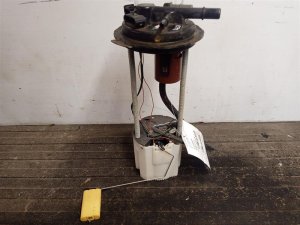
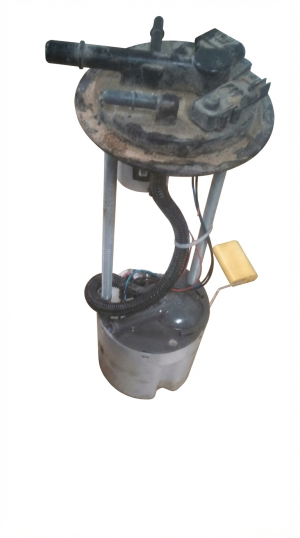
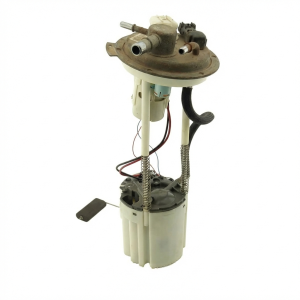
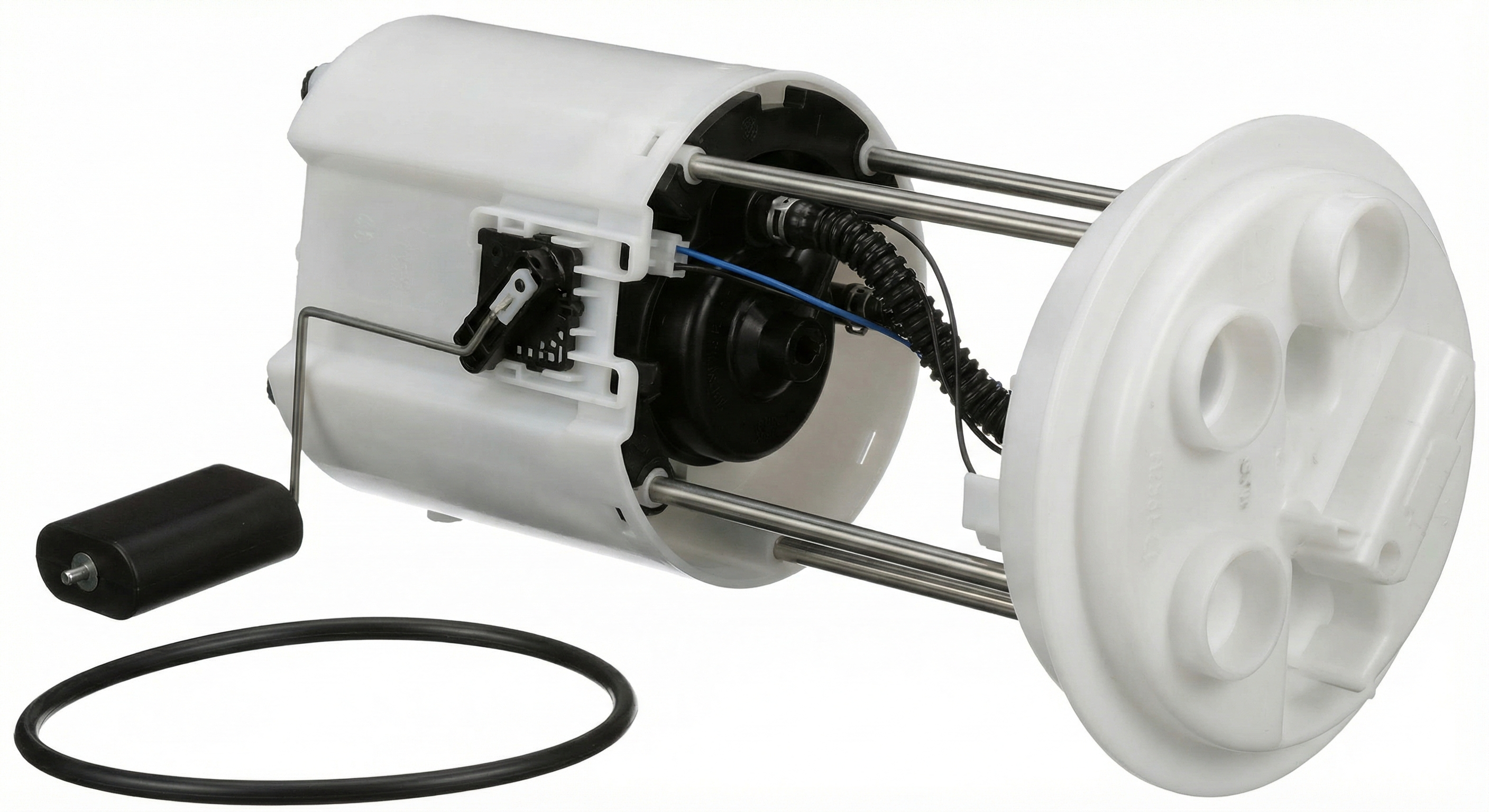
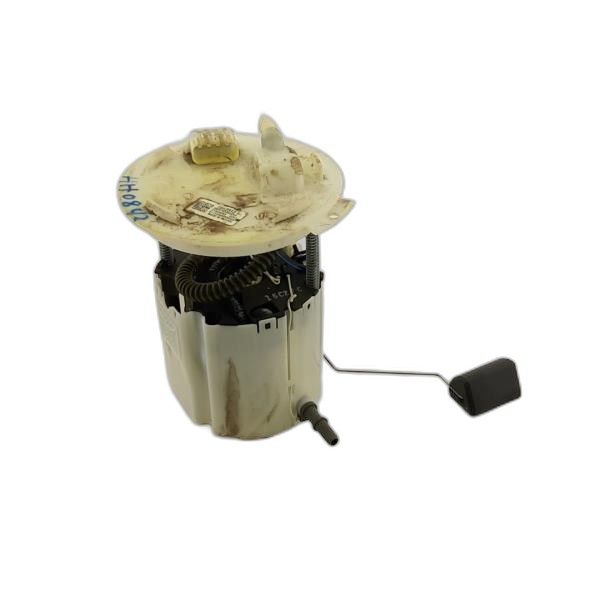
- Fuel Pump Module Assembly
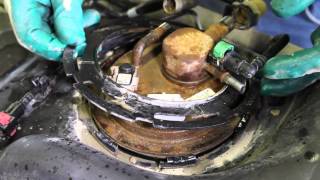
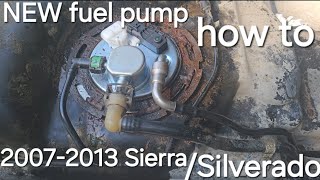
(OEM #19256389, 19300968 (Part numbers vary by specific year, cab, and bed configuration; always verify with VIN))— This is the most common fix. 🎬 Watch: How to install a new fuel pump module The fuel level sensor is integrated into this assembly, and replacing the entire unit is the most reliable long-term repair due to the high labor cost of accessing the part and the age of the original fuel pump.
Trusted brands: ACDelco (OEM), Delphi (OEM supplier)
OEM price range: $350-$450
Aftermarket price range: $250-$350 - Fuel Pump Module Connector — The original connector often becomes brittle and breaks upon removal, or may be corroded. Many replacement pumps require an updated pigtail to be spliced into the vehicle's harness.
Trusted brands: ACDelco, Dorman
OEM price range: $30-$50
Aftermarket price range: $20-$40
Related Codes That Often Appear With This One
- P0461 — Indicates a Fuel Level Sensor Circuit Range/Performance issue, often triggered by an intermittent sensor signal before it fails completely and sets P0463.
- P0462 — Indicates Fuel Level Sensor Circuit Low Input, which could appear intermittently if the sensor wiring is shorting to ground. It is the low-voltage counterpart to P0463.
Technical Service Bulletins (TSBs) & Recalls
- TSB 17-NA-204: While primarily for dual-tank heavy-duty models, this TSB mentions P0463 and discusses how a failed level sender can cause the fuel tank to expand and potentially contact the driveshaft, creating a fuel leak risk.
- TSB 18-NA-365: Addresses a range of fuel system codes including P0463 on some GM vehicles, related to stalling or incorrect fuel gauge readings, pointing towards potential fuel pump module issues.
Documented NHTSA Reports
- An owner reported in NHTSA ODI #10551564 that after using about 5 gallons of fuel, the gauge would fluctuate from full to empty every few minutes before the check engine light triggered code P0463.
- NHTSA ODI #10362931 notes that there are many complaints regarding DTC engine trouble codes P2135 and P0463, warning that a sudden loss of power in traffic could lead to accidents.
- In NHTSA ODI #10520340, a driver described how the P0463 code caused an inaccurate fuel reading, requiring repairs to the fuel system.
Platform-Specific Known Issues
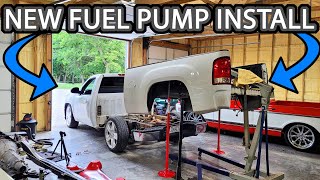
- A popular method for accessing the fuel pump module on these trucks is to lift the truck bed instead of dropping the fuel tank. This can be easier for some DIYers as it avoids dealing with fuel tank straps and the weight of the tank.
- Some early replacement sensors were sensitive to sulfur in gasoline, which caused premature failure. Newer replacement modules from reputable brands like Delphi or ACDelco often feature improved materials to enhance corrosion resistance.
- While some GM service bulletins for older platforms suggested using Techron fuel additive to clean the sensor, this is rarely effective for the GMT900 platform where the failure is typically a physical break or complete wear of the contacts, not just buildup.
Mechanic-Grade Diagnostic Values
- Fuel Level Sensor Resistance — expected: Approximately 40 ohms (Empty) to 250 ohms (Full). The resistance should sweep smoothly when moving the float arm.. Failure: A reading of infinite resistance (OL) or a value outside the 40-250 ohm range indicates a failed sensor.
- Fuel Level Sensor Voltage (via Scan Tool Live Data) — expected: Variable voltage, typically between ~0.5V-0.7V (Empty) and ~2.5V-2.7V (Full).. Failure: A fixed reading at or near 5.0 volts indicates an open in the signal circuit, which is the classic P0463 condition.
- PCM Code Trigger Threshold — expected: Sensor voltage must remain below the specified maximum.. Failure: The PCM will set code P0463 if the sensor voltage is above approximately 2.9 to 3.5 volts for a duration of 30 seconds to 2 minutes.
- Low Reference (Ground) Circuit Resistance — expected: Less than 1.0 ohm between the ground pin at the pump connector and a known good chassis ground.. Failure: High resistance (e.g., above 5 ohms) indicates a poor ground connection, which can cause the signal voltage to read high.
Scan Tool Commands That Help
- GM Tech2 / GDS2: Fuel System Tests / Fuel Pump Control — While there isn't a specific bidirectional command for the P0463 code itself, a technician can use the scan tool to command the fuel pump on/off to verify power and ground to the module. More importantly, they can monitor live data streams for 'Fuel Level Sensor Voltage' and 'Fuel Tank Level Remaining' to see the raw data the PCM is receiving, which is crucial for diagnosis before physically testing at the tank.
Wiring & Ground Locations
- Fuel Pump Module Connector (Top of Tank) — On the top of the fuel pump module, accessible by lowering the fuel tank or lifting the truck bed.. This 4-pin connector is the primary interface for the fuel level sensor. The key wires for testing are the Purple (Signal) and Orange/Black or Black (Low Reference/Ground). Corrosion or damage here is a common cause of the code.
- G402 — On the frame rail near the fuel tank, typically on the driver's side.. This is a primary chassis ground point for several components, including the fuel system. A corroded or loose G402 ground can create high resistance in the fuel level sensor's ground circuit, causing the signal voltage to read artificially high and trigger P0463.
- ECM Connector X1, Pin 39 — At the Engine Control Module (ECM).. This is the specific pin where the fuel level sensor signal (Purple wire) terminates at the ECM. Testing for continuity and voltage at this pin can help determine if a wiring fault exists between the tank and the ECM.
Real Owner Repair Stories
- GMTNation forum user (GMC Envoy (similar GMT360 platform and common issue)) — Fuel gauge stuck on empty, low fuel light on, P0463 code present.
❌ Tried (didn't work) Replacing the entire fuel pump module assembly with a new one.
✅ What actually fixed it The shop that replaced the fuel pump had also replaced the main fuel connector pigtail, as the original broke during removal. The P0463 code persisted after the repair. The final resolution was likely a fault within the new connector or the splice job, as the code points to a circuit issue, not the new sensor itself. This highlights the importance of inspecting the connector and wiring integrity even when replacing the entire module. - GMC Owner Report (NHTSA ODI #10513803) — An owner reported a scary situation where the vehicle would not turn on; a subsequent check revealed code P0463 and a failed fuel sending unit.
Model Year Variations Within This Range
- 2009-2013: Starting in 2009, the 4-speed 4L60-E automatic transmission was largely replaced by the 6-speed 6L80 automatic for V8 models. While this does not directly affect the P0463 code's cause (the fuel sending unit), it's a significant powertrain change within the generation that technicians should be aware of when servicing the vehicle.
Diagnostic Flowchart
Other Known Issues on This Vehicle
Issues unrelated to this code that are worth knowing about as an owner of this generation:
- Cracked Dashboard 🟠 Medium — Extremely common, especially on vehicles exposed to sun/heat. Cracks typically appear near the passenger airbag and instrument cluster surround.
- Active Fuel Management (AFM) Lifter Failure 🔴 High — A significant issue on 5.3L and 6.0L V8s, where the specialized AFM lifters can collapse or get stuck, causing misfires (P0300), ticking noises, and potential camshaft damage. (Ref: Multiple TSBs exist, including #15-06-01-002M, addressing diagnosis and repair.)
- Excessive Oil Consumption 🔴 High — Common on 5.3L engines, often linked to the AFM system and piston ring design, leading to fouled spark plugs and oil loss between changes. This was the subject of a class-action lawsuit. (Ref: TSB 10-06-01-008G was one of several bulletins addressing this issue.)
- 4WD Transfer Case Position Sensor/Switch Failure 🟠 Medium — A prevalent problem where the sensor or selector switch fails, causing a "Service 4WD" message on the dash.
- HVAC Mode/Temperature Door Actuator Failure 🟡 Low — Actuators in the HVAC system commonly fail, resulting in clicking noises from the dash and inability to change air temperature or direction.
- Intermediate Steering Shaft Clunk 🟡 Low — A clunking or popping noise can be felt and heard in the steering wheel during low-speed turns, caused by wear in the intermediate steering shaft.
Used vs. New Parts: Buying Guide for This Vehicle
When a used part is the smart pick: For this specific repair, using a used part from a junkyard is almost never a smart choice. The fuel level sensor is a known high-failure wear item. The labor to access the part is significant, so installing a used sensor with an unknown amount of life left is a major gamble that will likely lead to doing the job twice.
What to inspect on the donor part:
- Not applicable, as a used part is not recommended.
OEM-only on this vehicle (don't cheap out):
- While not strictly 'OEM-only', it is highly recommended to use a complete fuel pump module assembly from either the OEM (ACDelco) or a reputable OEM supplier like Delphi. These brands are known to have updated the sensor materials to better resist corrosion and wear that caused the original failures.
Aftermarket brands forum-validated for this vehicle:
- ACDelco (GM's Original Equipment brand)
- Delphi (A primary OEM supplier to GM)
Brands owners have reported issues with on this vehicle:
- Unnamed, low-cost online marketplace brands. Forum discussions frequently contain stories of premature failure from generic or 'white-box' fuel pump assemblies, sometimes within months of installation.
Real Owner Stories
Aggregated from forums and TSBs cited above. Mileages and costs reflect what owners reported in those sources.
2007-2013 GMC Sierra 1500
Symptoms: The fuel gauge was intermittent for a while before it failed completely and triggered the P0463 code.
What fixed it: Replacing the fuel level sending unit resolved the issue.
Source hint: GM-Trucks.com forum thread
2007 Chevrolet Suburban
Symptoms: The P0463 code returned even after the fuel pump was replaced.
What fixed it: The owner had to check the wiring and connector as a secondary cause after the initial pump replacement didn't keep the code away.
Source hint: ChevroletForum.com
2007-2013 GMC Sierra 1500
Symptoms: The fuel gauge was fluctuating wildly and the low fuel light stayed on despite having a full tank.
What fixed it: Replacement of the entire fuel pump assembly to address the P0463 code.
Source hint: SilveradoSierra.com
Related OBD-II Codes
Frequently Asked Questions
Can I use a fuel additive like Techron to fix the P0463 code on my 2007 GMC Sierra?
Is there a way to replace the fuel level sensor without dropping the heavy fuel tank?
Why did my remote start stop working after the fuel gauge failed?
Should I replace just the sensor or the whole fuel pump assembly?
Does TSB 17-NA-204 apply to my Sierra 1500 regarding the P0463 code?
What are the resistance specifications for testing the fuel level sensor on this truck?
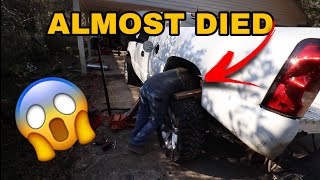
Helpful Videos

Used OEM Parts in Stock
New Aftermarket Parts Available



The information in this article is provided for general reference and educational purposes only. Vehicle specifications, procedures, and part compatibility can vary by production date, trim level, and region. Always consult your vehicle's factory service manual and verify part numbers before purchasing or performing repairs. Safety-critical components such as airbags, seat belts, and braking systems should be installed by a qualified professional.
- GMC Sierra 1500:
- 🧭 Diagnostic Flowchart
- 🎬 Helpful Videos
- 🛍️ Shop This Part
- What's Unique About the 2007-2013 GMC Sierra 1500
- Symptoms You May Notice
- Most Likely Causes
- Rare But Worth Checking
- Diagnosis Steps
- Parts You'll Likely Need
- Related Codes That Often Appear With This One
- Technical Service Bulletins (TSBs) & Recalls
- Documented NHTSA Reports
- Platform-Specific Known Issues
- Mechanic-Grade Diagnostic Values
- Scan Tool Commands That Help
- Wiring & Ground Locations
- Real Owner Repair Stories
- Model Year Variations Within This Range
- Other Known Issues on This Vehicle
- Used vs. New Parts: Buying Guide for This Vehicle
- Real Owner Stories
- 2007-2013 GMC Sierra 1500
- 2007 Chevrolet Suburban
- 2007-2013 GMC Sierra 1500
- Related OBD-II Codes
- Frequently Asked Questions
- 🎟️ Get 5% Off