

P0463 on 2011-2016 Hyundai Elantra: Fuel Gauge Problems and Fixes
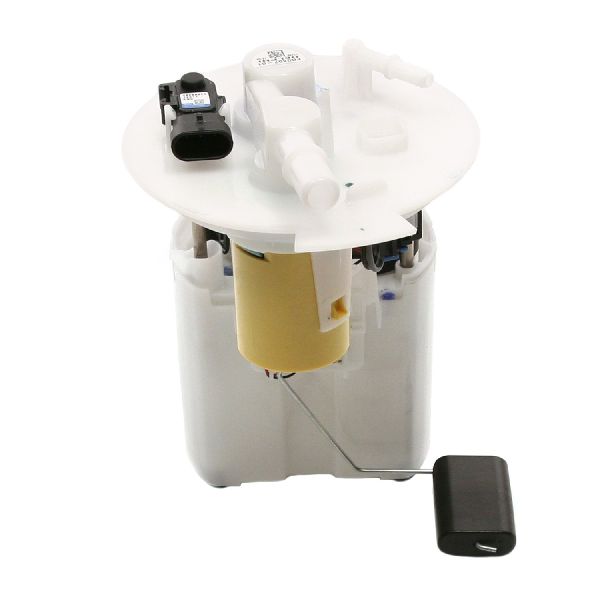
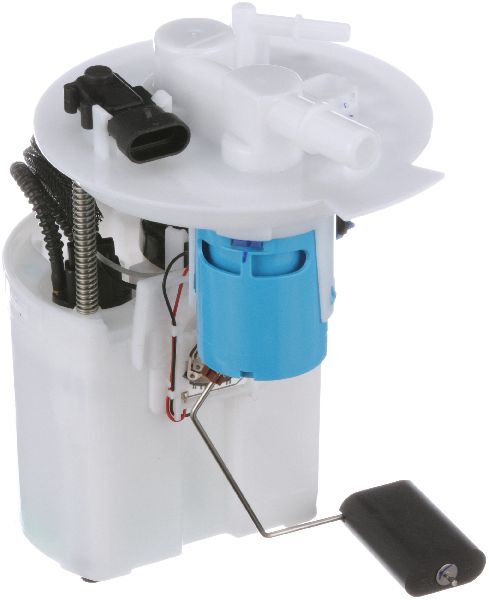
This code means your fuel gauge is getting an invalid signal, usually because the fuel sending unit inside the gas tank has failed. On the 2011-2016 Elantra, this requires replacing the entire fuel pump assembly, which costs about $80-$200 for the part and is a 1-2 hour job.
- P0463 on a 2011-2016 Elantra almost always means the fuel sending unit has failed.
- The sending unit is part of the complete fuel pump assembly, so you must replace the entire module.
- The job is DIY-friendly for many, with access under the rear seat, and can be completed in 1-2 hours.
- You can continue to drive, but you must track your mileage to avoid running out of fuel.
- The correct OEM part number for the fuel pump assembly is 31110-3X500.
What's Unique About the 2011-2016 Hyundai Elantra
For the 2011-2016 Hyundai Elantra (fifth generation, MD/UD), the fuel level sensor is not sold as a separate component. It is integrated into the main fuel pump assembly. While this makes the part more expensive than a sensor alone, it simplifies the repair, as the entire module is replaced at once. Owners report that accessing this assembly by removing the rear seat bottom cushion is surprisingly straightforward, making it a common DIY repair.
Symptoms You May Notice
- Check Engine Light is on
- Fuel gauge reads full all the time
- Fuel gauge reads empty all the time
- Fuel gauge fluctuates erratically between full and empty
- Low fuel warning light is on, even with a full tank
- Inability to pass emissions testing
- Replacing only the fuel gauge in the dashboard. The problem is almost always in the fuel tank with the sending unit, not the gauge itself.
- Replacing the fuel pump without confirming the sending unit is the cause. While they are in the same assembly, a wiring issue could be the actual problem.
Most Likely Causes
- Faulty Fuel Level Sending Unit 🔴 High Probability → Shop Fuel Tank Sending Unit The resistive material on the sensor's variable resistor wears out over time, creating an open circuit or dead spots. This is the most common failure mode for this component across many vehicles, including the Elantra. Sulfur content in gasoline can also accelerate this wear. NHTSA ODI #11315420 notes that while the sensor part itself may be relatively inexpensive, it is often integrated into the fuel assembly, complicating the replacement process.
How to confirm: Access the fuel pump connector under the rear seat. Use a multimeter to measure the resistance across the fuel level sensor pins. The reading should be within the manufacturer's specified range, approximately 10 Ohms at full and 200 Ohms at empty, and change smoothly as the float level changes. An infinite resistance (Open Loop) reading confirms the sensor has failed.
Typical fix: Replace the entire fuel pump module assembly. The sensor is integrated into this assembly and not typically sold separately.
Est. part cost: $80-$200 - Damaged Wiring or Connector 🟡 Medium Probability The connector is located under the rear seat, where it can be susceptible to damage from spills or physical impact if the seat is removed improperly. Corrosion on the pins is a possible, though less common, issue.
How to confirm: Visually inspect the wiring harness and connector leading to the fuel pump assembly for any signs of corrosion, damage, or loose pins. A break in the signal or ground wire can cause a 'high input' code.
Typical fix: Repair the damaged section of wire or clean/replace the connector.
Est. part cost: $5-$50 - Stuck Fuel Level Float ⚪ Low Probability This is not a vehicle-specific issue, but can occur if the vehicle has sat for a long time, allowing varnish to build up, or if debris is present in the fuel tank.
How to confirm: If the fuel pump assembly is removed, check if the float arm moves freely through its full range of motion. It can sometimes get stuck due to debris in the tank or a bent arm.
Typical fix: Free the stuck float arm. If the arm or float is damaged, the entire fuel pump assembly must be replaced.
Est. part cost: $0-$200
Rare But Worth Checking
- Faulty Instrument Cluster: → Shop Instrument Cluster A failure in the gauge cluster itself can cause incorrect readings, but this is much less common than a sensor failure. This would typically be suspected only after the sensor and wiring have been confirmed to be good.
- Faulty Powertrain Control Module (PCM): This is extremely rare. The PCM is the last item to suspect, as it is a robust component. All other possibilities should be exhausted before considering a PCM fault.
Diagnosis Steps
- Confirm the code with an OBD-II scanner.
- Check for any related TSBs or recalls for your vehicle's VIN (though none are widely reported for this specific issue).
- Relieve fuel pressure by removing the fuel pump fuse and running the engine until it stalls. Disconnect the negative battery terminal.
- Remove the rear seat bottom cushion by pulling up on the front clips and removing two 12mm bolts.
- Peel back the carpet/insulation and remove the black metal service cover (usually held by Phillips screws or 10mm bolts).
- Disconnect the electrical connector from the fuel pump assembly.
- Inspect the connector and wiring for any visible damage, corrosion, or loose pins.
- Using a wiring diagram for your vehicle, identify the pins for the fuel level sensor signal and ground. With a multimeter set to Ohms (Ω), measure the resistance between these pins. A 2011-2016 Elantra should read approximately 10 Ω when full and 200 Ω when empty. A reading of 'OL' (Open Loop) or infinite resistance indicates a failed sensor.
- If the sensor tests good, check for continuity on the wiring harness between the fuel pump connector and the PCM.
- If wiring and sensor are good, the issue may be with the instrument cluster or PCM, which may require professional diagnosis.
Parts You'll Likely Need
- Fuel Pump and Sending Unit Assembly
(OEM #31110-3X500)— This is the most common cause of P0463. The fuel level sensor (sending unit) is integrated into this assembly and fails over time.
Trusted brands: Hyundai (OEM), Delphi, Bosch, TRQ, Spectra Premium
OEM price range: $200-$300
Aftermarket price range: $80-$180 - Fuel Tank Lock Ring and Gasket — It is highly recommended to replace the large gasket (seal) when replacing the fuel pump assembly to prevent fuel leaks and vapor smells. The plastic lock ring can sometimes be brittle and break during removal.
Trusted brands: Hyundai (OEM), Various Aftermarket
OEM price range: $15-$30
Aftermarket price range: $5-$15
Mechanic-Grade Diagnostic Values
- Fuel Level Sensor Resistance — expected: ~10 Ohms (Full) to ~200 Ohms (Empty). Failure: A reading of 'OL' (Open Loop / infinite resistance) or a value that does not change smoothly when moving the float arm.
- Fuel Level Sensor Signal Voltage — expected: A variable voltage signal that changes with fuel level, typically within a 0-5V range.. Failure: A constant voltage reading above 5V for a set period, which triggers the P0463 code.
Scan Tool Commands That Help
- Hyundai GDS (Global Diagnostic System): Instrument Cluster Actuator Test — To command a full sweep of all gauges, including the fuel gauge. If the gauge sweeps correctly during the test but reads incorrectly during normal operation, it confirms the instrument cluster is likely functional and the fault is in the sending unit or wiring.
- Advanced OBD-II Scanner: Live Data Monitoring (Fuel Level Input) — To view the raw resistance or percentage value the PCM is receiving from the fuel level sensor. This can help differentiate between a sensor providing erratic data and a wiring issue causing an open circuit (which would show a fixed, out-of-range value).
Wiring & Ground Locations
- Fuel Pump Connector — Under the rear seat, on top of the fuel pump access cover.. This is the primary test point. 🎬 See how to test the sensor without removing the fuel pump. It has 4 wires: two for the fuel pump motor and two for the fuel level sending unit. A video for a similar model showed testing the top row, left and right pins for the sender resistance. Corrosion or damage here is a common cause of failure.
- GF06 — Under the rear seat.. This is the designated ground point for the fuel sender and fuel pump motor assembly. A loose or corroded ground at this location can cause high resistance in the circuit, potentially leading to a P0463 code or other fuel system issues.
- Fuel Pump Relay — Integrated into the Engine Management System (EMS) box, located in the engine bay fuse box.. This relay is not a standard, plug-in replaceable relay. If it fails, the entire EMS box must be replaced. A failure here would typically cause a no-start condition, not just a P0463, but it's a critical part of the circuit.
- Fuel Pump Relay Control Wire — Gray with black stripe wire at terminal 12 of the EMS box connector.. This is the wire the ECM uses to ground and activate the fuel pump relay. While not directly related to the sensor signal, a fault in this harness could point to broader wiring issues.
Real Owner Repair Stories
- Hyundai-Forums.com (2008 Hyundai Elantra (similar failure mode)) — Intermittent no-start condition, which could be temporarily fixed by hitting the fuel tank.
❌ Tried (didn't work) Initially suspected the fuel pump motor itself due to a previous recall.
✅ What actually fixed it Upon replacing the fuel pump assembly, the owner discovered the internal electrical connector for the pump motor had burned and melted. The root cause was a poor connection inside the tank, not the sending unit or pump motor itself. This highlights the importance of inspecting all connections when the assembly is removed. - NHTSA ODI #11218601 — An owner of a related Hyundai model reported that after a check engine light appeared, a diagnostic at the dealership confirmed codes P0420 and P0463, resulting in a recommendation to replace both the catalytic converter and the fuel sensor.
- NHTSA ODI #10958317 — A driver reported that the check engine light triggered codes P0464 and P0463, describing the situation as dangerous because the fuel gauge would suddenly read incorrectly while driving.
- NHTSA ODI #10845942 — An owner experienced false fuel readings and a check engine light; a diagnostic revealed P0463, P0464, and P2069, with a repair estimate reaching nearly $900.
- NHTSA ODI #10960401 — One report describes a scenario where filling the tank caused the gauge to drop to zero and triggered codes P2067, P0463, and P0464, leaving the accuracy of the gauge in question even when it began working again.
OEM Part Supersession History
31110-3X500→31110-3X500— No supersession found. This part number appears to be consistent for the 2011-2016 model years.
Heads up: While the part number is stable, ensure the replacement is for the correct emissions type (Federal vs. PZEV), as some models had different assemblies.
Model Year Variations Within This Range
- 2011-2016: Some Elantra models were built to Partial Zero Emission Vehicle (PZEV) standards, primarily for California and states following its rules. These models may have a different fuel pump assembly with a different pressure sensor compared to the standard Federal emissions models. The assemblies are not interchangeable. Check the underhood emissions sticker to verify which version your vehicle is before ordering parts.
- 2014-2016: Models from 2014-2016 with the 2.0L GDI engine have a second, high-pressure fuel pump (HPFP) mounted on the engine in addition to the in-tank pump. The P0463 code still refers to the in-tank sending unit, but diagnosis should confirm which engine (1.8L MPI or 2.0L GDI) is present as the overall fuel system is different.
Diagnostic Flowchart
Other Known Issues on This Vehicle
Issues unrelated to this code that are worth knowing about as an owner of this generation:
- Engine Ticking / Piston Slap (1.8L Nu Engine) 🔴 High — Widespread issue, can start as early as 60,000 miles but more common around 100,000 miles. Often leads to scoring of cylinder walls and eventual engine failure. (Ref: Multiple lawsuits and warranty extensions (e.g., TSB 21-EM-002H) were issued. Hyundai extended the warranty to cover this, often resulting in short block or full engine replacement for affected owners.)
- Steering Coupler Failure 🟠 Medium — Extremely common across many Hyundai/Kia models of this era. A clicking or clunking noise from the steering column when turning is the primary symptom. (Ref: Hyundai issued TSB 17-ST-002 and extended the warranty (TXX7) to 10 years/100,000 miles for this part (P/N 56315-2K000-FFF). The failure is of a small, inexpensive rubber coupler but labor can be significant.)
- Timing Chain Guide Wear / No-Start Condition 🔴 High — Less common than engine ticking but serious. Plastic timing chain guides can crack and break, causing the chain to skip teeth, leading to a no-start condition and potential engine damage. Often preceded by a chattering noise on startup or acceleration.
- ABS Module Electrical Short / Fire Risk 🔴 High — Affects a wide range of Hyundai models, including the 2011-2015 Elantra. The ABS module can leak brake fluid internally, causing an electrical short that can lead to a fire, even when the vehicle is parked. (Ref: NHTSA Recall 20V-393000. Owners were advised to park outside and away from structures until the recall repair was performed.)
- Front Coil Spring Corrosion and Fracture 🟠 Medium — Primarily affects 2011 model year vehicles in 'salt belt' states. Road salt can cause the front coil springs to corrode and fracture, potentially puncturing the tire. (Ref: NHTSA Recall 15V-629000. The recall involved replacing the front coil springs.)
Used vs. New Parts: Buying Guide for This Vehicle
When a used part is the smart pick: A used fuel pump assembly is generally NOT recommended for this repair. The primary failure mode is the wear of the resistive strip on the sending unit, which is a wear-and-tear item. A used part from a junkyard will have unknown remaining life and may fail soon after installation, requiring the job to be done again.
Donor-vehicle mileage cap: roughly under 30000 miles for the part to have meaningful remaining life.
What to inspect on the donor part:
- If considering used, only select one from a very low-mileage, collision-damaged vehicle.
- Before purchase, insist on inspecting the main electrical connector pins for any signs of green corrosion or black charring/melting.
- Ask the seller to test the resistance between the two sender pins; if they cannot or will not, avoid the part.
Aftermarket brands forum-validated for this vehicle:
- Delphi
- Bosch
Brands owners have reported issues with on this vehicle:
- Unbranded, no-name units from online marketplaces are a significant gamble. While some may work, forum discussions often contain stories of premature failure within months. Stick to brands with a known reputation in fuel systems.
Real Owner Stories
Aggregated from forums and TSBs cited above. Mileages and costs reflect what owners reported in those sources.
2013 Hyundai Elantra
Symptoms: The fuel gauge was stuck on full and the P0463 code was present.
What fixed it: Replacing the entire fuel pump assembly.
🎬 Watch this detailed walkthrough for removing and installing the fuel pump.Source hint: Hyundai-Forums.com: '2013 Elantra P0463'
2011-2016 Hyundai Elantra
Symptoms: Erratic fuel gauge symptoms and P0463 code.
What fixed it: Replacing the fuel pump assembly (Part 31110-3X500).
Source hint: World Mechanics on YouTube: 'HOW TO REPLACE FUEL PUMP ON HYUNDAI ELANTRA 2011-2016'
2012 Hyundai Elantra
Symptoms: P0463 code triggered; identified the integrated sending unit as the failure point.
What fixed it: Replacing the full fuel pump assembly.
Source hint: Reddit r/MechanicAdvice: 'P0463 on a 2012 Elantra'
Frequently Asked Questions
Is there a specific TSB or recall for the P0463 fuel level sensor issue on my 2011-2016 Elantra?
Can I just replace the fuel level sending unit sensor by itself?
What are the specific resistance values I should look for when testing the Elantra's fuel sensor?
How do I access the fuel pump to check the wiring for damage?
Does the 1.8L Nu engine ticking issue have anything to do with my fuel gauge failing?
Could my erratic fuel gauge be caused by the steering coupler failure?
Helpful Videos
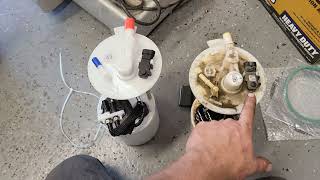
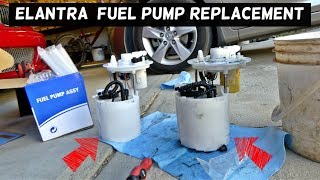
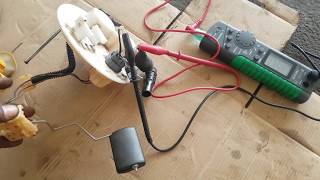

Used OEM Parts in Stock
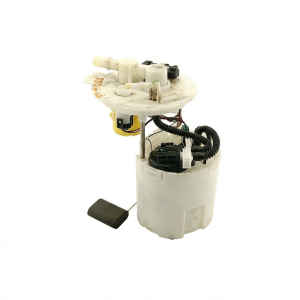
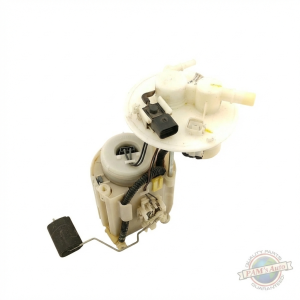
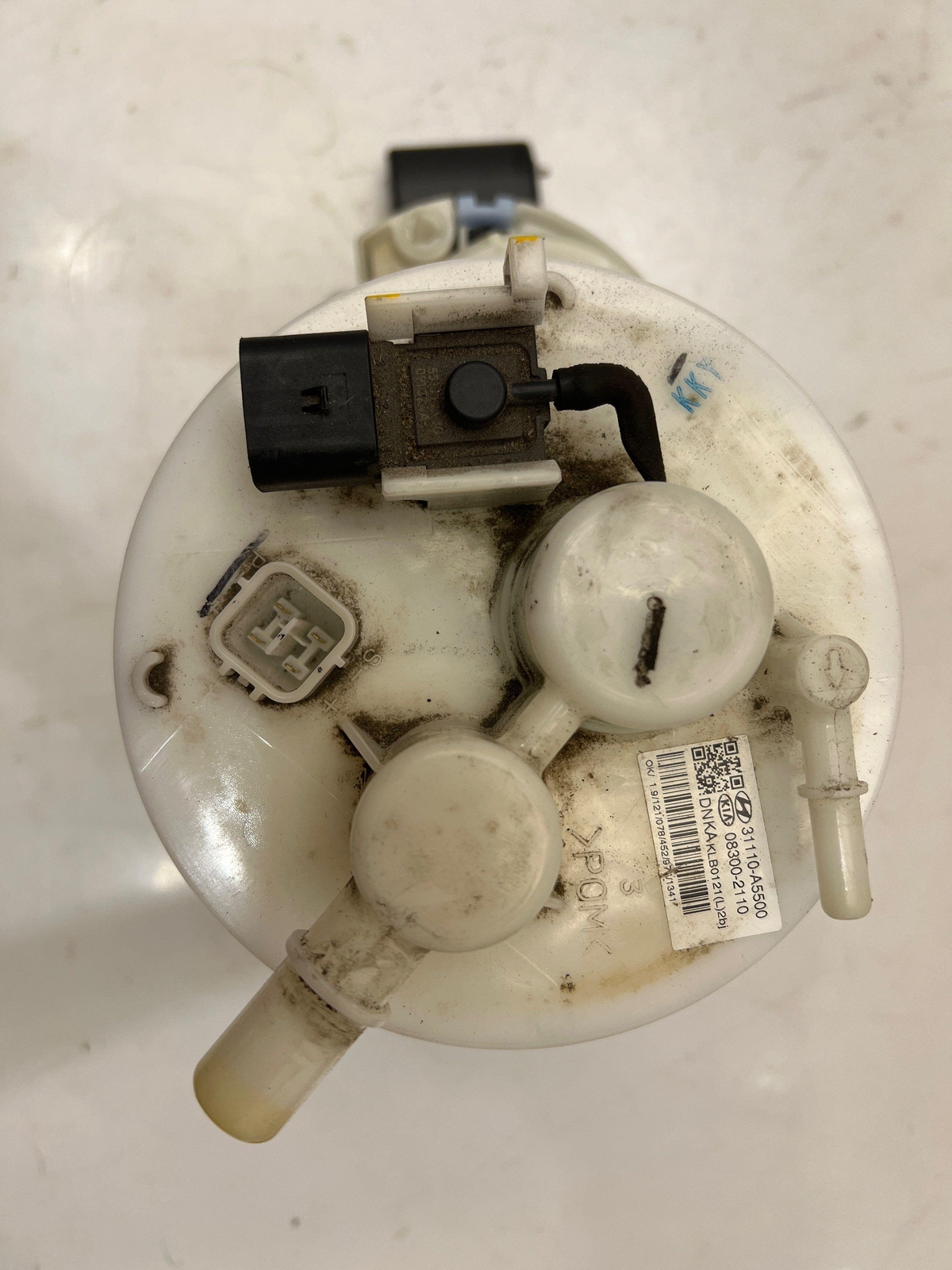
New Aftermarket Parts Available

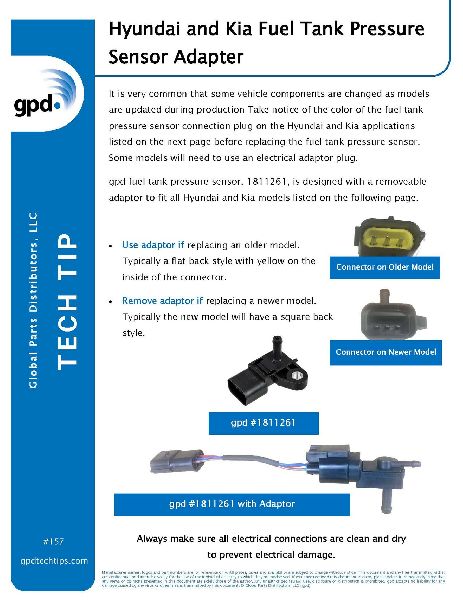
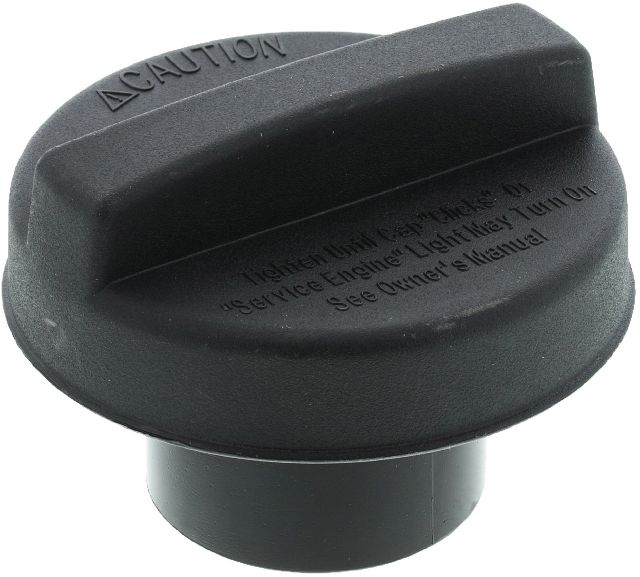

The information in this article is provided for general reference and educational purposes only. Vehicle specifications, procedures, and part compatibility can vary by production date, trim level, and region. Always consult your vehicle's factory service manual and verify part numbers before purchasing or performing repairs. Safety-critical components such as airbags, seat belts, and braking systems should be installed by a qualified professional.
- Hyundai Elantra:
- 🧭 Diagnostic Flowchart
- 🎬 Helpful Videos
- 🛍️ Shop This Part
- What's Unique About the 2011-2016 Hyundai Elantra
- Symptoms You May Notice
- Most Likely Causes
- Rare But Worth Checking
- Diagnosis Steps
- Parts You'll Likely Need
- Mechanic-Grade Diagnostic Values
- Scan Tool Commands That Help
- Wiring & Ground Locations
- Real Owner Repair Stories
- OEM Part Supersession History
- Model Year Variations Within This Range
- Other Known Issues on This Vehicle
- Used vs. New Parts: Buying Guide for This Vehicle
- Real Owner Stories
- 2013 Hyundai Elantra
- 2011-2016 Hyundai Elantra
- 2012 Hyundai Elantra
- Frequently Asked Questions
- 🎟️ Get 5% Off