

P0463 on 2017-2020 Hyundai Elantra: Fuel Level Sensor Circuit High Input Causes and Fixes
This code means your fuel gauge is unreliable. The most common cause on a 2017-2020 Elantra is a failed fuel level sending unit in the gas tank. Expect to pay $40-$80 for an aftermarket sensor or $100-$150 for an OEM one, with DIY being a moderately difficult option.
- P0463 on a 2017-2020 Elantra points to a problem with the fuel level sensor circuit, making your fuel gauge unreliable.
- The most likely culprit is a failed fuel level sending unit inside the gas tank.
- You can continue to drive, but you must track your mileage to avoid running out of gas.
- Diagnosis involves testing the sensor's resistance with a multimeter and checking the wiring for damage.
- On this Elantra, you can often replace just the sensor (Part # 94460-F3500) instead of the entire fuel pump assembly, which is more cost-effective.
What's Unique About the 2017-2020 Hyundai Elantra
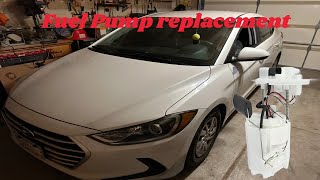
For the sixth-generation (AD) Hyundai Elantra, the fuel level sensor (sending unit) is a common failure point that leads to code P0463. Unlike some vehicles where the entire fuel pump module must be replaced, on the Elantra, the sending unit can often be purchased and replaced separately, potentially saving on parts cost. 🎬 Watch: Step-by-step fuel pump module replacement for 2017 Elantra models. Access is typically under the rear seat cushion, making it a manageable DIY job for those comfortable working with fuel system components. This issue is also seen in its platform-mate, the Kia Forte.
Symptoms You May Notice
- Check Engine Light is on
- Fuel gauge reads incorrectly (e.g., stuck on full, stuck on empty, or fluctuates wildly).
- Low fuel warning light may stay on or flash.
- Distance to Empty (DTE) reading is inaccurate or shows '---'.
- In some cases, the code only appears when the tank is completely full, then disappears after some fuel is used.
- Risk of running out of fuel unexpectedly.
- Replacing the entire fuel pump assembly when only the sending unit has failed.
- Replacing the instrument cluster before properly testing the sending unit and its wiring.
- A shop incorrectly diagnosing the issue as a bad catalytic converter, which would typically trigger P0420 or P0430 codes, not P0463.
Most Likely Causes
- Faulty Fuel Level Sending Unit 🔴 High Probability → Shop Fuel Tank Sending Unit The variable resistor contacts on the sending unit can wear out over time, creating an open circuit or dead spots which results in the 'high input' signal. This is the most frequent point of failure for this code.
How to confirm: Access the sending unit and use a multimeter set to Ohms to measure its resistance while manually moving the float arm. The resistance should change smoothly without any sudden jumps or dropouts. An infinite resistance reading (OL) indicates an open circuit and a failed sensor. Check a service manual for the specific resistance range for your vehicle. A general range for Hyundai is approximately 10 ohms (full) to 70-90 ohms (empty), but this can vary.
Typical fix: Replace the fuel level sending unit. On this Elantra, it is located inside the fuel tank, attached to the fuel pump module, but can often be replaced as a separate component. Remember to also replace the fuel pump gasket/o-ring to ensure a proper seal.
Est. part cost: $40-$150 - Wiring Harness or Connector Issue 🟡 Medium Probability Wires leading to the fuel tank can be damaged from road debris or improper servicing, and connectors can corrode or become loose, interrupting the signal.
How to confirm: Visually inspect the wiring harness leading to the fuel pump module for any signs of chafing, breaks, or corrosion at the connector, which is located under the rear seat. 🎬 See how to test the fuel level sensor without removal. Check for a good ground connection at the fuel tank ground strap.
Typical fix: Repair the damaged section of wiring or clean/replace the faulty connector. Pigtail connectors are available for this repair.
Est. part cost: $5-$50
Rare But Worth Checking
- Stuck Fuel Level Float: The float arm can become mechanically stuck in the 'full' position due to debris in the tank or a bent arm, though this is less common than electrical failure. This can sometimes happen if the vehicle has been sitting for a very long time.
- Faulty Instrument Cluster: → Shop Instrument Cluster In rare cases, the problem may lie within the instrument cluster itself, which processes the signal from the sensor to display the fuel level. This should be considered only after the sensor and wiring have been confirmed to be good.
- Faulty Powertrain Control Module (PCM): This is extremely rare, but the PCM could be misinterpreting the signal from the fuel level sensor. This should only be considered after all other possibilities have been exhausted.
Diagnosis Steps
- Read the trouble codes with an OBD-II scanner to confirm P0463 is present.
- Note the fuel level indicated on the gauge and compare it to the actual amount of fuel in the tank.
- Access the fuel pump assembly access cover, which is located under the rear seat cushion. This involves removing two 12mm bolts and pulling up on the front of the seat base to release the clips.
- Inspect the wiring harness and connector at the top of the fuel tank for any visible damage, corrosion, or loose connections.
- Check the fuel tank ground strap for a clean and secure connection.
- Disconnect the fuel level sensor connector and use a multimeter to test the resistance across the correct pins. You may need a wiring diagram or to inspect the unit to determine which pins correspond to the level sensor vs. the pump motor.
- Slowly move the float arm by hand from the empty to the full position (if the unit is removed). The resistance reading should change smoothly and consistently. If the reading is infinite (open) or jumps erratically, the sending unit is faulty and needs to be replaced.
- If the sensor tests good, the fault is likely in the wiring between the sensor and the PCM, or in a rare case, the instrument cluster or PCM itself. A wiring diagram is needed to trace the circuit.
Parts You'll Likely Need
- Fuel Gauge Sending Unit
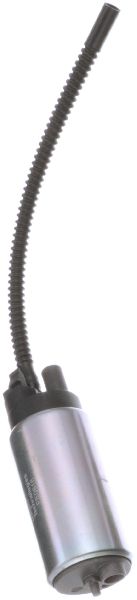
(OEM #94460-F3500)— This is the most common failure point for code P0463. The internal resistor wears out, causing an open circuit and a high voltage signal.
Trusted brands: Genuine Hyundai, Delphi, Spectra Premium
OEM price range: $75-$150
Aftermarket price range: $40-$80 - Fuel Pump Assembly Gasket / Seal
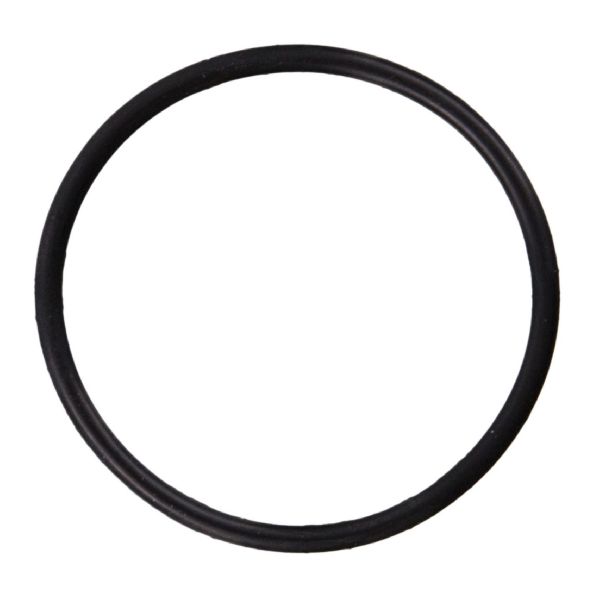
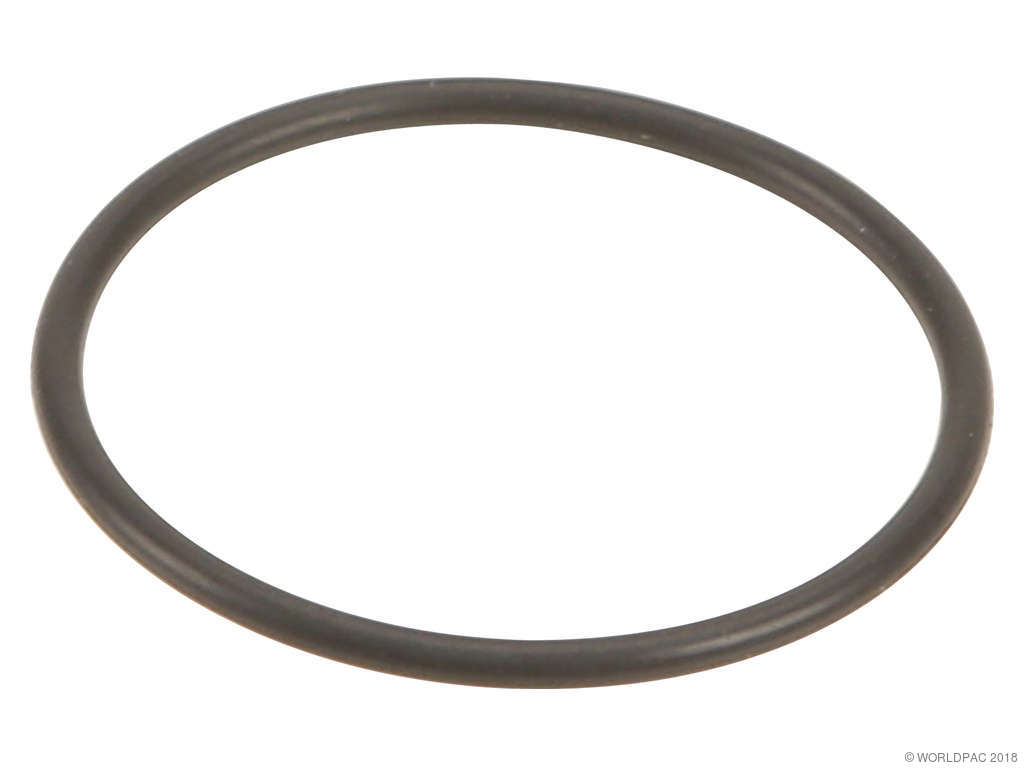
(OEM #31113-C9000 (verify for specific model))— This seal should always be replaced when the fuel pump assembly is removed from the tank to prevent fuel leaks and evaporative emissions system codes. It is often sold separately.
Trusted brands: Genuine Hyundai
OEM price range: $10-$25
Aftermarket price range: $5-$15 - Fuel Pump Assembly
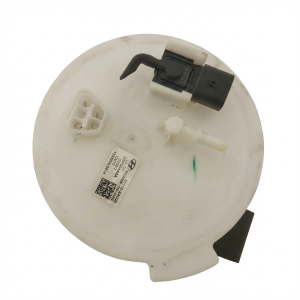
(OEM #31110-G3650)— Sometimes the sending unit is not sold separately or a mechanic may recommend replacing the entire assembly, which includes the fuel pump, filter, and sending unit, especially on higher-mileage vehicles. Note: Part number varies by specific Elantra model (e.g., GT vs Sedan).
Trusted brands: Genuine Hyundai, Delphi
OEM price range: $450-$680
Aftermarket price range: $200-$350
Platform-Specific Known Issues
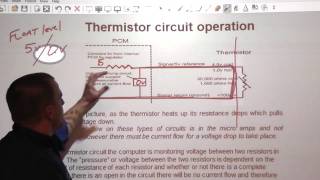
- source — A YouTube video by 'P0463 Kia Forte Fuel Pump [FIX] Replacement Hyundai Elantra' shows the entire process of diagnosing the code and replacing the fuel pump assembly on a Kia Forte, which is mechanically very similar to the Elantra. The video details accessing the pump under the rear seat, the tools needed (12mm socket), and the process of swapping the unit. 🎬 Watch this walkthrough for diagnosing and fixing the P0463 code.
- source — A user on Reddit with a 2009 Hyundai Santa Fe reported a similar issue where code P0463 would only appear when the fuel tank was completely full and would clear itself after some fuel was consumed. This indicates the failure is at the very top of the sending unit's resistor strip.
- source — A Reddit user reported taking their vehicle in for a P0463 code and the shop incorrectly suggested the catalytic converters were the problem. Other users confirmed that P0463 is unrelated to the exhaust system and points directly to the fuel level sending unit or its circuit.
Mechanic-Grade Diagnostic Values
- Fuel Level Sensor Resistance — expected: A smooth, linear change. General Hyundai values are ~10 Ohms at Full and 70-90 Ohms at Empty, but this can be inverted on some systems (high resistance at full, low at empty). The key is a smooth transition, not the exact numbers.. Failure: An infinite (OL) reading indicates an open circuit. Sudden jumps, dead spots, or no change in resistance when moving the float arm indicates a faulty sensor.
- Fuel Level Sensor Circuit Voltage — expected: The PCM typically applies a 5-volt reference signal to the circuit. The return voltage to the PCM will vary based on the fuel level and the sensor's resistance.. Failure: Code P0463 is set when the PCM detects a voltage signal that is higher than the specified maximum (e.g., above 5 volts) for a set period, indicating an open in the circuit.
Scan Tool Commands That Help
- Hyundai GDS (Global Diagnostic System): Actuation Test for Instrument Cluster / Fuel Gauge — After confirming the sensor and wiring are good, a bidirectional scan tool like the dealer-level GDS can command the fuel gauge to sweep through its range (e.g., command it to show Empty, 1/2, Full). If the gauge responds correctly to the scan tool command, the instrument cluster itself is likely functional, pointing the diagnosis back toward the sensor signal it's receiving. If the gauge fails to move, it indicates a potential problem with the cluster itself.
- Hyundai GDS (Global Diagnostic System): Live Data Monitoring (Fuel Level Sensor Voltage/Resistance) — This allows a technician to view the raw data the PCM is receiving from the fuel level sensor in real-time. By gently rocking the vehicle to make fuel slosh in the tank, the technician can watch the live data for smooth changes. If the data is erratic, stuck, or shows an out-of-range value that matches the code criteria, it strongly supports the diagnosis of a faulty sending unit without having to remove it for a bench test initially.
Wiring & Ground Locations
- Fuel Pump Assembly Connector — Under the rear seat bottom cushion, beneath a black metal access plate. The connector is on top of the fuel pump assembly locking ring.. This is the primary connection point for the fuel level sensor and fuel pump. All voltage and resistance tests for the sensor begin here. The connector has four wires. A poor connection, corrosion, or damaged pins at this connector can cause the open circuit that triggers P0463.
- Fuel Tank Ground Strap — Typically, the fuel pump assembly is grounded through its wiring harness. Some systems may use a separate ground strap from the fuel tank or filler neck to the vehicle chassis to dissipate static electricity.. While a bad ground usually causes a low voltage or no-start issue (if it's the pump ground), a faulty or intermittent ground on the sensor's reference circuit could potentially cause erratic readings. It's a secondary check after inspecting the main connector and sensor.
OEM Part Supersession History
94460-F3500→No official supersession found in public data. This part number appears consistent for the entire 2017-2020 Elantra sedan range.
Heads up: Be aware that while many Hyundai/Kia parts are interchangeable, different models use different resistance ranges. Using a sending unit from a different model (e.g., Santa Fe part 94460-0W000) will cause incorrect gauge readings even if it physically fits. Always verify the part number for the specific vehicle.
Model Year Variations Within This Range
- 2019-2020: The Elantra received a significant cosmetic facelift for the 2019 model year, changing the hood, fenders, lights, and center console layout. However, the underlying powertrain and fuel system, including the fuel sending unit (94460-F3500), remained the same as the 2017-2018 models.
- 2020: For the final model year of this generation, the standard 2.0L engine was paired with a Continuously Variable Transmission (CVT) instead of the previous 6-speed automatic to improve fuel economy. This change did not affect the in-tank fuel pump or sending unit.
Diagnostic Flowchart
Other Known Issues on This Vehicle
Issues unrelated to this code that are worth knowing about as an owner of this generation:
- Engine Failure (2.0L Nu MPI) 🔴 High — Affects 2019-2020 models with the 2.0L Nu MPI engine. Caused by improperly heat-treated piston oil rings, leading to oil consumption, engine damage, stalling, and potential fire risk. (Ref: NHTSA Recall No. 21V-301)
- Peeling White Paint 🟠 Medium — Widespread complaints of white paint, particularly on the hood and roof, peeling and flaking off prematurely, often starting within 2-3 years of ownership. (Ref: Hyundai offered a warranty extension (Program Z05) for this issue on certain models and years.)
- Engine Misfires (2.0L) 🟠 Medium — Some 2017 models with the 2.0L engine may experience a check engine light with misfire codes (P0300-P0304). (Ref: TSB 20-FL-001H provides a procedure for an ECM software update and ignition coil inspection/replacement to address the issue.)
- Knock Sensor Software Logic 🟠 Medium — Affects a broad range of Hyundai vehicles, including the Elantra. The original software could fail to detect abnormal cylinder combustion, potentially leading to engine damage. (Ref: Hyundai Service Campaign 953 / TSB 22-01-043H involves a free software update to the Knock Sensor Detection System (KSDS).)
- Theft Vulnerability (non-immobilizer models) 🔴 High — Certain models not equipped with a push-button start and engine immobilizer are highly susceptible to theft using a simple method popularized on social media. (Ref: Hyundai launched Campaign 993 (TSB 23-01-014H-2) to provide a software update that enhances the anti-theft logic.)
Used vs. New Parts: Buying Guide for This Vehicle
When a used part is the smart pick: A used fuel pump *assembly* from a low-mileage, late-model donor car can be a cost-effective choice, as you get the entire unit (pump, sender, filter housing). However, given the low cost of a new aftermarket sending unit, buying just a used sender is generally not recommended as it's a known wear item.
Donor-vehicle mileage cap: roughly under 50000 miles for the part to have meaningful remaining life.
What to inspect on the donor part:
- Verify the donor vehicle's year and model to ensure compatibility.
- Inspect the electrical connector pins for any signs of corrosion, melting, or damage.
- Look at the plastic housing for cracks or signs of heat stress.
- If possible, ask the dismantler if the donor car was running when it arrived, which suggests the pump itself was functional.
OEM-only on this vehicle (don't cheap out):
- For this specific repair, there are no parts that are strictly OEM-only. The sending unit is the critical component, and reputable aftermarket brands are available.
Aftermarket brands forum-validated for this vehicle:
- Delphi
- Spectra Premium
- Dorman (often cited as a reliable aftermarket option)
Brands owners have reported issues with on this vehicle:
- Avoid unbranded, no-name parts from online marketplaces. While cheap, they have a high failure rate and can be a safety risk. Sticking to known brands is crucial for fuel system components.
Real Owner Stories
Aggregated from forums and TSBs cited above. Mileages and costs reflect what owners reported in those sources.
2009 Hyundai Santa Fe
Symptoms: The P0463 code would only appear when the fuel tank was completely full and would clear itself after some fuel was consumed.
What fixed it: The failure was identified at the very top of the sending unit's resistor strip.
Source hint: Reddit r/MechanicAdvice thread titled 'P0463 when tank is full after replacing sensor'
Hyundai Elantra
Symptoms: The owner was told by a repair shop that they needed new catalytic converters after the P0463 code appeared.
What fixed it: Other users confirmed the shop was incorrect and that the issue points to the fuel level sending unit or its circuit, not the exhaust.
Source hint: Reddit r/MechanicAdvice thread titled 'Shop says i need new cats because of a p0463 fuel'
2014-2018 Kia Forte (Platform Mate)
Symptoms: Fuel gauge issues and P0463 code present on a vehicle mechanically similar to the Elantra.
What fixed it: Replacement of the fuel pump assembly accessed via the panel under the rear seat using a 12mm socket.
Source hint: YouTube video by 'P0463 Kia Forte Fuel Pump [FIX] Replacement Hyundai Elantra'
Documented NHTSA Reports
Hyundai Veloster (Cross-Model Reference)
Symptoms: An owner reported the check engine light appearing with codes P0420 and P0463. The dealer recommended replacing both the catalytic converter and the fuel sensor.
What fixed it: NHTSA ODI #11218601 notes the dealer recommendation but did not assess why the issues occurred simultaneously.
Hyundai Santa Fe (Cross-Model Reference)
Symptoms: A driver noted that the fuel gauge suddenly reads empty while driving, which they described as extremely dangerous. Diagnostic codes were P0464 and P0463.
What fixed it: NHTSA ODI #10958317 identifies this as a fuel sensor circuit failure.
Hyundai Santa Fe (Cross-Model Reference)
Symptoms: An owner reported that after filling up with gas, the fuel gauge goes to zero, the service engine light comes on, and codes P2067, P0463, and P0464 are generated.
What fixed it: NHTSA ODI #10960401 describes the gauge eventually working again but leaving the accuracy in question.
Hyundai Santa Fe (Cross-Model Reference)
Symptoms: An owner experienced a steady check engine light with code P0463: Fuel Level Sensor A Circuit High Input.
What fixed it: NHTSA ODI #11315420 mentions that while the required part lists for approximately $79.99, it is integrated into the fuel system components.
Hyundai Santa Fe (Cross-Model Reference)
Symptoms: Multiple codes including P0464, P0463, and P2069 were triggered, causing the fuel gauge to fall and give false readings.
What fixed it: NHTSA ODI #10845942 reported a repair cost of close to $900.
Related OBD-II Codes
Frequently Asked Questions
Is there a recall for the P0463 fuel level sensor issue on my 2017-2020 Elantra?
Can I access the fuel sending unit without dropping the fuel tank on this model?
My fuel gauge only acts up when the tank is completely full. Is this P0463?
A shop told me I need new catalytic converters for code P0463. Is that correct?
What is the correct resistance range for the Elantra fuel sender?
Does the Kia Forte share this same fuel sensor problem?
Helpful Videos
![P0463 Kia Forte Fuel Pump [FIX] Replacement Hyundai Elantra | 2013 - 2015 | Level Circuit A High](https://img.youtube.com/vi/BWMGkKxxkAE/mqdefault.jpg)

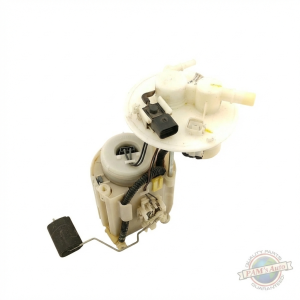
Used OEM Parts in Stock
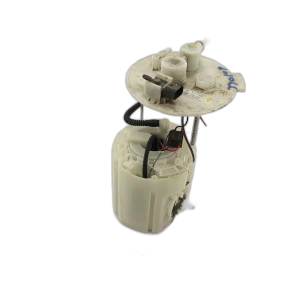
New Aftermarket Parts Available


The information in this article is provided for general reference and educational purposes only. Vehicle specifications, procedures, and part compatibility can vary by production date, trim level, and region. Always consult your vehicle's factory service manual and verify part numbers before purchasing or performing repairs. Safety-critical components such as airbags, seat belts, and braking systems should be installed by a qualified professional.
- Hyundai Elantra:
- 🧭 Diagnostic Flowchart
- 🎬 Helpful Videos
- 🛍️ Shop This Part
- What's Unique About the 2017-2020 Hyundai Elantra
- Symptoms You May Notice
- Most Likely Causes
- Rare But Worth Checking
- Diagnosis Steps
- Parts You'll Likely Need
- Platform-Specific Known Issues
- Mechanic-Grade Diagnostic Values
- Scan Tool Commands That Help
- Wiring & Ground Locations
- OEM Part Supersession History
- Model Year Variations Within This Range
- Other Known Issues on This Vehicle
- Used vs. New Parts: Buying Guide for This Vehicle
- Real Owner Stories
- 2009 Hyundai Santa Fe
- Hyundai Elantra
- 2014-2018 Kia Forte (Platform Mate)
- Documented NHTSA Reports
- Hyundai Veloster (Cross-Model Reference)
- Hyundai Santa Fe (Cross-Model Reference)
- Hyundai Santa Fe (Cross-Model Reference)
- Hyundai Santa Fe (Cross-Model Reference)
- Hyundai Santa Fe (Cross-Model Reference)
- Related OBD-II Codes
- Frequently Asked Questions
- 🎟️ Get 5% Off