

P0463 on 2010-2016 Land Rover LR4: Fuel Level Sensor Circuit High Causes and Fixes
On a 2010-2016 Land Rover LR4, code P0463 almost always means a faulty fuel level sending unit inside the fuel tank. This causes an inaccurate or inoperative fuel gauge, often stuck on full. The repair is labor-intensive as it requires dropping the fuel tank, with shop costs typically ranging from $1,250 to $1,350. Fretting corrosion on the in-tank wiring is also a known cause addressed by a TSB.
- P0463 on a 2010-2016 LR4 means the fuel gauge is unreliable because of a high voltage signal from a fuel level sensor.
- The most common cause is a failed fuel level sending unit located inside the fuel tank.
- The LR4 has two sending units; a proper diagnosis with a scan tool is needed to identify which one has failed.
- Repair is a major job (DIY 5/5) that requires dropping the fuel tank and is best left to a professional.
- Due to the high labor cost, it is wise to replace both sending units and the fuel tank gasket at the same time.
What's Unique About the 2010-2016 Land Rover LR4
The Land Rover LR4, like its LR3 predecessor, uses a saddle-style fuel tank that straddles the driveshaft. This design requires two separate fuel level sending units to get an accurate reading across both lobes of the tank. This complicates diagnosis, as you must determine which of the two senders has failed. While P0463 refers to 'Sensor A', a Land Rover-specific scan tool is often needed to definitively identify the faulty unit. Furthermore, Land Rover has issued technical service bulletin LTB00566v6 for 2010-2013 models addressing fretting corrosion on the in-tank wiring harness pins, a known failure point that can cause this exact code without the sender itself being faulty.
Symptoms You May Notice
- Inaccurate or fluctuating fuel gauge.
- Fuel gauge stuck on full.
- Fuel gauge stuck on empty.
- Check Engine Light is on.
- Low fuel warning light may illuminate even with a full tank.
- Replacing the entire fuel pump assembly when only one of the separate sending units has failed. The LR4 has two senders, and only one may be integrated with the pump; proper diagnosis is key to avoiding unnecessary expense.
- Assuming the sender is bad when the actual cause is the in-tank wiring corrosion addressed by TSB LTB00566v6.
Most Likely Causes
- Faulty Fuel Level Sending Unit 🔴 High Probability → Shop Fuel Tank Sending Unit The sending units are located inside the fuel tank and are subject to constant contact with fuel and potential contaminants. The variable resistor contacts can wear out or the float arm can get stuck, leading to an open circuit and a 'high' signal reading.
How to confirm: Use a scan tool with live data capability to monitor the voltage or resistance readings from both fuel level senders (Sender 1 and Sender 2). The faulty sender will show a fixed, out-of-range high reading. A forum user on a related model noted that a reading over 4.29v would trigger the fault.
Typical fix: Replace the failed fuel level sending unit. Since the fuel tank must be dropped, it is highly recommended to replace both sending units and the fuel tank gasket at the same time to avoid future labor costs.
Est. part cost: $100-$150 per sender (OEM) - Wiring or Connector Issue 🟡 Medium Probability Land Rover issued TSB LTB00566v6 for 2010-2013 LR4s for fretting corrosion on the in-tank sender wiring harness pins, which causes this exact fault. The TSB outlines a procedure to repair the wiring using specific splice joint connectors (P/N LR050538). The wiring on top of the fuel tank is also exposed to the elements and can become damaged.
How to confirm: After dropping the tank, visually inspect the electrical connectors on top of the fuel pump module for corrosion or damage. Perform a continuity and resistance test on the wiring harness between the sender and the PCM. The TSB provides specific resistance value checks for diagnosis.
Typical fix: If corrosion is found as described in the TSB, the harness pins must be cut out and new connections made using the specified splice connectors. If external wiring is damaged, it may need to be repaired or replaced. Cleaning the connectors may not be a sufficient long-term repair.
Est. part cost: $20-$60 for splice connectors and repair materials.
Rare But Worth Checking
- Powertrain Control Module (PCM) Fault: This is extremely rare. All other possibilities, including the sending units and wiring, should be exhaustively tested before considering PCM replacement.
Diagnosis Steps
- Connect an OBD-II scanner to confirm the P0463 code and check for any other related codes.
- Use a scan tool capable of reading live data to view the voltage or resistance from both fuel level senders (Sender 1 and Sender 2).
- Observe the readings. A healthy sensor's reading will change smoothly as fuel level changes. A faulty sensor will likely be stuck at a maximum, out-of-range value.
- If a sensor is identified as faulty, or if readings from both are erratic, suspect the in-tank wiring harness per TSB LTB00566v6.
- Gain access to the top of the fuel tank. On the LR4, this requires dropping the fuel tank; there is no access panel under the seats.
- Disconnect the battery. Carefully disconnect the fuel lines and electrical connectors from the top of the tank.
- Lower the fuel tank. It is recommended to do this when the tank is as empty as possible to reduce its weight.
- Inspect the external wiring harness and connectors for any visible damage, corrosion, or loose connections.
- Open the fuel tank access port(s) to inspect the internal wiring and sending units. Follow the diagnostic and repair procedure in TSB LTB00566v6 if corrosion is suspected.
- If a sending unit is confirmed bad, replace it. It is best practice to replace both senders and the tank seal(s) at the same time.
- Reassemble, clear the codes, and perform a drive cycle to ensure the repair was successful and the fuel gauge reads correctly.
Parts You'll Likely Need
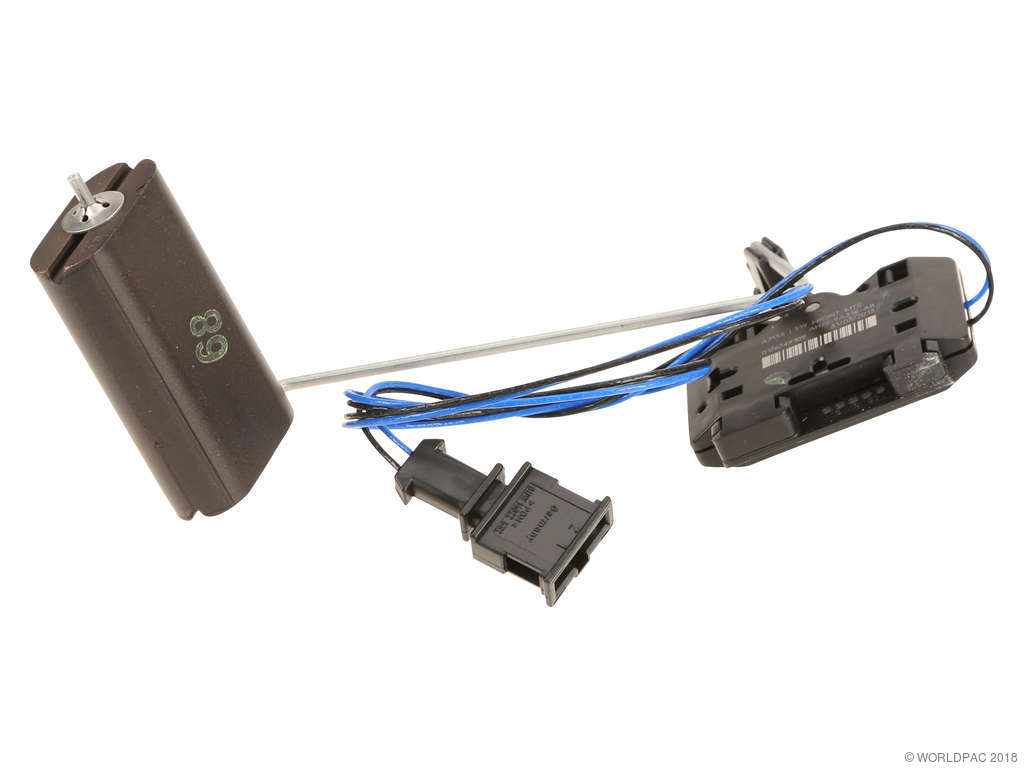
- Rear Fuel Level Sending Unit
(OEM #LR042971)— This is one of the two sending units in the tank and is a very common failure point leading to P0463. It is often sold as a VDO part (A2C3151720080).
Trusted brands: Land Rover (Genuine), VDO/Continental
OEM price range: $120-$150
Aftermarket price range: $90-$120 - Front Fuel Level Sending Unit
(OEM #LR044454)— This is the second sending unit in the saddle tank. It is often replaced at the same time as the rear unit to prevent a repeat repair. An alternate part number may be LR029279.
Trusted brands: Land Rover (Genuine), VDO
OEM price range: $100-$140
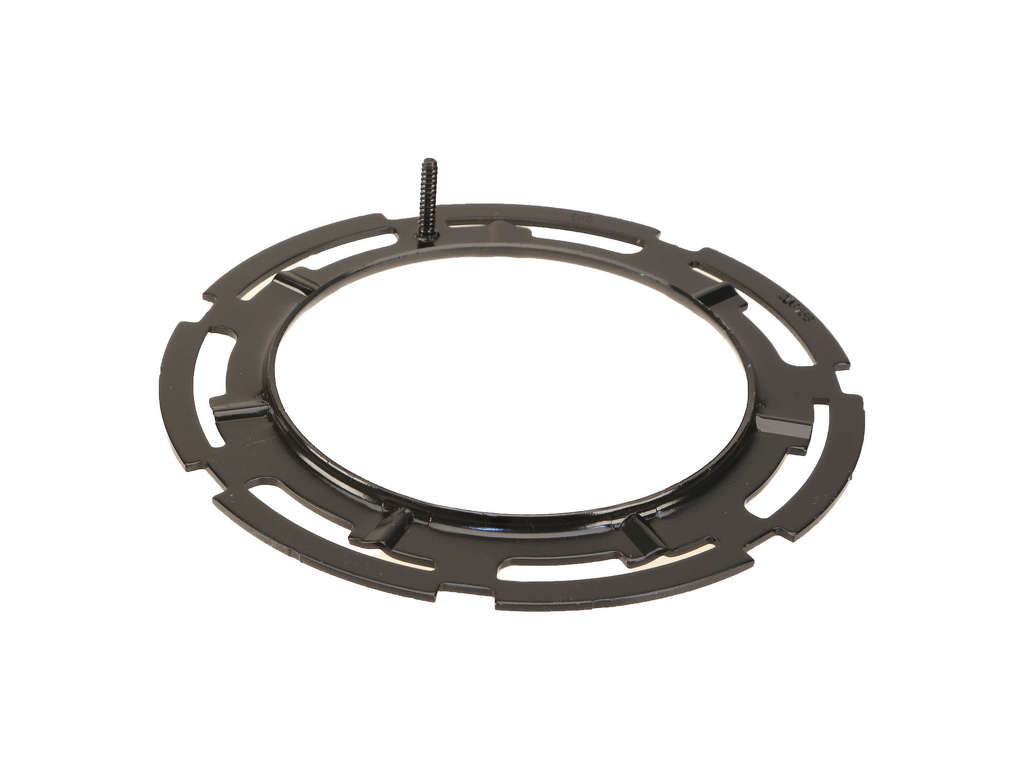
Aftermarket price range: $70-$100 - Fuel Tank Gasket / Seal
(OEM #LR000966)— This seal for the fuel pump/sender access port must be replaced 🎬 Watch: Step-by-step fuel tank seal replacement guide any time the tank is opened to prevent dangerous fuel leaks and fumes. This part number is specified in TSB LTB00566v6.
Trusted brands: Land Rover (Genuine)
OEM price range: $20-$30
Aftermarket price range: $10-$20 - In-Tank Wiring Splice Connector
(OEM #LR050538)— If performing the repair outlined in TSB LTB00566v6 for corroded pins, this specific splice connector is required for the repair. Six are needed.
Trusted brands: Land Rover (Genuine)
OEM price range: $5-$10 each
Aftermarket price range: N/A
Related Codes That Often Appear With This One
- P0461 — This code for 'Fuel Level Sensor 'A' Circuit Range/Performance' can be set by a sending unit that is beginning to fail and providing erratic readings before it fails completely into a 'Circuit High' condition.
- P0462 — This is the opposite code, 'Circuit Low Input,' indicating a short circuit. Seeing either P0462 or P0463 points directly to a problem in the fuel level sending unit circuit.
- B1A75-92 — This is a Land Rover-specific Body Control Module code for the 'Fuel sender 2 circuit'. Its presence alongside P0463 strongly indicates a failure of the second sending unit within the tank.
- U0128-00 — A related TSB, LTB00566NAS1, mentions this code ('Lost Communication With Parking Brake Control Module') can be stored in the Instrument Cluster along with fuel gauge issues on 2010-2013 LR4s, potentially due to a software issue.
Technical Service Bulletins (TSBs) & Recalls
- LTB00566v6: Addresses inaccurate fuel gauge operation due to fretting corrosion on in-tank harness connectors for the LR4 and Range Rover Sport (2010-2013). Specifies a repair procedure involving splicing the harness.
Platform-Specific Known Issues
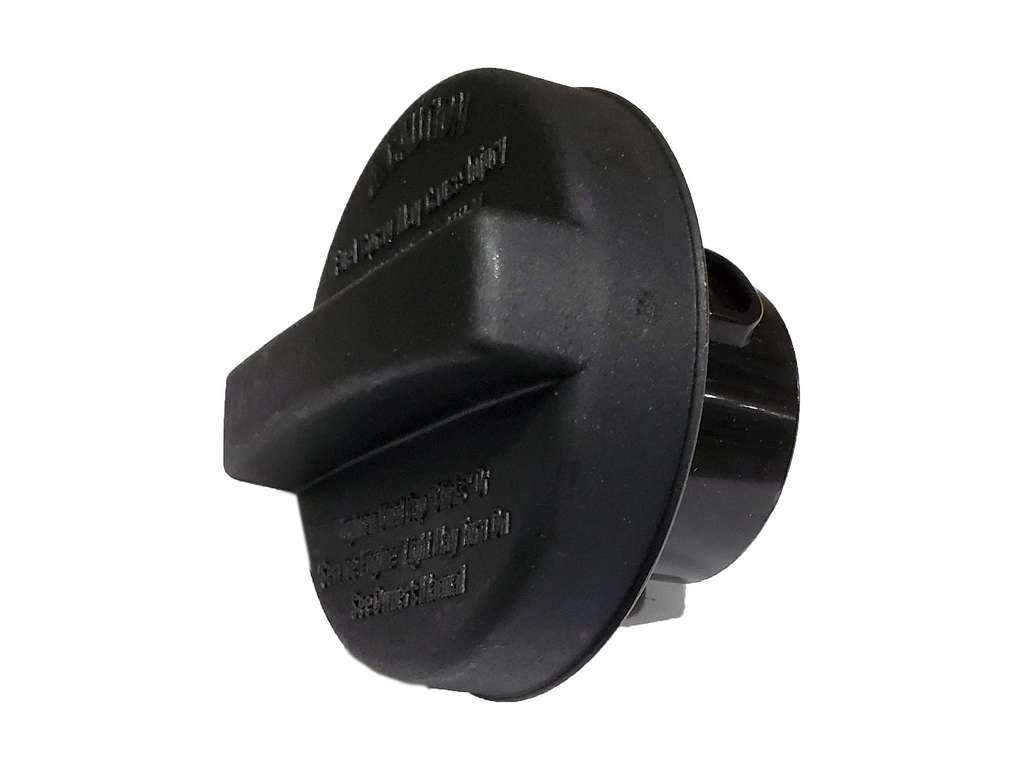
- A recall (N489) was issued for 2010-2016 LR4 models for a fuel tank flange that could crack and cause a fuel leak 🎬 Watch: How to replace a cracked fuel tank cap, highlighting a history of fuel tank component issues on this platform.
- Technical Service Bulletin LTB00566v6 was issued for the 2010-2013 LR4 for inaccurate fuel gauges caused by fretting corrosion on the in-tank sender wiring harness pins, a known cause for P0463.
Mechanic-Grade Diagnostic Values
- Fuel Level Sender Resistance (General) — expected: Approximately 20-30 Ohms when full, and 245-270 Ohms when empty.. Failure: A reading of 1023 Ohms or 'Open Loop' on a scan tool indicates a failed sender or an open circuit.
- Fuel Level Sender Resistance (Specific to a similar model) — expected: Active side of tank: ~51 Ohms (Full) to ~992 Ohms (Empty). Passive side of tank: ~182 Ohms (Full) to ~992 Ohms (Empty).. Failure: Readings that are infinite (open circuit) or do not change as the float arm is moved.
Scan Tool Commands That Help
- Land Rover SDD (Symptom Driven Diagnostics): Configure existing module – Instrument cluster control module — As per TSB LTB00566NAS1, this function is used to apply a software update to the Instrument Cluster on 2010-2013 models, which can resolve fuel gauge errors, including those associated with DTC U0128-00, before proceeding to hardware replacement.
- Land Rover SDD (Symptom Driven Diagnostics): Read Live Data - Fuel Sender Resistance — To monitor the real-time resistance values from both fuel senders to identify which one is providing an out-of-range reading, confirming the source of the P0463 fault.
Wiring & Ground Locations
- Fuel Pump / Sender Assembly Ground — On the related LR3 platform, the main ground point is located in the left rear of the vehicle, just in front of the tail light assembly, behind the interior trim panel.. A poor or corroded ground connection for the fuel sender circuit can cause high resistance, leading to a 'Circuit High' fault like P0463. This should be checked before dropping the fuel tank if possible.
- In-tank harness connectors (black) — Inside the fuel tank, connecting the sending units to the main fuel tank flange assembly.. These specific connectors are the subject of TSB LTB00566v6, which identifies fretting corrosion on their pins as a primary cause of inaccurate fuel gauge readings and related codes.
Real Owner Repair Stories
- landroverforums.com user (2006 Land Rover LR3 (same platform/system)) — Fuel gauge always reads empty, Check Engine Light on with P0463.
❌ Tried (didn't work) Replaced both front and rear fuel sending units with new parts.
✅ What actually fixed it A broken green wire in the harness leading to the main fuel tank connector was discovered. After splicing the wire, the fuel gauge began working correctly, indicating the fault was in the external wiring, not the new senders.
OEM Part Supersession History
LR014999→LR042971— Standard part update/revision by the manufacturer.
Model Year Variations Within This Range
- 2010-2013: These model years are specifically called out in TSB LTB00566v6 and LTB00566NAS1 for the fretting corrosion issue on in-tank wiring and the potential for an instrument cluster software update to resolve fuel gauge problems.
Diagnostic Flowchart
Other Known Issues on This Vehicle
Issues unrelated to this code that are worth knowing about as an owner of this generation:
- 5.0L V8 Timing Chain Tensioner & Guide Wear 🔴 High — Common on 2010-2013 models, particularly before 100,000 miles. Can lead to catastrophic engine failure if ignored.
- Front Lower Control Arm Bushing Failure 🟠 Medium — Very common failure item, often occurring as early as 30,000-60,000 miles. Causes clunking noises, shuddering under braking, and uneven tire wear.
- Air Suspension Leaks & Compressor Failure 🟠 Medium — Frequent issue. Air struts can develop leaks, and the compressor can burn out from overuse. Symptoms include vehicle sagging overnight and "Suspension Fault" warnings.
- Water Pump & Coolant Pipe Leaks 🔴 High — Water pumps are a known failure point, sometimes failing suddenly and causing rapid coolant loss. Plastic coolant crossover pipes can also crack.
- Cracked Intake Manifold (Plastic) 🟠 Medium — The plastic intake manifolds, particularly on the 5.0L V8, are known to develop cracks, leading to vacuum leaks and drivability issues.
Used vs. New Parts: Buying Guide for This Vehicle
When a used part is the smart pick: Due to the high labor cost of dropping the fuel tank and the critical nature of fuel system components, using used parts for this repair is generally not recommended. The risk of a used sending unit failing prematurely outweighs the potential cost savings.
Donor-vehicle mileage cap: roughly under 50000 miles for the part to have meaningful remaining life.
What to inspect on the donor part:
- Verify the part numbers match exactly.
- Inspect the float arm for free and smooth movement.
- Check the variable resistor strip for any visible wear, scoring, or delamination.
- Ensure electrical connectors and pins are clean, straight, and free of corrosion.
OEM-only on this vehicle (don't cheap out):
- Fuel Tank Gasket / Seal
Aftermarket brands forum-validated for this vehicle:
- VDO/Continental (often the original equipment manufacturer)
Brands owners have reported issues with on this vehicle:
- Unbranded, 'white-box' parts from online marketplaces should be avoided due to inconsistent quality control for in-tank electronics.
Real Owner Stories
Aggregated from forums and TSBs cited above. Mileages and costs reflect what owners reported in those sources.
Land Rover LR3 (L319 Platform)
Symptoms: The fuel gauge was stuck on empty and the vehicle threw a P0463 code.
What fixed it: The fuel tank was dropped to replace both fuel sensors and the gasket.
Source hint: landroverforums.com: A thread titled 'Fuel tank issues' for the LR3 (same platform)
2010-2013 Land Rover LR4
Symptoms: Inaccurate fuel gauge operation caused by fretting corrosion on the in-tank harness connectors.
What fixed it: Repaired the wiring using specific splice joint connectors (P/N LR050538) as outlined in the technical bulletin.
Source hint: TSB LTB00566v6
Related OBD-II Codes
Frequently Asked Questions
Does TSB LTB00566v6 apply to my 2014 Land Rover LR4?
Is there a recall for fuel-related issues on the 2010-2016 LR4?
Can I just clean the connectors to fix the P0463 code on my LR4?
Is there an access panel under the rear seats to reach the fuel senders?
What voltage reading indicates a faulty fuel sender on this vehicle?
Should I replace both fuel level sending units at the same time?
Helpful Videos
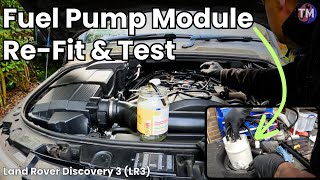
We Have This Part in Stock


The information in this article is provided for general reference and educational purposes only. Vehicle specifications, procedures, and part compatibility can vary by production date, trim level, and region. Always consult your vehicle's factory service manual and verify part numbers before purchasing or performing repairs. Safety-critical components such as airbags, seat belts, and braking systems should be installed by a qualified professional.
- Land Rover LR4:
- 🧭 Diagnostic Flowchart
- 🎬 Helpful Videos
- 🛍️ Shop This Part
- What's Unique About the 2010-2016 Land Rover LR4
- Symptoms You May Notice
- Most Likely Causes
- Rare But Worth Checking
- Diagnosis Steps
- Parts You'll Likely Need
- Related Codes That Often Appear With This One
- Technical Service Bulletins (TSBs) & Recalls
- Platform-Specific Known Issues
- Mechanic-Grade Diagnostic Values
- Scan Tool Commands That Help
- Wiring & Ground Locations
- Real Owner Repair Stories
- OEM Part Supersession History
- Model Year Variations Within This Range
- Other Known Issues on This Vehicle
- Used vs. New Parts: Buying Guide for This Vehicle
- Real Owner Stories
- Land Rover LR3 (L319 Platform)
- 2010-2013 Land Rover LR4
- Related OBD-II Codes
- Frequently Asked Questions
- 🎟️ Get 5% Off