

P0480 on 2016-2019 Ford F-350 SD: Cooling Fan Circuit Fault Causes & Fixes
This code indicates a problem with the engine cooling fan circuit. On the 6.7L Power Stroke, the most common causes are a damaged fan clutch wiring harness rubbing on the serpentine belt, or a failed fan clutch assembly. For some 2018 models, a poorly seated PCM connector is a known issue covered by a TSB. Diagnosis should be performed carefully to avoid unnecessarily replacing the expensive fan clutch.
- P0480 on a 6.7L Super Duty means the computer has a problem controlling the cooling fan.
- Before buying any parts, thoroughly inspect the fan clutch wiring harness for damage, as this is a very common and inexpensive fix.
- For specific 2018 models, check the PCM connector C1232B to ensure it's fully seated as per TSB #SSM 47656.
- If wiring is intact, the fan clutch assembly itself is the next most likely failure point.
- Ignoring this code can lead to engine overheating, especially under load or in traffic, risking costly engine damage.
What's Unique About the 2016-2019 Ford F-350 SD
On the 6.7L Power Stroke engine, the P0480 code is frequently linked to specific, known issues. The wiring harness leading to the fan clutch is a common failure point; its plastic retaining bracket on the fan shroud can break, allowing the harness to fall and rub against the serpentine belt 🎬 Watch: How to inspect and repair damaged fan clutch wiring., causing chafing and electrical faults. Additionally, Ford has issued Technical Service Bulletins (TSBs) for this exact problem, including one for a poorly seated PCM connector on certain 2018 models (SSM 47656) and another addressing fan operational issues across the 2016-2019 range (SSM 47999), highlighting that this is a recognized platform issue.
Diagnostic Flowchart
Tap your situation to follow the diagnostic path that matches what you're seeing on this vehicle.
Generation note: This range covers two Super Duty generations: the end of the third (2011-2016) and the beginning of the fourth (2017-2022). While body styles and interiors differ, the 6.7L Power Stroke powertrain and its electronically controlled fan clutch system are largely similar, making the causes and fixes for P0480 consistent across this year range and even into earlier model years.
Symptoms You May Notice
- Check Engine Light is on
- Engine overheating, especially at low speeds, in traffic, or while towing.
- Cooling fan runs at full speed constantly, creating a loud 'jet engine' or 'roaring' noise that rises and falls with engine RPM.
- Cooling fan does not turn on at all, leading to overheating.
- Reduced air conditioning performance, as the A/C system relies on the fan to cool the condenser, and a fan fault can cause the A/C compressor to cycle improperly.
- Noticeable decrease in fuel economy if the fan is stuck on.
- Replacing the fan clutch when the actual problem is a damaged wiring harness. TSB #SSM 47999 specifically advises technicians to use updated diagnostic procedures to avoid unnecessary fan clutch replacement. Always inspect the wiring harness thoroughly before ordering an expensive fan clutch.
- Replacing the fan clutch when the issue is the poorly seated PCM connector on affected 2018 models. [TSB #SSM 47656]
Most Likely Causes
- Damaged Fan Clutch Wiring Harness 🔴 High Probability The plastic retaining clip on the fan shroud that holds the harness connector is prone to breaking. This allows the harness to drop down and make contact with the spinning serpentine belt, which quickly chafes through the insulation and causes an open or short circuit.
How to confirm: Visually inspect the entire length of the wiring harness from the fan clutch to its connection point. Pay close attention to the area where it passes the serpentine belt and fan shroud. Look for any signs of rubbing, exposed copper wires, or damage to the connector itself.
Typical fix: Repair the damaged section of wiring using heat-shrink butt connectors or replace the fan clutch pigtail connector. Secure the repaired harness away from the belt with zip ties to prevent recurrence.
Est. part cost: $25-$80 - Failed Fan Clutch Assembly 🟡 Medium Probability The electronic clutch can fail internally, either seizing (stuck on) or failing to engage. This is a common wear item, with failures reported at various mileages, sometimes under 100,000 miles.
How to confirm: With the engine off and cool, try to spin the fan by hand. It should have some viscous resistance, not spin freely for more than a rotation or two. Check for side-to-side wobble, which indicates a bad bearing. A diagnostic scan tool can command the fan to a certain speed (PID: FANDC); if the actual fan speed (PID: FANSS) doesn't match the commanded speed, the clutch is faulty.
Typical fix: Replace the entire fan clutch assembly. It is often recommended to inspect the water pump at the same time, as a failing water pump can damage the new fan clutch.
Est. part cost: $300-$450 - Poorly Seated PCM Connector C1232B 🔴 High Probability A specific batch of 2018 model year trucks with the 6.7L engine are subject to TSB #SSM 47656, which identifies an improperly seated PCM connector as the cause for P0480 and other codes. This applies to engines built between December 1, 2017, and August 1, 2018.
How to confirm: This issue applies specifically to 6.7L engines built between December 1, 2017, and August 1, 2018. Inspect the C1232B connector (the center connector) at the PCM to ensure it is fully seated and latched.
Typical fix: Properly seat the PCM connector C1232B. Listen for a click and ensure the latch is fully engaged.
Est. part cost: $0 - Blown Fuse or Faulty Relay ⚪ Low Probability
How to confirm: Locate the cooling fan relay and fuses in the vehicle's power distribution box (under the hood). On these models, the fan clutch power fuse (Fuse 35 in some years) may also power the A/C clutch, so if the A/C works, the fuse is likely good. Swap the fan relay with an identical one (e.g., the horn relay) to see if the problem resolves.
Typical fix: Replace the blown fuse or faulty relay.
Est. part cost: $5-$30
Rare But Worth Checking
- Faulty Powertrain Control Module (PCM): This is extremely rare. The PCM's internal driver for the fan control circuit can fail. This should only be considered after all other possibilities, including wiring and the fan clutch itself, have been exhaustively ruled out. TSB SSM 47999 diagnostics involve checking for voltage and signals from the PCM before condemning the fan clutch.
- Faulty Evaporator Temperature Sensor: In some cases, a failed evaporator temperature sensor can cause the A/C system to believe it is freezing up, commanding the fan to run at high speed constantly as a protective measure. This may not always set a P0480 code but can produce identical symptoms (fan stuck on).
Diagnosis Steps
- Read all stored DTCs with an OBD-II scanner to see if other fan-related codes are present, which can help pinpoint the issue.
- Critical First Step: Thoroughly inspect the fan clutch wiring harness for any signs of damage, especially where it passes near the serpentine belt and the fan shroud. Check if the plastic retaining clip is broken.
- Check fuses (e.g., Fuse 35) and relays related to the cooling fan circuit in the under-hood power distribution box.
- If you have a 2018 model built between 12/1/2017 and 8/1/2018, inspect PCM connector C1232B (center connector) to ensure it is fully seated, per TSB #SSM 47656.
- With the engine off and cool, check the fan blade for excessive side-to-side wobble (bad bearing) or resistance when spun by hand (should have some drag, not spin freely).
- Use a capable scan tool (like FORScan) to monitor PIDs for Desired Fan Speed (FANDC) vs. Actual Fan Speed (FANSS) while the engine is running. Command the fan on and off to see if it responds.
- If the fan does not respond to commands, use a multimeter to test for power (>10.5V), ground, and the PWM signal at the fan clutch connector. The diagnostic procedure in TSB SSM 47999 provides a detailed flowchart for these electrical tests.
- If all wiring, fuses, and signals are good but the fan doesn't operate correctly per scan tool commands, the fan clutch assembly is the likely culprit and should be replaced.
Parts You'll Likely Need
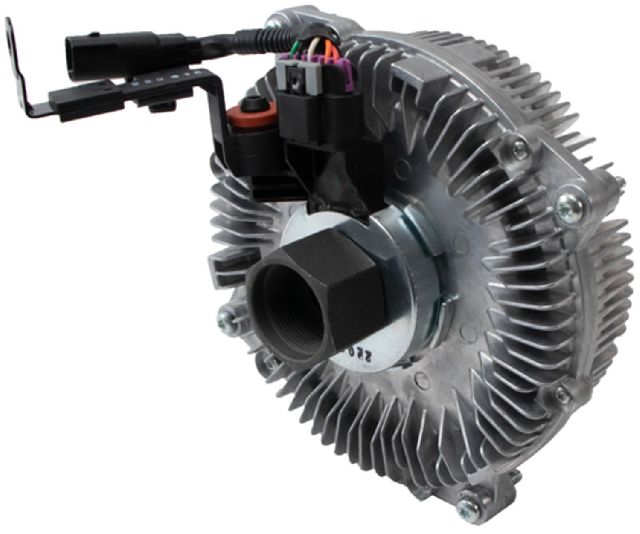
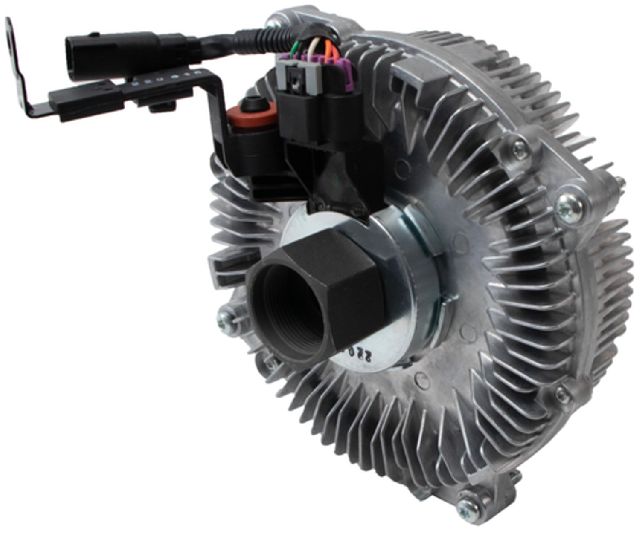
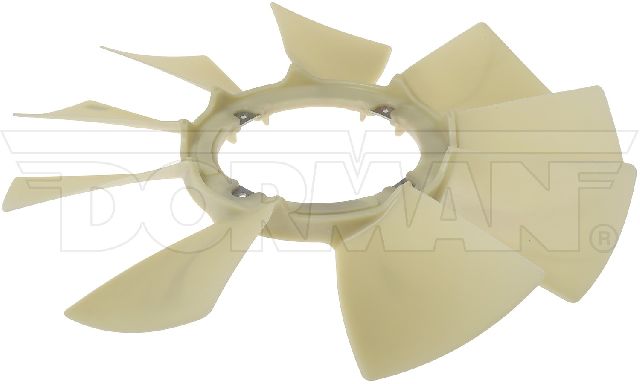
- Engine Cooling Fan Clutch
(OEM #BC3Z8A616D)— The internal electronic mechanism or viscous fluid coupling fails, causing the fan to be stuck on or not engage at all. This is the most common part replaced after wiring issues are ruled out.
Trusted brands: Motorcraft
OEM price range: $310-$450
Aftermarket price range: $250-$380 - Fan Clutch Wiring Harness Pigtail
(OEM #WPT-971 (Motorcraft))— Often gets damaged by rubbing against the serpentine belt due to a broken retainer, causing an electrical fault in the fan control circuit. Splicing in a new pigtail is a common repair.
Related Codes That Often Appear With This One
- P0494 — Relates to Fan Speed Low. Both codes point to a malfunction in the fan's operation, often sharing the same root causes like wiring or clutch failure.
- P0495 — Relates to Fan Speed High. Often appears when the fan clutch is seized and running at maximum speed constantly.
- P0528 — Relates to Fan Speed Sensor Circuit No Signal. This points directly to an electrical issue in the fan speed sensing circuit, often caused by the same damaged harness that triggers P0480.
- P0529 — Relates to Fan Speed Sensor Circuit Intermittent. This points to an electrical issue in the fan speed sensing circuit, often caused by the same damaged harness that triggers P0480.
- P0691 / P0692 — These codes relate to Fan 1 Control Circuit Low / High, respectively. They are often stored alongside P0480 as they all monitor the electrical integrity and performance of the fan control circuit.
Technical Service Bulletins (TSBs) & Recalls
- SSM 47999: Cooling Fan Stays On Or Is Inoperative with DTCs P0480, P0494, P0495, etc.
- SSM 47656: Multiple DTCs including P0480 due to poorly seated PCM connector C1232B on certain 2018 models.
Platform-Specific Known Issues
- TSB #SSM 47999: Affects 2016-2019 models with the 6.7L engine where the cooling fan is either inoperative or stays on constantly, setting codes like P0480. Ford advises using updated diagnostic tests (checking specific PIDs and circuit voltages) to prevent unnecessary replacement of the fan clutch.
- TSB #SSM 47656: Pertains to 2018 F-350s with the 6.7L engine built between Dec 1, 2017, and Aug 1, 2018. An improperly seated PCM connector (C1232B) can cause P0480 along with a host of other unrelated DTCs.
- Harness Retainer Failure: A widely reported issue in owner forums is the failure of the plastic clip holding the fan clutch harness to the fan shroud, directly leading to the harness falling into the serpentine belt.
Mechanic-Grade Diagnostic Values
- Fan Clutch Solenoid Internal Resistance — expected: 6.0 to 10.0 Ohms. Failure: A reading outside this range indicates a faulty fan clutch.
- Voltage at Fan Clutch Connector (Key On, Engine Off) — expected: Pin 5 (VPWR - Power): >10.5V. Other pins include 5V reference, ground, PWM control, and speed signal.. Failure: Voltage below 10.5V on the power pin indicates a supply issue (fuse, wiring). Incorrect voltages on other pins point to wiring or PCM faults.
- Fan Speed Signal (FSS) vs. Desired Fan Speed (FANDC) PIDs — expected: Actual fan speed (FSS) should closely follow the PCM's desired speed (FANDC) when commanded via a scan tool.. Failure: If FSS does not match FANDC, it points to a faulty fan clutch (if wiring is good) or a wiring/sensor issue.
Scan Tool Commands That Help
- FORScan: Viscous Fan Pulse Width Modulated Control Test (FANDC) — This bidirectional control allows a technician to manually command the fan clutch to any duty cycle (0-100%) to test its response. By monitoring the 'FANSS' (Fan Speed Sensor) PID while adjusting the 'FANDC' (Fan Duty Cycle) PID, you can confirm if the clutch is mechanically and electrically responding to PCM commands.
- Ford IDS: Actuator Command - Fan Speed — Similar to FORScan, the official Ford diagnostic software allows for commanding the fan speed percentage. This is a critical step in the official TSB diagnostic procedure to verify clutch operation before replacement.
Wiring & Ground Locations
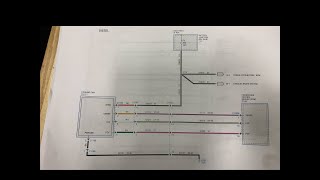
- Fan Clutch Connector (C159) — At the fan clutch, routed along the fan shroud.. This 5-pin connector is the primary interface for the fan. The wires are: Power (often Red), Ground (often Black), Fan Speed Signal (often White), Fan Control/PWM (from ECU), and a 5V reference for the sensor. Damage to any of these wires, especially from rubbing on the belt, will cause P0480 and related codes.
- PCM Connector C1232B — The center of the three main connectors on the Powertrain Control Module (PCM), typically located on the driver's side firewall.. TSB #SSM 47656 specifically calls out this connector for not being fully seated on some 2018 models, causing an intermittent connection for the fan control circuit and triggering P0480.
Real Owner Repair Stories
- Ford Truck Enthusiasts Forum user (2012 F-250 6.7L Diesel) — Overheating alarm while towing, P0480 code present. Fan would not engage at low speeds or under load.
❌ Tried (didn't work) Replaced the fan clutch assembly.
✅ What actually fixed it The user's story ended after replacing the fan clutch did not solve the problem, highlighting that even with classic symptoms, the root cause could still be wiring or PCM related, reinforcing the need for proper electrical diagnosis before replacing expensive parts. The user was left to troubleshoot the wiring harness, relay, or PCM.
OEM Part Supersession History
BC3Z-8A616-D→HC3Z-8A616-A (for 2017-2019 models)— Model year update/design change for the 4th generation Super Duty.
Heads up: The fan clutch for 2017-2019 models is part number HC3Z-8A616-A. While physically similar, using a part from the wrong generation may result in control or communication errors.
Model Year Variations Within This Range
- 2018 (Engines built 12/1/2017 - 8/1/2018): These models are subject to TSB #SSM 47656, which points to a poorly seated PCM connector (C1232B) as a primary cause, a specific manufacturing issue not present in other years.
- 2017-2019: The fan clutch assembly part number changed for the 4th generation Super Duty, starting in 2017, to HC3Z-8A616-A. The 2016 model year uses the earlier part number.
Helpful Videos
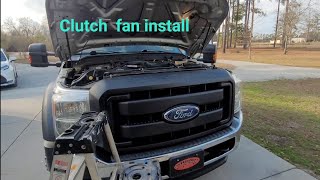

We Have This Part in Stock


The information in this article is provided for general reference and educational purposes only. Vehicle specifications, procedures, and part compatibility can vary by production date, trim level, and region. Always consult your vehicle's factory service manual and verify part numbers before purchasing or performing repairs. Safety-critical components such as airbags, seat belts, and braking systems should be installed by a qualified professional.
- Ford F-350 SD:
- 🧭 Diagnostic Flowchart
- 🎬 Helpful Videos
- 🛍️ Shop This Part
- What's Unique About the 2016-2019 Ford F-350 SD
- Symptoms You May Notice
- Most Likely Causes
- Rare But Worth Checking
- Diagnosis Steps
- Parts You'll Likely Need
- Related Codes That Often Appear With This One
- Technical Service Bulletins (TSBs) & Recalls
- Platform-Specific Known Issues
- Mechanic-Grade Diagnostic Values
- Scan Tool Commands That Help
- Wiring & Ground Locations
- Real Owner Repair Stories
- OEM Part Supersession History
- Model Year Variations Within This Range
- 🎟️ Get 5% Off