

P0496 on 2010-2017 Chevrolet Equinox: Causes, Fixes, and Hard Start After Fueling
On a 2010-2017 Equinox, code P0496 is almost always caused by a faulty EVAP purge solenoid valve that is stuck open. This is a common failure, often causing a hard start after refueling. The OEM part (ACDelco 12690512) is relatively inexpensive (~$25-$60) and easy to replace for a DIYer, typically in under 30 minutes.
- P0496 on a 2010-2017 Equinox almost always means the EVAP purge solenoid valve has failed and is stuck open.
- The most telling symptom is difficulty starting the engine right after you put gas in it.
- This is a very common, well-documented problem for this vehicle and its platform mates like the GMC Terrain and Cadillac SRX.
- The repair is simple, inexpensive, and a great starting point for a DIY mechanic. The part (ACDelco 12690512) is easily accessible on top of the engine.
- Before paying for a repair, check with a GM dealer about special coverage N192210240, as it may be fixed for free within 10 years or 120,000 miles.
What's Unique About the 2010-2017 Chevrolet Equinox
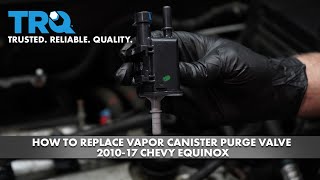
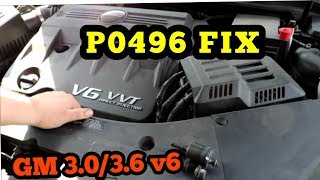
The P0496 code is exceptionally common on this generation of Chevrolet Equinox and its sibling, the GMC Terrain, across all available engines (2.4L I4, 3.0L V6, 3.6L V6). 🎬 See this replacement walkthrough for the V6 engine models The primary culprit is a high failure rate of the EVAP purge solenoid valve, which gets stuck in the open position, creating a constant vacuum leak into the intake manifold. This issue is so prevalent that GM has issued special coverage adjustments in some cases to cover the repair. Owners almost universally report the classic symptom of the engine struggling to start immediately after filling the gas tank, as the excess vapor floods the engine.
Symptoms You May Notice
- Difficulty starting the engine immediately after refueling (long crank time, stumbling, may need to press the gas pedal to start).
- Rough or unstable idle.
- Check Engine Light is on.
- Slightly reduced fuel economy.
- Engine may stall at low speeds or when stopped.
- In some cases, a whooshing or sucking sound near the engine when running.
- Replacing the gas cap. While a loose gas cap can cause other EVAP codes (like P0455 or P0442 for large/small leaks), it is not the cause of P0496, which indicates improper flow, not a system leak.
- Replacing the EVAP Vent Solenoid. The vent solenoid is located near the charcoal canister at the rear of the vehicle and controls fresh air entering the system. Its failure typically causes a P0449 code and difficulty filling the fuel tank. P0496 almost always points to the PURGE solenoid on the engine.
Most Likely Causes
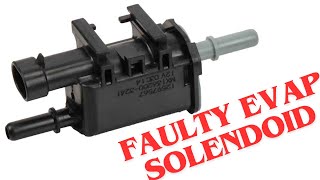
- Faulty EVAP Purge Solenoid Valve 🔴 High Probability → Shop Vapor Canister This specific part has a high failure rate on many GM vehicles from this era, including the Equinox. The internal valve mechanism tends to get stuck in the open position, allowing un-commanded vacuum flow.
How to confirm: With the engine off, remove the purge solenoid. Try to blow through the port that connects to the intake manifold; if air passes through, it is stuck open and has failed. A more direct test is to start the engine, disconnect the vapor line from the solenoid, and place your finger over the port on the solenoid; if you feel suction, it is stuck open and must be replaced. A scan tool can also command the valve closed and monitor the Fuel Tank Pressure (FTP) sensor; if a vacuum builds in the tank, the valve is leaking.
Typical fix: Replace the EVAP purge solenoid valve. It is located on the intake manifold and is accessible after removing the plastic engine cover.
Est. part cost: $25-$75
Rare But Worth Checking
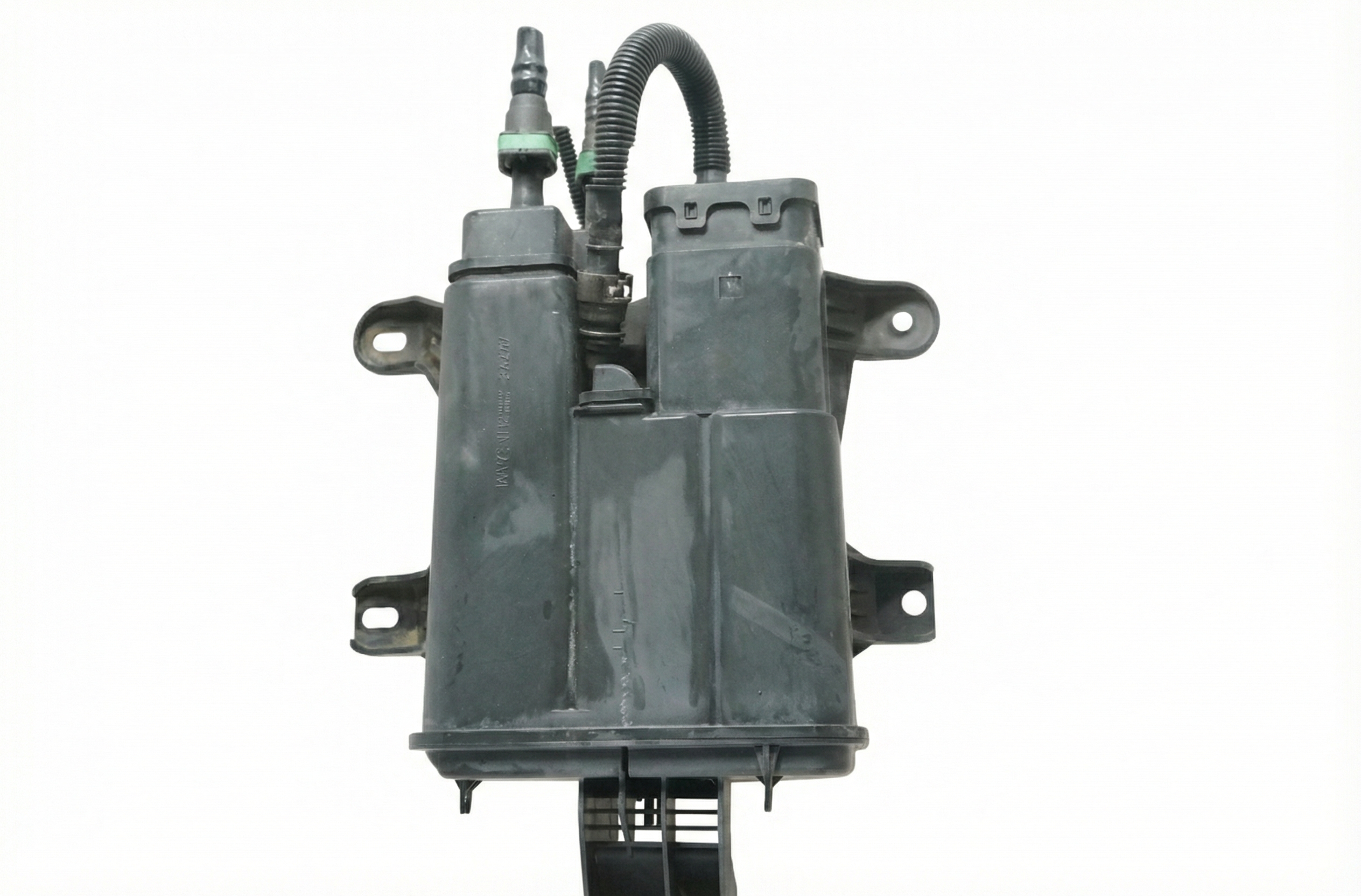
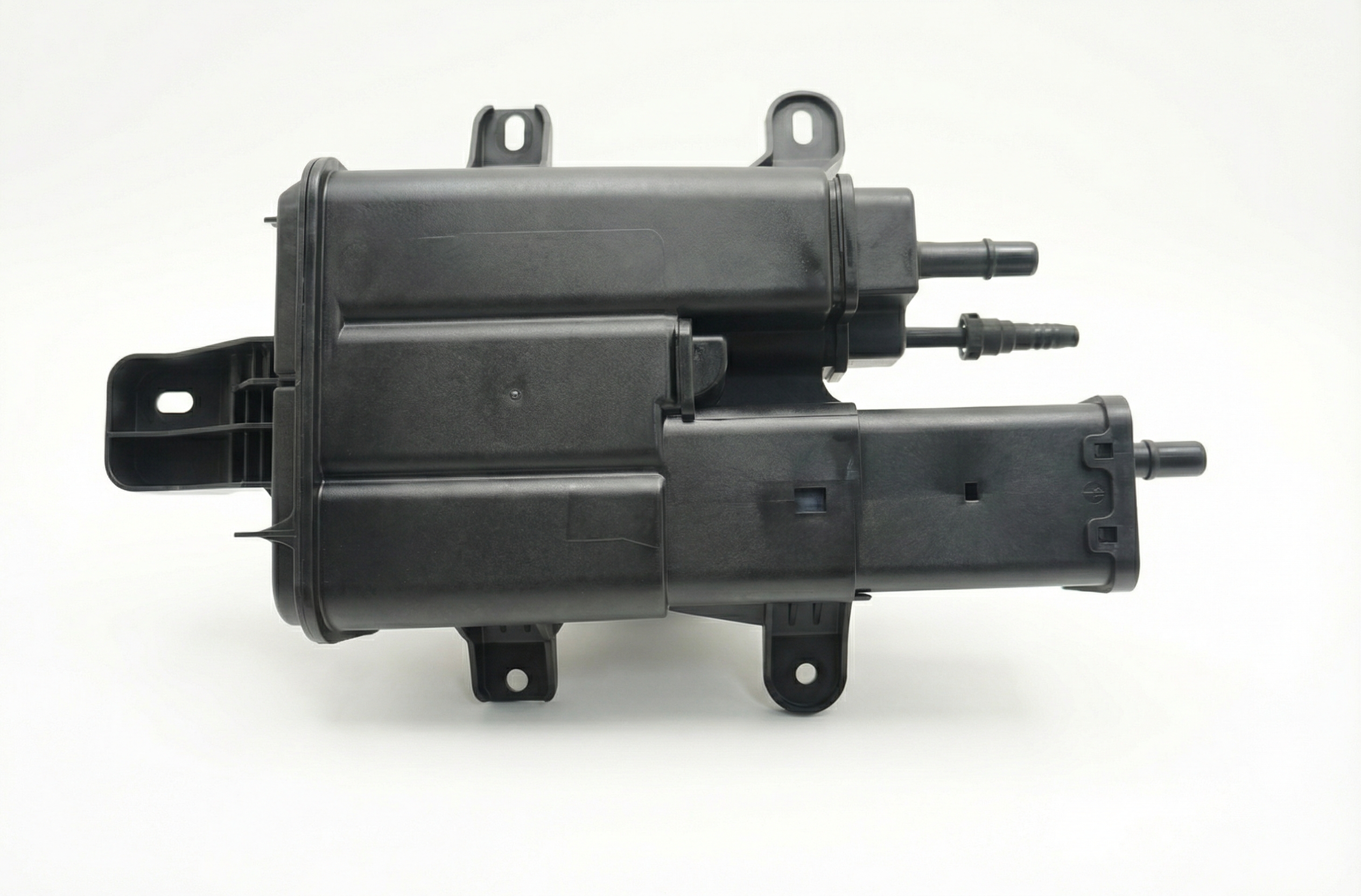
- Clogged EVAP Canister: → Shop Vapor Canister This can happen if you habitually 'top off' your fuel tank after the pump clicks off. Liquid fuel can saturate the charcoal canister, causing particles to break free and jam the purge valve open. If you replace a purge valve and the P0496 code returns quickly, investigate the canister for contamination. One owner on ChevroletForum.com reported adding an inline fuel filter before the new purge valve to prevent a repeat failure from canister debris.
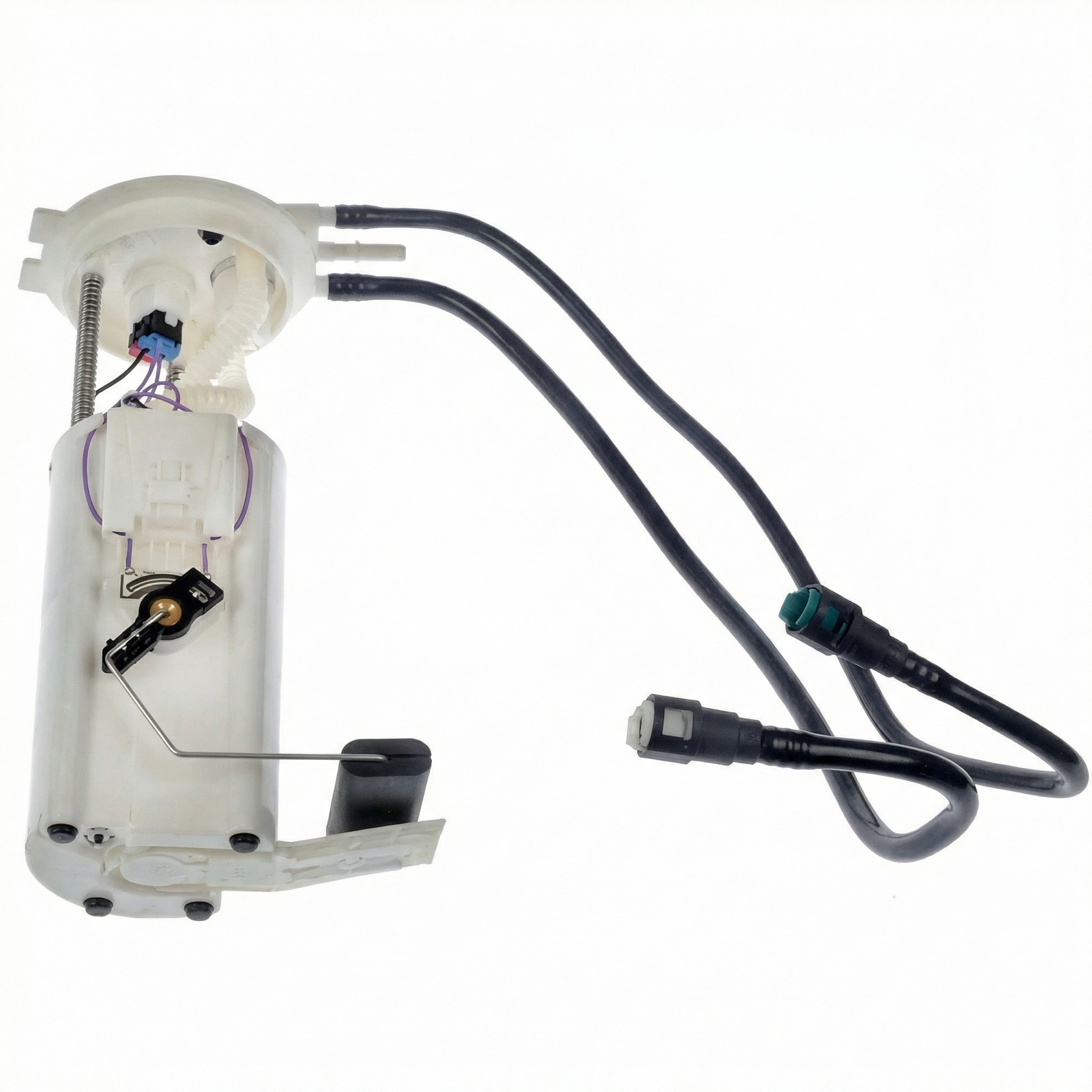
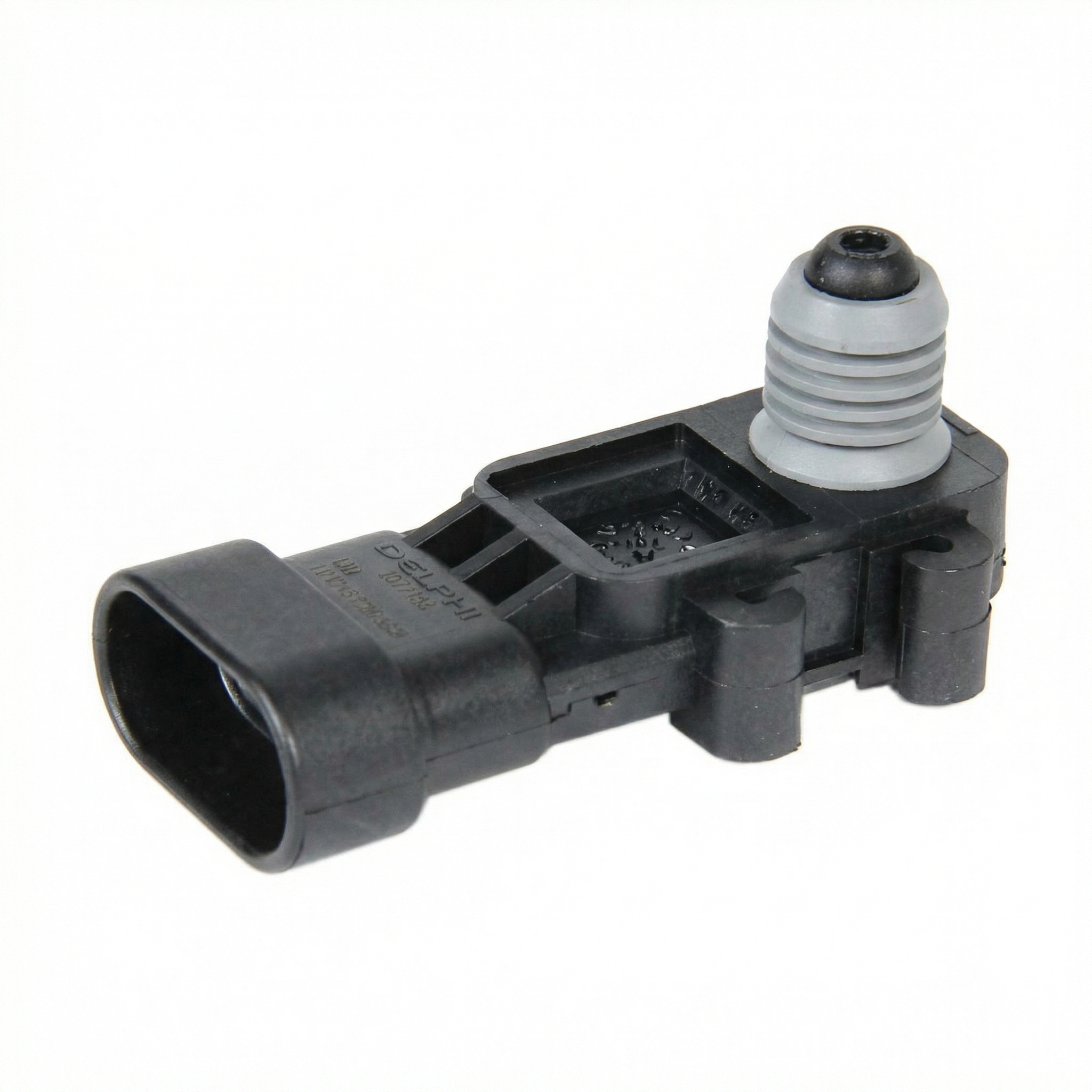
- Faulty Fuel Tank Pressure (FTP) Sensor: → Shop Fuel Tank The FTP sensor is what the computer uses to detect the unwanted vacuum flow. If the sensor is providing incorrect readings, it can falsely trigger the P0496 code. This is much less common than a failed purge valve, and other FTP-specific codes (like P0451, P0452, P0453) would likely be present as well.
- Damaged Wiring or Connector: A broken electrical connector or chafed wiring to the purge solenoid could potentially cause issues, though it is less likely to cause a stuck-open condition than internal failure. A visual inspection of the harness and connector is always a good idea during replacement.
Diagnosis Steps
- Verify the Check Engine Light is on and code P0496 is present using an OBD-II scanner.
- Confirm the primary symptom: Does the engine have a long crank time or struggle to start right after refueling? If yes, the purge solenoid is the prime suspect.
- Locate the EVAP purge solenoid valve. On both the 2.4L and V6 engines, it is mounted on the intake manifold. Remove the plastic engine cover by unscrewing the oil fill cap, removing one 10mm bolt (on some models), and pulling the cover up.
- Perform the 'Finger Test': Disconnect the electrical connector from the solenoid. Start the engine. Disconnect the vapor hose that runs from the charcoal canister to the solenoid.
- Place your finger on the port of the solenoid where the hose was connected. If you feel any vacuum suction, the valve is stuck open and has failed. The diagnosis is complete. 🎬 Follow this complete DIY repair guide to fix the P0496 code
- Alternate 'Blow Test' (Engine Off): Remove the solenoid from the vehicle (typically one 10mm bolt). Try to blow air through the valve from the port that connects to the intake manifold. If any air passes through, the valve is faulty. A new valve will not allow air to pass.
- If no suction is felt and the blow test passes, the issue could be more complex, such as an intermittent failure or a problem with the Fuel Tank Pressure sensor, and may require advanced diagnostics with a bi-directional scan tool to command the valve and monitor system pressure.
Parts You'll Likely Need
- Vapor Canister Purge Solenoid Valve
(OEM #12690512)— This is the most common failure point for code P0496 on this vehicle. It gets stuck open, causing a constant, un-commanded flow of fuel vapors into the engine. This part number is widely used across many GM vehicles from this era.
Trusted brands: ACDelco (OEM), Standard Motor Products (SMP), Bosch, Dorman
OEM price range: $40-$70
Aftermarket price range: $25-$50
Technical Service Bulletins (TSBs) & Recalls
- N192210240: Special Coverage Adjustment for a condition where the evaporative emissions purge valve may not fully close. This can cause a rough idle, hesitation, stalling, and illumination of the Check Engine Light with codes like P0496. The coverage for the Equinox is 10 years/120,000 miles from the original service date.
- Bulletin #PIP6037A: Notes that P0496 can fail due to damaged purge solenoid valve O-rings.
- Bulletin #PIP5284A: Advises technicians that if DTC P0496 continues to set after performing Strategy Based Diagnostics, the customer's drive cycle should be evaluated as it may contribute to the concern.
Platform-Specific Known Issues
- GM issued a special coverage adjustment (N192210240) for some vehicles that could experience a purge valve that does not fully close, leading to codes like P0496. This coverage extends the warranty for this specific part to 10 years or 120,000 miles for the Equinox. Owners should check with a Chevrolet dealer with their VIN to see if their specific vehicle is covered, even if it is out of its standard warranty.
Mechanic-Grade Diagnostic Values
- EVAP Purge Solenoid Coil Resistance — expected: ~20-21 Ohms. Failure: A reading significantly higher (open circuit) or lower (short circuit) than the expected range indicates a failed solenoid coil.
- EVAP Purge Solenoid Connector Voltage — expected: 12V-14V (one pin power, one pin ground/control). Failure: No voltage with the key on indicates a wiring or fuse issue upstream of the solenoid. The ground side is controlled by the ECM.
- Fuel Tank Pressure (FTP) Sensor Voltage (at idle, purge commanded OFF) — expected: ~1.5 Volts (atmospheric pressure). Failure: If the voltage drops significantly (indicating vacuum) immediately after starting the engine with the purge valve commanded OFF, it confirms unwanted flow through a stuck-open purge valve.
- P0496 DTC Set Condition — expected: No vacuum detected in the EVAP system when the purge solenoid is commanded closed.. Failure: The ECM detects a vacuum greater than 10 inches of H2O (2.49 kPa) for 5 seconds during a non-purge condition.
Scan Tool Commands That Help
- GDS2 / Tech2 (or equivalent professional scanner): EVAP Purge/Seal — This function is used to verify the entire system's integrity. The tool commands the vent solenoid closed and then pulses the purge solenoid to create a vacuum. For P0496, you would use it to command the purge valve to 0% (closed) and observe the Fuel Tank Pressure sensor. If a vacuum still develops, the valve is leaking internally.
- GDS2 / Tech2 (or equivalent professional scanner): EVAP Purge Solenoid Control — This allows a technician to manually command the purge solenoid open (e.g., to 20% or more) and closed (0%) while watching the FTP sensor data. This directly tests if the solenoid responds to ECM commands and if it seals properly when commanded closed.
Wiring & Ground Locations
- G105 (2.4L Engine) — Top rear of the engine.. This is a primary engine ground. A poor connection here can cause a variety of erratic sensor readings and component behavior for the powertrain control system.
- G105 (3.6L Engine) — Left rear of the engine.. This is a primary engine ground. A poor connection here can cause a variety of erratic sensor readings and component behavior for the powertrain control system.
- G103 — Left front of the engine compartment, under the battery tray.. This ground point serves multiple components in the engine compartment. While not the primary ECM ground, ensuring it is clean and tight is good practice when troubleshooting any electrical issue in the engine bay.
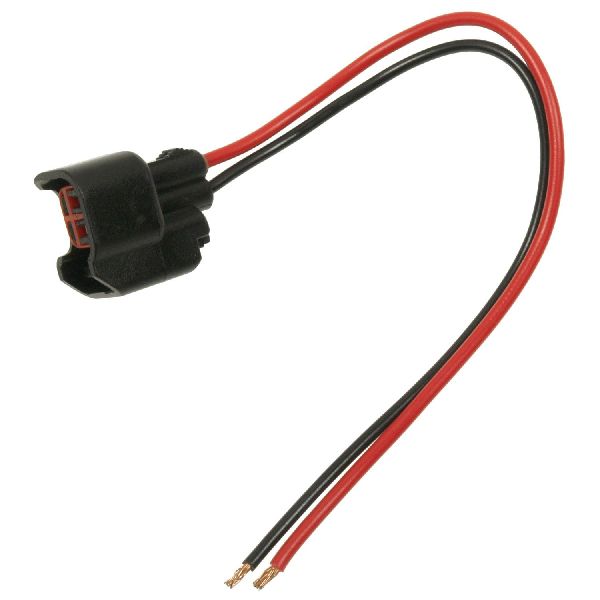
- EVAP Purge Solenoid Connector — On the EVAP purge solenoid, mounted to the intake manifold.. This 2-pin connector provides power and the control signal from the ECM. The locking tab can become brittle. Wiggling this connector while the engine is running can help identify intermittent connection issues.
Real Owner Repair Stories
- ChevroletForum.com user 'chevy325' (Unknown year Chevrolet vehicle with P0496 (context implies Equinox/GM platform)) — Check Engine Light with code P0496.
❌ Tried (didn't work) Replacing the EVAP Purge Solenoid Valve with a BWD brand part. The P0496 code returned after two months.
✅ What actually fixed it The user suspected that debris from a deteriorating charcoal canister was fouling the replacement valve, causing it to leak. He replaced the purge valve a second time with an OEM ACDelco part AND installed a small, inline fuel filter on the vapor line just before the purge valve's inlet. This prevented debris from reaching the new valve and provided a long-term fix. - NHTSA ODI #11088522: An owner reported a stuck open EVAP purge solenoid setting the SES light with codes P0300 and P0496. Diagnosis also found Bank 1 injectors out of specs, requiring replacement of injectors 1, 3, and 5.
- NHTSA ODI #11606943: After replacing a purge solenoid for P0496, an owner reported the engine still had a slightly rough idle and was not 100 percent fixed.
- NHTSA ODI #11710113: An owner reported that while driving at 60 mph uphill, the engine shook and displayed "Engine Power Reduced." A scan revealed several codes including P0496, P0171, P0299, and P0449.
"I Checked Everything" — The Actual Cause
- A standard EVAP smoke test, which checks for leaks from the system to the outside atmosphere, will typically pass when a P0496 is the only code present. This is because P0496 is not a system leak code (like P0442 or P0455), but an 'improper flow' code. The failure is an internal leak within the purge solenoid, allowing engine vacuum to draw vapors from the canister when it should be sealed. The 'finger test' (feeling for vacuum at the solenoid's inlet port with the engine running and connector unplugged) is the correct diagnostic procedure, as it directly detects this internal failure, whereas a smoke test does not.
OEM Part Supersession History
12610560→12690512— Likely an updated design to improve durability and prevent the common sticking-open failure.
Model Year Variations Within This Range
- 2010-2017: No significant variations have been noted regarding the cause, diagnosis, or repair of code P0496 within this generation. The failure of the purge solenoid (PN 12690512) is common across all engines offered (2.4L, 3.0L, and 3.6L) and model years.
Diagnostic Flowchart
Used vs. New Parts: Buying Guide for This Vehicle
When a used part is the smart pick: For this specific repair, a used part from a salvage yard is strongly discouraged. The purge solenoid is a known high-failure-rate item with a low cost for a new part. The risk of purchasing a used part that is already faulty or near the end of its service life is extremely high.
What to inspect on the donor part:
- Not applicable, as a new part is the only recommended path.
OEM-only on this vehicle (don't cheap out):
- While not strictly 'OEM-only', using the OEM ACDelco part (12690512) or a reputable OEM-supplier brand like Bosch is highly recommended for this repair due to the high failure rate of the component and some reports of premature failure from certain aftermarket brands.
Aftermarket brands forum-validated for this vehicle:
- ACDelco (OEM)
- Bosch (OEM Manufacturer)
- Standard Motor Products (SMP)
Brands owners have reported issues with on this vehicle:
- One owner reported a BWD-branded purge solenoid failed within two months, though this is a single data point.
Real Owner Stories
Aggregated from forums and TSBs cited above. Mileages and costs reflect what owners reported in those sources.
2017 Chevrolet Equinox
Symptoms: The car was 'puttering out' when removing the fuel cap and required several attempts to start after refueling. The Check Engine Light was on with code P0496.
What fixed it: The owner reported that replacing the purge valve fixed the problem perfectly.
Source hint: Reddit r/askcarguys
GMC Terrain (2010-2017)
Symptoms: Owner experienced the classic P0496 code along with the hard-start-after-fueling symptom.
What fixed it: The issue was resolved by replacing the purge valve, specifically part number 12690512.
Source hint: terrainforum.net
2010 Chevrolet Equinox V6
Symptoms: The Check Engine Light was on, and a scan revealed three codes: P0420, P0430, and P0496.
What fixed it: The final fix was not reported, but the owner was advised by another user to address the P0496 code first by replacing the purge valve, as it was the cheapest and easiest repair and could potentially be related to the other codes.
Source hint: Reddit r/MechanicAdvice
Chevrolet Equinox (model year not specified)
Symptoms: A repeat P0496 failure occurred just two months after replacing the purge valve.
What fixed it: The owner suspected debris from the charcoal canister was damaging the new valve. They installed a small, inline fuel filter just before the purge valve inlet to protect it, which they reported as a successful long-term fix.
Source hint: chevroletforum.com
Related OBD-II Codes
Frequently Asked Questions
Is there a recall or warranty extension for the P0496 code on my 2010-2017 Equinox?
What is the most common cause of P0496 on this generation of Equinox?
My Equinox is very hard to start right after I get gas. Is this related to P0496?
How can I test the purge solenoid valve myself without special tools?
Where is the EVAP purge solenoid located on the 2.4L or V6 Equinox engine?
I replaced the purge valve but the P0496 code came back. What else could be wrong?
What is the correct part number for the replacement purge valve?
Helpful Videos
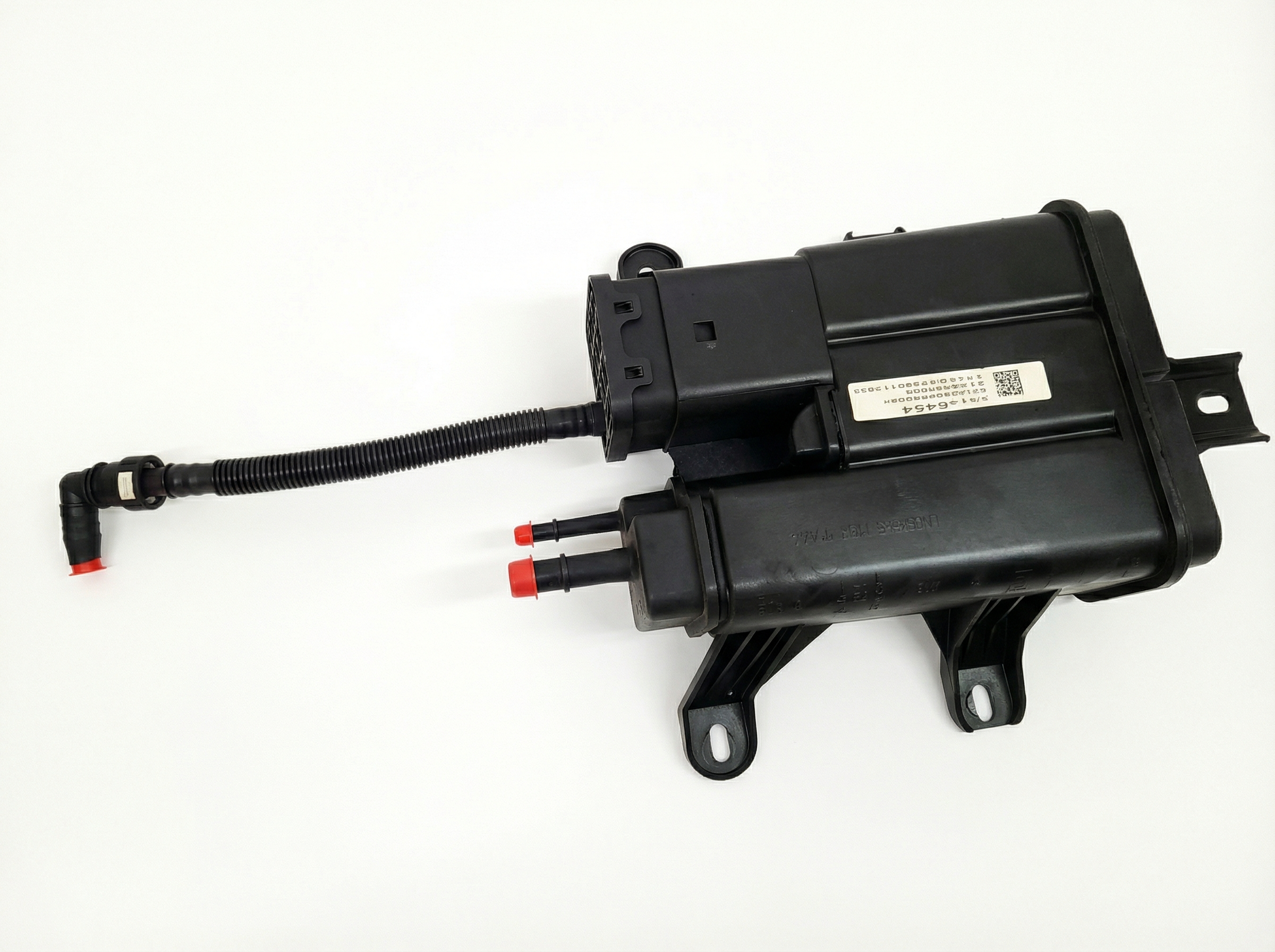
Used OEM Parts in Stock

New Aftermarket Parts Available


The information in this article is provided for general reference and educational purposes only. Vehicle specifications, procedures, and part compatibility can vary by production date, trim level, and region. Always consult your vehicle's factory service manual and verify part numbers before purchasing or performing repairs. Safety-critical components such as airbags, seat belts, and braking systems should be installed by a qualified professional.
- Chevrolet Equinox:
- 🧭 Diagnostic Flowchart
- 🎬 Helpful Videos
- 🛍️ Shop This Part
- What's Unique About the 2010-2017 Chevrolet Equinox
- Symptoms You May Notice
- Most Likely Causes
- Rare But Worth Checking
- Diagnosis Steps
- Parts You'll Likely Need
- Technical Service Bulletins (TSBs) & Recalls
- Platform-Specific Known Issues
- Mechanic-Grade Diagnostic Values
- Scan Tool Commands That Help
- Wiring & Ground Locations
- Real Owner Repair Stories
- "I Checked Everything" — The Actual Cause
- OEM Part Supersession History
- Model Year Variations Within This Range
- Used vs. New Parts: Buying Guide for This Vehicle
- Real Owner Stories
- 2017 Chevrolet Equinox
- GMC Terrain (2010-2017)
- 2010 Chevrolet Equinox V6
- Chevrolet Equinox (model year not specified)
- Related OBD-II Codes
- Frequently Asked Questions
- 🎟️ Get 5% Off