

P0496 on 2008-2012 Chevrolet Malibu 2.4L: Causes and Fixes for EVAP High Purge Flow
On a 2008-2012 Malibu with the 2.4L engine, code P0496 is almost always caused by a faulty EVAP canister purge solenoid valve that is stuck open. This allows un-commanded fuel vapors into the engine, causing a rough idle and hard starting after refueling. It is an inexpensive part (around $25-$50) and is very easy to replace yourself in under 30 minutes. The most common replacement part is ACDelco 214-1680 or Dorman 911-082.
- P0496 on a 2008-2012 Malibu almost always points to a bad EVAP purge solenoid valve.
- Key symptoms are a check engine light and difficulty starting the car right after getting gas.
- This is a very DIY-friendly repair that requires basic tools and less than 30 minutes.
- The correct part to replace is the purge solenoid located on the engine, not the vent solenoid near the gas tank.
- You can confirm the part has failed by removing it and seeing if you can blow air through it; a good valve is sealed shut when unpowered.
What's Unique About the 2008-2012 Chevrolet Malibu
The P0496 code is exceptionally common across many General Motors vehicles from this era, including the Malibu with the 2.4L Ecotec engine. The issue is almost always a failure of the canister purge solenoid, which is conveniently located right on top of the engine, making it one of the easier DIY repairs. Unlike some other vehicles where this code can lead to a complex diagnosis, for this specific Malibu, the fix is typically straightforward and inexpensive. The problem is shared with its platform mates, the Pontiac G6 (2008-2010) and Saturn Aura (2008-2009), which use the same engine and EVAP components.
Symptoms You May Notice
- Check Engine Light is on
- Difficulty starting the engine immediately after filling the gas tank 🎬 Watch: How to diagnose and fix hard starting after refueling.
- Rough or unstable idle, sometimes feeling like a misfire or a 'shimmy and a shake'
- Slightly decreased fuel economy
- A 'whoosh' sound of rushing air when opening the gas cap, indicating a vacuum has built up in the tank.
- Replacing the gas cap. While a loose or faulty gas cap can cause other EVAP codes (like P0455 or P0457), it is not a typical cause for P0496. The P0496 code indicates flow when there shouldn't be, not a leak to the atmosphere.
- Replacing the EVAP vent solenoid. The vent solenoid is located near the gas tank and charcoal canister. While it is part of the EVAP system, it is the purge solenoid in the engine bay that is the common failure point for P0496 on this platform.
Most Likely Causes
- Faulty EVAP Canister Purge Solenoid Valve 🔴 High Probability → Shop Vapor Canister The purge solenoid valve on these GM models is known to fail by sticking open, allowing un-commanded vacuum to pull fuel vapors from the canister. This is a very common failure point across many GM vehicles of this era.
How to confirm: Remove the purge valve. With the electrical connector unplugged, try to blow through it. If air passes through, the valve is stuck open and bad. A good valve should be closed when not powered. Alternatively, with the engine running, disconnect the hose leading from the valve to the canister and check for vacuum at the valve's port; if vacuum is present, the valve is faulty.
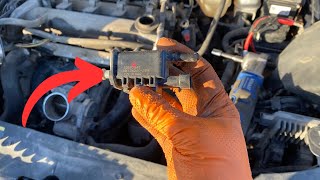
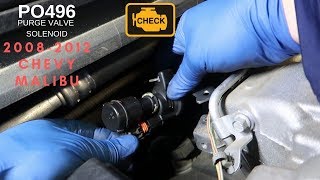
Typical fix: Replace the EVAP canister purge solenoid valve. It is located on the top right side (passenger side) of the engine and is typically held on by one 10mm bolt or slides onto a bracket. 🎬 Watch: A quick guide to locating and removing the solenoid.
Est. part cost: $25-$60
Rare But Worth Checking
- Faulty Fuel Tank Pressure (FTP) Sensor: → Shop Fuel Tank A faulty FTP sensor can incorrectly report vacuum in the tank, leading the computer to set a P0496 code. This is much less common than a failed purge valve.
- Leaking EVAP Hoses or Connections: A crack or loose connection in one of the EVAP system hoses could potentially cause this code, but it's more likely to cause a small leak code (like P0442). A manufacturer service bulletin, TSB Bulletin #PIP6037A, notes that P0496 can also fail due to damaged purge solenoid valve O-rings.
- Saturated or Clogged Charcoal Canister: → Shop Vapor Canister If the charcoal canister becomes saturated with fuel (often from overfilling the gas tank), it can cause flow issues. You might notice charcoal pellets in the EVAP lines if the canister has failed internally.
Diagnosis Steps
- Read the code with an OBD-II scanner to confirm P0496 is present.
- Locate the EVAP canister purge solenoid on the top, passenger side of the 2.4L engine.
- Visually inspect the solenoid and its connected hoses for any obvious cracks or damage.
- Test the purge solenoid. The easiest method is to remove it from the vehicle. It should be normally closed. Try to blow air through the ports; if air passes through, it has failed and needs to be replaced.
- If the purge solenoid tests good, the next step would be to inspect the EVAP hoses for leaks and test the Fuel Tank Pressure (FTP) sensor using a capable scan tool to see if it is reading vacuum when it shouldn't be. TSB Bulletin #PIP5284A suggests that if the code continues to set after standard diagnostics, the customer's specific drive cycle should be evaluated as a contributing factor.
- After replacing the faulty part, clear the trouble code with the scanner and drive the vehicle to ensure the Check Engine Light does not return.
Parts You'll Likely Need
- EVAP Canister Purge Solenoid Valve
(OEM #12610560 (Superseded by 12690512, also cross-references to ACDelco 214-1680))— This is the most common failure point for a P0496 code on this vehicle. The valve sticks open, causing fuel vapor to flow when it is not commanded by the engine computer.
Trusted brands: ACDelco (OEM), Dorman (e.g., 911-082), Delphi
OEM price range: $40-$65
Aftermarket price range: $25-$50
Related Codes That Often Appear With This One
- P0443 — This code indicates an electrical circuit fault for the purge solenoid. It can appear alongside P0496 if the solenoid has an internal electrical failure.
- P0171 — System Too Lean (Bank 1). A stuck-open purge valve can create a vacuum leak, allowing unmetered air into the intake manifold, which can lead to a lean condition. A video on a platform-mate Pontiac G6 showed these two codes appearing together for the same faulty purge valve.
- P0300 — Random or Multiple Cylinder Misfire. NHTSA ODI #11088522 describes a case where a stuck open purge solenoid set both P0496 and P0300, requiring further diagnosis of the fuel injectors.
Technical Service Bulletins (TSBs) & Recalls
- TSB 09-06-04-028A: While not for P0496 specifically, this TSB addresses other EVAP codes (P0442, P0446, P0455) on other GM trucks caused by water intrusion into the EVAP system, highlighting GM's broader issues with EVAP component placement and durability.
- TSB Bulletin #PIP6037A: This bulletin identifies that the P0496 code can be triggered by damaged O-rings on the purge solenoid valve.
- TSB Bulletin #PIP5284A: This technical information advises that if P0496 persists after performing strategy-based diagnostics, the dealer should consider how the customer's drive cycle may be contributing to the concern.
Mechanic-Grade Diagnostic Values
- EVAP Purge Solenoid Coil Resistance — expected: 20-40 Ohms. Failure: A reading of infinity (open circuit) or near-zero (short circuit) indicates a failed solenoid coil.
- Voltage at Purge Solenoid Connector (Pin A, Pink Wire) — expected: ~12V (Battery Voltage) with Key On, Engine Off (KOEO).. Failure: No voltage suggests a blown 'EMIS 2' fuse, a bad relay, or a break in the power wire.
- Scan Tool: Fuel Tank Pressure (FTP) Sensor (with purge solenoid disconnected, engine at 1200-1500 RPM) — expected: -0.5 to +0.5 inches H2O (-0.9 to +0.9 mm Hg).. Failure: A significant negative reading (e.g., less than -1.0 in. H2O) indicates vacuum is still being pulled, meaning the purge valve is mechanically stuck open.
- Scan Tool: Fuel Tank Pressure (FTP) Sensor Voltage (Key On, Engine Off) — expected: Approximately 1.5V - 2.5V (representing atmospheric pressure).. Failure: A voltage significantly higher than 2.5V or a reading in negative inches of H2O indicates the sensor may be faulty or there's a vacuum in the tank when there shouldn't be.
Scan Tool Commands That Help
- GDS2 / Tech2 (or equivalent professional scanner): Purge/Seal — This command seals the entire EVAP system by closing both the purge and vent solenoids. It is used to check if the system can hold a vacuum and to verify that no un-commanded flow (like from a stuck-open purge valve) is occurring.
- GDS2 / Tech2 (or equivalent professional scanner): EVAP System Bay Test — This is a service function used to force the EVAP readiness monitor to run and complete its diagnostic tests without having to perform a full, complex drive cycle. It's useful for verifying a repair is successful before returning the vehicle to the customer.
Wiring & Ground Locations
- EVAP Purge Solenoid Connector — On the purge solenoid itself, top passenger side of the engine.. This is where electrical tests are performed. Pin A (Pink wire) is the 12V+ ignition supply from the 'EMIS 2' 10A fuse in the underhood fuse block. Pin B (Dark Green/White wire) is the ground-side control wire from the ECM. A fault in either wire or the connector itself can mimic a failed solenoid.
- G107 — On the lower left side of the 2.4L engine block.. This is a primary engine ground point for the Engine Control Module (ECM). The ECM provides the ground signal to activate the purge solenoid. A poor or corroded connection at G107 can cause erratic behavior in the ECM and its controlled outputs, including the purge solenoid, leading to incorrect operation or false codes.
Real Owner Repair Stories
- Compilation of multiple owner reports on YouTube and forums (2012 GMC Acadia (92,000 miles) & 2011 Chevy Traverse (136,694 miles) - both use a similar engine/EVAP setup.) — Check Engine Light with code P0496, hard starting after refueling, and in one case, the remote start feature was disabled by the fault.
❌ Tried (didn't work) Clearing the code without repair (it returned quickly)., Checking the gas cap (it was not the cause).
✅ What actually fixed it In all documented cases, replacing the EVAP canister purge solenoid valve (ACDelco P/N 12690512) resolved the code and all associated symptoms. The owners confirmed the old valve was stuck open by blowing through it. - NHTSA ODI #11606943 — An owner reported a rough idle and code P0496; although the purge solenoid was replaced, the engine still did not feel 100 percent fixed, suggesting the need for a thorough inspection of related components.
- NHTSA ODI #11710113 — A report describes a vehicle running rough with multiple codes including P0496, P0171, and P0442; the engine eventually shook and displayed "Engine Power Reduced" while driving at highway speeds.
OEM Part Supersession History
12610560→12690512 (also sold as ACDelco 214-1680)— Likely an internal design or material improvement to increase durability and reduce the likelihood of sticking open.12690512→12737252— Further design revision by GM.
Heads up: This is the latest OEM part number. All previous numbers are obsolete but will cross-reference to this part.
Diagnostic Flowchart
Other Known Issues on This Vehicle
Issues unrelated to this code that are worth knowing about as an owner of this generation:
- Excessive Oil Consumption 🔴 High — Very common, especially on earlier models in the generation. Can start as early as 60,000 miles. Caused by piston ring design. (Ref: While no specific recall, this was the subject of class-action lawsuits and GM Special Coverage programs for related engines. Low oil levels are a primary cause of the timing chain issues.)
- Stretched Timing Chain and Failed Guides 🔴 High — Common, typically occurring after 80,000-120,000 miles. Often preceded by a rattling noise on startup. Can cause catastrophic engine damage if the chain breaks. (Ref: No recall, but a widely documented failure. Often triggers codes like P0016 and P0017.)
- Failed 3-5-R Transmission Wave Plate (6T40/6T45) 🔴 High — A very common failure in the 6-speed automatic transmission, leading to loss of 3rd, 5th, and Reverse gears. Can occur under 100,000 miles. (Ref: GM Special Coverage Adjustment #14404B extended the warranty for this specific failure to 10 years/120,000 miles on 2008-2009 models.)
- Faulty Camshaft Position Actuator Solenoids (VVT Solenoids) 🟠 Medium — Common failure item, often due to oil sludge or debris from oil consumption issues. Relatively inexpensive and easy to replace. (Ref: No recall, but a frequent cause of codes like P0011 and P0014.)
Used vs. New Parts: Buying Guide for This Vehicle
When a used part is the smart pick: For this specific part, buying used is NOT recommended. The failure rate is high, and the cost of a new, warrantied aftermarket or OEM part is very low ($25-$60). The risk of getting a used part that has already failed or is near failure is not worth the minimal cost savings.
Donor-vehicle mileage cap: roughly under 50000 miles for the part to have meaningful remaining life.
What to inspect on the donor part:
- If buying used is unavoidable, physically inspect the part for any cracks in the plastic housing.
- Test the part before purchase. Attempt to blow through the ports; if any air passes, it is faulty.
- If possible, use a 9V battery to apply power to the two terminals; you should hear a distinct 'click'. If not, the solenoid is dead.
Aftermarket brands forum-validated for this vehicle:
- ACDelco (Original Equipment)
- Dorman (911-082)
- Delphi
- Standard Motor Products (SMP)
Brands owners have reported issues with on this vehicle:
- No-name, unbranded parts from online marketplaces should be avoided, as their internal components and seals may not meet OEM specifications for durability and can fail quickly.
Real Owner Stories
Aggregated from forums and TSBs cited above. Mileages and costs reflect what owners reported in those sources.
2010 Chevy Malibu 2.4L
Symptoms: Check engine light with code P0496, rough idle, and a hard time starting/stalling out right after putting gas in the car.
What fixed it: Replaced the EVAP purge solenoid valve (part number PV 480).
Cost: $29.99
Source hint: YouTube - 5150GringoGarage
2012 Chevrolet Malibu 2.4L
Symptoms: Check engine light with code P0496, car running rough, and sometimes continues to run for a moment after being shut off.
What fixed it: Replaced the canister purge valve.
Cost: $27
Source hint: YouTube - Golden Auto Repair
2008-2010 Pontiac G6 (2.4L Ecotec)
Symptoms: Failed purge valve caused both P0496 and a P0171 lean code; also experienced hard starts after refueling.
What fixed it: Replacing the purge solenoid.
Source hint: YouTube - Driving Intelligence
Chevrolet Malibu (Year Unspecified)
Symptoms: P0496 error code, purge valve making a constant clicking noise, potentially sluggish acceleration.
What fixed it: Replacement of the purge valve located near the engine.
Source hint: Jack Maxton Chevrolet Blog
Chevrolet Traverse (NHTSA ODI #11088522)
Symptoms: Stuck open EVAP purge solenoid setting codes P0300 and P0496. Diagnosis included an injector balance test.
What fixed it: Replaced the purge solenoid and three fuel injectors found to be out of specification.
Related OBD-II Codes
Frequently Asked Questions
Where is the purge solenoid located on my 2008-2012 Malibu with the 2.4L Ecotec engine?
Why does my Malibu struggle to start only after I fill up the gas tank?
Does TSB 09-06-04-028A apply to my P0496 code?
How can I personally test if the purge valve is bad on my 2.4L Ecotec?
Is the P0496 code related to the oil consumption issues common in the 2008-2012 Malibu?
What is the 'whoosh' sound I hear when opening my gas cap?
Helpful Videos

Used OEM Parts in Stock
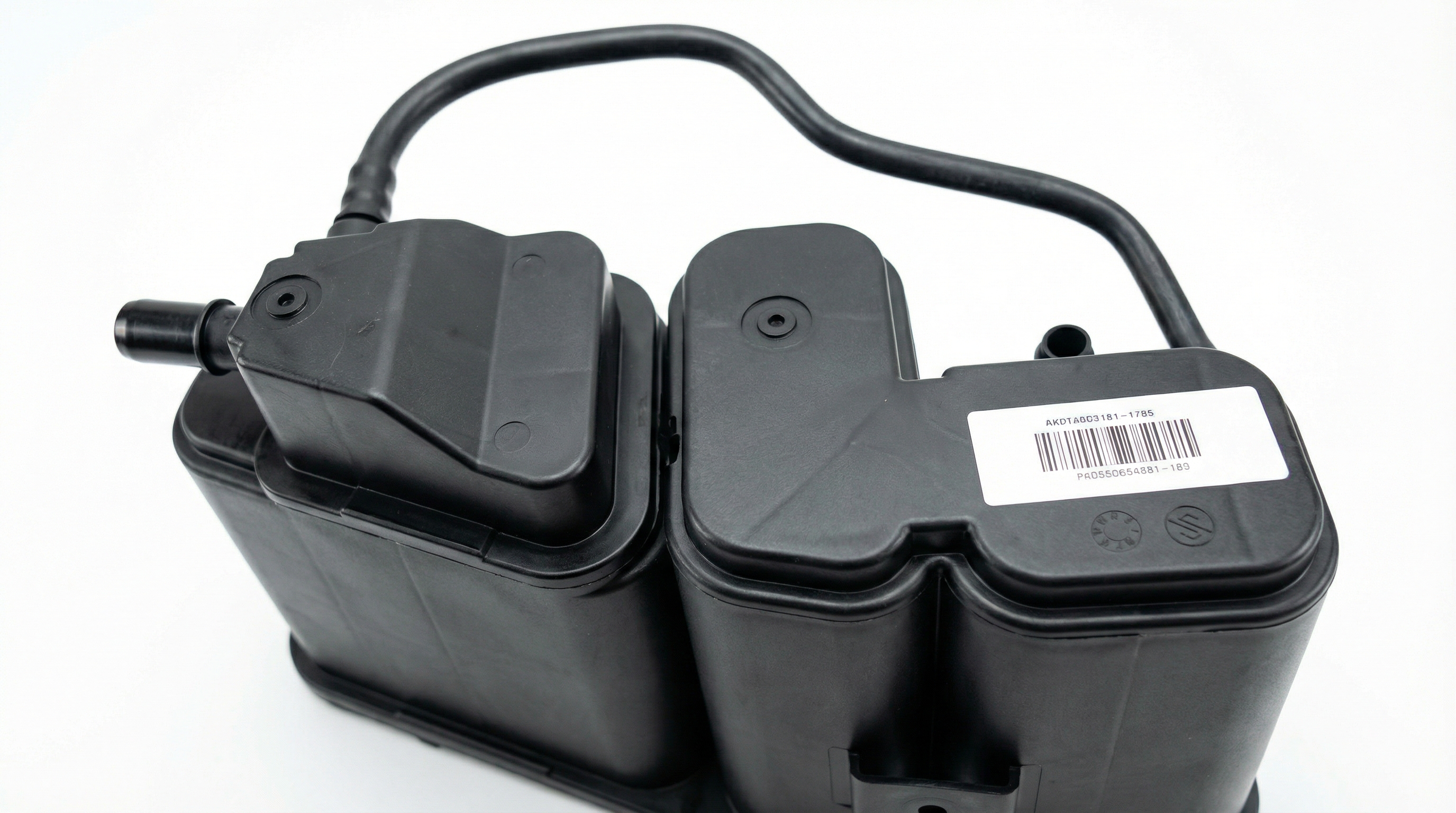
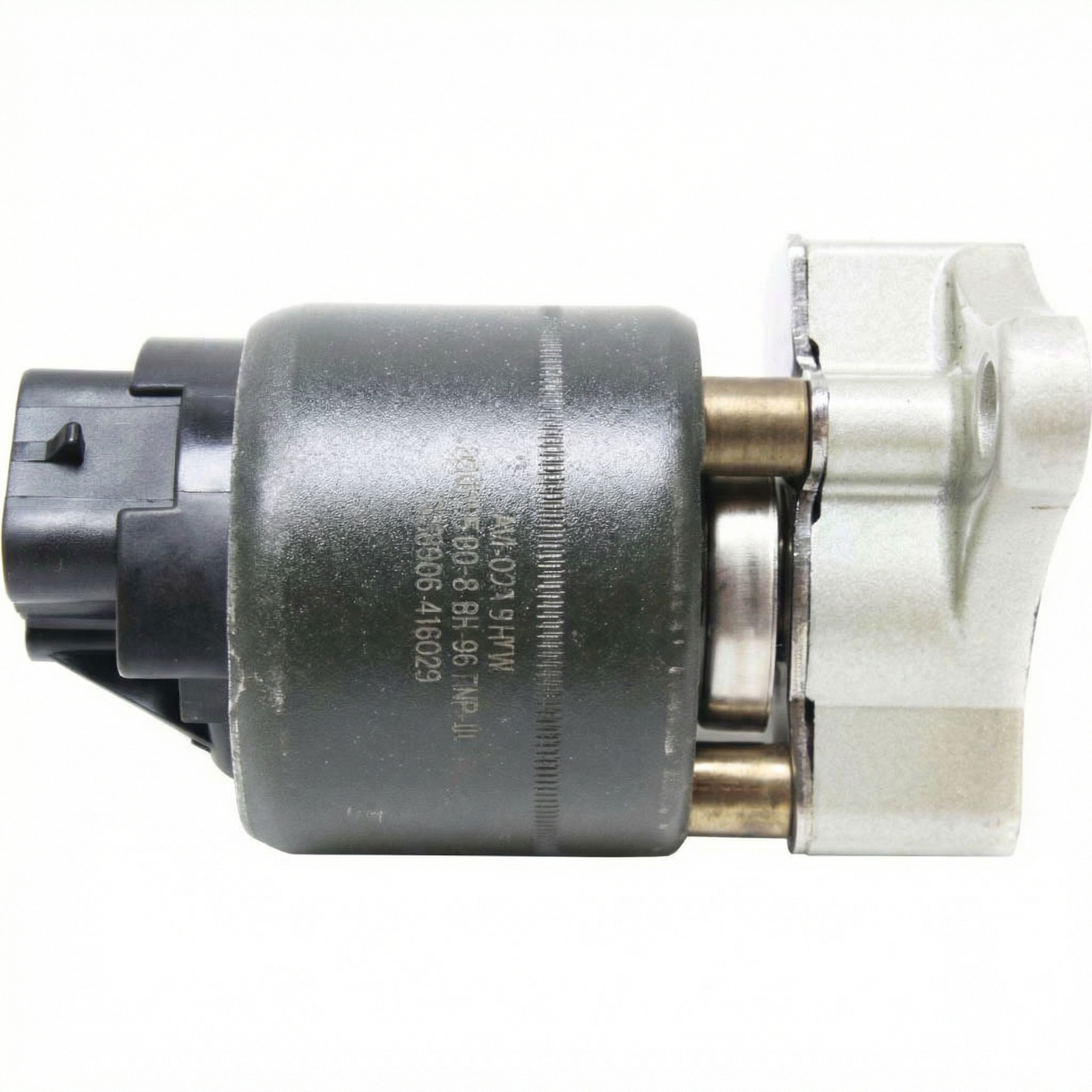
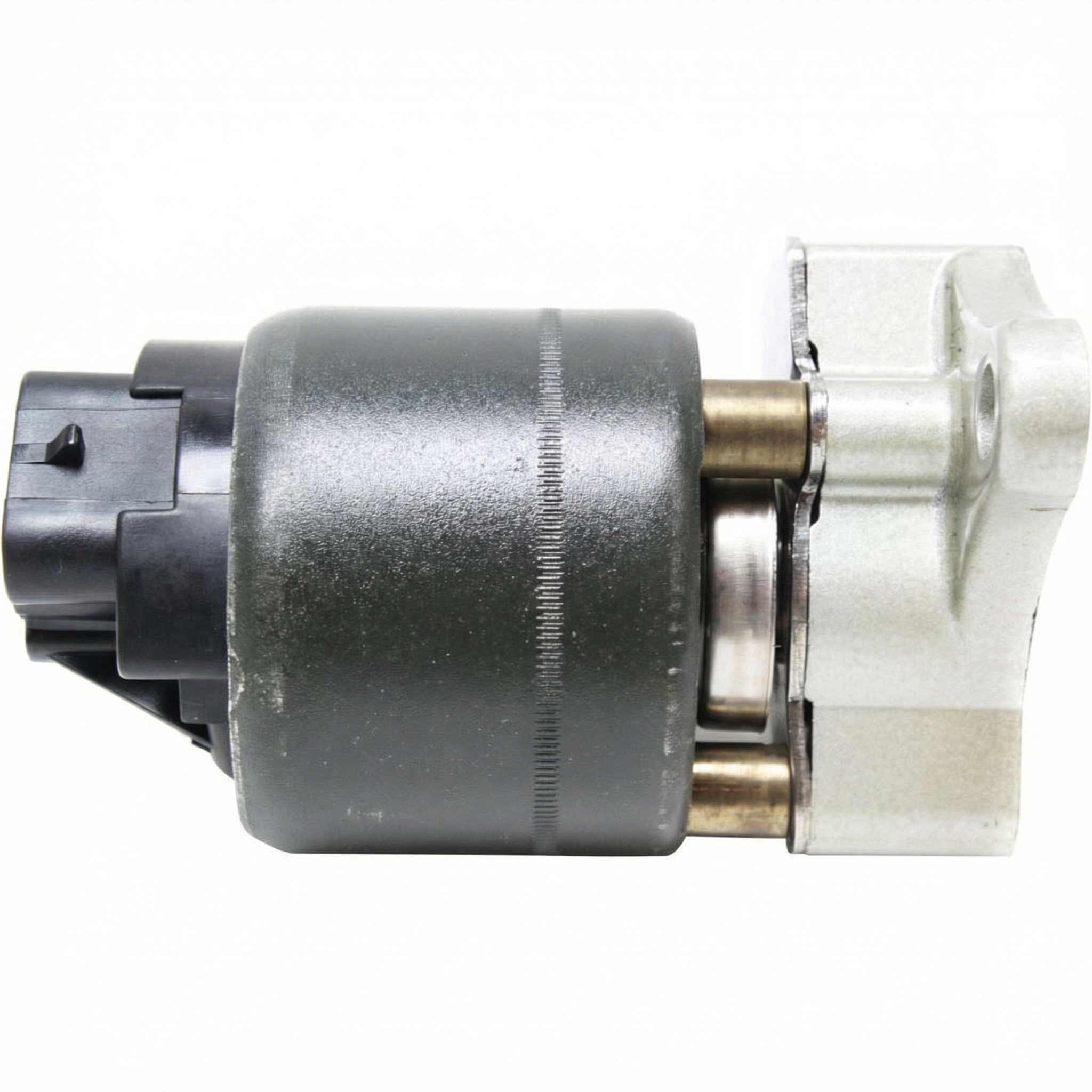
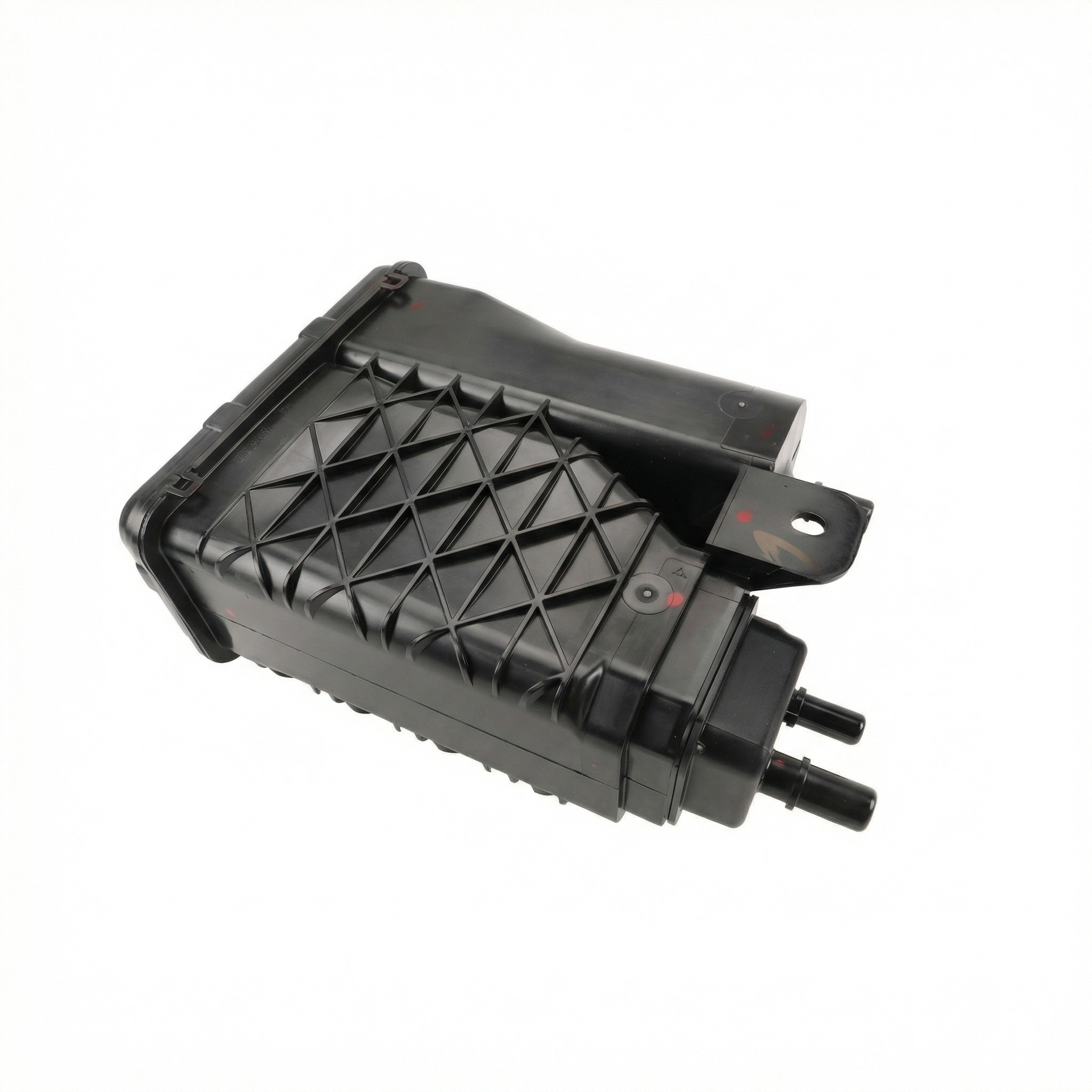
New Aftermarket Parts Available


The information in this article is provided for general reference and educational purposes only. Vehicle specifications, procedures, and part compatibility can vary by production date, trim level, and region. Always consult your vehicle's factory service manual and verify part numbers before purchasing or performing repairs. Safety-critical components such as airbags, seat belts, and braking systems should be installed by a qualified professional.
- Chevrolet Malibu:
- 🧭 Diagnostic Flowchart
- 🎬 Helpful Videos
- 🛍️ Shop This Part
- What's Unique About the 2008-2012 Chevrolet Malibu
- Symptoms You May Notice
- Most Likely Causes
- Rare But Worth Checking
- Diagnosis Steps
- Parts You'll Likely Need
- Related Codes That Often Appear With This One
- Technical Service Bulletins (TSBs) & Recalls
- Mechanic-Grade Diagnostic Values
- Scan Tool Commands That Help
- Wiring & Ground Locations
- Real Owner Repair Stories
- OEM Part Supersession History
- Other Known Issues on This Vehicle
- Used vs. New Parts: Buying Guide for This Vehicle
- Real Owner Stories
- 2010 Chevy Malibu 2.4L
- 2012 Chevrolet Malibu 2.4L
- 2008-2010 Pontiac G6 (2.4L Ecotec)
- Chevrolet Malibu (Year Unspecified)
- Chevrolet Traverse (NHTSA ODI #11088522)
- Related OBD-II Codes
- Frequently Asked Questions
- 🎟️ Get 5% Off