

P0496 on 2018-2023 Chevrolet Traverse: EVAP Purge Flow Causes and Fixes
For a 2018-2023 Traverse, code P0496 is almost always caused by a faulty EVAP purge valve that is stuck open. This is a common failure, often causing hard starting after refueling. The fix is a simple DIY replacement of the valve, costing about $30-$60 for the part. Owners of 2019 models should check with a dealer, as a Special Coverage program may provide a free replacement.
- P0496 on a 2018-2023 Traverse almost always points to a bad EVAP purge valve.
- The most telling symptom is the engine struggling to start right after you get gas.
- Before buying any parts, perform the simple blow-through or vacuum test on the valve to confirm it's faulty.
- If you own a 2019 model, contact a GM dealer to check if your vehicle is covered under Special Coverage N232395300 for a free replacement.
What's Unique About the 2018-2023 Chevrolet Traverse
The 3.6L V6 (LGX) engine used in the second-generation Traverse and other GM vehicles has a widely documented history of the EVAP purge valve failing. The failure is so common that GM issued a Special Coverage program (N232395300) for the 2019 model year, extending the warranty on this specific part to 15 years or 150,000 miles. This coverage also applies to the 2019 Buick Enclave. While other causes are possible, the purge valve is the primary suspect by a wide margin on this specific vehicle and its platform mates. For instance, NHTSA ODI #11655681 explicitly documents the presence of "Check Engine Light Code P0496 evap. Emissions system, high purge flow" on this platform.
Symptoms You May Notice
- Check Engine Light is on
- Difficulty starting the engine, or extended cranking, immediately after refueling. This is the most definitive symptom. 🎬 Watch: Why your Traverse is hard to start after refueling.
- Rough or unstable idle.
- Factory remote start feature is disabled.
- A slight decrease in fuel economy due to the unmetered vapor entering the engine.
- A hissing noise from the engine bay may be audible due to the vacuum leak through the valve.
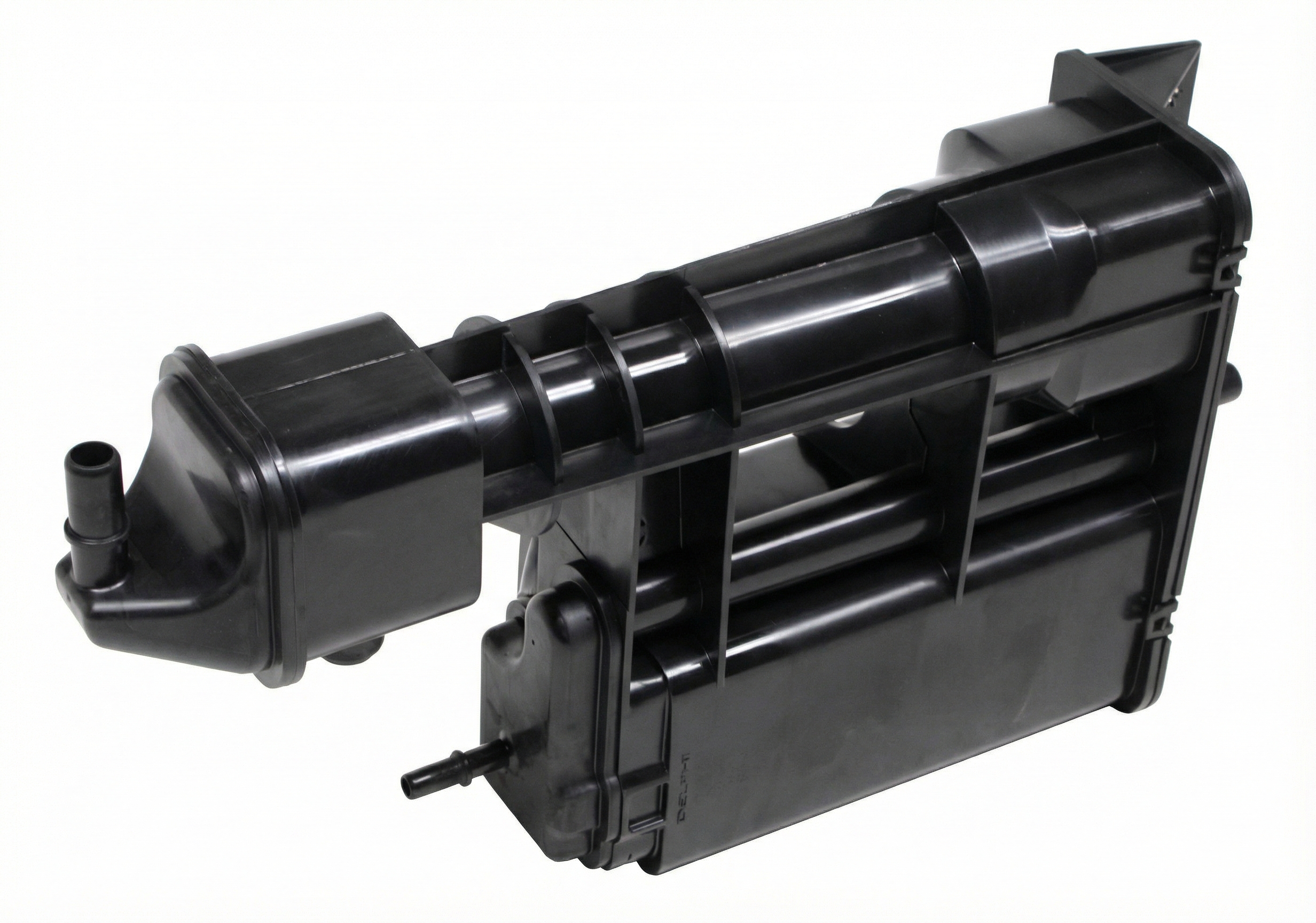
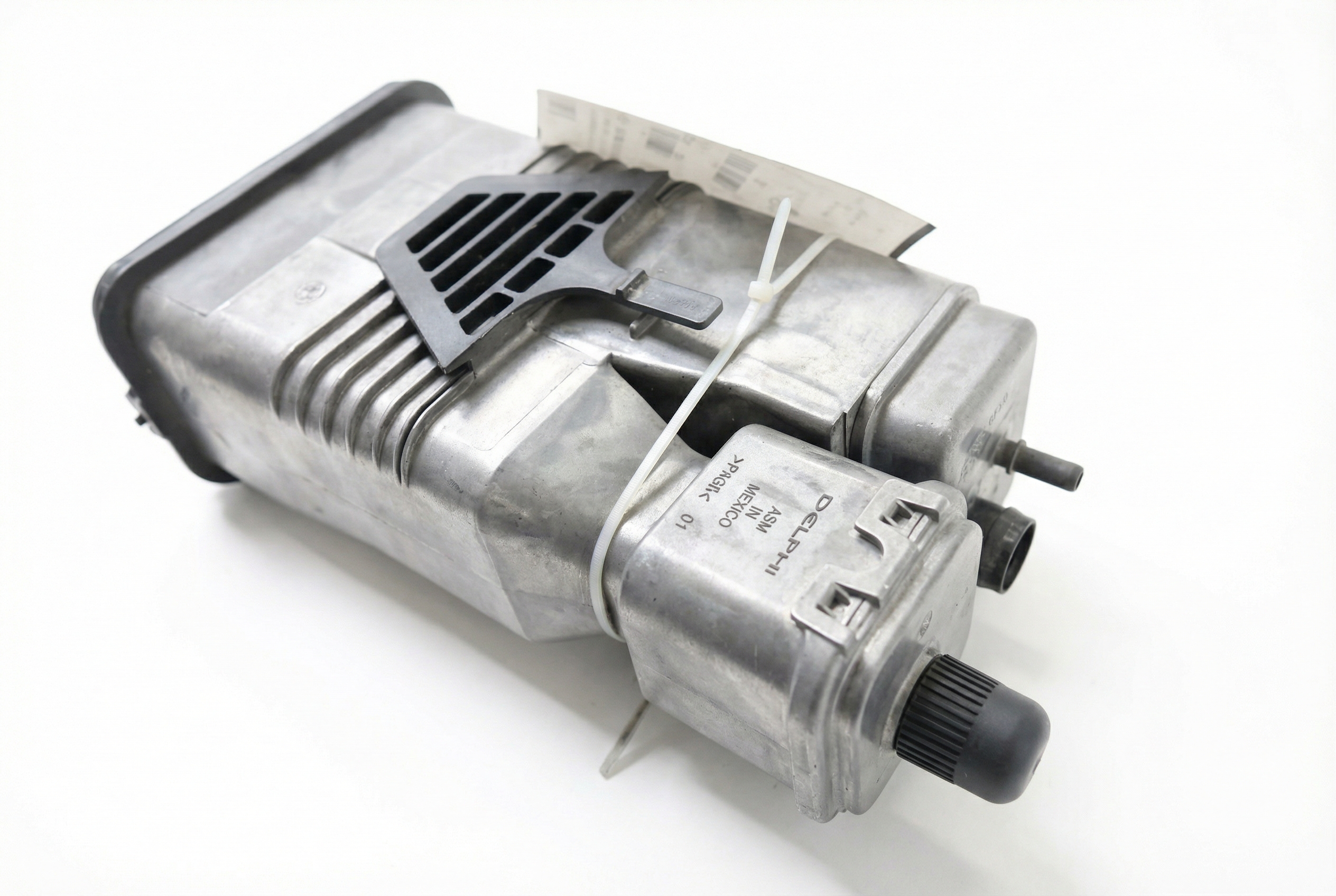
- Replacing the charcoal canister. The canister itself rarely fails unless it has been saturated with liquid fuel from repeatedly overfilling the gas tank. Some owners report dealers recommending this repair for $600+ along with the purge valve, but it is often unnecessary.
- Replacing the EVAP vent valve near the tank before testing the purge valve on the engine.
- Assuming the hard-start-after-fueling symptom is caused by a bad fuel pump or timing chains, which are much more expensive repairs.
Most Likely Causes
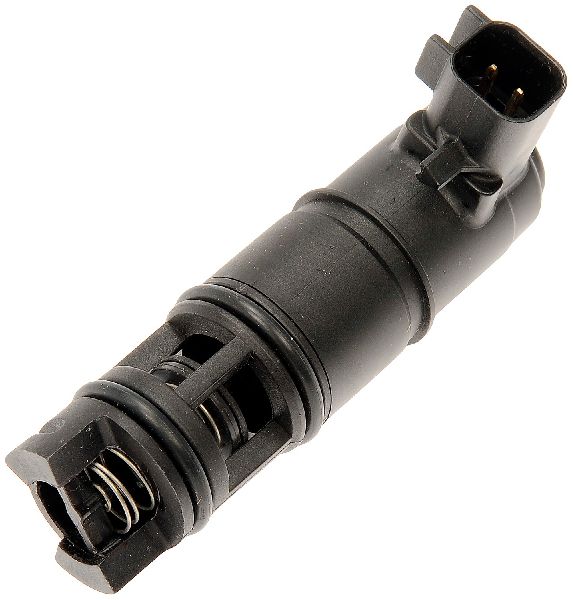
- Faulty EVAP Canister Purge Valve (Solenoid) 🔴 High Probability → Shop Vapor Canister This specific part is a well-documented, high-failure item on the GM 3.6L V6 engine family. The internal diaphragm or seal can fail, causing it to stick open and leak vacuum constantly.
How to confirm: With the engine off, disconnect the electrical connector and the vapor line from the purge valve located on top of the engine. Attempt to blow through the valve from the inlet port (the side the line was on). If any air passes through, it is stuck open and faulty. 🎬 Watch: How to test the purge valve for vacuum leaks. Alternatively, start the engine and place your finger over the port on the valve; if you feel any suction, the valve has failed.
Typical fix: Replace the EVAP canister purge valve. On 2018+ models, it is located at the rear of the engine and may require removing the engine cover and intake air duct for access. It is held by one 10mm bolt. 🎬 See this step-by-step guide to replacing the purge valve.
Est. part cost: $30-$60
Rare But Worth Checking
- Loose or Faulty Gas Cap: → Shop Fuel Tank Cap While a loose gas cap typically causes a small or large leak code (P0456/P0455), it's always the first thing to check for any EVAP system issue. Ensure it is tightened until it clicks and that the seal is not cracked or dirty. Note: 2018+ Traverse models have a capless system, making this less likely than on older vehicles.
- Leaking EVAP Hoses or Lines: The plastic lines carrying vapor can become brittle and crack over time. A visual inspection may reveal damage, but a smoke test is the most effective way to find a leak in the hose system.
- Faulty EVAP Vent Solenoid: → Shop Vapor Canister This valve, located near the charcoal canister by the fuel tank, can also fail. However, it is much less common for this code than the purge valve on the engine. It's more likely to cause a P0449 code (Vent Valve Circuit).
Diagnosis Steps
- Read the code with an OBD-II scanner to confirm P0496 is present.
- Check the gas cap. Ensure it is tight and the rubber seal is clean and intact.
- Locate the EVAP purge valve on the top rear of the engine. You will likely need to remove the plastic engine cover (one T30 Torx bolt and pull up) and the main intake air duct to access it.
- With the engine OFF, disconnect the electrical connector from the purge valve.
- Disconnect the vapor line that runs from the canister to the valve. There is often a green or white clip you must press to release the line.
- Test the valve: Attempt to blow through the valve from the port where the line was connected. If any air passes through, it is stuck open and must be replaced. Alternatively, start the engine and feel for vacuum at the valve's port; any suction confirms it has failed.
- If the purge valve tests good, the next step is to inspect all visible EVAP hoses for cracks or disconnection.
- If no visible issues are found, a professional smoke test is the next logical step to find a leak in the EVAP lines, charcoal canister, or vent solenoid.
Parts You'll Likely Need
- Vapor Canister Purge Valve / Solenoid
(OEM #12690512)— This is the most common failure point for code P0496 on the 3.6L LGX engine. It gets stuck open, allowing fuel vapor into the engine when it should be closed.
Trusted brands: ACDelco (GM Genuine Parts), Bosch, Dorman, Standard Motor Products
OEM price range: $40-$60
Aftermarket price range: $25-$45
Related Codes That Often Appear With This One
- P0442 — A stuck-open purge valve creates a leak path in the EVAP system, which can be detected as a small leak, triggering P0442.
- P0455 — Similar to P0442, a purge valve that is significantly stuck open can be interpreted by the system as a large leak, triggering P0455.
- P0171 / P0174 — A stuck-open purge valve allows unmetered air (fuel vapor) into the intake manifold, creating a vacuum leak. This can make the engine run lean and trigger 'System Too Lean' codes.
Technical Service Bulletins (TSBs) & Recalls
- N232395300 (Special Coverage): Extends warranty on the EVAP purge valve for 2019 models.
- 21-NA-023 (Technical Service Bulletin): Addresses a rattling noise from the purge solenoid tube on 2020-2023 models.
Platform-Specific Known Issues
- GM Special Coverage N232395300: For 2019 Traverse and Enclave models with the 3.6L engine, GM has extended the warranty for the EVAP purge valve to 15 years or 150,000 miles. Owners of these vehicles may be eligible for a free replacement at a Chevrolet dealership. Some owners report dealers requiring a diagnostic fee even when the repair is covered, so clarify this beforehand.
- TSB 21-NA-023: Purge Tube Rattle: Addresses a loud ticking or rattling noise from the purge solenoid tube on 2020-2023 models. The fix is to install rubber dampers on the purge line to stop it from vibrating against other components. This does not cause the P0496 code but is a related known noise issue.
- Repeat Failures: Some owners have reported needing to replace the purge valve more than once, with failures sometimes occurring only a year apart. This suggests that even replacement parts can fail prematurely.
Documented NHTSA Reports
- NHTSA ODI #11543760: An owner reported that the vehicle started shaking like it was cold before the check engine light came on with code P0496 for EVAP system flow during non-purge.
- NHTSA ODI #11459626: A report describes the engine running rough, hesitating, and stalling. Upon attempting to restart after the P0496 code appeared, the engine made a "horrible noise like it was struggling to start."
- NHTSA ODI #11606943: An owner noted a persistent rough idle even after replacing the purge solenoid for code P0496, indicating the engine performance was not 100 percent fixed.
Mechanic-Grade Diagnostic Values
- EVAP Canister Purge Valve Solenoid Coil Resistance — expected: 15 to 30 Ohms. Failure: A reading of infinity (open circuit) or near-zero (short circuit) indicates a failed coil.
- Fuel Tank Pressure (FTP) Sensor Voltage (KOEO) — expected: ~1.5 Volts at normal atmospheric pressure. Failure: Voltage is stuck high (near 5.0V), low (near 0.0V), or does not change when vacuum/pressure is applied during testing.
- Live Scan Tool Data (FTP Sensor) at Engine Start — expected: Voltage should remain steady around 1.5V and pressure near 0 inH2O if the purge valve is commanded OFF (0%).. Failure: Immediately upon engine start, voltage rises (e.g., to 1.8V+) and a vacuum is registered (e.g., -2.0 inH2O) while the purge command is at 0%. This proves the valve is physically stuck open.
- DTC P0496 Set Condition — expected: No vacuum should be present in the EVAP system when the purge valve is commanded closed.. Failure: The ECM detects a vacuum of more than 10-11 inches of water when purge flow is not being commanded.
Scan Tool Commands That Help
- GDS2 / Tech2 (GM Dealer Tool): EVAP Service Bay Test — To force the EVAP monitor to run in a service environment to verify a repair without needing a long, specific drive cycle. It has strict preconditions like fuel level (15-85%) and engine coolant temp (< 70°C / 158°F).
- GDS2 / Tech2 (or capable bidirectional scanner): Purge/Seal — Used to seal the entire EVAP system (commands vent solenoid closed) to check for leaks or test component function. For P0496, you can command the purge valve closed and see if the system still pulls a vacuum, confirming a leak through the valve.
- GDS2 / Tech2 (or capable bidirectional scanner): EVAP Purge Solenoid Control — Allows the technician to command the purge solenoid open and closed (or to a specific duty cycle percentage) while monitoring the Fuel Tank Pressure sensor to verify the valve's response and sealing capability.
Wiring & Ground Locations
- G110 — Right rear of the engine, mounted to the back of the cylinder head.. Provides a ground path for multiple engine components and sensors. A poor connection here could cause erratic sensor readings or intermittent electrical faults for circuits controlled by the ECM.
- G103 — Left side of the engine compartment, on the left inner fender panel or cowl area, sometimes above the brake booster.. This is a major ground point for the Body Control Module (BCM), Instrument Panel Cluster (IPC), and the Data Link Connector (DLC). A fault here can cause widespread communication and electrical issues, though less likely to be a direct cause for an isolated P0496.
- Purge Valve Connector — On the purge valve solenoid itself, at the rear of the engine.. This is a 2-pin connector. One pin receives a 12V feed (ignition voltage), and the other is the control wire that is pulse-width modulated (grounded) by the ECM to open the valve. Testing for voltage at the feed pin and checking the integrity of the control wire back to the ECM are key electrical checks.
Real Owner Repair Stories
- YouTube channel 'Just a Dude' (2017-2019 Chevrolet Traverse (platform consistent)) — Check Engine Light with P0496.
✅ What actually fixed it Diagnosed from the driver's seat using a scan tool. With the key on, engine off, the FTP sensor read a normal 1.5V. Immediately upon starting the engine, the FTP voltage jumped to 1.8V and showed a vacuum, while the purge solenoid was commanded to 0%. This proved the valve was stuck open. Replacing the purge valve fixed the issue. - YouTube channel 'Pine Hollow Auto Diagnostics' (2019 Chevrolet Traverse, 53,000 miles) — Check Engine Light with P0496.
✅ What actually fixed it The technician removed the purge valve and performed a bench test by attempting to blow through it. Air passed through easily, confirming it was stuck open and faulty. Replacement with a new valve resolved the code.
"I Checked Everything" — The Actual Cause
- If the purge valve has been tested and confirmed to be sealing properly, and a smoke test of the EVAP lines and canister reveals no leaks, the next most likely cause for a P0496 is a faulty Fuel Tank Pressure (FTP) sensor. The sensor may be electrically skewed, reporting a vacuum to the ECM when none exists. A technician would verify this by comparing the sensor's voltage/pressure reading on a scan tool to a known good pressure gauge connected to the system.
When the Usual Fixes Don't Work
- While the purge valve is the cause in over 90% of cases, it is not a guaranteed fix. A Reddit user reported a P0496 on a similar GM vehicle where they replaced the purge solenoid, a boost sensor, and the fuel tank pressure sensor, yet the code remained. This illustrates that a methodical diagnosis (testing components before replacement) is superior to simply replacing the most common failed part, as other faults in the system, though rare, can cause the same code.
OEM Part Supersession History
12690512→12737252— Likely an internal design or material revision to improve durability and reduce the high failure rate of the original part.12661763→12690512— Part of the supersession chain leading to the current part number.12610560→12690512— Part of the supersession chain leading to the current part number.
Model Year Variations Within This Range
- 2020+: Some parts databases suggest a different purge valve part number for 2020 and newer models, potentially 12630282, as opposed to the 12690512/12737252 used on 2018-2019 models. Always verify the part number with the vehicle's VIN.
Diagnostic Flowchart
Other Known Issues on This Vehicle
Issues unrelated to this code that are worth knowing about as an owner of this generation:
- 9-Speed (9T65) Transmission Shudder 🟠 Medium — Very common issue, often appearing between 30,000-60,000 miles. Feels like driving over rumble strips at low RPMs or during light acceleration. (Ref: Multiple TSBs exist, including 18-NA-091 for a software update and others recommending a fluid flush with a specific type of fluid (Mobil 1 Synthetic LV ATF HP) and sometimes an anti-shudder additive.)
- Start/Stop System Accumulator Failure/Leak 🔴 High — Widespread enough to trigger a major safety recall. Can occur at any mileage. (Ref: Recall N202313440. The accumulator endcap may have been assembled with missing bolts, leading to a transmission fluid leak, loss of propulsion, and potential fire risk.)
- Noisy Front or Rear Brakes 🟡 Low — Common complaint of grinding or squealing noises, especially after the vehicle sits overnight. (Ref: Multiple TSBs issued, such as 19-NA-115 (rear) and 17-NA-217 (front), which provide procedures for applying grease or cleaning rotor/rim surfaces to correct the noise.)
- Whine Noise from Front Axle 🟡 Low — A high-pitched whine may be heard between 20-35 mph under light acceleration. (Ref: TSB 20-NA-193 addresses this by replacing the left front half shaft with an updated part that includes a noise damper.)
Used vs. New Parts: Buying Guide for This Vehicle
When a used part is the smart pick: For this specific repair, a used part is strongly discouraged. The EVAP purge valve is a known high-failure component, and a used part from a salvage yard is likely to have significant wear and could fail quickly, if it's not already faulty.
What to inspect on the donor part:
- Not applicable as used parts are not recommended.
OEM-only on this vehicle (don't cheap out):
- Vapor Canister Purge Valve / Solenoid
Aftermarket brands forum-validated for this vehicle:
- Bosch is often considered a reliable alternative to OEM if ACDelco/GM Genuine is unavailable.
Brands owners have reported issues with on this vehicle:
- Generic, unbranded, or lower-cost brands (such as those cross-referenced to Dorman 911-082 in some catalogs) have been reported by technicians to have incorrect internal spring tension or coil resistance, leading to a quick return of the P0496 code. Given the low cost of the OEM part, it is the safest choice.
Real Owner Stories
Aggregated from forums and TSBs cited above. Mileages and costs reflect what owners reported in those sources.
2019 Chevrolet Traverse 3.6L V6 — 53000 miles
Symptoms: Check engine light was on with code P0496. Air was clearly blowing right through the solenoid when tested.
What fixed it: Replacement of the EVAP purge valve solenoid.
Source hint: YouTube comment from Bennie Aust
2019 Chevrolet Traverse 3.6L V6
Symptoms: Hard-start-after-fueling symptom; code P0496 present. After a previous replacement, the dealer suggested a charcoal canister replacement for $680.
What fixed it: Purge valve replaced for free under special coverage (though it failed again a year later).
Source hint: Reddit (r/ChevyTraverse) thread titled 'Another EVAP Purge Valve'
2015 Buick Enclave 3.6L V6
Symptoms: Classic symptoms of stalling and hard starting after refueling with a P0496 code.
What fixed it: Replacement of the EVAP purge valve.
Source hint: DoItYourself.com Forums titled 'P0496 on 2015 Buick Enclave'
Related OBD-II Codes
Frequently Asked Questions
Is there a special warranty extension for the purge valve on my 2019 Chevrolet Traverse?
Why does my Traverse struggle to start only after I fill up the gas tank?
My 2021 Traverse has a loud ticking noise from the engine area; is this related to the P0496 code?
Can I test the purge valve myself before buying a new one?
Will a bad purge valve disable my factory remote start?
Where is the purge valve located on the 3.6L V6 engine?
Helpful Videos
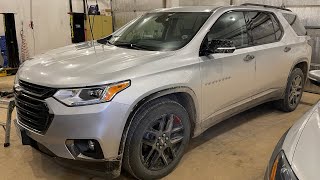
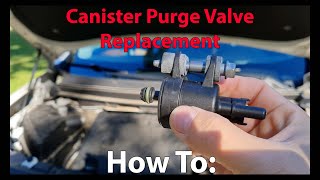
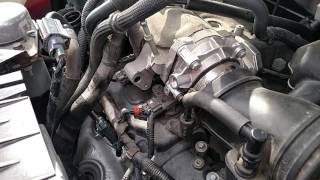

Used OEM Parts in Stock

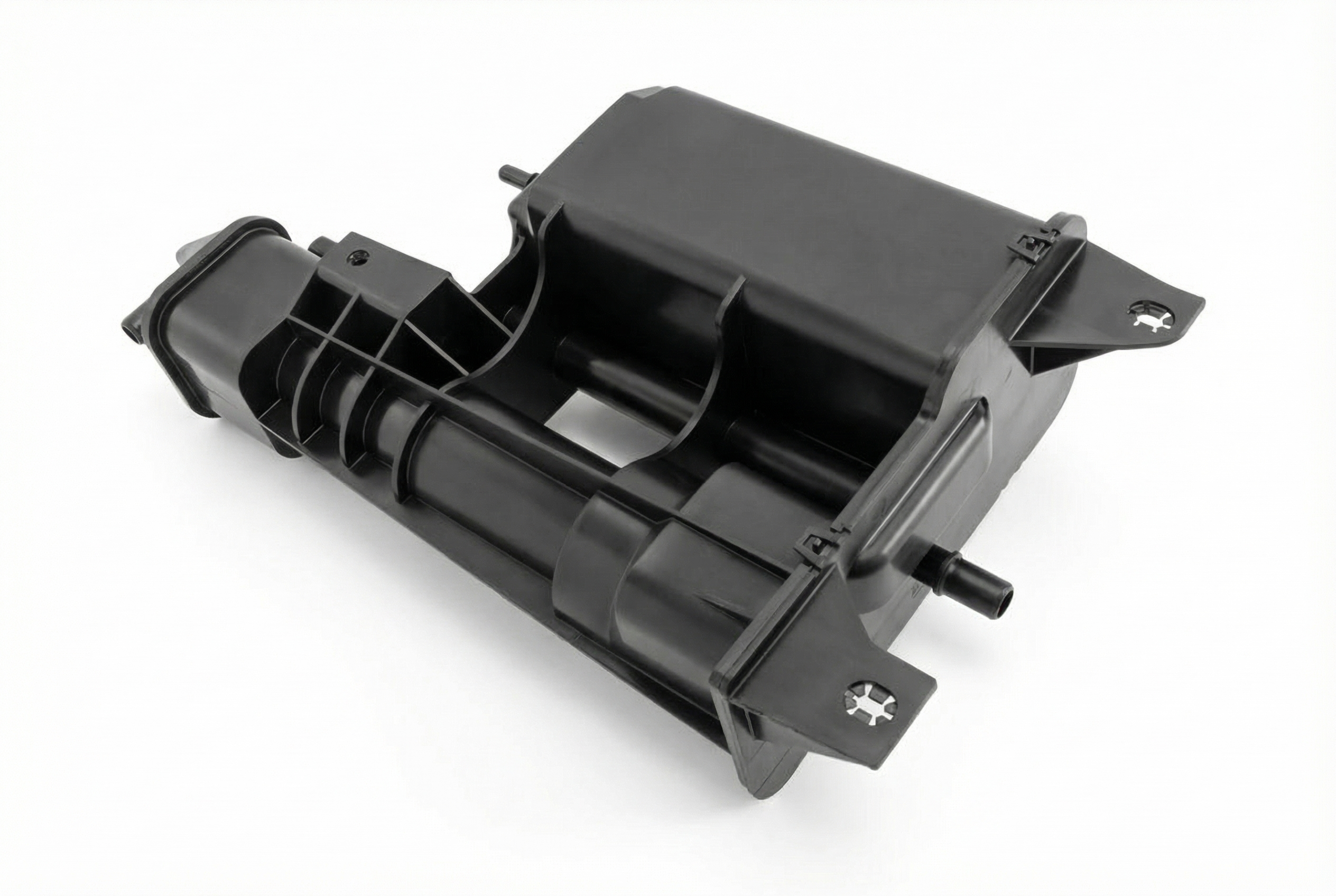
New Aftermarket Parts Available


The information in this article is provided for general reference and educational purposes only. Vehicle specifications, procedures, and part compatibility can vary by production date, trim level, and region. Always consult your vehicle's factory service manual and verify part numbers before purchasing or performing repairs. Safety-critical components such as airbags, seat belts, and braking systems should be installed by a qualified professional.
- Chevrolet Traverse:
- 🧭 Diagnostic Flowchart
- 🎬 Helpful Videos
- 🛍️ Shop This Part
- What's Unique About the 2018-2023 Chevrolet Traverse
- Symptoms You May Notice
- Most Likely Causes
- Rare But Worth Checking
- Diagnosis Steps
- Parts You'll Likely Need
- Related Codes That Often Appear With This One
- Technical Service Bulletins (TSBs) & Recalls
- Platform-Specific Known Issues
- Documented NHTSA Reports
- Mechanic-Grade Diagnostic Values
- Scan Tool Commands That Help
- Wiring & Ground Locations
- Real Owner Repair Stories
- "I Checked Everything" — The Actual Cause
- When the Usual Fixes Don't Work
- OEM Part Supersession History
- Model Year Variations Within This Range
- Other Known Issues on This Vehicle
- Used vs. New Parts: Buying Guide for This Vehicle
- Real Owner Stories
- 2019 Chevrolet Traverse 3.6L V6 — 53000 miles
- 2019 Chevrolet Traverse 3.6L V6
- 2015 Buick Enclave 3.6L V6
- Related OBD-II Codes
- Frequently Asked Questions
- 🎟️ Get 5% Off