

P0496 on 2006-2023 Dodge Charger: Causes and Fixes for EVAP High Purge Flow
On a 2006-2023 Dodge Charger, code P0496 is almost always caused by a faulty EVAP purge valve that is stuck open. The most common symptom is difficulty starting the engine right after you get gas. It's a simple, 15-minute DIY fix with a part that costs between $25 and $75.
- P0496 on a Dodge Charger almost always points to a bad EVAP purge valve.
- The most defining symptom is a car that struggles to start immediately after refueling.
- It is a simple and inexpensive DIY repair that can be completed in under 30 minutes.
- Ignoring the code can lead to a failed emissions test and potential damage to the catalytic converter over time.
What's Unique About the 2006-2023 Dodge Charger
On Dodge Charger models, particularly those with the 3.6L Pentastar V6 engine, the P0496 code has a very strong correlation with a failed EVAP purge valve. While other causes are possible, this specific part is a well-documented weak point. The most telling platform-specific symptom is a hard start or rough running immediately after refueling. This occurs because the stuck-open purge valve allows an uncontrolled rush of fuel vapor into the intake manifold, creating a rich fuel mixture that the engine struggles to ignite.
Generation note: This guide covers the Dodge Charger LX (2006-2010) and LD (2011-2023) generations. The cause and symptoms are consistent across both generations, but the issue is particularly well-documented on the LD generation models equipped with the 3.6L Pentastar V6 engine. The purge valve location differs between the early V6/V8 engines and the later 3.6L Pentastar.
Symptoms You May Notice
- Check Engine Light is on
- Difficulty starting the engine, especially right after refueling. The engine may crank for a long time, require pumping the gas pedal, or start and immediately stall.
- Rough or unstable idle, particularly after starting or after a fill-up.
- Slight decrease in fuel economy.
- Possible faint fuel smell. As noted in NHTSA ODI #10734898, an owner reported a noticeable fuel smell that would dissipate once the fuel level dropped below a half tank.
- Replacing the gas cap when the purge valve is the actual problem. While a bad gas cap can cause EVAP codes, it's not the most common cause for P0496 on this vehicle.
- Replacing O2 sensors or spark plugs to fix a rough idle, when the idle issue is caused by un-metered fuel vapor from the stuck purge valve.
Most Likely Causes
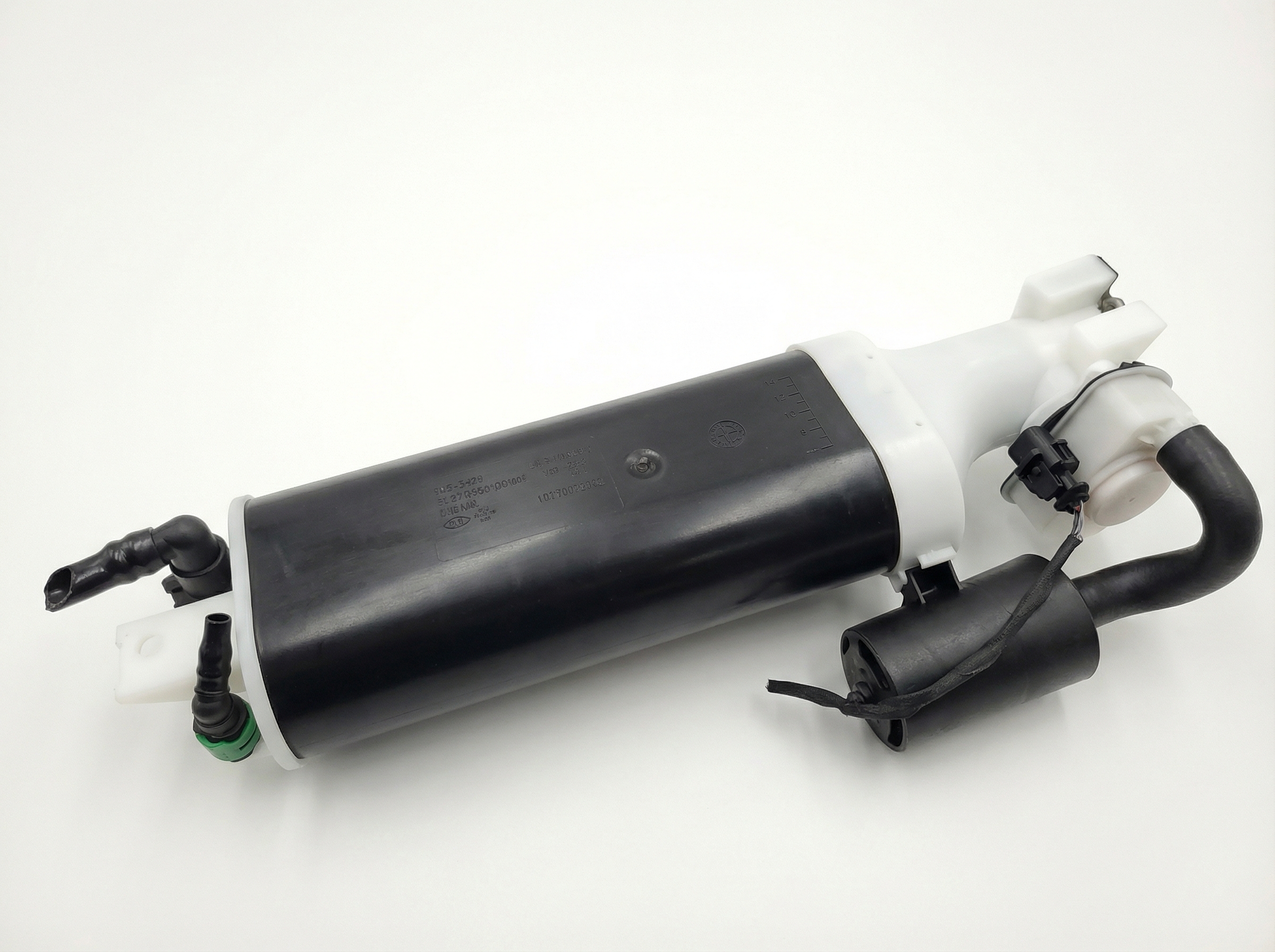
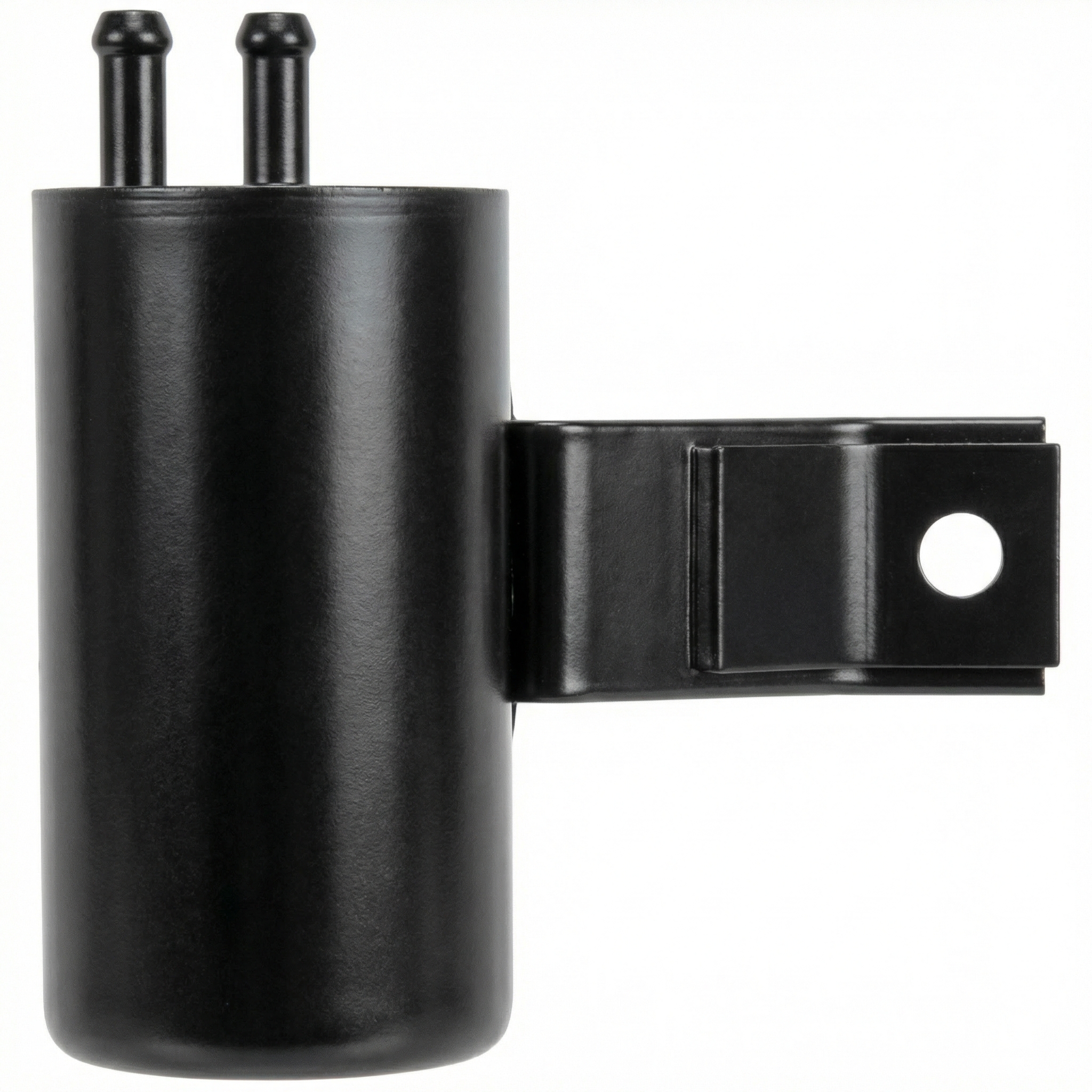
- Faulty/Stuck-Open EVAP Purge Valve 🔴 High Probability → Shop Vapor Canister This is a very common failure item on the Chrysler/Dodge platform, including the 3.6L Pentastar engine family, due to internal wear or contamination of the valve's seal.
How to confirm: With the engine off, disconnect the EVAP line from the purge valve. Start the engine. Place your finger over the port on the valve where the hose was connected. If you feel any suction or vacuum, the valve is stuck open and has failed. Alternatively, with the valve removed from the vehicle, you should not be able to blow air through it; if you can, it has failed.
Typical fix: Replace the EVAP purge valve. This part is typically located on top of the engine near the intake manifold and is held on by one or two bolts.
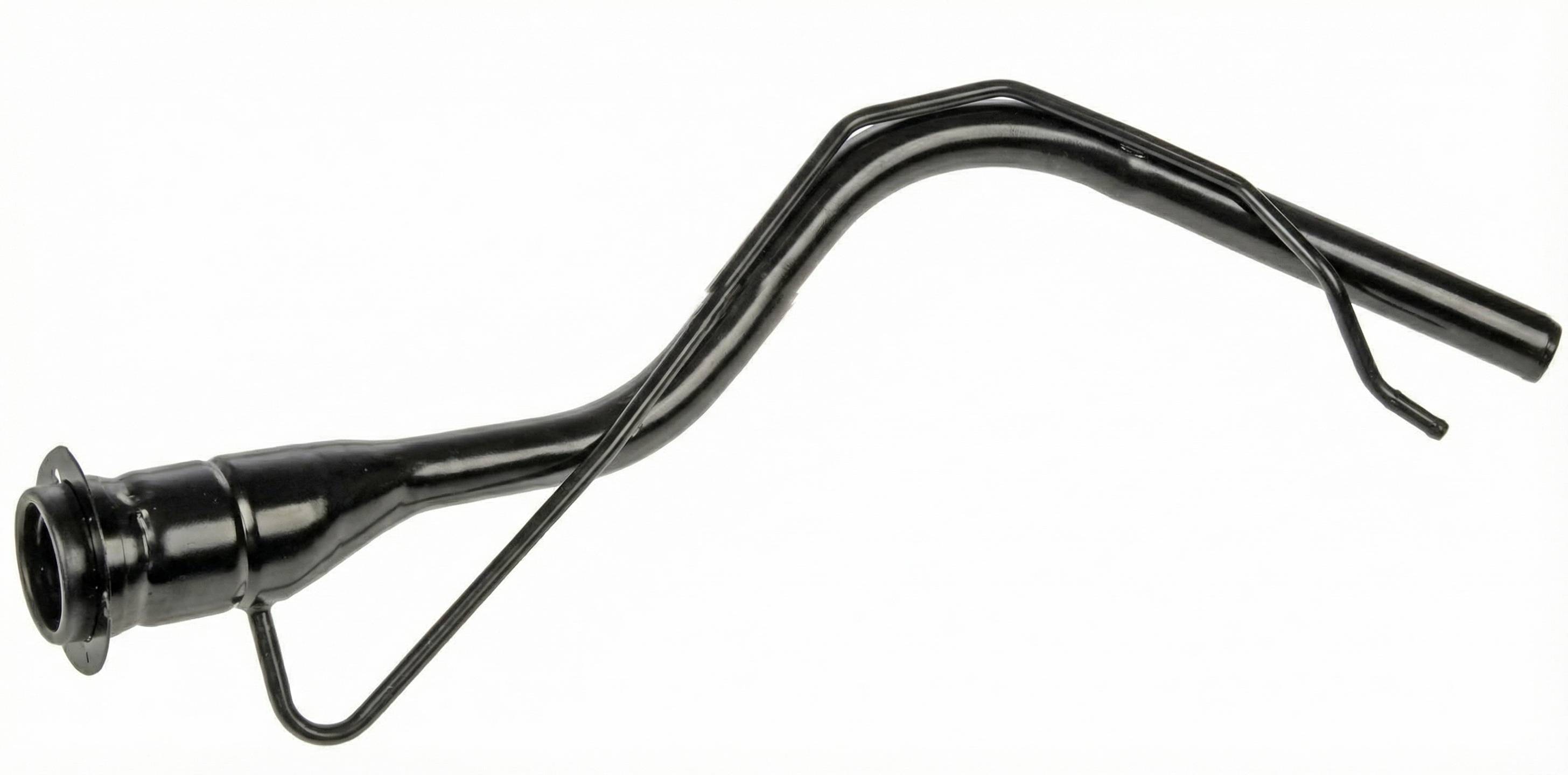
Est. part cost: $25-$75 - Loose or Faulty Gas Cap ⚪ Low Probability → Shop Fuel Tank Cap
How to confirm: Ensure the gas cap is tightened until it clicks. Inspect the rubber seal on the cap for any cracks, tears, or debris. A loose cap is more likely to cause a small leak code (P0456), but it's a free and easy first check.
Typical fix: Tighten or replace the gas cap. If replacing, use an OEM Mopar cap, as aftermarket caps can sometimes cause sealing issues.
Est. part cost: $15-$30
Rare But Worth Checking
- Cracked or Disconnected EVAP Hose: A crack in one of the EVAP system hoses can cause a vacuum leak that the system may interpret as improper flow. A visual inspection of the lines running from the engine bay to the charcoal canister is the first step. A mechanic would use a smoke machine to find the leak.
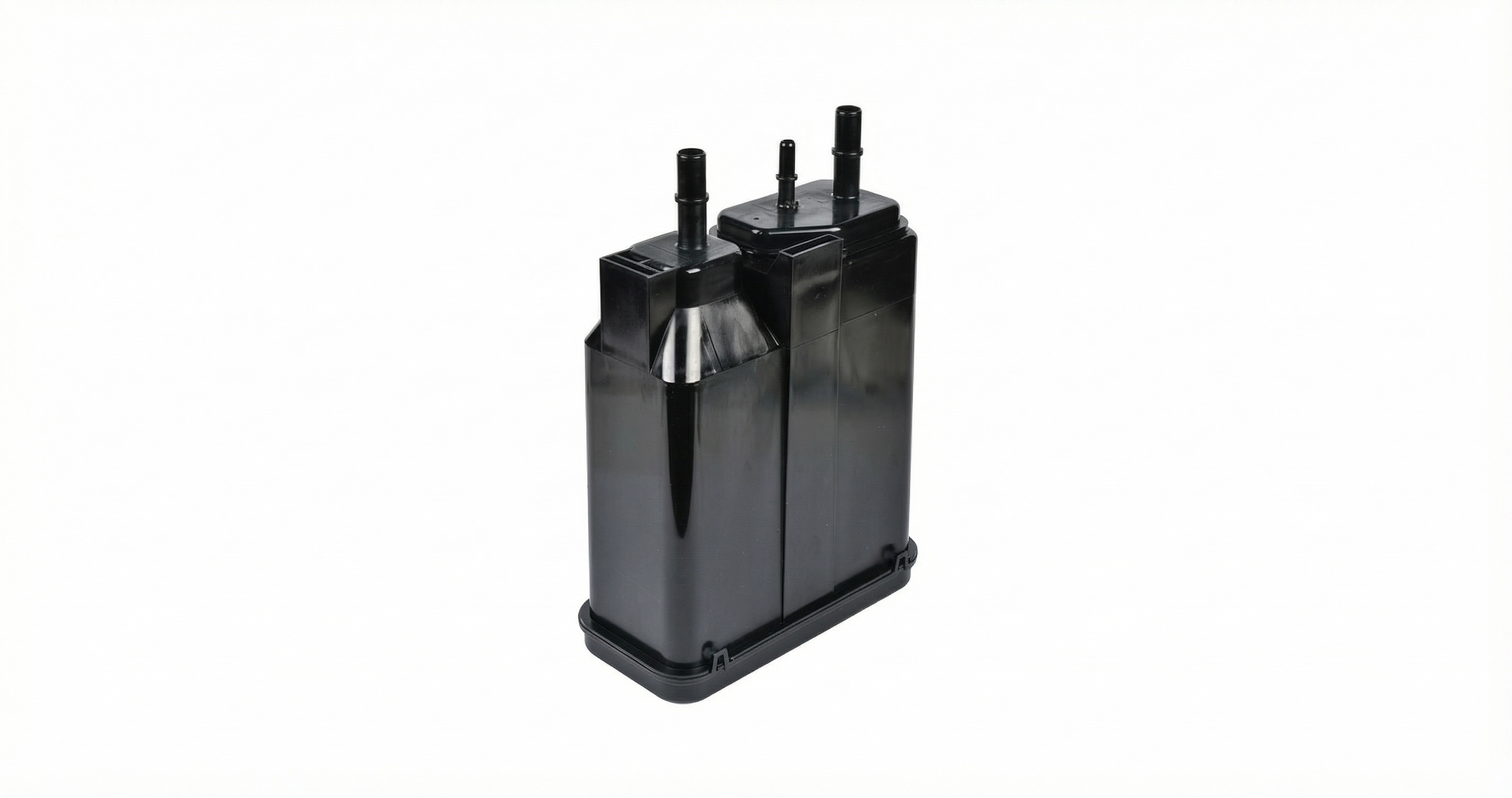
- Failed Charcoal Canister or Vent Valve: → Shop Vapor Canister The charcoal canister can become saturated with fuel or the vent valve can fail, causing flow issues. Sometimes, charcoal pellets can break loose and travel up the lines, holding the purge valve open. If you replace the purge valve and the code returns, it's wise to disconnect the line leading to the canister to check for charcoal debris before installing a second new valve.
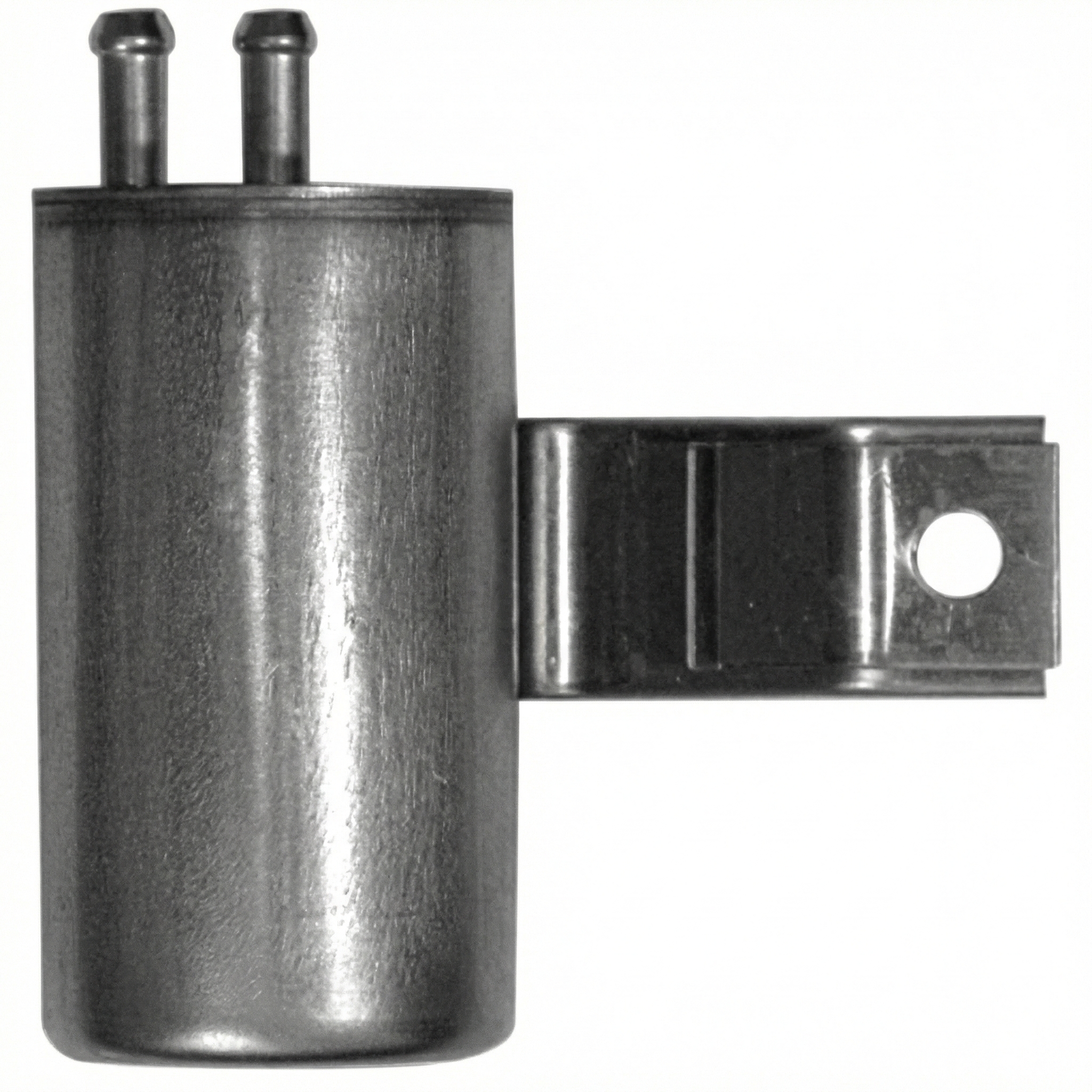
- Faulty Fuel Tank Pressure (FTP) Sensor: → Shop Fuel Tank The FTP sensor is what the PCM uses to monitor pressure and vacuum in the EVAP system. If the sensor provides incorrect data, the computer may set a P0496 code erroneously. This is uncommon and usually requires an advanced scan tool for diagnosis.
Diagnosis Steps
- Read the code with an OBD-II scanner to confirm P0496 is the primary code.
- Check the gas cap. Ensure it is tight and the seal is in good condition.
- Locate the EVAP purge valve on the engine. It will have two hoses and an electrical connector.
- Test the purge valve: Disconnect the electrical connector and the vapor line coming from the rear of the vehicle. Start the engine.
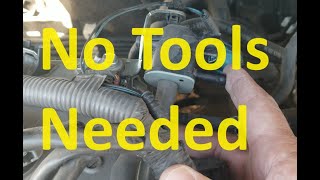
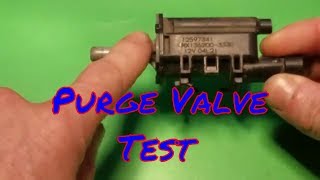
- Check for vacuum at the valve's inlet port. If any suction is felt, the valve is stuck open and must be replaced. This is the most likely failure. 🎬 Watch: Step-by-step EVAP purge valve testing guide
- If no vacuum is felt, the issue may be a wiring problem, a faulty fuel tank pressure sensor, or a leak elsewhere in the system.
- Visually inspect all accessible EVAP hoses for cracks or disconnections.
- If the purge valve and hoses are good, the next step is a professional diagnosis with a smoke machine to find potential leaks or testing of the vent solenoid and charcoal canister.
Parts You'll Likely Need
- Vapor Canister Purge Valve / Solenoid
(OEM #04891731AC (supersedes 4891731AA))— This is the most common failure point for code P0496 on Dodge Chargers. The internal seal fails, causing it to stick open. Part number 04891731AC is a widely used Mopar part for this application across many models.
Trusted brands: Mopar, Dorman, Standard Motor Products (SMP)
OEM price range: $50-$90
Aftermarket price range: $25-$50
Related Codes That Often Appear With This One
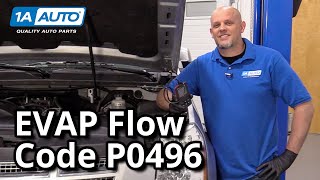
- P0441 — Indicates incorrect purge flow, often set 🎬 Watch: Understanding EVAP flow during non-purge conditions for the same reason as P0496—a faulty purge valve.
- P0456 — Indicates a small EVAP leak. This can be triggered by a failing purge valve seal or a bad gas cap, so the diagnostic paths often overlap.
- P0300 — Indicates a random/multiple cylinder misfire. A stuck-open purge valve can cause a rich fuel condition leading to an unstable idle and misfires, especially on 2015 models as noted in a TSB.
Technical Service Bulletins (TSBs) & Recalls
- TSB 18-011-15 REV. A: Mentions a PCM software update for 2015 3.6L models to address codes like P0300 (misfire), which can be a secondary effect of the air/fuel mixture problems caused by a faulty purge valve.
- TSB 25-001-14: While not directly for the Charger, this TSB for Ram trucks discusses inspecting the EVAP system for leaks and integrity, highlighting the importance of the system's sealing for proper operation, which is relevant to diagnosing persistent EVAP codes.
Mechanic-Grade Diagnostic Values
- EVAP Purge Valve Solenoid Resistance — expected: 14 - 30 Ohms. Failure: An open circuit (OL) or a short circuit (near 0 Ohms) indicates a failed solenoid coil.
- EVAP Purge Valve Connector Voltage (Power Pin) — expected: ~12V (Battery Voltage) with Key On, Engine Off. Failure: 0V or significantly low voltage points to a blown fuse or a wiring issue in the power supply circuit.
- Fuel Tank Pressure (FTP) Sensor Voltage (at rest) — expected: Approximately 1.7 volts with the system not actively purging or venting.. Failure: A voltage reading significantly different from the expected value at rest may indicate a faulty sensor giving the PCM false information.
Scan Tool Commands That Help
- wiTECH (or equivalent professional scan tool): EVAP System Test — This function allows a technician to command the purge solenoid and vent solenoid on and off independently to verify their function and seal the system for a leak test, which is critical for diagnosing issues beyond a simple stuck-open purge valve.
- wiTECH (or equivalent professional scan tool): Purge Solenoid Duty Cycle Command — Allows the technician to manually control the opening percentage of the purge valve while monitoring fuel trims and FTP sensor data to see if the valve responds correctly and if the system reacts as expected.
Wiring & Ground Locations
- EVAP Canister Purge Solenoid Connector — On the purge solenoid itself, located on the engine. For 3.6L engines, it's on the passenger side of the intake manifold. For earlier 2.7L/3.5L/5.7L engines, it's often near the throttle body.. This is the primary connection to test for power (battery voltage) and for the control signal (ground-side switched) from the PCM. A bad connection here can mimic a failed solenoid.
- EVAP/Purge Solenoid Circuit — Referenced in wiring diagram section 8W-30-4 of the factory service manual.. This diagram shows the wire colors, power source (fuse), and the specific pin on the PCM that controls the purge solenoid, which is essential for tracing an electrical fault.
- Various Ground Points (e.g., G100-G304) — Distributed throughout the vehicle, with key engine and chassis grounds shown in service manual diagrams. A critical ground for the Pentastar engine is located under the airbox on the chassis frame rail.. While not a direct cause, a poor engine or PCM ground can cause erratic behavior in multiple sensor readings and actuator functions, including the EVAP system. Ensuring main grounds are clean and tight is a foundational diagnostic step.
Real Owner Repair Stories
- ChargerForums user (2011 Dodge Charger 3.6L) — P0496 code, rough idle after getting gas.
❌ Tried (didn't work) Initially suspected a gas cap issue.
✅ What actually fixed it Replacing the EVAP purge valve solenoid located on the engine. The user described it as a quick fix that immediately resolved all symptoms. - Forum discussions (summarized) (Dodge Charger (multiple years)) — P0496 code returns shortly after replacing the purge valve.
❌ Tried (didn't work) Replacing the purge valve (sometimes multiple times)., Replacing the gas cap.
✅ What actually fixed it Discovering that the charcoal canister had failed and sent small charcoal pellets up the EVAP line, which would then get stuck in the new purge valve, causing it to fail. The final fix required replacing the charcoal canister, blowing out the EVAP lines to clear debris, and then installing another new purge valve.
Documented NHTSA Reports
- NHTSA ODI #10734898 — An owner reported that after a check engine light appeared with code P0496, a fuel smell was present that would only go away when the gas level was under a half tank.
OEM Part Supersession History
4891731AA→04891731AC— Standard revision and update by Mopar. The new part is a direct replacement for the old one.
Heads up: No known incompatibility. 04891731AC is the correct service part for vehicles that originally came with 4891731AA.
Model Year Variations Within This Range
- 2006-2010 (LX Platform): The purge valve on earlier 2.7L, 3.5L, and 5.7L engines is typically located near the throttle body and may have a slightly different form factor than the Pentastar version.
- 2011-2023 (LD Platform with 3.6L Pentastar): The purge valve is consistently located on the passenger side of the engine, mounted to the intake manifold, and is very easy to access after removing the engine cover.
- 2006-2023 (All): The EVAP charcoal canister and vent solenoid/leak detection pump are consistently located in the passenger side rear wheel well area, behind the fender liner.
Diagnostic Flowchart
Other Known Issues on This Vehicle
Issues unrelated to this code that are worth knowing about as an owner of this generation:
- 3.6L Pentastar Rocker Arm / Camshaft Failure ('Pentastar Tick') 🔴 High — Common across the entire 3.6L engine family, particularly in 2011-2016 models. Can occur as early as 50,000 miles. Results in a distinct ticking noise from the valvetrain. (Ref: No official recall, but it is a widely documented issue and the subject of class-action lawsuits.)
- 5.7L HEMI MDS Lifter / Camshaft Failure ('HEMI Tick') 🔴 High — A well-known weakness in 2009+ 5.7L HEMI engines with the Multi-Displacement System (MDS). A seized lifter roller destroys the camshaft, often requiring engine replacement. Can be triggered by excessive idling.
- Cracked Oil Filter Adapter / Housing (3.6L Pentastar) 🟠 Medium — Extremely common failure. The plastic housing becomes brittle from heat cycles and develops cracks, leading to significant oil and/or coolant leaks in the engine valley.
- Transmission Shifting Issues (Early 7th Gen) 🟠 Medium — Common on 2011-2014 models, owners report intermittent hard shifting, hesitation, or erratic gear changes. Often addressed with a PCM/TCM software update. (Ref: Software updates were issued by dealers to address the issue.)
- TIPM (Totally Integrated Power Module) Failure 🔴 High — More prevalent on the 2006-2010 (LX) generation. A failing TIPM can cause a wide range of bizarre electrical issues, including no-start conditions, fuel pump not running, horn going off randomly, and more. (Ref: Subject of numerous complaints and a class-action lawsuit for other Chrysler vehicles.)
- Left Cylinder Head Defect (Early 3.6L Pentastar) 🔴 High — Affected 2011-2013 models, causing misfires on Bank 2 (cylinders 2, 4, 6) due to overheating valve seats. (Ref: TSB 09-002-14 Rev. B; Chrysler issued an extended warranty (X56) for 10 years/150,000 miles.)
Used vs. New Parts: Buying Guide for This Vehicle
When a used part is the smart pick: For this specific repair (P0496), using a used purge valve is strongly discouraged. The failure mode is typically internal wear or contamination, so a used part from a junkyard has a high likelihood of having the same issue or failing shortly after installation.
Donor-vehicle mileage cap: roughly under 10000 miles for the part to have meaningful remaining life.
What to inspect on the donor part:
- If forced to use a used part, try to source one from a very low-mileage, collision-damaged vehicle.
- Test the used part before installation by trying to blow through it; if any air passes, it is already bad.
OEM-only on this vehicle (don't cheap out):
- Gas Cap - While not the primary cause of P0496, if a new gas cap is needed for other EVAP codes, OEM Mopar caps are recommended as some aftermarket versions have been reported to have sealing issues.
Aftermarket brands forum-validated for this vehicle:
- Standard Motor Products (SMP) - Generally regarded as a reliable OEM-quality alternative for sensors and solenoids.
- Dorman - Widely available and often works fine, though some users report mixed quality, with some parts failing prematurely. It is a viable budget option.
Brands owners have reported issues with on this vehicle:
- No-name, off-brand parts from online marketplaces should be avoided. While very cheap, they have a high failure rate for electronic components like solenoids, and you may end up doing the job twice.
Real Owner Stories
Aggregated from forums and TSBs cited above. Mileages and costs reflect what owners reported in those sources.
2011 Dodge Charger 3.6L
Symptoms: Experienced the P0496 code along with a rough idle after refueling.
What fixed it: Replacing the purge valve solenoid.
Source hint: ChargerForums - 'P0496 code'
2013 Dodge Charger
Symptoms: Reported code P0496; the owner was looking for the likely culprit for the EVAP flow during non-purge condition.
What fixed it: Replacing the purge valve, which was described as a '10-minute job'.
Source hint: LXForums - 'P0496 - EVAP Flow During Non-Purge Condition'
Dodge Charger Owner
Symptoms: An owner reported a check engine light for code P0496 and noted a strong fuel smell that would only dissipate when the gas level was under a half tank.
What fixed it: The owner began only filling the tank to half capacity to manage the smell while diagnosing the system.
Source hint: NHTSA ODI #10734898
Related OBD-II Codes
Frequently Asked Questions
I have a 2015 Dodge Charger 3.6L with a misfire code (P0300) and P0496. Is there a software fix for this?
My 2012 Charger is hard to start only after I fill up at the gas station. Is this related to P0496?
Should I buy a used purge valve for my Charger to save money?
Is the P0496 code common on the 3.6L Pentastar engine found in the Charger?
Can a loose gas cap cause P0496 on my Dodge Charger?
What kind of replacement gas cap should I use for my Charger?
Helpful Videos
We Have This Part in Stock


The information in this article is provided for general reference and educational purposes only. Vehicle specifications, procedures, and part compatibility can vary by production date, trim level, and region. Always consult your vehicle's factory service manual and verify part numbers before purchasing or performing repairs. Safety-critical components such as airbags, seat belts, and braking systems should be installed by a qualified professional.
- Dodge Charger:
- 🧭 Diagnostic Flowchart
- 🎬 Helpful Videos
- 🛍️ Shop This Part
- What's Unique About the 2006-2023 Dodge Charger
- Symptoms You May Notice
- Most Likely Causes
- Rare But Worth Checking
- Diagnosis Steps
- Parts You'll Likely Need
- Related Codes That Often Appear With This One
- Technical Service Bulletins (TSBs) & Recalls
- Mechanic-Grade Diagnostic Values
- Scan Tool Commands That Help
- Wiring & Ground Locations
- Real Owner Repair Stories
- Documented NHTSA Reports
- OEM Part Supersession History
- Model Year Variations Within This Range
- Other Known Issues on This Vehicle
- Used vs. New Parts: Buying Guide for This Vehicle
- Real Owner Stories
- 2011 Dodge Charger 3.6L
- 2013 Dodge Charger
- Dodge Charger Owner
- Related OBD-II Codes
- Frequently Asked Questions
- 🎟️ Get 5% Off