

P0496 on 2009-2020 Dodge Journey: EVAP Purge Flow Fault Causes and Fixes
On a 2009-2020 Dodge Journey, code P0496 is almost always caused by a faulty canister purge valve that is stuck open. This is a simple and affordable DIY fix, with the part typically costing between $25 and $50. The most common symptom is difficulty starting the vehicle immediately after refueling.
- P0496 on a Dodge Journey almost always points to a bad canister purge valve.
- A key symptom is having trouble starting the vehicle right after you fill up with gas.
- This is a very DIY-friendly repair that requires basic tools and can be completed in under 30 minutes.
- Before buying any parts, test the purge valve by removing it and seeing if you can blow air through it. If you can, it's bad.
What's Unique About the 2009-2020 Dodge Journey
The Dodge Journey, throughout its single generation from 2009-2020, uses a common EVAP system design where the canister purge valve is a frequent failure point. This issue is extremely common across the entire Chrysler/Dodge/Jeep lineup for vehicles equipped with the 2.4L World Engine or the 3.6L Pentastar V6. The symptoms and the overwhelmingly common cause—a stuck-open purge valve—remain consistent. The repair is straightforward on both engine variants as the valve is easily accessible on top of the engine. Later models utilize an Evaporative System Integrity Module (ESIM) which simplifies the system by not using a solenoid in the module itself, but still relies on the purge solenoid under the hood.
Generation note: The Dodge Journey had one generation, but received a major facelift for the 2011 model year which included the introduction of the 3.6L Pentastar V6 engine. The cause and fix for P0496 are consistent across the entire 2009-2020 model run for both the 2.4L and 3.6L engines, as the same purge valve part number is used for both.
Symptoms You May Notice
- Check Engine Light is on
- Difficulty starting the engine, especially after getting gas
- Rough or unstable idle, sometimes surging
- Slight decrease in fuel economy
- A faint fuel odor may be noticeable
- Engine may run rich, potentially causing black smoke from the tailpipe in extreme cases
- Replacing the gas cap. While a loose or faulty gas cap can cause other EVAP codes (like P0455 or P0457 for leaks), it is not a typical cause for P0496, which indicates improper flow when there should be none.
Most Likely Causes
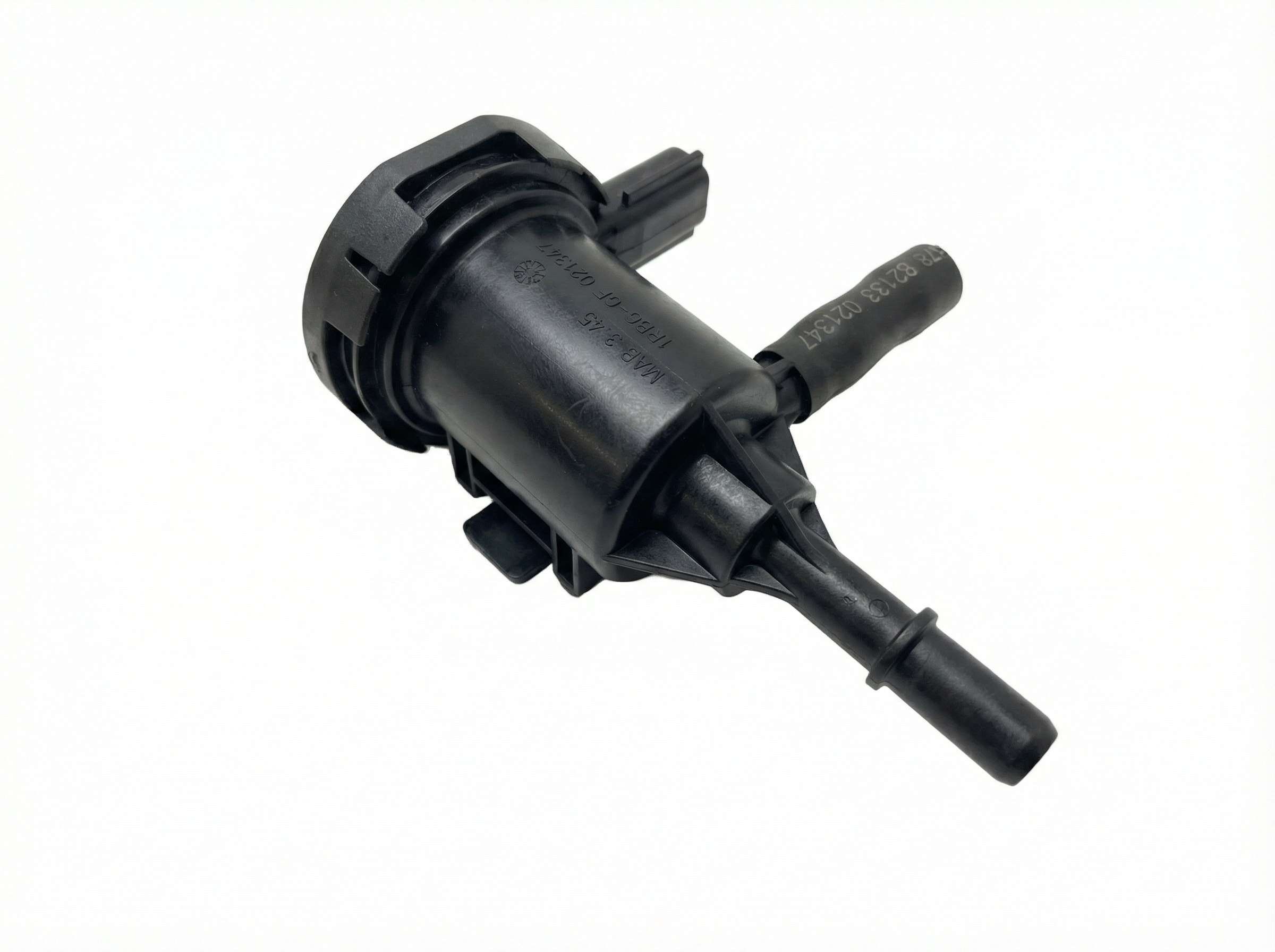
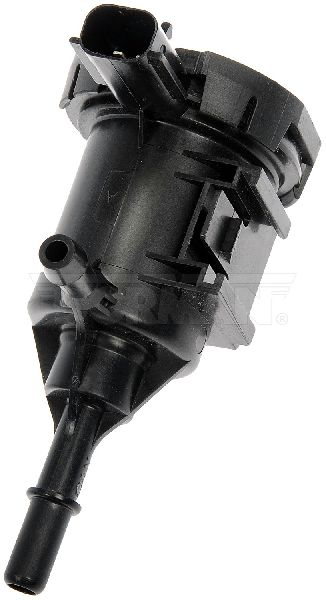
- Faulty Canister Purge Valve (Solenoid) 🔴 High Probability → Shop Vapor Canister The purge valve is a constantly working electromechanical part that is a widely documented, common failure item on both the 2.4L and 3.6L Pentastar engine families due to wear or contamination of the internal diaphragm.
How to confirm: With the engine off, disconnect the EVAP hose from the purge valve. There should be no vacuum or flow. You can also remove the valve and try to blow through it; if air passes, it is stuck open and needs to be replaced. A more definitive test with the engine running is to disconnect the electrical connector and the EVAP line running from the valve towards the fuel tank. Place your finger over the valve's port; if you feel any suction, the valve has failed.
Typical fix: Replace the canister purge valve. It is typically located on or near the intake manifold and is a simple plug-and-play replacement that takes 15-30 minutes.
Est. part cost: $25-$50
Rare But Worth Checking
- Leaking or disconnected EVAP system hose: A cracked or loose hose between the purge valve and the intake manifold can cause an improper vacuum signal, though it's less common than the valve failing internally.
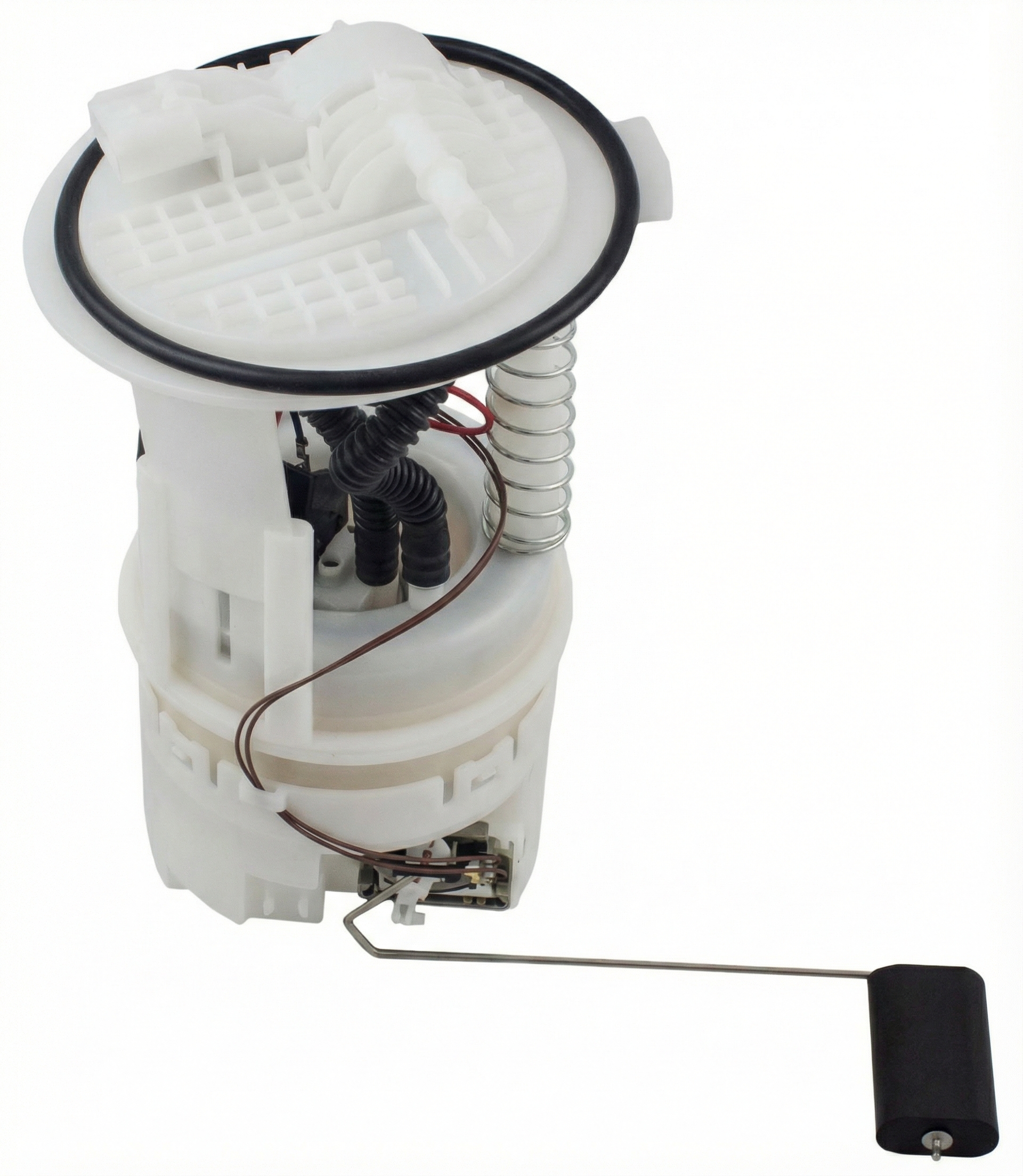
- Faulty Fuel Tank Pressure (FTP) Sensor: → Shop Fuel Tank The FTP sensor is what reports the vacuum level to the computer. If it sends an incorrect reading, it can trigger the code, but this is much less common than a faulty purge valve.
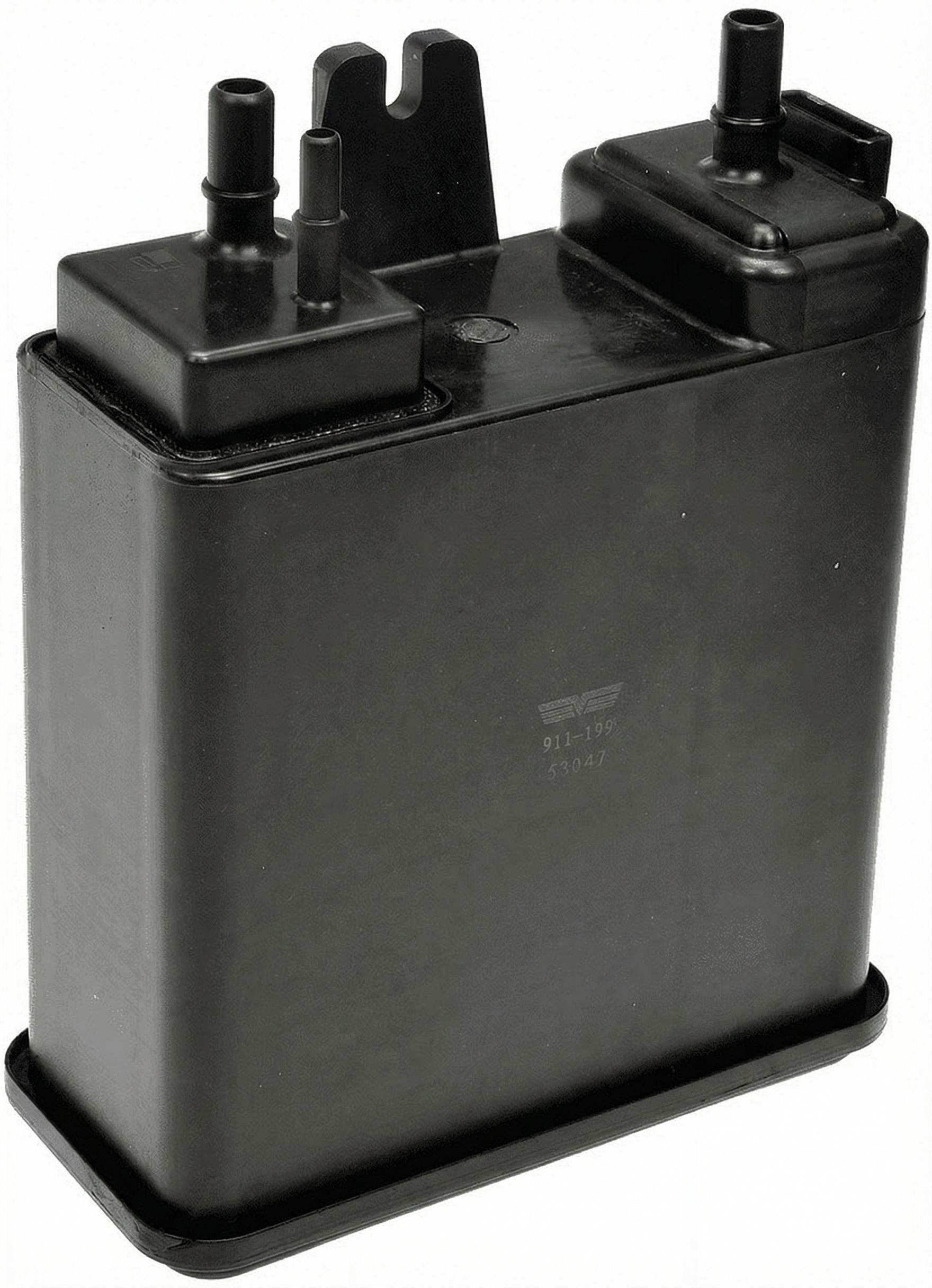
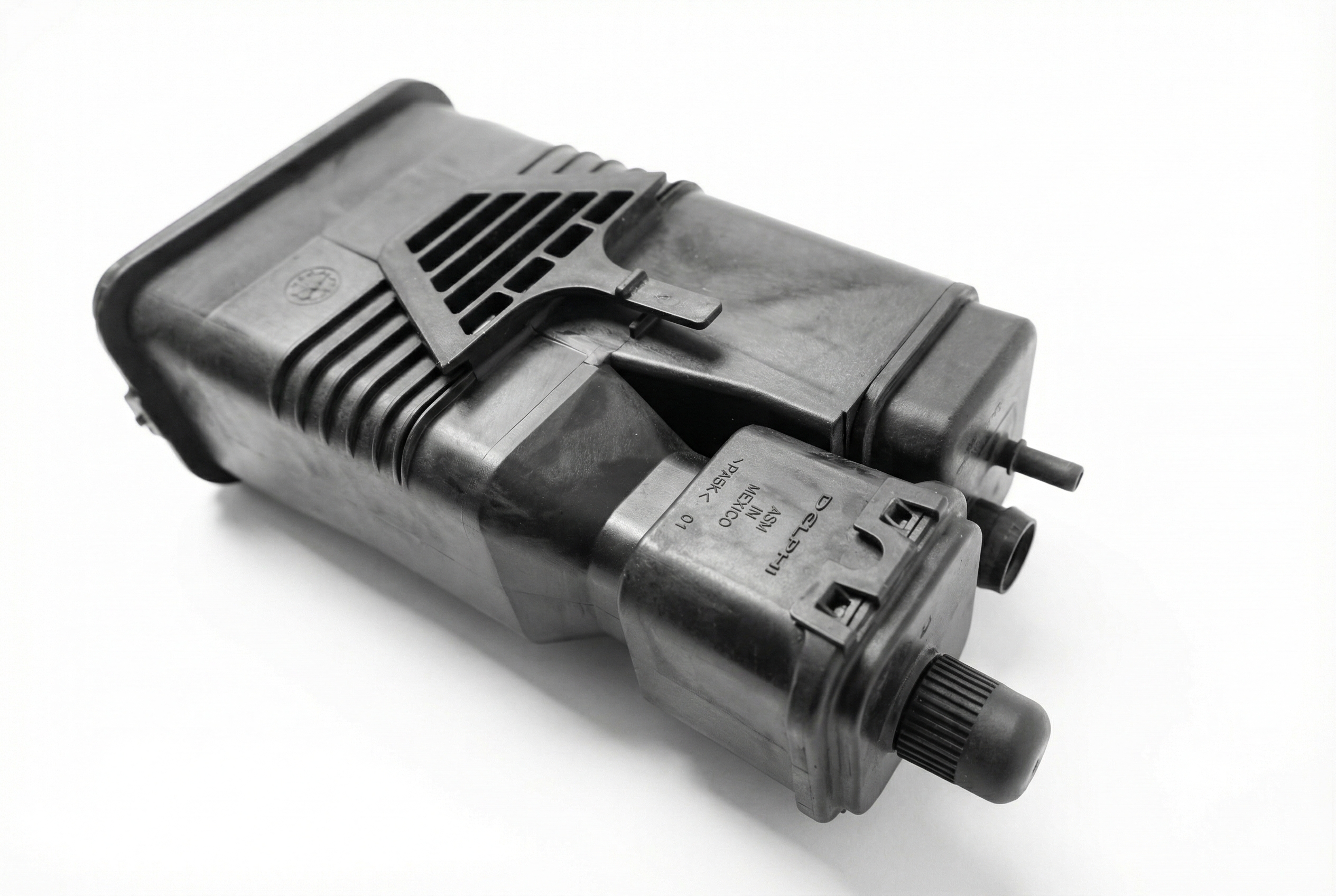
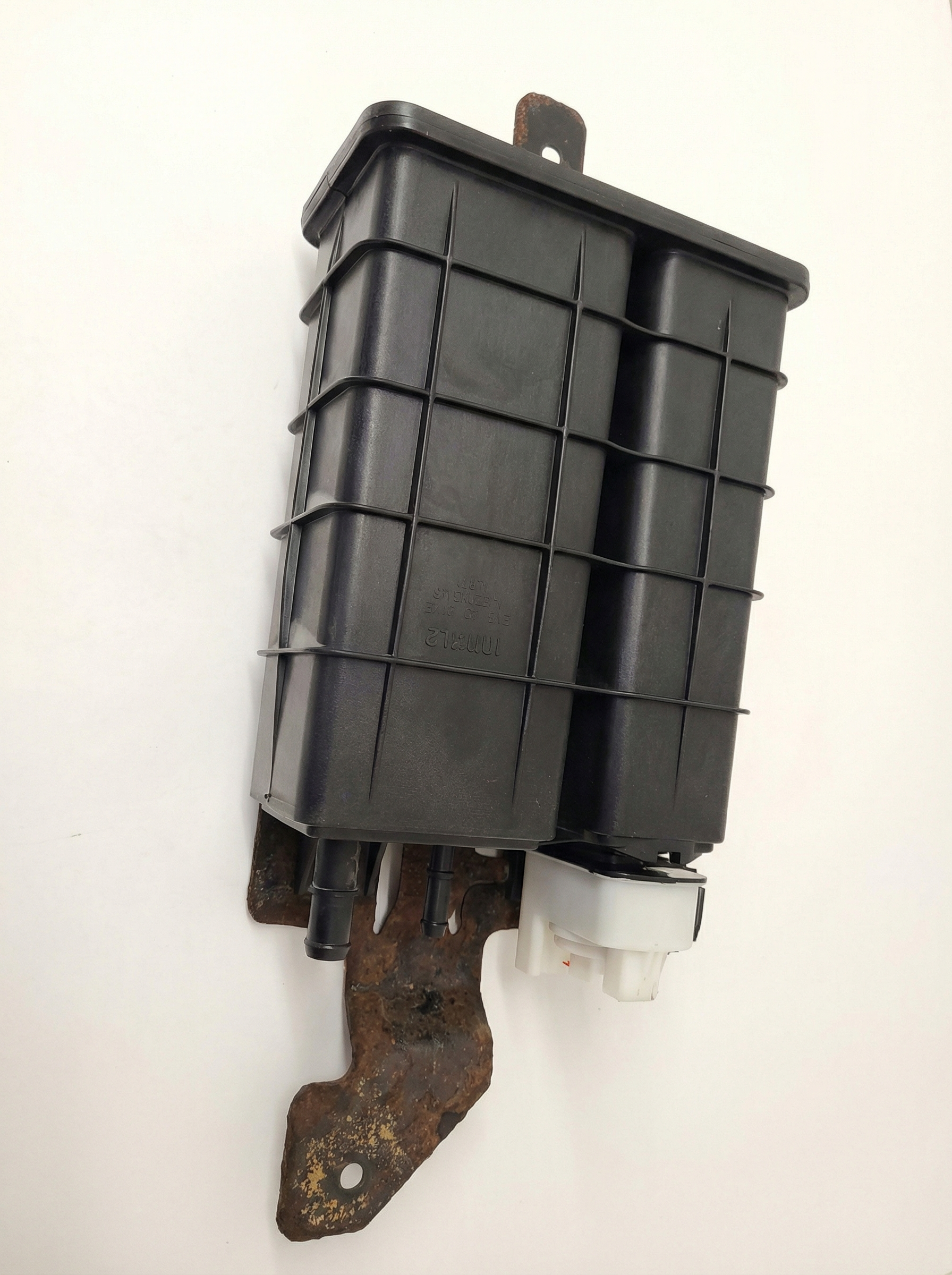
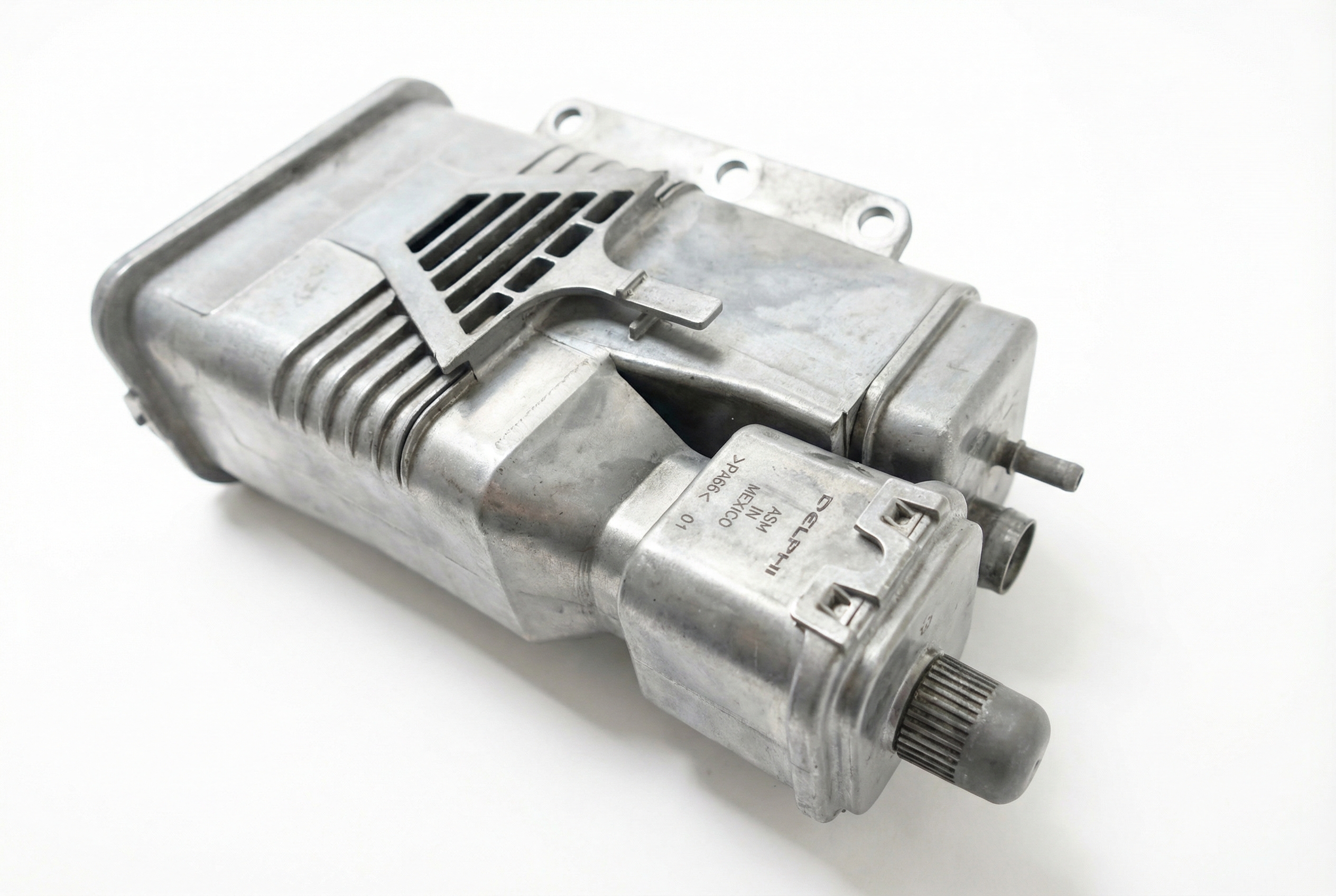
- Clogged EVAP Charcoal Canister: → Shop Vapor Canister If the canister becomes saturated with fuel or the filter breaks down, charcoal pellets can travel down the lines and hold the purge valve open. Check the purge valve inlet for black particles when you remove it.
- Short in Purge Valve Wiring/Connector: → Shop Vapor Canister A short to ground in the control circuit could potentially hold the valve open, but this is an uncommon electrical failure compared to the mechanical failure of the valve itself.
Diagnosis Steps
- Confirm the code P0496 is present using an OBD-II scanner.
- Inspect the gas cap to ensure it is tight and the seal is in good condition, just to rule out any simple issues.
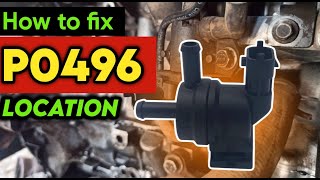
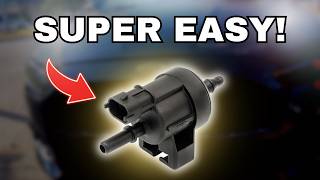
- Locate the canister purge valve on the engine. It will have an electrical connector and two hoses attached.
- With the engine off, remove the valve completely from the vehicle. Try to blow air through it from the canister side to the intake manifold side. If air passes through, it has failed and must be replaced. 🎬 Watch: Step-by-step P0496 diagnostic and testing tutorial
- Alternatively, with the engine running, disconnect the electrical connector and the hose that runs from the purge valve back towards the fuel tank. Place your finger over the port on the valve. There should be NO suction or vacuum at idle. If you feel suction, the valve is stuck open and is faulty.
- If the valve tests good, carefully inspect the EVAP hoses for any visible cracks, breaks, or loose connections between the charcoal canister, purge valve, and intake manifold.
- When you remove the old purge valve, check its inlet port for small black charcoal pellets. If any are present, the charcoal canister has likely ruptured internally and will also need to be replaced, and the lines blown out with compressed air.
- If the valve and hoses are good, the issue could be a faulty Fuel Tank Pressure (FTP) sensor providing incorrect readings, though this is rare.
Parts You'll Likely Need
- Canister Purge Valve / Solenoid
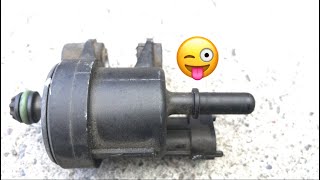
(OEM #4891741AC)— This valve is the most common failure point that directly causes the P0496 code by sticking open. This part number is used for both the 2.4L and 3.6L engines.
Trusted brands: Mopar, Dorman, Standard Motor Products
OEM price range: $40-$60
Aftermarket price range: $25-$45
Platform-Specific Known Issues
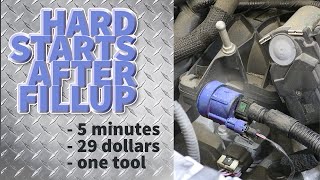
- Owner Experience: Hard Start After Refueling: Numerous Dodge Journey owners in forums confirm that the most noticeable and consistent symptom of P0496 is the engine cranking for an extended time or starting rough immediately after filling the gas tank. This is a classic sign of the purge valve being stuck open, flooding the intake with fuel vapors. 🎬 See: How to fix a hard start after refueling
Mechanic-Grade Diagnostic Values
- Canister Purge Valve/Solenoid Coil Resistance — expected: 14 to 36 ohms.. Failure: An open circuit (infinite resistance) or a reading significantly outside the expected range indicates a failed solenoid coil.
- Voltage at Purge Valve Connector (Power Pin) — expected: Battery voltage (11-14 volts) with Key On, Engine Off.. Failure: Zero or significantly low voltage points to a wiring issue, blown fuse, or a problem with the power supply from the PCM/TIPM, not the solenoid itself.
- Voltage at Purge Valve Connector (Control Pin) — expected: Near battery voltage when the solenoid is commanded OFF; drops to near 0 volts when the PCM commands it ON.. Failure: Voltage does not change when the solenoid is activated with a scan tool, indicating a break in the control wire or a faulty PCM driver.
- Fuel Tank Pressure (FTP) Sensor Reading via Scan Tool — expected: Should show a vacuum (pressure drops) only when the purge valve is commanded open by the scan tool.. Failure: If the FTP sensor shows a vacuum building with the purge valve commanded closed (and vent valve closed), it confirms un-commanded flow and points to a stuck-open purge valve.
Scan Tool Commands That Help
- wiTECH or equivalent professional scanner: EVAP Purge Solenoid Actuation / EVAP Purge Test — This bidirectional command allows a technician to manually cycle the purge solenoid on and off. It is the definitive test to confirm if the solenoid is mechanically clicking and electrically responsive, and to check for voltage changes on the control circuit simultaneously.
- wiTECH or equivalent professional scanner: EVAP System Leak Verification Test (SLVT) — While P0496 is a flow code, not a leak code, running the system leak test can be useful. This command seals the EVAP system (by closing the vent valve) and monitors for pressure changes. If the purge valve is stuck open, the system will not be able to seal properly against engine vacuum, which can be observed with this test.
- Any OBD-II scanner with Live Data: Monitor Fuel Tank Pressure (FTP) PID — While idling with the purge valve commanded OFF, monitor the FTP sensor reading. If you see a steady or increasing vacuum, it's a strong indicator that the purge valve is stuck open and pulling vapors from the tank when it shouldn't be.
Wiring & Ground Locations
- Engine Ground Stud — On the engine block, located between the large wire harness and the vacuum pump. The main battery negative cable connects to this stud.. A poor engine ground can cause a variety of electrical issues and incorrect sensor readings. While not a primary cause for P0496, ensuring this ground is clean and tight is a fundamental step in diagnosing any engine-related electrical fault.
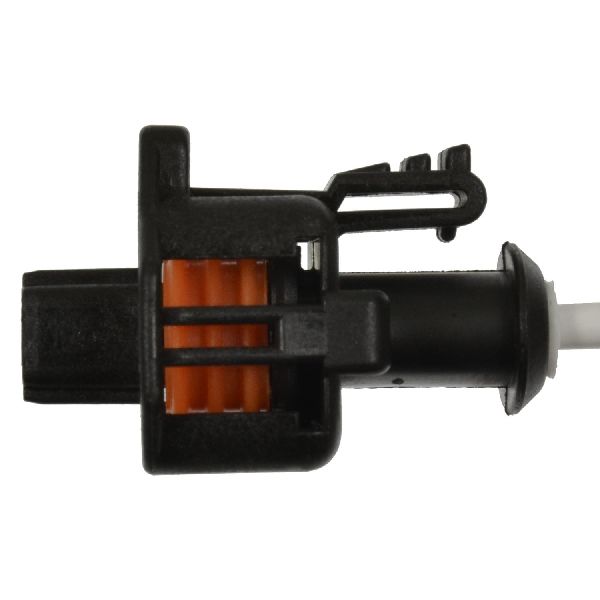
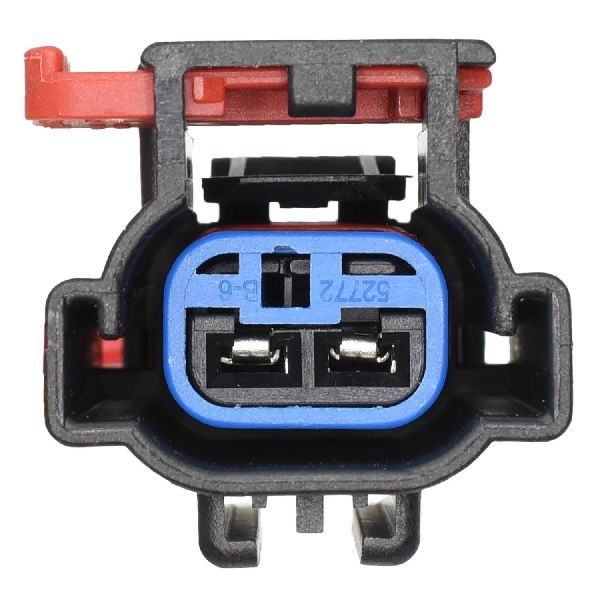
- Purge Valve Connector — Directly on the canister purge valve, which is located on top of the engine near the intake manifold for both 2.4L and 3.6L engines.. This 2-pin connector is the primary point for all electrical testing of the purge valve circuit. One pin is the power supply (battery voltage) and the other is the ground-side control wire from the PCM.
Real Owner Repair Stories
- Dodge Journey Forum (2014 Dodge Journey SXT 3.6L) — Check engine light with P0496, very difficult to start after refueling.
❌ Tried (didn't work) Replacing the gas cap.
✅ What actually fixed it The owner replaced the canister purge valve (solenoid) on top of the engine. The problem was immediately resolved, and the hard-starting issue after getting gas disappeared completely. - NHTSA ODI #10734898 (Dodge Platform Reference) — An owner reported a strong fuel smell that would only dissipate when the gas level was under 1/2 tank. A scan revealed code P0496, which the report associated with a small leak detected in the fuel/propulsion system.
Diagnostic Flowchart
Other Known Issues on This Vehicle
Issues unrelated to this code that are worth knowing about as an owner of this generation:
- Premature Brake and Rotor Wear 🔴 High — Extremely common, especially on 2009-2012 models, sometimes requiring replacement as early as 12,000-30,000 miles. (Ref: TSBs were issued for 2009-2010 models extending the warranty to 3 years/36,000 miles.)
- 3.6L Pentastar V6 Left Cylinder Head Failure 🔴 High — Affected a percentage of early 2011-2013 models, causing misfires (P0300, P0302, P0304, P0306) and a ticking noise. (Ref: Chrysler issued a warranty extension (X56) to 10 years/150,000 miles for the left cylinder head on affected 2011-2013 vehicles.)
- 2.4L Engine Throttle Body Failure 🟠 Medium — The throttle body on the 2.4L engine is a known failure point, leading to stalling, rough idle, and the electronic throttle control warning light.
- Transmission Problems (62TE) 🟠 Medium — Owners report issues like harsh shifting, delayed engagement, and occasional failure. A recall was issued for some 2016 models for a faulty transmission pump. (Ref: Recall S44 for 2016 models for transmission pump replacement.)
- Uconnect Infotainment System Glitches 🟡 Low — Common complaints include Bluetooth connectivity issues, screen freezing, and the system needing frequent resets or software updates.
- Water Leaks into Cabin 🟠 Medium — Reported on 2009-2018 models, water can leak into the interior, often from the roof or doors.
- Electrical Issues / Failure to Start 🟠 Medium — Particularly noted in earlier models (2009-2012), owners report random no-start conditions, often traced to faulty key fobs, wiring, or the wireless ignition node.
Used vs. New Parts: Buying Guide for This Vehicle
When a used part is the smart pick: For the primary failure part, the canister purge valve, a used part is NOT recommended. The part is inexpensive new (typically $25-$50), is a known high-failure item, and its remaining lifespan is impossible to determine. A used part carries a high risk of failing again shortly after installation.
What to inspect on the donor part:
- Not applicable as used purge valves are not recommended.
OEM-only on this vehicle (don't cheap out):
- Gas Cap - While not a cause for P0496, if an EVAP leak code is present, it is strongly recommended to use an OEM Mopar gas cap. Aftermarket caps are notorious for having slightly different tolerances that fail to seal properly on Chrysler/Dodge systems.
Aftermarket brands forum-validated for this vehicle:
- Dorman
- Standard Motor Products (SMP)
Brands owners have reported issues with on this vehicle:
- No-name, unbranded parts from online marketplaces should be avoided due to inconsistent quality control.
Real Owner Stories
Aggregated from forums and TSBs cited above. Mileages and costs reflect what owners reported in those sources.
2014 Dodge Journey — 133007 miles
Symptoms: P0496 code present.
What fixed it: EVAPORATIVE CANISTER PURGE SOLENOID – Remove & Replace.
Source hint: 4th Street Auto Care
2009 Dodge Journey SXT 3.5L
Symptoms: Stall; P0496 Evap system flow during none purge.
What fixed it: The context identifies the purge valve as the overwhelming consensus for a DIY fix for this code.
Source hint: Automotive Technicians Technical Discussion and Fixes
2015 Dodge Journey 3.6L
Symptoms: Engine cranking for an extended time or starting rough immediately after filling the gas tank.
What fixed it: Replace the canister purge valve located on or near the intake manifold.
Source hint: Dodge Journey Forum
Related OBD-II Codes
Frequently Asked Questions
Why does my Dodge Journey have trouble starting only after I fill up the gas tank?
Is there a specific engine in the Dodge Journey prone to P0496?
Can I use a used purge valve from a salvage yard to fix my P0496 code?
My 2012 Journey has a P0496 and a ticking noise; is this related to the cylinder head warranty extension?
Should I replace my gas cap to fix a P0496 code on my Journey?
Are there any recalls for the transmission on my 2016 Dodge Journey?
Helpful Videos

Used OEM Parts in Stock
New Aftermarket Parts Available


The information in this article is provided for general reference and educational purposes only. Vehicle specifications, procedures, and part compatibility can vary by production date, trim level, and region. Always consult your vehicle's factory service manual and verify part numbers before purchasing or performing repairs. Safety-critical components such as airbags, seat belts, and braking systems should be installed by a qualified professional.
- Dodge Journey:
- 🧭 Diagnostic Flowchart
- 🎬 Helpful Videos
- 🛍️ Shop This Part
- What's Unique About the 2009-2020 Dodge Journey
- Symptoms You May Notice
- Most Likely Causes
- Rare But Worth Checking
- Diagnosis Steps
- Parts You'll Likely Need
- Platform-Specific Known Issues
- Mechanic-Grade Diagnostic Values
- Scan Tool Commands That Help
- Wiring & Ground Locations
- Real Owner Repair Stories
- Other Known Issues on This Vehicle
- Used vs. New Parts: Buying Guide for This Vehicle
- Real Owner Stories
- 2014 Dodge Journey — 133007 miles
- 2009 Dodge Journey SXT 3.5L
- 2015 Dodge Journey 3.6L
- Related OBD-II Codes
- Frequently Asked Questions
- 🎟️ Get 5% Off