

P0496 on 2021-2024 Ford EDGE: Causes of EVAP High Purge Flow and Fixes
On a 2021-2024 Ford Edge, code P0496 is frequently caused by a disconnected fuel vapor line inside the fuel tank, a known issue detailed in Ford Technical Service Bulletins. This often presents as stalling after refueling. Do not automatically replace the purge valve; proper diagnosis is essential as this is a known misdiagnosis according to Ford.
- For a 2021-2024 Ford Edge, P0496 is strongly linked to Ford TSB 24-2199, which describes a disconnected vapor line inside the fuel tank.
- A key symptom of the TSB-related issue is the engine stalling right after you finish refueling, or being unable to fill the tank completely.
- Do not automatically replace the purge valve. Ford has issued a specific warning (SSM 50306) that this part is frequently misdiagnosed for this code on these vehicles.
- The correct repair for the most common cause is labor-intensive, requiring the fuel tank to be removed and the EVAP canister to be replaced, with a dealer-quoted labor time of 4.9 hours.
What's Unique About the 2021-2024 Ford EDGE

While a stuck-open canister purge valve is the most common cause for P0496 on many vehicles, the 2021-2024 Ford Edge has a well-documented, different primary issue. Ford has issued multiple Technical Service Bulletins (TSBs), including TSB 24-2199, which point to a disconnected fuel vapor line inside the fuel tank as a primary cause. Another bulletin, SSM 50306, explicitly warns that technicians have been replacing canister purge valves unnecessarily, as returned parts from a wide range of Ford and Lincoln vehicles, including the Edge and Nautilus, were found to be fully functional. This makes it critical to diagnose beyond the purge valve before replacing parts.
Diagnostic Flowchart

Tap your situation to follow the diagnostic path that matches what you're seeing on this vehicle.
Symptoms You May Notice

- Check Engine Light (Malfunction Indicator Lamp) is on
- Stalls upon restart after refueling.
- Hard to start, especially after filling the gas tank.
- Rough idle
- Difficulty starting.
- Fuel tank not filling up beyond half-full.
- Replacing the canister purge valve without proper diagnosis. Ford TSB SSM 50306 specifically warns that returned purge valves from this vehicle range are often found to be fully functional, indicating the true fault lies elsewhere, most likely the in-tank vapor line.
Most Likely Causes

- Disconnected Fuel Vapor Line Inside Fuel Tank 🔴 High Probability → Shop Fuel Tank This is a known manufacturing or design flaw documented by Ford in Technical Service Bulletin TSB 24-2199 for this specific vehicle and year range.
How to confirm: This requires advanced EVAP system testing, often with a smoke machine, to confirm the flow issue is not from the purge valve. Final confirmation requires dropping the fuel tank, removing the fuel pump module, and visually inspecting the vapor hose connections inside the tank as shown in TSB 24-2199.
Typical fix: The fuel tank must be removed to access the fuel pump module and re-secure the disconnected vapor line. Per TSB 24-2199, the procedure also requires replacing the EVAP canister (Part No. K2GZ-9D653-A), the fuel pump sender unit ring (Part No. 4L3Z-9276-AA), and various single-use nuts and bolts for the exhaust and driveshaft.
Est. part cost: $150-$250 for the required EVAP canister, fuel pump ring, and various one-time-use fasteners. - Faulty Canister Purge Valve (Stuck Open) 🟡 Medium Probability → Shop Vapor Canister This is a common failure for P0496 on most vehicles. However, Ford TSB SSM 50306 cautions that this part is often misdiagnosed on this platform. On some models, the valve is only sold as part of a larger, more expensive tube assembly.
How to confirm: Remove the valve. With it unplugged, attempt to blow through it or apply vacuum with a hand pump. It should be completely sealed. If air or vacuum passes through, the valve has failed. The FDRS scan tool can also perform a specific 'CPV Check' to test the valve electronically.
Typical fix: Replace the canister purge valve or the entire purge valve hose assembly.
Est. part cost: $40-$120
Rare But Worth Checking
- Faulty Fuel Tank Pressure (FTP) Sensor: → Shop Fuel Tank The FTP sensor is what the PCM uses to monitor for unwanted vacuum. If the sensor provides incorrect readings, it can trigger P0496 even if there is no actual improper flow. 🎬 See how to troubleshoot these codes with simple DIY methods. This is less common than the other causes but remains a possibility.
- Leaking EVAP Hoses or Damaged Charcoal Canister: → Shop Vapor Canister A crack or leak in a vapor hose or the canister itself could potentially cause the system to pull a vacuum when it shouldn't. TSB 24-2199 requires replacing the canister as part of the primary repair, suggesting it can be affected by the primary fault. A clogged canister can also cause issues.
Diagnosis Steps
- Scan the PCM for stored trouble codes. Note if P0496 is accompanied by P04F0, P0451, P0455, or P0456.
- Review TSB 24-2199 and SSM 50306 for applicability to your vehicle's symptoms, especially stalling after refueling or inability to fill the tank completely.
- If you have access to a Ford-specific FDRS scan tool, perform the 'Full System EVAP Leak Test' and the 'EVAP Purge Valve Leak Test (CPV Check)' as recommended in SSM 50306.
- Perform a functional test of the canister purge valve. With the engine off, disconnect the electrical connector and the vapor line between the valve and the intake manifold. Start the engine and check for any vacuum being pulled from the valve's intake port. There should be zero vacuum.
- If no vacuum is present, remove the purge valve for a bench test. Attempt to blow air through it or use a hand vacuum pump. The valve should be sealed shut when de-energized. If it passes air or fails to hold vacuum, it is faulty and should be replaced.
- If the purge valve tests good, the fault is almost certainly the disconnected line inside the fuel tank. The repair requires following the procedure in TSB 24-2199, which involves removing the fuel tank and replacing the EVAP canister. This is best performed by a qualified technician.
Parts You'll Likely Need
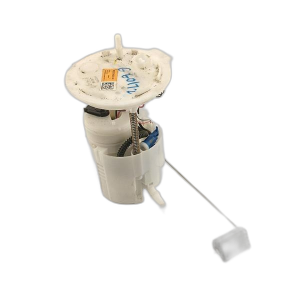
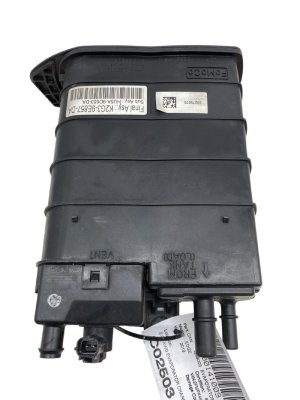
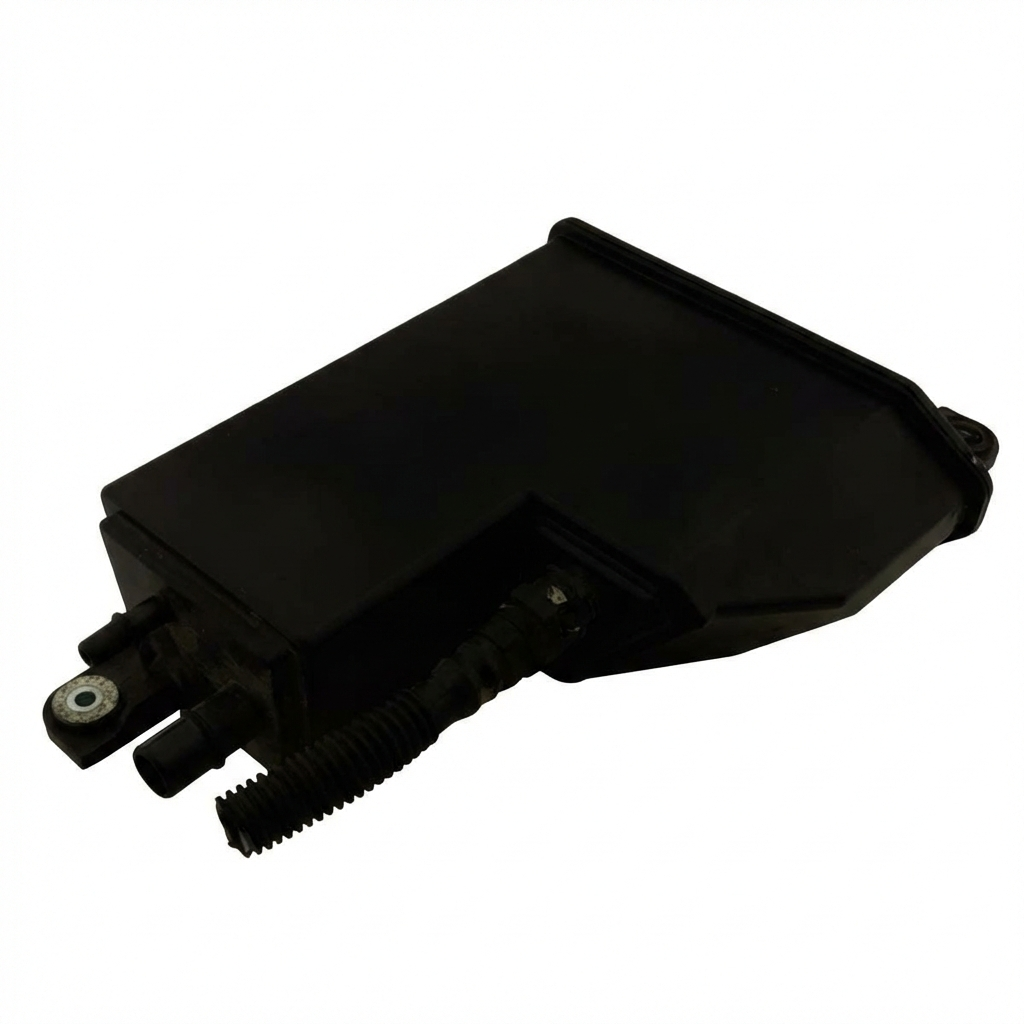
- EVAP Canister
(OEM #K2GZ-9D653-A)— Required replacement part as part of the TSB 24-2199 procedure for the disconnected in-tank vapor line.
Trusted brands: Motorcraft
OEM price range: $120-$180
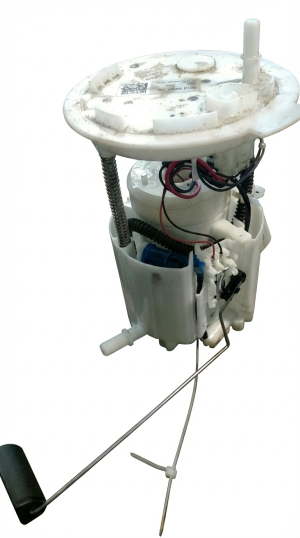
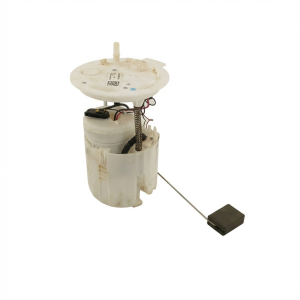
Aftermarket price range: $80-$140 - Fuel Pump and Sender Unit Ring
(OEM #4L3Z-9276-AA)— This is the seal for the fuel pump module. It is a one-time use part and must be replaced anytime the fuel tank is opened for service, as required by TSB 24-2199.
Trusted brands: Motorcraft
OEM price range: $25-$40
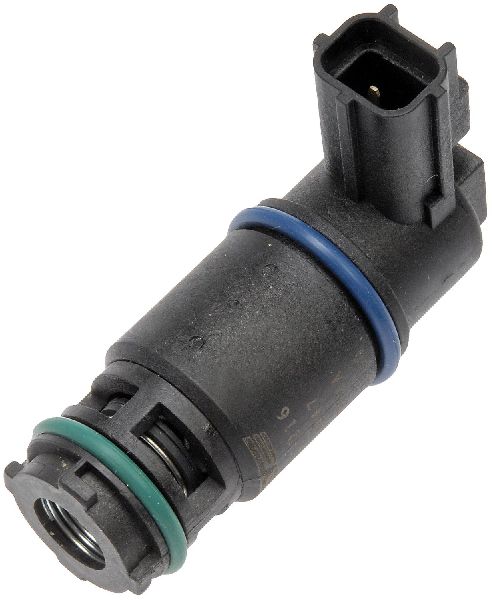
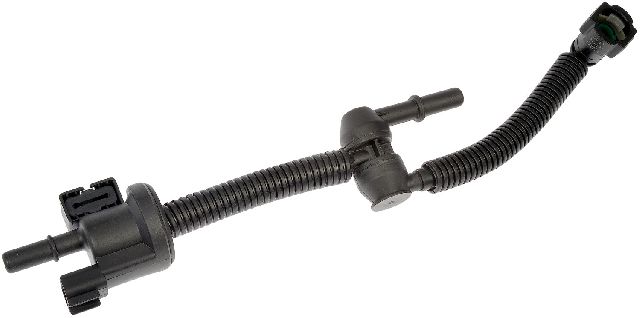
Aftermarket price range: $15-$30 - Canister Purge Valve / Purge Valve Assembly
(OEM #CU5Z-9C915-A)— While often misdiagnosed, a stuck-open purge valve is still a possible cause for P0496. Some owners have had success replacing only the valve. 🎬 Watch: A quick walkthrough on replacing the purge valve yourself. Note that for some models, it is sold as part of a larger hose assembly.
Trusted brands: Motorcraft, Bosch, Dorman
OEM price range: $40-$65
Aftermarket price range: $25-$50
Related Codes That Often Appear With This One
- P04F0 — EVAP System High Pressure Purge Line Performance. This code is cited in the same TSBs (24-2199) and points to the same in-tank vapor line issue.
- P0451 — EVAP Pressure Sensor/Switch Range/Performance. This code can be triggered by the same fault, as the pressure sensor detects the abnormal vacuum. It is also mentioned in TSBs 24-2199 and SSM 50306.
- P0455 — EVAP System Leak Detected (Large Leak). This code is also listed in the TSBs as a possible companion code caused by the disconnected in-tank line.
- P0456 — EVAP System Leak Detected (Small Leak). Mentioned in TSB SSM 50306 as another potential code that can appear alongside P0496.
Technical Service Bulletins (TSBs) & Recalls
- TSB 24-2199: Specifies that on some 2024 Edge 2.0L AWD models, DTCs including P0496 accompanied by stalling after refueling may be due to a disconnected fuel vapor line inside the fuel tank. The fix involves dropping the tank, reconnecting the hose, and replacing the EVAP canister. Labor time is listed as 4.9 hours.
- SSM 50306: A Special Service Message that warns technicians that returned EVAP canister purge valves from 2021 Edge/Nautilus and other models are often fully functional. It advises performing specific scan tool tests before replacing the purge valve for P0496.
Platform-Specific Known Issues
- Ford has identified a recurring issue where a fuel vapor line inside the fuel tank becomes disconnected. This is documented in TSB 24-2199 and is a primary cause of code P0496, often leading to stalling immediately after refueling and sometimes preventing the fuel tank from being filled past the halfway point.
Mechanic-Grade Diagnostic Values
- Fuel Tank Pressure (FTP) with purge commanded OFF — expected: Stable pressure, near 0" H2O (atmospheric pressure). Failure: A vacuum reading that drops (becomes more negative), indicating flow. A drop of more than 10 inches of water can trigger the code.
Scan Tool Commands That Help
- Ford FDRS or advanced bidirectional scanner: Purge/Vapor Management Valve Command & Vent Valve Command — To definitively test if the canister purge valve is mechanically stuck open without removing it. With the engine running, command the purge valve OFF (0%) and the vent valve ON (closed). Monitor the Fuel Tank Pressure (FTP) sensor PID. If the pressure begins to drop into a vacuum, the purge valve is leaking, as it's pulling engine vacuum into the sealed EVAP system. If the pressure is stable, the valve is likely functioning correctly.
Wiring & Ground Locations
- Main Chassis Ground — On the firewall on the driver's side, to the right of the battery, there is a ground stud.. A poor ground connection for the PCM or other modules can cause erratic sensor readings and incorrect diagnostic trouble codes.
- Forward Harness Grounds — After removing the front bumper cover, ground points for the main forward wiring harness are visible on both the driver and passenger sides of the chassis.. These grounds are critical for components in the front of the vehicle. While not directly tied to the EVAP system in most cases, checking major grounds is a key step in diagnosing any electrical issue.
- PCM / Canister Vent Fuse — In the under-hood fuse box, fuse F33 (10A) protects the circuit for 'Powertrain control module - vehicle power 2, Canister vent, Vapor blocking valve, Heated oxygen post'.. A blown fuse on this circuit would disable the canister vent valve and could cause various EVAP codes, including P0496.
Real Owner Repair Stories
- YouTube video by 'BirdyFab' (2021 Ford Edge) — Check Engine Light with code P0496.
❌ Tried (didn't work) The mechanic did not want to pay over $300 for the official Ford purge valve and hose assembly.
✅ What actually fixed it The mechanic diagnosed a stuck-open canister purge valve. Instead of replacing the entire expensive assembly, he purchased a $13 aftermarket valve from Amazon. He carefully heated the plastic tubes of the original assembly to remove the old valve and press the new one on, saving hundreds of dollars. The fix was successful and the code cleared. - YouTube video by 'Valeriu Moscalu' (2019 Ford Edge) — Check Engine Light with codes P0496 and P0456.
✅ What actually fixed it The mechanic replaced the entire EVAP purge valve and hose assembly. He demonstrated that the old valve was stuck open by easily blowing air through it, while the new valve was properly sealed shut. After installation and clearing the codes, the Check Engine Light did not return.
"I Checked Everything" — The Actual Cause
- A standard EVAP smoke test may pass (show no leaks) even when the root cause for P0496 is the disconnected in-tank vapor line described in TSB 24-2199. A smoke test is designed to find leaks where vapor escapes to the atmosphere. The TSB issue, however, is an internal problem causing fuel vapor to be improperly drawn into the engine, creating a vacuum when none is commanded. This condition is about unwanted *flow*, not an external leak, which is why a smoke test can be misleading and why Ford warns against automatically replacing the purge valve.
When the Usual Fixes Don't Work
- While the primary causes for P0496 on this platform are the in-tank hose (per TSBs) or a stuck purge valve, there is anecdotal evidence from other contemporary Ford models that a resolution can sometimes require replacing multiple parts of the EVAP system. In one case involving a 2021 Ford EcoSport, the P0496 code and drivability issues persisted after replacing just the purge valve, and again after replacing just the vent valve. The problem was only solved when both the purge valve in the engine bay and the vent valve by the charcoal canister were replaced. This suggests that in some stubborn cases, the fault may not be isolated to a single component.
OEM Part Supersession History
CU5Z-9C915-A→Part of a larger hose assembly (no single PN available)— The standalone purge valve CU5Z-9C915-A is listed for 2015-2018 Ford Edge models and is now shown as discontinued by Ford. For 2019+ models, including the 2021-2024 range, the valve is typically integrated into a non-serviceable hose assembly, which is why the full assembly is often quoted for replacement.
Heads up: Attempting to use only the CU5Z-9C915-A valve on a 2021-2024 model may not be possible without modifying the hose assembly, as shown in some DIY repairs.
Model Year Variations Within This Range
- 2024: TSB 24-2199, which details the fix for the disconnected internal fuel tank vapor line, specifically calls out 'some 2024 Edge vehicles equipped with a 2.0L engine and AWD'. While the issue may exist on other years (as suggested by the broader SSM 50306), this TSB provides the most detailed repair procedure and parts list for this specific model year.
Helpful Videos

Used OEM Parts in Stock
New Aftermarket Parts Available


The information in this article is provided for general reference and educational purposes only. Vehicle specifications, procedures, and part compatibility can vary by production date, trim level, and region. Always consult your vehicle's factory service manual and verify part numbers before purchasing or performing repairs. Safety-critical components such as airbags, seat belts, and braking systems should be installed by a qualified professional.
- Ford EDGE:
- 🧭 Diagnostic Flowchart
- 🎬 Helpful Videos
- 🛍️ Shop This Part
- What's Unique About the 2021-2024 Ford EDGE
- Symptoms You May Notice
- Most Likely Causes
- Rare But Worth Checking
- Diagnosis Steps
- Parts You'll Likely Need
- Related Codes That Often Appear With This One
- Technical Service Bulletins (TSBs) & Recalls
- Platform-Specific Known Issues
- Mechanic-Grade Diagnostic Values
- Scan Tool Commands That Help
- Wiring & Ground Locations
- Real Owner Repair Stories
- "I Checked Everything" — The Actual Cause
- When the Usual Fixes Don't Work
- OEM Part Supersession History
- Model Year Variations Within This Range
- 🎟️ Get 5% Off