

P0496 on 2013-2019 Ford Flex 3.5L: Causes and Fixes for EVAP High Purge Flow
On a 2013-2019 Ford Flex, code P0496 is almost always caused by a faulty vapor canister purge valve that is stuck open. A common symptom is difficulty starting the engine right after refueling. Replacing the purge valve is a simple, 15-minute DIY job with the part costing between $35 and $60.
- P0496 on a Ford Flex almost always points to a bad vapor canister purge valve.
- A key symptom is the engine struggling to start immediately after you fill up the gas tank.
- You can confirm the problem in minutes with a simple test: check for suction on the purge valve's port while the engine is running.
What's Unique About the 2013-2019 Ford Flex
The 3.5L V6 engine, in both naturally aspirated and EcoBoost forms, used across the Ford Flex, Explorer, and Taurus lineup is well-known for this issue. The primary symptom of a hard start after filling the gas tank is a classic indicator of a stuck-open purge valve on these vehicles. While the cause is straightforward, Ford has issued service messages for newer models (SSM 50306) advising technicians to confirm the failure with a specific scan tool test before replacing the part, as other system leaks can sometimes be the root cause.
Symptoms You May Notice
- Check Engine Light is on
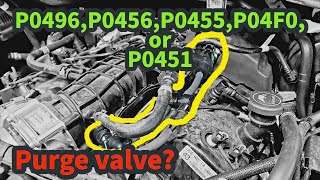
- Difficulty starting the engine, especially right after refueling 🎬 Watch: Why a bad purge valve causes hard starting.
- Rough or unstable idle
- Slightly reduced fuel economy
- Possible fuel odor
- A 'whooshing' or suction sound from the fuel tank area after shutting the engine off or when removing the gas cap (related to code P1450)
- Stalling while driving on the freeway or experiencing a vehicle shut off (as reported in NHTSA ODI #11727824)
- Inoperable remote start function or unusual sounds when attempting to use remote start (noted in NHTSA ODI #11558036)
- Replacing the gas cap. While a loose or faulty gas cap can cause other EVAP codes (like P0455 or P0457), it is not a typical cause for P0496, which points to unwanted flow rather than a large system leak.
- Replacing the charcoal canister. The canister itself is usually just a storage container for vapors and rarely fails in a way that causes this specific code. It is more likely to be replaced in error when the purge valve is the actual culprit.
Most Likely Causes
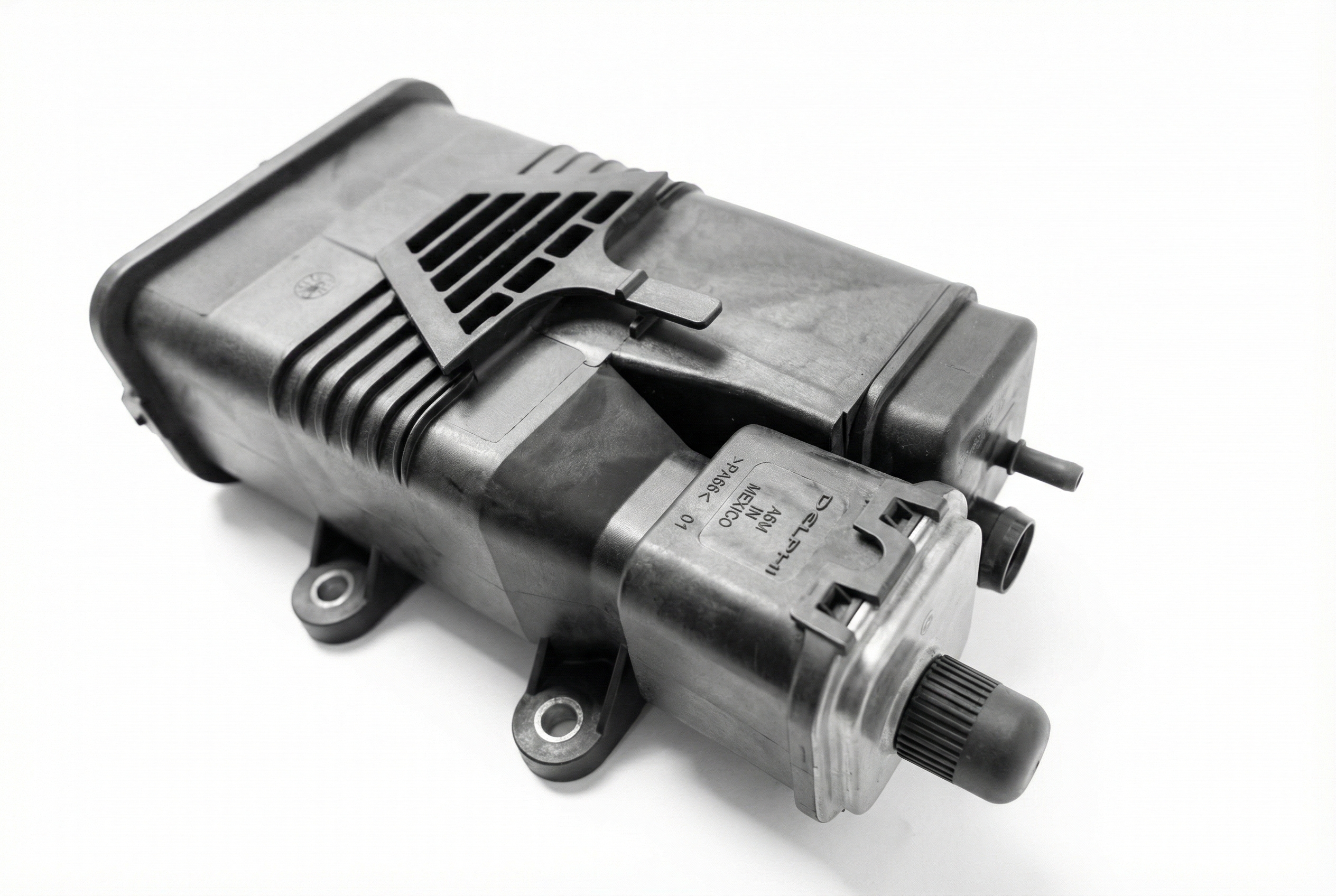
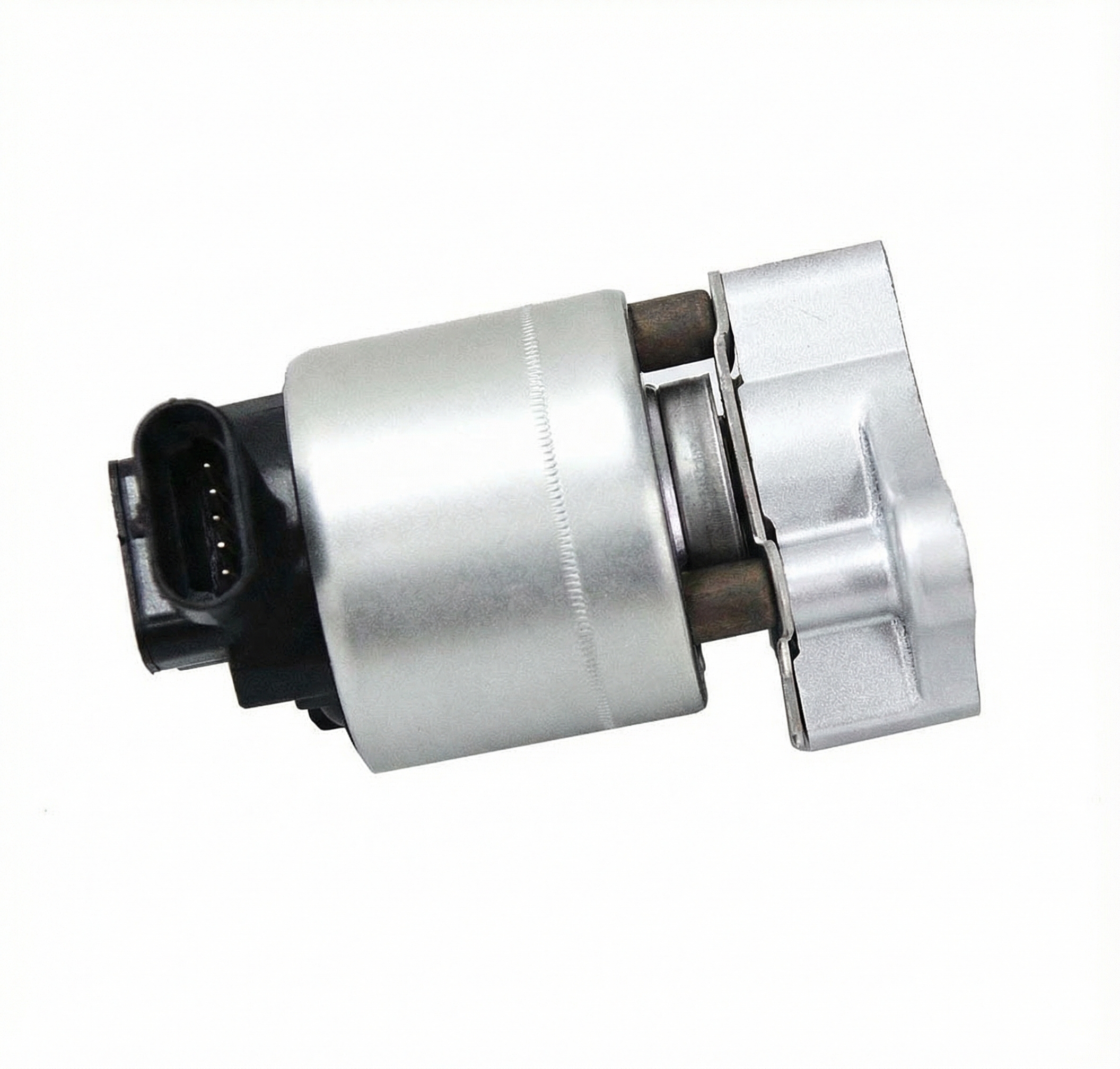
- Faulty Vapor Canister Purge Valve (Solenoid) 🔴 High Probability → Shop Vapor Canister This specific part is a very common failure item on many Ford vehicles equipped with the 3.5L V6 engine family. It can get stuck open internally due to wear or debris, allowing a constant, unregulated flow of fuel vapor into the intake manifold.
How to confirm: With the engine running, disconnect the EVAP hose from the purge valve. Place your finger over the port on the valve itself. If you feel any vacuum or suction, the valve is stuck open and has failed. Alternatively, remove the valve from the vehicle and try to blow through it; if air passes through, it is faulty and must be replaced.
Typical fix: Replace the vapor canister purge valve. It is located on top of the engine and is typically held in place by two 8mm or 10mm bolts. See 'Vehicle Specific Issues' for location differences between engine types.
Est. part cost: $35-$60
Rare But Worth Checking
- Leaking EVAP System Hoses: Cracked or disconnected hoses in the EVAP system can cause a vacuum leak that the system may interpret as improper flow. A visual inspection of all lines running from the engine bay to the charcoal canister is recommended, though this is much less common than a failed purge valve.
- Faulty Fuel Tank Pressure (FTP) Sensor: → Shop Fuel Tank A malfunctioning FTP sensor can send incorrect data to the computer, making it think there is a flow issue when there isn't one. This is rare and should only be considered after the purge valve has been confirmed to be working correctly.
- Short in Purge Valve Wiring/Connector: → Shop Vapor Canister In very rare cases, the wiring to the purge valve could be shorted, causing the valve to stay open when it shouldn't. This would typically be diagnosed by checking for constant voltage at the connector with the key on. A manufacturer service bulletin, Bulletin #SSM 51247, notes that P0496 can sometimes be caused by issues at a wiring harness connection (specifically connector C1198) located on the driver's side lower frame area.
Diagnosis Steps
- Read the code with an OBD-II scanner to confirm P0496 and check for other related codes like P1450.
- Check the gas cap to ensure it is tight and the seal is intact, ruling out a simple issue.
- Locate the vapor canister purge valve on the 3.5L V6 engine. For the naturally aspirated engine, it's on the front of the intake manifold. For the 3.5L EcoBoost, it's on the top rear of the engine.
- With the engine running at idle, disconnect the electrical connector and the rear-facing vapor line from the purge valve.
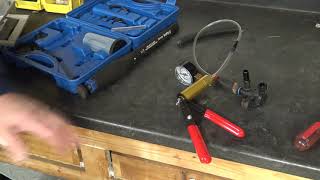
- Place your finger over the open port on the valve itself. If you feel any suction, the valve is stuck open and must be replaced. This is the definitive test. 🎬 Watch: How to test the purge valve with no tools.
- If no suction is felt, the issue may be intermittent or more complex, such as a wiring issue or a problem with the fuel tank pressure sensor, which may require professional diagnosis with a smoke machine or scan tool.
- After replacing the part, clear the codes with the scanner and perform a drive cycle to ensure the Check Engine Light does not return.
Parts You'll Likely Need
- Vapor Canister Purge Valve
(OEM #AU5Z-9C915-E)— This is the most common failure point for code P0496 on this vehicle. It gets stuck open, allowing unregulated fuel vapor into the engine. The part number has been superseded multiple times; AU5Z-9C915-E replaces older versions like AU5Z-9C915-B and CX-2695.
Trusted brands: Motorcraft (OEM), Dorman (e.g., 911-222), Standard Motor Products
OEM price range: $40-$60
Aftermarket price range: $25-$45
Related Codes That Often Appear With This One
- P1450 — On Ford vehicles, P1450 ('Unable to Bleed Up Fuel Tank Vacuum') is very common alongside P0496. A stuck-open purge valve creates a constant vacuum pull on the entire EVAP system and fuel tank. The PCM expects this vacuum to bleed off when the engine is off, but it can't, directly triggering P1450.
- P2196 / P2198 — These codes indicate an O2 sensor is stuck in a rich condition. A leaking purge valve allows extra, un-metered fuel vapor into the engine. This enriches the air-fuel mixture beyond what the PCM expects, causing the O2 sensors to report a constant rich condition.
- P0456 — This code for a very small EVAP leak may appear alongside P0496. NHTSA ODI #11537486 describes a case where both codes were present, leading to a recommendation for a new vapor management valve and charcoal canister.
Technical Service Bulletins (TSBs) & Recalls
- SSM 50306: For some 2018-2022 Ford models, this message notes that returned purge valves often test good. It advises performing a full EVAP system leak test using a Ford scan tool before replacing the purge valve to avoid unnecessary repairs.
- Bulletin #SSM 51247: This bulletin indicates that P0496, along with other codes like P0455 and P0451, may be triggered by a fault in the wiring harness connection at connector C1198, located on the driver's side lower frame area.
Platform-Specific Known Issues
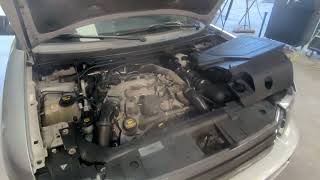
- Purge Valve Location Varies by Engine: → Shop Vapor Canister The 2013-2019 Ford Flex was offered with two versions of the 3.5L V6. On the naturally aspirated (non-turbo) engine, the purge valve is easily accessible on the front of the upper intake manifold. On the 3.5L EcoBoost (twin-turbo) engine, it is located on the top rear of the engine, closer to the firewall, which can be slightly more difficult to access. 🎬 See this video for the EcoBoost purge valve location.
Mechanic-Grade Diagnostic Values
- Fuel Tank Pressure (FTP) Sensor Voltage at KOEO (Key On, Engine Off) — expected: 2.4V - 2.8V (at atmospheric pressure). Failure: A voltage significantly outside this range suggests a biased or faulty sensor. A reading approaching 4.5V with the engine running indicates unwanted vacuum.
- Vapor Canister Purge Valve Solenoid Coil Resistance — expected: 10 - 60 Ohms. Failure: A reading outside this range, or an open circuit (infinite resistance) or short circuit (near zero resistance), indicates a failed solenoid coil. Note: This only tests the electrical coil, not a mechanical jam.
- EVAP System Vacuum Threshold for P0496 — expected: Less than 10 inches of H2O when purge is not commanded.. Failure: The PCM sets code P0496 when it detects a vacuum of more than 10 inches of water when the purge valve is commanded closed.
- Purge Valve Connector Voltage — expected: 12V (Battery Voltage) at one pin with key on.. Failure: No voltage indicates a wiring or fuse issue upstream of the valve, preventing it from being controlled by the PCM.
Scan Tool Commands That Help
- Ford IDS, FORScan, or other advanced bidirectional scanner: EVAP Purge Valve Control / Commanded Evaporative Purge — This function allows a technician to manually command the purge valve to open and close. It is used to verify the valve's mechanical operation and to test the system's response by monitoring the Fuel Tank Pressure (FTP) sensor. Commanding the valve closed should result in no change in FTP sensor readings; if vacuum builds, the valve is leaking internally.
Wiring & Ground Locations
- Purge Valve Connector — Directly on the purge valve solenoid, located on the front (naturally aspirated) or rear (EcoBoost) of the intake manifold.. This 2-pin connector provides power and ground control from the PCM. A poor connection, corrosion, or damaged wire here can prevent the valve from closing, mimicking a failed valve. One pin should have battery voltage with the key on.
- G100 / G101 — G100 is on the right front of the engine compartment; G101 is on the left front of the engine compartment.. These are primary engine bay ground points. While not directly for the purge valve, a poor ground here can cause erratic behavior in the PCM or other sensors, potentially leading to misdiagnosis. A clean, tight connection is crucial for overall system stability.
- G103 / G104 — Located on the top of the transmission and on the transmission assembly, respectively.. These grounds are critical for the powertrain and PCM. A loose or corroded ground here can cause a host of intermittent electrical issues, including incorrect sensor readings that could falsely trigger EVAP codes.
Real Owner Repair Stories
- YouTube video 'DIY Purge Valve -- (P0456) EVAP Minor Leak on 2014 Ford Flex' (2014 Ford Flex) — Check Engine Light with a P0456 (minor leak), but the diagnostic principle is identical for P0496.
❌ Tried (didn't work) Initially suspected the capless fuel filler neck, which is a common EVAP leak source on Fords.
✅ What actually fixed it The user performed a definitive test by disconnecting the purge valve's electrical connector (forcing it to a default closed state) and vapor line, then starting the engine. By placing a finger over the valve's port and feeling suction, they confirmed the valve was mechanically stuck open. Replacing the purge valve fixed the issue. - NHTSA ODI #11606854 — An owner reported that a cheap scanner tool revealed code P0496, and they experienced the primary symptom of a rough start after filling the gas tank, which was attributed to the canister purge valve remaining stuck open.
- NHTSA ODI #11558036 — One driver noted that shortly after the check engine light came on for P0496, the vehicle felt as if it "wasn't getting gas" and the built-in remote start function stopped working correctly.
OEM Part Supersession History
AU5Z-9C915-A, AU5Z-9C915-B, AU5Z-9C915-C, AU5Z-9C915-D→AU5Z-9C915-E— Standard part revision and improvement by the manufacturer.CX-2383, CX-2409, CX-2450, CX-2470→CX-2695 (Motorcraft Service Part Number)— Consolidation of service part numbers. CX-2695 is the service equivalent for the AU5Z-9C915-E assembly.
Heads up: CX-2695 is the correct and most current Motorcraft service part number that corresponds to the latest OEM engineering number AU5Z-9C915-E.
Diagnostic Flowchart
Other Known Issues on This Vehicle
Issues unrelated to this code that are worth knowing about as an owner of this generation:
- Internal Water Pump Failure 🔴 High — Can occur anywhere from 60,000 to 150,000+ miles. Failure is eventual. When the internal seal fails, it leaks coolant directly into the engine oil, leading to catastrophic engine damage if not caught immediately via the external wep hole.
- PTU (Power Transfer Unit) Failure (AWD Models) 🔴 High — Common on AWD models, often starting after 60,000 miles. The 'lifetime' fluid is cooked by exhaust heat, causing it to break down and leading to bearing/gear failure. Symptoms include a burning gear oil smell and whining noises. (Ref: TSB 19-2017 addresses a fluid leak from the intermediate shaft seal.)
- Timing Chain Stretch (3.5L EcoBoost) 🔴 High — Primarily affects first-generation (pre-2017) 3.5L EcoBoost engines. A characteristic startup rattle is the main symptom. If unaddressed, it can lead to incorrect timing and engine damage.
- Electric Power Steering (EPAS) Rack Failure 🟠 Medium — Can fail unexpectedly, often after 80,000 miles, resulting in a sudden loss of power assist and requiring a costly replacement of the entire steering rack assembly. (Ref: Recall 15V34000 for some 2011-2013 models.)
- Carbon Buildup on Intake Valves (3.5L EcoBoost) 🟠 Medium — A common issue for all direct-injection engines. Over 50,000-100,000 miles, buildup can restrict airflow, causing rough idle, misfires, and a gradual loss of performance.
Used vs. New Parts: Buying Guide for This Vehicle
When a used part is the smart pick: For this specific repair (P0496), a used part is NOT recommended. The vapor canister purge valve is a known high-failure item that is inexpensive to buy new. The risk of getting a used part that has already failed or is near the end of its service life is very high.
What to inspect on the donor part:
- Not applicable as a used part is not advised for this repair.
OEM-only on this vehicle (don't cheap out):
- While not strictly 'OEM-only', using the Motorcraft (OEM) part (CX-2695 / AU5Z-9C915-E) is highly recommended for this repair due to the low cost and high reliability compared to some aftermarket alternatives.
Aftermarket brands forum-validated for this vehicle:
- Dorman (911-222) is a widely available and generally acceptable aftermarket alternative if the OEM part is not available.
- Standard Motor Products (SMP)
Brands owners have reported issues with on this vehicle:
- Some user reviews indicate that unbranded or very low-cost online parts may fail prematurely, sometimes immediately upon installation, causing the same P0496 code to return.
Real Owner Stories
Aggregated from forums and TSBs cited above. Mileages and costs reflect what owners reported in those sources.
2014 Ford Flex
Symptoms: Check engine light was on, initially indicating a fuel tank pressure sensor issue.
What fixed it: Just change the purge valve.
Source hint: r/FordFlex thread titled 'Purge valve/check engine light : r/FordFlex'
2020 Explorer ST — 19700 miles
Symptoms: Check engine light with code P0496.
What fixed it: The owner ordered the replacement purge valve assembly after a Ford tech confirmed the original was stuck open.
Source hint: Explorer ST Forum thread titled 'I've got a Check Engine Light | Explorer ST Forum'
2013+ Ford Flex
Symptoms: Hard starting after fueling and a P0496 code.
What fixed it: Replacing the purge valve (Motorcraft CX2695 / AU5Z-9C915-B). The repair took less than 10 minutes.
Source hint: fordflex.net thread titled 'P0496 code and hard starting after fueling'
Ford Owner Report (NHTSA ODI #11727824)
Symptoms: After fueling, code P0496 appeared and the car would not start or would struggle to start. The owner also reported stalling on the freeway and a rough idle.
What fixed it: Diagnosis confirmed the P0496 code was the primary fault after the vehicle shut off during operation.
Ford Owner Report (NHTSA ODI #11537486)
Symptoms: Struggling to turn the vehicle on after filling up the tank.
What fixed it: A dealership inspection found codes P0496 and P0456, requiring a replacement of the vapor management valve (VMV) and charcoal canister along with reprogramming.
Related OBD-II Codes
Frequently Asked Questions
Where is the purge valve located on my 2013-2019 Ford Flex with the 3.5L V6?
Is there a specific Motorcraft part number I should use for the P0496 fix?
Does Ford have a technical service message regarding purge valve replacements for newer models?
Why does my Flex have trouble starting only after I fill up the gas tank?
Could my P0496 code be covered under warranty?
Is the P0496 code related to the 'whooshing' sound I hear from my gas tank?
Helpful Videos



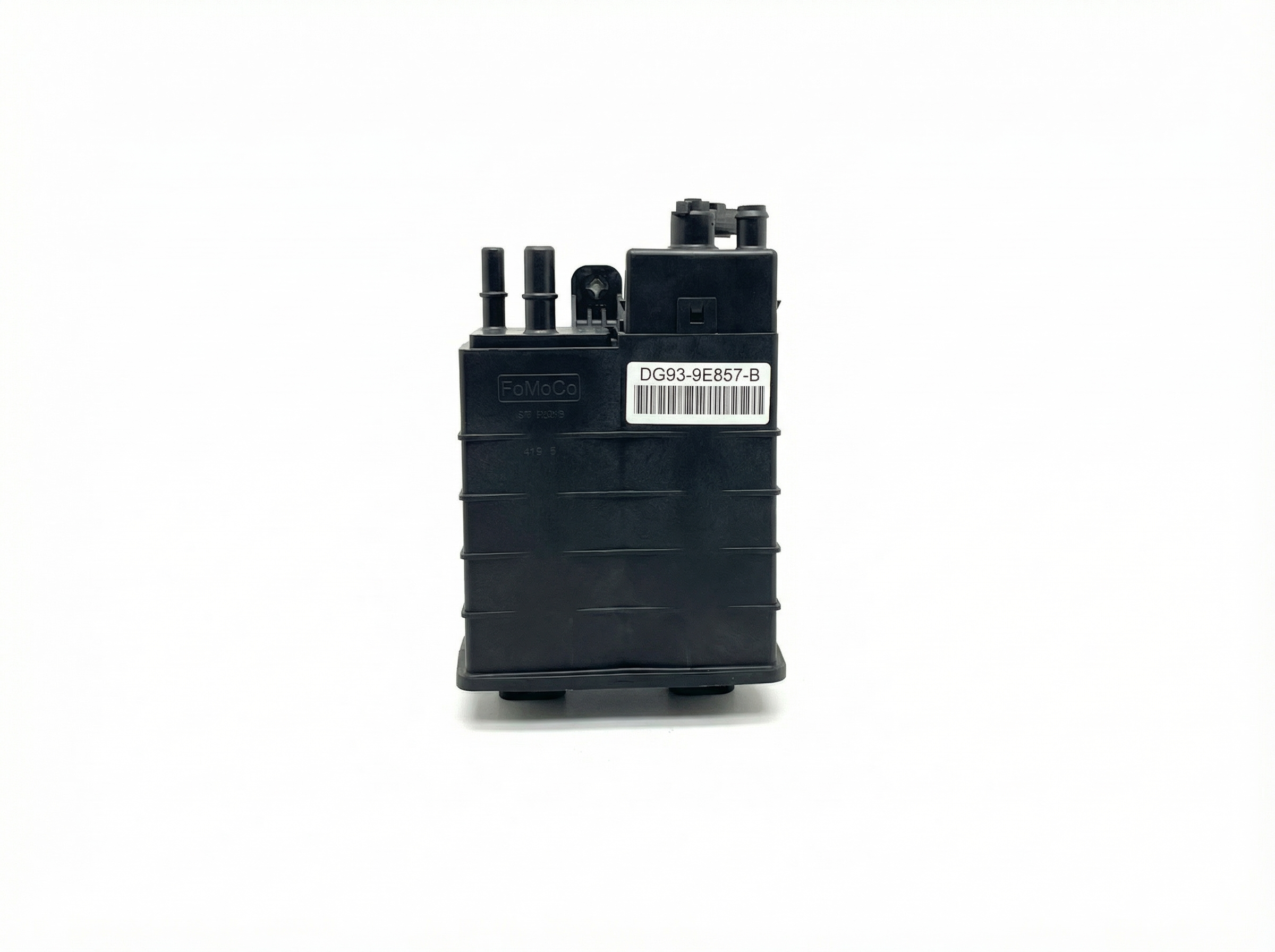
Used OEM Parts in Stock
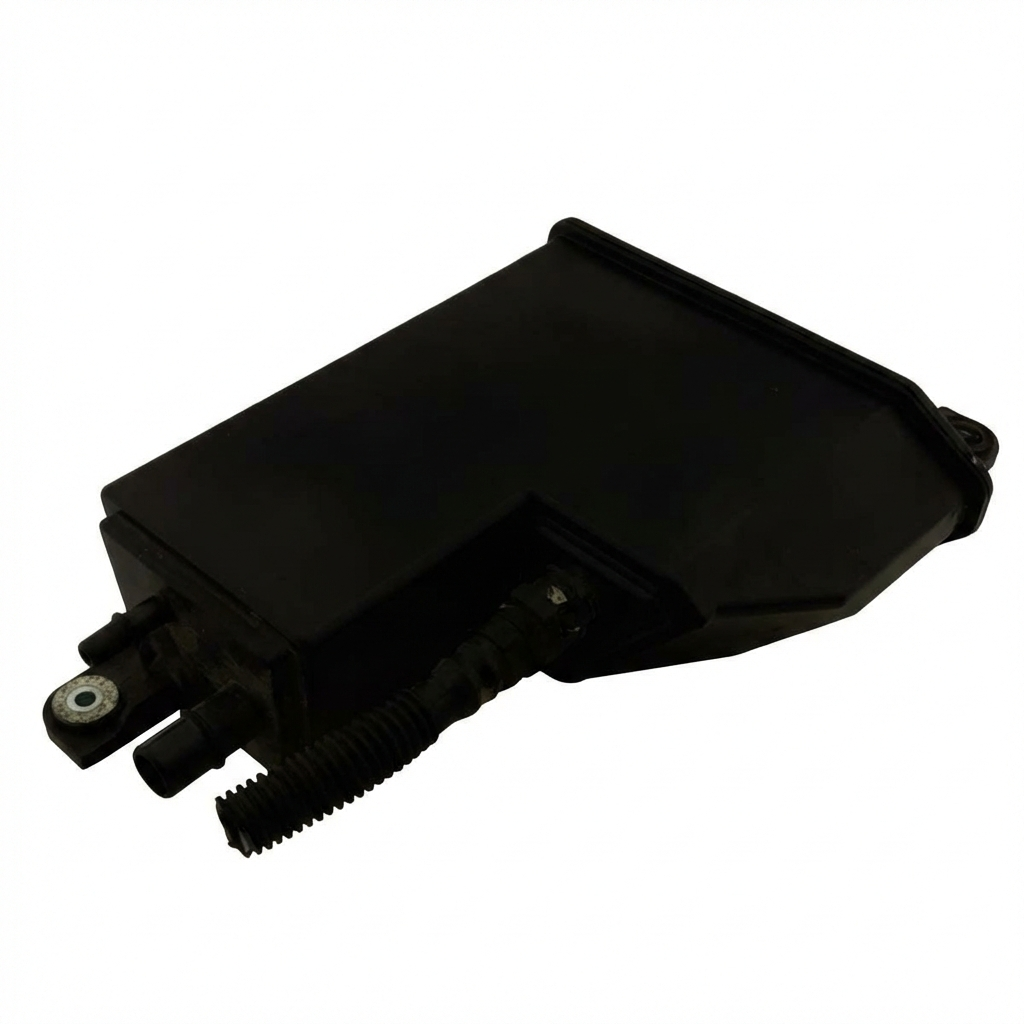
New Aftermarket Parts Available


The information in this article is provided for general reference and educational purposes only. Vehicle specifications, procedures, and part compatibility can vary by production date, trim level, and region. Always consult your vehicle's factory service manual and verify part numbers before purchasing or performing repairs. Safety-critical components such as airbags, seat belts, and braking systems should be installed by a qualified professional.
- Ford Flex:
- 🧭 Diagnostic Flowchart
- 🎬 Helpful Videos
- 🛍️ Shop This Part
- What's Unique About the 2013-2019 Ford Flex
- Symptoms You May Notice
- Most Likely Causes
- Rare But Worth Checking
- Diagnosis Steps
- Parts You'll Likely Need
- Related Codes That Often Appear With This One
- Technical Service Bulletins (TSBs) & Recalls
- Platform-Specific Known Issues
- Mechanic-Grade Diagnostic Values
- Scan Tool Commands That Help
- Wiring & Ground Locations
- Real Owner Repair Stories
- OEM Part Supersession History
- Other Known Issues on This Vehicle
- Used vs. New Parts: Buying Guide for This Vehicle
- Real Owner Stories
- 2014 Ford Flex
- 2020 Explorer ST — 19700 miles
- 2013+ Ford Flex
- Ford Owner Report (NHTSA ODI #11727824)
- Ford Owner Report (NHTSA ODI #11537486)
- Related OBD-II Codes
- Frequently Asked Questions
- 🎟️ Get 5% Off