

P0496 on 2016-2022 Honda Pilot: EVAP High Purge Flow Causes and Fixes
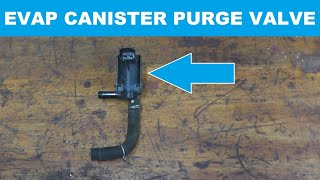
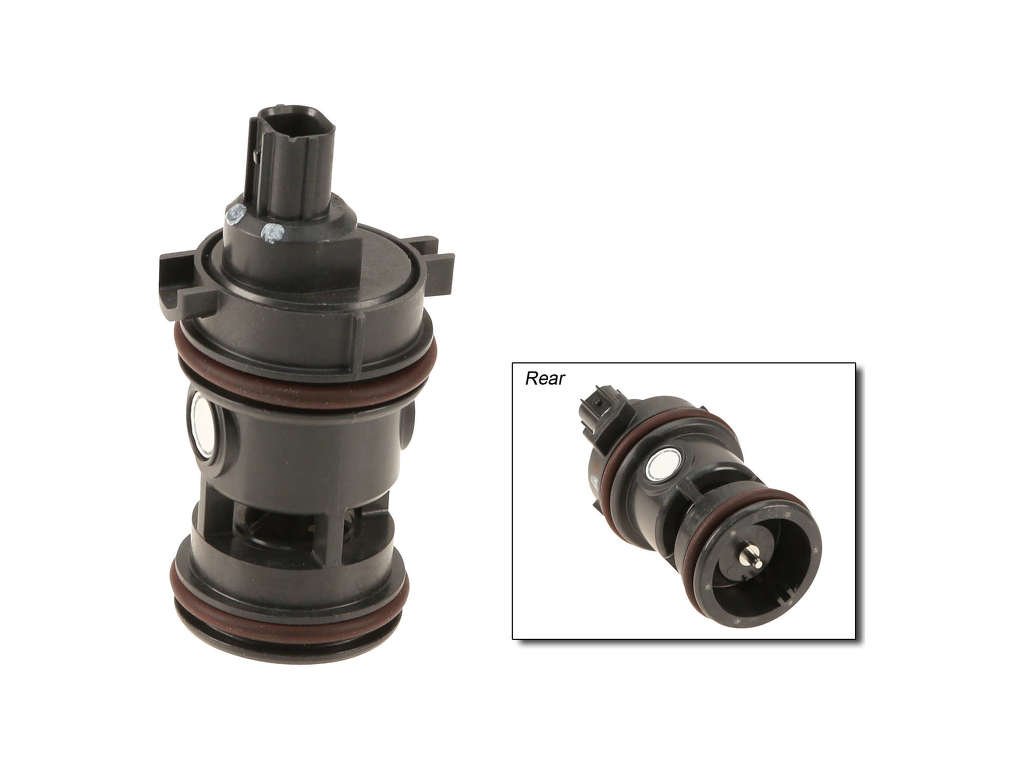
For a 2016-2022 Honda Pilot with the 3.5L V6 engine, code P0496 is almost always caused by a faulty EVAP canister purge valve (OEM Part #36162-5G0-A01) that is stuck open. This allows fuel vapors to enter the engine when they shouldn't, causing a check engine light, rough idle, and difficulty starting after refueling. It is a simple and inexpensive DIY repair, with the part costing between $30 and $100.
- P0496 on a 2016-2022 Honda Pilot means fuel vapors are being purged into the engine when they shouldn't be.
- The most likely cause by a wide margin is a faulty EVAP canister purge valve (Part #36162-5G0-A01) that is stuck open.
- Symptoms include a check engine light, rough idle, and significant difficulty starting the engine right after getting gas.
- Diagnosing the purge valve is simple: if you can blow through it when it's disconnected and unpowered, it's bad.
- This is a very DIY-friendly repair that can be done in under 15 minutes with a 10mm socket and pliers.
What's Unique About the 2016-2022 Honda Pilot
On Honda vehicles equipped with the J35Y6 3.5L V6 engine, including the 2016-2022 Pilot and its platform mates (Odyssey, Ridgeline, Passport, Acura MDX), the P0496 code points very strongly to a failure of the canister purge valve solenoid. While other causes are possible, this specific component is the most frequent point of failure for this code across these models. The issue is so common that it's often the first and only part mechanics will test or replace. The purge valve is located conveniently in the engine bay, right on top of the engine cover, making it exceptionally easy to access for diagnosis and replacement, often in under 15 minutes.
Symptoms You May Notice
- Check Engine Light is on
- Difficulty starting the engine, often requiring extended cranking, especially right after refueling. 🎬 Watch: Why your Honda struggles to start after getting gas
- Rough, unstable, or stumbling idle, which may lead to stalling.
- Slight decrease in fuel economy.
- A possible, but not always present, fuel smell.
- Replacing the gas cap. While a loose or faulty gas cap can cause other EVAP codes (like P0455 or P0457 for large leaks), it is not a typical cause for P0496, which relates to excessive flow from a stuck-open component, not a system leak.
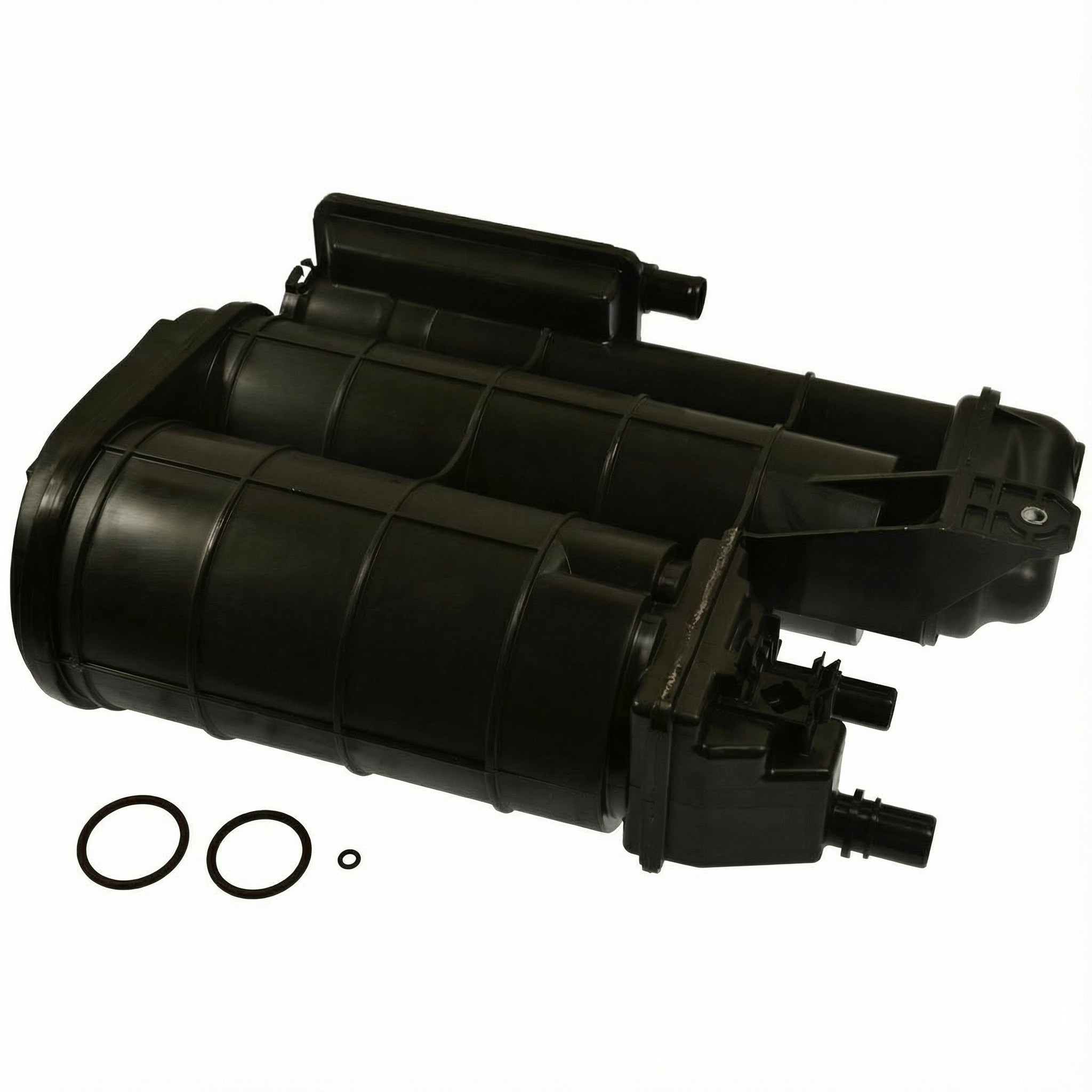
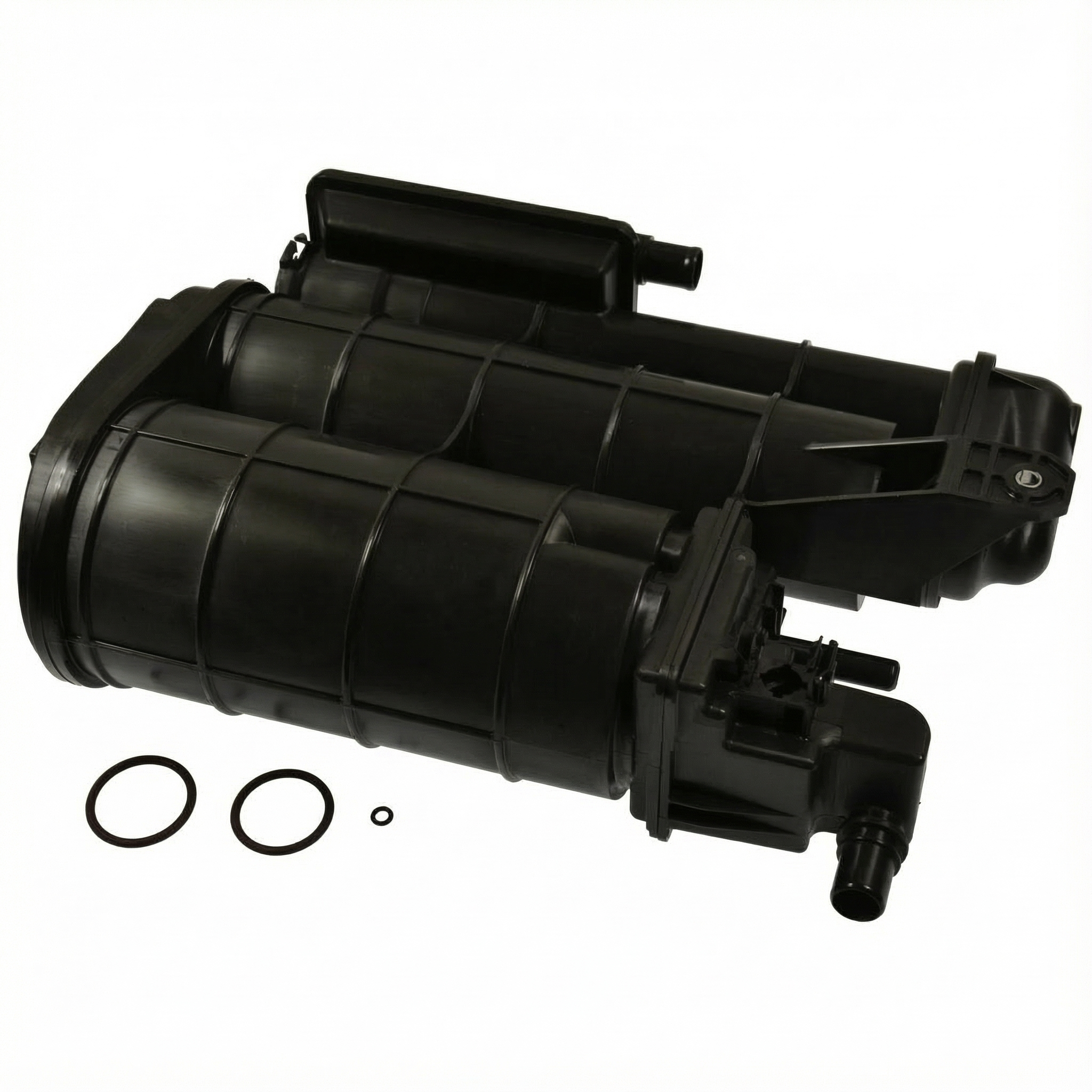
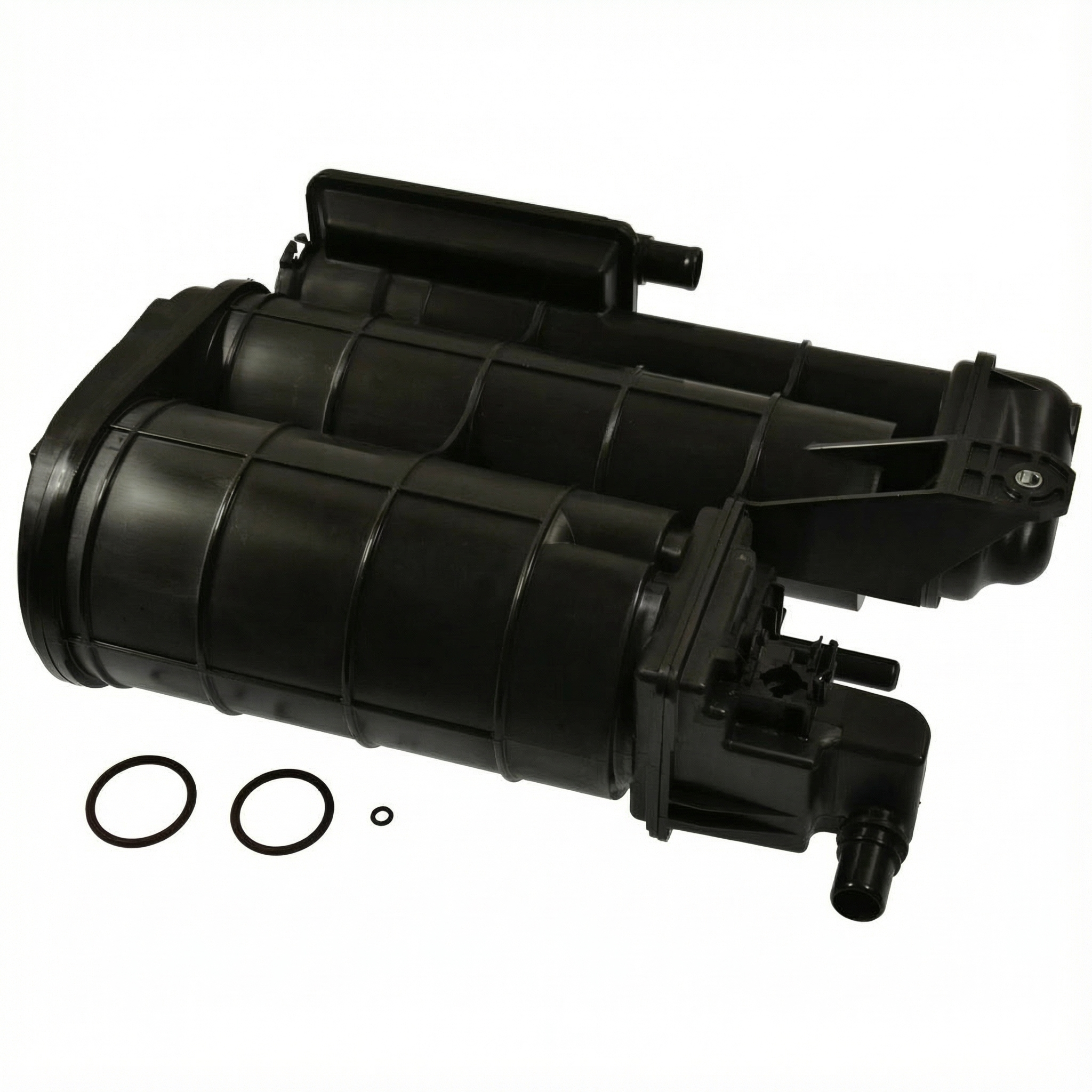
- Replacing the charcoal canister. The canister itself is a passive component that stores vapors. It rarely fails and is an expensive part to replace unnecessarily. It would typically only be suspect if it were physically damaged or saturated with liquid fuel.
Most Likely Causes
- Faulty EVAP Canister Purge Valve/Solenoid 🔴 High Probability → Shop Vapor Canister This is the most common failure point for P0496 on most vehicles, and is especially prevalent on the Honda J35 engine series. The valve's internal mechanism fails, causing it to remain stuck in the open position, allowing un-metered fuel vapor to constantly flow into the intake manifold.
How to confirm: With the engine off, disconnect the purge valve's electrical connector and the two hoses attached to it. Try to blow through the valve from either port. If any air passes through, the valve is stuck open and must be replaced. A properly functioning valve should be completely closed when unpowered.
Typical fix: Replace the EVAP canister purge valve. It is located on top of the engine, secured by two 10mm bolts, making it a very straightforward DIY job. 🎬 See this quick walkthrough of the purge valve replacement
Est. part cost: $30-$100
Rare But Worth Checking
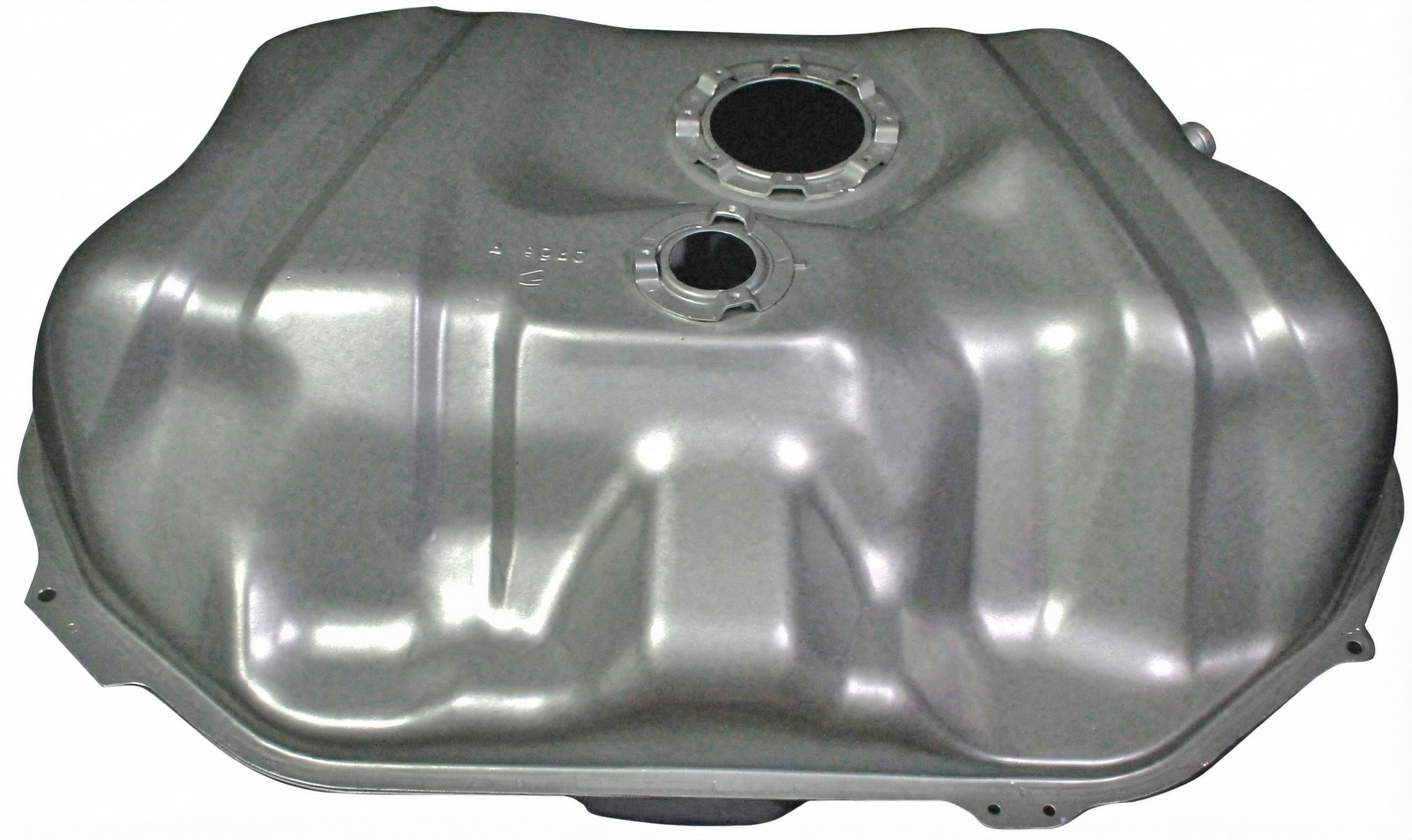
- Faulty Fuel Tank Pressure (FTP) Sensor: → Shop Fuel Tank The FTP sensor tells the computer the pressure in the EVAP system. If it provides an incorrect reading (e.g., showing a vacuum when there is none), the computer might mistakenly set a P0496 code.
- Leaking or disconnected EVAP hoses: A crack or disconnection in one of the hoses, particularly between the purge valve and the intake manifold, can cause a vacuum leak. A visual inspection or a smoke test can identify such leaks.
- Faulty EVAP Canister Vent Valve: → Shop Vapor Canister The vent valve, located near the charcoal canister under the vehicle, can also fail and cause EVAP system problems, though it's less commonly associated with P0496 specifically and more with other codes like P0497.
- Wiring issue: A short or open in the wiring to the purge valve solenoid can prevent it from closing properly, leading to unwanted purge flow. This is less common than the valve itself failing.
Diagnosis Steps
- Scan the vehicle's computer for trouble codes. Confirm that P0496 is present.
- Locate the EVAP canister purge valve in the engine bay. On the 2016-2022 Pilot, it is on top of the engine, visible after removing the plastic engine cover.
- With the engine off, disconnect the electrical connector from the purge valve.
- Disconnect the two vapor hoses from the valve. You may need pliers to release the hose clamps.
- Attempt to blow air through the valve from the port that connects to the charcoal canister. If air passes through to the intake manifold port, the valve is stuck open and must be replaced. A good valve will be sealed shut. 🎬 Watch: How to bench test your purge valve for leaks
- If the valve is not stuck open, check the wiring harness for the purge valve. Ensure there is voltage at the connector when the key is on (or during a purge cycle commanded by a scan tool).
- Inspect all visible EVAP hoses for cracks, disconnections, or damage, especially the lines connected directly to the purge valve.
- If the purge valve and hoses are good, the issue may be with the Fuel Tank Pressure (FTP) sensor or, rarely, the PCM itself. Further diagnosis with a professional scan tool may be needed to monitor FTP sensor data.
Parts You'll Likely Need
- EVAP Canister Purge Valve Solenoid
(OEM #36162-5G0-A01)— This is the most common cause of code P0496. The internal valve fails and gets stuck in the open position, allowing fuel vapors to flow when they shouldn't. The previous part number 36162-RMX-A01 is for older models.
Trusted brands: Honda (Genuine), Dorman, Standard Motor Products (CP506T), Denso (Original Equipment Manufacturer)
OEM price range: $50-$90
Aftermarket price range: $30-$60
Related Codes That Often Appear With This One
- P0172/P0175 — These codes indicate a rich fuel condition in Bank 1 or Bank 2. A stuck-open purge valve allows un-metered fuel vapors into the engine, which can create a rich condition, especially at idle.
- P0441 — This code indicates incorrect purge flow. It can appear alongside P0496 as the computer struggles to regulate the EVAP system due to the faulty valve.
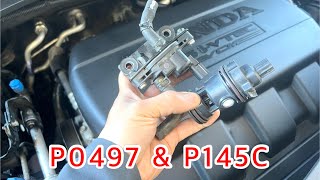
- P145C — On some Honda models, this code for 'EVAP Purge Flow Malfunction' can be triggered along with P0496, pointing to a problem within the purge flow circuit, often the valve itself.
Technical Service Bulletins (TSBs) & Recalls
- Honda TSB 15-086 / 17-040: While not for P0496, these bulletins address a common transmission judder/vibration issue in this generation of Pilot and other Hondas, which involves software updates and potential torque converter replacement. It is a significant known issue for the platform.
Platform-Specific Known Issues
- The purge valve on the 3rd generation Pilot is extremely accessible. It sits on top of the engine under the decorative plastic cover, which simply pops off. The valve is held by two 10mm bolts and has one electrical connector and two hoses. Replacement is a very quick job that requires minimal tools.
- A common owner experience shared on forums is getting the P0496 code immediately after a valve adjustment service, suggesting that a vacuum line to the purge valve may have been disconnected and not properly reconnected during the service.
Mechanic-Grade Diagnostic Values
- EVAP Canister Purge Valve Solenoid Coil Resistance — expected: ~20–40 Ω (vehicle-specific, but this is a typical range). Failure: An infinite reading (open circuit) or zero resistance (short circuit) indicates a failed solenoid coil.
- EVAP Canister Purge Valve Connector Voltage (Key On, Engine Off) — expected: Approximately 12V (Battery Voltage) at the power supply pin.. Failure: No voltage suggests a problem with the fuse or wiring leading to the valve.
- Fuel Tank Pressure (FTP) Sensor Voltage (Normal Atmosphere) — expected: Approximately 2.45V on a Honda scan tool.. Failure: A significantly different voltage at atmospheric pressure may indicate a faulty FTP sensor.
Scan Tool Commands That Help
- Honda HDS (Honda Diagnostic System): EVAP System Functional Test — This automated test commands the purge and vent valves to open and close in sequence while monitoring the FTP sensor to check the entire system's integrity, including its ability to hold a vacuum. It's used to confirm the P0496 fault condition or verify a repair.
- Honda HDS (Honda Diagnostic System): Purge Valve ON/OFF — This bidirectional control allows a technician to manually command the purge valve open and closed while the engine is running. The technician can monitor fuel trims or listen for an audible click to confirm if the valve is responding to the PCM's command.
- Honda HDS (Honda Diagnostic System): Reset PCM — After replacing a component like the purge valve, resetting the PCM is crucial to clear stored fault data and allow the system to relearn and verify the fix has been effective.
Wiring & Ground Locations
- EVAP Canister Purge Valve 2P Connector — On the purge valve itself, located on top of the engine.. This is the connection point for testing. Pin 1 is typically the BLK/YEL wire providing battery voltage from the fuse, and Pin 2 is the RED/YEL wire which is the control (ground) signal from the PCM (ECM/PCM Connector A, Pin 6).
- Engine Ground Strap — A specific grounding point is located in a tight spot near the front of the engine, below the intake tube.. A poor ground connection can cause erratic behavior in various electronic components, including solenoids. While not a primary cause for P0496, verifying a clean and tight main engine ground is a good practice during electrical diagnosis. Some newer models may have a dedicated ground bolt in this area.
Real Owner Repair Stories
- Piloteers.org Forum User (2016 Honda Pilot EX-L, ~70,000 miles) — Check engine light with code P0496, rough idle, and engine stalling immediately after refueling.
❌ Tried (didn't work) Initially suspected a bad gas cap, but the cap was fine.
✅ What actually fixed it Replaced the EVAP canister purge valve (Part #36162-5G0-A01). The user performed the simple blow-through test on the old valve and confirmed air passed through, indicating it was stuck open. The replacement fixed all symptoms and the code did not return.
OEM Part Supersession History
36162-RMX-A01→36162-5G0-A01— Part redesign for newer models. The RMX part is for older Honda platforms.
Heads up: While they may look similar, using the older part number on a 2016+ Pilot is not recommended as flow characteristics and connectors may differ.36162-5G0-A01→36162-5G0-A012— Minor revision or change in manufacturing.
Heads up: The parts are interchangeable. The '2' at the end is a minor revision indicator and does not affect fit or function.
Model Year Variations Within This Range
- 2019-2022: The 2019 refresh introduced a capless fuel filler system. While this doesn't change the P0496 diagnosis (which is not a gas cap issue), it changes the procedure for connecting a smoke machine for a full EVAP system test, as a special adapter is needed for the capless filler neck.
Diagnostic Flowchart
Other Known Issues on This Vehicle
Issues unrelated to this code that are worth knowing about as an owner of this generation:
- 9-Speed Automatic Transmission Problems 🔴 High — Widespread enough to trigger multiple class-action lawsuits. Symptoms include harsh/jerky shifting, hesitation, and sometimes sudden loss of power. (Ref: Multiple software update TSBs have been issued, but owner complaints persist. (e.g., related judder TSBs 15-086, 17-040).)
- Failing Fuel Injectors 🟠 Medium — Common enough that Honda extended the warranty on fuel injectors for many models, including the Pilot. Failure can cause misfires and poor performance. (Ref: Honda Service Bulletin 19-053 (Note: this TSB is for brake squeal, but injector issues are covered by a warranty extension mentioned in owner forums and videos).)
- Infotainment System Glitches (Popping/Cracking Speakers, Blank Screen) 🟡 Low — A very common complaint on 2019-2022 models. Issues include popping/crackling audio and the rearview camera failing to display. (Ref: Honda Service Bulletin 23-047 addresses this by fixing issues with the FAKRA coaxial cable connectors.)
- Connecting Rod Bearing Failure (Recall) 🔴 High — Affects certain 2016, 2018, and 2019 model years due to a manufacturing defect on the crankshaft, potentially leading to engine seizure. (Ref: NHTSA Recall 23V-751.)
- Starter Motor Failure in Cold Weather 🟠 Medium — Affects 2016-2020 models, where water ingress can cause the starter to freeze and fail in cold temperatures. (Ref: Honda Service Bulletin 23-023.)
Used vs. New Parts: Buying Guide for This Vehicle
When a used part is the smart pick: Given the low cost of new aftermarket parts (often $30-$60) and the high failure rate of this specific valve, buying a used part is generally not recommended. The risk of getting a part that has already failed or will fail soon is high. A new aftermarket or OEM part offers better value and peace of mind.
Donor-vehicle mileage cap: roughly under 40000 miles for the part to have meaningful remaining life.
What to inspect on the donor part:
- Ensure there are no cracks in the plastic housing.
- Check that the electrical connector pins are clean and not corroded.
- If possible, perform the 'blow-through' test at the junkyard; if air passes, the part is already bad.
OEM-only on this vehicle (don't cheap out):
- While not strictly required for the purge valve, many technicians prefer OEM for any electronic sensor or solenoid to avoid compatibility or premature failure issues that can sometimes occur with aftermarket electronics.
Aftermarket brands forum-validated for this vehicle:
- Standard Motor Products (SMP)
- Denso (often the Original Equipment Manufacturer)
- WVE (owned by NGK, an OEM supplier)
Brands owners have reported issues with on this vehicle:
- Some forum users express caution with Dorman for electronic parts, though experiences vary. Unbranded, low-cost parts from online marketplaces may have a higher failure rate.
Real Owner Stories
Aggregated from forums and TSBs cited above. Mileages and costs reflect what owners reported in those sources.
2016-2022 Honda Pilot 3.5L V6
Symptoms: Hard starting after fueling and a rough idle.
What fixed it: Replacement of the EVAP canister purge valve (part #36162-5G0-A01).
Source hint: Piloteers.org - 'P0496 Code'
2013 Honda Pilot 3.5L V6
Symptoms: Experienced a P0496 code along with a rich condition code after refueling.
What fixed it: Replacement of the stuck purge valve.
Source hint: Reddit r/MechanicAdvice - '2013 Honda Pilot P2196 and P0496'
Honda V6 (J-Series)
Symptoms: Received a P0496 code immediately after a valve adjustment service.
What fixed it: Reconnecting a disconnected vacuum hose or replacing the purge valve.
Source hint: Acurazine - 'tighten fuel cap/p0496 after valve adjustment'
Related OBD-II Codes
Frequently Asked Questions
I just had a valve adjustment on my Honda Pilot and now the P0496 code is on. What happened?
Is there a specific part number I should look for when replacing the purge valve on my 2016-2022 Pilot?
Does TSB 15-086 or 17-040 address my P0496 check engine light?
Where is the purge valve located on the 2016-2022 Honda Pilot?
My Pilot is hard to start only after I fill up the gas tank. Is this related to P0496?
Are there any major engine recalls I should be aware of while fixing this code?
Helpful Videos
Used OEM Parts in Stock
New Aftermarket Parts Available


The information in this article is provided for general reference and educational purposes only. Vehicle specifications, procedures, and part compatibility can vary by production date, trim level, and region. Always consult your vehicle's factory service manual and verify part numbers before purchasing or performing repairs. Safety-critical components such as airbags, seat belts, and braking systems should be installed by a qualified professional.
- Honda Pilot:
- 🧭 Diagnostic Flowchart
- 🎬 Helpful Videos
- 🛍️ Shop This Part
- What's Unique About the 2016-2022 Honda Pilot
- Symptoms You May Notice
- Most Likely Causes
- Rare But Worth Checking
- Diagnosis Steps
- Parts You'll Likely Need
- Related Codes That Often Appear With This One
- Technical Service Bulletins (TSBs) & Recalls
- Platform-Specific Known Issues
- Mechanic-Grade Diagnostic Values
- Scan Tool Commands That Help
- Wiring & Ground Locations
- Real Owner Repair Stories
- OEM Part Supersession History
- Model Year Variations Within This Range
- Other Known Issues on This Vehicle
- Used vs. New Parts: Buying Guide for This Vehicle
- Real Owner Stories
- 2016-2022 Honda Pilot 3.5L V6
- 2013 Honda Pilot 3.5L V6
- Honda V6 (J-Series)
- Related OBD-II Codes
- Frequently Asked Questions
- 🎟️ Get 5% Off