

P0496 on 2003-2014 Volvo XC90: EVAP High Purge Flow Causes and Fixes
On a 2003-2014 Volvo XC90, code P0496 is almost always caused by a stuck-open EVAP purge valve. The most distinct symptom is difficulty starting the engine right after refueling, where it may crank for 5-10 seconds before firing. Replacing the purge valve (OEM part #8653908 or Bosch #0280142426) is the most common fix, costing around $40 for an aftermarket part or $95 for a genuine Volvo/Bosch part.
- P0496 on a first-gen XC90 almost always points to a faulty EVAP purge valve.
- The most reliable symptom is a long crank or hard start immediately after refueling.
- A simple 'blow test' on the removed purge valve is the most effective diagnostic step; if air passes, it's bad.
- The fix is typically a DIY-friendly replacement of the purge valve, which costs between $40 and $95.
What's Unique About the 2003-2014 Volvo XC90
The first-generation Volvo XC90 (P2 platform) has a well-documented history with this specific code. Unlike generic EVAP leak codes (like P0442 or P0456) which often point to a loose gas cap, P0496 on this vehicle points very strongly to a mechanical failure of the purge valve itself. The most telling, platform-specific symptom is a long crank or difficult start immediately after filling the fuel tank. Owners describe it as the engine cranking for 5-10 seconds before reluctantly firing, which is a classic sign of a stuck-open purge valve flooding the intake with vapor.
Symptoms You May Notice
- Difficulty starting the engine, especially right after refueling. The engine may crank for an extended period (5-10 seconds) before reluctantly starting.
- Check Engine Light is on
- Rough or unstable idle, particularly after starting post-refuel
- Slightly reduced fuel economy
- A faint smell of fuel
- Replacing the gas cap. While a bad gas cap can cause other EVAP codes (like P0442 or P0456 for leaks), it is not a typical cause for P0496, which is a flow-related code specifically indicating flow when there should be none.
Most Likely Causes
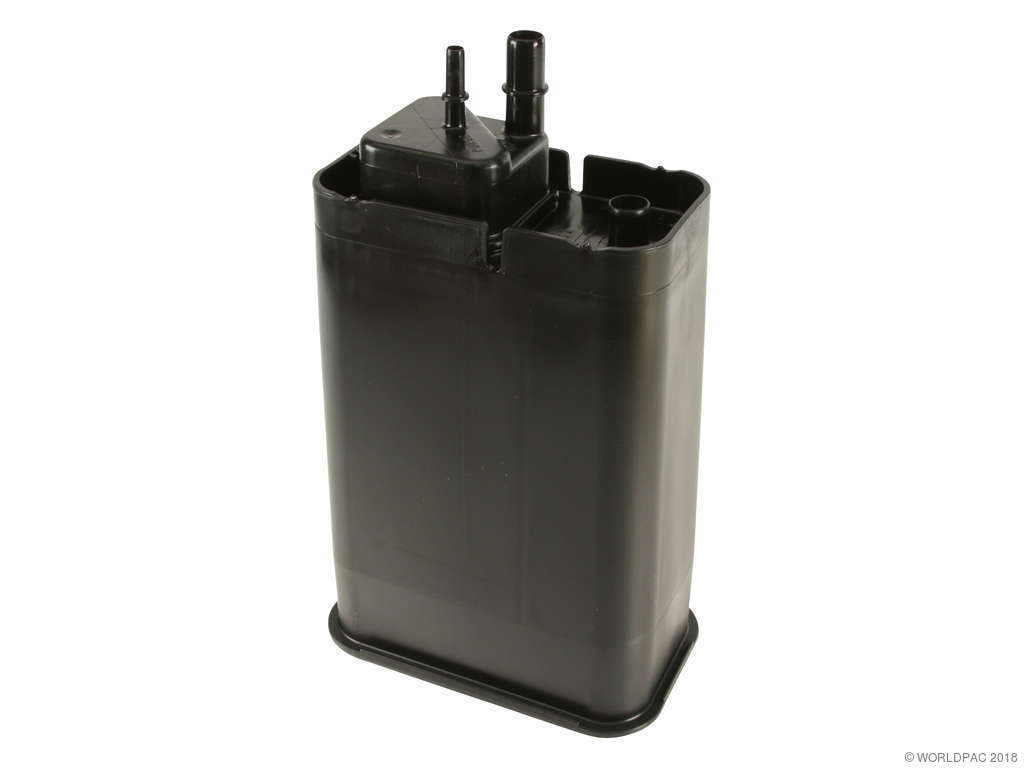
- Stuck-Open EVAP Canister Purge Valve/Solenoid 🔴 High Probability → Shop Vapor Canister This is the most common failure point for this code on the P2 platform. The valve's internal mechanism fails, allowing fuel vapor to flow when it is not commanded open.
How to confirm: Remove the purge valve. With the valve disconnected, try to blow air through it. No air should pass. If you can blow through it, the valve is stuck open and is faulty. 🎬 Watch: Quick demonstration of a stuck-open purge valve test Alternatively, use a hand vacuum pump on one of the ports; it should hold a vacuum and not leak down.
Typical fix: Replace the canister purge valve.
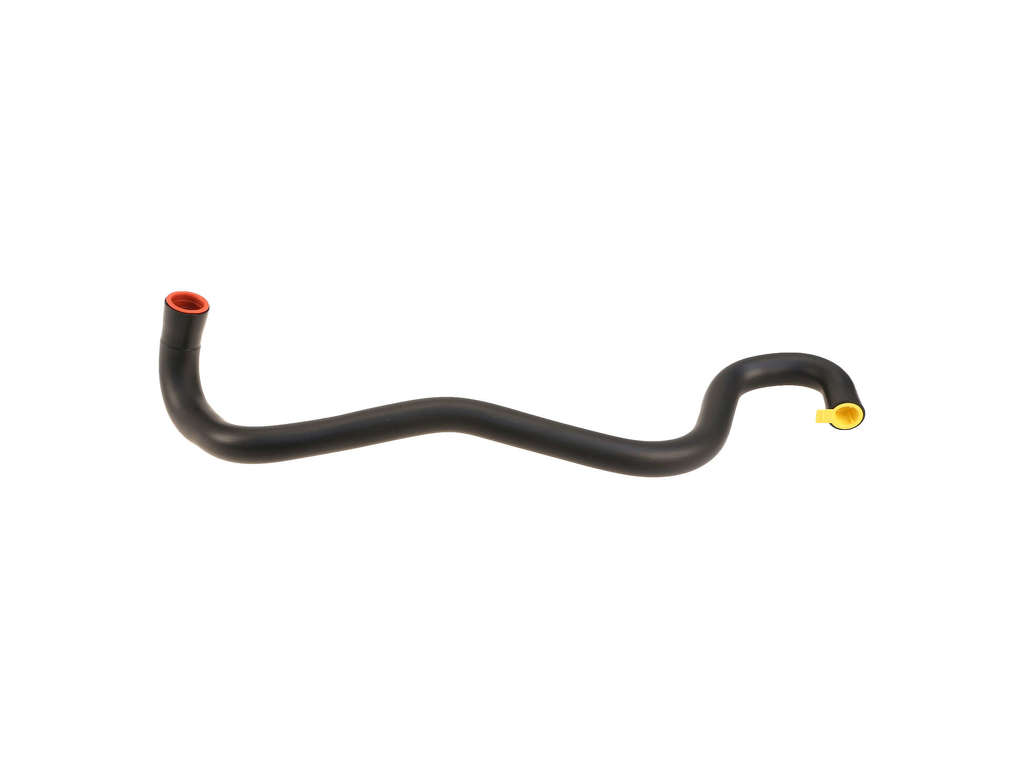
Est. part cost: $40-$95 - Cracked or Disconnected EVAP System Hose 🟡 Medium Probability The vacuum and vapor lines, particularly the plastic and rubber elbows, can become brittle with age and heat, leading to cracks or breaks. A user on a Volvo forum reported finding a vacuum line to the intake was completely cracked open, causing the P0496 code.
How to confirm: Visually inspect all accessible EVAP hoses between the charcoal canister, purge valve, and intake manifold. A smoke test is the most effective way to find a leak in a hose that isn't easily visible.
Typical fix: Replace the damaged section of hose or the entire line assembly.
Est. part cost: $10-$50
Rare But Worth Checking
- Faulty Fuel Tank Pressure (FTP) Sensor: → Shop Fuel Tank The FTP sensor is what the ECU uses to detect the unwanted vacuum from the purge flow. If the sensor is faulty and sending incorrect readings, it can trigger the P0496 code even if the purge valve is working correctly. This is less common than the valve itself failing. The FTP sensor is typically located on the fuel pump assembly inside the fuel tank.
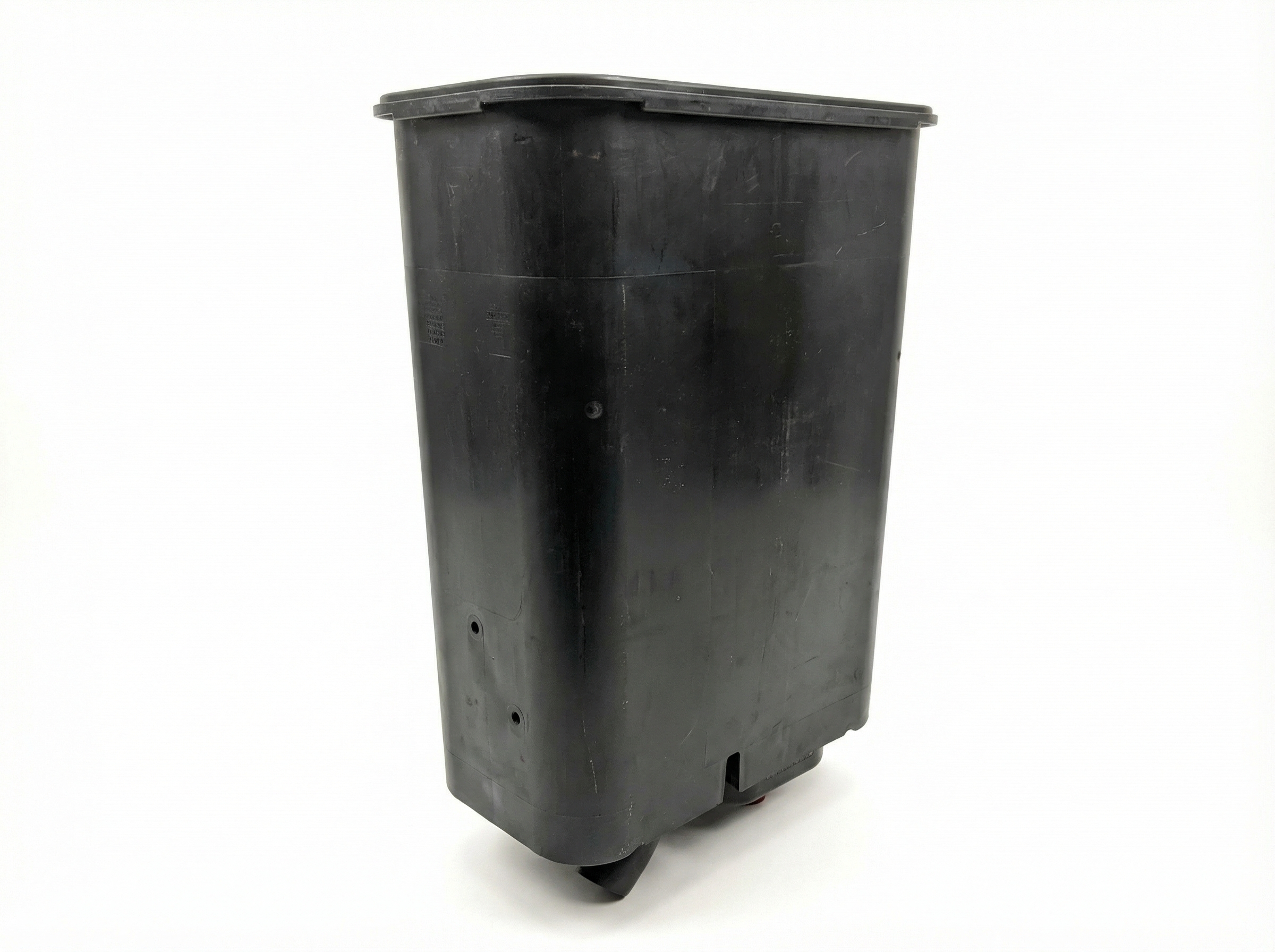
- Saturated or Clogged Charcoal Canister: → Shop Vapor Canister Consistently overfilling the gas tank (continuing to pump after the nozzle clicks off) can force liquid fuel into the charcoal canister, saturating it and causing flow problems. This can also happen if the purge valve is stuck open for a long time.
Diagnosis Steps
- Read the code with an OBD-II scanner to confirm P0496 is present.
- Note any other codes present, as they can help pinpoint the issue.
- Check the gas cap to ensure it is tight and the seal is not cracked, as a simple first step, though it is an unlikely cause.
- Locate the EVAP canister purge valve. Location varies by engine: on the 4.4L V8, it is at the rear of the engine under a cross-brace; 🎬 Watch: 4.4L V8 purge valve location and replacement guide on the 3.2L I6, it is near the air intake ductwork on the driver's side; on the 2.5T I5, it is often mounted on the radiator fan shroud 🎬 See: How to check the purge valve on 5-cylinder models or under the intake manifold.
- Disconnect the electrical connector and the two hoses from the purge valve.
- Attempt to blow air through the valve. It should be completely sealed. If air passes through, the valve is faulty and must be replaced. Alternatively, attach a hand vacuum pump to confirm it cannot hold a vacuum.
- If the valve tests good, carefully inspect all visible EVAP hoses for cracks, kinks, or loose connections, especially at the connection points.
- If no visual faults are found, the next step is to perform a smoke test on the EVAP system to identify hard-to-see leaks in the lines or canister.
- If no leaks are found, the issue may be with the Fuel Tank Pressure (FTP) sensor or, rarely, the ECU itself.
Parts You'll Likely Need
- EVAP Canister Purge Valve
(OEM #8653908)— This is the most frequent point of failure for code P0496 on this vehicle, becoming stuck open internally.
Trusted brands: Genuine Volvo, Bosch (0280142426)
OEM price range: $90-$120
Aftermarket price range: $40-$70
Related Codes That Often Appear With This One
- P0497 — P0497 indicates 'EVAP System Low Purge Flow'. These codes can sometimes appear together or alternate if the purge valve is failing intermittently or if there are multiple issues in the EVAP system, such as a faulty valve and a cracked hose.
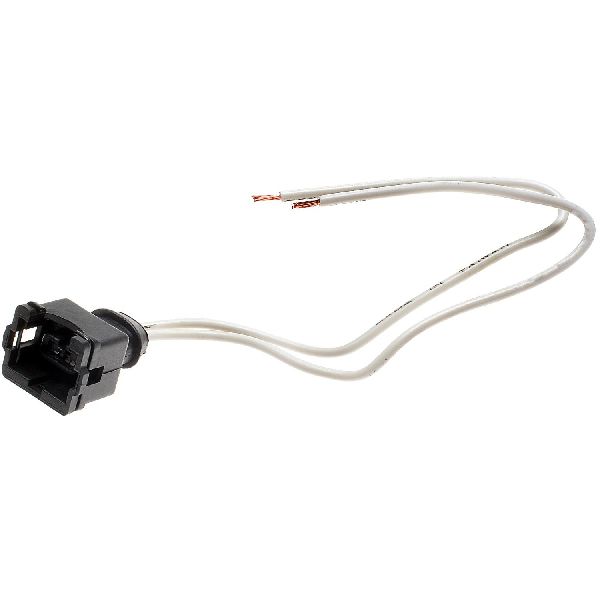
- P0443 — P0443 indicates an electrical circuit malfunction for the purge valve. If you see this with P0496, it could point to a wiring or connector issue rather than just a mechanically stuck valve.
Technical Service Bulletins (TSBs) & Recalls
- R24069 - Recall for 2005 V70, S60, S80, XC70, XC90 for a Software Upgrade to the ECM related to 'Poor Purge Performance'.
Platform-Specific Known Issues
- Recall R24069 was issued for some 2005 XC90 models for 'Software Upgrade ECM (Poor Purge Performance)', which could be related to this code. Owners of 2005 models may want to check with a Volvo dealer to see if this recall was performed on their vehicle.
- The location of the purge valve varies significantly depending on the engine. The V8 is at the rear of the engine, while the inline-5 and inline-6 engines have it in the front engine bay, near the radiator or intake manifold.
Mechanic-Grade Diagnostic Values
- Fuel Pressure (at fuel rail Schrader valve) — expected: 55-60 PSI. Failure: Comparing this mechanical gauge reading to the live data from the Fuel Pressure Sensor on a scan tool. A significant difference points to a faulty sensor.
- Fuel Tank Pressure (FTP) Sensor Voltage (Live Data) — expected: Stable voltage when the purge valve is commanded closed (e.g., 1.45V).. Failure: If the voltage changes (indicating a vacuum is being pulled) when the purge valve is electrically disconnected and the engine is running, it confirms unwanted flow from a stuck-open valve.
Hidden / Shadow Codes Worth Checking
- ECM-433B: Evaporative emission (EVAP) system, leakage diagnostic unit. Signal absent. This is a Volvo-specific code that directly relates to P0496, indicating the Engine Control Module (ECM) is not receiving the expected signal from the EVAP system's diagnostic components during a test. (see via Volvo-specific diagnostic tool like VIDA (Vehicle Information and Diagnostics for Aftersales).)
- ECM-432B: This code is often seen with ECM-433B and relates to the leakage diagnostic pump, further pointing to an issue within the EVAP system's self-test functionality. (see via Volvo-specific diagnostic tool like VIDA.)
Scan Tool Commands That Help
- VIDA (or advanced bidirectional scanner): EVAP System Seal / Purge & Seal Test — This function is used to command the purge and vent valves to close, sealing the EVAP system. A technician can then monitor the Fuel Tank Pressure (FTP) sensor to see if the system holds a vacuum or if pressure changes, which would indicate a leak or a valve not closing properly. It's a key step before initiating a smoke test.
- VIDA (or advanced bidirectional scanner): Activate EVAP Purge Valve — This command allows a technician to manually cycle the purge valve on and off while the engine is running. This helps confirm if the valve is responding to electrical commands and if the wiring and ECM driver are functioning correctly, helping to isolate a mechanical jam from an electrical fault.
Wiring & Ground Locations
- Engine Ground Strap (P2 Platform) — A braided wire running from the top of the engine (valve cover) to the firewall/chassis.. This is a primary engine ground. On P2 platform vehicles, it is known to corrode, causing high resistance. This can lead to a host of intermittent and strange electrical issues and fault codes, as sensors and actuators may not have a stable ground reference.
- Transmission to Frame Ground — A large ground cable that connects the transaxle housing to the vehicle's frame/subframe.. This is another critical ground path. A poor connection here can affect sensor readings that are grounded through the engine/transmission block, potentially contributing to erroneous fault codes.
- Component 8/19 (EVAP Valve) — This is the Volvo wiring diagram designator for the EVAP canister purge valve.. When reading official Volvo wiring diagrams, this number identifies the specific component, allowing a technician to trace its two wires (typically one for 12V power and one for the ECM ground-side control signal) back to the ECM and power source to check for breaks or shorts.
Real Owner Repair Stories
- Volvo Forums user (2004 Volvo XC90) — Check Engine Light with code P0496.
❌ Tried (didn't work) Initial diagnosis and research.
✅ What actually fixed it The owner discovered a vacuum line connected to the intake was completely cracked open. After replacing the broken line, the P0496 code was resolved, but a P0497 (low flow) code appeared, indicating the cracked hose was the source of the 'high flow' and fixing it revealed the true state of the system. - Turbobricks forum user (P2 Platform Volvo V70 (same platform as XC90)) — Varying idle speed, CEL on, multiple weird error messages (DSTC service, cam adjuster error).
❌ Tried (didn't work) Restarting the car, which sometimes temporarily cleared errors.
✅ What actually fixed it The owner found heavy corrosion on the ground cable between the valve cover and the firewall. Cleaning the contact points and ensuring a solid connection with new lock washers resolved the erratic electrical issues and errors.
"I Checked Everything" — The Actual Cause
- While no specific stories were found, a common scenario where a smoke test would be clean is when the P0496 code is caused by a faulty Fuel Tank Pressure (FTP) sensor. The system would have no physical leaks for smoke to escape from, but the sensor would be sending incorrect data to the ECM, making the computer believe there is a flow problem when there isn't one. Diagnosis would involve comparing the FTP sensor's live data on a scan tool to a known good value or a mechanical gauge.
OEM Part Supersession History
31104896→8653908— Part revision or manufacturer change by Volvo.
Model Year Variations Within This Range
- 2007-2014: The 3.2L inline-6 engine was introduced as a base engine option starting in 2007. The location of the EVAP purge valve and other engine-bay components differs significantly from the earlier 2.5T 5-cylinder and the optional V8.
- 2003-2006: The optional T6 (2.9L twin-turbo inline-6) engine was known to have an undersized GM-sourced automatic transmission that was a common failure point. While not directly related to P0496, it's a major issue for these specific model years and engine combination.
Diagnostic Flowchart
Other Known Issues on This Vehicle
Issues unrelated to this code that are worth knowing about as an owner of this generation:
- GM 4T65EV Transmission Failure (T6 Models) 🔴 High — Extremely common on 2003-2005 XC90 T6 models, with failures reported as early as 60,000 miles. Many vehicles have had multiple transmission replacements.
- V8 Balance Shaft Bearing Failure 🔴 High — Affects early 4.4L V8 engines (MY 2005 and some 2006). A sealed bearing can fail due to water ingress in the engine valley, leading to catastrophic engine damage. (Ref: A production change was made mid-2006 to add a drain hole, but no formal recall was issued.)
- Central Electronic Module (CEM) Failure 🔴 High — Common across all model years. Often caused by water damage from clogged sunroof drains leaking onto the module, causing a wide array of bizarre electrical problems or a no-start condition.
- Clogged Sunroof Drains 🟠 Medium — A very common maintenance issue. Debris clogs the four drain tubes, causing rainwater to back up and leak into the cabin, typically into the passenger footwell and onto the CEM.
- AWD System Failure (Angle Gear / DEM) 🟠 Medium — The angle gear (bevel gear/transfer case) or the Differential Electronic Module (DEM) can fail, resulting in the loss of all-wheel-drive.
Used vs. New Parts: Buying Guide for This Vehicle
When a used part is the smart pick: For this specific repair, sourcing a used EVAP purge valve is generally not recommended. It is a common failure item, and a used part from a junkyard has an unknown history and high likelihood of premature failure. The cost of a new, high-quality aftermarket part is low enough to make it the smarter choice.
Donor-vehicle mileage cap: roughly under 40000 miles for the part to have meaningful remaining life.
What to inspect on the donor part:
- If considering a used valve, only source from a documented, very low-mileage vehicle.
- Inspect the plastic housing for any cracks or heat damage.
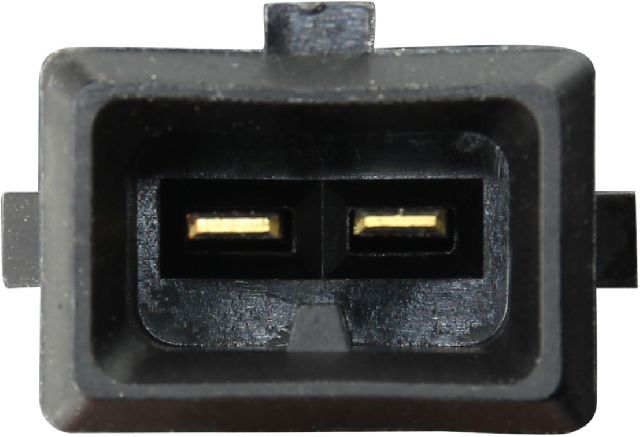
- Ensure the electrical connector pins are clean and free of corrosion.
OEM-only on this vehicle (don't cheap out):
- While not OEM-only, it is strongly recommended to use either Genuine Volvo or the OEM supplier (Bosch) for the purge valve. Cheap, unbranded aftermarket versions have a poor reputation for reliability.
Aftermarket brands forum-validated for this vehicle:
- Bosch (OEM manufacturer for this part, part number 0280142426)
Brands owners have reported issues with on this vehicle:
- General forum wisdom for P2 Volvos warns against using low-cost brands like Uro Parts for critical engine management and emissions components, as they have a reputation for high failure rates.
Real Owner Stories
Aggregated from forums and TSBs cited above. Mileages and costs reflect what owners reported in those sources.
2004 Volvo XC90
Symptoms: Check Engine Light with code P0496, followed by P0497 after an initial repair attempt.
What fixed it: The owner found a vacuum line to the intake was completely cracked open and replaced it, though they were still troubleshooting as the code returned.
Source hint: Volvo Forums - Thread: '2004 XC90 Code P0496'
2001 Volvo S60 (P2 Platform)
Symptoms: Hard to start up the engine right after refueling.
What fixed it: Replacement of the 'Evap Valve' (purge valve).
Source hint: Volvo Forums - Thread: 'Hard to start up the engine right after refueling'
2005 Volvo XC90
Symptoms: Poor purge performance and potential Check Engine Light.
What fixed it: Software Upgrade ECM (Recall R24069).
Source hint: R24069 - Recall for 2005 V70, S60, S80, XC70, XC90
Related OBD-II Codes
Frequently Asked Questions
I have a 2005 XC90 and heard there was a software update for purge issues. Does this apply to my P0496 code?
Where is the purge valve located on my XC90 V8 compared to the 3.2L engine?
My XC90 is very hard to start only after I fill up at the gas station. Is this related to P0496?
Can I test the purge valve myself before buying a new one?
Is the purge valve failure common on other Volvos from this era?
Could a loose gas cap be the cause of my P0496 code?
Helpful Videos
Used OEM Parts in Stock
New Aftermarket Parts Available


The information in this article is provided for general reference and educational purposes only. Vehicle specifications, procedures, and part compatibility can vary by production date, trim level, and region. Always consult your vehicle's factory service manual and verify part numbers before purchasing or performing repairs. Safety-critical components such as airbags, seat belts, and braking systems should be installed by a qualified professional.
- Volvo XC90:
- 🧭 Diagnostic Flowchart
- 🎬 Helpful Videos
- 🛍️ Shop This Part
- What's Unique About the 2003-2014 Volvo XC90
- Symptoms You May Notice
- Most Likely Causes
- Rare But Worth Checking
- Diagnosis Steps
- Parts You'll Likely Need
- Related Codes That Often Appear With This One
- Technical Service Bulletins (TSBs) & Recalls
- Platform-Specific Known Issues
- Mechanic-Grade Diagnostic Values
- Hidden / Shadow Codes Worth Checking
- Scan Tool Commands That Help
- Wiring & Ground Locations
- Real Owner Repair Stories
- "I Checked Everything" — The Actual Cause
- OEM Part Supersession History
- Model Year Variations Within This Range
- Other Known Issues on This Vehicle
- Used vs. New Parts: Buying Guide for This Vehicle
- Real Owner Stories
- 2004 Volvo XC90
- 2001 Volvo S60 (P2 Platform)
- 2005 Volvo XC90
- Related OBD-II Codes
- Frequently Asked Questions
- 🎟️ Get 5% Off