

P0500 on 1995-2005 Dodge Neon: Vehicle Speed Sensor Failure Causes and Fixes
P0500 on a Dodge Neon almost always means the output Vehicle Speed Sensor (VSS) on the transmission has failed. This causes a dead or erratic speedometer and harsh shifting. A replacement sensor is about $20-$60 and is a simple DIY fix. On 1995-1999 models, check for bad instrument cluster solder joints first, as this is a very common misdiagnosis.
- P0500 on a Dodge Neon points directly to the output Vehicle Speed Sensor (VSS) or its circuit.
- Symptoms are distinct: dead/erratic speedometer, harsh automatic shifting, and no cruise control.
- For 1995-1999 models, ALWAYS check for bad instrument cluster solder joints before replacing the sensor. The 'dashboard tap test' is your first step.
- The fix is usually a cheap and easy DIY replacement of the VSS, which is located on the transmission.
- This code is often paired with P0700 because the transmission controller is failing-safe due to the lack of a speed signal.
What's Unique About the 1995-2005 Dodge Neon
For the Dodge Neon, especially the first generation (1995-1999), this code has a very common and specific trap. Faulty solder joints on the back of the instrument cluster circuit board can cause a dead or erratic speedometer, perfectly mimicking a failed speed sensor. Owners often replace the sensor when the real problem is the gauge cluster itself. Second-generation (2000-2005) models are more likely to have a simple sensor failure.
Generation note: This guide covers the first-generation (1995-1999) and second-generation (2000-2005) Dodge Neon. A key difference is the high probability of faulty instrument cluster solder joints causing identical symptoms on 1995-1999 models. This is a very common misdiagnosis.
Symptoms You May Notice
- Speedometer is erratic, jumps around, or is completely dead.
- Odometer does not add mileage.
- Harsh, delayed, or incorrect shifting with an automatic transmission.
- Transmission may get stuck in 'limp mode' (a single gear, often 2nd).
- Cruise control will not engage.
- Check Engine Light is illuminated.
- ABS and/or Brake warning light may illuminate.
- Replacing the Vehicle Speed Sensor on a 1995-1999 Neon when the actual fault is the instrument cluster solder joints.
- Replacing the input speed sensor instead of the output speed sensor. The input sensor affects shift quality but does not control the speedometer.
- Condemning the entire transmission. The harsh shifting is a symptom of the missing speed signal, not usually an internal transmission failure.
Most Likely Causes
- Failed Vehicle Speed Sensor (Output) 🔴 High Probability → Shop Drive Shaft Sensor The sensor is a common failure item due to age and exposure to heat and vibration on the transmission. It is a known weak point on this platform.
How to confirm: After ruling out wiring issues, test the sensor's output with a multimeter while spinning the wheels. A lack of signal or erratic voltage points to a bad sensor. Often, replacement is the most straightforward diagnostic due to the part's low cost and high failure rate.
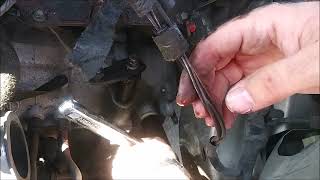
Typical fix: Replace the output vehicle speed sensor. On automatic models, this is located on the top of the transaxle, often under the air filter box. On manual transmission models, it is on the bottom of the transmission in the extension housing.
Est. part cost: $20-$60 - Bad Instrument Cluster Solder Joints (1995-1999 models) 🔴 High Probability → Shop Instrument Cluster The first-generation Neon is notorious for developing cold/cracked solder joints on the main connector of the instrument cluster's circuit board due to vibration and thermal cycles.
How to confirm: The 'dashboard tap test' is a classic indicator. If hitting the top of the dashboard above the gauges makes the speedometer work temporarily, the cluster is the problem. A key diagnostic tip: if the cruise control still works but the speedometer is dead, the fault is almost certainly the cluster, as the cruise control gets its speed signal directly from the VSS before the cluster.
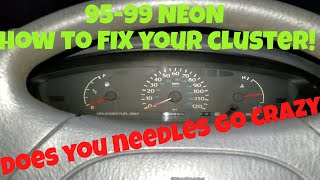
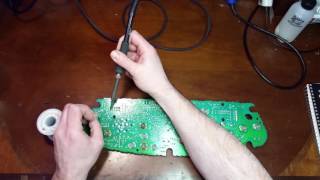
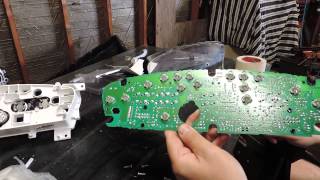
Typical fix: Remove the instrument cluster and re-solder the pins on the main electrical connector on the circuit board. This is a well-documented DIY repair. 🎬 See how to repair 95-99 Neon cluster solder joints
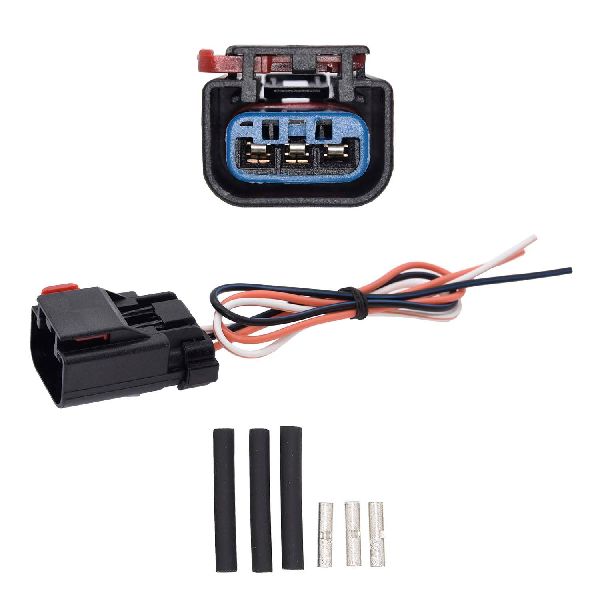
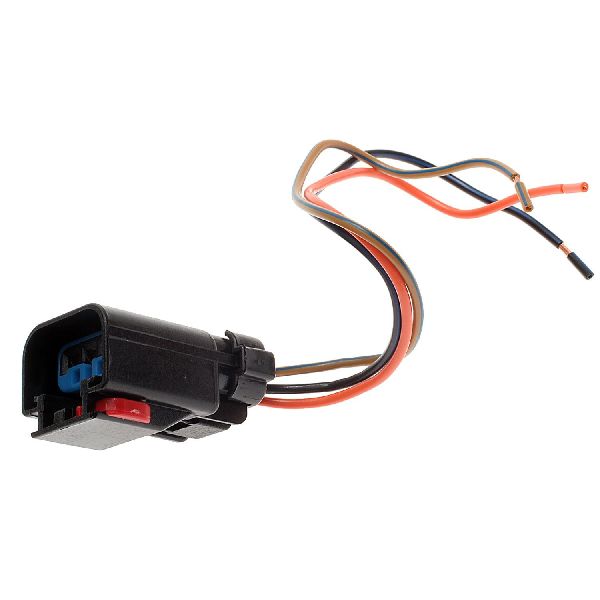
Est. part cost: $0 (if DIY soldering) - Damaged Wiring or Connector 🟡 Medium Probability The wiring harness to the sensor is located under the car and is exposed to heat, oil, and road debris, which can cause wires to become brittle, frayed, or oil-soaked. The connector pigtail itself is a frequent failure point.
How to confirm: Visually inspect the wiring harness leading to the VSS for any signs of cracking, melting, or breaks. Check the connector for corrosion, oil contamination, or loose pins. A bump in the road causing the issue to appear or disappear points towards a wiring problem.
Typical fix: Repair the damaged section of wire or replace the connector pigtail.
Est. part cost: $5-$25
Rare But Worth Checking
- Faulty Powertrain Control Module (PCM): This is very rare. Before condemning the PCM, all other possibilities (sensor, wiring, cluster) must be exhaustively ruled out. A PCM failure would likely present other codes and symptoms as well.
Diagnosis Steps
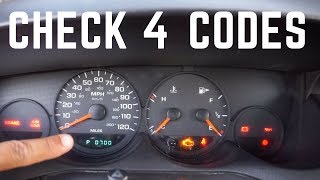
- Read the Codes: Confirm P0500 is present. Note any other codes, especially P0700 or P0720.
- (1995-1999 Models Only) Perform the Dashboard Tap Test: While driving (if safe) or with the key on, firmly tap the top of the dashboard above the instrument cluster. If the speedometer needle jumps or starts working, the problem is the cluster's solder joints. Proceed to Step 6.
- (1995-1999 Models Only) Check Cruise Control: If equipped, attempt to engage cruise control. If it engages and holds a speed (even if the speedometer reads 0), this strongly indicates the VSS is good and the instrument cluster is bad.
- Visual Inspection: Locate the VSS on the transmission. On automatics, it's typically on the top/back of the transaxle, often requiring removal of the air filter box for access. Inspect the sensor's connector and wiring for any visible damage, melting, or oil contamination.
- Check for Signal (Advanced): Using a scan tool with live data, monitor vehicle speed while driving. If it reads 0 mph, the signal is lost. Alternatively, with the front wheels off the ground, use a multimeter set to AC volts to back-probe the sensor's signal wire. Spinning the wheel should generate a fluctuating AC voltage that increases with speed. No voltage indicates a bad sensor or wiring issue.
- Repair Cluster (if indicated by tap test): If the tap test pointed to a cluster fault, remove the instrument cluster, access the circuit board, and re-solder the pins for the main connector. There are numerous video guides for this procedure.
- Replace the Sensor: If the wiring and cluster appear good, the most common fix is to replace the sensor. Given its low cost and high failure rate, this is a practical step for a DIY mechanic.
Parts You'll Likely Need
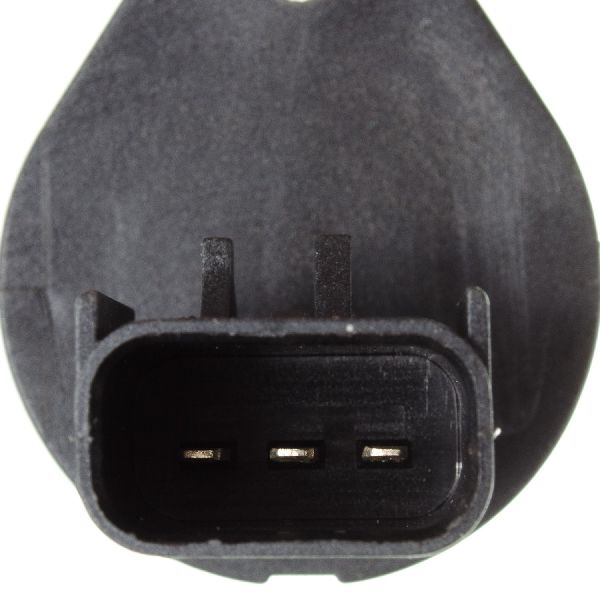
- Vehicle Speed Sensor (Output)
(OEM #4800879 (or 04800879))— This is the most frequent cause of the P0500 code and its associated symptoms on the Dodge Neon.
Trusted brands: Mopar (OEM), Standard Motor Products (SC104), Delphi (SS10202), NTK (VB0043)
OEM price range: $40-$70
Aftermarket price range: $20-$50
Related Codes That Often Appear With This One
- P0700 — P0700 is a generic code indicating the Transmission Control Module (TCM), which is part of the PCM in a Neon, has stored a fault. It's a 'gateway' code that is triggered because the transmission controller is confused by the lack of a speed signal from the P0500 fault.
- P0720 — This code specifically points to a fault in the Output Speed Sensor circuit, which is the direct cause of the P0500 on a Neon. Seeing both P0500 and P0720 together strongly confirms the issue is with the output VSS or its wiring.
Platform-Specific Known Issues
- First-generation (1995-1999) models are widely known for cracked solder joints on the instrument cluster circuit board, which causes the speedometer to fail and can be misdiagnosed as a P0500 sensor issue.
Mechanic-Grade Diagnostic Values
- VSS Resistance (Sensor disconnected) — expected: 1200 to 1450 ohms (Automatic Transmission). Failure: Reading is OL (open loop) or significantly outside the specified range.
- VSS Resistance (Sensor disconnected) — expected: 600 to 800 ohms (Manual Transmission). Failure: Reading is OL (open loop) or significantly outside the specified range.
- VSS Signal Voltage (Back-probing sensor, wheels spinning) — expected: Fluctuating AC voltage that increases with wheel speed.. Failure: No AC voltage is generated, or voltage is erratic and does not correspond to speed.
- VSS Supply Voltage (Connector unplugged, Key-On Engine-Off) — expected: Approximately 8V on the supply wire (Orange wire on some models).. Failure: No voltage indicates a wiring or PCM issue upstream of the sensor.
Scan Tool Commands That Help
- DRB III: Vehicle Module Scan — The DRB III was the factory scan tool for this era. The 'Vehicle Module Scan' function can quickly check all modules (PCM, TCM, ABS) for any stored Diagnostic Trouble Codes (DTCs), which is faster than checking each system individually. This helps confirm if related codes like P0700 or ABS faults are present.
- DRB III: Frequency Generator — This advanced function can be used to simulate a wheel speed sensor frequency. A technician could use this to send a fake speed signal to the PCM to determine if the PCM and wiring are processing the signal correctly, thereby isolating the fault to the sensor itself without needing a known-good part for testing.
Wiring & Ground Locations
- VSS Connector (Output Sensor) — On the transmission housing. For automatics, it's on top, under the airbox. For manuals, it's in the extension housing.. This is the primary connection point for the sensor. The connector itself and its pigtail are common failure points due to heat and vibration.
- VSS Wires (2000-2005 Models) — From the VSS to the Powertrain Control Module (PCM). The signal wire is often Dark Green/White, and the ground is Black/Light Blue.. Knowing the wire colors is essential for testing. The VSS signal goes to a specific pin on the PCM (e.g., Pin 66 on some models), and the sensor ground is provided by the PCM (e.g., Pin 43). A break in either wire will cause a P0500.
- Instrument Cluster Connector (1995-1999) — On the back of the instrument cluster, accessed by removing the dash pad.. This is the location of the infamous cracked solder joints. The VSS signal passes through this connector to the speedometer. A bad solder joint here interrupts the signal to the gauge, mimicking a failed sensor. The PCI Bus wire is also on this connector (Pin 7 on a '97 model).
- G102 / G106 — G102 is in the left headlamp area. G106 is at the left front of the engine compartment (on 2004 models).. These are major engine and chassis grounds. A poor ground connection at these points can cause a variety of electrical issues, including erratic sensor readings and PCM problems that could potentially trigger a P0500.
Real Owner Repair Stories
- YouTube video by 'Victor Martinez' (2000 Dodge Neon) — Speedometer not working, Check Engine Light on with code P0500.
❌ Tried (didn't work) Initial diagnosis focused on testing the sensor and wiring.
✅ What actually fixed it The problem was twofold: the VSS itself had failed, and the wiring connector pigtail was damaged ('un Mickey Mouse'). The final fix required replacing both the output vehicle speed sensor and the wiring connector pigtail. The new sensor was tested with an oscilloscope before installation to confirm it generated a signal.
OEM Part Supersession History
04800879→4800879, 4800879AB— Standard part number evolution and minor revisions by Chrysler/Mopar over the years.
Heads up: The key incompatibility is between automatic and manual transmission sensors, which have different part numbers and resistance values. Ensure the correct sensor is purchased for the specific transmission type. For example, Standard Motor Products SC104 is for the automatic, while SC105 is for the manual.
Model Year Variations Within This Range
- 1995-1999: These first-generation models are highly susceptible to cracked solder joints on the instrument cluster, which is a primary cause of speedometer failure and can be misdiagnosed as a P0500 sensor fault.
- 2000-2005: These second-generation models are less prone to the instrument cluster issue. A P0500 code on these years is much more likely to be a direct failure of the output speed sensor or its wiring.
- All: The output VSS for the automatic transmission (3-speed A413/31TH or 4-speed 41TE) is a different part from the VSS used on the 5-speed manual transmission (NV-T350). They are not interchangeable.
Diagnostic Flowchart
Other Known Issues on This Vehicle
Issues unrelated to this code that are worth knowing about as an owner of this generation:
- Premature Head Gasket Failure 🔴 High — Very common on 1995-1999 models, particularly the SOHC engine. Often occurs before 100,000 miles. An updated multi-layer steel (MLS) gasket is the recommended replacement. (Ref: No recall, but updated parts were issued.)
- Water Leaking into Trunk 🟠 Medium — Widespread on both generations. Caused by deteriorated taillight gaskets allowing water to pool in the spare tire well, leading to rust and mold.
- Paint Delamination/Peeling 🟡 Low — Common on 1st-gen models, especially white and red cars. The clear coat and paint would peel off in large sheets due to poor factory application.
- Faulty Multifunction (Turn Signal) Switch 🟠 Medium — A known issue on 2nd-gen (2000-2005) Neons where the switch can internally short, causing headlights to fail and, in some cases, a burning smell or risk of fire. This part is shared with the PT Cruiser.
- Oil in Spark Plug Tubes 🟠 Medium — Caused by a failed valve cover gasket and spark plug tube seals, leading to engine misfires and poor performance.
Used vs. New Parts: Buying Guide for This Vehicle
When a used part is the smart pick: A used instrument cluster from a junkyard can be a cost-effective fix for 1995-1999 models if you don't want to solder your original board. However, it may eventually develop the same solder joint issue. A used VSS is generally not recommended due to its low cost new and high failure rate; the labor to replace it again outweighs the small savings.
Donor-vehicle mileage cap: roughly under 80000 miles for the part to have meaningful remaining life.
What to inspect on the donor part:
- For an instrument cluster, check the clear plastic lens for deep scratches or hazing.
- Ask the salvage yard if they tested the cluster or if it came from a running vehicle.
- Ensure the donor vehicle's mileage is noted, as it will be displayed in your car.
- For a VSS pigtail connector, inspect for any cracks, brittleness in the wires, or corrosion on the pins. Ensure there is enough wire length to splice.
Aftermarket brands forum-validated for this vehicle:
- Standard Motor Products (SMP)
- NTK/NGK
- Delphi
Brands owners have reported issues with on this vehicle:
- Ultra-cheap, no-name sensors from online marketplaces often have high premature failure rates. A user in one forum noted their cheap replacement failed again quickly.
Real Owner Stories
Aggregated from forums and TSBs cited above. Mileages and costs reflect what owners reported in those sources.
1995-1999 Dodge Neon
Symptoms: The speedometer was jumping around and the instrument cluster was acting erratic.
What fixed it: Removed the dashboard pad and instrument cluster to re-solder the faulty connector pins on the circuit board.
Cost: $0-$0
Source hint: YouTube - HOW TO FIX A 95-99 NEON JUMPING CLUSTER!!!
2005 Dodge Neon
Symptoms: P0500 code present; speedometer issues.
What fixed it: Replacement of the output speed sensor after removing the airbox for access.
Cost: $20-$60
Source hint: YouTube - Dodge Neon Output Speed Sensor Replacement
3rd Gen Dodge Ram (referenced for diagnostic path)
Symptoms: P0500 code persisted even after replacing both speed sensors.
What fixed it: The diagnostic path suggested the instrument cluster or PCM as the next logical steps when sensor replacement fails.
Source hint: DodgeForum.com - p0500 code. replaced sensors and no change.
Related OBD-II Codes
Frequently Asked Questions
My 1997 Neon's speedometer works if I hit the dashboard. Is the speed sensor still bad?
Where is the Vehicle Speed Sensor located on a 2005 Dodge Neon with an automatic transmission?
Can a P0500 code cause my Neon to get stuck in one gear?
Is there a specific replacement part recommended for the 1st-gen Neon head gasket issues mentioned in the context?
I have a manual transmission Neon; is the sensor in the same place as the automatic?
Why is my P0500 code accompanied by an ABS or Brake warning light?
Helpful Videos
We Have This Part in Stock


The information in this article is provided for general reference and educational purposes only. Vehicle specifications, procedures, and part compatibility can vary by production date, trim level, and region. Always consult your vehicle's factory service manual and verify part numbers before purchasing or performing repairs. Safety-critical components such as airbags, seat belts, and braking systems should be installed by a qualified professional.
- Dodge Neon:
- 🧭 Diagnostic Flowchart
- 🎬 Helpful Videos
- 🛍️ Shop This Part
- What's Unique About the 1995-2005 Dodge Neon
- Symptoms You May Notice
- Most Likely Causes
- Rare But Worth Checking
- Diagnosis Steps
- Parts You'll Likely Need
- Related Codes That Often Appear With This One
- Platform-Specific Known Issues
- Mechanic-Grade Diagnostic Values
- Scan Tool Commands That Help
- Wiring & Ground Locations
- Real Owner Repair Stories
- OEM Part Supersession History
- Model Year Variations Within This Range
- Other Known Issues on This Vehicle
- Used vs. New Parts: Buying Guide for This Vehicle
- Real Owner Stories
- 1995-1999 Dodge Neon
- 2005 Dodge Neon
- 3rd Gen Dodge Ram (referenced for diagnostic path)
- Related OBD-II Codes
- Frequently Asked Questions
- 🎟️ Get 5% Off