

P0500 on 2002-2005 Ford Explorer: Vehicle Speed Sensor Causes and Fixes
On a 2002-2005 Ford Explorer, code P0500 is almost always caused by a failed rear differential speed sensor. This leads to a dead speedometer, ABS light, and harsh shifting. It's a simple DIY fix with a part that costs between $25 and $45.
- Don't panic and assume you have a bad transmission; the P0500 code with harsh shifting is overwhelmingly likely to be the cheap and easy-to-replace rear differential speed sensor.
- This is a very common, well-documented failure on this specific generation of Explorer.
What's Unique About the 2002-2005 Ford Explorer
What's unique about the third-generation Explorer is that the primary Vehicle Speed Sensor (VSS) signal comes from the rear differential ABS sensor. This single sensor feeds the ABS module, which then relays the speed information to the PCM, instrument cluster, and cruise control. Unlike some other vehicles with sensors only on the transmission, a P0500 code on this Explorer points overwhelmingly to the rear axle area. This design means a simple, externally mounted sensor can cause symptoms that mimic a catastrophic transmission failure, often leading to misdiagnosis.
Symptoms You May Notice
- Erratic or completely dead speedometer
- Harsh, erratic, or delayed automatic transmission shifting
- ABS warning light illuminated on the dashboard
- Flashing "O/D OFF" (Overdrive Off) light
- Cruise control will not engage
- Check Engine Light is on
- Transmission Failure: The most common misdiagnosis. Owners experience harsh shifting and assume the transmission needs to be rebuilt or replaced, when the actual cause is an inexpensive sensor providing bad data.
- Replacing the wrong sensor: Some owners may replace the Output Shaft Speed (OSS) sensor on the transmission, which can also affect shifting but is less likely to be the cause of P0500 on this specific vehicle compared to the rear differential sensor.
Most Likely Causes
- Failed Rear Differential ABS Speed Sensor 🔴 High Probability This sensor is exposed to the elements under the vehicle, making it susceptible to failure from heat, moisture, and age. It is the most common failure point for this code on this platform.
How to confirm: After confirming the P0500 code, use a scan tool that can read ABS data. Check for a rear wheel speed signal while driving. If the signal is zero or erratic while the vehicle is moving, the sensor has likely failed.
Typical fix: Replace the rear differential speed sensor. It is held in by a single bolt and an electrical connector.
Est. part cost: $25-$45 - Damaged Wiring or Connector to Rear Speed Sensor 🟡 Medium Probability The wiring harness runs along the frame and axle, where it is vulnerable to road debris, heat from the exhaust, and corrosion, especially at the connector plug.
How to confirm: Visually inspect the wiring leading to the sensor for any signs of chafing, melting, or breaks. Unplug the connector and check for green or white corrosion on the pins. Tug gently on the wires at the back of the connector to ensure they are secure. In one documented case, a faulty T-tap splice for an aftermarket brake controller on the VSS signal wire to the PCM was the root cause.
Typical fix: If the connector is corroded, clean it with electrical contact cleaner. If the wiring is damaged, repair the broken section or replace the connector pigtail.
Est. part cost: $10-$25 for a new pigtail connector
Rare But Worth Checking
- Damaged Tone Ring: Inside the differential is a notched or toothed ring (tone ring) that the sensor reads. While rare, this ring can be damaged or clogged with metallic debris, preventing the sensor from getting a reading. This usually only happens if there has been other internal differential work or failure. You can sometimes inspect the ring's condition through the sensor mounting hole after removing the sensor.
- Faulty ABS Control Module: → Shop ABS Control Module Since the speed signal passes through the ABS module before going to the PCM, a fault within the module itself can interrupt the signal and cause a P0500 code without an ABS-specific code. This is uncommon and should be considered only after the sensor and wiring are confirmed to be good.
- Faulty Powertrain Control Module (PCM): A failure within the PCM is very rare but possible. This should be the last item to consider after all other possibilities have been exhausted.
Diagnosis Steps
- Scan for Codes: Use an OBD-II scanner to confirm P0500 is present. If possible, use a more advanced scanner to check for any codes in the ABS module.
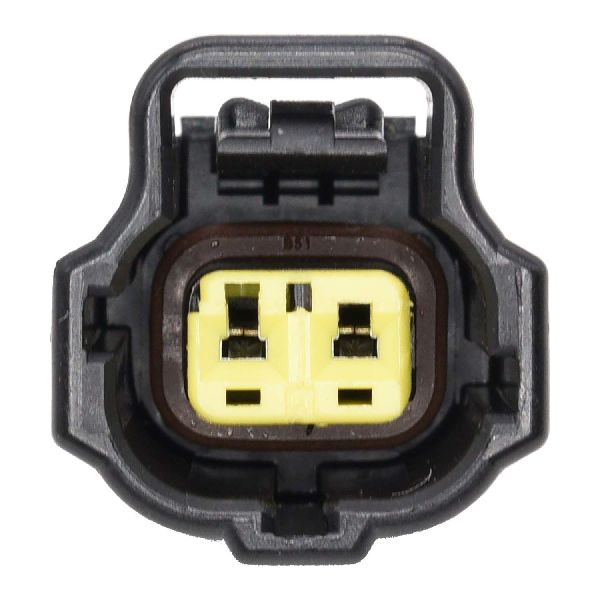
- Inspect the Rear Differential Sensor: Locate the sensor on the top of the rear differential. It will have a two-wire connector and be held in by a single bolt (typically 8mm or 10mm).
- Inspect Wiring and Connector: Carefully examine the wires leading to the sensor for any visible damage. Unplug the sensor and inspect the connector pins for corrosion or damage. Pay close attention to any non-factory splices from aftermarket accessories.
- Check for Signal (Advanced): If you have a scan tool that displays live data, monitor the 'Rear Wheel Speed' or 'VSS' parameter while driving. If it reads 0 mph or is erratic, the problem is with the sensor or its circuit. A key diagnostic step is to compare the VSS signal seen by the PCM with the rear wheel speed signal seen by the ABS module; if the ABS module has a good signal but the PCM does not, it points to a wiring issue between the ABS module and the PCM.
- Test the Sensor (Optional): You can test the sensor with a multimeter set to AC volts. With the wheels spinning, it should produce a small AC voltage that increases with speed. However, given the low cost of the part, most people opt for replacement.
- Replace the Sensor: If the wiring looks good, the most likely cause is the sensor itself. Unbolt the old sensor, clean the mounting surface on the differential, and install the new sensor. It's often helpful to drop the spare tire for better access.
- Clear Codes and Test Drive: After replacement, clear the codes with your scanner and take the vehicle for a test drive to ensure the speedometer, shifting, and cruise control all function correctly.
Parts You'll Likely Need
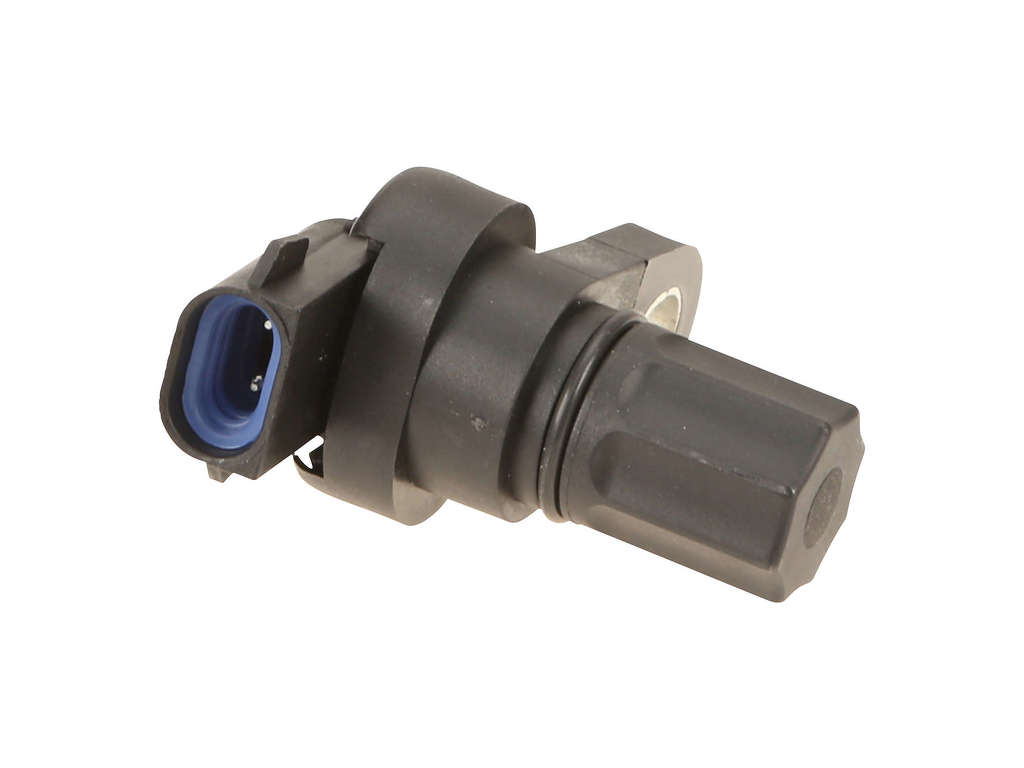
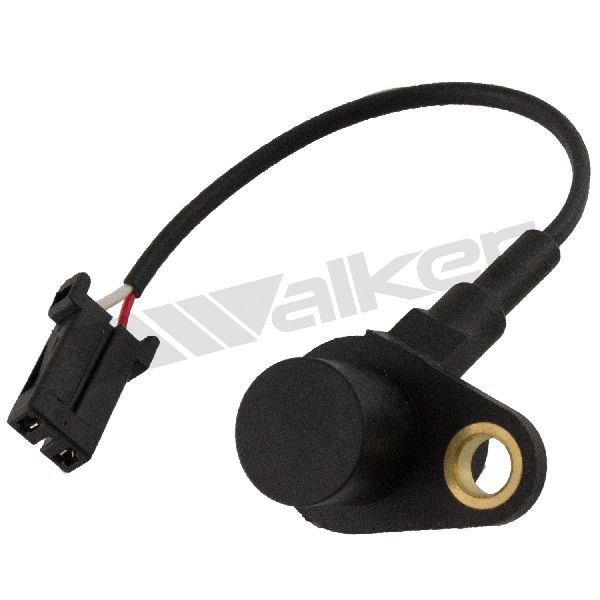
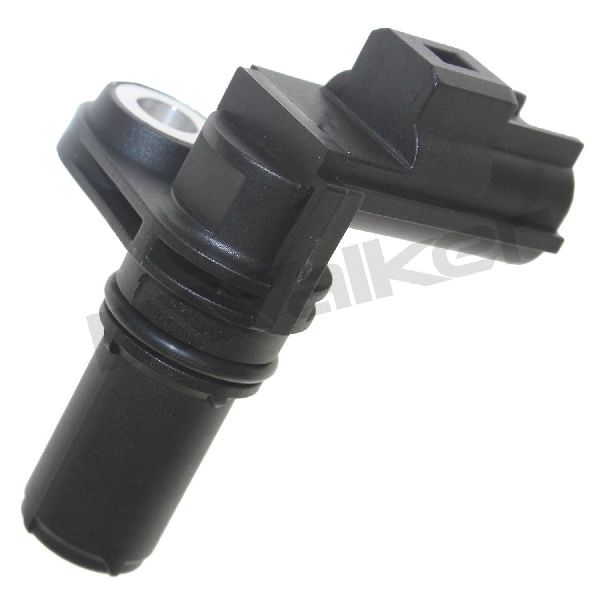
- Rear ABS / Vehicle Speed Sensor
(OEM #1L2Z2C190AA, 2L2Z2C190AB)— This is the primary sensor that fails and causes the P0500 code on this vehicle. The OEM part is made by Motorcraft.
Trusted brands: Motorcraft (OEM), Standard Motor Products (SMP), Delphi, Dorman
OEM price range: $35-$45
Aftermarket price range: $25-$40
Related Codes That Often Appear With This One
- C-codes (e.g., C1236) — Because the fault originates in the ABS speed sensor circuit, you may see ABS-specific trouble codes (C-codes) stored in the ABS module, such as C1236 for the rear speed sensor signal. A capable scanner is needed to read these.
Technical Service Bulletins (TSBs) & Recalls
- TSB 05-24-2: While not for P0500, this TSB addresses a common related platform issue: noise from the rear wheel hub bearings, which are located in the same area as the VSS.
Platform-Specific Known Issues
- Owner Experience: Bad Splice, Not Bad Sensor: A user on the Ford Truck Enthusiasts forum chased a P0500 code where the speedometer and ABS system worked correctly, but the PCM still logged the fault and the O/D light flashed. After replacing the sensor and checking wiring continuity, the problem was traced to a faulty T-tap splice from a previously installed aftermarket Banks Brake controller. The splice, on the VSS signal wire between the ABS module and the PCM, had failed. Repairing the splice resolved the code. This highlights the importance of checking the entire circuit, including any modifications.
Mechanic-Grade Diagnostic Values
- Rear Differential Speed Sensor Resistance — expected: 1200-2500 Ohms. Failure: A reading that is significantly higher (open loop) or lower (shorted) than the expected range.
- Rear Differential Speed Sensor AC Voltage Output — expected: At least 0.5 VAC, increasing with wheel speed.. Failure: No AC voltage is produced when the rear wheels are spinning.
Hidden / Shadow Codes Worth Checking
- P1502: Indicates the Vehicle Speed Sensor signal is intermittent. This code strongly supports a diagnosis of a failing sensor or a poor wiring connection, as the PCM is seeing the signal drop in and out. (see via Standard OBD-II scanner.)
- ABS C-Codes (e.g., C1095, C1236): ABS-specific codes that point to failures in the system, such as C1095 (Pump Motor Circuit Failure) or C1236 (Rear Wheel Speed Sensor Input Signal Missing). These codes confirm the fault is in the ABS system, which is the source of the VSS signal for the PCM. (see via An advanced scan tool capable of communicating with the ABS module, such as Forscan or Ford IDS.)
Scan Tool Commands That Help
- Forscan, Ford IDS, or similar advanced scanner: Live Data / PID Monitoring — Use this to simultaneously monitor the 'Rear Wheel Speed' PID from the ABS module and the 'VSS' PID received by the PCM. If the ABS module shows a correct speed reading while the PCM shows 0 or an erratic value, it confirms the sensor is working and the fault lies in the wiring between the ABS module and PCM, or the ABS module itself.
- Forscan, Ford IDS: ABS Module Self-Test — This command initiates a self-check of the ABS module's internal electronics and the pump motor. While it doesn't directly test the VSS input, a successful self-test can increase confidence that the module itself is not the root cause of the P0500 code.
Wiring & Ground Locations
- G103 / G104 — G103 is at the right front of the engine compartment; G104 is at the right rear of the engine compartment.. These are primary grounds for the Powertrain Control Module (PCM) and its related sensors. A corroded or loose ground at these points can cause erratic behavior and incorrect readings from various sensors, including the VSS signal received by the PCM.
- Remote VSS Test Connector — On similar Ford trucks of the era, a gray two-wire connector can sometimes be found near the driver's side firewall or fender well.. If present on the Explorer, this connector provides a direct tap into the rear differential speed sensor circuit. It allows a technician to perform resistance and AC voltage tests from the engine bay without having to lift the vehicle and access the sensor directly, saving significant diagnostic time.
- ABS Module Connector — The ABS module is located in the driver's front side of the engine bay, behind the headlight.. This is the central point where the signal from the rear sensor arrives and is then processed and sent to the PCM. Checking for corrosion or backed-out pins at this large connector is a critical step if the sensor and its local wiring test good.
Real Owner Repair Stories
- Common forum knowledge (ExplorerForum.com, Ford-Trucks.com) (2003 Ford Explorer 4.0L V6) — ABS light on, speedometer dead, transmission slamming into gear.
❌ Tried (didn't work) Checking transmission fluid., Scanning with a basic code reader which only showed P0500.
✅ What actually fixed it The owner removed the single bolt holding the rear differential speed sensor. The magnetic tip of the sensor was covered in a thick paste of metallic shavings. The owner wiped the sensor tip clean, reinstalled it, and cleared the codes. The speedometer and proper shifting function returned immediately. This indicates the sensor itself was functional, but the signal was blocked by debris. - Ford Truck Enthusiasts forum thread 1131908 (Ford Explorer (year not specified, but 3rd gen platform)) — P0500 code and flashing O/D light, but the speedometer and ABS were working correctly.
❌ Tried (didn't work) Replacing the rear differential speed sensor., Checking for continuity on the VSS signal wire.
✅ What actually fixed it Using an advanced scan tool, the owner confirmed the ABS module was receiving a valid speed signal, but the PCM was not. The problem was traced to a faulty T-tap splice on the VSS signal wire between the ABS module and the PCM, which was part of an aftermarket brake controller installation. Repairing the bad splice fixed the issue.
Documented NHTSA Reports
- NHTSA ODI #11553968: In a similar Ford powertrain application, an owner reported an instrument panel failure where a mechanic retrieved DTC code P0500 and related the failure to a wheel speed sensor failure.
- NHTSA ODI #10069274: An owner of a Ford vehicle with an automatic transmission reported the transmission kicking in and out while experiencing a P0500 code, which was suspected to be a faulty speed sensor.
When the Usual Fixes Don't Work
- While the rear differential sensor is the cause over 90% of the time, do not automatically replace it without a 30-second visual inspection of the wiring harness leading to it. The harness is exposed and prone to damage from road debris or heat from the nearby exhaust. A story from the Ford Truck Enthusiasts forum detailed a P0500 case where the speedometer worked but the code persisted; the final cause was a failed wiring splice from an aftermarket accessory tapped into the VSS signal wire between the ABS module and the PCM, not the sensor itself.
OEM Part Supersession History
1L2Z2C190AA→2L2Z2C190AB / Motorcraft DY-1123— Standard part revision and update by Ford.
Heads up: The parts are generally interchangeable for this application, but it is always best to use the latest revision (2L2Z2C190AB or DY-1123) for improved reliability.
Model Year Variations Within This Range
- 2002: There was a mid-year production split for the ABS control module. Modules for Explorers built on or before March 3, 2002, are different from those built on or after March 4, 2002. If the ABS module is suspected as a rare cause of P0500, verifying the vehicle's build date from the door jamb sticker is critical before sourcing a replacement part.
Diagnostic Flowchart
Other Known Issues on This Vehicle
Issues unrelated to this code that are worth knowing about as an owner of this generation:
- Cracked Tailgate Panel 🟠 Medium — Extremely common. The plastic applique below the rear window cracks, usually vertically near the emblem. This is a well-documented design/material flaw. (Ref: Multiple TSBs issued (e.g., 02-25-6, 03-12-6) but no recall. Ford often denied warranty claims, leading to class-action lawsuits.)
- 5R55S/W Transmission Failures 🔴 High → Shop Transmission Assembly — Very common, particularly failure of the solenoid body/pack, leading to harsh shifting, delayed engagement, and flashing O/D light.
- Rear Wheel Bearing Failure 🔴 High — Commonly fails, causing a loud humming or grinding noise from the rear of the vehicle that increases with speed. (Ref: TSB 05-24-2 was issued for noise from the rear wheel hub bearings on 2002-2005 Explorer/Mountaineer models.)
Used vs. New Parts: Buying Guide for This Vehicle
When a used part is the smart pick: A used OEM (Motorcraft) rear differential speed sensor from a reputable auto recycler is a very reasonable and cost-effective repair. It is a simple magnetic sensor with a low failure rate outside of normal wear and tear. A used ABS module is also a possibility for a rare failure, but is much riskier due to programming requirements and part number variations.
Donor-vehicle mileage cap: roughly under 100000 miles for the part to have meaningful remaining life.
What to inspect on the donor part:
- For the sensor, ensure the plastic connector is not cracked or brittle.
- Check that the wiring pigtail (if included) is not frayed or cut short.
- For an ABS module, get the VIN and build date from the donor vehicle to ensure compatibility.
- Inspect all module connector pins for any signs of green or white corrosion.
OEM-only on this vehicle (don't cheap out):
- Powertrain Control Module (PCM)
Aftermarket brands forum-validated for this vehicle:
- Standard Motor Products (SMP)
- Delphi
- NTK
Brands owners have reported issues with on this vehicle:
- Unbranded, no-name sensors from online marketplaces can have poor quality control. While Dorman is a major brand, community feedback on their electronic sensors is mixed; some find them reliable, others report premature failure compared to OEM.
Real Owner Stories
Aggregated from forums and TSBs cited above. Mileages and costs reflect what owners reported in those sources.
2002 Ford Explorer
Symptoms: Speedometer was spiking (reading 190 at 30kmh), vehicle had no power and couldn't get over 30kmh. This happened after disconnecting and reconnecting the 4x4 control module.
What fixed it: Not fixed. The owner suspected an electrical issue after a new transmission speed sensor failed to solve the problem.
Source hint: r/FordExplorer - 2002 Ford Explorer Strange Issue (self induced)
2002 Ford Explorer
Symptoms: Speedometer and ABS system worked correctly, but the PCM still logged the fault and the O/D light flashed.
What fixed it: Repairing a faulty T-tap splice from a previously installed aftermarket Banks Brake controller on the VSS signal wire between the ABS module and the PCM.
Source hint: Ford Truck Enthusiasts - P0500-VSS fault fixed with help of AE
Ford F-150 (Cross-Manufacturer Reference)
Symptoms: An owner reported an instrument panel failure where a mechanic retrieved DTC code P0500.
What fixed it: The mechanic related the failure to a wheel speed sensor failure, though the vehicle was not repaired at that time.
Source hint: NHTSA ODI #11553968
Ford Taurus (Cross-Manufacturer Reference)
Symptoms: An owner reported that the transmission kicks in and out while experiencing a P0500 code.
What fixed it: The report suggests a faulty speed sensor as the likely cause for the fault code and transmission behavior.
Source hint: NHTSA ODI #10069274
Related OBD-II Codes
Frequently Asked Questions
My 2002 Explorer's speedometer is spiking to 190 km/h while I'm only going 30 km/h. Is this a transmission sensor?
Does TSB 05-24-2 explain why my ABS light and P0500 code are on?
I replaced the rear differential sensor but the O/D light is still flashing. What else should I check?
Where is the speed sensor located on a 2002-2005 Mercury Mountaineer?
Can I test the rear differential sensor myself before buying a new one?
Why is my ABS light on at the same time as the P0500 code?
We Have This Part in Stock


The information in this article is provided for general reference and educational purposes only. Vehicle specifications, procedures, and part compatibility can vary by production date, trim level, and region. Always consult your vehicle's factory service manual and verify part numbers before purchasing or performing repairs. Safety-critical components such as airbags, seat belts, and braking systems should be installed by a qualified professional.
- Ford Explorer:
- 🧭 Diagnostic Flowchart
- 🛍️ Shop This Part
- What's Unique About the 2002-2005 Ford Explorer
- Symptoms You May Notice
- Most Likely Causes
- Rare But Worth Checking
- Diagnosis Steps
- Parts You'll Likely Need
- Related Codes That Often Appear With This One
- Technical Service Bulletins (TSBs) & Recalls
- Platform-Specific Known Issues
- Mechanic-Grade Diagnostic Values
- Hidden / Shadow Codes Worth Checking
- Scan Tool Commands That Help
- Wiring & Ground Locations
- Real Owner Repair Stories
- Documented NHTSA Reports
- When the Usual Fixes Don't Work
- OEM Part Supersession History
- Model Year Variations Within This Range
- Other Known Issues on This Vehicle
- Used vs. New Parts: Buying Guide for This Vehicle
- Real Owner Stories
- 2002 Ford Explorer
- 2002 Ford Explorer
- Ford F-150 (Cross-Manufacturer Reference)
- Ford Taurus (Cross-Manufacturer Reference)
- Related OBD-II Codes
- Frequently Asked Questions
- 🎟️ Get 5% Off