

P0500 on 2006-2011 Hyundai Accent: Vehicle Speed Sensor Malfunction Causes and Fixes
On a 2006-2011 Hyundai Accent, code P0500 is almost always caused by a failed Vehicle Speed Sensor (VSS) on the transmission. This can cause a dead or erratic speedometer and harsh shifting. Replacing the sensor is a common DIY fix, with the part costing between $25 and $75.
- P0500 on a 2006-2011 Accent points directly to a problem with the Vehicle Speed Sensor (VSS) circuit.
- The most likely cause is a failed VSS located on the transmission, which is a common and relatively inexpensive part to replace.
- Symptoms will be obvious: a non-working speedometer and, if you have an automatic, harsh or incorrect gear shifts.
- Before replacing the sensor, always perform a quick visual inspection of the wiring and connector for any visible damage.
- This is a manageable DIY repair for those comfortable working under their car, typically taking less than an hour with basic tools, though removing the old sensor can sometimes be difficult.
What's Unique About the 2006-2011 Hyundai Accent
For the 2006-2011 (MC generation) Accent, the P0500 code points specifically to a dedicated Vehicle Speed Sensor located on the transmission, not the ABS wheel speed sensors that some newer vehicles use for vehicle speed data. The automatic transmission models have both an input and an output speed sensor; P0500 is typically triggered by the output sensor (also called a Pulse Generator), which is the one that provides the final vehicle speed reading for the speedometer. The input sensor measures the transmission's internal speed and is a separate component.
Symptoms You May Notice
- Check Engine Light is on
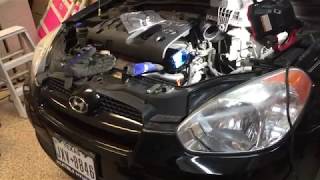
- Speedometer is erratic or reads 0 MPH 🎬 See this video of an erratic Accent speedometer
- Odometer is not working
- Harsh, erratic, or delayed shifting (automatic transmission)
- Cruise control will not engage
- ABS or Traction Control light may be illuminated
- Hesitation during acceleration
- Replacing the ABS wheel speed sensors. On this Accent, the P0500 code is generated from the transmission-mounted VSS, not the wheel speed sensors.
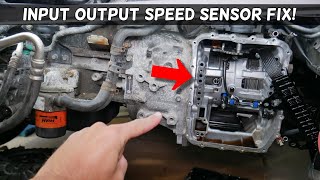
- Replacing the transmission Input Speed Sensor (ISS) when the Output Speed Sensor (OSS/VSS) is the actual cause. The ISS has a different function and part number. 🎬 Watch: How to locate the input and output sensors
Most Likely Causes
- Failed Vehicle Speed Sensor (VSS) 🔴 High Probability → Shop Drive Shaft Sensor The sensor is an electronic component exposed to constant heat and vibration on the transmission housing, leading to eventual internal electronic failure over time. It is the most common point of failure for this code.
How to confirm: After confirming no wiring issues, the most effective way to confirm is to replace the sensor. Testing can be done with a multimeter by checking for a signal while rotating the wheels, but replacement is often faster and more definitive given the high failure rate and low part cost.
Typical fix: Replace the Vehicle Speed Sensor (Output). It is located on the top or side of the transmission housing, near where the driver's side axle enters the transmission. It is held in by a single 10mm bolt.
Est. part cost: $25-$75 - Damaged Wiring or Connector 🟡 Medium Probability The wiring harness to the sensor is located under the vehicle and can be susceptible to damage from road debris, heat from the exhaust, or corrosion at the connector pins. Wires can become brittle and break internally near the connector.
How to confirm: Visually inspect the wiring harness and connector leading to the VSS for any signs of breaks, fraying, melting, or corrosion on the pins. Wiggle the connector while monitoring live data on a scan tool to see if the signal returns intermittently. Use a multimeter to check for continuity and proper voltage at the connector.
Typical fix: Repair the damaged section of wire or replace the pigtail connector. Ensure the repair is sealed against moisture.
Est. part cost: $10-$30
Rare But Worth Checking
- Faulty Powertrain Control Module (PCM): This is extremely rare. The PCM should only be considered after the sensor and its entire circuit have been thoroughly tested and ruled out.
- Faulty Instrument Cluster: → Shop Instrument Cluster While a bad cluster can cause the speedometer to fail, it is very unlikely to be the root cause of a P0500 code, as the code is set by the PCM not receiving the signal in the first place.
- Broken Reluctor Ring: The VSS reads a toothed ring (reluctor ring) inside the transmission. While rare, this ring can be damaged, preventing the sensor from generating a signal. This would typically require significant transmission work to fix.
Diagnosis Steps
- Read the code with an OBD-II scanner to confirm P0500 is present. Check for any other codes, especially ABS-related codes (C-codes), though they are not typically expected with this issue on this platform.
- Use a scan tool with live data capability to monitor 'Vehicle Speed'. If it reads 0 MPH while driving, the signal is lost.
- Safely raise and support the vehicle on jack stands.
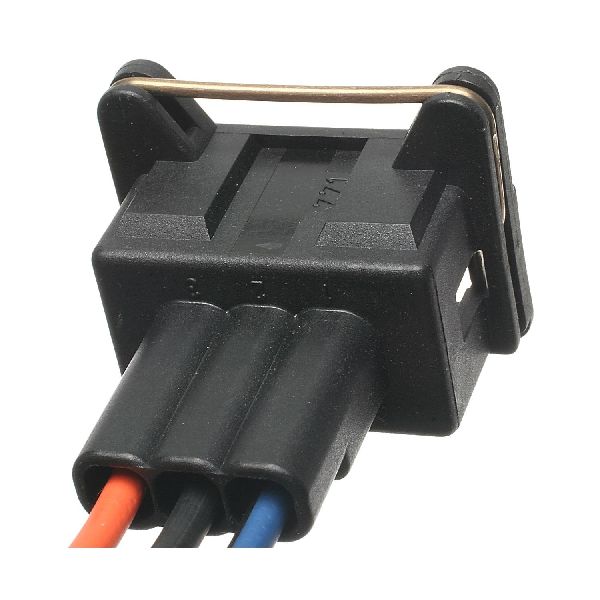
- Locate the Vehicle Speed Sensor on the transmission. It is typically on the output shaft housing near the driver's side axle. It has a 3-pin connector and is held by a single 10mm bolt.
- Inspect the sensor's electrical connector for a secure connection, corrosion, or damage. Inspect the wiring harness leading to the sensor for any signs of breaks, melting, or chafing. Pay close attention to the area right at the connector.
- If wiring looks good, the most common and effective repair is to replace the VSS.
- To replace, disconnect the electrical connector. Remove the single 10mm bolt holding the sensor in place. The sensor can be very tight; it may require significant twisting and pulling force to remove from the transmission housing due to O-ring swelling and grime buildup.
- Lightly lubricate the O-ring on the new sensor with automatic transmission fluid. Install the new sensor, ensuring it seats fully with a twisting motion until you feel the O-ring seal. Re-install the bolt and reconnect the electrical connector. 🎬 Watch: Step-by-step Accent speed sensor replacement guide
- Clear the P0500 code with the OBD-II scanner.
- Test drive the vehicle to ensure the speedometer is working correctly and the check engine light does not return.
Parts You'll Likely Need
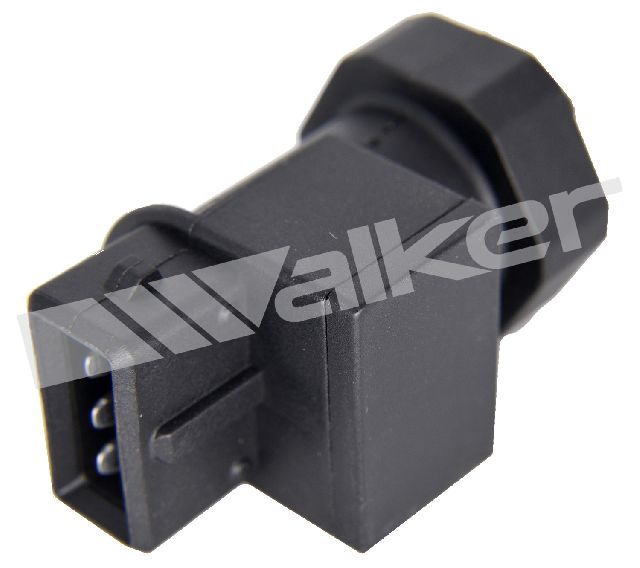
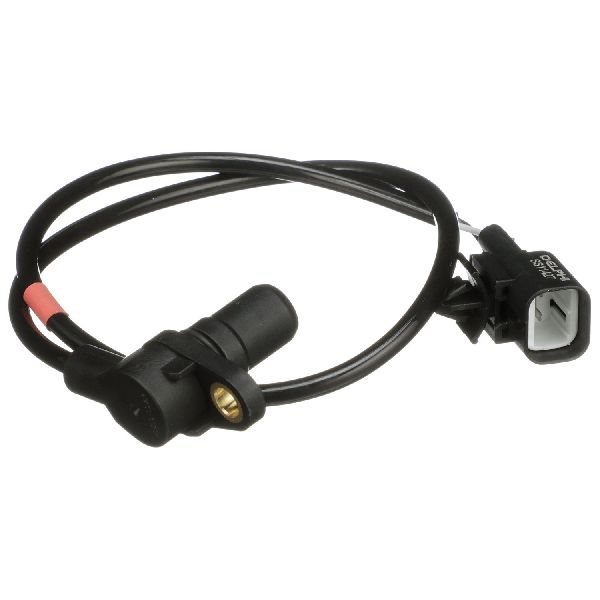
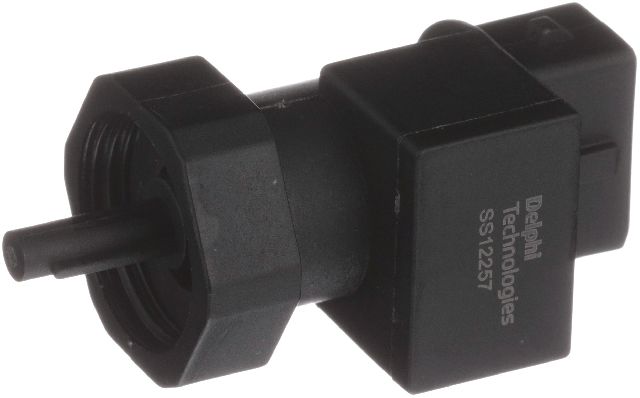
- Vehicle Speed Sensor (Output) / Pulse Generator
(OEM #45955-22741)— This sensor is the most common failure point for the P0500 code on this vehicle. It provides the signal for the speedometer and is essential for proper transmission function. Part number 45955-22741 is specified for the 2005-2011 Accent with an automatic transmission. It may also be listed under alternate numbers like 45955-22740, 45955-22745, and 45955-22746. The part for the previous generation (up to 2005) was 45955-22701 and should not be used.
Trusted brands: Hyundai (Genuine), Holstein, Standard Motor Products, WVE/NTK
OEM price range: $50-$100
Aftermarket price range: $25-$75
Platform-Specific Known Issues
- Real-World Repair Story: A video guide for a similar VSS replacement on a Nissan Maxima highlights a key difficulty applicable to the Accent: the sensor can be extremely difficult to remove from the transmission housing after unbolting it. The presenter spent 35-40 minutes twisting and pulling to get the old sensor out, which is a common experience due to the O-ring swelling and grime buildup over time. Lubricating the new O-ring with transmission fluid is crucial for easier installation.
Mechanic-Grade Diagnostic Values
- VSS Signal Generation Test (Bench Test) — expected: With the sensor removed and connected to a multimeter set to AC Volts, spinning the sensor's gear/probe by hand or with a drill should produce a fluctuating AC voltage. The voltage should increase with rotational speed.. Failure: No voltage is generated, or the voltage is erratic and does not correspond to the speed of rotation. This indicates a failed sensor.
- VSS Signal Generation Test (On Vehicle) — expected: With the vehicle safely raised, one drive wheel off the ground, and the VSS connector probed with a multimeter (set to AC Volts), rotating the wheel by hand should generate a small AC voltage.. Failure: No voltage reading appears on the multimeter, assuming the wiring is intact. This points to a defective sensor or a damaged reluctor ring inside the transmission.
Wiring & Ground Locations
- VSS Connector — On the Vehicle Speed Sensor, located on the transmission housing near the driver's side axle.. This is the 3-pin connector where the sensor gets power and sends its signal. Checking for power, ground, and signal at this connector is a primary diagnostic step. A poor connection, corrosion, or damaged wires here are a common cause of P0500.
- ECM Ground — The Engine Control Module (ECM) is located in the left rear of the engine compartment. It has a primary ground connection to the chassis nearby.. A poor ground for the ECM can cause a host of bizarre electrical issues, including the inability to correctly process the signal from the VSS. While rare, checking that the ECM ground strap is clean and tight is a valid step if sensor and wiring tests are inconclusive.
- G218 (Example Interior Ground) — General ground points are located throughout the vehicle, such as under the driver's side dash behind the kick panel, or on bolts behind the rear seats.. While the VSS circuit ground is typically part of the engine harness, other related systems like the instrument cluster rely on clean interior ground points. A faulty instrument cluster ground is unlikely to cause P0500 but could cause a dead speedometer, leading to misdiagnosis.
Real Owner Repair Stories
- Reddit user in r/MechanicAdvice (2007 Hyundai Accent) — Speedometer was jumping around and then dropping to 0. Check Engine Light was on for P0500.
❌ Tried (didn't work) The user attempted to remove the VSS, but it was rusted in and snapped off, leaving the magnetic portion inside the transmission.
✅ What actually fixed it This story is an edge case. After the sensor was physically broken and disconnected, the speedometer unexpectedly started working correctly for a short time during a drive. This highlights the intermittent nature of these failures; even a physically broken sensor's remaining part can sometimes generate a temporary signal, confusing diagnostics. The final fix, though not explicitly stated in the post, would be the complete removal of the broken sensor and installation of a new one.
OEM Part Supersession History
45955-22740→45955-22741, 45955-22745, 45955-22746— Part revision and consolidation by the manufacturer.
Heads up: The primary replacement number is 45955-22741. While the others are listed as replacements, 45955-22741 is the most commonly stocked and verified part for the 2006-2011 Accent. Note that some Hyundai sources state part 45955-22741 is discontinued, but it is still widely available from OEM and aftermarket suppliers.
Diagnostic Flowchart
Other Known Issues on This Vehicle
Issues unrelated to this code that are worth knowing about as an owner of this generation:
- Timing Belt Failure 🔴 High — The 1.6L engine is an interference design. The timing belt has a recommended replacement interval of 60,000 miles. If it snaps, catastrophic engine damage (bent valves, damaged pistons) is highly likely. This is a critical maintenance item that should not be neglected.
- Peeling White Paint 🟡 Low — Many Hyundai models from this era, particularly those with white paint, can experience clear coat and paint peeling, often starting on the roof and hood. While Hyundai has issued warranty extensions for some newer models, the 2006-2011 Accent is generally not covered, making it a cosmetic issue owners may have to pay to fix. (Ref: TSB 22-BD-010H (for newer models, but describes the same issue))
- Faulty Brake Light Switch 🟠 Medium — A widespread recall (Hyundai Campaign 110) was issued for a faulty brake light switch. This could cause the brake lights to not illuminate, the cruise control to not disengage, and allow the shifter to be moved out of Park without braking. (Ref: NHTSA Recall 13V113000)
- Faulty Crankshaft Position Sensor 🟠 Medium — Failure of the crankshaft position sensor is a known issue that can cause stalling or a no-start condition. It is a relatively common sensor to fail on many vehicles of this age.
- Ignition Coil Failure 🟡 Low — The ignition coils are known to fail, which will cause a misfire, rough idling, and an illuminated check engine light. This is a common tune-up related failure.
Used vs. New Parts: Buying Guide for This Vehicle
When a used part is the smart pick: A used Vehicle Speed Sensor from a junkyard is a reasonable choice for this repair, given that it is a simple, external, and easily accessible electronic part. The cost savings can be significant compared to a new OEM part.
Donor-vehicle mileage cap: roughly under 120000 miles for the part to have meaningful remaining life.
What to inspect on the donor part:
- Check the plastic connector housing for cracks or brittleness.
- Ensure the metal mounting tab is not bent or broken.
- Look for a vehicle that was in a collision that did not damage the engine/transmission area, suggesting the part was likely functional before the accident.
- If possible, ask the salvage yard if they can test the part or offer a short warranty (e.g., 30 days).
OEM-only on this vehicle (don't cheap out):
- Powertrain Control Module (PCM)
Aftermarket brands forum-validated for this vehicle:
- Standard Motor Products (SMP)
- WVE/NTK
- Holstein
Brands owners have reported issues with on this vehicle:
- No-name, unbranded sensors from online marketplaces should be avoided as their quality and longevity can be highly questionable.
Real Owner Stories
Aggregated from forums and TSBs cited above. Mileages and costs reflect what owners reported in those sources.
2007 Hyundai Accent Hatchback
Symptoms: A speed sensor trouble code was present, and the automatic transmission would not shift into overdrive.
What fixed it: The owner did not report a successful fix; a repair shop was unable to remove the broken and seized sensor after the bracket seized to the transmission.
Source hint: hyundai-forums.com thread '07 Hyundai Accent Hatchback Speed Sensor Problem...'
2007 Hyundai Accent
Symptoms: The speedometer jumps around and then drops to 0 for the remainder of the drive. The owner accidentally snapped the sensor off while trying to remove it because it was rusted in.
What fixed it: A commenter clarified that the Vehicle Speed Sensor on the transmission affects the speedometer, not the ABS wheel speed sensor.
Source hint: r/MechanicAdvice
Related OBD-II Codes
Frequently Asked Questions
Where is the Vehicle Speed Sensor located on my 2006-2011 Hyundai Accent?
Why is my automatic transmission shifting harshly and the speedometer reading 0 MPH?
Is there a specific part number for the replacement sensor that fits both the Accent and the Kia Rio?
I'm having trouble pulling the old sensor out after removing the bolt. Is this normal?
Could my P0500 code be related to the widespread brake light switch recall?
Does the 2006-2011 Accent have an interference engine I should worry about while fixing this?
Helpful Videos
We Have This Part in Stock


The information in this article is provided for general reference and educational purposes only. Vehicle specifications, procedures, and part compatibility can vary by production date, trim level, and region. Always consult your vehicle's factory service manual and verify part numbers before purchasing or performing repairs. Safety-critical components such as airbags, seat belts, and braking systems should be installed by a qualified professional.
- Hyundai Accent:
- 🧭 Diagnostic Flowchart
- 🎬 Helpful Videos
- 🛍️ Shop This Part
- What's Unique About the 2006-2011 Hyundai Accent
- Symptoms You May Notice
- Most Likely Causes
- Rare But Worth Checking
- Diagnosis Steps
- Parts You'll Likely Need
- Platform-Specific Known Issues
- Mechanic-Grade Diagnostic Values
- Wiring & Ground Locations
- Real Owner Repair Stories
- OEM Part Supersession History
- Other Known Issues on This Vehicle
- Used vs. New Parts: Buying Guide for This Vehicle
- Real Owner Stories
- 2007 Hyundai Accent Hatchback
- 2007 Hyundai Accent
- Related OBD-II Codes
- Frequently Asked Questions
- 🎟️ Get 5% Off