

P0500 on 2005-2009 Hyundai Tucson: Vehicle Speed Sensor Malfunction Causes and Fixes
For a 2005-2009 Hyundai Tucson, code P0500 is almost always a failed Vehicle Speed Sensor (VSS) located on the automatic transmission. This causes a dead speedometer and harsh shifting. Replacing the sensor is a common DIY fix, with the part costing between $40 and $100. It is crucial to replace the correct sensor, which is the Output Speed Sensor.
- The P0500 code on a 2005-2009 Tucson is most likely caused by a bad Vehicle Speed Sensor (VSS) on the transmission.
- Key symptoms are a non-working speedometer, harsh shifting, and no cruise control.
- Do not confuse the transmission-mounted VSS (Output Speed Sensor) with the ABS wheel speed sensors or the Input Speed Sensor; they are different parts.
- The repair is DIY-friendly for those comfortable with basic tools, requiring the removal of the airbox for access.
- Always check the wiring and connector to the sensor for damage before replacing the sensor itself.
What's Unique About the 2005-2009 Hyundai Tucson
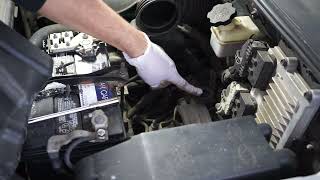
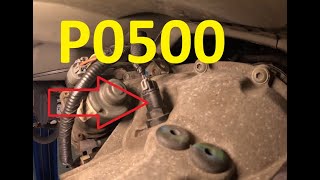
On this first-generation Tucson, the P0500 code specifically points to the vehicle speed sensor 🎬 Watch: Understanding the P0500 code causes and fixes located on the transaxle, which provides the speed signal for the powertrain computer and speedometer. It's important not to confuse this with the individual ABS wheel speed sensors. While newer vehicles often use ABS sensors to determine vehicle speed, on this platform, a P0500 code is almost exclusively related to the transmission-mounted VSS. Furthermore, the automatic transmission has both an Input and an Output speed sensor; P0500 is caused by the failure of the Output sensor (VSS).
Symptoms You May Notice
- Check Engine Light is on
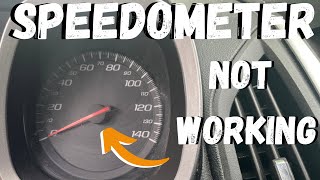
- Speedometer and/or odometer are not working or behave erratically
- Harsh, delayed, or improper automatic transmission shifting
- Cruise control will not engage
- ABS or Traction Control warning light may illuminate
- Transmission may default to 'limp mode' and get stuck in 3rd gear.
- Replacing an ABS wheel speed sensor. On this vehicle, the P0500 code is generated from the transmission-mounted VSS, not the wheel sensors used for the Anti-lock Brake System.
- Condemning the transmission. The harsh shifting is a direct result of the missing speed signal, not necessarily an internal transmission failure. Fixing the sensor signal often restores normal shifting.
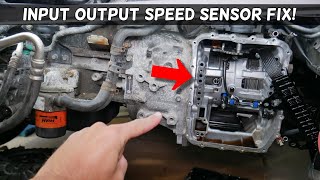
- Replacing the Input Speed Sensor. The automatic transmission has two similar-looking sensors. 🎬 See this video on locating and replacing both sensors The P0500 code is related to the Output Speed Sensor (VSS). Replacing the Input Speed Sensor will not fix this code.
Most Likely Causes
- Failed Vehicle Speed Sensor (VSS) 🔴 High Probability → Shop Drive Shaft Sensor The sensor is an electronic component exposed to heat and vibration on the transmission housing, making it a common failure point over time. It is specifically the 'Output Speed Sensor' that fails and causes P0500.
How to confirm: Use an OBD-II scanner with live data to monitor 'Vehicle Speed'. If the reading is stuck at 0 MPH while driving, the sensor is likely bad. You can also test the sensor's resistance with a multimeter against the factory specification.
Typical fix: Replace the Vehicle Speed Sensor (Output) on the transmission. The OEM part number is 42621-39200. 🎬 Watch: Step-by-step transmission output speed sensor replacement
Est. part cost: $40-$100 - Damaged Wiring or Connector 🟡 Medium Probability The wiring harness leading to the sensor is located under the hood and can be susceptible to damage from heat, oil, or rodents. The connector itself can also become corroded or loose.
How to confirm: Visually inspect the entire length of the wiring harness from the sensor to the main loom. Check for any frayed, melted, or broken wires. Unplug the connector and check for corrosion or bent pins. Wiggle the connector while monitoring live data to see if the signal returns.
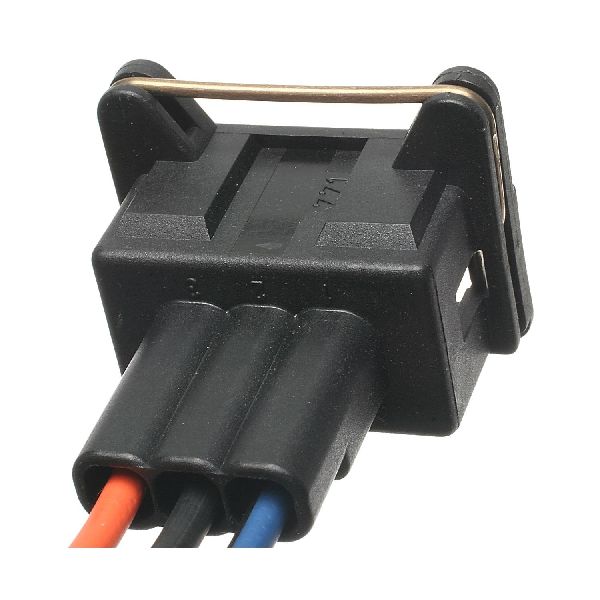
Typical fix: Repair the damaged section of wire or replace the connector pigtail.
Est. part cost: $10-$30
Rare But Worth Checking
- Faulty Powertrain Control Module (PCM): This is extremely rare. The PCM should only be considered as the cause after the sensor and its entire circuit have been thoroughly tested and confirmed to be in perfect working order.
- Faulty Instrument Cluster: → Shop Instrument Cluster A faulty instrument cluster can cause the speedometer to fail, but it will not typically set a P0500 code in the engine computer on this platform. If the speedometer doesn't work but you have no P0500 code, the cluster might be the issue. On some other vehicle makes, a faulty cluster *can* cause P0500, but it is not a common cause for this Tucson.
Diagnosis Steps
- Scan for Codes: Use an OBD-II scanner to confirm P0500 is present. Check for any other codes, especially ABS codes (C-prefix) or other transmission codes (P07xx).
- Check Live Data: With the scanner still connected, view the live data for 'Vehicle Speed'. Drive the vehicle slowly and observe if the speed reading increases from 0 MPH. If it stays at zero, the ECM is not receiving the signal.
- Locate the Sensor: The VSS (Output Speed Sensor) is located on the top of the transaxle housing. You will need to remove the engine cover and the air filter box assembly to gain access. It is typically held in by a single 10mm bolt.
- Inspect Wiring and Connector: Before removing the sensor, carefully inspect its electrical connector and the wiring harness leading to it. Look for any signs of damage, corrosion, or loose connections. A common failure point is oil contamination from a leaking valve cover gasket.
- Test the Sensor (Optional): If you have a multimeter, you can disconnect the sensor and test its internal resistance to see if it falls within the manufacturer's specifications. You can also test for a signal while spinning the wheels (with the drive wheels off the ground).
- Replace the Sensor: If the wiring is good and the live data shows no speed, the sensor itself is the most likely culprit. It is typically held by a single 10mm bolt. Remove the bolt, pull the old sensor out (it may require twisting and pulling force), and install the new one, ensuring the O-ring is properly seated.
- Clear Codes and Test Drive: After replacing the sensor, reconnect the battery, clear the trouble codes with your scanner, and take the vehicle for a test drive to ensure the speedometer works, the transmission shifts smoothly, and the Check Engine Light does not return.
Parts You'll Likely Need
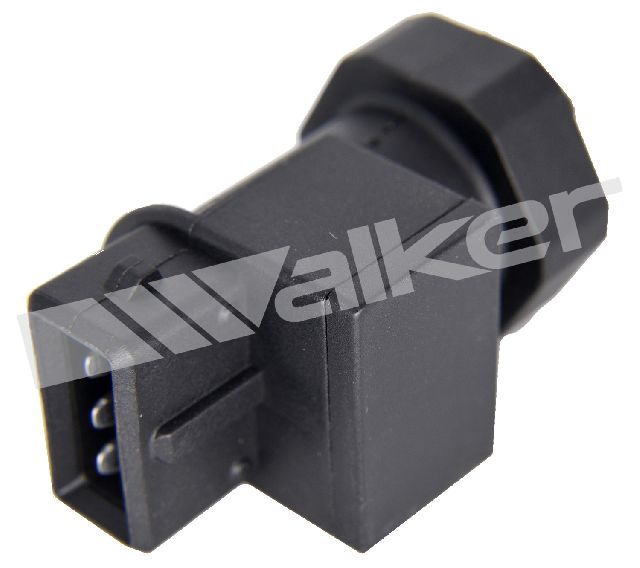
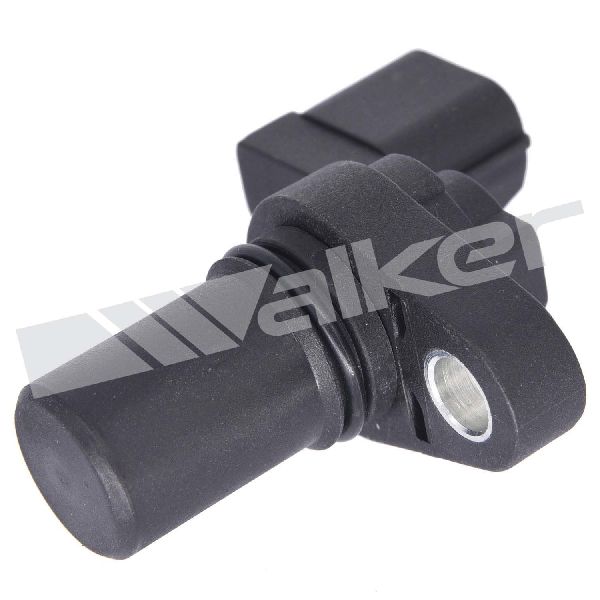
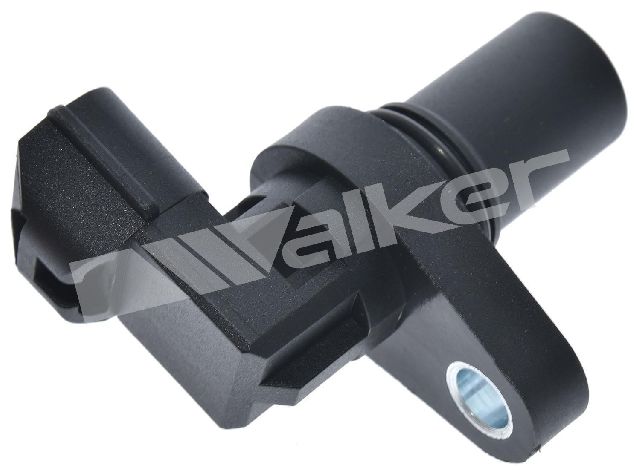
- Vehicle Speed Sensor (Output)
(OEM #42621-39200)— This is the sensor located on the transmission that fails and directly causes the P0500 code, leading to speedometer and shifting issues. It is also referred to as the 'Sensor Assembly-Output Speed'. This part is shared with many Hyundai and Kia models of the era.
Trusted brands: Hyundai (Genuine), Standard Motor Products, Dorman
OEM price range: $170-$250
Aftermarket price range: $40-$100
Related Codes That Often Appear With This One
- P0501 — This code for 'Vehicle Speed Sensor Range/Performance' indicates an erratic or irrational signal, which is often caused by the same failing VSS or wiring issue.
- P0720 — This code for 'Output Speed Sensor Circuit Malfunction' can sometimes appear, as the VSS is often the output speed sensor. This points more directly to the specific sensor on the transmission.
- P0732 / P0733 — These codes indicate incorrect gear ratios for 2nd or 3rd gear. The TCM may set these if the VSS signal is lost, as it cannot confirm the transmission's output speed matches the commanded gear.
Platform-Specific Known Issues
- Owner Experience: Dead Speedo and Harsh Shifting Fixed: A 2006 Tucson owner on Hyundai Forums reported intermittent speedometer failure, harsh shifting (especially from 2nd to 3rd gear), and the Check Engine Light with code P0500. After confirming the wiring was intact, they replaced the output speed sensor on the transmission. The repair took less than an hour, with the most time-consuming part being the removal of the airbox for access. The new sensor immediately fixed all symptoms.
Scan Tool Commands That Help
- Hyundai GDS (Global Diagnostic System): Current Data / Live Data — To monitor the 'Output Speed Sensor' parameter while driving or spinning the drive wheels. A reading that stays at zero while the vehicle is moving confirms a lack of signal. The GDS provides OEM-level data for accurate diagnosis.
- Hyundai GDS (Global Diagnostic System): DTC Diagnosis Guide — After retrieving code P0500, the GDS can provide a step-by-step diagnostic tree, including wiring diagrams, component locations, and expected values, guiding the technician through the troubleshooting process.
- Hyundai GDS (Global Diagnostic System): Resetting Adaptive Values — After replacing the speed sensor and fixing the P0500 code, it can be beneficial to reset the transmission's adaptive learning values to ensure the smoothest possible shifting with the restored speed signal.
Wiring & Ground Locations
- Vehicle Speed Sensor (VSS) Connector — On the top of the transaxle, held in by a single 10mm bolt. Access requires removing the air filter box assembly.. This is the primary connection point for the sensor. It is a common failure point due to heat, vibration, and potential oil contamination. Inspecting for corrosion or damage is a critical first step.
- TCM (Transmission Control Module) — Located under the left side of the dashboard.. The VSS sends its signal to the TCM. A wiring diagram shows the specific pins for the Output Speed Sensor signal and supply, which can be used for advanced circuit testing.
- VSS Circuit Wires (at TCM) — At the TCM connector under the dash. Pin 9 (Blue wire) is the Output Speed Signal, and Pin 7 (Green/Orange wire) is the Output Speed Supply.. If a new sensor doesn't fix the issue, a technician can test for signal continuity and correct voltage directly at the TCM connector pins to isolate a wiring fault between the sensor and the module.
- G01 Ground — Under the right center of the dash.. Poor grounds can cause a variety of electrical issues, including erratic sensor readings. While not a primary cause, checking major chassis and module grounds is good practice if the sensor and its direct wiring test good.
Real Owner Repair Stories
- AliExpress Review / User Story (2014 Hyundai Santa Fe (uses same family of sensors)) — Erratic speedometer readings, delayed gear shifts, vehicle would sometimes fail to engage drive or reverse, Check Engine Light with code P0720 (Output Speed Sensor Circuit Malfunction).
❌ Tried (didn't work) The user directly diagnosed the issue with an OBD2 scanner.
✅ What actually fixed it The user replaced the transmission output speed sensor (part number 42621-39200). After replacement, the check engine light disappeared within 20 miles of driving, and the transmission began shifting smoothly.
OEM Part Supersession History
42621-39210→42621-39200— Part number consolidation and update by Hyundai.
Heads up: Part number 42621-39200 is the correct and current replacement for the original 42621-39210. They are interchangeable for this application.
Model Year Variations Within This Range
- 2005-2009: The core components related to P0500 (VSS, TCM, wiring) remained consistent throughout the first generation (JM). A minor exterior styling refresh occurred in 2009, but it did not affect the diagnosis or repair of this code.
Diagnostic Flowchart
Other Known Issues on This Vehicle
Issues unrelated to this code that are worth knowing about as an owner of this generation:
- Subframe and Control Arm Corrosion 🔴 High — Very common in 'Salt Belt' regions. Can lead to component failure at any mileage, posing a serious safety risk. (Ref: Hyundai issued recalls and service campaigns (e.g., Campaign 110) to inspect and apply rust-proofing or replace affected components on eligible vehicles.)
- Crankshaft Position Sensor (CPS) Failure 🔴 High — A widespread problem for many Hyundai models of this era. Failure can be intermittent, often when the engine is hot, causing sudden stalling or a no-start condition. Codes P0335-P0339 are common. (Ref: While specific recalls varied, this is a well-documented failure. Owners often replace it preventatively. Using an OEM sensor is highly recommended as aftermarket versions are known to fail prematurely.)
- Airbag Warning Light On (Clockspring Failure) 🟠 Medium — Commonly occurs after 60,000-100,000 miles. The clockspring in the steering column wears out, disabling the driver's airbag and steering wheel controls (horn, cruise). (Ref: There was an extended warranty program (13-01-007) for this part on some models, but it has since expired.)
- Harsh Transmission Shifting 🟠 Medium → Shop Transmission Assembly — Aside from the P0500-related issue, some owners report general rough shifting, which can sometimes be improved with a transmission software update from the dealer or by changing the fluid.
Used vs. New Parts: Buying Guide for This Vehicle
When a used part is the smart pick: A used OEM sensor from a low-mileage donor vehicle is a reasonable choice if on a tight budget. Since this is a common failure item, the risk of a used part failing is higher than with a mechanical component. However, given the low cost of new aftermarket parts, buying new is generally recommended.
Donor-vehicle mileage cap: roughly under 80000 miles for the part to have meaningful remaining life.
What to inspect on the donor part:
- Verify the donor vehicle's mileage.
- Inspect the plastic connector housing for cracks or brittleness.
- Check the electrical pins for any signs of corrosion or damage.
- Ask for a short warranty (e.g., 30 days) from the salvage yard.
OEM-only on this vehicle (don't cheap out):
- For this specific repair, a quality aftermarket sensor is often sufficient. OEM is not strictly necessary unless previous aftermarket parts have failed prematurely.
Aftermarket brands forum-validated for this vehicle:
- Standard Motor Products (SMP)
- Dorman
- Beck/Arnley
Brands owners have reported issues with on this vehicle:
- No-name, unbranded sensors from online marketplaces should be avoided due to a higher likelihood of premature failure or out-of-box defects.
Real Owner Stories
Aggregated from forums and TSBs cited above. Mileages and costs reflect what owners reported in those sources.
2006 Hyundai Tucson
Symptoms: Intermittent speedometer failure, harsh shifting (especially from 2nd to 3rd gear), and the Check Engine Light with code P0500.
What fixed it: Replaced the output speed sensor on the transmission after confirming wiring was intact. The repair involved removing the airbox for access and took less than an hour.
Source hint: Owner Experience: Dead Speedo and Harsh Shifting Fixed
2005 Hyundai Tucson 2.0L FWD
Symptoms: Intermittent speedometer problem, Check Engine Light with codes P0500 and P0501.
What fixed it: A visual inspection revealed corroded and broken wires at the VSS connector. The fix was cutting off the old connector and splicing in a new pigtail connector.
Source hint: Go-Parts / Reddit r/MechanicAdvice
Related OBD-II Codes
Frequently Asked Questions
Where is the Vehicle Speed Sensor (VSS) located on my 2005-2009 Hyundai Tucson?
What is the specific OEM part number for the sensor that causes P0500 in this vehicle?
Why is my Tucson stuck in 3rd gear and shifting harshly with the P0500 code?
Is there a recall for the rust I see while checking my speed sensor wiring?
Can a leaking valve cover gasket cause my P0500 code?
Does the P0500 code affect my cruise control or ABS?
Helpful Videos
We Have This Part in Stock


The information in this article is provided for general reference and educational purposes only. Vehicle specifications, procedures, and part compatibility can vary by production date, trim level, and region. Always consult your vehicle's factory service manual and verify part numbers before purchasing or performing repairs. Safety-critical components such as airbags, seat belts, and braking systems should be installed by a qualified professional.
- Hyundai Tucson:
- 🧭 Diagnostic Flowchart
- 🎬 Helpful Videos
- 🛍️ Shop This Part
- What's Unique About the 2005-2009 Hyundai Tucson
- Symptoms You May Notice
- Most Likely Causes
- Rare But Worth Checking
- Diagnosis Steps
- Parts You'll Likely Need
- Related Codes That Often Appear With This One
- Platform-Specific Known Issues
- Scan Tool Commands That Help
- Wiring & Ground Locations
- Real Owner Repair Stories
- OEM Part Supersession History
- Model Year Variations Within This Range
- Other Known Issues on This Vehicle
- Used vs. New Parts: Buying Guide for This Vehicle
- Real Owner Stories
- 2006 Hyundai Tucson
- 2005 Hyundai Tucson 2.0L FWD
- Related OBD-II Codes
- Frequently Asked Questions
- 🎟️ Get 5% Off