

P0500 on 2006-2011 Kia Rio: Vehicle Speed Sensor Malfunction Causes and Fixes
On a 2006-2011 Kia Rio, code P0500 almost always means a failed vehicle speed sensor (VSS) or its wiring. The most likely fix is replacing the sensor, which costs about $25-$75 for the part. First, determine if your car has ABS, as this changes the sensor's location. Non-ABS models use the front right wheel speed sensor, while ABS models use a sensor on the transmission.
- The very first step is to determine if your 2006-2011 Kia Rio has ABS, as this dictates which sensor is causing the P0500 code.
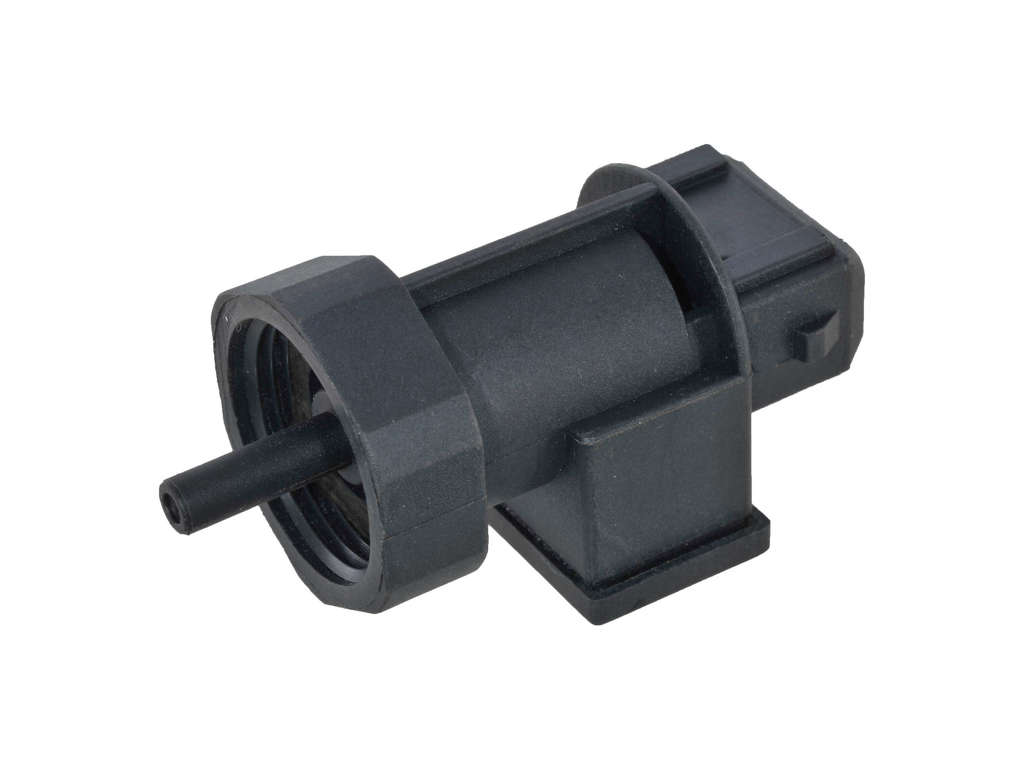
- For cars with ABS, the problem is likely the Vehicle Speed Sensor (VSS) on the transmission.
- For cars without ABS, the problem is the front right wheel speed sensor or its wiring.
- Before replacing any parts, always inspect the wiring and connector for visible damage or corrosion, as this is a common and inexpensive fix.
What's Unique About the 2006-2011 Kia Rio
For the second-generation (JB) Kia Rio, the key to solving P0500 is knowing if your car has ABS. Non-ABS models get their speed reading from the front right wheel speed sensor. In contrast, models equipped with ABS use a separate Vehicle Speed Sensor (VSS) mounted on the transmission. This distinction is critical; diagnosing the wrong sensor will not fix the problem. This setup is shared with its platform-mate, the Hyundai Accent (MC).
Symptoms You May Notice
- Check Engine Light is on
- Speedometer is erratic or reads 0 MPH
- Odometer is not working
- Harsh or improper shifting (automatic transmission)
- Cruise control does not work
- ABS or Traction Control light may be illuminated
- Replacing the transmission-mounted VSS on a non-ABS car.
- Replacing the front right wheel speed sensor on an ABS-equipped car for a P0500 code.
- Confusing the timing belt with the accessory/serpentine belt when diagnosing noises.
Most Likely Causes
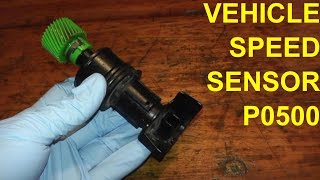
- Failed Vehicle Speed Sensor (VSS) 🔴 High Probability → Shop Drive Shaft Sensor The sensor is an electronic component that can fail with age and exposure to heat and vibration. It is the most common point of failure for this code. 🎬 Watch this helpful breakdown of P0500 causes and symptoms. Depending on the model (ABS vs. non-ABS), this will either be the transmission-mounted sensor or the front-right wheel speed sensor.
How to confirm: First, identify your car's system (ABS or non-ABS). For ABS models, the VSS is on the transmission. For non-ABS, it's the front-right wheel speed sensor. Test the sensor with a multimeter for resistance or use a scan tool to monitor its output while driving. A lack of a changing signal when the vehicle is moving points to a failed sensor.
Typical fix: Replace the failed speed sensor. This is a straightforward repair for either sensor type.
Est. part cost: $25-$75 - Damaged Wiring or Corroded Connector 🟡 Medium Probability The wiring to both the transmission-mounted VSS and the wheel speed sensors is exposed to road debris, moisture, and engine bay heat, which can lead to corrosion, chafing, or breaks. Wires can break right at the connector, which can be hard to see without pulling on them.
How to confirm: Visually inspect the entire length of the wiring harness for the relevant speed sensor. Unplug the connector and check for green or white corrosion, bent pins, or loose terminals. Wiggling the harness while monitoring sensor data on a scan tool can reveal intermittent connections. A video guide shows a successful repair by soldering broken wires at the VSS connector.
Typical fix: Clean the connector pins with a contact cleaner and apply dielectric grease. If a wire is broken, repair the damaged section or replace the connector pigtail.
Est. part cost: $10-$30 - Damaged Tone Ring (Non-ABS models) ⚪ Low Probability The tone ring (or reluctor ring) on the CV axle can be damaged during axle or wheel bearing replacement. It can also accumulate rust and debris, which obstructs the sensor's reading.
How to confirm: With the wheel removed, visually inspect the toothed ring on the front right CV axle for missing teeth, cracks, or heavy rust/debris that could block the sensor's view.
Typical fix: Clean the tone ring with a wire brush. If it is cracked or has missing teeth, the CV axle must be replaced.
Est. part cost: $70-$150
Rare But Worth Checking
- Faulty Instrument Cluster: → Shop Instrument Cluster If the speedometer and odometer are dead but the car shifts and runs perfectly fine (and cruise control works), the issue might be the cluster itself, not the sensor. On some vehicles, the VSS signal routes through the instrument cluster before going to the PCM; a failure in the cluster's output circuit can trigger P0500 even with a good sensor.
- Faulty Powertrain Control Module (PCM): This is extremely rare. The PCM should only be considered after all other possibilities, including sensors and wiring, have been exhaustively tested and ruled out.
Diagnosis Steps
- Confirm if your Kia Rio has an Anti-lock Braking System (ABS). You can tell if an ABS warning light illuminates on the dashboard when you start the car.
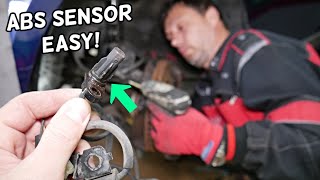
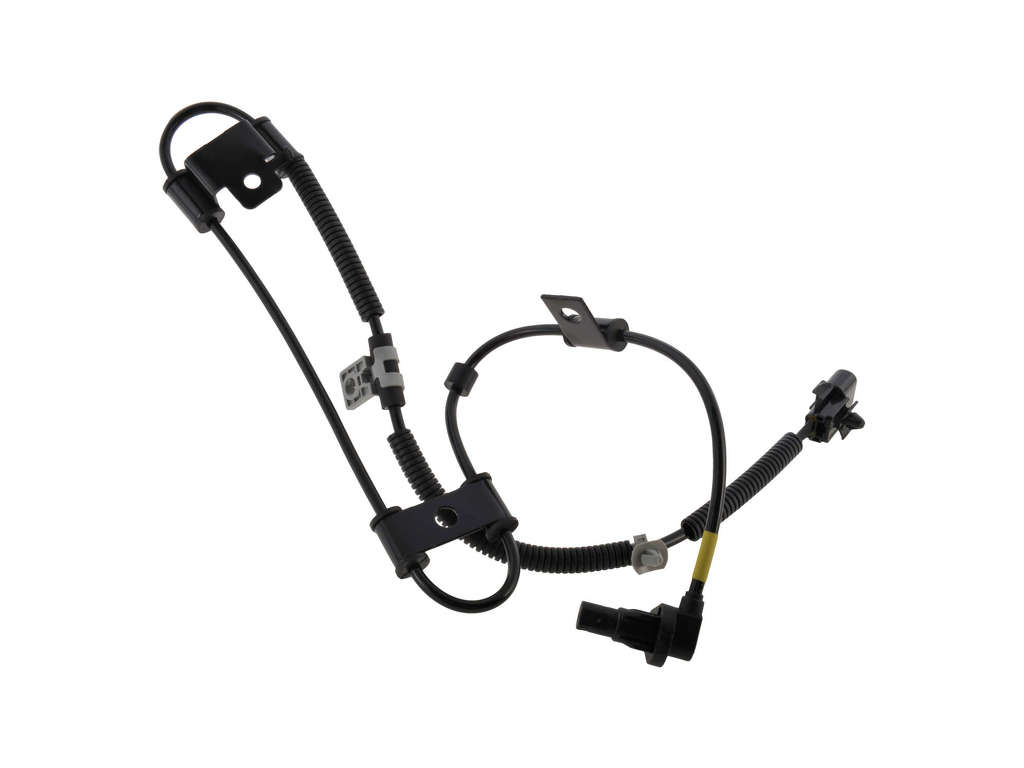
- For Non-ABS Models: Your focus is the front right wheel speed sensor and its circuit. Visually inspect the sensor on the wheel hub and follow its wire into the fender well, looking for damage. 🎬 See how to remove and replace the wheel speed sensor.
- For ABS-Equipped Models: Your focus is the Vehicle Speed Sensor (VSS) on the transmission. It is typically located on the top of the transmission housing, often under the air filter assembly for access. 🎬 Watch this quick video to locate the transmission speed sensor. Inspect its connector and wiring.
- Connect an OBD-II scanner that can read live data. Monitor the 'Vehicle Speed' PID while driving. If it remains at 0 MPH or is erratic, it confirms a lack of signal from the sensor to the PCM.
- If the wiring looks good, test the sensor itself. You can use a multimeter to check for resistance across the sensor's terminals (compare to manufacturer specs) or voltage output while spinning the wheel/driveshaft. A lab scope is the best tool to verify the square wave signal from the sensor.
- For non-ABS models, if the sensor and wiring test good, carefully inspect the tone ring on the CV axle for damage or debris.
- If all sensor-related components test good, the problem could be a faulty instrument cluster or, in very rare cases, the PCM.
Parts You'll Likely Need
- Vehicle Speed Sensor (for ABS models)
(OEM #96420-4A600)— This is the primary speed sensor for ABS-equipped models and is the most common part to fail for a P0500 code on these cars. Note that this part number may be superseded and also replaces 96420-4A000. It is specified for manual transmission models in some listings, so confirm fitment.
Trusted brands: Genuine Kia/Hyundai, Standard Motor Products (SC347), Beck/Arnley, A-Premium
OEM price range: $40-$60
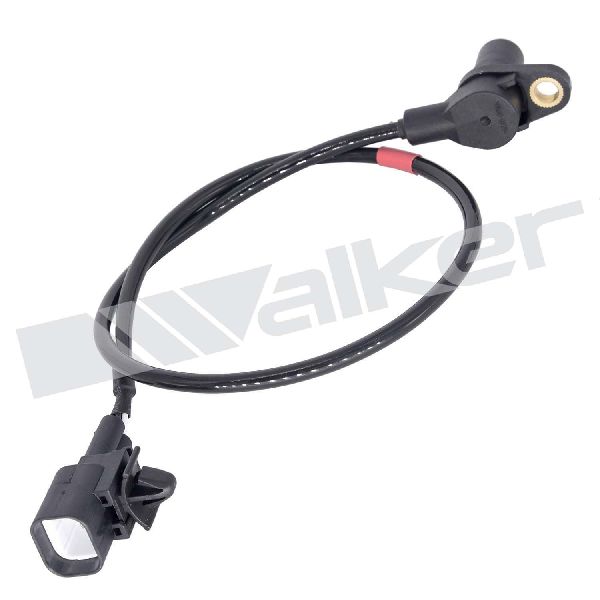
Aftermarket price range: $20-$45 - Front Right Wheel Speed Sensor (for Non-ABS models)
(OEM #95671-1G100)— On models without ABS, this sensor provides the vehicle speed signal to the PCM. It is the primary cause of P0500 on these specific vehicles.
Trusted brands: Genuine Kia/Hyundai, Dorman, A-Premium, Standard Motor Products
OEM price range: $70-$100
Aftermarket price range: $30-$60
Related Codes That Often Appear With This One
- P0501 — P0501 indicates a 'Range/Performance' issue with the VSS, while P0500 is a general malfunction. They share the same root causes and are often diagnosed together.
- P07xx — Various transmission codes can be triggered on automatic models because the Transmission Control Module (TCM) relies on an accurate speed signal to command shifts.
- C0035 — This is an ABS-specific code for the front right wheel speed sensor circuit. On a non-ABS Rio, this sensor is the source for the P0500 code. On an ABS model, a fault here could cause the ABS module to send bad data to the PCM, potentially triggering P0500.
Platform-Specific Known Issues
- A critical distinction for the 2006-2011 Rio is the source of the speed signal. Non-ABS models use the front right wheel speed sensor, while ABS models use a transmission-mounted sensor. Misdiagnosing which sensor to check is a common mistake.
- A user on a forum reported that after a difficult wheel bearing replacement, they triggered a P0501 code because the tone ring on the CV axle was damaged during the repair, requiring a new CV axle.
Mechanic-Grade Diagnostic Values
- Transmission VSS (ABS Models) Signal Wire Voltage — expected: Approximately 10-11.5V with key on, engine off. Should produce 4 pulses per revolution, dropping the voltage, when the sensor shaft is rotated.. Failure: No voltage, or voltage does not pulse/change when the shaft is rotated, indicates a faulty sensor or wiring issue.
- Wheel Speed Sensor (Non-ABS Models) AC Voltage Output — expected: Greater than 100mV (0.1V) AC when the wheel is spun by hand.. Failure: No AC voltage produced when spinning the wheel indicates a failed sensor.
- Wheel Speed Sensor (Non-ABS Models) Resistance — expected: Typically between 800 and 1,700 ohms, but the key is that the resistance should be similar between the left and right front sensors.. Failure: An open circuit (infinite resistance) or a value significantly different from the sensor on the other side of the vehicle points to a failed sensor.
- VSS Signal Wire Continuity to PCM/Cluster — expected: Less than 1.0 ohm of resistance.. Failure: High resistance or an 'OL' (Over Limit) reading on a multimeter indicates a break in the wire.
Scan Tool Commands That Help
- Kia GDS (Global Diagnostic System): Live Data / Current Data — This is the primary function to use on a Kia/Hyundai factory scan tool to monitor the vehicle speed signal from the relevant sensor (either VSS or wheel speed sensor) in real-time while driving. This confirms if the PCM is receiving a signal.
- Kia GDS (Global Diagnostic System): Actuation Test — While not directly used to test the VSS input, the GDS actuation tests can help rule out other module failures by commanding outputs and verifying system responses, confirming the integrity of related control units.
- ABS-capable Scan Tool: Wheel Speed Sensor Live Data — For both ABS and non-ABS models, a scan tool that can read ABS module data is invaluable. You can view the speed from all four wheels simultaneously. On a non-ABS car, this directly confirms if the front-right sensor (the source of the VSS signal) is working. On an ABS car, it helps rule out a simultaneous wheel speed sensor fault that could be confusing the diagnosis.
Wiring & Ground Locations
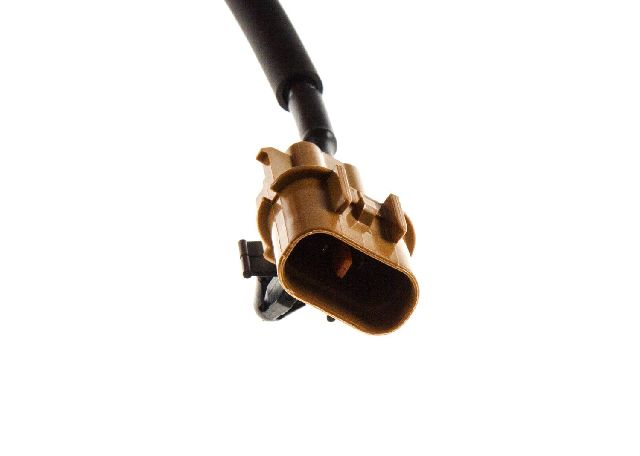
- Transmission VSS Connector — On top of the transmission housing, often below the air intake assembly for access.. This is a 3-pin connector. One pin is power (approx. 10-11V), one is ground, and one is the signal wire that sends pulses to the instrument cluster/PCM. Wires often break or corrode right at this connector.
- I/P Junction Box (Interior Fuse Box) — Located on the driver's side of the dashboard, behind a cover.. This box contains fuses for the instrument cluster ('METER' fuse) and Transmission Control Module ('TCU' fuse). A blown fuse here can interrupt the VSS signal path or power to a receiving module, causing a P0500.
- E/R Fuse & Relay Box (Engine Bay Fuse Box) — Located in the engine compartment, typically near the battery.. Contains main relays and fuses for the ECU and other critical engine systems that process the VSS signal.
- Chassis Grounds — Multiple points, including on the cylinder head, transmission case, and inner fenders.. A poor ground for the ECU, instrument cluster, or the sensor itself can cause a floating voltage or a weak signal, leading to an erroneous P0500 code. Ensuring clean, tight ground connections is a key diagnostic step.
Real Owner Repair Stories
- YouTube video by 'Fix It Angel' (2004 Nissan Sentra (similar VSS system)) — P0500 code, speedometer and odometer not working, O/D light flashing.
❌ Tried (didn't work) The owner was preparing to replace the Vehicle Speed Sensor.
✅ What actually fixed it Upon inspecting the VSS connector, the owner found one of the wires had broken off right at the pigtail. The final fix was stripping the broken wire and the corresponding wire on the connector, soldering them together, and sealing the repair with electrical tape. This resolved the code without replacing the sensor.
Model Year Variations Within This Range
- 2006-2011: The most significant variation within this generation is not by year, but by the presence of an Anti-lock Braking System (ABS). Non-ABS models source vehicle speed from the front right wheel speed sensor. ABS-equipped models use a dedicated Vehicle Speed Sensor (VSS) on the transmission. This is the critical first diagnostic question.
Diagnostic Flowchart
Other Known Issues on This Vehicle
Issues unrelated to this code that are worth knowing about as an owner of this generation:
- Timing Belt Failure 🔴 High — The 1.6L 'Alpha II' engine is an interference design. The timing belt has a recommended replacement interval of 60,000 to 90,000 miles. Failure to replace it can lead to catastrophic engine damage (bent valves, damaged pistons).
- Noisy or Faulty AC Compressor Clutch 🟡 Low — The AC compressor clutch assembly is known to fail, causing excessive noise when the AC is on. This typically does not require replacing the entire compressor.
- Steering Column Noise / Failure 🟠 Medium — While recalls for steering column bolts and brackets were issued for other Kia/Hyundai model years, owners of the 2006-2011 generation have also reported clunking or looseness in the steering column. (Ref: Related recalls for other model years (e.g., NHTSA Campaign 18V622000) highlight potential manufacturing issues with steering components in the broader Kia lineup.)
- Rapid Spark Plug Wear 🟡 Low — These engines can be prone to rapid spark plug wear, leading to engine misfires and rough idling. It's a common maintenance item to check if experiencing poor engine performance.
- Suspension Wear 🟠 Medium — Earlier models of the Rio were known for premature suspension wear, leading to a bumpy or rough ride.
Used vs. New Parts: Buying Guide for This Vehicle
When a used part is the smart pick: A used Vehicle Speed Sensor (VSS) or Wheel Speed Sensor from a reputable auto recycler is a reasonable choice for this repair. These are typically robust electronic components, and a used OEM part is often more reliable than a cheap, new aftermarket part. A complete used CV axle (for non-ABS models) is also a cost-effective way to replace a damaged tone ring.
Donor-vehicle mileage cap: roughly under 100000 miles for the part to have meaningful remaining life.
What to inspect on the donor part:
- For sensors, inspect the connector for any cracks, corrosion, or broken locking tabs.
- Check the wiring pigtail for any signs of brittleness, previous repairs, or chafing.
- For a CV axle, inspect the tone ring for any missing teeth, cracks, or significant rust buildup. Ensure the axle boots are not torn.
Aftermarket brands forum-validated for this vehicle:
- Standard Motor Products (SMP)
- Delphi
- Mando
- A-Premium
Brands owners have reported issues with on this vehicle:
- No-name, unbranded sensors from online marketplaces should be avoided, as their signal quality and longevity can be questionable.
Documented NHTSA Reports
NHTSA records provide additional context for speed sensor failures. For example, NHTSA ODI #11645566 describes a vehicle experiencing multiple misfires and a P0500 code simultaneously, indicating that speed sensor faults can sometimes appear alongside broader engine performance issues.
Real Owner Stories
Aggregated from forums and TSBs cited above. Mileages and costs reflect what owners reported in those sources.
2008 Kia Rio 4 Cyl 2WD Automatic — 72000 miles
Symptoms: Check Engine Light with code P0501 following a bad wheel bearing replacement.
What fixed it: The owner replaced the front-right wheel speed sensor and the CV axle (due to a damaged tone ring), but the code persisted; the final recommendation was to check the Vehicle Speed Sensor (VSS) on the transmission.
Source hint: 2CarPros owner report
2007 Kia Rio
Symptoms: Speedometer not working and Check Engine Light illuminated.
What fixed it: Checking the 10-amp TCU fuse in the junction block and inspecting the transmission-mounted speed sensor.
Source hint: Carjunky Forum thread titled '2007 kia rio speedometer help please'
2006-2011 Kia Rio
Symptoms: P0500 code present, but the sensor itself was not faulty.
What fixed it: Finding and soldering broken wires located right at the VSS connector pigtail.
Source hint: YouTube video by 'Fix It Angel' titled 'P0500 Fixed WITHOUT CHANGING Vehicle Speed Sensor'
Related OBD-II Codes
Frequently Asked Questions
How can I tell if my 2006-2011 Kia Rio uses the transmission sensor or the wheel sensor for the speed signal?
Where is the VSS located on an ABS-equipped 2006-2011 Rio?
Can a bad wheel bearing replacement cause a P0500 or P0501 code on this car?
Is there a specific fuse I should check for speedometer issues on a 2007 Rio?
My speedometer is erratic and my automatic transmission is shifting harshly; are these related?
Can I fix a P0500 without buying a new sensor?
Helpful Videos

We Have This Part in Stock


The information in this article is provided for general reference and educational purposes only. Vehicle specifications, procedures, and part compatibility can vary by production date, trim level, and region. Always consult your vehicle's factory service manual and verify part numbers before purchasing or performing repairs. Safety-critical components such as airbags, seat belts, and braking systems should be installed by a qualified professional.
- Kia Rio:
- 🧭 Diagnostic Flowchart
- 🎬 Helpful Videos
- 🛍️ Shop This Part
- What's Unique About the 2006-2011 Kia Rio
- Symptoms You May Notice
- Most Likely Causes
- Rare But Worth Checking
- Diagnosis Steps
- Parts You'll Likely Need
- Related Codes That Often Appear With This One
- Platform-Specific Known Issues
- Mechanic-Grade Diagnostic Values
- Scan Tool Commands That Help
- Wiring & Ground Locations
- Real Owner Repair Stories
- Model Year Variations Within This Range
- Other Known Issues on This Vehicle
- Used vs. New Parts: Buying Guide for This Vehicle
- Documented NHTSA Reports
- Real Owner Stories
- 2008 Kia Rio 4 Cyl 2WD Automatic — 72000 miles
- 2007 Kia Rio
- 2006-2011 Kia Rio
- Related OBD-II Codes
- Frequently Asked Questions
- 🎟️ Get 5% Off