

P0500 on 2007-2012 Nissan Sentra: Vehicle Speed Sensor Causes and Fixes
On a 2007-2012 Sentra, P0500 is almost always a faulty Vehicle Speed Sensor (VSS) on the transmission, especially if the speedometer is also erratic or dead. This is a low-cost part (~$25-$75) and a simple DIY replacement for most owners. If the speedometer works perfectly, the issue is likely a failed circuit within the instrument cluster.
- The first and most important diagnostic step is to check if your speedometer is working. This will point you to the most likely cause.
- If the speedometer is dead or erratic, the Vehicle Speed Sensor (VSS) on the transmission is the most likely culprit.
- If the speedometer works perfectly, the problem is likely an internal fault in the instrument cluster, not the sensor itself.
- Replacing the VSS is a simple, low-cost DIY job that only requires basic hand tools.
- Always inspect the wiring and connector for damage before replacing any parts.
What's Unique About the 2007-2012 Nissan Sentra
For the 2007-2012 (B16 generation) Sentra, often equipped with a Continuously Variable Transmission (CVT), the P0500 code has two very distinct common causes. The diagnostic path is determined by one simple question: is the speedometer working? If the speedometer is also malfunctioning, the issue is almost certainly the VSS on the transmission. However, if the speedometer works perfectly but the code is set and the transmission shifts poorly, the problem is more likely a failure within the instrument cluster's internal circuitry, which fails to relay the speed signal to the engine and transmission computers. Unlike the contemporary Nissan Altima where P0500 points to an ABS wheel speed sensor, on the Sentra it almost always relates to the transmission VSS or the cluster.
Symptoms You May Notice
- Check Engine Light is on
- Erratic or non-functional speedometer
- Harsh, delayed, or improper shifting from the automatic/CVT transmission
- Vehicle may enter 'limp mode,' limiting engine power and speed
- Cruise control will not engage
- ABS and/or Traction Control (VDC) warning lights may illuminate
- Replacing the Vehicle Speed Sensor when the speedometer is working perfectly. If the speedometer functions correctly, the VSS is sending a signal to the instrument cluster, and the problem is likely the cluster's output to the ECM, not the sensor itself.
Most Likely Causes
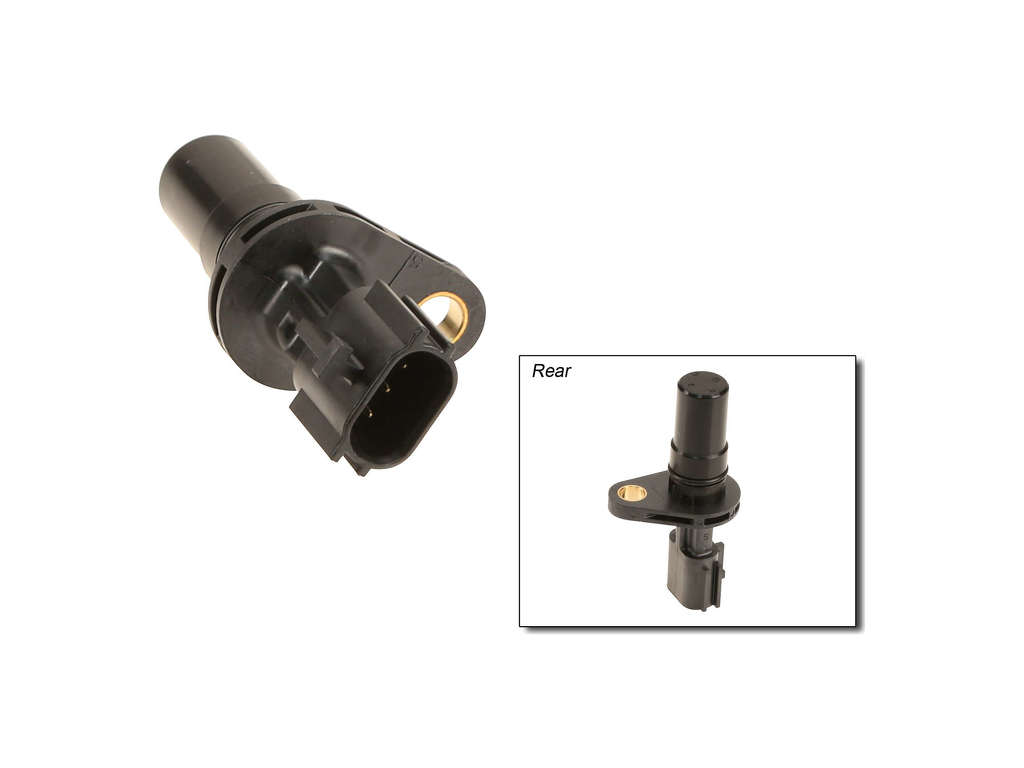
- Faulty Vehicle Speed Sensor (VSS) 🔴 High Probability → Shop Drive Shaft Sensor The VSS is an electronic sensor mounted on the transmission that is subject to heat, vibration, and potential contamination from transmission fluid, leading to eventual failure. It is the most common point of failure for this code.
How to confirm: The most telling symptom is an erratic or completely dead speedometer accompanying the P0500 code. The sensor is typically located on the transmission housing, held in by a single 10mm bolt. You can visually inspect it and its connector for damage. Often, this sensor is also the 'Output Speed Sensor' that triggers code P0720.
Typical fix: Replace the Vehicle Speed Sensor. Access may require removing the air filter box assembly. The sensor is secured by a single 10mm bolt. It can be difficult to remove; twisting and pulling is required. It is critical to lubricate the new sensor's O-ring 🎬 Watch: How to replace the transmission speed sensor with a small amount of transmission fluid before installation to ensure a proper seal.
Est. part cost: $25-$75 - Damaged Wiring or Connector 🟡 Medium Probability The wiring harness leading to the VSS is located under the vehicle and can be damaged by road debris, heat from the exhaust, or corrosion from moisture over time. A manufacturer service bulletin for another Nissan model, TSB Bulletin #NTB14019, notes that P0500 can be triggered when moisture and/or corrosion is present in the sensor circuits.
How to confirm: Visually inspect the entire length of the wiring harness from the VSS connector back. Look for frayed wires, melted insulation, or green corrosion inside the connector pins. Wiggling the harness while monitoring speed data on a scan tool may cause the signal to drop out, confirming an intermittent connection. 🎬 See: Diagnosing a speed sensor wiring harness issue
Typical fix: Repair the damaged section of wire or replace the connector pigtail. Ensure the repaired section is properly insulated and secured away from heat sources or moving parts.
Est. part cost: $10-$30 - Failed Instrument Cluster Output Circuit ⚪ Low Probability → Shop Instrument Cluster On these Nissans, the VSS signal is routed through the instrument cluster before going to the ECM. An internal electronic failure (often a cracked solder joint on the circuit board) in the cluster can prevent it from relaying the signal, even if the speedometer itself still works. NHTSA ODI #10242304 describes a similar issue on a different Nissan model where the speedometer would drop to zero occasionally, leading the owner to believe there was an issue with the circuit.
How to confirm: This is the primary suspect if the speedometer works perfectly but the P0500 code is present, often with transmission shifting issues. A professional scan tool can verify the cluster is receiving a speed signal but the ECM is not. Some owners have confirmed this by tapping on the dashboard and seeing the speed signal flicker on a live data scanner. 🎬 Watch: Troubleshooting a Nissan speedometer that stops working
Typical fix: The instrument cluster must be removed and sent to a specialized electronics repair service. For advanced DIYers, some have successfully fixed this by re-soldering the connections on the speedometer's circuit board within the cluster. Replacing the cluster with a new or used one often requires programming by a dealership to retain correct mileage.
Est. part cost: $150-$400 for a repair service
Rare But Worth Checking
- Faulty ABS Wheel Speed Sensor or ABS Module: → Shop ABS Wheel Speed Sensor While the primary speed signal comes from the transmission VSS, the car also uses four ABS wheel speed sensors. A fault in this system can sometimes contribute to a P0500 code, but it is almost always accompanied by ABS/VDC warning lights and specific 'C' codes (e.g., C1101-C1108) that pinpoint the faulty wheel.
- Mismatched Tire Sizes: A significant difference in tire diameter between the front and rear axles can cause the ABS and traction control systems to detect a constant wheel speed discrepancy. This can lead the system to set a P0500 fault, often with ABS/Traction lights, as the various speed inputs no longer agree. One owner of a 2012 Sentra resolved a persistent P0500, C1115, and P1574 simply by replacing two incorrectly sized tires.
- Faulty ECM/TCM: It is extremely rare for the Engine Control Module (ECM) or Transmission Control Module (TCM) to be the cause of a P0500 code. All other possibilities, including sensors, wiring, and the instrument cluster, should be exhaustively ruled out before considering computer replacement.
Diagnosis Steps
- Read the codes with an OBD-II scanner and confirm P0500 is present. Note any other codes, especially P0720, U-codes, or C-codes.
- Observe the speedometer during a test drive. Does it work correctly, is it erratic, or is it completely dead?
- If the speedometer is NOT working or is erratic: The problem is very likely the VSS on the transmission or its wiring. Proceed to step 5.
- If the speedometer IS working perfectly: The problem is likely the instrument cluster's output circuit. This usually requires professional diagnosis to confirm before sending the cluster for repair. Advanced users may attempt to diagnose by monitoring the speed signal at the ECM. Skip to step 8.
- Visually inspect the Vehicle Speed Sensor (VSS) and its electrical connector on the transmission. Look for loose connections, corrosion, or damaged wires.
- If the wiring looks good, the most probable cause is a failed VSS. Replace the sensor, making sure to lubricate the new O-ring.
- If the wiring is damaged, repair or replace the affected section.
- Check for mismatched tire sizes, which can cause conflicting speed signals and trigger a P0500 code.
- After any repair, clear the codes with the scanner and perform another test drive to ensure the issue is resolved and the Check Engine Light does not return.
Parts You'll Likely Need
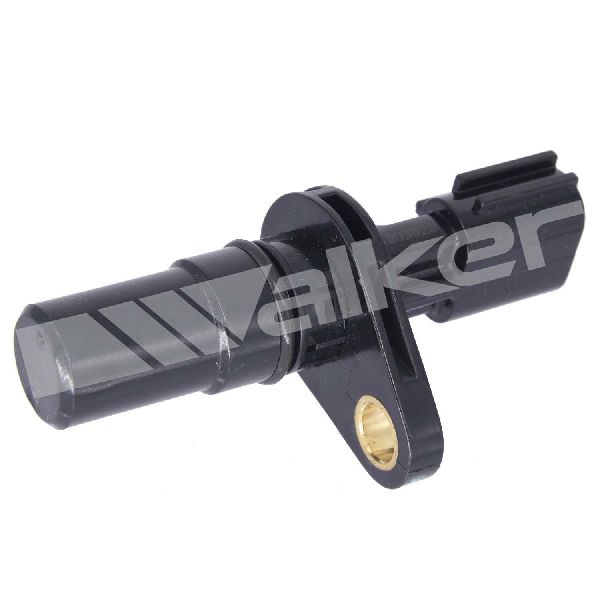
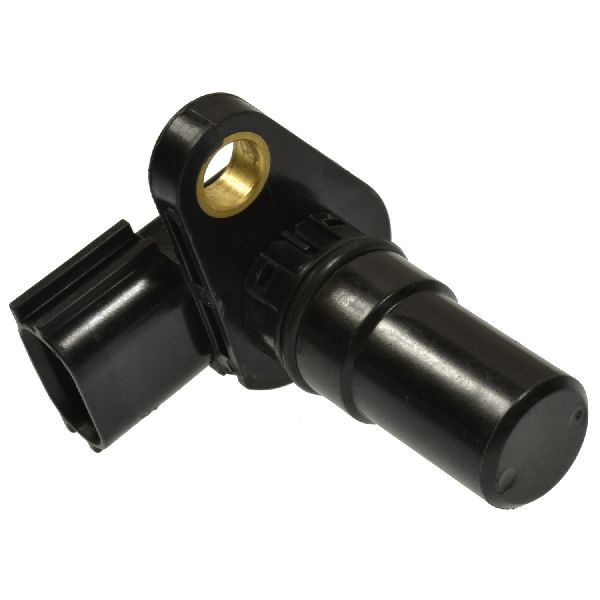
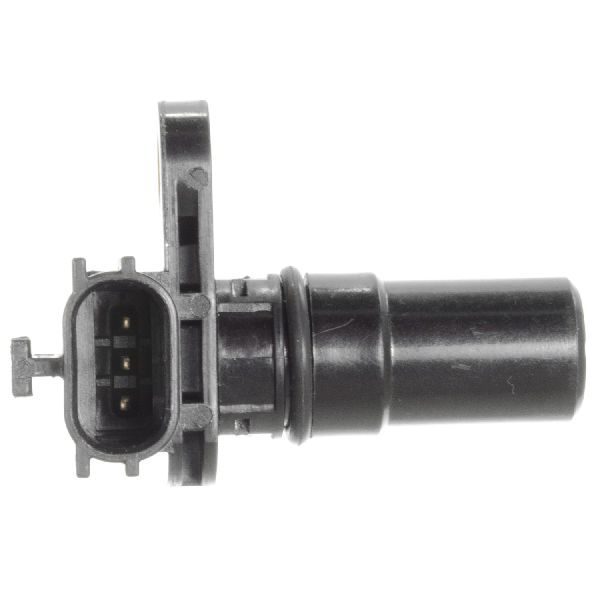
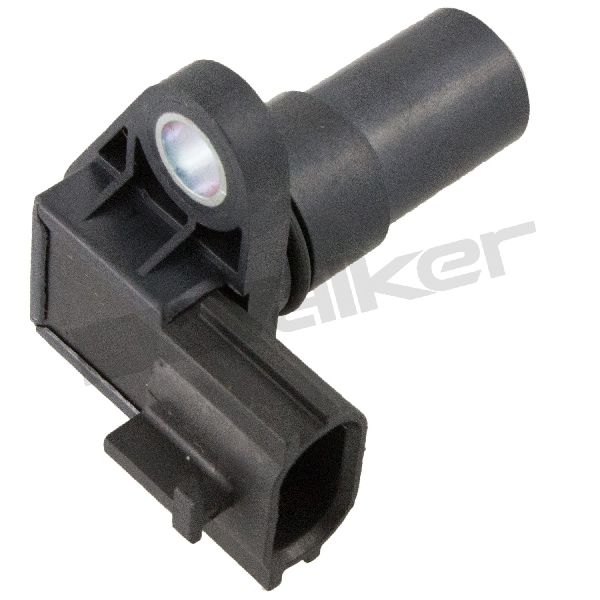
- Vehicle Speed Sensor (VSS) / Output Speed Sensor
(OEM #31935-1XF0D (supersedes 31935-1XF01))— This is the most frequent failure point causing a P0500 code, especially when the speedometer also malfunctions. It is responsible for generating the primary speed signal from the transmission.
Trusted brands: Hitachi, NGK/NTK, Delphi, Genuine Nissan
OEM price range: $100-$150
Aftermarket price range: $25-$75
Related Codes That Often Appear With This One
- P0720 — P0720 refers to the Output Speed Sensor Circuit. On many Nissan CVTs, the Vehicle Speed Sensor (VSS) that triggers P0500 is the exact same physical part as the Output Speed Sensor. A failure of this single sensor will therefore log both codes simultaneously.
- U1000 — This code indicates a CAN communication circuit problem. It can appear when the instrument cluster is the source of the fault, as it fails to communicate the speed signal to other modules on the network.
- C1101-C1108 — These are ABS codes indicating a fault with a specific wheel speed sensor. If one of these is present with P0500, it strongly suggests the problem is in the ABS system (e.g., a bad wheel sensor) rather than the transmission VSS.
Technical Service Bulletins (TSBs) & Recalls
- While no specific TSB for P0500 on the 2007-2012 Sentra is widely cited, Nissan TSB ITB19-040 for other models with code P0720 (often seen with P0500) instructs technicians to replace the entire TCM/valve body assembly. This highlights that the Sentra's typical fix—an inexpensive, external sensor—is a much less severe failure mode than on some other Nissan vehicles.
- TSB Bulletin #NTB14019 notes that P0500 can appear in combination with P0720, P1574, and P1715, particularly when moisture or corrosion is present in the sensor circuits.
Platform-Specific Known Issues
- Real-World Story: Mismatched Tires Cause P0500: A 2012 Nissan Sentra owner reported a persistent P0500 code along with ABS and Traction Control lights (C1115, P1574). The speedometer would quit working above 40 MPH. After replacing wheel speed sensors with no success, the root cause was discovered to be two incorrectly sized tires installed by a previous owner. The difference in rolling diameter between the front and rear axles created a speed signal conflict that the car's computers interpreted as a fault. Replacing the tires with the correct size resolved all codes and symptoms.
Wiring & Ground Locations
- VSS Connector — On the transmission housing, typically on the driver's side, sometimes below the starter.. This is the primary connection point for the VSS. Wires at this connector are prone to breaking from vibration and heat, causing an open circuit and a P0500 code.
- Instrument Cluster Connector — At the rear of the instrument cluster, accessed by removing the dash trim surrounding the cluster.. The raw VSS signal enters the cluster through this connector, and the processed signal for the ECM exits through it. A poor pin connection or cracked solder joint at this connector can interrupt the signal to the ECM, causing P0500 even with a working speedometer.
- ECM Connector — On the firewall on the left side of the vehicle, or behind the glove box.. This is the final destination for the vehicle speed signal. A technician can back-probe the VSS signal wire here to definitively confirm if the signal from the instrument cluster is arriving at the ECM.
- Ground M61 — Located on the right side of the dash.. This is a common ground point for several dash components, including potentially the instrument cluster. A poor ground here can cause erratic behavior in the cluster's electronics.
Real Owner Repair Stories
- YouTube user 'beachtroll' (2004 Nissan Sentra (B15, but same principle applies)) — Speedometer and odometer not working, Check Engine Light on with code P0500, O/D light flashing on startup.
❌ Tried (didn't work) Initially planned to replace the VSS.
✅ What actually fixed it Upon trying to disconnect the VSS wiring harness, the technician discovered one of the wires was completely broken off right at the connector. The final fix was to solder the broken wire back onto the connector pin, which resolved all symptoms and cleared the code. - An owner reported in NHTSA ODI #11141395 that their vehicle had a P0500 code and they attempted to replace the speed sensor, but that did not solve the issue; the vehicle was eventually towed to a dealership for further diagnosis.
- In NHTSA ODI #11181320, an owner experienced issues when accelerating or pulling out from a stop, and a diagnostic test listed code P0500.
- NHTSA ODI #10033322 describes a situation where an owner took their vehicle to a dealer on four occasions for a recurring P0500 code, but mechanics were unable to duplicate the failure.
OEM Part Supersession History
31935-1XF01→31935-1XF0D— Standard part revision and improvement by the manufacturer.
Heads up: The new part number (31935-1XF0D) is a direct replacement for the old one and should be used for all repairs.
Diagnostic Flowchart
Other Known Issues on This Vehicle
Issues unrelated to this code that are worth knowing about as an owner of this generation:
- CVT Transmission Failure 🔴 High → Shop Transmission Assembly — A widely documented problem for this generation. Failures can occur anywhere from 60,000 to 120,000 miles, often presenting as whining, shuddering, or complete loss of power. (Ref: Multiple TSBs exist, and Nissan extended the warranty on some early CVTs, but many vehicles are now outside that coverage.)
- Cracked Exhaust Manifold / Failed Catalytic Converter 🟠 Medium — Common on the 2.0L MR20DE engine. The manifold, which has an integrated catalytic converter, is prone to cracking, causing an exhaust leak and often a P0420 code.
- Blower Motor Failure 🟡 Low — The blower motor for the HVAC system is a common failure item. While the part is not expensive, its location makes replacement very labor-intensive, requiring removal of the brake and gas pedal assemblies.
- Throttle Body Failure 🟠 Medium — The electronic throttle body can fail, leading to a rough or fluctuating idle, poor acceleration, and stalling. Sometimes cleaning it can help, but often the unit requires replacement.
- Ignition Coil Failure 🟡 Low — Failure of one or more ignition coils is common, causing a rough running engine and a flashing check engine light (misfire codes P0300-P0304).
Used vs. New Parts: Buying Guide for This Vehicle
When a used part is the smart pick: A used instrument cluster from a junkyard can be a cost-effective option IF the issue is a confirmed internal cluster failure (P0500 with a working speedometer). This is only recommended if you have access to mileage programming services.
Donor-vehicle mileage cap: roughly under 80000 miles for the part to have meaningful remaining life.
What to inspect on the donor part:
- Match the part number EXACTLY from your original cluster.
- Ensure the donor vehicle had the same transmission type (CVT vs. Manual).
- Verify the plastic lens is clear and not cracked or deeply scratched.
- Ask for a photo of the cluster powered on if possible to check for dead pixels or backlighting issues.
Aftermarket brands forum-validated for this vehicle:
- Hitachi
- NGK/NTK
- Delphi
Brands owners have reported issues with on this vehicle:
- Unnamed, no-brand sensors from online marketplaces should be avoided as they have a higher rate of being dead-on-arrival or failing prematurely.
Real Owner Stories
Aggregated from forums and TSBs cited above. Mileages and costs reflect what owners reported in those sources.
2012 Nissan Sentra
Symptoms: Persistent P0500 code along with ABS and Traction Control lights (C1115, P1574). The speedometer would quit working above 40 MPH.
What fixed it: Replacing the tires with the correct size to resolve the rolling diameter difference between axles.
Source hint: vehicle_specific_issues: Real-World Story: Mismatched Tires Cause P0500
2007-2012 Nissan Sentra
Symptoms: P0500 code present while the speedometer worked perfectly; transmission had shifting issues. Hitting the dash caused the speed signal to appear on a scanner.
What fixed it: Removing the instrument cluster and re-soldering all the solder joints on the speedometer unit's circuit board.
Source hint: nissanforums.com - 'Speed sensor Fix p0500' (2016-05-20)
2007-2012 Nissan Sentra
Symptoms: Dead speedometer and P0500 code; the sensor was stuck in the transmission housing.
What fixed it: Replaced the VSS; used a hose clamp to create a leverage point to remove the stuck sensor.
Source hint: nissanforums.com - 'Vehicle Speed Sensor P0500 Replacement (Guide)' (2016-07-30)
Related OBD-II Codes
Frequently Asked Questions
My speedometer works fine, but I have a P0500 code and shifting issues. What is the likely cause on my Sentra?
Where is the Vehicle Speed Sensor (VSS) located on the 2007-2012 Sentra transmission?
Can I fix the P0500 code by just hitting my dashboard?
Is there a TSB for the P0500/P0720 issue on the 2007-2012 Sentra?
Could my new tires be causing the P0500 and ABS lights to come on?
What should I do before installing a new Vehicle Speed Sensor?
Helpful Videos
We Have This Part in Stock


The information in this article is provided for general reference and educational purposes only. Vehicle specifications, procedures, and part compatibility can vary by production date, trim level, and region. Always consult your vehicle's factory service manual and verify part numbers before purchasing or performing repairs. Safety-critical components such as airbags, seat belts, and braking systems should be installed by a qualified professional.
- Nissan Sentra:
- 🧭 Diagnostic Flowchart
- 🎬 Helpful Videos
- 🛍️ Shop This Part
- What's Unique About the 2007-2012 Nissan Sentra
- Symptoms You May Notice
- Most Likely Causes
- Rare But Worth Checking
- Diagnosis Steps
- Parts You'll Likely Need
- Related Codes That Often Appear With This One
- Technical Service Bulletins (TSBs) & Recalls
- Platform-Specific Known Issues
- Wiring & Ground Locations
- Real Owner Repair Stories
- OEM Part Supersession History
- Other Known Issues on This Vehicle
- Used vs. New Parts: Buying Guide for This Vehicle
- Real Owner Stories
- 2012 Nissan Sentra
- 2007-2012 Nissan Sentra
- 2007-2012 Nissan Sentra
- Related OBD-II Codes
- Frequently Asked Questions
- 🎟️ Get 5% Off