

P0500 on 2003-2008 Pontiac Vibe: Vehicle Speed Sensor Failure Causes and Fixes
On a 2003-2008 Pontiac Vibe, code P0500 is almost always caused by a failed Vehicle Speed Sensor (VSS) located on the transmission. This can cause a bad speedometer and erratic shifting. Replacing the sensor is a common DIY fix, with the part costing between $35 and $120. However, if the speedometer works but the code is present, the fault is likely in the instrument cluster's output circuit, a common issue on this Toyota-based platform.
- P0500 on a 2003-2008 Vibe almost always means the Vehicle Speed Sensor (VSS) on the transmission has failed, causing a dead speedometer and harsh shifting.
- If the speedometer works perfectly but you have a P0500 code and shifting problems, the fault is very likely the instrument cluster's output circuit, not the VSS itself.
- The Pontiac Vibe is a Toyota Matrix, so use Toyota part numbers (e.g., 83181-12040) and diagnostic procedures for accurate repairs.
- The repair is typically a straightforward DIY replacement of the sensor, accessible after removing the air intake box.
What's Unique About the 2003-2008 Pontiac Vibe
The 2003-2008 Pontiac Vibe is a unique case because it's a General Motors vehicle built entirely on a Toyota platform, shared with the Toyota Matrix. Therefore, Toyota's design and common failure points are what matter here. While some modern cars derive vehicle speed exclusively from ABS wheel speed sensors, the Vibe uses a primary Vehicle Speed Sensor (VSS) mounted directly on the transaxle. This specific sensor is the well-documented, high-probability failure point for the P0500 code on this car. Critically, the signal path (VSS -> Instrument Cluster -> PCM) creates a second common failure point: the instrument cluster itself can fail to relay the signal, causing a P0500 code even with a perfectly functioning speedometer.
Symptoms You May Notice
- Check Engine Light is illuminated.
- Speedometer and/or odometer are erratic or completely non-functional.
- Harsh, late, or erratic shifting on automatic transmission models.
- Cruise control does not work.
- In some cases, the ABS or Brake warning light may also turn on.
- Hesitation during acceleration.
- Replacing an ABS wheel speed sensor. While these sensors also measure speed, the P0500 code on a Vibe almost always points to the main VSS on the transmission, not the individual wheel sensors.
- Assuming the transmission is failing. The harsh shifting symptoms are a direct result of the missing speed signal, not necessarily an internal transmission problem. Fixing the sensor or cluster often resolves the shifting issues.
- Replacing the VSS when the speedometer works perfectly. If the speedometer is accurate but the P0500 code is stored, the VSS is sending a good signal to the cluster. The problem lies 'downstream' in the cluster's output circuit or the wiring to the PCM.
Most Likely Causes
- Failed Vehicle Speed Sensor (VSS) 🔴 High Probability → Shop Drive Shaft Sensor This is a very common failure point on the Vibe/Matrix platform. The sensor is an electronic component that simply wears out over time, leading to an internal failure. The internal magnet or the plastic drive gear can also fail.
How to confirm: Locate the sensor on the transaxle. Disconnect it and measure the resistance across its two terminals with a multimeter. The specification is approximately 580-660 ohms. A reading that is significantly higher (like 900+ ohms) or shows an open circuit (infinite resistance) confirms the sensor has failed. This test is valid only if the speedometer is also malfunctioning.
Typical fix: Replace the Vehicle Speed Sensor. This involves removing the air intake box for access, unplugging the connector, removing a single 10mm or 12mm bolt, and swapping the sensor. 🎬 See this walkthrough on Toyota P0500 causes and fixes. The sensor may be tight and require twisting to break the o-ring seal.
Est. part cost: $35 - $120 - Damaged Wiring or Connector 🟡 Medium Probability The wiring harness to the sensor is exposed and can be damaged during other maintenance or can corrode. Wires often break or fray right at the connector due to vibration and heat.
How to confirm: Visually inspect the wiring harness leading to the VSS for any signs of cracks, fraying, or melting. Gently tug on the wires at the back of the connector to see if they are broken internally. A user on GenVibe forums traced their P0500 to this exact issue.
Typical fix: Repair the damaged section of wiring by soldering in a new piece of wire and using heat-shrink tubing, or replace the connector pigtail. If the connector itself is broken, it may need to be replaced.
Est. part cost: $5 - $30
Rare But Worth Checking
- Faulty Instrument Cluster: → Shop Instrument Cluster This is a significant and often misdiagnosed cause on this platform. The VSS signal is routed through the instrument cluster before going to the PCM. The cluster's internal circuit board can fail, preventing it from passing the speed signal to the PCM. The key symptom is a perfectly working speedometer, but a P0500 code is present along with erratic shifting and no cruise control. Owners on TacomaWorld have fixed this by re-soldering the connections on the cluster's circuit board.
- Faulty Powertrain Control Module (PCM): This is extremely rare. The PCM is the last component to suspect after all other possibilities, including the sensor, wiring, and instrument cluster, have been thoroughly ruled out. One owner on a GenVibe forum replaced the PCM to no avail, suggesting it is almost never the root cause.
Diagnosis Steps
- Read the code with an OBD-II scanner to confirm P0500 is present.
- CRITICAL FIRST STEP: Perform a test drive and observe the speedometer. - If the speedometer is dead, erratic, or jumps around: The problem is likely the VSS itself or the wiring to it. Proceed to Step 3. - If the speedometer works perfectly but the Check Engine Light is on and shifting is harsh: The problem is almost certainly the instrument cluster's output circuit or its wiring to the PCM. The VSS is likely good. This is a known issue.
- For a non-working speedometer, locate the Vehicle Speed Sensor (VSS) on the transaxle. It is typically on the top or front of the housing, accessible after removing the air filter box. Note that P0500 refers to 'Sensor A', which may not be the most obvious sensor on top of the transmission.
- Visually inspect the VSS connector and wiring harness. Look for loose connections, corrosion on the pins, or any visible damage to the wires. Wiggle the wires at the connector to check for intermittent breaks.
- If the wiring looks good, disconnect the sensor. Use a multimeter set to Ohms (Ω) to test the resistance between the two pins on the sensor itself. A good sensor should read between approximately 580 and 660 ohms. If the reading is open (OL) or significantly out of this range, the sensor is bad and needs replacement.
- If the sensor tests good, check for continuity and voltage on the signal and ground wires from the VSS connector back to the instrument cluster.
- If the speedometer works but the code is present, the diagnosis shifts to the instrument cluster. This may require removal of the cluster to inspect the circuit board for bad solder joints, a known failure point.
- After replacing the sensor, repairing the wiring, or servicing the cluster, clear the code with the scanner and perform a test drive to ensure the speedometer works, the transmission shifts smoothly, and the Check Engine Light does not return.
Parts You'll Likely Need
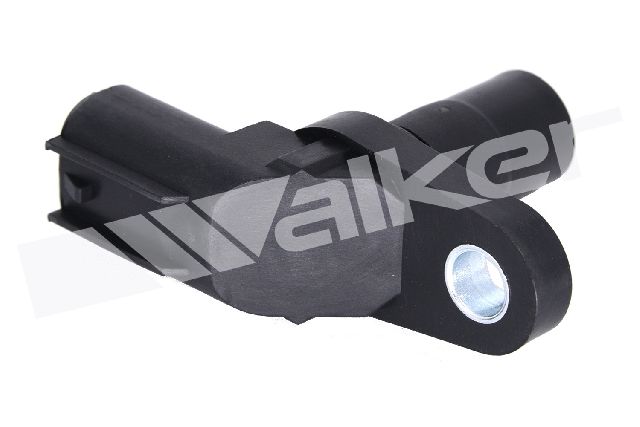
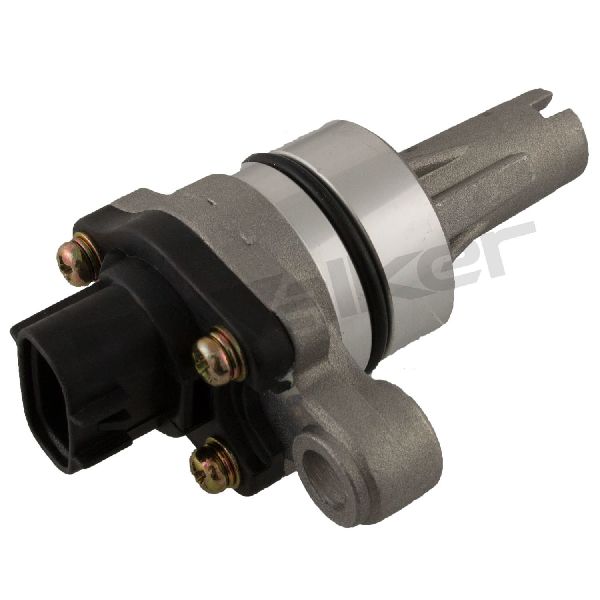
- Vehicle Speed Sensor
(OEM #GM: 88971396 / Toyota: 83181-12040)— This is the component that fails most frequently, causing the P0500 code, erratic speedometer, and shifting problems on this platform.
Trusted brands: Denso (OEM Manufacturer), ACDelco, NTK, Dorman, Beck/Arnley (090-5033)
OEM price range: $90-$150
Aftermarket price range: $35-$120
Platform-Specific Known Issues
- Instrument Cluster Output Failure: → Shop Instrument Cluster A well-documented but frequently misdiagnosed issue on the Vibe/Matrix platform is the failure of the instrument cluster's internal circuitry. The VSS sends its signal to the cluster, which then relays it to the PCM. The circuit board can develop cold or cracked solder joints, interrupting the signal to the PCM while the speedometer continues to work correctly. This results in a P0500 code, harsh shifting, and inoperative cruise control, leading many to mistakenly replace a perfectly good VSS. Diagnosis is confirmed by observing a working speedometer in the presence of these symptoms. The fix involves either replacing the cluster or having a specialist repair the circuit board. 🎬 Watch: How to fix P0500 without replacing the sensor.
Mechanic-Grade Diagnostic Values
- VSS Signal Voltage at PCM — expected: Pulsing 0V to ~5V square wave when wheels are turning.. Failure: No signal or a steady voltage indicates a break in the circuit from the instrument cluster or a faulty cluster.
- VSS Signal at Instrument Cluster Input — expected: Pulsing AC voltage that increases with wheel speed when tested with a multimeter, or a clear square wave on an oscilloscope.. Failure: No voltage or an erratic signal points to a bad VSS or wiring between the sensor and the cluster.
- VSS Resistance — expected: Approximately 580-660 ohms.. Failure: An open circuit (OL) or significantly higher resistance indicates a failed sensor coil.
Hidden / Shadow Codes Worth Checking
- C1241: Low or High Power Supply Voltage to the ABS/VSC ECU. This code indicates a power supply issue to the ABS module, which can cause it to stop processing wheel speed data and sending it to the cluster and PCM, triggering a P0500. (see via Requires a scan tool capable of reading Toyota/GM 'C' (Chassis) codes, as a basic OBD-II reader will only show 'P' (Powertrain) codes.)
Scan Tool Commands That Help
- Toyota Techstream: Live Data Monitoring (Data List) — Use this to monitor 'Vehicle Speed' from the Engine ECU and compare it to the 'Wheel Speed' sensors from the ABS ECU. If wheel speeds are reading correctly but 'Vehicle Speed' is zero, it confirms the signal is being lost between the ABS module, cluster, and PCM. This is the primary method to diagnose the 'speedometer works but P0500 is set' issue without removing parts.
Wiring & Ground Locations
- VSS Signal Wire (PCM to Cluster) — This is a Violet/White wire. At the PCM, it is typically located in one of the main harness connectors. At the instrument cluster, it is on the main connector (for 2003-2004 models) or one of two connectors (2005-2008).. This is the final leg of the speed signal's journey. If there is a valid signal at the cluster output but not at this wire at the PCM, it indicates a wiring break between the two components.
- Instrument Cluster Ground — A primary ground point for the instrument panel is located behind the driver's side kick panel, to the left of the steering column.. A poor ground for the instrument cluster can cause a host of erratic issues, including the failure to properly process and relay the VSS signal, even if the speedometer needle appears to work intermittently.
Real Owner Repair Stories
- GenVibe Forum user 'GeneralToyota' (2006 Pontiac Vibe AWD) — No speedometer activity and the automatic transmission would not shift out of first gear.
❌ Tried (didn't work) Replacing the Vehicle Speed Sensor (VSS).
✅ What actually fixed it The actual cause was a hidden ABS code, C1241 (ECU low voltage). Clearing this chassis code with a capable scanner restored both speedometer function and proper transmission shifting. The P0500 was a symptom of the ABS module going into a limp mode. - GenVibe Forum user 'fathead' (2003 Pontiac Vibe) — Entire instrument cluster (gauges, lights, odometer) stopped working, transmission shifted funny, and P0500 code was set.
❌ Tried (didn't work) Replacing the Vehicle Speed Sensor (VSS)., Swapping in a known-good instrument cluster., Replacing the PCM (ECM).
✅ What actually fixed it The user did not post a final resolution, but the experience is valuable because it demonstrates a scenario where all common components were replaced without success, pointing to a complex underlying wiring or ground issue. A responding master tech suggested checking all grounds and re-seating all connectors as the next logical step.
OEM Part Supersession History
83181-12040 (Toyota)→This part number has remained consistent for a very long time and fits a wide range of Toyota vehicles from 1992-2011, including the Vibe's platform sibling, the Matrix.— N/A - No major supersession or redesign noted.
Model Year Variations Within This Range
- 2005-2008: Models from 2005-2008 switched to a Drive-By-Wire (electronic) throttle system, whereas 2003-2004 models used a mechanical throttle cable. This doesn't directly affect the P0500 cause, but it's a key system difference. Additionally, the instrument cluster connectors changed in 2005; 2003-2004 models use a single main connector, while 2005-2008 models use two. This is critical information if swapping clusters.
- 2003-2008 AWD Models: The location and part number of the VSS can vary between FWD and AWD models. While the P0500 diagnosis remains the same, it is critical to verify the correct part for the specific drivetrain configuration before ordering a replacement sensor.
Diagnostic Flowchart
Used vs. New Parts: Buying Guide for This Vehicle
When a used part is the smart pick: A used instrument cluster from a junkyard is a very smart and cost-effective choice, especially for the 'speedometer works, P0500 is set' failure. This is often a much cheaper alternative to a professional circuit board repair. A used VSS is also a viable option if sourced from a low-mileage donor.
Donor-vehicle mileage cap: roughly under 120000 miles for the part to have meaningful remaining life.
What to inspect on the donor part:
- For an instrument cluster, check the clear plastic lens for deep scratches or fogging.
- Ensure all mounting tabs on the cluster housing are intact and not cracked.
- Verify the part number and model year of the donor vehicle to ensure connector compatibility (2003-04 vs 2005-08).
- For a VSS, inspect the plastic connector housing for cracks and ensure the pins are not corroded or bent.
Aftermarket brands forum-validated for this vehicle:
- Denso (OEM for Toyota)
- NTK
- ACDelco
- Beck/Arnley
Brands owners have reported issues with on this vehicle:
- Ultra-cheap, no-name sensors from online marketplaces often have high failure rates and should be avoided.
Real Owner Stories
Aggregated from forums and TSBs cited above. Mileages and costs reflect what owners reported in those sources.
2003 Vibe base
Symptoms: Dash quit (no tach, speed, temp or fuel gauge), check engine light on, transmission shifted funny.
What fixed it: The user did not report a final fix. They had unsuccessfully tried replacing the speed sensor, instrument cluster, and PCM, suggesting a complex wiring or ground fault.
Source hint: genvibe.com owner report, detailed in forum thread 'Dash stopped working, set P0500 code (Speed sensor)'
2004 AWD Vibe
Symptoms: An intermittent P0500 check engine light appeared without any noticeable speedometer issues.
What fixed it: A final fix was not reported, but the symptoms strongly pointed towards the more complex issue with the instrument cluster's output circuit or the wiring to the PCM, rather than the VSS itself.
Source hint: GenVibe.com - 'Intermittent CEL Code P0500???'
Toyota Tacoma
Symptoms: Owner experienced a P0500 code, harsh shifting, and inoperative cruise control, but the speedometer worked perfectly.
What fixed it: The owner successfully fixed the issue by removing the instrument cluster and re-soldering cracked or cold solder joints on the circuit board that were interrupting the speed signal to the PCM.
Source hint: TacomaWorld.com - 'Fixing A P0500 Check Engine Light By Re-Soldering The Instrument Cluster'
Related OBD-II Codes
Frequently Asked Questions
My 2005 Vibe has a P0500 code and shifts hard, but the speedometer works perfectly. Is the Vehicle Speed Sensor bad?
How can I test the Vehicle Speed Sensor on my Pontiac Vibe at home?
Where is the P0500 Vehicle Speed Sensor 'A' located on the 2003-2008 Vibe?
My Vibe's speedometer and odometer are dead and the check engine light is on for P0500. What's the most likely cause?
Can I use parts from a Toyota Matrix or Corolla to fix the P0500 code on my Vibe?
My ABS light came on at the same time as the P0500 check engine light. Are these issues related?
Helpful Videos

We Have This Part in Stock


The information in this article is provided for general reference and educational purposes only. Vehicle specifications, procedures, and part compatibility can vary by production date, trim level, and region. Always consult your vehicle's factory service manual and verify part numbers before purchasing or performing repairs. Safety-critical components such as airbags, seat belts, and braking systems should be installed by a qualified professional.
- Pontiac Vibe:
- 🧭 Diagnostic Flowchart
- 🎬 Helpful Videos
- 🛍️ Shop This Part
- What's Unique About the 2003-2008 Pontiac Vibe
- Symptoms You May Notice
- Most Likely Causes
- Rare But Worth Checking
- Diagnosis Steps
- Parts You'll Likely Need
- Platform-Specific Known Issues
- Mechanic-Grade Diagnostic Values
- Hidden / Shadow Codes Worth Checking
- Scan Tool Commands That Help
- Wiring & Ground Locations
- Real Owner Repair Stories
- OEM Part Supersession History
- Model Year Variations Within This Range
- Used vs. New Parts: Buying Guide for This Vehicle
- Real Owner Stories
- 2003 Vibe base
- 2004 AWD Vibe
- Toyota Tacoma
- Related OBD-II Codes
- Frequently Asked Questions
- 🎟️ Get 5% Off