

P0500 on 2008-2013 Subaru Forester: ABS/Wheel Speed Sensor Causes and Fixes
On a 2008-2013 Forester, P0500 is almost always caused by a faulty wheel speed sensor or its wiring, not a transmission sensor. Expect a dashboard with ABS, VDC, and blinking cruise lights. A scan tool that reads ABS codes is needed to find which wheel is the problem.
- P0500 on your Forester means there's a problem in the ABS system, not a simple transmission sensor.
- The most likely cause is a single faulty wheel speed sensor or its wiring.
- You need a scan tool that can read ABS codes (C-codes) to diagnose this problem effectively and avoid replacing the wrong parts.
- If the code appeared right after a wheel bearing replacement, the new bearing is the primary suspect.
- Driving with this code is possible, but your ABS and traction control safety systems are offline.
What's Unique About the 2008-2013 Subaru Forester
Unlike older vehicles with a single speed sensor on the transmission, the 2008-2013 Forester relies entirely on the ABS system for its speed signal. This architecture means a P0500 code is fundamentally an ABS system problem. The most common trigger for this code is a failure of a single wheel speed sensor or its wiring. It also frequently appears immediately after a wheel bearing replacement, especially if a lower-quality aftermarket part was used, as the magnetic encoder ring on the bearing is critical for the sensor's reading. In some cases, a code can be triggered by excessive wheel spin in snow or mud, which can confuse the system, but this often clears on its own.
Symptoms You May Notice
- Check Engine Light is on
- ABS warning light is on
- VDC (Vehicle Dynamics Control) or traction control light is on
- Cruise control light is blinking and the system is disabled 🎬 Watch: How to address a flashing cruise control light
- Speedometer may be erratic or stop working entirely
- Transmission may exhibit harsh or delayed shifting
- Engine may enter 'limp mode', limiting RPMs to around 4000.
- Replacing the vehicle speed sensors on the transmission. On this vehicle, the primary speed signal for the ECM comes from the ABS system, not the transmission sensors. While those sensors (input/output shaft sensors) are important for transmission function, they do not typically cause a P0500 code on this platform.
Most Likely Causes
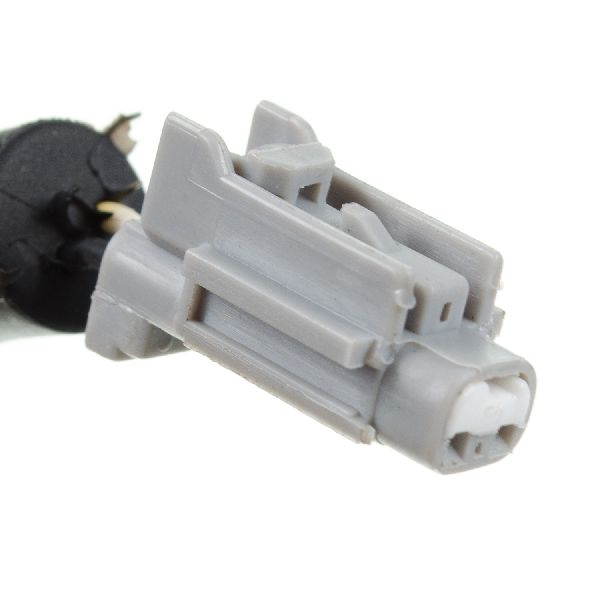
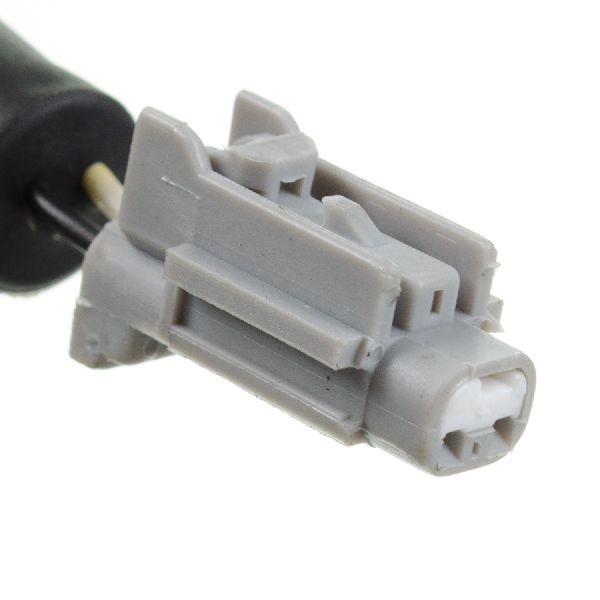
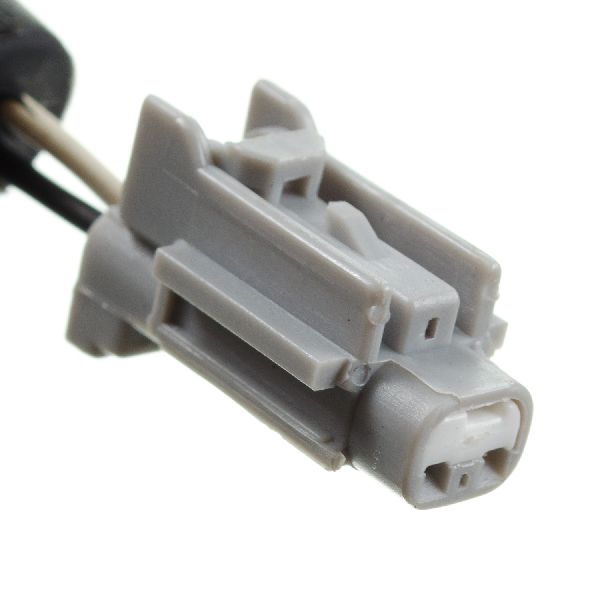
- Faulty Wheel Speed Sensor 🔴 High Probability → Shop ABS Wheel Speed Sensor The sensors are exposed to the elements at each wheel, making them susceptible to damage from road debris, moisture, and corrosion. The internal electronics can also fail. Rodents are also known to chew the wires near the sensor connector.
How to confirm: Use a scan tool capable of reading ABS module codes ('C' codes). The ABS module will have a specific code pointing to the exact wheel sensor that has failed (e.g., C0024 for Front Left). You can also monitor live data from all four sensors while driving to see which one is not reporting a speed or shows an erratic signal. If the code appears immediately after starting the car without moving, it indicates an electrical circuit fault.
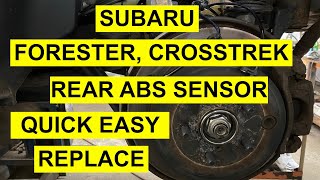
Typical fix: Replace the faulty wheel speed sensor and its integrated wiring harness. 🎬 See this rear ABS sensor replacement walkthrough It is a single bolt-in part. Clear codes from both the ECU and ABS modules after replacement.
Est. part cost: $40-$120 - Damaged or Incorrect Wheel Bearing / Hub Assembly 🟡 Medium Probability This code commonly appears after a wheel bearing replacement. The wheel speed sensor reads a magnetic encoder ring built into the wheel bearing's seal. An incorrect, damaged, or low-quality aftermarket bearing may have a faulty or incompatible encoder. Also, the sensor itself is often damaged during the hub replacement process if not carefully removed beforehand.
How to confirm: This is the most likely cause if the P0500 code appeared immediately after replacing a wheel bearing. Confirm the correct, high-quality part was used. Inspect the sensor for physical damage (a snapped tip is common) and the magnetic tone ring for debris or defects.
Typical fix: Re-install the components correctly, or replace the recently installed wheel bearing with a high-quality OEM or equivalent part. The wheel speed sensor may also need to be replaced if it was damaged during the initial repair.
Est. part cost: $100-$250 for a quality wheel bearing hub assembly - Damaged Wiring or Corroded Connector ⚪ Low Probability Rodents can chew through the wiring harness, and connectors can become corroded or filled with debris over time, leading to a lost signal. The wiring is most vulnerable in the wheel well area.
How to confirm: Visually inspect the entire wiring path for the affected wheel speed sensor, from the wheel well back to the main harness. Check the connectors for corrosion, bent pins, or a loose connection. Wiggling the wires while monitoring live sensor data can help identify intermittent breaks.
Typical fix: Repair the damaged section of wire or replace the connector pigtail. Clean corroded connectors with electrical contact cleaner.
Est. part cost: $10-$30 for repair materials
Rare But Worth Checking
- Faulty ABS/VDC Control Module: → Shop ABS Control Module While rare, the module that collects and processes the sensor data can fail internally. This is usually diagnosed only after all wheel sensors and their wiring have been confirmed to be good. This may be accompanied by communication-related 'U' codes and can be an expensive repair.
Diagnosis Steps
- Connect a scan tool that can read both Powertrain (P) and Chassis (C) codes.
- Read the codes from the Engine Control Module (ECM) and the ABS Control Module.
- Note the specific C-code (e.g., C0024). This will identify the specific wheel sensor circuit that is at fault (e.g., Front Left).
- Using the scan tool's live data function, monitor the vehicle speed as reported by all four wheel sensors while driving slowly. The faulty sensor will likely read 0 MPH or have an erratic signal compared to the others.
- Visually inspect the identified sensor and its wiring harness for any signs of physical damage, corrosion, or breaks. Pay close attention to the wiring in the wheel well and check for signs of rodent damage.
- If a wheel bearing was recently replaced, inspect the sensor for damage and ensure the air gap is correct. The bearing itself may be the wrong part or defective.
- If the sensor and wiring appear intact, test the sensor's circuit for proper voltage and ground according to the factory service manual. You can also test the sensor's resistance with a multimeter, though this may not catch all failure modes.
- Based on findings, replace the faulty wheel speed sensor, repair the wiring, or address the incorrect wheel bearing.
- After the repair, clear the codes from both the ECM and ABS module. A test drive is needed to confirm the fix.
Parts You'll Likely Need
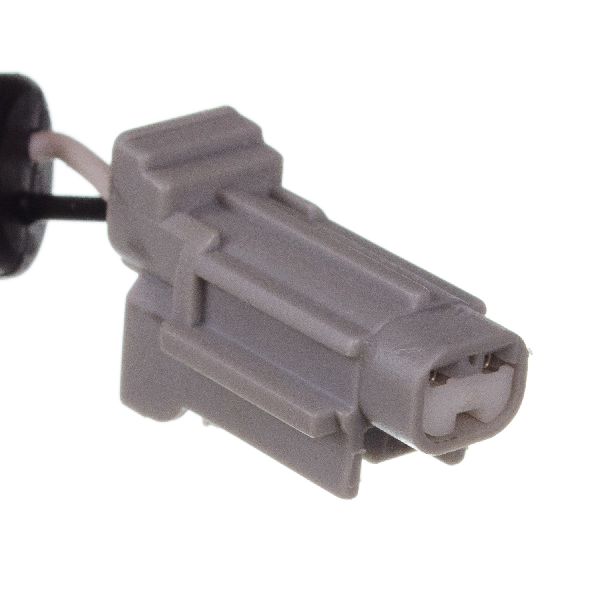
- Wheel Speed Sensor (ABS Sensor)
(OEM #Front: 27540SC001 (replaces 27540SC000). Rear: 27540SC011. Note: Always verify exact part number with VIN.)— This is the most common component to fail, either electrically or through physical damage, causing the P0500 code.
Trusted brands: Subaru (OEM), NTK, Denso, Bosch, Holstein
OEM price range: $90-$150
Aftermarket price range: $40-$120
Related Codes That Often Appear With This One
- C-codes (e.g., C0024, C0025, etc.) — A P0500 code is the engine computer's reaction to a problem in the ABS system. A proper ABS scan tool will reveal the specific 'C' (Chassis) code that identifies the root cause, such as a fault in the 'Front Left ABS Signal'.
Technical Service Bulletins (TSBs) & Recalls
- No specific Technical Service Bulletin (TSB) for P0500 on this model was found. Diagnosis is considered a standard procedure.
Platform-Specific Known Issues
- Code P0500 frequently appears after a front or rear wheel bearing replacement due to damage to the sensor during the repair or the installation of a low-quality aftermarket bearing with a faulty magnetic encoder ring.
- A user on Reddit reported a persistent P0500 🎬 Watch: Diagnostic walkthrough for a Forester P0500 code after a hub bearing failure destroyed the original sensor. Even after replacing the sensor twice, the code would return immediately, suggesting a deeper circuit issue or an incompatibility with the new parts.
- Rodent damage to the sensor wiring is a commonly cited cause in owner forums.
Mechanic-Grade Diagnostic Values
- Passive Wheel Speed Sensor Resistance — expected: 800 - 2,000 Ohms. Failure: A reading of open circuit (infinite resistance), a short circuit (near zero resistance), or a value that is unstable and jumps around indicates a faulty sensor.
- Passive Wheel Speed Sensor AC Voltage Output — expected: Greater than 100 mV (0.1V) AC while spinning the wheel by hand.. Failure: No AC voltage generated while the wheel is spinning indicates a dead sensor.
- ABS/VDC Module Power Supply Voltage — expected: 10 - 15 V at the module connector with ignition ON.. Failure: Voltage below 10V or no voltage indicates a power supply issue to the module, not a sensor fault.
Scan Tool Commands That Help
- Subaru Select Monitor (or equivalent professional scanner): Read Diagnostic Trouble Code (DTC) — Used to retrieve the specific 'C' code (e.g., C0024) from the 'Brake Control' or 'ABS' system, which is necessary to identify which wheel sensor circuit is at fault.
- Subaru Select Monitor (or equivalent professional scanner): Current Data Display / Live Data — Used to monitor the real-time speed readings from all four wheel sensors simultaneously while driving. This allows for direct comparison to identify a sensor that is reading 0 or providing an erratic signal compared to the others.
- Subaru Select Monitor (or equivalent professional scanner): Clear Memory — Used after a repair is completed to erase the stored P0500 and related C-codes from both the ECM and the ABS/VDC control module. A simple battery disconnect may not clear all module memories.
Wiring & Ground Locations
- ABS/VDC Control Module & Hydraulic Unit (ABSCM&H/U) — In the engine bay, typically on the passenger side, recognizable by the multiple metal brake lines running into it.. This is the central unit that receives all wheel speed sensor inputs and sends the calculated vehicle speed to the ECM. All sensor wiring ultimately terminates here, making its main connector a key test point for diagnosing circuit issues.
- Wheel Speed Sensor Connectors — The front sensor harnesses typically run up the strut and connect in the engine bay near the strut towers. The rear sensor harnesses often run into the cabin and connect under the rear seat or in the trunk area.. These connectors are common points of failure due to corrosion or damage. They are the first place to test for voltage and continuity when a specific sensor is faulted.
Real Owner Repair Stories
- Subaru Owners Club UK forum user (2011 Subaru Forester 2.4L Auto) — ABS light on, scanner showed an open circuit for the LH rear ABS circuit.
❌ Tried (didn't work) Replacing the LH rear ABS sensor did not fix the problem.
✅ What actually fixed it The owner performed a continuity test and found no voltage at the sensor connector and no continuity between the ABS module and the sensor plug. This confirmed a break in the wire somewhere in the harness between the module and the wheel well. The fix was to run a new wire to bypass the break in the factory harness. - Reddit user u/Do_You_Like_Dragons (2014 Subaru WRX (Similar ABS/VDC system architecture)) — Immediately after replacing front wheel bearings, car went into limp mode with flashing TC light, ABS, CEL, and Cruise Control lights on. Scanned and found P0500.
❌ Tried (didn't work) Initially unsure of the cause despite being careful during the repair.
✅ What actually fixed it The diagnosis confirmed that P0500 was set by the VDC computer, which holds the specific 'C' code pointing to the faulty sensor. The root cause was determined to be a damaged wheel speed sensor, which likely occurred during the wheel bearing replacement despite efforts to prevent it. The final fix was to identify the correct sensor using an ABS scanner and replace it. - Subaru Owner (Cross-Model Reference) — An owner of a similar Subaru platform reported entering limp mode and having to pull off the road; after restarting, the vehicle functioned, but a P0500 code was present (NHTSA ODI #11724365).
OEM Part Supersession History
27540SC000→27540SC001— Standard part revision and consolidation by Subaru.
Heads up: The parts are functionally identical and fully interchangeable for the front axle of the 2008-2013 Forester.
Model Year Variations Within This Range
- 2008-2013: There were no significant changes to the ABS/VDC system architecture, sensor type, or the cause of P0500 within the SH generation (2008-2013). A mid-cycle facelift for the 2011 model year did not alter the components relevant to this code.
Diagnostic Flowchart
Other Known Issues on This Vehicle
Issues unrelated to this code that are worth knowing about as an owner of this generation:
- Excessive Oil Consumption (2011-2013 FB25 Engine) 🔴 High — Common in early FB25 engines. Can start at any mileage but often noted between 30k-80k miles. Caused by issues with piston rings and PCV system design. (Ref: Subaru issued TSB 02-157-14R and extended warranties for this issue, often leading to short block replacement for affected vehicles.)
- Head Gasket Failure (2008-2010 EJ25 Engine) 🔴 High — Very common on the EJ25 non-turbo engine, typically occurring between 80,000 and 150,000 miles. Usually presents as an external oil or coolant leak.
- Broken Driver's Seat Frame Weld 🟡 Low — A notable number of complaints exist for the 2009-2010 models where a weld on the left side of the driver's seat frame can break, causing the seat to rock or feel loose.
- Failing Catalytic Converters 🟠 Medium — Noted as a potential issue at higher mileage, can be expensive to replace.
Used vs. New Parts: Buying Guide for This Vehicle
When a used part is the smart pick: A used OEM ABS/VDC Control Module can be a cost-effective choice if the module itself is confirmed to be faulty, as a new unit is very expensive. Used wheel speed sensors are generally not recommended due to their high failure rate, exposure to the elements, and the low cost of new aftermarket parts.
Donor-vehicle mileage cap: roughly under 80000 miles for the part to have meaningful remaining life.
What to inspect on the donor part:
- For an ABS module, ensure the part number matches EXACTLY.
- Inspect the electrical connector on the used module for any signs of corrosion, bent pins, or cracks in the housing.
- Source the part from a vehicle that was not involved in a major front-end collision.
OEM-only on this vehicle (don't cheap out):
- ABS/VDC Control Module. While a used OEM part is an option, new aftermarket modules are not recommended due to the high probability of software incompatibility and the need for specific programming that may not be possible with non-OEM units.
Aftermarket brands forum-validated for this vehicle:
- NTK
- Denso
- Bosch
- Standard Motor Products (SMP)
- Holstein
Brands owners have reported issues with on this vehicle:
- Unbranded, 'white-box' parts from online marketplaces are frequently cited in forums as being dead-on-arrival or failing quickly. Avoid the cheapest available options for wheel bearings, as their magnetic encoder rings are often the cause of post-repair P0500 codes.
Real Owner Stories
Aggregated from forums and TSBs cited above. Mileages and costs reflect what owners reported in those sources.
2009 Subaru Forester XT
Symptoms: P0500 code and limp mode immediately after replacing front wheel bearings with generic hubs.
What fixed it: The owner highlighted aftermarket part incompatibility as the root cause, suggesting the need for high-quality or OEM equivalent hubs with functional magnetic encoder rings.
Source hint: HP Academy Forum: P0500 after wheel bearing replacement
2009 Subaru Forester
Symptoms: Recurring P0500 even after replacing sensors and hubs post-bearing failure; code would return immediately upon starting.
What fixed it: The discussion confirmed the need for an ABS-capable scanner to identify specific circuit faults, as the code appearing before movement indicated a deeper circuit issue or part incompatibility.
Source hint: Reddit r/subaru: ABC Code p0500 wont go away????
2017 Subaru Forester
Symptoms: Check engine light and P0500 code.
What fixed it: Repairing an ABS sensor wire that had been chewed through by a rodent.
Source hint: Reddit r/SubaruForester: 2017 Forester throwing code P0500
Subaru Owner (NHTSA Report)
Symptoms: The vehicle entered limp mode, forcing the driver to pull off the road. After waiting five minutes and restarting, the car functioned again, but a P0500 code was present.
What fixed it: While the specific mechanical fix was not detailed, the event was documented as a vehicle speed control issue (NHTSA ODI #11724365).
Source hint: NHTSA ODI #11724365
Related OBD-II Codes
Frequently Asked Questions
Why did my 2009 Forester XT go into limp mode and throw code P0500 right after I replaced the front wheel bearings?
My P0500 code appears immediately when I start my Forester, even before I put it in gear. What does this mean?
Is there a specific TSB for the P0500 code on the 2008-2013 Subaru Forester?
Can I use a standard OBD-II code reader to find out which wheel is causing the P0500?
Could rodents be responsible for the VDC and Check Engine lights on my Forester?
Does the 2008-2013 Forester use a traditional speed sensor on the transmission?
Helpful Videos
We Have This Part in Stock


The information in this article is provided for general reference and educational purposes only. Vehicle specifications, procedures, and part compatibility can vary by production date, trim level, and region. Always consult your vehicle's factory service manual and verify part numbers before purchasing or performing repairs. Safety-critical components such as airbags, seat belts, and braking systems should be installed by a qualified professional.
- Subaru Forester:
- 🧭 Diagnostic Flowchart
- 🎬 Helpful Videos
- 🛍️ Shop This Part
- What's Unique About the 2008-2013 Subaru Forester
- Symptoms You May Notice
- Most Likely Causes
- Rare But Worth Checking
- Diagnosis Steps
- Parts You'll Likely Need
- Related Codes That Often Appear With This One
- Technical Service Bulletins (TSBs) & Recalls
- Platform-Specific Known Issues
- Mechanic-Grade Diagnostic Values
- Scan Tool Commands That Help
- Wiring & Ground Locations
- Real Owner Repair Stories
- OEM Part Supersession History
- Model Year Variations Within This Range
- Other Known Issues on This Vehicle
- Used vs. New Parts: Buying Guide for This Vehicle
- Real Owner Stories
- 2009 Subaru Forester XT
- 2009 Subaru Forester
- 2017 Subaru Forester
- Subaru Owner (NHTSA Report)
- Related OBD-II Codes
- Frequently Asked Questions
- 🎟️ Get 5% Off