

P0500 on 1996-2002 Toyota 4Runner: Vehicle Speed Sensor Malfunction Causes and Fixes
On a 3rd Gen (1996-2002) Toyota 4Runner, code P0500 almost always points to a failed Vehicle Speed Sensor (VSS) located on the transmission or transfer case. This is a common failure causing a dead speedometer and erratic shifting. A new sensor is the typical fix, costing around $40-$120 for the part, and is a simple DIY job. If the speedometer works but the P0500 code is present, the fault is likely in the instrument cluster's circuitry.
- P0500 on a 1996-2002 4Runner is almost always a bad Vehicle Speed Sensor (VSS) on the transmission.
- Symptoms are very distinct: a dead speedometer, erratic shifting, and the Check Engine Light.
- Do not confuse the main VSS with the ABS wheel speed sensors; they are different parts and the P0500 code points to the main VSS.
- If the speedometer works but the P0500 code is on, the instrument cluster is the likely culprit.
- Replacing the VSS is a very easy and inexpensive DIY fix.
What's Unique About the 1996-2002 Toyota 4Runner
On the 3rd generation 4Runner, the P0500 code is most commonly caused by a simple failure of the main Vehicle Speed Sensor on the transmission, not the individual ABS wheel speed sensors. While newer vehicles often derive the VSS signal from the ABS system, this 4Runner uses a dedicated, gear-driven sensor on the transmission output. The signal path is critical for diagnosis: VSS -> Instrument Cluster -> ECM. A failure in the cluster can prevent the signal from reaching the ECM, triggering P0500 even if the speedometer (driven by the cluster) still works. This makes diagnosis more straightforward than on ABS-derived systems, as the issue is rarely related to the ABS module for this specific code.
Symptoms You May Notice
- Check Engine Light is on.
- Speedometer is erratic or completely dead (reads 0 MPH).
- Odometer stops accumulating miles.
- Automatic transmission shifts harshly, late, or erratically.
- Cruise control does not work.
- ABS and/or VSC/TRAC lights may illuminate on the dashboard.
- Replacing ABS wheel speed sensors. On this generation, the P0500 code specifically refers to the main VSS on the transmission, not the wheel speed sensors used for the Anti-lock Brake System. Some forum posts for later generation 4Runners can cause confusion, but for 1996-2002, the fault is not with the ABS sensors.
Most Likely Causes
- Failed Vehicle Speed Sensor (VSS) 🔴 High Probability → Shop Drive Shaft Sensor The sensor is a common wear-and-tear item. The internal electronics or the plastic gear that meshes with the transmission output can fail over time. These older gear-driven sensors are a frequent failure point.
How to confirm: If the speedometer is dead or erratic, the VSS is the prime suspect. A definitive test is to replace the sensor. Visually inspect the sensor's gear for stripped or broken teeth upon removal. A mechanic can use a scan tool to monitor the VSS output signal while driving or an oscilloscope to check for a signal at the sensor's connector.
Typical fix: Replace the Vehicle Speed Sensor on the transmission/transfer case.
Est. part cost: $40-$120 - Damaged VSS Wiring or Connector 🟡 Medium Probability The sensor is located underneath the vehicle, where its wiring is exposed to road debris, moisture, and heat from the exhaust and transmission, which can lead to corrosion or physical damage over time.
How to confirm: Visually inspect the wiring harness and connector leading to the VSS for any signs of fraying, breaks, corrosion in the pins, or loose connections. Check for continuity and voltage at the connector using a multimeter. One wire should have voltage with the key on, one should be a ground, and the third is the signal wire.
Typical fix: Repair the damaged section of wire or replace the connector pigtail.
Est. part cost: $10-$30 - Faulty Instrument Cluster (Combination Meter) ⚪ Low Probability → Shop Instrument Cluster The VSS signal routes through the instrument cluster before going to the ECM. A failure in the cluster's internal circuitry can interrupt this signal, mimicking a bad sensor. This is a known issue on similar Toyota platforms of the era. If the speedometer works but you have a P0500 code, the cluster is the most likely culprit.
How to confirm: This is difficult to confirm without swapping parts. If the speedometer works perfectly but the P0500 code is present and transmission shifting is harsh, the cluster's output circuit to the ECM has likely failed. A user on YotaTech confirmed this by swapping the speedometer unit from a spare cluster, which resolved the code.
Typical fix: Send the instrument cluster to a specialized repair service or replace it with a used unit. Repair is often preferred to avoid odometer discrepancies.
Est. part cost: $150-$400
Rare But Worth Checking
- Failed Engine Control Module (ECM): This is extremely rare. The ECM should only be considered after all other possibilities (sensor, wiring, instrument cluster) have been exhaustively ruled out.
Diagnosis Steps
- Confirm Symptoms & Scan: Verify the Check Engine Light is on and use a scanner to confirm P0500 is active. Note if the speedometer is working or not.
- Diagnosis Path A (Speedometer NOT working): If the speedometer is dead or erratic, the fault is likely the VSS or its wiring.
- Locate and Inspect: Find the VSS on the driver's side of the transmission or transfer case (4WD models). It's held by a single 10mm or 12mm bolt. Inspect the connector and wiring for obvious damage.
- Test or Replace VSS: Given the high failure rate, replacing the VSS is a practical step. Alternatively, test the signal wire with a multimeter set to AC volts while spinning the output shaft; you should see a fluctuating voltage.
- Diagnosis Path B (Speedometer IS working): If the speedometer works correctly but the code is present (and you may have harsh shifting), the problem is almost certainly the instrument cluster's output circuit.
- Verify Cluster Fault: This step is difficult without a known-good spare. The definitive test is to check for the speed signal at the ECM input pin. If no signal is present here but the speedometer works, the cluster is faulty.
- Repair or Replace Cluster: Remove the instrument cluster and send it to a specialist for repair, or source a used one.
- Clear Code and Test Drive: After any repair, clear the P0500 code and drive to confirm the fix.
Parts You'll Likely Need
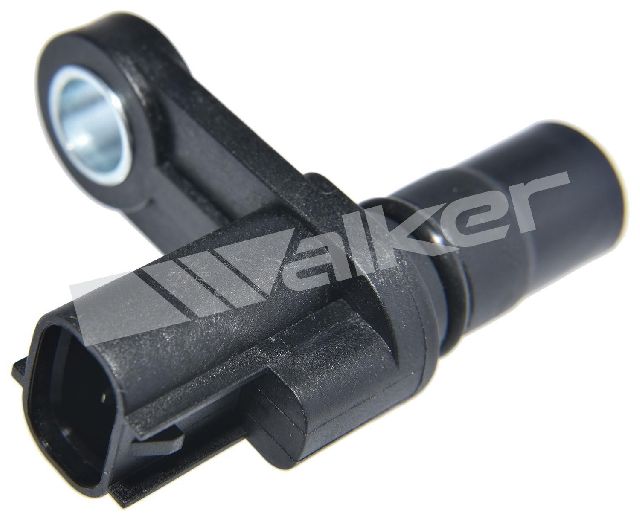
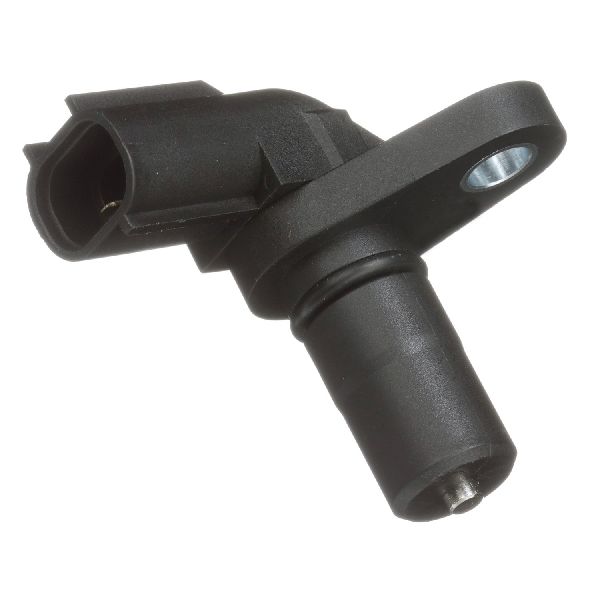
- Vehicle Speed Sensor (VSS)
(OEM #83181-35040)— This is the most common failure point for the P0500 code on the 3rd Gen 4Runner, directly causing the speedometer and shifting issues.
Trusted brands: Denso (OEM), Aisin, Standard Motor Products (SMP), Delphi
OEM price range: $90-$150
Aftermarket price range: $40-$80
Platform-Specific Known Issues
- Instrument Cluster as the Culprit: → Shop Instrument Cluster A significant number of owners on forums for both the 3rd Gen 4Runner and its platform-mate, the 1st Gen Tacoma, have chased the P0500 code by replacing the VSS multiple times, only to find the issue was a failed output circuit within the instrument cluster. The key symptom is a working speedometer but a persistent P0500 code and erratic automatic transmission shifting.
Mechanic-Grade Diagnostic Values
- VSS signal voltage at ECM — expected: Pulsing voltage between 0V and 4-6V as a rear wheel is turned slowly with the ignition ON.. Failure: No voltage or a steady, non-pulsing voltage indicates a problem in the circuit between the instrument cluster and the ECM.
- ABS/Wheel Speed Sensor Resistance — expected: Approximately 1.5kΩ (1500 Ohms).. Failure: A reading significantly below 1000 Ohms or an open circuit (infinite resistance) indicates a bad sensor.
Scan Tool Commands That Help
- Toyota Techstream: Data List -> Vehicle Speed — To view the vehicle speed as seen by the ECM in real-time. If the Techstream shows 0 MPH while the vehicle is moving but the speedometer on the dash is working, it strongly confirms a fault in the instrument cluster's output circuit to the ECM.
- Toyota Techstream: Active Test — While Techstream has extensive Active Test capabilities for many systems, there is no specific bidirectional command to directly test the VSS or its output from the cluster for this generation. Diagnosis relies on monitoring the Data List.
Wiring & Ground Locations
- ECM Connector E10, Pin 15 (or E12, Pin 22 on some diagrams) — Behind the glove compartment, connected to the Engine Control Module (ECM).. This is the specific pin where the ECM receives the final speed signal from the instrument cluster. The wire is typically Green/Orange. Testing for a pulsing voltage here is the final check to confirm if the cluster is sending the signal.
- VSS Connector — On the driver's side of the transmission or transfer case.. This 3-pin connector provides power, ground, and signal for the VSS. Pin 1 is typically +12V (Black/Orange), Pin 2 is ground, and Pin 3 is the signal wire (Green/Red on some models). Checking for power and ground here is the first step when diagnosing a dead speedometer.
- Instrument Cluster Connectors — On the rear of the instrument cluster, accessed by removing the dash trim.. The VSS signal comes into the cluster on one pin and the processed signal goes out to the ECM on another. A break in the circuit board or a corroded pin on these connectors can cause the P0500 code, often while the speedometer still functions.
Real Owner Repair Stories
- YotaTech Forum user (1999 Toyota 4Runner) — Check Engine Light with P0500, but speedometer worked perfectly. Automatic transmission was shifting hard.
❌ Tried (didn't work) Replacing the Vehicle Speed Sensor (VSS) on the transmission.
✅ What actually fixed it The user diagnosed a faulty instrument cluster. Instead of replacing the whole unit, they sourced a used cluster, removed only the speedometer/circuit board assembly from the donor, and installed it into their original cluster. This fixed the P0500 code and the hard shifting, while preserving their original odometer mileage. - 4Runner Forum user 'wncsellers' (3rd Gen Toyota 4Runner (year not specified, but has VSC/TRAC, so 2001-2002)) — Speedometer and odometer not working, ABS and E-brake lights on, P0500 code present.
❌ Tried (didn't work) Replacing a rear wheel speed sensor., Planning to replace the transmission speed sensor.
✅ What actually fixed it The problem was resolved by replacing the TRAC/VSC Control Module (Part # 89540-35270). After replacement, the speedometer and odometer immediately started working again. - Toyota Owner Report — In a similar case involving the same manufacturer and P0500 code, NHTSA ODI #11139910 describes a situation where the speedometer and odometer stopped working at random, accompanied by DTCs P0500 and B2283.
OEM Part Supersession History
83181-35040→83181-35070— Standard part revision and consolidation by Toyota.
Heads up: Parts ending in -35040, -35050, -35051, and -35070 are often listed as compatible or interchangeable for this generation and related Toyota trucks. However, always verify fitment with the specific VIN, as there can be minor differences in gear tooth count or connector design.
Model Year Variations Within This Range
- 1999-2000: A multi-mode 4WD system became available on Limited models, but the core VSS -> Cluster -> ECM logic for P0500 remained the same as earlier years. Digital odometers were introduced.
- 2001-2002: Vehicle Stability Control (VSC) and Traction Control (TRAC) were added. On these models, the speed signal originates from the four ABS wheel speed sensors, is processed by the Skid Control ECU (also called the TRAC/VSC module), and then sent to the instrument cluster. This adds the Skid Control ECU as a potential failure point for P0500 that does not exist on pre-2001 models.
Diagnostic Flowchart
Other Known Issues on This Vehicle
Issues unrelated to this code that are worth knowing about as an owner of this generation:
- Automatic Transmission Cooler Failure ('Pink Milkshake') 🔴 High → Shop Transmission Assembly — Common on higher-mileage (150k+) vehicles with original radiators. The internal transmission cooler inside the radiator can rupture, mixing coolant and transmission fluid.
- Lower Ball Joint (LBJ) Failure 🔴 High — A well-known critical failure point. OEM ball joints are recommended to be inspected regularly and replaced every 80,000-100,000 miles as a preventative measure. Aftermarket LBJs have a reputation for premature failure.
- Rear Axle Seal Leak 🟠 Medium — Commonly occurs in higher mileage vehicles. A clogged rear differential breather is often a contributing cause.
- Frame Rust/Rot 🔴 High — Very common, especially in the 'Rust Belt' states. Toyota faced lawsuits and issued recalls/service campaigns for other trucks of this era (Tacoma, Tundra) but the 3rd Gen 4Runner was not consistently covered. (Ref: A class-action lawsuit was filed but had a complex history and was ultimately dismissed for the 4th generation, leaving 3rd gen owners with little recourse.)
Used vs. New Parts: Buying Guide for This Vehicle
When a used part is the smart pick: For a faulty instrument cluster, a used part from a junkyard or online seller is a very smart choice. It's often the only economical way to fix the 'speedometer works but P0500 is present' issue. You can either swap the entire cluster or, for advanced users, swap just the speedometer/circuit board portion to retain your original odometer.
Donor-vehicle mileage cap: roughly under 180000 miles for the part to have meaningful remaining life.
What to inspect on the donor part:
- For an instrument cluster, ensure the part number matches yours exactly.
- Verify the donor vehicle had the same transmission type (Automatic vs. Manual).
- For 2001-2002 models, ensure the donor had the same 4WD system (with/without VSC/TRAC).
- Inspect for a clear, unscratched lens and no physical damage to the housing or connectors.
OEM-only on this vehicle (don't cheap out):
- Vehicle Speed Sensor (VSS) - While not strictly 'OEM-only', using a Denso (OEM supplier) or Aisin sensor is highly recommended. Cheap, no-name aftermarket sensors have a high rate of premature failure, and you'll be doing the job twice.
Aftermarket brands forum-validated for this vehicle:
- Denso (for VSS)
- Aisin (for VSS)
- Standard Motor Products (SMP) (for VSS)
Brands owners have reported issues with on this vehicle:
- Unbranded, 'white box' vehicle speed sensors from online marketplaces are a common source of repeat failures.
Real Owner Stories
Aggregated from forums and TSBs cited above. Mileages and costs reflect what owners reported in those sources.
2000 Toyota 4Runner
Symptoms: The speedometer works perfectly, but the P0500 code is present and the automatic transmission is shifting harshly.
What fixed it: Swapping the speedometer unit from a spare donor instrument cluster.
Source hint: YotaTech.com - 'Cel p0500'
1996-2002 Toyota 4Runner
Symptoms: Check Engine Light on, dead speedometer, and erratic transmission shifting.
What fixed it: Replacing the transmission-mounted Vehicle Speed Sensor (VSS).
Source hint: T4R.org (4Runner Forum) 2018 thread titled 'P0500 code.'
1996-2002 Toyota 4Runner
Symptoms: Replaced the VSS and all four wheel speed sensors, but the P0500 code remained.
What fixed it: Identified as a wiring or instrument cluster issue after sensor replacements failed to resolve the code.
Source hint: Reddit.com/r/Toyota4Runner
Toyota Owner Report
Symptoms: An owner reported that their speedometer and odometer stopped working at random, which was accompanied by DTCs P0500 and B2283.
What fixed it: Documented under NHTSA ODI #11139910 as an electrical system issue.
Source hint: NHTSA ODI #11139910
Related OBD-II Codes
Frequently Asked Questions
My speedometer works fine, but I still have a P0500 code and harsh shifting in my 4Runner. What is the most likely cause?
Where is the Vehicle Speed Sensor (VSS) located on a 4WD 3rd Gen 4Runner?
Should I use aftermarket parts to fix the related Lower Ball Joint (LBJ) issue mentioned in the common problems?
Can I repair my instrument cluster instead of replacing it to fix the P0500 code?
How can I prevent the 'Pink Milkshake' transmission failure common on these high-mileage 4Runners?
Helpful Videos

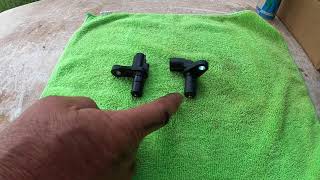
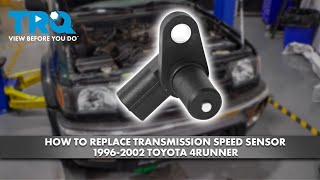
We Have This Part in Stock

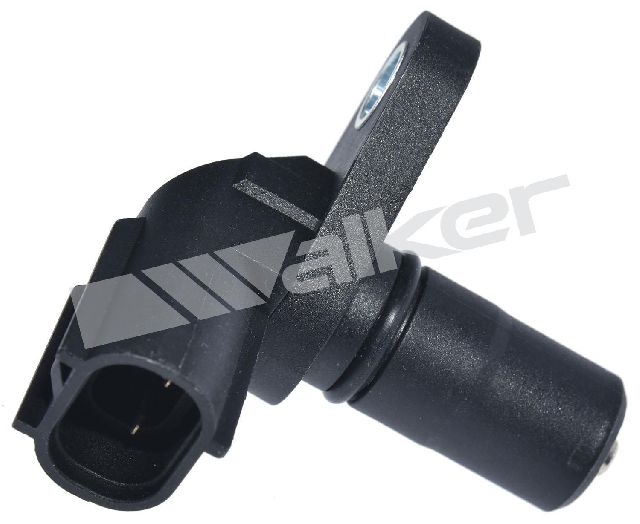
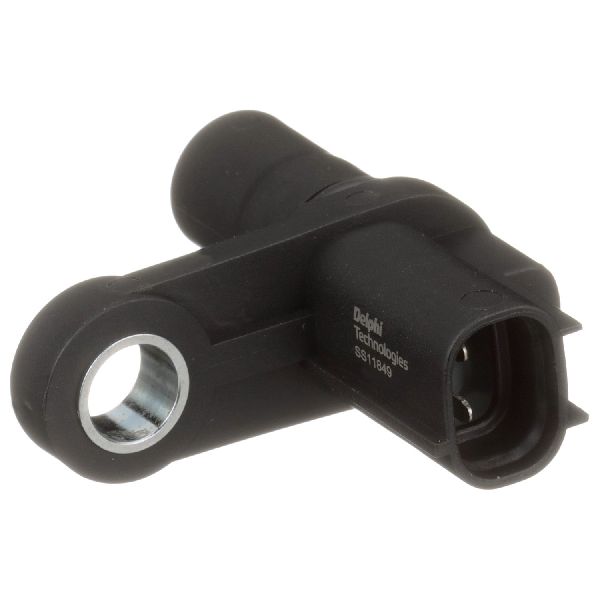

The information in this article is provided for general reference and educational purposes only. Vehicle specifications, procedures, and part compatibility can vary by production date, trim level, and region. Always consult your vehicle's factory service manual and verify part numbers before purchasing or performing repairs. Safety-critical components such as airbags, seat belts, and braking systems should be installed by a qualified professional.
- Toyota 4Runner:
- 🧭 Diagnostic Flowchart
- 🎬 Helpful Videos
- 🛍️ Shop This Part
- What's Unique About the 1996-2002 Toyota 4Runner
- Symptoms You May Notice
- Most Likely Causes
- Rare But Worth Checking
- Diagnosis Steps
- Parts You'll Likely Need
- Platform-Specific Known Issues
- Mechanic-Grade Diagnostic Values
- Scan Tool Commands That Help
- Wiring & Ground Locations
- Real Owner Repair Stories
- OEM Part Supersession History
- Model Year Variations Within This Range
- Other Known Issues on This Vehicle
- Used vs. New Parts: Buying Guide for This Vehicle
- Real Owner Stories
- 2000 Toyota 4Runner
- 1996-2002 Toyota 4Runner
- 1996-2002 Toyota 4Runner
- Toyota Owner Report
- Related OBD-II Codes
- Frequently Asked Questions
- 🎟️ Get 5% Off