

P0500 on 2003-2009 Toyota 4Runner: Vehicle Speed Sensor Causes and Fixes
On a 2003-2009 4Runner, P0500 usually means the main Vehicle Speed Sensor (VSS) on the transmission has failed, especially if your speedometer is dead. If the speedometer works but the code is on, the instrument cluster itself is likely faulty, as it fails to send the speed signal to the engine computer (ECM). A new VSS costs $50-$150, while cluster repair is more.
- The first step in diagnosing P0500 on your 4Runner is to check if the speedometer is working.
- If the speedometer is NOT working, the main Vehicle Speed Sensor (VSS) on the transmission is the most likely culprit.
- If the speedometer IS working, the instrument cluster is the most likely cause. Do not replace the VSS in this case, as it will not fix the problem.
- Driving with this code can be unsafe due to erratic shifting and disabled ABS/VSC systems.
- A scan tool that can read live data and ABS codes is extremely helpful for an accurate diagnosis.
What's Unique About the 2003-2009 Toyota 4Runner
The 4th Generation 4Runner has a complex speed-sensing system that creates a common and expensive point of misdiagnosis. The instrument cluster acts as a middleman, receiving speed data from the Skid Control ECU, driving the speedometer, and then sending a separate, processed signal to the ECM. When the cluster's output circuit to the ECM fails, the speedometer can still work perfectly, but the P0500 code will set, and transmission shifting may become erratic. Many owners and shops mistakenly replace the transmission speed sensor multiple times, when the actual fault lies within the gauge cluster itself. This exact failure pattern is also common on the platform-mate Lexus GX470 and the Toyota Tacoma of the same era.
Symptoms You May Notice
- Check Engine Light is on
- ABS, VSC, and TRAC warning lights are on
- Speedometer is erratic, inaccurate, or completely dead
- Odometer stops counting miles
- Automatic transmission shifts harshly, at the wrong RPM, or gets stuck in gear
- Cruise control will not engage
- On 2WD models, the 'BRAKE' light may also illuminate
- In some cases, the speedometer works correctly, but all other symptoms are present
- Replacing the Vehicle Speed Sensor (VSS) when the speedometer is working. If the speedometer is functioning but the P0500 code is present, the problem is almost certainly the instrument cluster, not the VSS.
Most Likely Causes
- Failed Main Vehicle Speed Sensor (VSS) 🔴 High Probability → Shop Drive Shaft Sensor The sensor is mounted on the transmission or transfer case, exposing it to heat, moisture, and debris over time, leading to eventual failure.
How to confirm: This is the most likely cause if the speedometer is NOT working. A scan tool can monitor the VSS output; if it shows 0 MPH while the vehicle is moving, the sensor or its wiring is bad. On 4WD models, the sensor is located on the driver's side of the transfer case, above the front driveshaft. On 2WD models, it is on the rear of the transmission housing.
Typical fix: Replace the Vehicle Speed Sensor on the transmission or transfer case. It is typically held in by a single 10mm or 12mm bolt.
Est. part cost: $50-$150 - Failed Instrument Cluster Output Circuit 🟡 Medium Probability → Shop Instrument Cluster Internal electronic components on the cluster's circuit board, specifically the signal amplifier that sends the speed signal to the ECM, can fail with age and heat cycles.
How to confirm: This is the most likely cause if the speedometer IS working correctly but the P0500 code is present and you have shifting problems. Diagnosis involves using a scan tool to verify the ECM is receiving no speed signal ('Vehicle Speed' reads 0 MPH) while confirming the speedometer is functioning.
Typical fix: The instrument cluster must be removed and sent to a specialist for repair, or replaced with a new/remanufactured unit. Several mail-in repair services exist for this specific issue.
Est. part cost: $200-$500 for repair/remanufactured unit - Damaged Wiring or Connectors 🟡 Medium Probability The wiring to the VSS on the transmission is susceptible to damage from road debris, heat from the exhaust, or corrosion. The wiring behind the instrument cluster or at the ECM can also become loose or corroded.
How to confirm: Visually inspect the wiring harness leading to the VSS on the transmission for any breaks, melting, or corrosion. Check the connectors at the back of the instrument cluster and at the ECM for a secure connection.
Typical fix: Repair or replace the damaged section of the wiring harness or clean/replace the faulty connector.
Est. part cost: $10-$100 - Failed ABS Wheel Speed Sensor ⚪ Low Probability → Shop ABS Wheel Speed Sensor These sensors are located at the wheels and are exposed to harsh conditions, physical impact, and corrosion, which can cause them to fail.
How to confirm: This is a less likely cause for just a P0500. A failing wheel speed sensor will usually trigger an ABS-specific code (e.g., C-series codes) and turn on the ABS light. A professional scan tool that can read transmission and ABS codes is needed to monitor the speed from each wheel to identify a faulty sensor.
Typical fix: Replace the faulty wheel speed sensor and its wiring pigtail.
Est. part cost: $60-$200 per sensor
Rare But Worth Checking
- Failed ABS/VSC Control Module: While rare, the Skid Control ECU that manages the ABS and stability control systems can fail, causing a loss of all speed signals. This is usually accompanied by other communication-related trouble codes and ABS/VSC system failure.
- Failed Engine Control Module (ECM): This is extremely rare. The ECM itself could be unable to receive the speed signal. All other possibilities should be exhausted before condemning the ECM.
- Blown 'GAUGE' Fuse: A short circuit in an unrelated component, such as aftermarket accessories or reverse lights, can blow the fuse that powers the instrument cluster, leading to a P0500 code and dead gauges. Always check relevant fuses before replacing expensive components.
Diagnosis Steps
- Check for other codes. Use a scan tool capable of reading ABS/Chassis codes (C-codes) and transmission codes in addition to powertrain codes (P-codes).
- Analyze the symptoms. Is the speedometer working? This is the most critical diagnostic question.
- If Speedometer is NOT working: Suspect the main VSS on the transmission or its wiring. Inspect its wiring and connector for damage. If the wiring is good, the VSS is the primary suspect.
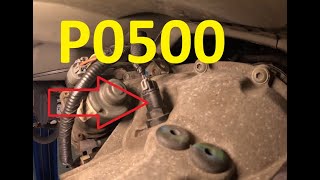
- If Speedometer IS working: Suspect the instrument cluster output circuit. The VSS and ABS sensors are likely good. The next step is to confirm the ECM is not seeing a speed signal, which points to a faulty cluster. 🎬 Watch: A detailed guide on troubleshooting the P0500 speed sensor circuit.
- Use a Scan Tool for Live Data: Monitor the 'Vehicle Speed' parameter in the ECM/Engine data stream. If it reads 0 MPH while driving but the speedometer works, this confirms a faulty instrument cluster output.
- Inspect Wheel Speed Sensors: If ABS codes are present, use the scan tool to monitor live data from all four wheel speed sensors while driving to see if one is dropping out.
- Final Verification: Before replacing an expensive part, a technician can test the signal wire at the ECM. At ECM connector E14, the wire is typically Green/Orange (pin 6). While rotating a rear wheel, voltage should pulse between 0 and 5 volts. If the speedometer works but this signal is absent, the cluster is confirmed faulty.
Parts You'll Likely Need
- Vehicle Speed Sensor (VSS)
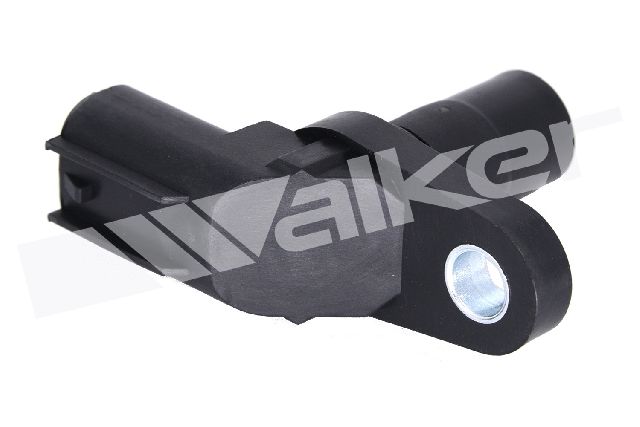
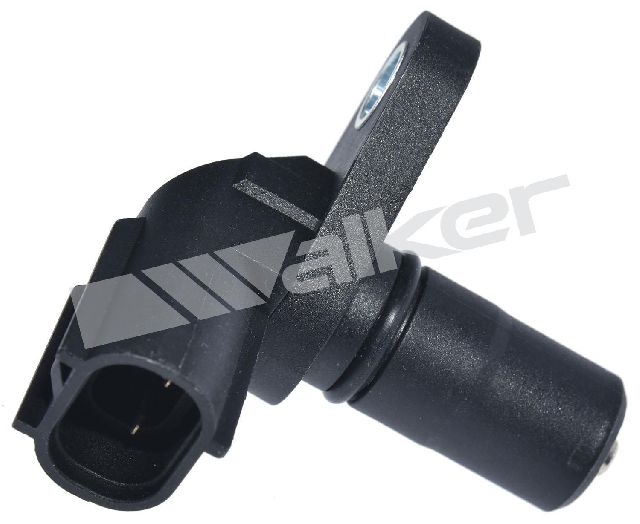
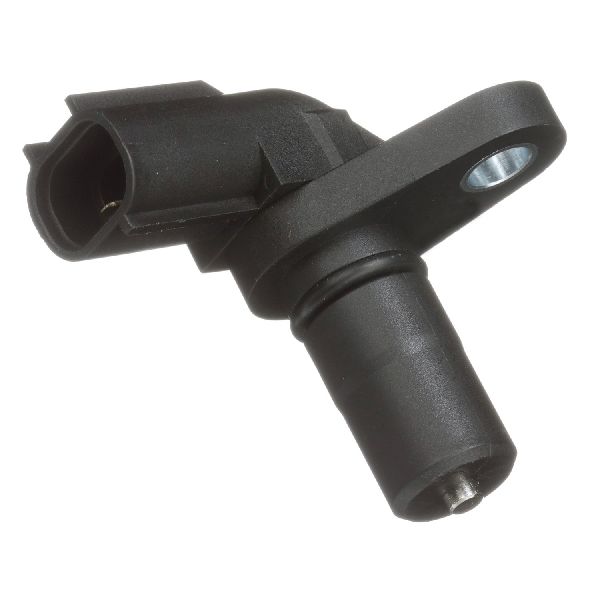
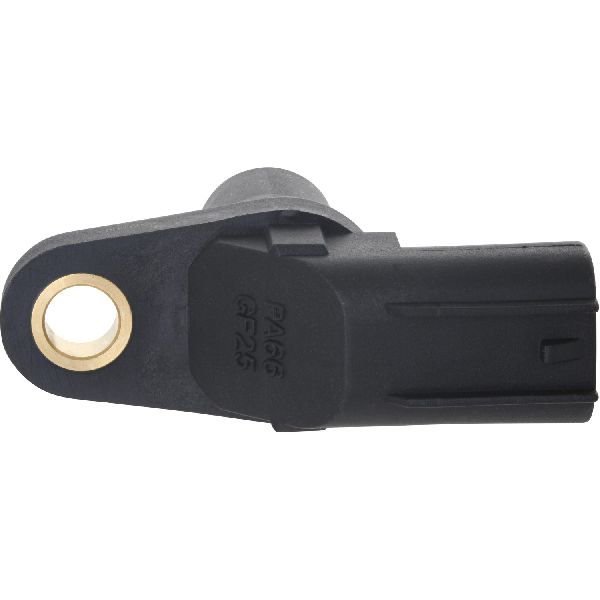
(OEM #83181-35070)— This is the most common failure point when the speedometer stops working along with the P0500 code. It is located on the rear of the transmission (2WD) or transfer case (4WD).
Trusted brands: Denso (OEM), Aisin (OEM), Standard Motor Products, Walker Products
OEM price range: $150-$280
Aftermarket price range: $40-$110 - Instrument Cluster Repair Service — This is the likely fix if the speedometer works but the P0500 code is present. The internal circuit board fails and requires specialized repair.
Trusted brands: Tanin Auto Electronix, ModuleMaster, Various eBay repair services
OEM price range: $700+ (for new unit)
Aftermarket price range: $200-$400 (for repair service)
Technical Service Bulletins (TSBs) & Recalls
- TSB EL010-06: While not directly for P0500, this TSB addresses issues with the combination meter (instrument cluster) on some 2005-2006 models, indicating known electronic issues with this component.
- Warranty Enhancement Program ZE6: Toyota issued this program to extend the warranty for cracked and/or sticky dashboards on 2003-2005 4Runners due to heat and humidity, showing a history of component issues in the dashboard area.
Platform-Specific Known Issues
- A user on IH8MUD forums diagnosed a P0500 with a working speedometer by scoping the ECM. The signal from the VSS was only 1 volt instead of the required 4-6 volts. The issue was traced to a failed signal amplifier on the instrument cluster's circuit board.
- On ClubLexus, a GX470 owner (platform mate) triggered a P0500 code immediately after cutting wires for an aftermarket stereo installation, highlighting the sensitivity of the CAN bus wiring that passes through the audio system.
Mechanic-Grade Diagnostic Values
- Vehicle Speed Signal (SPD) at ECM — expected: Pulsing 0V to 5V square wave when wheels are turning.. Failure: No voltage pulse, or a steady voltage, indicates a break in the signal from the instrument cluster.
- VSS Power Supply at Sensor Connector — expected: Approximately 5V reference voltage and a good ground (near 0 ohms to chassis).. Failure: No voltage or a bad ground points to a wiring issue upstream of the sensor.
Scan Tool Commands That Help
- Toyota Techstream: Live Data Comparison (ABS/VSC vs. Engine) — This is the primary diagnostic method when the speedometer works but P0500 is set. Compare the 'Vehicle Speed' PID in the ABS/VSC data list to the 'Vehicle Speed' PID in the Engine data list. If the ABS ECU shows speed but the Engine ECU shows 0 km/h or mph, it confirms the fault is in the instrument cluster or its wiring to the ECM.
Wiring & Ground Locations
- ECM Connector E14, Pin 6 — At the Engine Control Module (ECM), which is located behind the right side of the dashboard.. This is the specific pin where the final processed speed signal (SPD) from the instrument cluster arrives at the ECM. Testing for a voltage pulse here is the definitive test to confirm if the cluster is sending the signal. The wire is typically Green/Orange.
- Ground Point ID — Behind the driver's side kick panel.. This is a primary grounding point for many instrument panel components, including the instrument cluster. A loose or corroded ground here can cause erratic behavior in the cluster, potentially leading to a P0500 code.
- Ground Point IB — Behind the passenger's side kick panel.. Another key ground location for dashboard electronics. Verifying this ground is clean and tight is a crucial step when diagnosing any electrical issue related to the instrument panel.
Real Owner Repair Stories
- TacomaWorld Forum (similar platform) (2005 Toyota Tacoma V6 4WD with 315,000 miles) — Intermittent P0500 check engine light for over a year. Speedometer worked normally, but live data on a scan tool showed the VSS signal dropping out at the ECM.
❌ Tried (didn't work) Initial diagnosis pointed away from wheel sensors or ABS system because the speedometer was functional.
✅ What actually fixed it The owner diagnosed a cold solder joint on the instrument cluster's circuit board. He re-flowed the solder joints on the board himself, which resolved the issue completely. He noted that mail-in repair services like Tanin Auto Electronix perform this specific repair. - YouTube Diagnosis Video (2003-2009 Toyota 4Runner) — P0500 code present, causing harsh transmission shifting.
❌ Tried (didn't work) Checking wheel speed sensors and the main VSS on the transmission.
✅ What actually fixed it A technician used two 4Runners to confirm the diagnosis. On the faulty car, a scan tool showed 0 mph in the ECM live data while the wheels were spinning. They swapped the instrument cluster from a known-good 4Runner into the faulty one, and the ECM immediately began receiving the correct speed signal, confirming the original cluster was the point of failure. - NHTSA Cross-Model Reference — While reported on a platform-mate Corolla, NHTSA ODI #11139910 describes a failure where the speedometer and odometer stopped working at random, accompanied by DTCs P0500 and B2283.
OEM Part Supersession History
83181-35040→83181-35070— Standard part update/revision by Toyota.
Heads up: Both part numbers are generally interchangeable for this application, but 83181-35070 is the most current and recommended replacement.
Model Year Variations Within This Range
- 2003-2009: The physical location of the main Vehicle Speed Sensor (VSS) differs based on the drivetrain. On 2WD models, the sensor is located on the rear of the automatic transmission housing. On 4WD models, it is located on the rear of the transfer case assembly.
Diagnostic Flowchart
Other Known Issues on This Vehicle
Issues unrelated to this code that are worth knowing about as an owner of this generation:
- Premature Frame Rust 🔴 High — Very common, especially in the salt belt. Can lead to structural failure of suspension mounts or the frame itself. Subject of a class-action lawsuit. (Ref: No official recall was issued for the 4Runner, unlike the Tacoma/Tundra, but a class-action lawsuit was filed.)
- Seized Front Brake Calipers 🟠 Medium — Extremely common. The caliper pistons are prone to rusting and seizing, especially the lower pistons, causing brake drag, pulling, and overheating.
- Cracked or Melting Dashboard 🟡 Low — Very common in regions with high heat and humidity. The dash surface becomes sticky, shiny (causing glare), and develops cracks. (Ref: Toyota Warranty Enhancement Program ZE6 extended coverage for 2003-2005 models, but the program has since expired.)
- Cracked Exhaust Manifolds (V8 Engine) 🟠 Medium — Common on the 4.7L 2UZ-FE V8 engine. Manifolds develop cracks that cause a ticking or exhaust leak sound, particularly when cold.
- Front Differential Grinding/Groaning Noise (4WD) 🟡 Low — Some vehicles may exhibit a cyclical grinding or groaning noise from the front differential in 2WD that disappears in 4WD. (Ref: TSB-0026-15)
- Head Gasket Failure (V6 Engine) 🟠 Medium — Becoming more common on the 4.0L 1GR-FE V6 as they age. Often presents as a misfire on cold starts as coolant leaks into a cylinder overnight.
Used vs. New Parts: Buying Guide for This Vehicle
When a used part is the smart pick: A used Vehicle Speed Sensor (VSS) from a low-mileage donor vehicle is a reasonable choice as it is a simple magnetic sensor with no programming. However, buying a used instrument cluster is NOT recommended.
Donor-vehicle mileage cap: roughly under 100000 miles for the part to have meaningful remaining life.
What to inspect on the donor part:
- For a VSS, ensure the connector pins are clean, the plastic is not cracked, and the mounting point is intact.
- For an instrument cluster, avoid it. The vehicle's mileage is stored in the cluster itself, and swapping it will display the donor's mileage, which can cause legal and resale issues.
OEM-only on this vehicle (don't cheap out):
- Instrument Cluster: Due to mileage storage, it is strongly recommended to have your original cluster repaired by a specialist service rather than buying a new or used one. This preserves the original mileage and avoids programming headaches.
Aftermarket brands forum-validated for this vehicle:
- For the Vehicle Speed Sensor (VSS), Denso and Aisin are the OEM suppliers and are highly recommended.
- For instrument cluster repair, Tanin Auto Electronix and ModuleMaster are frequently cited in forums as reliable repair services.
Brands owners have reported issues with on this vehicle:
- Unnamed, no-brand VSS sensors from online marketplaces can have high failure rates. Sticking to known brands like Standard Motor Products or Walker as a budget alternative to OEM is safer.
Real Owner Stories
Aggregated from forums and TSBs cited above. Mileages and costs reflect what owners reported in those sources.
2004 Toyota 4Runner
Symptoms: P0500 code present and shifting issues, but the speedometer was working correctly.
What fixed it: Repaired the instrument cluster after a shop had incorrectly replaced the VSS twice.
Source hint: YotaTech.com forum thread regarding 2004 4Runner owner with P0500
2003-2009 Toyota 4Runner
Symptoms: Diagnosed a P0500 with a working speedometer. Used an oscilloscope to find the signal from the VSS was only 1 volt instead of the required 4-6 volts at the ECM.
What fixed it: Traced to a failed signal amplifier on the instrument cluster's circuit board.
Source hint: IH8MUD.com thread titled 'First CEL - P0500'
2003-2009 Lexus GX470
Symptoms: Triggered a P0500 code immediately after cutting wires during an aftermarket stereo installation.
What fixed it: Addressed interference/damage to the CAN bus wiring in the audio system area.
Source hint: ClubLexus.com thread titled 'Gx470 p0500 speed sensor'
Toyota Owner Report (NHTSA ODI #11139910)
Symptoms: An owner reported that the speedometer and odometer stopped working at random, with DTCs P0500 and B2283 present.
What fixed it: This report highlights the common failure mode where both the speed display and distance tracking fail simultaneously due to circuit issues.
Source hint: NHTSA ODI #11139910
Related OBD-II Codes
Frequently Asked Questions
My speedometer works fine, but I have a P0500 code and harsh shifting. Is the VSS still the problem?
Does TSB EL010-06 apply to the P0500 speed sensor issue?
Where is the Vehicle Speed Sensor located on a 4WD 2003-2009 4Runner?
Can installing an aftermarket stereo cause a P0500 code on my 4Runner?
Is there a warranty extension that covers dashboard-related electronic failures for the 4Runner?
How can I tell if the problem is a wheel speed sensor instead of the main VSS?
Helpful Videos
We Have This Part in Stock


The information in this article is provided for general reference and educational purposes only. Vehicle specifications, procedures, and part compatibility can vary by production date, trim level, and region. Always consult your vehicle's factory service manual and verify part numbers before purchasing or performing repairs. Safety-critical components such as airbags, seat belts, and braking systems should be installed by a qualified professional.
- Toyota 4Runner:
- 🧭 Diagnostic Flowchart
- 🎬 Helpful Videos
- 🛍️ Shop This Part
- What's Unique About the 2003-2009 Toyota 4Runner
- Symptoms You May Notice
- Most Likely Causes
- Rare But Worth Checking
- Diagnosis Steps
- Parts You'll Likely Need
- Technical Service Bulletins (TSBs) & Recalls
- Platform-Specific Known Issues
- Mechanic-Grade Diagnostic Values
- Scan Tool Commands That Help
- Wiring & Ground Locations
- Real Owner Repair Stories
- OEM Part Supersession History
- Model Year Variations Within This Range
- Other Known Issues on This Vehicle
- Used vs. New Parts: Buying Guide for This Vehicle
- Real Owner Stories
- 2004 Toyota 4Runner
- 2003-2009 Toyota 4Runner
- 2003-2009 Lexus GX470
- Toyota Owner Report (NHTSA ODI #11139910)
- Related OBD-II Codes
- Frequently Asked Questions
- 🎟️ Get 5% Off