

P0500 on 2001-2008 Toyota Highlander: Vehicle Speed Sensor Malfunction Causes and Fixes
On a 2001-2008 Highlander, P0500 is most often a failed Vehicle Speed Sensor (VSS) on the transmission, especially if the speedometer is also dead. If the speedometer works but the code is present, the instrument cluster is the likely culprit. A new VSS costs $40-$150.
- The first and most important diagnostic step is to check if your speedometer is working. This will guide your entire diagnosis.
- If the speedometer is dead or erratic, the Vehicle Speed Sensor (VSS) on the transmission is the most likely cause.
- If the speedometer works perfectly but you have a P0500 code and shifting problems, the instrument cluster is the most likely cause. Do not replace the VSS in this case.
- The repair is DIY-friendly if it's the VSS. Accessing it usually requires removing the air filter box and battery.
- Before replacing expensive parts, check for blown fuses, especially if you have recently installed any aftermarket electronics.
What's Unique About the 2001-2008 Toyota Highlander
On this generation of Highlander, the P0500 code has two very different primary causes depending on the symptoms. The Vehicle Speed Sensor (VSS) signal, originating from the wheel sensors and processed by the Skid Control ECU, is sent to the instrument cluster (combination meter) first. The cluster then does two things: it drives the speedometer needle and sends a separate, conditioned signal to the Engine Control Module (ECM). This architecture creates a common and well-documented scenario where the instrument cluster's output circuit to the ECM fails. This failure causes a P0500 code and subsequent transmission shifting problems, even while the speedometer continues to work perfectly. Mistaking this for a bad VSS is the most frequent and costly misdiagnosis for this code.
Generation note: This guide covers the first generation (XU20, 2001-2007) and the first model year of the second generation (XU40, 2008) Highlander. The fundamental design of the speed sensor system, with a primary VSS on the transmission feeding the instrument cluster, is consistent across this year range, making the diagnosis and common failures very similar for both generations. However, starting in 2008, the reliance on the ABS wheel speed sensors as the primary source for the speed signal becomes more pronounced.
Symptoms You May Notice
- Check Engine Light is on
- Inoperative or erratically behaving speedometer.
- Harsh, delayed, or unpredictable automatic transmission shifting.
- Transmission may enter a fail-safe or 'limp mode'.
- Cruise control will not engage or turns off unexpectedly.
- ABS and/or VSC/TRAC warning lights may be illuminated.
- Replacing the Vehicle Speed Sensor (VSS) when the speedometer is working correctly. This fails to fix the code because the fault lies within the instrument cluster's output circuit, not the sensor itself. This is an extremely common and costly mistake.
Most Likely Causes
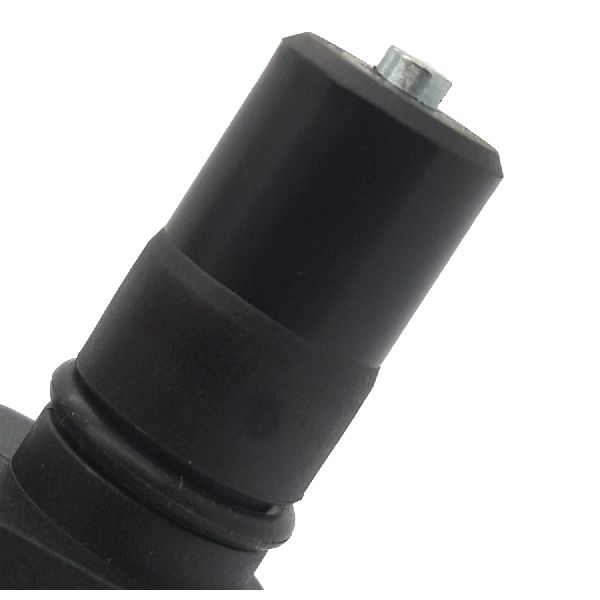
- Failed Vehicle Speed Sensor (VSS) 🔴 High Probability → Shop Drive Shaft Sensor The sensor is mounted externally on the transmission, exposing it to heat, vibration, and contaminants over time. The internal plastic drive gear can also strip or wear out.
How to confirm: This is the most likely cause IF the speedometer is also dead or erratic. Use a scan tool to monitor VSS data; if it reads 0 mph while driving and the speedometer is also dead, the sensor is the prime suspect. The sensor can be tested with a multimeter for voltage output while being spun.
Typical fix: Replace the Vehicle Speed Sensor on the transmission housing. It is typically held in by a single 12mm bolt and can be accessed by removing the battery and tray. 🎬 Watch: This video shows how to replace the speed sensor.
Est. part cost: $40-$150 - Failed Instrument Cluster (Combination Meter) 🟡 Medium Probability → Shop Instrument Cluster The internal circuit that sends the conditioned speed signal to the ECM can fail due to cracked solder joints or component failure, which is a known issue on many Toyota platforms of this era using this VSS -> Cluster -> ECM architecture.
How to confirm: This is the most likely cause IF the speedometer works perfectly but the P0500 code is present and you experience shifting problems. A scan tool connected to the ECM will show 0 mph, while the speedometer functions normally. This confirms the cluster is receiving a good signal but not sending one out.
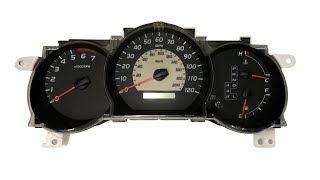
Typical fix: The instrument cluster must be repaired by a specialist service or replaced. A repair service, which often involves re-soldering the circuit board, is more cost-effective as it avoids the need for programming a new cluster.
Est. part cost: $150-$400 for repair, $500+ for replacement - Damaged Wiring or Connectors ⚪ Low Probability The wiring harness to the VSS can be damaged by road debris or engine heat. The connections at the VSS, instrument cluster, or ECM can also corrode or loosen.
How to confirm: Visually inspect the wiring harness leading to the VSS on the transmission for any signs of cracking, melting, or physical damage. Check for continuity with a multimeter from the sensor connector to the instrument cluster input, and from the cluster output to the ECM input.
Typical fix: Repair the damaged section of the wiring harness or clean/replace the faulty connector.
Est. part cost: $10-$50
Rare But Worth Checking
- Blown Fuse: A fuse shared with the gauge cluster (often labeled 'GAUGE' or similar) can be blown by an unrelated electrical issue, such as a faulty aftermarket radio installation, causing the P0500 code.
- Failed Engine Control Module (ECM): This is extremely rare. The ECM should only be considered after all other possibilities, including the VSS, wiring, and instrument cluster, have been definitively ruled out.
- Failed ABS/Skid Control ECU: Since the speed signal originates from the wheel speed sensors and is processed by the ABS/Skid Control ECU before being sent to the instrument cluster, a failure in this module can cause a P0500 code, often accompanied by ABS warning lights and related ABS codes.
Diagnosis Steps
- Check the Speedometer: This is the most critical first step. Drive the vehicle and observe the speedometer. A normally functioning speedometer indicates the VSS itself is likely good.
- If Speedometer is Dead/Erratic: The fault is likely the VSS or its wiring. Proceed to Step 4.
- If Speedometer Works Perfectly: The fault is almost certainly the instrument cluster or the wiring from the cluster to the ECM. Skip to Step 5.
- Diagnose VSS Circuit: Visually inspect the VSS and its wiring on the transmission for damage. The VSS is located on the transaxle, visible looking down past the battery and air filter box. Use a scan tool to monitor 'Vehicle Speed'. If it remains at 0 mph, test the sensor. With the key on, you should have ~12V power at the connector. The sensor's output signal should be a square wave that increases in frequency with speed.
- Diagnose Cluster Output: Use a scan tool to confirm the ECM is reading 0 mph despite the working speedometer. This strongly indicates a faulty cluster. For advanced diagnosis, backprobe the speed signal output pin at the instrument cluster connector and the input pin at the ECM with an oscilloscope or multimeter. A constant voltage or no signal with the vehicle moving confirms a faulty cluster.
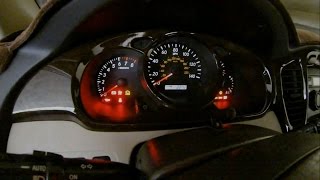
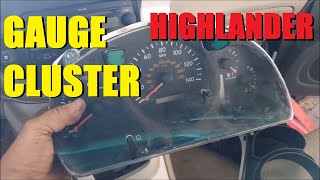
- Check for Other Causes: Before replacing major components, check the 'GAUGE' fuse in the fuse box, especially if any aftermarket electronics 🎬 Watch: A helpful guide for diagnosing P0500 cluster issues. have been installed recently. Also scan the ABS module for any wheel speed sensor codes, as a fault there can interrupt the signal chain.
Parts You'll Likely Need
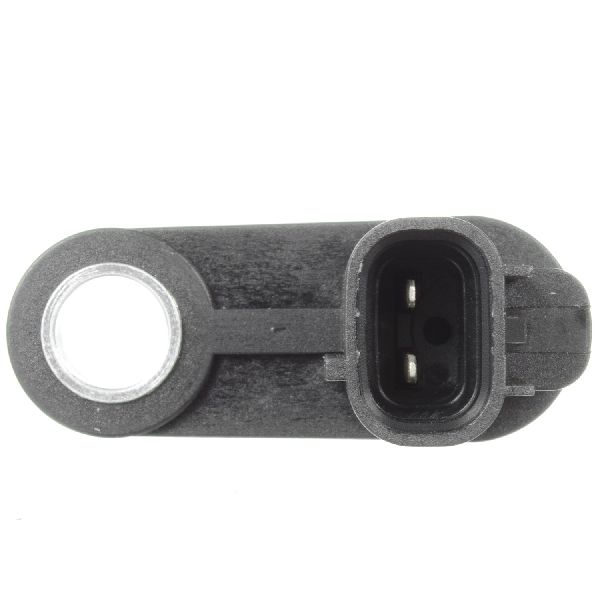
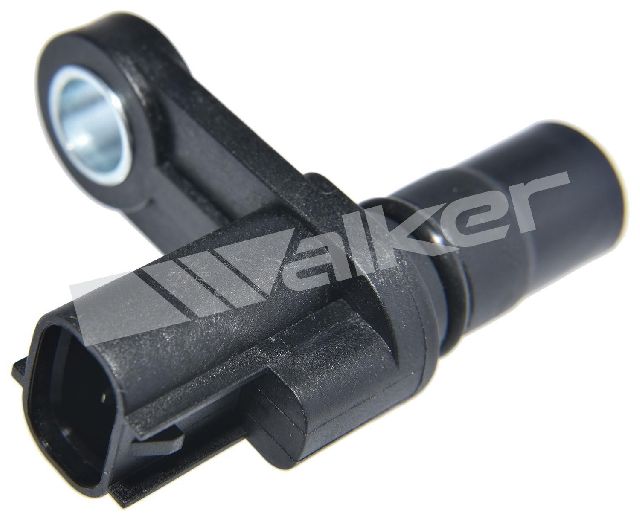
- Vehicle Speed Sensor (VSS)
(OEM #89413-48010 (replaces 89413-33010, 89413-08010))— This is the most common failure point, especially when the speedometer stops working along with the check engine light.
Trusted brands: Denso, Aisin, Delphi, Standard Motor Products (SMP)
OEM price range: $125-$165
Aftermarket price range: $40-$150 - Instrument Cluster (Combination Meter) Repair Service — This is the likely fix if the speedometer works but P0500 is set. The internal output circuit fails, requiring repair by a specialist.
Trusted brands: Circuit Board Medics, ModuleMaster, Tanin Auto Electronix
OEM price range: $600+ (for replacement)
Aftermarket price range: $150-$400 (for repair service)
Technical Service Bulletins (TSBs) & Recalls
- T-SB-0015-11: Addresses the procedure for repairing stripped cylinder head bolt threads in the 2AZ-FE engine block using thread inserts.
Platform-Specific Known Issues
- Real-World Diagnosis: Proving Cluster Failure on a Platform-Mate: A 2004 Lexus RX330 owner on the ClubLexus forums provided a perfect diagnostic walkthrough. With a P0500 code but a perfectly working speedometer, they used a multimeter to test the signal pins. They found a correct 4-pulse signal going INTO the instrument cluster from the Skid Control ECU, but a flat, incorrect voltage coming OUT of the cluster on the wire headed to the ECM. This definitively proved the instrument cluster itself was the point of failure, not the speed sensors or wiring.
Mechanic-Grade Diagnostic Values
- VSS Power Supply Voltage — expected: ~12V (Battery Voltage). Failure: No voltage indicates a wiring or fuse issue upstream of the sensor.
- VSS Signal Output (Hall Effect Type) — expected: A digital square wave, switching between ~0V and a high voltage (5V to 12V), with frequency increasing with speed.. Failure: A flat line (constant voltage) or no voltage change while rotating the sensor indicates a failed sensor.
- ABS Wheel Speed Sensor Resistance — expected: Refer to the vehicle's service manual for the specific ohm range.. Failure: A reading of infinite resistance (open) or zero resistance (short) indicates a bad sensor.
- ABS Wheel Speed Sensor AC Voltage Output — expected: A minimal, rising AC voltage as the wheel is spun by hand.. Failure: No voltage produced while the wheel is spinning indicates a failed sensor.
Scan Tool Commands That Help
- Toyota Techstream: Data List Monitoring (ABS/VSC/TRAC and Engine/ECT) — Use this to simultaneously view 'Vehicle Speed' from the Engine ECU and the individual 'Wheel Speed' values from the ABS ECU. If all wheel speeds read correctly but the engine's vehicle speed is zero, it helps isolate the fault to the instrument cluster or the wiring between the cluster and ECM.
- Toyota Techstream: Active Test - 'Check Cylinder Compression' — While not directly for P0500, some Techstream active tests, like this one which monitors engine speed, can confirm the software's ability to read sensor data, which can be useful for ruling out broader ECU communication issues.
Wiring & Ground Locations
- VSS Location — On the automatic transaxle housing. It can be seen by looking down past the battery and air filter box. Access may require removing the battery and tray.. This is the physical location of the primary sensor to inspect, test, and replace if the speedometer is inoperative.
- Ground Point EA/EB — Engine bay ground points, typically on the cylinder head or engine block near the main harness. For a 2005 Highlander, EA is on the right side of the cylinder head and EB1 is on the front side of the engine room R/B.. A poor engine ground can cause a variety of sensor signal issues. While not a primary cause, it should be checked for corrosion or looseness if multiple electrical faults are present.
- Ground Point IA/IB/IC — Interior ground points located in the left kick panel and left cowl side panel area for a 2005 Highlander.. The instrument cluster relies on these grounds. A loose or corroded ground point in the kick panel could cause erratic cluster behavior, potentially affecting its ability to process and re-transmit the speed signal to the ECM.
Real Owner Repair Stories
- YotaTech Forums (Toyota 4Runner (similar VSS design)) — Speedometer not working, VSS code present.
❌ Tried (didn't work) Replacing the VSS with a salvage yard part that worked for three months., Replacing with a new aftermarket part that also did not work.
✅ What actually fixed it The user discovered the plastic VSS drive gear was repeatedly being stripped. The root cause was a damaged worm gear inside the transfer case that drives the VSS. Replacing the internal transfer case gears was the ultimate fix. - Reddit r/Toyota_Matrix (Toyota Matrix (shares signal path architecture)) — ABS light on, speedometer inoperative until 5mph, P0500 code, limp mode.
❌ Tried (didn't work) Initial diagnosis pointed to a single wheel speed sensor (ABS code 34).
✅ What actually fixed it The user diagnosed that the speed signal comes from the ABS module, goes to the cluster, then to the ECU. Since ABS worked once rolling, but the speedo didn't, the fault was isolated to the ABS module's output. The planned fix was to replace the ABS controller with a used unit.
Documented NHTSA Reports
- NHTSA ODI #11139910 (Toyota Corolla - Cross-Manufacturer Reference) — An owner reported a scenario where the speedometer and odometer stopped working at random, resulting in DTCs P0500 and B2283.
OEM Part Supersession History
89413-08010, 89413-33010→89413-48010— Standard part consolidation and revision by Toyota.
Heads up: While these parts are generally interchangeable for this generation, it's critical to verify fitment by VIN. There can be differences between FWD and AWD models, not in the sensor electronics, but sometimes in the gear/shaft design.
Model Year Variations Within This Range
- 2001-2008: The VSS location and part number can differ between Front-Wheel Drive (FWD/2WD) and All-Wheel Drive (AWD/4WD) models. AWD models may have the sensor on the transfer case, while FWD models have it on the transaxle. Always confirm the part for your specific drivetrain configuration.
- 2008+: The 2008 model year marks the beginning of the second generation (XU40). While the signal path logic is similar, these newer models rely more heavily on the ABS wheel speed sensors as the definitive source for the vehicle speed signal sent to the cluster, whereas earlier models often had a more distinct transmission-mounted VSS.
Diagnostic Flowchart
Other Known Issues on This Vehicle
Issues unrelated to this code that are worth knowing about as an owner of this generation:
- 2AZ-FE (2.4L I4) Stripped Cylinder Head Bolt Threads 🔴 High — Common on 2001-2007 4-cylinder models, especially after an overheating event. The aluminum block threads fail, causing head gasket leaks and coolant loss. (Ref: T-SB-0015-11)
- 2GR-FE (3.5L V6) VVT-i Oil Line Rupture 🔴 High — Affects 2007-2008 V6 models (and some later years). A rubber section of the VVT-i oil line can burst, causing catastrophic oil loss and engine seizure in minutes. (Ref: Toyota issued a Limited Service Campaign (LSC) to replace the rubber/metal line with an all-metal version.)
- Transmission Wear / Failure (Early Models) 🟠 Medium → Shop Transmission Assembly — 2001-2003 models are reported to be more susceptible to transmission wear and potential failure, particularly after 125,000 miles (200,000 km).
- Center Airbag Sensor Assembly Failure 🟠 Medium — A known failure of the sensor located under the center console, which will cause the airbag warning light to illuminate.
- Seized Brake Calipers 🟡 Low — Brake calipers, particularly the rear ones, are prone to seizing if not regularly serviced and lubricated, leading to premature brake wear and dragging.
Used vs. New Parts: Buying Guide for This Vehicle
When a used part is the smart pick: A used instrument cluster from a junkyard can be a cost-effective option, especially if you can find one from a vehicle with similar mileage. However, the mileage will be incorrect and will need to be reprogrammed by a specialist service. A used VSS is generally not recommended due to the low cost of a new aftermarket part and the high likelihood of the used part having significant wear.
Donor-vehicle mileage cap: roughly under 150000 miles for the part to have meaningful remaining life.
What to inspect on the donor part:
- For an instrument cluster, check for a clear, unscratched lens and intact mounting tabs.
- Verify the part number on the used cluster matches your original exactly.
- Ask the salvage yard if they tested the vehicle's electronics before dismantling.
OEM-only on this vehicle (don't cheap out):
- Engine Control Module (ECM)
Aftermarket brands forum-validated for this vehicle:
- Denso (often the OEM supplier)
- Aisin
- Delphi
- Standard Motor Products (SMP)
- NGK/NTK
Brands owners have reported issues with on this vehicle:
- Unnamed, 'white-box' sensors from online marketplaces should be avoided, as their internal electronics may not meet Toyota's specifications, leading to continued issues.
Real Owner Stories
Aggregated from forums and TSBs cited above. Mileages and costs reflect what owners reported in those sources.
2004 Lexus RX330
Symptoms: P0500 code present with a perfectly working speedometer. Used a multimeter to find a correct 4-pulse signal entering the instrument cluster from the Skid Control ECU, but a flat, incorrect voltage exiting the cluster toward the ECM.
What fixed it: Identified the instrument cluster itself as the point of failure due to the faulty output signal.
Source hint: ClubLexus - '2004 RX330 P0500 Code Help Needed'
2005-2015 Toyota Tacoma
Symptoms: Speedometer works but P0500 code is present.
What fixed it: Disassembling the instrument cluster and re-soldering the circuit path for the VSS signal on the circuit board.
Source hint: Tacoma World - 'Fixing A P0500 Check Engine Light By Re-Soldering The Instrument Cluster'
2005-2015 Toyota Tacoma
Symptoms: Replaced sensors with no luck; code persisted.
What fixed it: Replacement of the speedometer cluster.
Cost: $600-$600
Source hint: Tacoma World - 'P0500 Code Vehicle Speed Sensor'
Toyota Corolla (Platform Reference)
Symptoms: An owner reported that the speedometer and odometer stopped working at random, accompanied by DTCs P0500 and B2283.
Source hint: NHTSA ODI #11139910
Related OBD-II Codes
Frequently Asked Questions
My speedometer works fine, but I have a P0500 code and shifting issues on my Highlander. What is the likely cause?
Where is the Vehicle Speed Sensor (VSS) located on the 2001-2008 Highlander?
Can a blown fuse cause a P0500 code on this vehicle?
Does TSB-0015-11 relate to my P0500 speed sensor issue?
Why is the VSS prone to failure on the Highlander platform?
Is it better to repair or replace the instrument cluster for a P0500 fix?
Helpful Videos
We Have This Part in Stock


The information in this article is provided for general reference and educational purposes only. Vehicle specifications, procedures, and part compatibility can vary by production date, trim level, and region. Always consult your vehicle's factory service manual and verify part numbers before purchasing or performing repairs. Safety-critical components such as airbags, seat belts, and braking systems should be installed by a qualified professional.
- Toyota Highlander:
- 🧭 Diagnostic Flowchart
- 🎬 Helpful Videos
- 🛍️ Shop This Part
- What's Unique About the 2001-2008 Toyota Highlander
- Symptoms You May Notice
- Most Likely Causes
- Rare But Worth Checking
- Diagnosis Steps
- Parts You'll Likely Need
- Technical Service Bulletins (TSBs) & Recalls
- Platform-Specific Known Issues
- Mechanic-Grade Diagnostic Values
- Scan Tool Commands That Help
- Wiring & Ground Locations
- Real Owner Repair Stories
- Documented NHTSA Reports
- OEM Part Supersession History
- Model Year Variations Within This Range
- Other Known Issues on This Vehicle
- Used vs. New Parts: Buying Guide for This Vehicle
- Real Owner Stories
- 2004 Lexus RX330
- 2005-2015 Toyota Tacoma
- 2005-2015 Toyota Tacoma
- Toyota Corolla (Platform Reference)
- Related OBD-II Codes
- Frequently Asked Questions
- 🎟️ Get 5% Off