

P0500 on 2004-2009 Toyota Prius: Causes for Vehicle Speed Sensor Malfunction
On a Gen 2 Prius, P0500 is most often caused by a faulty combination meter (the instrument cluster), especially if the speedometer works but the check engine light is on. A less common cause is a failed ABS wheel speed sensor. Repairing the meter's internal capacitor costs under $50 in parts for DIY, $150-$400 for a mail-in service, while replacing the entire unit can exceed $950.
- If you have code P0500 and your speedometer works, the problem is almost certainly your combination meter (instrument cluster).
- If your speedometer is dead and your ABS light is on, the problem is likely a failed ABS wheel speed sensor.
- Do not replace wheel speed sensors hoping to fix a P0500 code if your speedometer is working; it will not solve the problem.
- Repairing the combination meter by replacing the faulty internal capacitor is a very common and cost-effective solution compared to buying a new one from the dealer.
What's Unique About the 2004-2009 Toyota Prius
The 2004-2009 (Gen 2) Prius uses a unique system for determining vehicle speed. The four ABS wheel speed sensors send raw data to the Skid Control ECU (the ABS module). This ECU processes the data and sends it via CAN bus to the combination meter (the main display with the speedometer). The combination meter then sends the final, processed speed signal to the Hybrid Vehicle Control ECU. A failure in this chain, most notably a very common failure within the combination meter itself, will interrupt the signal to the Hybrid ECU and trigger a P0500 code.
Symptoms You May Notice
- Check Engine Light is on
- Speedometer is inaccurate or not working at all
- The entire combination meter display is dark or intermittent, especially in cold weather.
- ABS, VSC (Vehicle Stability Control), and/or brake warning lights are on
- Cruise control does not work
- In cases of severe combination meter failure, the car may not power off correctly with the button, requiring you to hold it for 3+ seconds.
- Backup camera does not display on the MFD (Multi-Function Display).
- Power steering may be inoperative if the combination meter is completely dead.
- Replacing an ABS wheel speed sensor when the P0500 code is present but the speedometer is working. In this case, the fault is almost always the combination meter, and replacing the sensor will not fix the issue.
- Replacing the entire combination meter for $950+ when a simple, inexpensive capacitor replacement would have fixed it.
Most Likely Causes
- Combination Meter Failure 🔴 High Probability The circuit board within the Gen 2 Prius combination meter is known to have an electrolytic capacitor (typically a 100µF 16V unit) that fails over time, interrupting the speed signal output to the ECU. This is a widely documented design flaw, for which Toyota issued a Warranty Enhancement Program (ZTV) that has since expired.
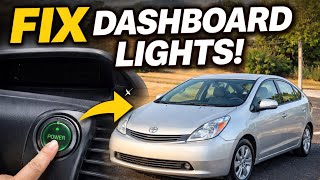
How to confirm: The most telling sign is a P0500 code with a perfectly working speedometer. Other strong indicators are an intermittent or completely dark instrument display (which may sometimes be temporarily revived by cycling the ignition), or the car failing to power down normally. Some owners have found anecdotal, temporary workarounds involving pressing buttons in a specific sequence to get the dash to light up. 🎬 See how to perform this quick dashboard reset trick.
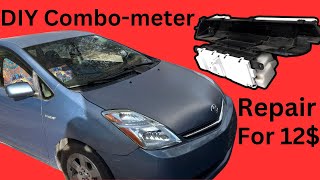
Typical fix: The combination meter must be removed from the dashboard. It can be repaired by desoldering the single failed capacitor and soldering a new one in its place. 🎬 Watch this step-by-step guide to repairing your combination meter. Many owners opt for a higher capacitance replacement (e.g., 220µF 16V or 25V) for greater longevity. Alternatively, the entire unit can be replaced or sent to a mail-in repair service.
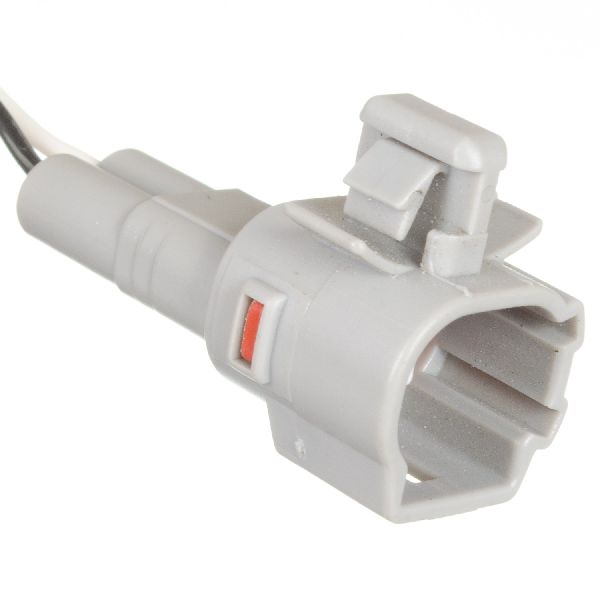
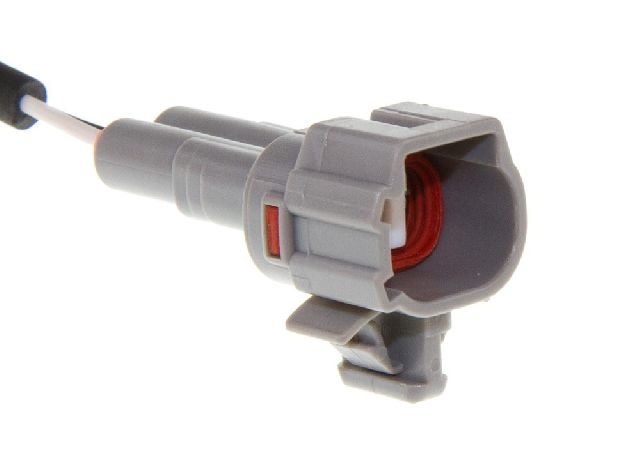
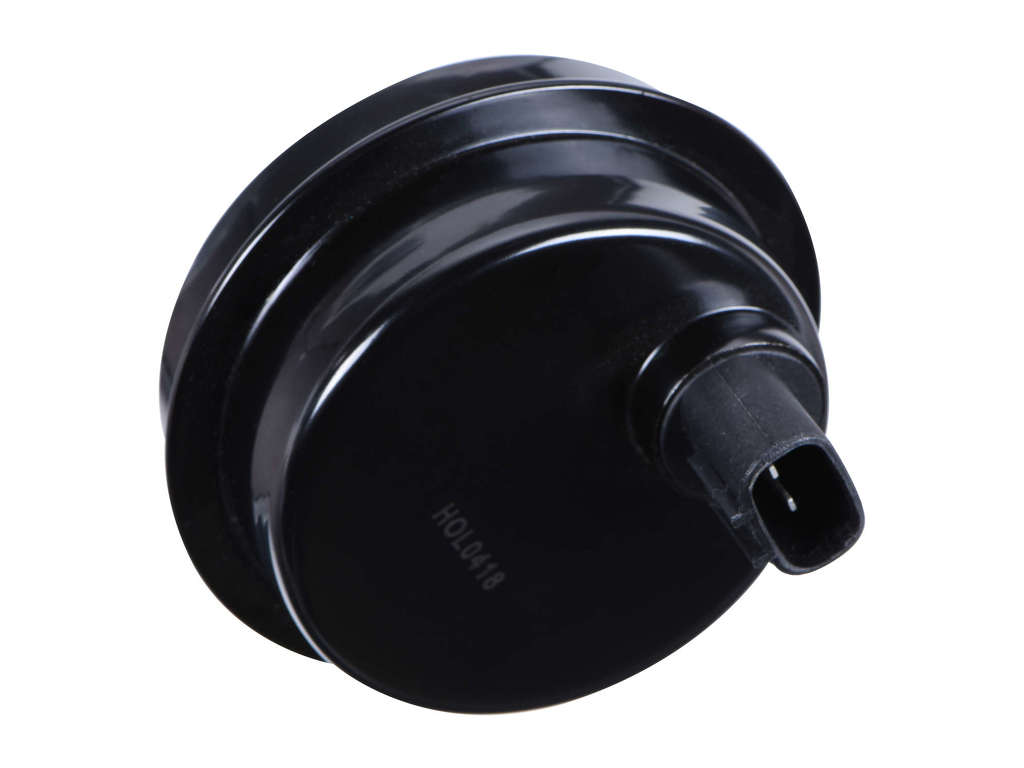
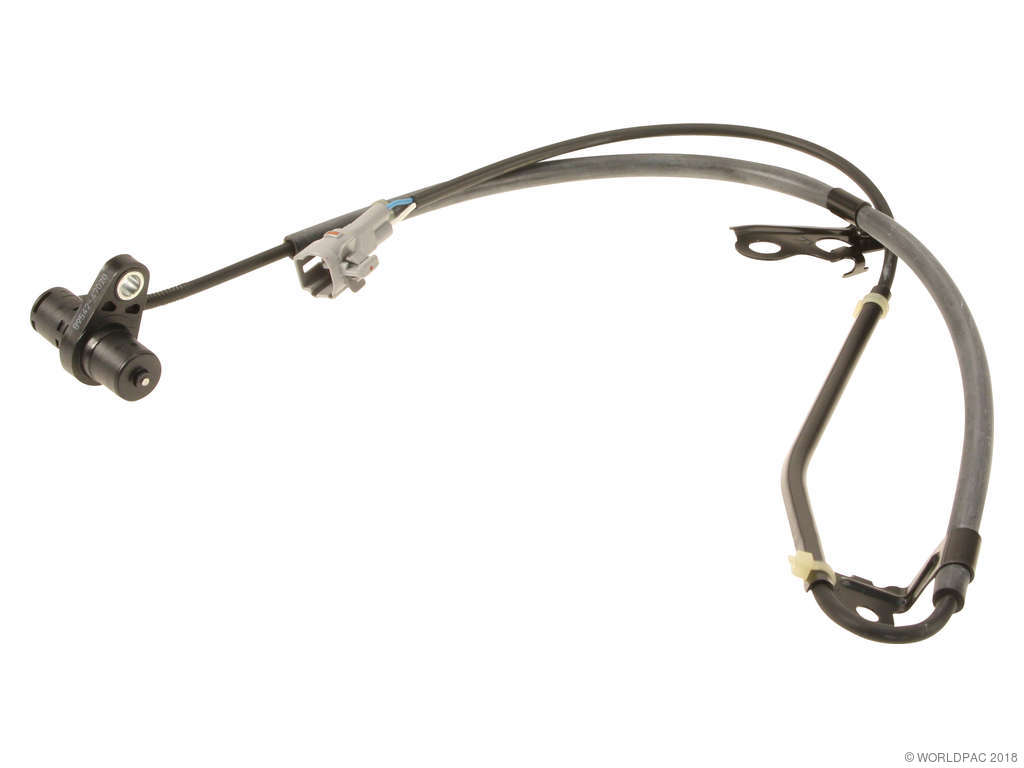
Est. part cost: $10-$20 for a DIY capacitor replacement kit, $150-$400 for a mail-in repair service, or $700-$950+ for a new OEM unit from the dealer. - Failed ABS Wheel Speed Sensor 🟡 Medium Probability → Shop ABS Wheel Speed Sensor These sensors are exposed to the elements at the wheels and can fail from corrosion, damage from road debris, or internal electrical faults. Failure is common on most vehicles of this age.
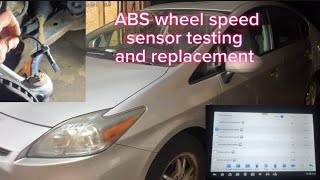
How to confirm: This is likely the cause if the speedometer is NOT working and the ABS/VSC warning lights are on. A diagnostic scan tool capable of reading ABS live data can show the speed from all four wheels to identify which sensor has no reading while the vehicle is moving.
Typical fix: The faulty ABS wheel speed sensor needs to be replaced. They are located at each wheel hub and include the attached wiring harness.
Est. part cost: $25-$80 for an aftermarket sensor, $100-$200 for an OEM sensor. - Damaged Wiring or Connectors ⚪ Low Probability Rodent damage is a known issue on Priuses, where mice chew on the soy-based wiring insulation. This can affect any harness, including those for the wheel speed sensors or the combination meter.
How to confirm: Visually inspect the wiring harnesses leading to all four ABS wheel speed sensors and the connectors at the back of the combination meter (connector C10 is the main one). Look for any signs of fraying, corrosion, or rodent damage. One owner on PriusChat found a chewed ground wire behind the gear selector was the cause of their dead combination meter.
Typical fix: Repair or replace the damaged section of the wiring harness or the faulty connector.
Est. part cost: $10-$50 for wiring repair materials.
Rare But Worth Checking
- Skid Control ECU or Hybrid Vehicle Control ECU Failure: While listed as a possibility in the service manual, failure of these main computer modules is extremely uncommon and should only be considered after all other causes have been exhaustively ruled out.
Diagnosis Steps
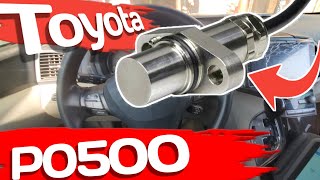
- Scan for Codes: Use an OBD-II scanner to confirm P0500. 🎬 Watch this video for a breakdown of P0500 causes and fixes. Check for any other codes, especially C-codes (Chassis) related to the ABS system.
- Analyze Symptoms: Note the status of the speedometer and the combination meter display. Are they working, intermittent, or completely dead? Are the ABS/VSC lights on?
- Scenario A (High Probability - Combo Meter): If the speedometer works correctly but the P0500 code is present, the diagnosis almost certainly points to a faulty combination meter. The problem is the meter's *output* signal to the Hybrid ECU, not its input from the ABS system. The dash may also be dark or intermittent.
- Scenario B (Medium Probability - Wheel Sensor): If the speedometer is not working AND the ABS/VSC lights are on, the problem is likely a faulty ABS wheel speed sensor or its wiring. Use a scan tool with live data capability to monitor the output from all four wheel sensors while driving to see which one is not reporting speed.
- Inspect Wiring: Visually inspect the wiring harnesses to the wheel speed sensors for any obvious damage. Also inspect the main C10 connector and nearby wiring behind the combination meter, especially if there are signs of rodent activity.
- Final Verification: After a repair, clear the codes. Note that P0500 can sometimes be stored as a 'permanent' code that cannot be cleared with a standard scan tool. It will clear itself after several successful drive cycles where the computer verifies the fault is gone.
Parts You'll Likely Need
- Combination Meter Repair Capacitor
(OEM #Nichicon UUD1C221MCL1GS (220µF 16V recommended upgrade))— This is the most common cause of P0500 on this vehicle when the speedometer is still functional. Repairing the existing board is much cheaper than buying a new one. Many owners and guides recommend upgrading the original 100µF capacitor to a 220µF unit for better longevity.
Trusted brands: Nichicon, Panasonic
OEM price range: $950+ (for new unit)
Aftermarket price range: $10 (for capacitor), $150-$400 (for repair service) - ABS Wheel Speed Sensor
(OEM #89542-47020 (Front Right), 89543-47020 (Front Left), 89516-47060 (Rear Left/Right - verify fitment).)— This is the second most common cause, typically indicated by a dead speedometer and active ABS/VSC warning lights.
Trusted brands: Dorman, Standard Motor Products (SMP), Beck/Arnley, WVE, API
OEM price range: $100-$200
Aftermarket price range: $25-$80
Related Codes That Often Appear With This One
- C1235, C1236, C1237, C1238 — These are specific codes for foreign object attachment or issues with the ABS wheel speed sensors (Front Right, Front Left, Rear Right, Rear Left). If you see one of these alongside P0500, it strongly points to a specific wheel speed sensor problem rather than the combination meter.
Technical Service Bulletins (TSBs) & Recalls
- Warranty Enhancement Program ZTV: Extended the warranty on the combination meter to 9 years / unlimited miles due to the known issue of the display not illuminating, especially in cold weather. This program is now expired.
- POL12-05: The internal Toyota policy bulletin detailing the ZTV warranty enhancement for dealers.
Platform-Specific Known Issues
- The 2004-2009 Prius is widely known for combination meter failures. Toyota issued a Warranty Enhancement Program (ZTV) which extended coverage to 9 years with unlimited mileage, but it expired for all vehicles by the late 2010s. The failure is so common that a cottage industry of mail-in repair services exists, and numerous DIY video guides are available. The root cause is a single, under-spec'd capacitor on the main board.
Mechanic-Grade Diagnostic Values
- Combination Meter Capacitor (failed) — expected: A good 100µF capacitor should have a low ESR (Equivalent Series Resistance), typically around 1.4 ohms.. Failure: The commonly failing capacitor will show very high resistance, often 15 ohms or more, indicating it is bad.
- Combination Meter to Hybrid ECU Signal Wire Resistance — expected: Less than 1 Ω. Failure: Resistance higher than 1 Ω indicates a problem in the harness between the combination meter and the Hybrid ECU.
- Combination Meter Signal Wire to Ground Resistance — expected: 10 kΩ or higher. Failure: Resistance lower than 10 kΩ indicates a short to ground in the harness.
- ABS Wheel Speed Sensor AC Voltage Output — expected: When spinning the wheel by hand, a good sensor should generate a small AC voltage, for example, ~0.33V.. Failure: A significantly lower voltage (e.g., 0.115V) or no voltage from one sensor compared to the others indicates a likely failure of that sensor.
Hidden / Shadow Codes Worth Checking
- B1271: Combination Meter ECU Communication Stop. This code is often stored in the Body ECU when the combination meter fails and stops communicating. It's a strong indicator that the combination meter itself is the root cause of the electrical issues, including P0500. (see via A scan tool capable of reading Toyota Body Control Module codes, such as Techstream.)
Scan Tool Commands That Help
- Toyota Techstream: Data List -> ABS/VSC/TRAC -> Wheel Speed Sensors — Use this to view the live speed readings from all four individual wheel sensors simultaneously while driving. This is the definitive way to identify a single faulty ABS sensor if the speedometer is not working and ABS/VSC lights are on.
- Toyota Techstream: Data List -> Cruise Control -> CCS Vehicle Spd — Use this to check the final vehicle speed value being received by the Hybrid Vehicle Control ECU. If the speedometer on the dash works but this value is 0 or erratic, it confirms the fault is in the combination meter's output signal.
Wiring & Ground Locations
- C10 — The main connector on the back of the combination meter (instrument cluster).. Pin 13 of this connector sends the processed vehicle speed signal (SPD) to the Hybrid Vehicle Control ECU. A bad connection here or a fault in the wire from C10-13 to the ECU can cause P0500.
- H14 — A connector at the Hybrid Vehicle Control ECU.. Pin 19 (SPDI) is the input terminal that receives the vehicle speed signal from the combination meter. This is the final destination for the signal, and it's the pin to test for the incoming voltage waveform.
- IG, IH, II, IJ, IK — These are ground points located behind the instrument panel and combination meter area.. A poor ground at any of these locations can cause erratic behavior or complete failure of the combination meter, leading to a P0500 code and other dash-related symptoms.
Real Owner Repair Stories
- PriusChat user (2006 Prius, 145k miles) — ABS/VSC/Brake lights on, speedometer dropped to 0, odometer stopped working.
❌ Tried (didn't work) Replacing the driver's side front wheel bearing did not fix the lights., Resetting warning lights by pressing the brake pedal 8 times did not work.
✅ What actually fixed it The user jumped the OBD port to read ABS flash codes (31, 32, 34, 35), which pointed to multiple speed sensor circuit issues. Clearing these codes restored speedometer function, indicating the initial fault was likely a temporary sensor disruption or a wiring issue that occurred during the wheel bearing replacement. - PriusChat user SuperJETT (2008 Prius) — Brake error, VSC, and ABS lights on. No OBD-II codes were present with a basic scanner.
❌ Tried (didn't work) The user tested resistance on all 4 wheel speed sensors and found them to be similar. However, one sensor had a much lower AC voltage output when spun by hand (0.115V vs ~0.33V). The sensor had been previously broken and glued back in place by a prior owner.
✅ What actually fixed it The user did not report the final fix, but the clear diagnostic evidence pointed to the one wheel speed sensor with low voltage output as the culprit. The story highlights the importance of checking AC voltage generation, not just resistance, and how a basic scanner can miss ABS-specific codes. - NHTSA ODI #11139910 — In a cross-model reference for the same manufacturer, an owner reported that the speedometer and odometer stopped working at random, with DTCs P0500 and B2283 present.
OEM Part Supersession History
83800-47180 (and similar for 2004-2005)→83800-47281-A (and similar for 2006-2009)— Model year refresh. The later combination meters have a different display layout (odometer on the right) and do not have the 299,999 km odometer limit.
Heads up: While a 2006-2009 meter can be retrofitted into a 2004-2005 car to solve the odometer limit, there are physical differences. The dashboard vent covers are a different shape and texture between the two ranges (2004-2005 is flat plastic, 2006-2009 is textured), and swapping meters may result in a poor fit with the existing dash panels.
Model Year Variations Within This Range
- 2004-2005: The combination meter has the odometer display on the left side and is subject to a software limitation where the odometer stops at 299,999 km. The surrounding dash vent plastic is a smooth, flat finish.
- 2006-2009: The combination meter was updated with the odometer display on the right side and does not have the 299,999 km limit. The surrounding dash vent plastic has a textured finish. The part numbers for the meter and vents are different from the earlier models.
Diagnostic Flowchart
Other Known Issues on This Vehicle
Issues unrelated to this code that are worth knowing about as an owner of this generation:
- Hybrid Inverter Coolant Pump Failure 🔴 High — Very common. Failure can occur at any mileage, leading to overheating of hybrid components and setting code P0A93. (Ref: Yes, multiple Limited Service Campaigns and a final Safety Recall (C0U) were issued.)
- Brake Actuator Assembly Failure 🔴 High → Shop ABS Control Module — Common, especially on higher mileage vehicles. Symptoms include a loud, frequently running pump motor, multiple brake-related warning lights, and a change in brake pedal feel. (Ref: Yes, a Warranty Enhancement Program (ZG1 / POL16-03) was issued, extending coverage. This has since expired.)
- High Voltage (HV) Traction Battery Degradation 🔴 High — Inevitable with age and mileage, typically after 10-15 years or 150k+ miles. Results in code P0A80 and reduced vehicle performance.
- Excessive Oil Consumption 🟠 Medium — Becomes noticeable on many 1NZ-FXE engines after 100,000 miles due to piston ring design. Toyota's official acceptable consumption can be as high as 1.1 quarts per 600 miles.
- HID Headlight Failure 🟡 Low — Common on models equipped with High-Intensity Discharge headlights. The bulbs or ballasts fail, causing intermittent or total loss of one headlight. (Ref: Yes, a warranty extension was provided for this issue, but it is now expired.)
- Three-Way Coolant Control Valve Failure 🟠 Medium — A known issue that can cause the check engine light to come on with code P1121. This valve directs coolant for the cabin heater.
Used vs. New Parts: Buying Guide for This Vehicle
When a used part is the smart pick: A used combination meter from a junkyard can be a very cost-effective option, especially if it's from a later model year (2006-2009) to avoid the odometer limit issue. Used ABS wheel speed sensors are also a viable, low-cost alternative to new parts.
Donor-vehicle mileage cap: roughly under 150000 miles for the part to have meaningful remaining life.
What to inspect on the donor part:
- For a combination meter, ask if it has been previously repaired. Look for non-factory solder joints or markings on the circuit board.
- For an ABS sensor, check the wiring harness for any cracks, fraying, or rodent damage. Ensure the mounting bolt hole is intact.
- If possible, test the resistance of a used ABS sensor before purchase to ensure it's not an open circuit.
OEM-only on this vehicle (don't cheap out):
- While not strictly 'OEM-only', the replacement capacitor for the combination meter repair should be from a reputable electronics brand like Nichicon or Panasonic to ensure longevity.
Aftermarket brands forum-validated for this vehicle:
- Capacitors: Nichicon, Panasonic.
- ABS Sensors: NTK, Beck/Arnley, Delphi, and Bosch are generally well-regarded brands in forums.
Brands owners have reported issues with on this vehicle:
- Some users on Reddit have reported immediate failures or 'dead on arrival' issues with lower-cost, unbranded Standard Motor Products (SMP) ABS sensors for Toyota applications, suggesting that paying more for a known brand or OEM part may be wise to avoid repeat labor.
Real Owner Stories
Aggregated from forums and TSBs cited above. Mileages and costs reflect what owners reported in those sources.
2004-2009 Toyota Prius 1.5L
Symptoms: The entire combination meter display is dark or intermittent, especially in cold weather. The car may not power off correctly with the button, requiring the owner to hold it for 3+ seconds.
What fixed it: Removal of the combination meter and replacement of the failing electrolytic capacitor (typically a 100µF 16V unit) on the circuit board.
Cost: $10-$20
Source hint: vehicle_specific_issues and Warranty Enhancement Program ZTV documentation
2004-2009 Toyota Prius 1.5L
Symptoms: A dead combination meter caused by a chewed ground wire located behind the gear selector.
What fixed it: Repair of the damaged section of the wiring harness.
Source hint: PriusChat forum citation
Related OBD-II Codes
Frequently Asked Questions
Does the Toyota Warranty Enhancement Program ZTV still cover my 2004-2009 Prius combination meter failure?
My speedometer works fine, but I have a P0500 code. Is the combination meter still the likely culprit?
Why does my dash display only go dark during cold weather?
Can a dead combination meter prevent my Prius from powering off?
Is it true that rodent damage is a common cause for wiring issues on this vehicle?
What is the recommended DIY fix for the combination meter rather than buying a new $700 unit?
Helpful Videos

We Have This Part in Stock


The information in this article is provided for general reference and educational purposes only. Vehicle specifications, procedures, and part compatibility can vary by production date, trim level, and region. Always consult your vehicle's factory service manual and verify part numbers before purchasing or performing repairs. Safety-critical components such as airbags, seat belts, and braking systems should be installed by a qualified professional.
- Toyota Prius:
- 🧭 Diagnostic Flowchart
- 🎬 Helpful Videos
- 🛍️ Shop This Part
- What's Unique About the 2004-2009 Toyota Prius
- Symptoms You May Notice
- Most Likely Causes
- Rare But Worth Checking
- Diagnosis Steps
- Parts You'll Likely Need
- Related Codes That Often Appear With This One
- Technical Service Bulletins (TSBs) & Recalls
- Platform-Specific Known Issues
- Mechanic-Grade Diagnostic Values
- Hidden / Shadow Codes Worth Checking
- Scan Tool Commands That Help
- Wiring & Ground Locations
- Real Owner Repair Stories
- OEM Part Supersession History
- Model Year Variations Within This Range
- Other Known Issues on This Vehicle
- Used vs. New Parts: Buying Guide for This Vehicle
- Real Owner Stories
- 2004-2009 Toyota Prius 1.5L
- 2004-2009 Toyota Prius 1.5L
- Related OBD-II Codes
- Frequently Asked Questions
- 🎟️ Get 5% Off