

P0501 on 1995-2000 Ford Contour 2.5L V6: VSS Range/Performance Causes and Fixes
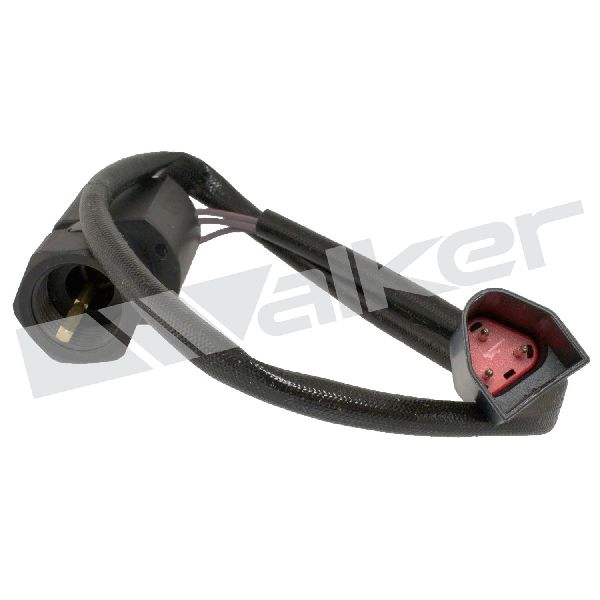
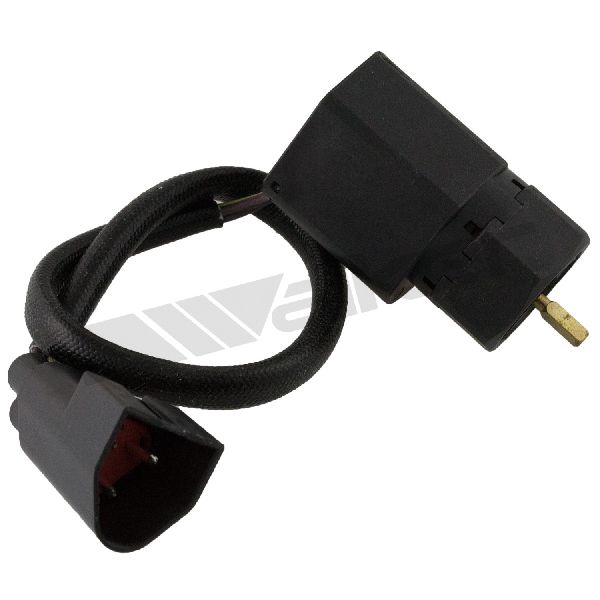
This code indicates an erratic or irrational signal from the Vehicle Speed Sensor (VSS). On the Ford Contour, this is most often caused by a failing VSS (OEM Part F5RZ-9E731-AC) located on the transaxle. Expect to pay around $20-$50 for a replacement sensor, with DIY difficulty rated at 3/5 due to its hard-to-reach location under the brake booster, often requiring removal of the air intake.
- P0501 on a 1995-2000 Contour almost always points to a problem with the Vehicle Speed Sensor (VSS) or its wiring.
- The most likely fix is replacing the VSS (Part #: F5RZ-9E731-AC), which is relatively inexpensive but can be difficult to access on the back of the transmission.
- Before replacing the sensor, carefully inspect the wiring harness for any signs of damage, as this is a known issue on these cars, especially 1995 models.
- Symptoms include an erratic speedometer, poor automatic transmission shifting, and an illuminated Check Engine Light.
What's Unique About the 1995-2000 Ford Contour
The first-generation Ford Contour, especially early models, can be prone to wiring issues, including deteriorated insulation on the main engine harness. This can lead to a P0501 code even if the Vehicle Speed Sensor (VSS) itself is functional. A recall (Ford's Owner Notification Program 99M03) existed for 1995 models to address this harness degradation, but it has long since expired. Owners report that the VSS is located on the back of the transaxle and is notoriously difficult to access, particularly the electrical connector, which requires reaching down from the top of the engine bay.
Symptoms You May Notice
- Inaccurate or erratically jumping speedometer. 🎬 See: How to diagnose an erratic or dead speedometer
- Harsh, erratic, or improper automatic transmission shifting.
- Check Engine Light is on.
- Cruise control not working.
- ABS light may be illuminated.
- Occasional lurching or hesitation while driving at highway speeds.
- Replacing the Turbine Shaft Speed (TSS) sensor instead of the Vehicle Speed Sensor (VSS). While both are on the transmission, they serve different functions. The P0501 code specifically points to the VSS. Forum users have made this mistake and it did not solve the issue.
Most Likely Causes
- Faulty Vehicle Speed Sensor (VSS) 🔴 High Probability → Shop Drive Shaft Sensor The sensor is a common failure point due to age and heat cycles, as documented extensively in owner forums.
How to confirm: Use a scan tool with live data to monitor the VSS signal while driving. The speed reading should be smooth and match the speedometer. If it's erratic, jumps, or reads 0 mph while moving, the sensor is likely bad.
Typical fix: Replace the Vehicle Speed Sensor located on the transaxle. The OEM part number is F5RZ-9E731-AC.
Est. part cost: $20-$50 - Damaged Wiring or Corroded Connector 🟡 Medium Probability Ford Contour models of this era are known to have issues with deteriorating wire insulation in the engine bay, which can lead to shorts or open circuits. This was the subject of an early recall. One owner on contour.org noted that the insulation on their VSS and MAF sensor wires had become brittle and broken off.
How to confirm: Visually inspect the wiring harness leading to the VSS for any signs of cracking, fraying, or melting. Check the connector for corrosion or loose pins. Use a multimeter to check for continuity and proper voltage at the connector.
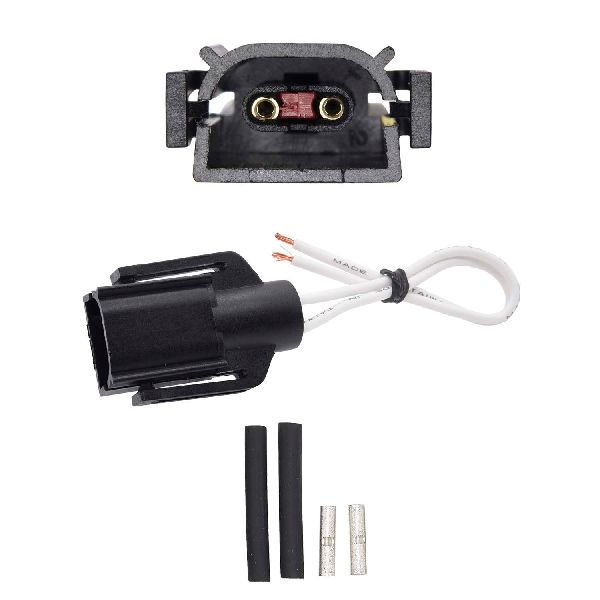
Typical fix: Repair the damaged section of the wiring harness or replace the connector pigtail.
Est. part cost: $10-$30
Rare But Worth Checking
- Faulty Powertrain Control Module (PCM): → Shop Engine Control Module (ECM) This is very uncommon. Before suspecting the PCM, all other possibilities must be ruled out. One owner on contour.org traced their issue to a faulty PCM after replacing the VSS and bypassing the wiring with no success, as the scan tool continued to show erratic speed readings while the physical speedometer worked correctly.
- Defective Instrument Cluster/Speedometer: While less common than a VSS failure, a fault within the speedometer itself can sometimes cause this code. One owner on contour.org reported a dead speedometer even after replacing the VSS and then swapping in a known-good instrument cluster, indicating the problem in their case was ultimately wiring or the PCM.
Diagnosis Steps
- Connect an OBD-II scanner and confirm the P0501 code is present. Note any other codes.
- Use the scanner's live data feature to monitor 'Vehicle Speed'.
- Safely test drive the vehicle. Compare the scanner's speed reading to the speedometer and a GPS-based speed app on a phone.
- If the scanner data is erratic, jumps, or doesn't match the actual vehicle speed, the issue is likely the VSS or its circuit.
- If the scanner data is stable and correct, but the speedometer is not, the problem may be in the instrument cluster or the wiring between the PCM and cluster.
- Visually inspect the VSS wiring harness and connector. Look for obvious damage, corrosion, or loose connections. The VSS is located on the rear of the transaxle, below the brake booster. Removing the air cleaner and intake tubing is highly recommended for better access.
- If the wiring looks good, test the VSS circuit. Check for power, ground, and signal at the VSS connector using a multimeter and the vehicle's wiring diagram.
- If the circuit tests are good, the VSS itself is the most likely culprit. It is held in by a single 5/16" (8mm) bolt. Remove and replac 🎬 Watch: Tips for removing a stuck speed sensore it.
- After replacement, clear the codes and perform another test drive to confirm the fix.
Parts You'll Likely Need
- Vehicle Speed Sensor (VSS)
(OEM #F5RZ-9E731-AC)— This sensor is the most common cause of the P0501 code, failing from age and heat exposure.
Trusted brands: Motorcraft, Standard Motor Products (SMP), Delphi, Dorman
OEM price range: $40-$70
Aftermarket price range: $20-$50
Related Codes That Often Appear With This One
- P0500 — P0500 indicates a complete loss of the VSS signal, while P0501 indicates an irrational signal. A failing sensor or intermittent wiring issue could cause either code to appear.
- P07xx — Because the VSS signal is a critical input for transmission shift strategy, VSS problems often lead to transmission-related codes, such as those for shift solenoids or incorrect gear ratios.
Technical Service Bulletins (TSBs) & Recalls
- Recall 99M03 / NHTSA ID #6089624: While not a TSB for the code itself, this Owner Notification Program addressed the root cause of many electrical issues on 1995 models: deteriorating engine wiring harness insulation. This is a key piece of context for diagnosing a P0501 on an early model.
Platform-Specific Known Issues
- The VSS connector can be very difficult to unplug due to its location deep in the engine bay. Access is typically from the top, reaching down under the brake booster. One forum user recommended removing the sensor from the transaxle first, then using two pairs of pliers to carefully twist the connector off.
- Some owners have reported widespread issues with brittle and cracking wire insulation under the hood, which can cause shorts and trigger this code. A recall for this issue existed (99M03) but has likely expired.
Wiring & Ground Locations
- G101 — Right front of the engine compartment.. This is a primary engine bay ground. A poor connection here can cause erratic behavior in various sensors, including the VSS.
- G100 — Left front of the engine compartment, under the battery tray.. Another critical chassis ground. Corrosion under the battery tray is common and can compromise this ground, leading to intermittent sensor signals.
- G200 — Behind the left kick panel, inside the cabin.. This ground serves interior components and circuits that pass through the firewall. A fault here could potentially affect the signal path from the PCM to the instrument cluster.
- VSS Signal Wire — A dedicated wire running from the VSS connector to a specific pin on the Powertrain Control Module (PCM).. This is the primary data wire. Technicians often need to test this wire for continuity between the sensor and the PCM to rule out a harness break, which is a known issue on this platform.
Real Owner Repair Stories
- DoItYourself.com Community Forums user 'shinrich' (1997 Ford Contour V6 Automatic) — Car ran terribly, speedometer did not work, Check Engine Light on.
❌ Tried (didn't work) Replacing the Vehicle Speed Sensor (VSS).
✅ What actually fixed it The wiring connector going to the VSS had disintegrated with bare and broken wires. The user planned to bypass the damaged connector by running new wires directly from the VSS to an accessible point in the harness or to the PCM, confirming the root cause was the wiring, not the sensor. - Ford Contour Enthusiasts Group Forums (contour.org) user (1996 Ford Contour SE 2.5L) — Flashing O/D light, harsh transmission shifting (would not shift out of 1st), and the speedometer went out completely.
❌ Tried (didn't work) The user had previously replaced the Turbine Shaft Speed (TSS) sensor for the O/D light problem, which did not fix it.
✅ What actually fixed it The user identified the symptoms as a classic VSS failure based on forum feedback. The final resolution was replacing the VSS, which is heavily implied as the fix by the diagnostic discussion. - NHTSA ODI #11449362 — In a cross-manufacturer reference, an owner reported that their transmission slammed really hard and the check engine light came on with code P0501; in that instance, attempting to reprogram the PCM did nothing to resolve the issue.
When the Usual Fixes Don't Work
- While the VSS sensor is the most common component to fail, a significant number of owners have replaced the sensor only to find the problem persists. In these cases, the actual cause was the VSS electrical connector or the adjacent wiring harness. Due to engine heat and age, the insulation on the wires becomes brittle, cracks, and falls off, leading to shorts or open circuits right at the connector. A thorough visual inspection of the wiring is critical before spending money on a new sensor.
OEM Part Supersession History
F5RZ-9E731-AA, F5RZ-9E731-AB→F5RZ-9E731-AC— Standard part revision and improvement by Ford.
Heads up: This is the common part for most fully electronic (late 1995-2000) models.F5RZ-9E731-B, F5RZ-9E731-CA→F5RZ-9E731-CB— Part revision for the specific early-production VSS.
Heads up: This part number is specific to early 1995 models that used a mechanical speedometer cable drive in addition to the electronic sensor. It has a provision for the cable to pass through.
Model Year Variations Within This Range
- 1995 (early production): Early 1995 models used a hybrid VSS system. The sensor had both an electronic output for the PCM (controlling engine and transmission functions) and a mechanical pass-through drive for a physical speedometer cable that operated the instrument cluster. Late 1995 and all subsequent models used a fully electronic system where the VSS signal went to the PCM, which then drove an electronic speedometer. The parts are not interchangeable.
Diagnostic Flowchart
Other Known Issues on This Vehicle
Issues unrelated to this code that are worth knowing about as an owner of this generation:
- Premature Water Pump Failure 🔴 High — Common failure point. Often identified by a coolant leak from the weep hole. Can lead to overheating if not addressed. (Ref: TSB #99B23)
- Cracked Coolant Expansion/Overflow Tank 🟠 Medium — The plastic tank becomes brittle with age and heat cycles, leading to cracks and coolant leaks.
- Deteriorating Engine Wiring Harness Insulation 🔴 High — Especially prevalent on 1995 models, the wire insulation under the hood becomes brittle and flakes off, causing shorts and various electrical gremlins. (Ref: Recall 99M03 (Expired))
- Leaking Oil Pan Gasket 🟡 Low — A very common oil leak source on the 2.5L Duratec V6 engine as the vehicle ages.
- Intake Manifold Runner Control (IMRC) Issues 🟠 Medium — The IMRC system can fail, leading to a loss of power, particularly in the upper RPM range, and may trigger a check engine light.
Used vs. New Parts: Buying Guide for This Vehicle
When a used part is the smart pick: For the VSS itself, a new aftermarket part is inexpensive ($20-$50) and recommended over a used one of unknown age. However, if a rare secondary cause like a faulty instrument cluster or PCM is diagnosed, a used part from a junkyard is a very cost-effective and sensible repair strategy.
Donor-vehicle mileage cap: roughly under 120000 miles for the part to have meaningful remaining life.
What to inspect on the donor part:
- For an instrument cluster, check the clear plastic lens for deep scratches or fogging.
- Ensure the donor vehicle is the same model year range and has the same transmission type (ATX vs MTX) to ensure compatibility.
- When pulling a part, inspect the wiring connectors on the donor part for any signs of corrosion, melting, or broken locking tabs.
OEM-only on this vehicle (don't cheap out):
- Powertrain Control Module (PCM) - While a used one is fine, it must be an exact part number match and may require programming (PATS key relearn) to function.
Aftermarket brands forum-validated for this vehicle:
- Dorman
- Standard Motor Products (SMP)
- Motorcraft (OEM)
- Delphi
Brands owners have reported issues with on this vehicle:
- No-name, unbranded sensors sold at unusually low prices (e.g., under $15) on marketplace websites can have poor reliability and are best avoided.
Real Owner Stories
Aggregated from forums and TSBs cited above. Mileages and costs reflect what owners reported in those sources.
1995-2000 Ford Contour 2.5L V6
Symptoms: The VSS connector was extremely difficult to unplug due to its location deep in the engine bay under the brake booster.
What fixed it: Removed the sensor from the transaxle first, then used two pairs of pliers to carefully twist the connector off.
Source hint: vehicle_specific_issues / contour.org
1995 Ford Contour 2.5L V6
Symptoms: The insulation on the VSS and MAF sensor wires had become brittle and broken off, leading to electrical issues.
What fixed it: Repairing the damaged section of the wiring harness or replacing the connector pigtail.
Source hint: common_causes / contour.org
1995-2000 Ford Contour 2.5L V6
Symptoms: Dead speedometer and erratic behavior related to the CD4E transaxle speed sensing.
What fixed it: Replacement of the Vehicle Speed Sensor (VSS) located on the transaxle.
Source hint: Ford Contour Enthusiasts Group Forums (contour.org) thread 'Dead Speedometer'
Related OBD-II Codes
Frequently Asked Questions
Does the wiring harness recall 99M03 apply to my 1995 Ford Contour?
Where is the Vehicle Speed Sensor (VSS) located on the 2.5L V6 Contour?
What is the specific OEM part number for the VSS on my Contour?
Can I use a VSS from a Mercury Mystique to fix my P0501 code?
Why is my speedometer jumping and my transmission shifting harshly?
Is there a specific bolt size I need to remove the VSS?
Helpful Videos
We Have This Part in Stock


The information in this article is provided for general reference and educational purposes only. Vehicle specifications, procedures, and part compatibility can vary by production date, trim level, and region. Always consult your vehicle's factory service manual and verify part numbers before purchasing or performing repairs. Safety-critical components such as airbags, seat belts, and braking systems should be installed by a qualified professional.
- Ford Contour:
- 🧭 Diagnostic Flowchart
- 🎬 Helpful Videos
- 🛍️ Shop This Part
- What's Unique About the 1995-2000 Ford Contour
- Symptoms You May Notice
- Most Likely Causes
- Rare But Worth Checking
- Diagnosis Steps
- Parts You'll Likely Need
- Related Codes That Often Appear With This One
- Technical Service Bulletins (TSBs) & Recalls
- Platform-Specific Known Issues
- Wiring & Ground Locations
- Real Owner Repair Stories
- When the Usual Fixes Don't Work
- OEM Part Supersession History
- Model Year Variations Within This Range
- Other Known Issues on This Vehicle
- Used vs. New Parts: Buying Guide for This Vehicle
- Real Owner Stories
- 1995-2000 Ford Contour 2.5L V6
- 1995 Ford Contour 2.5L V6
- 1995-2000 Ford Contour 2.5L V6
- Related OBD-II Codes
- Frequently Asked Questions
- 🎟️ Get 5% Off