

P0501 on 1997-2008 Ford Ranger: Vehicle Speed Sensor Range/Performance Issues
On a 1997-2008 Ford Ranger, code P0501 is most often caused by a failed vehicle speed sensor (VSS) located on the rear differential. This is a simple and inexpensive DIY repair, with the part typically costing between $25 and $60.
- P0501 on a '97-'08 Ranger almost always points to the speed sensor on top of the rear differential.
- Symptoms include an erratic speedometer, ABS light, and harsh shifting.
- This is a very easy and affordable DIY repair, typically requiring only a 10mm wrench or socket and about 20-30 minutes.
- Before replacing the sensor, pull it out and check for metal shavings on the magnetic tip. Cleaning it may be a temporary or permanent fix.
- Ensure you are replacing the correct sensor on the rear axle, not a sensor on the transmission.
What's Unique About the 1997-2008 Ford Ranger
For this generation of Ford Ranger, the primary sensor responsible for the vehicle speed signal sent to the PCM and speedometer is located on top of the rear differential housing. This sensor also provides the signal for the Rear Anti-lock Brake System (RABS). 🎬 Watch: How to test Rear ABS on Ford vehicles Its exposed location makes it susceptible to damage from road debris and corrosion, and failure of this specific sensor is a very common issue on these trucks. It's important not to confuse this with an Output Shaft Speed (OSS) sensor on the transmission, which on some later models provides the primary speed signal.
Generation note: This guide covers the end of the second generation (1997) and the majority of the third generation (1998-2008) Ford Ranger. For these model years, the location and function of the rear differential-mounted speed sensor are consistent.
Symptoms You May Notice
- Check Engine Light is on
- ABS warning light is on
- Speedometer behaves erratically, jumps, 'bounces', or drops to zero intermittently
- Odometer not working correctly
- Harsh or improper automatic transmission shifting
- Cruise control does not work
- Possible decrease in engine power due to incorrect shift strategy
- Replacing the transmission output shaft speed (OSS) sensor. 🎬 See how to replace the transmission OSS sensor On these Rangers, the primary speed signal for the speedometer comes from the rear axle sensor, not the transmission.
- Replacing the instrument cluster. While a faulty speedometer can be a symptom, the root cause is almost always the sensor signal feeding it.
Most Likely Causes
- Failed Rear Differential Vehicle Speed Sensor (VSS/ABS Sensor) 🔴 High Probability → Shop Drive Shaft Sensor The sensor is exposed on top of the rear axle housing, making it vulnerable to moisture, corrosion, and road debris. It's a very common failure point on this platform.
How to confirm: Visually inspect the sensor for damage. Test the sensor's resistance with a multimeter; it should be between 1,200 and 2,500 ohms. A reading of 0 or infinite resistance indicates a failed sensor. 🎬 Watch: Diagnose a rear speed sensor open circuit Often, the sensor tip will be covered in metallic debris from normal differential wear, which can interfere with the signal.
Typical fix: Replace the sensor. It is held in by a single 10mm bolt.
Est. part cost: $25-$60 - Damaged Wiring or Corroded Connector 🟡 Medium Probability The wiring harness leading to the rear axle is exposed to the elements, road salt, and potential physical damage from road debris or improper jacking. The connector pins can also corrode, causing an intermittent signal.
How to confirm: Visually inspect the wiring harness from the frame down to the sensor on the differential. Check for frayed wires, melted insulation, or green corrosion inside the connector plug. Wiggle the connector and harness with the engine running to see if it affects the speedometer reading.
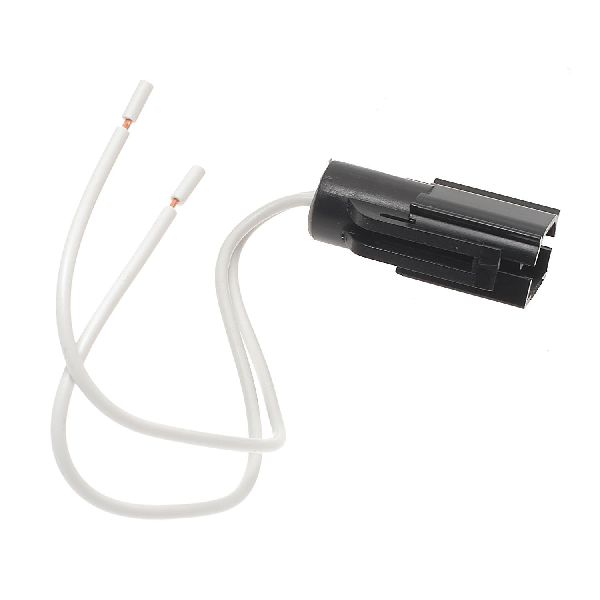
Typical fix: Repair the damaged section of wire or replace the connector pigtail.
Est. part cost: $10-$30 for a pigtail - Metal Debris on Sensor Tip ⚪ Low Probability The sensor is a magnetic pickup that sits inside the differential housing. Over time, fine metallic particles from normal gear wear can accumulate on the sensor's magnetic tip, weakening or distorting the signal.
How to confirm: Remove the sensor (one 10mm bolt) and inspect the tip. If it's covered in a paste-like layer of metal shavings, this is the likely issue.
Typical fix: Clean the metal particles off the sensor tip with a rag, reinstall it, clear the codes, and test drive. If the code returns, the sensor itself has likely failed internally.
Est. part cost: $0
Rare But Worth Checking
- Damaged Tone Ring: The sensor reads teeth on a tone ring inside the differential. While rare, internal differential problems could damage this ring, causing an erratic signal. This would typically be accompanied by other symptoms like noise from the rear axle.
- Faulty Powertrain Control Module (PCM): → Shop Engine Control Module (ECM) A PCM failure is extremely rare but possible if all other causes have been definitively ruled out through proper electrical testing.
Diagnosis Steps
- Retrieve all stored trouble codes with an OBD-II scanner. Note any ABS (C-codes) that may be present.
- Using a scan tool with live data capability, monitor the Vehicle Speed (VSS) PID while driving. Compare the scanner's reading to the speedometer and a GPS speed app on your phone. If the reading is erratic, jumps, or is inaccurate, the issue is with the sensor or its circuit.
- Safely raise and support the rear of the vehicle. Locate the speed sensor on the top of the rear differential housing.
- Inspect the wiring harness and connector leading to the sensor. Look for any signs of damage, corrosion, or loose connections.
- If the wiring looks good, remove the single 10mm bolt securing the sensor. Gently pry and twist the sensor to remove it from the differential housing. It may be seized; use of a rust penetrant is recommended.
- Inspect the magnetic tip of the sensor for a build-up of metallic debris. Clean it if necessary, reinstall, clear the codes, and re-test.
- If the sensor is clean, test its resistance with a multimeter. A good sensor should read between 1.2kΩ and 2.5kΩ. An open (OL) or shorted (0 ohms) reading confirms the sensor is bad.
- If cleaning and testing don't resolve the issue, replace the sensor with a new part.
- Apply a small amount of dielectric grease to the new sensor's connector to prevent future corrosion.
- Clear the codes and perform a test drive to confirm the repair.
Parts You'll Likely Need
- Rear ABS / Vehicle Speed Sensor
(OEM #F85Z-9E731-AB)— This is the most common failure point for code P0501 on this vehicle. It provides the speed signal for the PCM, speedometer, and rear ABS.
Trusted brands: Motorcraft (DY1123), Standard Motor Products (ALS197), Delphi (SS10215), Dorman (970-012)
OEM price range: $50-$70
Aftermarket price range: $25-$50
Related Codes That Often Appear With This One
- P0500 — P0500 indicates a complete loss of the VSS signal, while P0501 indicates an erratic or out-of-range signal. A failing sensor can trigger either code depending on its failure mode.
- C-codes (e.g., C0035) — Since the rear axle sensor is also the ABS sensor, a fault can trigger both a powertrain (P-code) and a chassis (C-code) fault related to the wheel speed sensor circuit.
Platform-Specific Known Issues
- In rust-belt regions, the single 10mm bolt holding the sensor in place is prone to seizing and breaking off in the differential housing. Applying penetrating oil and working it back and forth carefully is crucial to avoid having to drill and tap the hole.
Mechanic-Grade Diagnostic Values
- VSS AC Voltage Output — expected: Smoothly and continuously increase from 0 to approximately 3.5 volts AC as vehicle speed increases from 0 to 30 mph.. Failure: No voltage, erratic voltage, or voltage that does not increase with speed.
- VSS Resistance (at sensor pins) — expected: 800 to 1,400 ohms (0.8kΩ - 1.4kΩ). Some sources also state 1,200 to 2,500 ohms (1.2kΩ - 2.5kΩ).. Failure: A reading of 0 ohms (short) or infinite/OL (open circuit). A reading outside the expected range indicates a likely failure.
Wiring & Ground Locations
- VSS Signal Wire — Runs from the VSS/ABS sensor on the rear differential to the PCM (or GEM on 1998-2000 models).. The primary signal wire is typically Gray with a Black stripe (GY/BK). Damage to this wire will cause a loss of signal.
- PCM VSS Pins (1998-2000 example) — At the Powertrain Control Module connector.. On a 1999 model, the VSS signal wire (GY/BK) connects to Pin 7, and the ground wire (PNK/ORG) connects to Pin 13. These are key points for checking circuit continuity back to the PCM.
- Main Chassis/Engine Grounds — Key ground points include the negative battery terminal to the chassis/radiator support, and a ground strap from the back of the engine to the firewall.. While the VSS circuit is grounded through the PCM, a poor main engine or chassis ground can cause widespread electrical issues, including erratic sensor readings.
Real Owner Repair Stories
- Ford Truck Enthusiasts Forums user 'PeechyGA' (1998 Ford Ranger) — ABS light on, Check Engine light on, speedometer did not work at all.
❌ Tried (didn't work) Initial diagnosis was uncertain due to multiple simultaneous failures.
✅ What actually fixed it Replacing the ABS speed sensor on the rear differential. The user confirmed, 'It is finally fixed and it runs great. We replaced it and there is no more problems.' - NHTSA ODI #11449362 — In a cross-manufacturer reference for a similar Ford truck, an owner reported that after a PCM reprogram failed to resolve the issue, the transmission "slammed really hard" and the check engine light triggered code P0501.
OEM Part Supersession History
F85Z-2L373-AC→F85Z-9E731-AB— Part number consolidation and potential design update by Ford.
Heads up: F85Z-9E731-AB is the correct service part, though some sources indicate it has been discontinued by Ford, making quality aftermarket parts the primary option.
Model Year Variations Within This Range
- 1997: The primary VSS is located on the transmission tail shaft and is gear-driven. The signal from this sensor goes to the PCM, speedometer, and cruise control.
- 1998-2000: The primary speed signal comes from the ABS sensor on the rear differential. The raw signal is sent to the Generic Electronic Module (GEM), which then converts and relays a corrected signal to the PCM, speedometer, and cruise control.
- 2001-2008: The primary speed signal for the PCM and transmission shifting comes from an Output Shaft Speed (OSS) sensor on the transmission. The rear axle ABS sensor still provides the signal for the ABS system and is often used for the speedometer as well, but the OSS becomes a critical input for powertrain control.
Diagnostic Flowchart
Other Known Issues on This Vehicle
Issues unrelated to this code that are worth knowing about as an owner of this generation:
- 4.0L SOHC V6 Timing Chain Rattle 🔴 High — Common on 2001-2004 models, especially on cold starts or under acceleration around 2500 RPM. Can occur at any mileage but becomes more likely over 100k miles. (Ref: TSB 04-15-4)
- 3.0L Vulcan V6 Camshaft Position Synchronizer Failure 🔴 High — Common after 80,000 miles. Often preceded by a 'chirping' or 'squeaking' sound from the back of the engine, which can be mistaken for a bad belt. Failure can lead to loss of oil pressure and catastrophic engine damage.
- Frame Rust / Rot 🔴 High — Very common in regions that use road salt. The frame is particularly susceptible to rust-through near the rear spring hangers and fuel tank, compromising structural integrity. (Ref: NHTSA Campaign ID: 04V331000 (related to fuel tank))
- Cracked Cylinder Heads (3.0L Vulcan V6) 🟠 Medium — A known weakness in the 3.0L engine, particularly in models from the late 1990s and early 2000s, often occurring after an overheating event. Symptoms include coolant loss and misfires.
- Automatic Transmission (5R55E) Delayed Engagement/Harsh Shifting 🟠 Medium → Shop Transmission Assembly — Common at higher mileage (100k+). Issues are often related to a worn valve body gasket or failing shift solenoids, rather than complete mechanical failure.
Used vs. New Parts: Buying Guide for This Vehicle
When a used part is the smart pick: For this repair, a used part is generally not recommended for the sensor itself due to the low cost of a new, quality aftermarket part. However, sourcing a used wiring connector pigtail from a junkyard is a smart choice if the original connector is damaged or corroded.
Donor-vehicle mileage cap: roughly under 100000 miles for the part to have meaningful remaining life.
What to inspect on the donor part:
- For a used sensor, check the plastic housing for cracks or heat damage.
- Ensure the connector pins are straight and free of green or white corrosion.
- Bring a multimeter to the junkyard; a quick resistance check should show a reading between 800 and 2,500 ohms.
- For a pigtail, ensure there is at least 6 inches of clean, un-cracked wire attached.
OEM-only on this vehicle (don't cheap out):
- No parts for this specific repair are strictly OEM-only. Quality aftermarket sensors are widely available and reliable.
Aftermarket brands forum-validated for this vehicle:
- Motorcraft (OEM)
- Standard Motor Products (SMP)
- Delphi
- NTK
- Dorman
Brands owners have reported issues with on this vehicle:
- Unbranded, low-cost sensors from online marketplaces (e.g., eBay, Amazon) are frequently reported by users to be dead-on-arrival or fail prematurely.
Real Owner Stories
Aggregated from forums and TSBs cited above. Mileages and costs reflect what owners reported in those sources.
Ford Ranger
Symptoms: Complete speedometer failure with delayed shifting.
What fixed it: Diagnosing and replacing the speed sensor.
Source hint: Ranger-Forums.com thread titled 'Speed sensor conundrum.. :/'
Ford Ranger
Symptoms: Speedometer behaving erratically and ABS light illuminated; owner needed to verify resistance values for the rear axle sensor.
What fixed it: Replacing the rear differential sensor after confirming a new sensor should measure approximately 1.9 kOhms.
Source hint: Ford Truck Enthusiasts forum thread titled 'Rear Axle ABS Speed Sensor'
Related OBD-II Codes
Frequently Asked Questions
My 1997-2008 Ford Ranger speedometer is bouncing and the ABS light is on. Is this related to P0501?
I have a 3.0L Vulcan V6 Ranger; could my chirping engine noise be related to the speed sensor?
Is there a TSB for the timing chain rattle on my 2002 4.0L SOHC Ranger?
Can I use a sensor from a Mazda B-Series to fix my Ford Ranger?
Why is my Ranger shifting harshly into gear after the Check Engine Light came on?
What should the resistance be when testing the rear axle sensor on my Ranger?
Helpful Videos
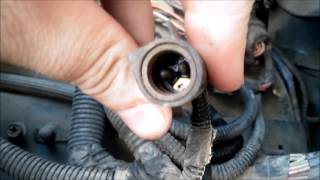
We Have This Part in Stock

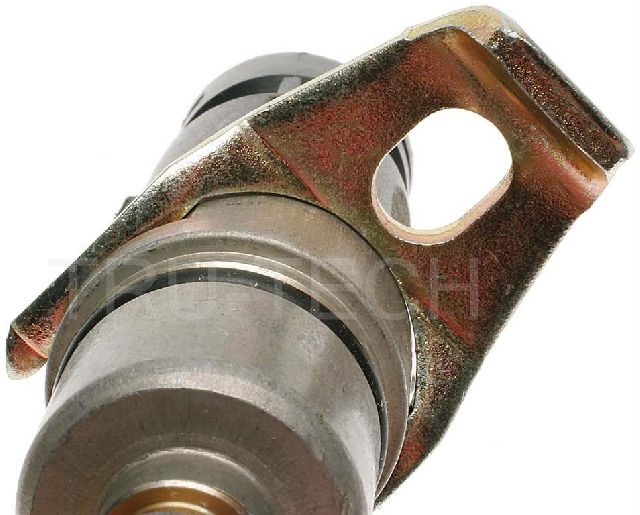
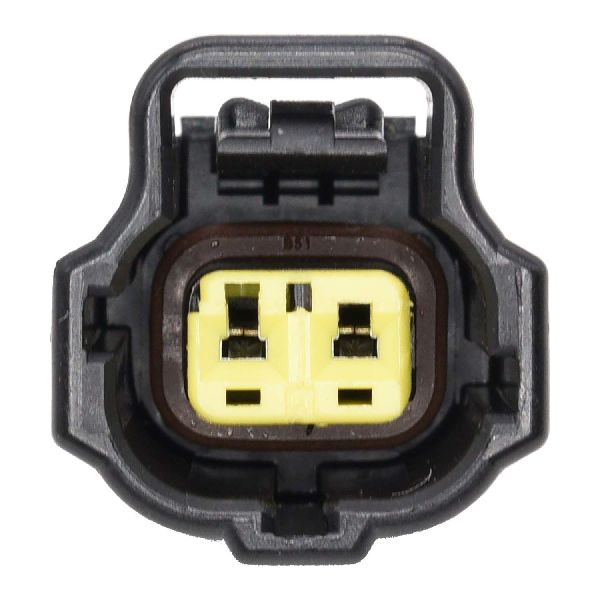
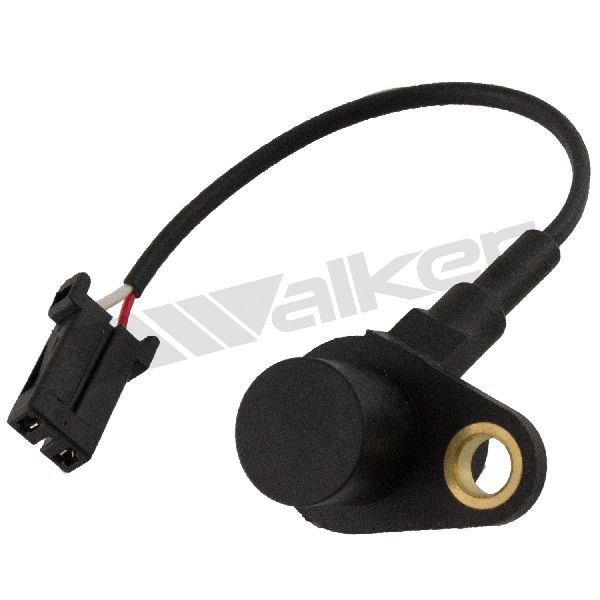

The information in this article is provided for general reference and educational purposes only. Vehicle specifications, procedures, and part compatibility can vary by production date, trim level, and region. Always consult your vehicle's factory service manual and verify part numbers before purchasing or performing repairs. Safety-critical components such as airbags, seat belts, and braking systems should be installed by a qualified professional.
- Ford Ranger:
- 🧭 Diagnostic Flowchart
- 🎬 Helpful Videos
- 🛍️ Shop This Part
- What's Unique About the 1997-2008 Ford Ranger
- Symptoms You May Notice
- Most Likely Causes
- Rare But Worth Checking
- Diagnosis Steps
- Parts You'll Likely Need
- Related Codes That Often Appear With This One
- Platform-Specific Known Issues
- Mechanic-Grade Diagnostic Values
- Wiring & Ground Locations
- Real Owner Repair Stories
- OEM Part Supersession History
- Model Year Variations Within This Range
- Other Known Issues on This Vehicle
- Used vs. New Parts: Buying Guide for This Vehicle
- Real Owner Stories
- Ford Ranger
- Ford Ranger
- Related OBD-II Codes
- Frequently Asked Questions
- 🎟️ Get 5% Off