

P0501 on 2003-2008 Honda Pilot: Vehicle Speed Sensor Range/Performance Fixes
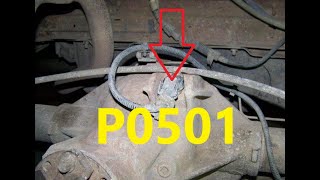
On a 2003-2008 Honda Pilot, code P0501 is almost always caused by a faulty Vehicle Speed Sensor (VSS), also known as the output speed sensor, located on the transmission. This sensor provides critical data for the speedometer, transmission shifting, and cruise control. It is a common failure item, but is a simple, 30-minute DIY fix with a part costing between $25 and $75.
- P0501 on a 2003-2008 Pilot almost always points to the Vehicle Speed Sensor (VSS) on the transmission.
- Symptoms like harsh shifting and a blinking 'D' light can mimic a major transmission problem but are often just this sensor.
- This is a very DIY-friendly repair, typically taking less than 30 minutes with a single 10mm socket.
- Always check the sensor and its wiring before considering more expensive repairs like a transmission replacement or PCM issue.
What's Unique About the 2003-2008 Honda Pilot
The first-generation Honda Pilot relies on a single Vehicle Speed Sensor (VSS) on the transmission for its primary speed reading, unlike newer vehicles that use multiple wheel speed sensors for this data. This makes diagnosis for P0501 straightforward, as the code almost exclusively points to this single sensor or its wiring. Symptoms often mimic serious transmission failure, such as harsh shifting or a blinking 'D' (Drive) light, which can cause alarm. However, the root cause is frequently this inexpensive and easy-to-replace sensor, not a catastrophic transmission failure.
Symptoms You May Notice
- Check Engine Light is on
- Erratic or inoperative speedometer (needle jumps or stays at zero)
- Harsh, delayed, or unpredictable automatic transmission shifting
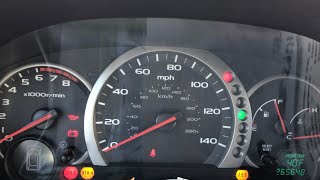
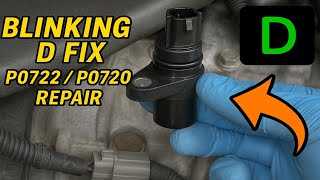
- Blinking 'D' (Drive) indicator light on the dashboard
- Cruise control does not work
- Potential issues with ABS or Traction Control systems
- Transmission may feel like it's stuck in one gear (limp mode)
- Transmission Failure: The symptoms of a bad VSS, particularly harsh shifting and a blinking 'D' light, are often mistaken for a catastrophic transmission failure, leading to unnecessary and expensive repairs. Always investigate the VSS first for these symptoms.
- Wheel Speed (ABS) Sensor: While newer cars use ABS sensors for vehicle speed, the 2003-2008 Pilot relies on the transmission-mounted VSS for the data related to code P0501. A faulty ABS sensor would typically trigger an ABS light and a different set of codes.
Most Likely Causes
- Faulty Vehicle Speed Sensor (VSS) / Output Speed Sensor 🔴 High Probability → Shop Drive Shaft Sensor The sensor is an electronic component that can fail over time due to heat cycles and vibration from the transmission. It's a very common failure point on this generation of Honda vehicles.
How to confirm: Use a scan tool with live data to monitor the VSS signal while driving. If the speed reading is erratic, intermittent, or doesn't match the actual vehicle speed, the sensor is likely bad. The failure is often intermittent at first.
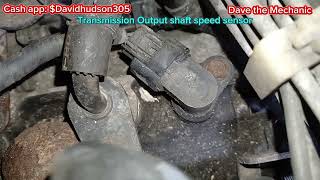
Typical fix: Replace the Vehicle Speed Sensor. It is located on the top of the transmission housing, often accessible after removing the air intake tube, and is held in by a single 10mm bolt. 🎬 Watch: Locate and replace the input and output speed sensors
Est. part cost: $25 - $75 - Damaged Wiring or Connector 🟡 Medium Probability The wiring harness to the VSS is exposed to engine bay heat and can become brittle, corroded, or damaged over time. Some forum users note that problems began after hosing down the engine bay, suggesting a poor seal at the connector.
How to confirm: Visually inspect the wiring harness and connector leading to the VSS for any signs of breaks, corrosion, or loose pins. Perform a continuity test on the wires if a visual inspection is inconclusive.
Typical fix: Repair the damaged section of wiring or replace the connector pigtail.
Est. part cost: $10 - $30
Rare But Worth Checking
- Faulty Powertrain Control Module (PCM): → Shop Engine Control Module (ECM) This is extremely rare. The PCM should only be considered after the VSS and its entire circuit have been thoroughly tested and confirmed to be in good working order.
Diagnosis Steps
- Read the Code: Use an OBD-II scanner to confirm P0501 is present. Note any other codes, especially transmission-related ones.
- Check Live Data: Use a scanner capable of viewing live data. Monitor the 'Vehicle Speed' PID while driving. Observe if the speed reading is smooth and matches the speedometer (if it's working) and your actual speed. Jumps, dropouts to zero, or a complete lack of a signal strongly suggest a sensor or wiring issue.
- Inspect the VSS Connector and Wiring: Locate the Vehicle Speed Sensor on the top of the transmission, near the back. Access may require removing the air intake snorkel. Carefully inspect the electrical connector for corrosion, damage, or loose pins. Follow the wiring harness as far as possible, looking for any signs of fraying, melting, or breaks.
- Test the Sensor Circuit: If the wiring looks good, disconnect the sensor. Use a digital multimeter to check for proper voltage and ground at the connector according to the vehicle's service manual. This step confirms the PCM is sending power to the sensor.
- Replace the Vehicle Speed Sensor: If the circuit has power and ground, the sensor itself is the most likely culprit. It is held in by a single 10mm bolt. Remove the bolt, gently twist and pull the old sensor out. Lubricate the O-ring on the new sensor with clean transmission fluid and install it.
- Clear Codes and Test Drive: After replacement, clear the diagnostic trouble codes with the scanner and perform a test drive to ensure the speedometer works correctly, the transmission shifts smoothly, and the code does not return.
Parts You'll Likely Need
- Vehicle Speed Sensor (Output Speed Sensor)
(OEM #28820-PCJ-014)— This sensor is the primary cause of the P0501 code on this vehicle due to electronic failure over time. It is a well-documented, high-failure-rate item.
Trusted brands: Honda (OEM), NGK/NTK, Standard Motor Products (SMP), Delphi, Beck Arnley
OEM price range: $90-$125
Aftermarket price range: $25-$75
Related Codes That Often Appear With This One
- P0500 — This code indicates a general VSS malfunction, often appearing alongside P0501 as the root cause is the same. P0500 typically means a total loss of signal, while P0501 means the signal is present but irrational.
- P0720 — This code specifically points to a malfunction in the output speed sensor circuit, which is the same component as the VSS on this vehicle. 🎬 Watch: Step-by-step output speed sensor replacement to fix a blinking D
- P0700, P0730, P0740, P0780 — These are general transmission-related codes that can be triggered as a result of the faulty speed data from the VSS, often accompanying the blinking 'D' light.
Platform-Specific Known Issues
- Owner Experience: Blinking 'D' Light and Limp Mode: Multiple owners on forums like Piloteers.org and Reddit report that the first symptom is often a blinking 'D' (Drive) light, followed by harsh shifting. This is an indicator of an electronic fault in the transmission, and in the case of P0501, it's triggered by the loss of the speed sensor signal.
- DIY Repair Story: A user on Honda-Tech forums described a scenario where the speedometer and odometer would intermittently fail. The issue started after they hosed down the engine bay, leading them to suspect the VSS connector. Ultimately, replacing the sensor resolved the P0501 code.
Wiring & Ground Locations
- G101 — Top right front of the engine compartment.. This is a primary ground point for the Powertrain Control Module (PCM) and other engine/transmission related components. A corroded or loose G101 ground can cause a variety of erratic electrical issues, including incorrect sensor readings that could potentially trigger a P0501 code.
- Transmission Ground Strap — A cable connecting the transmission case to the vehicle's chassis/frame, often low in the engine bay.. The VSS is mounted to the transmission, and a poor ground connection for the transmission itself can lead to unstable sensor signals. Ensuring this strap is clean and tight is a crucial step in diagnosing any transmission-related electrical fault.
Real Owner Repair Stories
- Honda-Tech Forum User (Honda Civic (shares VSS design with Pilot)) — Speedometer needle would intermittently drop to zero, and the odometer would stop working at the same time. P0501 code was present.
❌ Tried (didn't work) Initial visual inspection of the VSS connector showed no obvious corrosion.
✅ What actually fixed it The user noted the problems began after hosing down the engine bay. Despite the connector looking okay, replacing the Vehicle Speed Sensor (the one with the gear) resolved the issue completely.
OEM Part Supersession History
28820-PCJ-004→28820-PCJ-014— Standard part revision and improvement by the manufacturer.
Heads up: The newer part number (28820-PCJ-014) is the correct and direct replacement for the original.
Diagnostic Flowchart
Other Known Issues on This Vehicle
Issues unrelated to this code that are worth knowing about as an owner of this generation:
- Transmission Failure / Torque Converter Judder 🔴 High → Shop Transmission Assembly — A widely reported issue, particularly on the 2003 model year, that can occur under 100,000 miles. Later years had improvements, but the transmission remains a weak point. (Ref: While many TSBs exist for later generations regarding judder, the early models were known for outright mechanical failure.)
- Cracked/Leaking Lower Control Arm Compliance Bushings 🟠 Medium — These fluid-filled bushings are a common failure item, often showing cracks and leaking fluid around 60,000-100,000 miles, causing clunking noises over bumps or under braking. (Ref: Honda issued a warranty extension for this issue on later model years (TSB 15-045), but it's a known problem on the first generation as well.)
- Variable Cylinder Management (VCM) Issues (2006-2008 models) 🟠 Medium — VCM-equipped models can suffer from excessive oil consumption, fouled spark plugs, and premature engine mount wear due to vibrations from cylinder deactivation. (Ref: Honda faced a class-action lawsuit over VCM issues, and TSBs were released for related problems like oil consumption.)
- Warped Front Brake Rotors 🟡 Low — Owners frequently report vibrations or shuddering when braking from highway speeds, indicating warped front brake rotors. This can occur as early as 30,000-50,000 miles.
- Water Leaks into Cabin 🟡 Low — Clogged drains under the windshield cowl or poor body seams can allow rainwater to leak into the passenger footwell, potentially damaging electrical components.
Used vs. New Parts: Buying Guide for This Vehicle
When a used part is the smart pick: For this specific repair, buying a used Vehicle Speed Sensor is not recommended. It is a relatively inexpensive electronic part that fails due to age and heat cycles. A used part from a junkyard carries a high risk of having a short remaining lifespan or being faulty from the start.
What to inspect on the donor part:
- Not applicable as used purchase is not advised.
OEM-only on this vehicle (don't cheap out):
- While not strictly 'OEM-only', using a genuine Honda VSS (part # 28820-PCJ-014) is the safest bet for guaranteed compatibility and longevity. Transmission sensors are critical inputs, and poor quality aftermarket versions can cause persistent shifting problems.
Aftermarket brands forum-validated for this vehicle:
- Delphi
- Standard Motor Products (SMP)
- Beck Arnley
- NTK
Brands owners have reported issues with on this vehicle:
- Generic, unbranded sensors from online marketplaces should be avoided. While very cheap, they have a high failure rate and can lead to repeated repairs.
Real Owner Stories
Aggregated from forums and TSBs cited above. Mileages and costs reflect what owners reported in those sources.
2003-2008 Honda Pilot
Symptoms: The first symptom was a blinking 'D' (Drive) light on the dashboard, followed by harsh shifting and the transmission feeling like it was stuck in one gear (limp mode).
What fixed it: Replacement of the Vehicle Speed Sensor (VSS) to restore the electronic signal to the transmission.
Source hint: vehicle_specific_issues: Owner Experience: Blinking 'D' Light and Limp Mode
2003-2008 Honda Pilot
Symptoms: The speedometer and odometer would intermittently fail, and the issue specifically started after the owner hosed down the engine bay.
What fixed it: Replacing the Vehicle Speed Sensor (VSS) resolved the P0501 code.
Source hint: vehicle_specific_issues: DIY Repair Story
Related OBD-II Codes
Frequently Asked Questions
My 2003 Honda Pilot has a blinking 'D' light and harsh shifting; is this related to P0501?
Where is the Vehicle Speed Sensor located on my 2005 Pilot, and can I replace it myself?
Is there a specific part number I should use for the VSS replacement?
I recently washed my engine bay and now my speedometer is jumping. Could this cause P0501?
Does the 2003-2008 Honda Pilot have a warranty extension for the clunking noise in my suspension?
My 2007 Pilot is consuming a lot of oil; is this a known issue?
Helpful Videos
We Have This Part in Stock


The information in this article is provided for general reference and educational purposes only. Vehicle specifications, procedures, and part compatibility can vary by production date, trim level, and region. Always consult your vehicle's factory service manual and verify part numbers before purchasing or performing repairs. Safety-critical components such as airbags, seat belts, and braking systems should be installed by a qualified professional.
- Honda Pilot:
- 🧭 Diagnostic Flowchart
- 🎬 Helpful Videos
- 🛍️ Shop This Part
- What's Unique About the 2003-2008 Honda Pilot
- Symptoms You May Notice
- Most Likely Causes
- Rare But Worth Checking
- Diagnosis Steps
- Parts You'll Likely Need
- Related Codes That Often Appear With This One
- Platform-Specific Known Issues
- Wiring & Ground Locations
- Real Owner Repair Stories
- OEM Part Supersession History
- Other Known Issues on This Vehicle
- Used vs. New Parts: Buying Guide for This Vehicle
- Real Owner Stories
- 2003-2008 Honda Pilot
- 2003-2008 Honda Pilot
- Related OBD-II Codes
- Frequently Asked Questions
- 🎟️ Get 5% Off