

P0501 on 2007-2012 Hyundai Santa Fe: Vehicle Speed Sensor Range/Performance Explained
On a 2007-2012 Santa Fe, P0501 is almost always caused by a faulty ABS wheel speed sensor or its wiring, not a sensor on the transmission. Expect your ABS and ESC warning lights to be on as well. The fix is typically replacing the faulty wheel speed sensor, costing around $200-$400 at a shop.
- P0501 on a 2007-2012 Santa Fe is an ABS system problem, not a transmission sensor problem.
- Always check for ABS-specific trouble codes (C-codes) first, as they will pinpoint the location of the fault.
- Before buying parts, perform a thorough visual inspection of the wheel speed sensor, its wiring, and the tone ring at the suspect wheel.
- Your ABS, ESC, and cruise control will not work until this issue is resolved.
What's Unique About the 2007-2012 Hyundai Santa Fe
Unlike many older vehicles that use a single speed sensor on the transmission, the 2007-2012 Santa Fe (CM generation) derives its primary speed signal from the ABS wheel speed sensors. This means that a P0501 code is fundamentally an issue within the ABS system. Owners often find that the ABS and Electronic Stability Control (ESC) warning lights are illuminated along with the Check Engine Light, which is a key indicator of where the problem lies. A generic OBD-II scanner will show P0501, but a more advanced scanner capable of reading the ABS module is required to pull the specific 'C' codes (e.g., C1202, C1205) that will pinpoint the exact faulty wheel sensor.
Symptoms You May Notice
- Check Engine Light is on
- ABS warning light is on
- ESC (Electronic Stability Control) or Traction Control warning light is on
- Speedometer is erratic, inaccurate, or not working at all
- Harsh or improper automatic transmission shifting
- Cruise control is inoperative
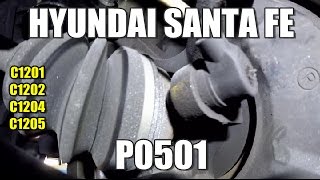
- Replacing a transmission-mounted speed sensor. The P0501 code on this vehicle points to the wheel speed sensing system, 🎬 See: Diagnostic walkthrough for a Santa Fe P0501 code not a transmission sensor. While the transmission has input and output speed sensors, they serve transmission functions and are not the source of the primary vehicle speed signal for the ECM.
Most Likely Causes
- Faulty ABS Wheel Speed Sensor 🔴 High Probability → Shop ABS Wheel Speed Sensor Wheel speed sensors are exposed to harsh conditions (water, dirt, debris, heat) at the wheel hub, making them a common failure point over time. Saltwater corrosion can be a particular issue in coastal areas, sometimes causing intermittent signal loss.
How to confirm: Scan the ABS control module for codes (e.g., C1202, C1205, C1208, C1211). These codes will point to the specific wheel sensor that has failed. You can also use a scan tool with live data to monitor the output from all four sensors while driving; the faulty sensor will show an erratic or zero MPH reading while the others register speed.
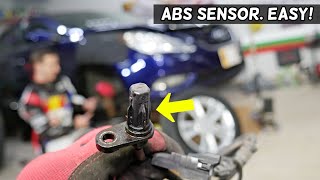
Typical fix: Replace the faulty wheel speed sensor at the corresponding wheel hub. 🎬 Watch: Step-by-step ABS wheel speed sensor replacement guide
Est. part cost: $30-$90 - Damaged Wheel Speed Sensor Wiring or Connector 🟡 Medium Probability → Shop ABS Wheel Speed Sensor The wiring harness leading to the wheel sensor is susceptible to damage from road debris, improper routing after suspension work, or corrosion in the connector. The wire can also rub through on the tire or a suspension component if not properly secured.
How to confirm: Visually inspect the entire length of the wire from the sensor to the main harness. Look for breaks, chafing, or corrosion. A forum member on hyundai-forums.com reported finding their P0501 was caused by a wire that had rubbed through on the tire, which was discovered during a wheel alignment.
Typical fix: Repair the damaged section of wire or replace the pigtail connector. Ensure the harness is properly secured away from moving parts.
Est. part cost: $10-$30 - Damaged or Corroded ABS Tone Ring ⚪ Low Probability The toothed ring on the CV axle or wheel hub can crack, rust heavily, or have teeth break off, especially in areas with road salt. This gives the sensor an incorrect reading. While a very common issue on the first generation (SM) Santa Fe, it is less frequent on the second generation (CM).
How to confirm: Remove the wheel and visually inspect the tone ring. It should be clean, intact, and have no missing teeth. A cracked or missing ring is a clear sign of failure.
Typical fix: On this vehicle, the tone ring is typically integrated into the CV axle or wheel hub assembly. The most common repair is to replace the entire CV axle or wheel hub.
Est. part cost: $100-$250
Rare But Worth Checking
- Faulty ABS Control Module (HECU): If all wheel speed sensors and wiring are confirmed to be good but the vehicle speed signal is still erratic, the ABS module itself could be the issue. This is rare and requires advanced diagnostics to confirm. It's important to note that some Santa Fe models were recalled for an ABS module that could short circuit and cause a fire, though this is a separate issue from a signal processing fault causing a P0501.
- Faulty Powertrain Control Module (PCM): → Shop Engine Control Module (ECM) This is extremely rare. The PCM is the last component to suspect after all other possibilities related to the sensors, wiring, and ABS module have been exhausted.
Diagnosis Steps
- Scan for Codes: Use an OBD-II scanner capable of reading codes from the ABS module, not just the engine module. Document all codes found, paying close attention to any 'C' codes.
- Analyze ABS Codes: If ABS codes are present (like C1202, C1205, C1208, C1211), they will point you to the specific wheel causing the problem. This is your starting point.
- Live Data Monitoring: If your scanner supports it, view the live data stream for all four wheel speed sensors while driving slowly or spinning the wheels by hand with the vehicle raised. The sensor that reads 0 MPH or has an erratic reading compared to the others is the faulty one.
- Visual Inspection: Raise the vehicle and remove the wheel corresponding to the faulty sensor. Thoroughly inspect the sensor for physical damage, the wiring for any breaks, chafing, or corrosion, and the tone ring for cracks or missing teeth.
- Test the Circuit: If no visual faults are found, use a multimeter to check for proper voltage and ground at the sensor connector. You can also check the sensor's internal resistance (if specifications are available) or check for a frequency signal while spinning the wheel to differentiate between a bad sensor and a wiring issue.
- Replace the Faulty Component: Based on your findings, replace the faulty wheel speed sensor, repair the wiring, or replace the CV axle/hub assembly as needed. 🎬 Watch: How to replace an ABS sensor, brakes, and rotors
Parts You'll Likely Need
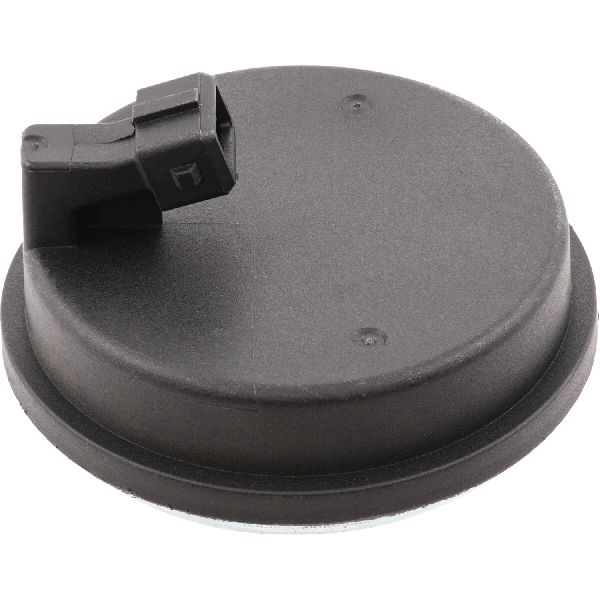
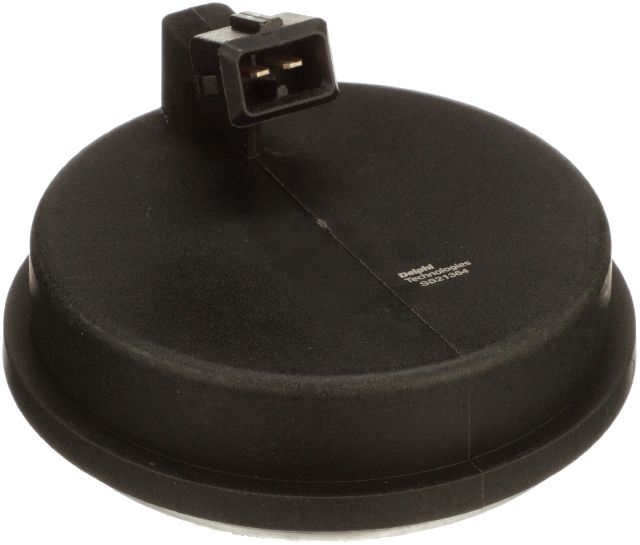
- ABS Wheel Speed Sensor
(OEM #Front Left: 95670-2B000, Front Right: 95671-2B000, Rear Left: 95680-2B000, Rear Right: 95681-2B000)— This is the most common component to fail, triggering the P0501 code by sending an incorrect signal to the ABS module. Part numbers are specific to each corner of the vehicle.
Trusted brands: Mando, Beck Arnley, Standard Motor Products, Delphi, Genuine Hyundai/Kia
OEM price range: $160-$280
Aftermarket price range: $30-$90
Related Codes That Often Appear With This One
- C1202 — This is an ABS code for 'Wheel Speed Sensor Left Front Invalid/No Signal'. It often appears with P0501 because a fault in that specific sensor is the root cause for both codes.
- C1205 — This is an ABS code for 'Wheel Speed Sensor Right Front Invalid/No Signal'. Like C1202, it helps pinpoint the location of the fault that is triggering the P0501.
- C1208 — This is an ABS code for 'Wheel Speed Sensor Left Rear Invalid/No Signal'. It points to the rear left wheel as the source of the fault.
- C1211 — This is an ABS code for 'Wheel Speed Sensor Right Rear Invalid/No Signal'. It points to the rear right wheel as the source of the fault.
Technical Service Bulletins (TSBs) & Recalls
- TSB 17-01-009-2: Addresses saltwater intrusion into the rear wheel speed sensor housing on some Santa Fe (CM) models, causing intermittent ABS/ESC warning lights. The fix involves applying silicone spray or replacing the sensor cap.
- TSB 19-BR-001H: Provides general information on the rear wheel speed sensor for Santa Fe (CM) vehicles.
Platform-Specific Known Issues
- A known issue for Santa Fe models in coastal areas involves saltwater intrusion into the rear wheel speed sensor housing, causing intermittent ABS/ESC lights. Hyundai issued TSB 17-01-009-2 describing a fix that involves applying a silicone spray or replacing the sensor cap.
Mechanic-Grade Diagnostic Values
- Wheel Speed Sensor AC Voltage Output — expected: At least 200mV (0.2V) AC when spinning the wheel at approximately one revolution every two seconds.. Failure: A reading significantly below 200mV AC or a zero reading indicates a faulty sensor or an issue with the tone ring.
- Wheel Speed Sensor Resistance — expected: Typically between 800 and 1700 ohms, although manufacturer-specific values can vary.. Failure: A reading of 'OL' (Open Loop/infinite resistance) or near zero ohms indicates an internal failure of the sensor.
Scan Tool Commands That Help
- Hyundai GDS (Global Diagnostic System): Live Data / Flight Record — To monitor and record the output of all four wheel speed sensors simultaneously during a test drive. This is invaluable for capturing intermittent dropouts or erratic signals from a failing sensor that may not be apparent during a static test in the garage.
Wiring & Ground Locations
- ABS Control Module (HECU) — At the left rear of the engine compartment, located below the brake master cylinder.. This is the central processing unit for the wheel speed signals. All sensor wiring terminates here, and it sends the final vehicle speed data to the ECM. A poor connection at this module can cause a P0501.
- Ground G07 — Behind the left front kick panel inside the cabin.. This is a primary ground point for the ABS/EBD system. A loose or corroded ground here can cause erratic behavior from the ABS module, leading to incorrect speed signal calculations and triggering a P0501 code.
Real Owner Repair Stories
- Motech Garage Technical Blog (2010 Hyundai Santa Fe) — ABS and ESP warning lights on, pre-heat lamp flashing.
❌ Tried (didn't work) Initial code scan showed C1702 (variant coding error) in the ABS module and P1593 (four wheel drive recognition) in the engine module, suggesting a communication problem.
✅ What actually fixed it The technician found they could not communicate with the 4WD/transfer case module. After checking power and grounds to the module (located in the passenger footwell), they determined the module itself had failed. Replacing the 4WD control module restored CAN bus communication, which allowed the ABS and engine modules to correctly identify the vehicle variant and extinguished all warning lights. This was an unusual root cause for symptoms that point towards a speed sensor issue.
Diagnostic Flowchart
Other Known Issues on This Vehicle
Issues unrelated to this code that are worth knowing about as an owner of this generation:
- Leaking Oil Pressure Switch 🔴 High — Common on V6 models (3.3L/3.5L). The switch is in the engine valley and a leak can mimic a more severe rear main seal leak. Can cause significant oil loss.
- Leaking Valve Cover Gaskets 🟠 Medium — A common issue, especially on the front cylinder bank of V6 models, where leaking oil can drip onto and damage the alternator. Typically occurs at higher mileage (80k+ miles). (Ref: TSB-15-01-031)
- Faulty Fuel Level Sender / Fuel Pump 🟠 Medium — A very common problem where the fuel gauge becomes inaccurate or reads empty. Often requires replacement of one or both fuel level sending units inside the tank. (Ref: There have been recalls and extended warranties for this issue on some model years.)
- Failed AWD Coupler 🟠 Medium — On AWD models, the electronic coupler that engages the rear wheels can fail, leading to a jerking or binding sensation during sharp, low-speed turns.
- Crankshaft Position Sensor Failure 🔴 High — Failure of this sensor can cause stalling or a no-start condition. It's a relatively common failure point noted by owners.
Used vs. New Parts: Buying Guide for This Vehicle
When a used part is the smart pick: For this repair, a used part is a reasonable choice for the CV axle or wheel hub assembly if the tone ring is confirmed to be the cause of the fault. Given the low cost of new aftermarket ABS sensors, buying a used sensor is generally not recommended.
Donor-vehicle mileage cap: roughly under 80000 miles for the part to have meaningful remaining life.
What to inspect on the donor part:
- For a CV axle/hub, inspect the tone ring meticulously for any cracks, missing teeth, or heavy rust jacking.
- Check the CV boots for any rips or tears; a torn boot means the joint is contaminated and should be avoided.
- Ensure the donor vehicle is from a region with minimal road salt to reduce the risk of corrosion-related issues.
- Confirm the part numbers match exactly for the specific wheel location and model year.
OEM-only on this vehicle (don't cheap out):
- ABS Control Module (HECU) - Due to the need for precise software matching and the safety-critical nature of the component, a new or professionally remanufactured OEM unit is strongly advised if the module is diagnosed as faulty.
Aftermarket brands forum-validated for this vehicle:
- Mando (often the Original Equipment supplier)
- Standard Motor Products (SMP)
- Beck/Arnley
- Delphi
Brands owners have reported issues with on this vehicle:
- No-name, unbranded sensors from online marketplaces should be avoided, as they often have higher failure rates and may not produce a clean signal, leading to persistent issues.
Real Owner Stories
Aggregated from forums and TSBs cited above. Mileages and costs reflect what owners reported in those sources.
2007 Hyundai Santa Fe GLS 2.7L
Symptoms: ABS and ESC lights are on, the cruise is not working, and the check engine light is on with code P0501.
What fixed it: Diagnosed as an issue related to the ABS system rather than transmission speed sensors.
Source hint: hyundai-forums.com thread titled 'P0501 error code' and owner_reports
2008 Hyundai Santa Fe
Symptoms: Check engine code P0501 accompanied by ABS/ESC lights.
What fixed it: Repairing a wheel speed sensor wire that had rubbed through on the tire, discovered during a wheel alignment.
Source hint: hyundai-forums.com thread titled 'Check engine code P0501 speed sensor'
Related OBD-II Codes
Frequently Asked Questions
My 2007-2012 Santa Fe has P0501 along with ABS and ESC lights; is this a transmission problem?
Does TSB 17-01-009-2 apply to my Santa Fe if I live in a coastal area?
Can a bad wheel alignment cause a P0501 code on my Santa Fe?
Is the ABS tone ring a common failure point on the 2007-2012 (CM) Santa Fe?
What specific ABS codes should I look for alongside P0501?
Why is my cruise control not working when the P0501 code is set?
Helpful Videos

We Have This Part in Stock


The information in this article is provided for general reference and educational purposes only. Vehicle specifications, procedures, and part compatibility can vary by production date, trim level, and region. Always consult your vehicle's factory service manual and verify part numbers before purchasing or performing repairs. Safety-critical components such as airbags, seat belts, and braking systems should be installed by a qualified professional.
- Hyundai Santa Fe:
- 🧭 Diagnostic Flowchart
- 🎬 Helpful Videos
- 🛍️ Shop This Part
- What's Unique About the 2007-2012 Hyundai Santa Fe
- Symptoms You May Notice
- Most Likely Causes
- Rare But Worth Checking
- Diagnosis Steps
- Parts You'll Likely Need
- Related Codes That Often Appear With This One
- Technical Service Bulletins (TSBs) & Recalls
- Platform-Specific Known Issues
- Mechanic-Grade Diagnostic Values
- Scan Tool Commands That Help
- Wiring & Ground Locations
- Real Owner Repair Stories
- Other Known Issues on This Vehicle
- Used vs. New Parts: Buying Guide for This Vehicle
- Real Owner Stories
- 2007 Hyundai Santa Fe GLS 2.7L
- 2008 Hyundai Santa Fe
- Related OBD-II Codes
- Frequently Asked Questions
- 🎟️ Get 5% Off