

P0502 on 2012-2017 Honda Accord: Vehicle Speed Sensor Low Input Causes and Fixes
For a 2012-2017 Honda Accord, code P0502 almost always points to a faulty Vehicle Speed Sensor (VSS) located on the transmission. The PCM logs this code when the sensor's voltage signal is too low or absent. Replacing the sensor is a common and effective fix, with OEM parts costing between $70 and $120 and aftermarket options available for $25-$80.
- P0502 on a 2012-2017 Accord is most likely caused by a bad Vehicle Speed Sensor (VSS) on the transmission.
- Symptoms include an inoperative speedometer, erratic shifting, a flashing 'D' light, and the Check Engine Light.
- The repair is DIY-friendly for many, often accessible by removing the driver's side wheel. The part itself is relatively inexpensive.
- Before replacing the sensor, always inspect the wiring and connector for damage, as this can cause the same symptoms.
- For models with a CVT (common on 2.4L engines from 2013-2017), this code specifically points to the CVT's output speed sensor, part number 28810-RJ2-003.
What's Unique About the 2012-2017 Honda Accord
The 2012-2017 Honda Accord spans two generations: the final year of the 8th generation (2012) and the full 9th generation (2013-2017). Many 9th-gen models with the 2.4L engine came equipped with a Continuously Variable Transmission (CVT). For these CVT models, the P0502 code specifically relates to the CVT speed sensor (sometimes called the output or secondary driven gear sensor), which is mounted externally on the transmission housing. While the cause is similar across both generations (a bad sensor or wiring), the exact part and location can differ. For 4-cylinder CVT models, the sensor is often Honda Part No. 28810-RJ2-003. For V6 models with a conventional automatic, a different sensor is used.
Generation note: This range covers the end of the 8th generation (2012) and the entire 9th generation (2013-2017). The primary difference related to this code is the type of transmission. Many 9th-gen Accords use a CVT, and the P0502 code specifically points to the CVT's output speed sensor. The diagnostic and repair process is fundamentally the same for both generations, focusing on the sensor and its wiring. For the 9th gen V6 with a 6-speed automatic, the output shaft (countershaft) speed sensor is located on top of the transmission housing.
Symptoms You May Notice
- Check Engine Light is on
- Malfunction Indicator Lamp (MIL) is illuminated
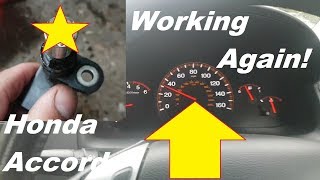
- Speedometer is erratic or reads 0 MPH while moving
- Cruise control will not engage or disengages unexpectedly
- Harsh, erratic, or delayed automatic transmission shifting
- ABS and/or Traction Control warning lights may illuminate
- Transmission may be stuck in a single gear (limp mode)
- Flashing 'D' (Drive) indicator light on the instrument cluster
- Replacing the instrument cluster because the speedometer isn't working.
- Replacing the entire transmission when shifting is erratic.
- Replacing wheel speed sensors, which are part of the ABS system and are distinct from the transmission-mounted VSS 'A'.
Most Likely Causes
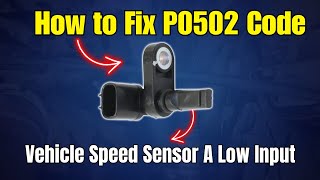
- Failed Vehicle Speed Sensor (VSS) 🔴 High Probability → Shop Drive Shaft Sensor The VSS is an electronic component located on the transmission that is subject to constant heat and vibration, leading to eventual internal failure of the magnetic pickup or electronics. It is the most common cause for P0502. 🎬 Watch: Common causes and fixes for the P0502 code.
How to confirm: After checking wiring, test the sensor's output signal with a multimeter set to AC volts or an oscilloscope while rotating the wheels. A lack of signal or a signal that doesn't change with speed indicates a failed sensor. A good sensor might produce over 5-6V AC at highway speeds, while a failing one might only produce 2-3V.
Typical fix: Replace the Vehicle Speed Sensor. On many 9th-gen Accords, this is accessible by removing the driver's side front wheel and the plastic fender liner to access the front of the transmission.
Est. part cost: $25 - $120 - Damaged Wiring or Loose Connector 🟡 Medium Probability The wiring harness to the VSS is located near the front wheel, exposing it to road debris, moisture, and heat. Wires can become frayed, corroded, or pinched, causing a short to ground or an open circuit. Connectors can also melt from arcing due to a poor connection.
How to confirm: Visually inspect the wiring harness and connector for any signs of damage, fraying, corrosion, or melting. Perform a continuity test on the wires between the sensor connector and the PCM. A wiggle test on the harness while monitoring live data can help identify intermittent faults.
Typical fix: Repair the damaged section of the wiring harness or clean/replace the connector. Ensure a secure connection.
Est. part cost: $5 - $50
Rare But Worth Checking
- Faulty Powertrain Control Module (PCM): → Shop Engine Control Module (ECM) This is extremely rare and should only be considered after the sensor and wiring have been exhaustively tested and ruled out. A failure in the PCM's input circuit can mimic a sensor or wiring problem.
- Metal Debris on Sensor: The VSS is magnetic and can attract metallic shavings from normal transmission wear. This buildup can interfere with its ability to get a clean reading from the reluctor ring. When replacing the sensor, inspect the old one for debris.
- Damaged Reluctor Ring: The toothed ring that the VSS reads can become damaged or cracked, though this is uncommon. This would require more significant transmission work to inspect and repair.
Diagnosis Steps
- Retrieve the stored trouble code(s) with an OBD-II scanner to confirm P0502 is present.
- Inspect the VSS connector and wiring harness for obvious damage, corrosion, or loose connections. The connector is often near the driver's side wheel well.
- Locate the Vehicle Speed Sensor on the transmission. For many 9th-gen Accords with a CVT, it's on the front of the transmission, accessible by removing the driver's side front wheel and fender liner.
- Use a scan tool with live data to monitor the Vehicle Speed Sensor 'A' output while the vehicle is driven slowly (or wheels are spun with the vehicle safely on jack stands). If the reading is 0, erratic, or does not change, the sensor or circuit is faulty.
- If live data is unavailable, disconnect the sensor and test for reference voltage and ground at the connector with a multimeter. For many Honda CVT models, you should see approximately 5V reference voltage from the PCM with the key on. Check for a short to ground on the signal wire.
- If power and ground are good, test the sensor itself. This involves checking its AC voltage output while spinning the transmission. The voltage should increase smoothly with speed.
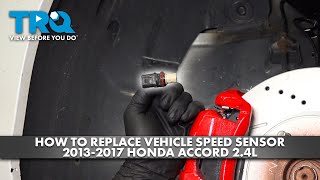
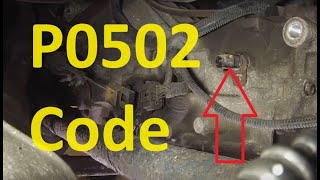
- If the sensor tests bad, replace it. The sensor is typically held by a single 10mm bolt. 🎬 Watch: Step-by-step guide to replacing the 2.4L speed sensor. Be sure to apply a light coat of fresh transmission fluid to the new O-ring before installation.
- If the sensor tests good, the problem is in the wiring. Perform a continuity test on the signal wire between the VSS connector and the PCM to find any opens or shorts.
- After any repair, clear the DTC and perform a test drive to ensure the code does not return and that the speedometer and transmission operate correctly.
Parts You'll Likely Need
- Vehicle Speed Sensor (VSS)
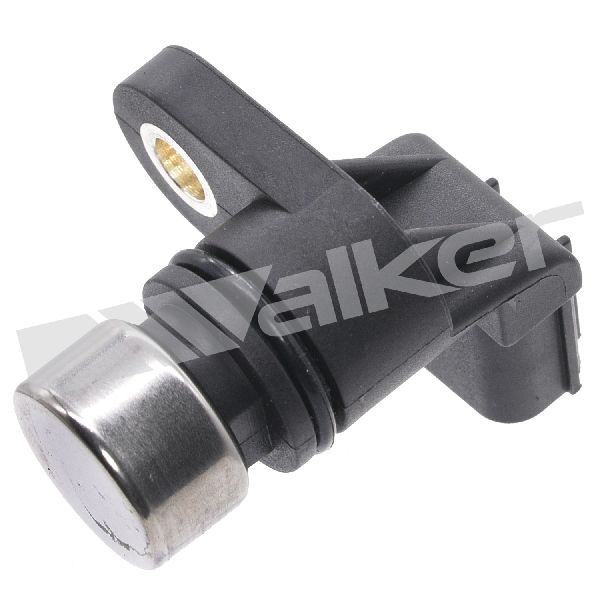
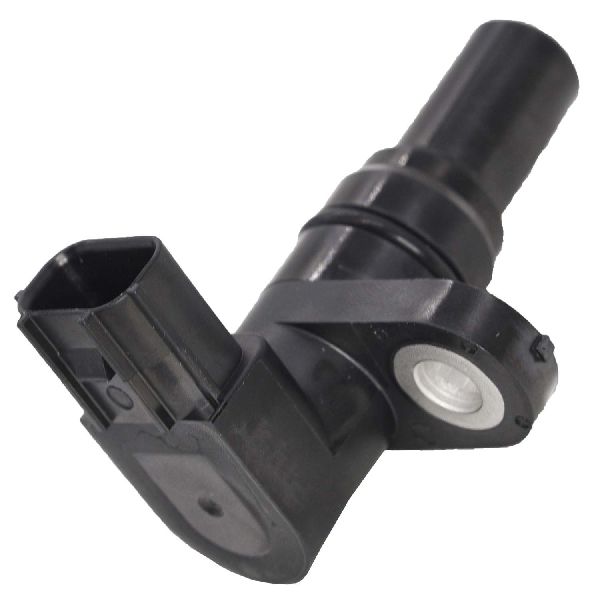
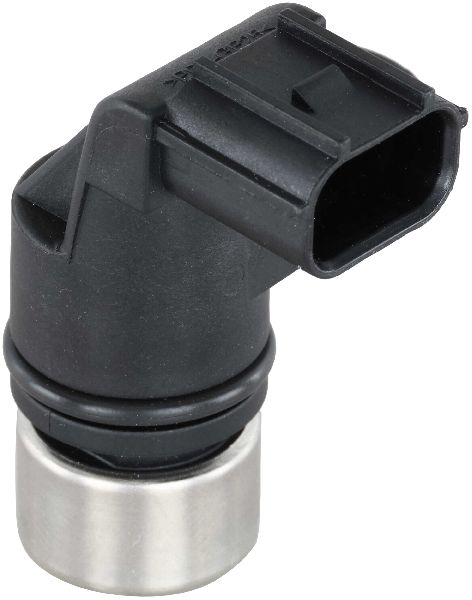
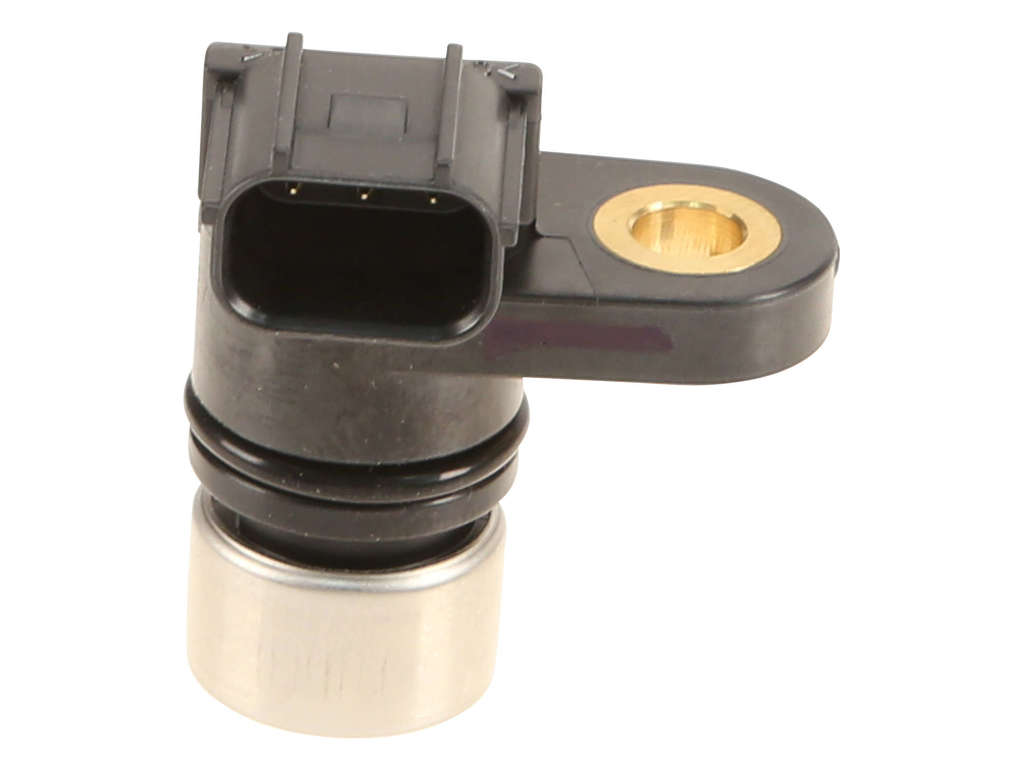
(OEM #28810-RJ2-003 (For many 2.4L CVT models), 28820-RPC-013 (Common for 8th Gen Auto))— This is the most frequent point of failure for the P0502 code. The sensor's electronics fail over time due to heat and vibration.
Trusted brands: Honda (OEM), Denso, NTK, Beck/Arnley, Standard Motor Products (SMP)
OEM price range: $70-$120
Aftermarket price range: $25-$80
Platform-Specific Known Issues
- CVT vs. Automatic Transmission Sensor Differences: → Shop Transmission Assembly The 9th generation (2013-2017) Accord heavily utilized a CVT for 4-cylinder models. The P0502 code on these vehicles points specifically to the CVT's output speed sensor. Owners must ensure they purchase the correct part number for their specific transmission type (CVT or conventional 6-speed automatic).
- Forum User Experience: VSS Replacement Fix: On Honda-centric forums like DriveAccord.net and Honda-Tech.com, numerous owners of 2013-2017 Accords have resolved the P0502 code, along with symptoms of a dead speedometer and erratic shifting, by replacing the VSS. One user noted their old sensor was only outputting 2.8-3.4V AC at highway speeds, while the new aftermarket sensor produced over 6V AC, resolving the 'low input' condition.
Mechanic-Grade Diagnostic Values
- VSS Reference Voltage at Harness Connector — expected: Approximately 5V. Failure: Voltage is not present (0V), indicating an open in the supply wire or a PCM fault.
- VSS Signal Wire Voltage (while rotating wheel) — expected: Voltage should fluctuate between 0V and 5V (for Hall-effect sensors).. Failure: Voltage remains constant or near 0V, indicating a failed sensor or a short in the signal wire.
- VSS Ground Wire Continuity — expected: Continuity to a known good ground (less than a few ohms).. Failure: High resistance or no continuity, indicating an open in the ground circuit.
Scan Tool Commands That Help
- Honda Diagnostic System (HDS): Clear DTCs — Used to reset the PCM after a repair is performed to see if the P0502 code returns during a test drive.
- Honda Diagnostic System (HDS): Reset ECM/PCM — A full module reset can be performed after replacing the sensor or repairing wiring to ensure the system relearns correctly.
- Honda Diagnostic System (HDS): Live Data - Vehicle Speed — Essential for diagnosis. Monitor the vehicle speed PID while driving or spinning the wheels. If it reads 0 or is erratic while the car is moving, it confirms the fault the PCM is seeing.
Wiring & Ground Locations
- G101 — Right front of the engine compartment.. This is a primary engine and chassis ground. A loose or corroded G101 can cause various sensor and module communication issues, including erratic VSS signals.
- G151 / G152 — Located on the left side of the transmission housing.. These are the main ground points for the transmission case itself. Since the VSS grounds through its circuit, a poor transmission ground can introduce electrical noise or voltage offsets that interfere with the low-voltage sensor signal.
- VSS 3-Pin Connector — On the VSS sensor body, located on the front of the CVT or top of the automatic transmission.. This is the primary point of failure for wiring issues. Pins can corrode or the connector body can melt from a poor connection, causing an open or short. Testing for 5V reference, ground, and signal occurs here.
Real Owner Repair Stories
- Mechanics Stack Exchange (2007 Honda Accord (CM2)) — Speedometer showed a speed below 0 and was reading exactly 15kph lower than the actual GPS speed.
❌ Tried (didn't work) Repeating the gauge cluster self-test.
✅ What actually fixed it The problem started after performing a gauge cluster self-test. The fix was to physically remove the instrument cluster, take off the plastic cover, and manually reposition the speedometer needle back to the zero mark. The VSS was not faulty. - YouTube Comment/Story (2008-2012 Honda Accord V6) — No signal from the input turbine speed sensor.
❌ Tried (didn't work) Searching online for the sensor location.
✅ What actually fixed it The user found the input speed sensor (blue connector) under the battery box on the transmission. The wire had been completely pulled out of the connector. Re-pinning or replacing the connector fixed the issue.
OEM Part Supersession History
28810-RPC-013→N/A— This is a common VSS part number for the 8th generation (2008-2012) automatic transmission models.
Heads up: This part is generally not compatible with the 9th generation (2013-2017) CVT transmissions, which typically use 28810-RJ2-003.28810-RJ2-003→N/A— This is the primary VSS part number for many 9th generation (2013-2017) models with the 2.4L engine and CVT.
Heads up: On some CVT models, this part number can be used in two locations: the transmission side cover and the torque converter case. It's important to diagnose which sensor has failed.
Model Year Variations Within This Range
- 2012 (8th Gen): For V6 models with a conventional automatic transmission, the VSS is often located on the top/rear of the transmission, sometimes requiring removal of the air intake or battery box for access. The common part number is often 28820-RPC-013.
- 2013-2017 (9th Gen): For 2.4L I4 models with a CVT, the VSS (part # 28810-RJ2-003) is located on the front of the transmission and is most easily accessed by removing the driver's side front wheel and inner fender liner.
Diagnostic Flowchart
Other Known Issues on This Vehicle
Issues unrelated to this code that are worth knowing about as an owner of this generation:
- VTC Actuator Rattle on Cold Start 🟠 Medium — Common on 2.4L K24 engines, especially 2012-2014 models. Causes a brief, loud grinding or rattling noise for ~2 seconds upon cold startup. (Ref: Honda TSB 09-010, TSB 16-012)
- Failing Starter Motor 🟠 Medium — Common across the generation, particularly on V6 models. Symptoms include a grinding noise or failure to engage on startup. (Ref: Honda has a TSB for V6 models that involves replacing the starter and sometimes rotating the torque converter.)
- CVT or Automatic Transmission Judder 🟡 Low → Shop Transmission Assembly — Can be felt as a vibration or shudder during light acceleration between 20-60 mph. Often caused by deteriorated transmission fluid rather than mechanical failure. (Ref: Honda issued multiple TSBs (e.g., 17-025, 16-045) advising a software update and/or a triple fluid flush to resolve the issue.)
- Excessive Oil Consumption 🟠 Medium — Reported on both 2.4L and 3.5L V6 engines, becoming more noticeable at higher mileage. May require more frequent oil top-offs.
- Weak or Prematurely Failing Battery 🟡 Low — The stock battery, particularly in 4-cylinder models, is often cited by owners as being undersized and failing sooner than expected, leading to various electrical gremlins. (Ref: A recall was issued for a battery sensor on some models.)
Used vs. New Parts: Buying Guide for This Vehicle
When a used part is the smart pick: A used VSS from a junkyard is a reasonable choice for this repair, as it is a simple electronic component that either works or doesn't. It's a cost-effective way to get an OEM-quality part, especially if you pull the connector pigtail with it in case your original connector is damaged.
Donor-vehicle mileage cap: roughly under 120000 miles for the part to have meaningful remaining life.
What to inspect on the donor part:
- Check the connector pins on the used sensor for any signs of corrosion (green/white powder) or bent pins.
- Inspect the plastic sensor body for any cracks or signs of extreme heat exposure.
- If possible, choose a donor vehicle that appears to have been well-maintained and is from a dry climate to reduce the risk of corrosion.
- Snip the wiring harness connector off the donor car along with the sensor; it's valuable to have in case your connector is the point of failure.
Aftermarket brands forum-validated for this vehicle:
- Beck/Arnley
- Standard Motor Products (SMP)
- NTK
- Denso
Brands owners have reported issues with on this vehicle:
- No-name, unbranded sensors from online marketplaces should be avoided, as their internal electronics may not meet OEM specifications for voltage output and durability, potentially causing the code to return.
Real Owner Stories
Aggregated from forums and TSBs cited above. Mileages and costs reflect what owners reported in those sources.
2013-2017 Honda Accord
Symptoms: Dead speedometer, erratic shifting, and a 'low input' condition where the sensor was only outputting 2.8-3.4V AC at highway speeds.
What fixed it: Replacing the VSS with a new sensor that produced over 6V AC.
Source hint: Vehicle-specific issues section citing DriveAccord.net and Honda-Tech.com
Related OBD-II Codes
Frequently Asked Questions
Where is the Vehicle Speed Sensor located on my 9th-gen Accord with a CVT?
My 2013 Accord has a dead speedometer and erratic shifting; could this be the VSS?
What voltage should I see when testing the VSS on my Honda?
Does the P0502 code affect the 'D' indicator on my dashboard?
Are there any TSBs for transmission issues on the 2013-2017 Accord?
Can I use a used VSS from a junkyard to fix this?
Helpful Videos
We Have This Part in Stock


The information in this article is provided for general reference and educational purposes only. Vehicle specifications, procedures, and part compatibility can vary by production date, trim level, and region. Always consult your vehicle's factory service manual and verify part numbers before purchasing or performing repairs. Safety-critical components such as airbags, seat belts, and braking systems should be installed by a qualified professional.
- Honda Accord:
- 🧭 Diagnostic Flowchart
- 🎬 Helpful Videos
- 🛍️ Shop This Part
- What's Unique About the 2012-2017 Honda Accord
- Symptoms You May Notice
- Most Likely Causes
- Rare But Worth Checking
- Diagnosis Steps
- Parts You'll Likely Need
- Platform-Specific Known Issues
- Mechanic-Grade Diagnostic Values
- Scan Tool Commands That Help
- Wiring & Ground Locations
- Real Owner Repair Stories
- OEM Part Supersession History
- Model Year Variations Within This Range
- Other Known Issues on This Vehicle
- Used vs. New Parts: Buying Guide for This Vehicle
- Real Owner Stories
- 2013-2017 Honda Accord
- Related OBD-II Codes
- Frequently Asked Questions
- 🎟️ Get 5% Off