

P0504 on 2010-2011 Hyundai Genesis Coupe: Brake Switch Correlation Fault Causes and Fixes
On a 2010-2011 Genesis Coupe, code P0504 almost always points to a faulty brake light switch. This is a well-documented issue with a recall (Campaign 110). Replacing the switch is an inexpensive and simple DIY fix, with the updated OEM part costing around $15. The failure can cause brake lights to malfunction, disable cruise control and ESC, and prevent the car from shifting out of Park.
- P0504 on a 2010-2011 Genesis Coupe is almost certainly a bad brake light switch.
- This is a known issue covered by Hyundai Recall Campaign 110. Check if your vehicle had the recall service performed.
- The repair is very simple, inexpensive, and can be done by a DIYer in under 15 minutes. Use the updated part 93810-3K000.
- Before replacing the switch, check the small plastic stopper on the pedal arm; if it's broken, that's your problem.
- Proper adjustment of the new switch is critical to prevent the code from returning.
What's Unique About the 2010-2011 Hyundai Genesis Coupe
The 2010-2011 Hyundai Genesis Coupe, along with over a million other Hyundai and Kia vehicles from the 2007-2011 model years, was subject to a major safety recall (NHTSA #13V113000, Hyundai Campaign 110) for premature brake light switch failure. This makes a faulty switch the overwhelmingly most probable cause for a P0504 code on this specific vehicle. The original switches were prone to intermittent contact failure. The issue was so common that Hyundai initiated a campaign to replace the switches free of charge with an updated part.
Symptoms You May Notice
- Check Engine Light is on
- Electronic Stability Control (ESC) warning light is on
- Brake lights do not turn on when the pedal is pressed
- Brake lights stay on continuously
- Cruise control will not engage or disengages unexpectedly
- Difficulty shifting the automatic transmission out of Park
- For push-button start models, intermittent starting issues
- ABS warning light may be illuminated
- Replacing brake light bulbs. While faulty bulbs can cause other issues, they will not trigger a P0504 correlation fault. The code is specifically about the two signals from the switch not matching.
- Assuming the ABS or ESC module is bad. The P0504 code will often disable the ABS and ESC systems, causing their warning lights to come on. The root cause is typically the brake switch signal, not the modules themselves.
Most Likely Causes
- Faulty Brake Light Switch 🔴 High Probability → Shop Brake Light Switch This specific part was subject to a widespread safety recall (Hyundai Campaign 110) for premature failure on this vehicle generation due to intermittent internal contacts.
How to confirm: Check if your VIN was part of the recall (NHTSA #13V113000) and if the service was performed. A diagnostic scan tool can monitor the live data for 'Brake Switch A' and 'Brake Switch B' to see if they change state in unison when the pedal is pressed. Given the low cost, replacement is often the fastest diagnostic step.
Typical fix: Replace the brake light switch. This is a simple component located at the top of the brake pedal arm, typically involving a disconnect of the electrical connector and a twist-to-remove motion.
Est. part cost: $10-$25 - Improperly Adjusted Brake Light Switch 🟡 Medium Probability → Shop Brake Light Switch The switch's position is adjustable via a threaded body and lock nuts. If it has been disturbed, installed incorrectly, or has shifted, it may not make proper contact with the pedal arm, causing mismatched signals. This is common after a replacement if not adjusted correctly.
How to confirm: Visually inspect the switch at the top of the brake pedal. Ensure the plunger is fully depressed when the pedal is at rest and fully released when the pedal is pressed even slightly. There should be minimal to no gap between the pedal stopper and the switch plunger when the pedal is at rest.
Typical fix: Loosen the switch's locking nuts, adjust its depth until it functions correctly (brake lights turn on with minimal pedal travel and are off at rest), and then retighten the nuts. A common specification is to achieve a 0.5-1.0 mm clearance between the switch plunger and the pedal stopper when the pedal is at rest.
Est. part cost: $0 - Wiring or Connector Issue ⚪ Low Probability
How to confirm: Visually inspect the wiring harness and 4-pin connector going to the brake light switch for any signs of damage, corrosion, or loose pins. Use a multimeter to check for battery voltage at the power pin and test for continuity to ground on the ground pin. Test the signal wires for shorts or opens.
Typical fix: Repair the damaged section of wiring or clean/replace the connector.
Est. part cost: $5-$25
Rare But Worth Checking
- Blown Fuse: A blown fuse for the stop lamp circuit can cause this code. Always check the relevant fuses in the interior fuse panel before replacing parts.
- Failing Powertrain Control Module (PCM) or Body Control Module (BCM): → Shop Body Control Module This is extremely rare. The control module is the last thing to suspect after the switch, wiring, and adjustment have been thoroughly ruled out. A BCM communication error might be present with other codes.
- Broken Brake Pedal Stopper Pad: → Shop Brake Pedal A small plastic or rubber pad on the brake pedal arm contacts the switch plunger. Over time, this stopper can become brittle and disintegrate. If it falls out, the switch plunger will no longer be depressed when the pedal is at rest, causing the brake lights to stay on and potentially triggering a P0504 code. This is a very common issue on older vehicles and is often mistaken for a bad switch.
Diagnosis Steps
- Use an OBD-II scanner to confirm P0504 is the primary code. Note any other codes, but address P0504 first.
- Check for open recalls on your vehicle's VIN, specifically Hyundai Campaign 110 (NHTSA #13V113000).
- Have an assistant stand behind the vehicle. Press and release the brake pedal to check if the brake lights are inoperative, always on, or intermittent.
- With the ignition on (engine off), confirm other symptoms: inability to shift from Park, ESC light on, cruise control inoperative.
- Locate the brake light switch at the top of the brake pedal arm under the dashboard. It will have a 4-pin electrical connector.
- Before removing the switch, inspect the small plastic stopper pad on the pedal arm that contacts the switch plunger. If it is broken or missing, it must be replaced. 🎬 Watch: How to fix brake lights that stay on continuously.
- Disconnect the connector and inspect it and the switch terminals for corrosion or damage.
- Due to the high failure rate and low cost, the most efficient step is to replace the switch with the updated OEM part (93810-3K000).
- After installing the new switch, adjust its position. Thread it in until the plunger is fully depressed by the pedal arm at rest. Back it out approximately 3/4 of a turn to create a clearance of about 0.5-1.0mm, then tighten the lock nut. Confirm lights activate with the slightest pedal touch and are off when released.
- Clear the P0504 code with the scanner. Start the car, test brake light function, ensure the ESC light is off, and test drive to confirm cruise control engages and disengages properly.
Parts You'll Likely Need
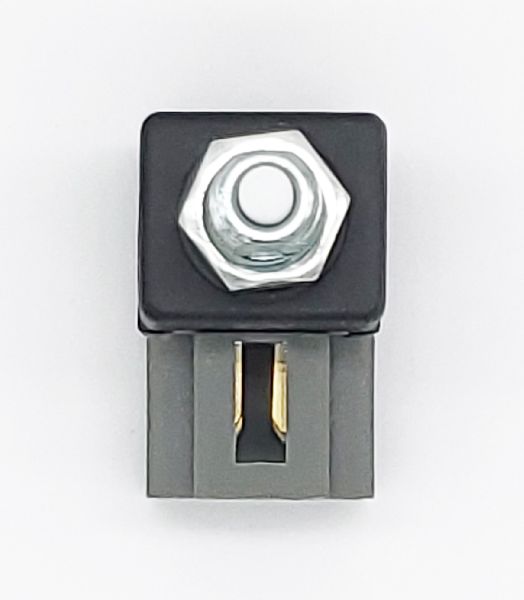
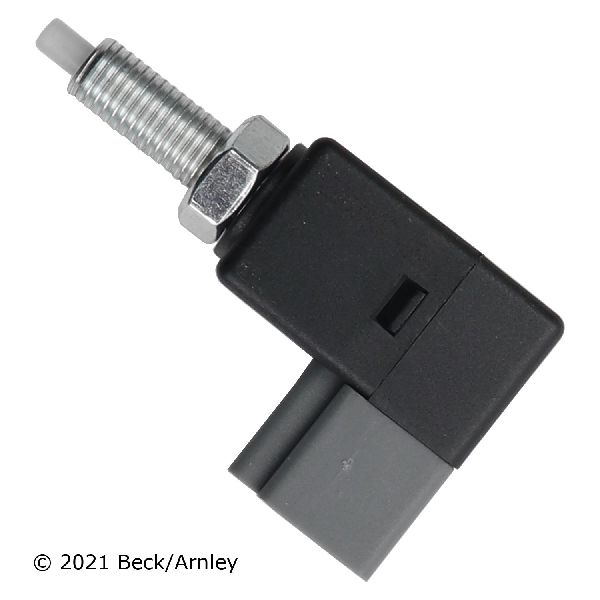
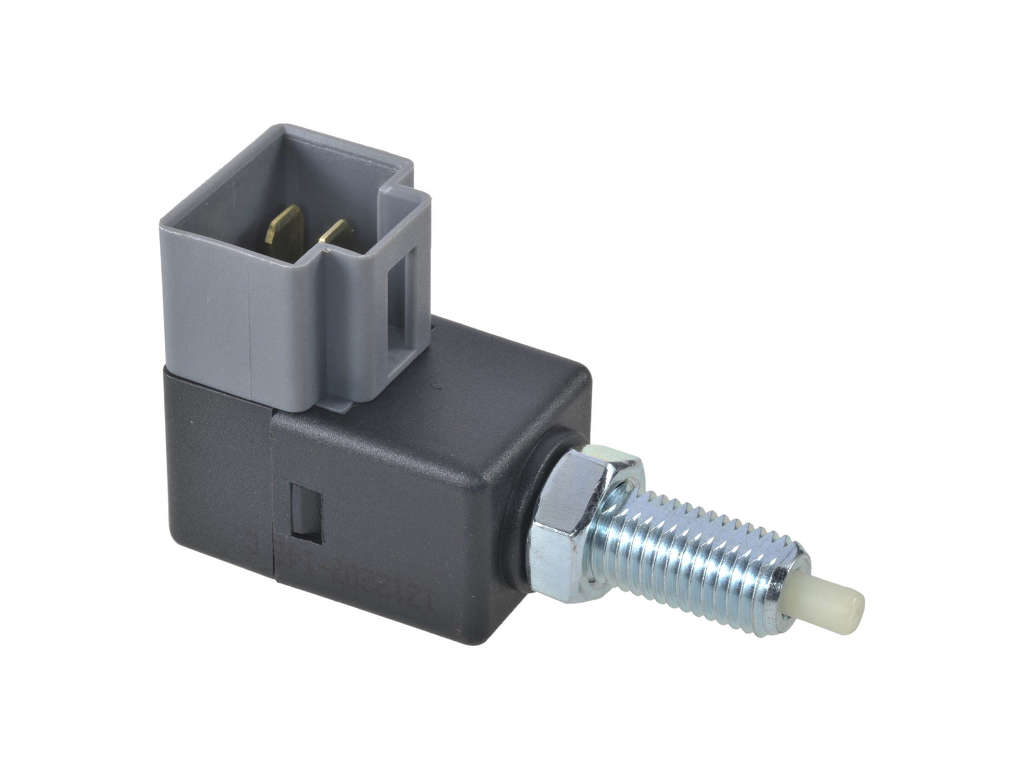
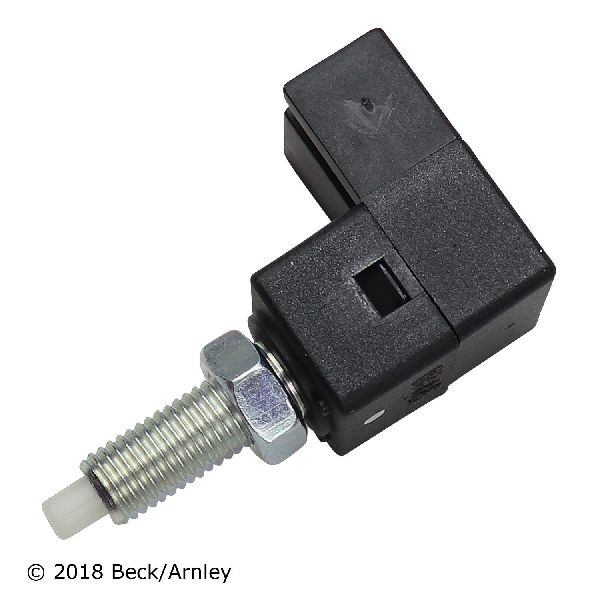
- Stop Lamp Switch
(OEM #93810-3K000)— This is the updated, 4-pin replacement part for the original switch that was prone to failure and subject to Recall 110. It supersedes previous part numbers like 93810-2E000.
Trusted brands: Hyundai (Genuine OE), Mobis, Beck/Arnley, Standard Motor Products (SMP)
OEM price range: $12-$25
Aftermarket price range: $10-$20
Technical Service Bulletins (TSBs) & Recalls
- 13-01-021: This Technical Service Bulletin provides the service procedure for replacing the stop lamp switch as part of Recall 110.
- 15-01-008: This TSB supersedes 13-01-021-3 and provides updated information on the stop lamp switch replacement procedure.
- 17-01-021: This TSB supersedes 15-01-008 to clarify model information and revise certain procedures.
Platform-Specific Known Issues
- Hyundai Safety Recall Campaign 110 (NHTSA #13V113000): This recall was issued for a prematurely failing stop lamp switch that could cause the brake lights to fail, cruise control to malfunction, and prevent the shifter from moving out of park. The 2010-2011 Genesis Coupe (production dates from Dec 1, 2008 to Aug 31, 2010) was included in this recall.
Mechanic-Grade Diagnostic Values
- Brake Switch Signal 1 (STP) Voltage at Connector — expected: 0V to 3V with pedal released, 9V to 14V with pedal depressed.. Failure: Voltage does not change, is out of range, or is slow to respond.
- Brake Switch Signal 2 (ST1-) Voltage at Connector — expected: 9V to 14V with pedal released, 0V to 3V with pedal depressed.. Failure: Voltage is inverted, does not change, or is out of range. Note this signal is opposite of Signal 1.
- Brake Switch Internal Resistance (Switch Removed) — expected: For pins 1-2: Below 1 Ω when plunger is NOT pushed, 10 kΩ or higher when pushed. For pins 3-4: 10 kΩ or higher when plunger is NOT pushed, Below 1 Ω when pushed.. Failure: Resistance values are high in the closed state or low in the open state, indicating failed internal contacts.
- Brake Switch Plunger Adjustment Clearance — expected: 0.5 mm to 1.0 mm between the switch plunger and the pedal stopper when the pedal is at rest.. Failure: Too much gap can delay light activation; no gap can keep the switch partially active, causing correlation errors or brake lights to stay on.
Scan Tool Commands That Help
- Hyundai GDS (or equivalent advanced scanner): Data List / Live Data Monitoring — To diagnose P0504, monitor the parameters for 'Stop Light SW' or 'Brake Switch A' and 'Brake Switch B'. Both signals should change state instantly and simultaneously when the brake pedal is pressed and released. Any lag or non-response in one of the signals confirms a correlation fault originating at the switch or its wiring.
- Hyundai GDS: DTC Guide — The OEM scan tool includes a built-in diagnostic guide for each fault code. For P0504, it will provide the specific component location, wiring diagrams, and step-by-step test procedures, including expected voltage and resistance values.
Wiring & Ground Locations
- ECU Ground — On the driver's side strut tower in the engine bay, a bolt with a ground wire attached.. While not a direct cause of P0504, a poor main ECU ground can cause a variety of unpredictable electrical issues and fault codes. Ensuring this connection is clean and tight is a good practice when diagnosing any electrical gremlin.
- Engine Mount Ground — A ground strap connecting the engine to the chassis, often located on or near one of the engine mounts.. A poor engine-to-chassis ground can create voltage discrepancies and electrical noise, which can interfere with sensitive sensor readings. While unlikely to be the sole cause for P0504, checking it is part of a thorough electrical diagnosis.
- Brake Switch Connector — A 4-pin connector attached to the brake light switch, located above the brake pedal arm under the driver's side dashboard.. This is the direct interface for the component. All power and signal voltages for both circuits pass through this connector. Corrosion, backed-out pins, or wire damage at this specific point is a primary suspect if a new switch does not resolve the code.
Real Owner Repair Stories
- YouTube Commenter / DIYer (Hyundai (model not specified, but same switch type)) — No brake lights. Tested fuse and it was good. Had power going to the switch but not coming out.
❌ Tried (didn't work) Initially assumed the switch was bad after testing power flow.
✅ What actually fixed it The switch itself tested good for continuity with a multimeter when removed from the car. The problem was an improper adjustment. After reinstalling the switch and adjusting its depth relative to the pedal, the brake lights worked perfectly. The issue was a misadjusted switch, not a failed one. - Go-Parts.com Pro Tip (2009-2016 Hyundai Genesis) — Symptoms identical to a failed brake light switch (no start, ESC light, can't shift from park).
❌ Tried (didn't work) A common misdiagnosis is to immediately replace the brake light switch.
✅ What actually fixed it The small plastic/rubber stopper pad on the brake pedal arm had become brittle, cracked, and fallen out. This prevented the switch's plunger from being depressed when the pedal was at rest. Replacing the inexpensive stopper pad resolved all symptoms without needing to replace the switch itself. - NHTSA ODI #10630011 — An owner reported that their check engine light and ABS light stayed on, with a scan revealing code P0504 for a faulty stop lamp brake switch, even though the switch had reportedly been replaced once before.
- NHTSA ODI #11671946 — A report describes a P0504 code pointing to a brake light switch malfunction that caused the battery to drain and created a safety hazard where the vehicle would not start properly when the start button was pressed.
Documented NHTSA Reports
- NHTSA ODI #10520867: An owner reported occurrences of the check engine light coming on with code P0504 indicating a brake switch malfunction; the light would intermittently go off after several trips.
- NHTSA ODI #11140455: A diagnostic scan revealed code P0504 was caused by the brake light switch after the check engine light illuminated.
- NHTSA ODI #10712396: A mechanic scan confirmed code P0504, which indicates the engine control module (ECM) has detected a fault in correlation between the brake switch signals.
OEM Part Supersession History
93810-2E000, 93810-38100, 93810-38110, 93810-2H000, 93810-32000, 93810-32001→93810-3K000— The original switch designs were prone to premature failure from intermittent internal contacts, leading to a massive safety recall (Campaign 110). The 93810-3K000 is the updated, more reliable replacement part provided by Hyundai to resolve the issue.
Heads up: Per TSB 15-01-008, for vehicles under the recall, the previous versions of the switch should never be re-installed. The updated part may have a different color connector or manufacturer marking ('INFAC' on the old part) to distinguish it.
Diagnostic Flowchart
Other Known Issues on This Vehicle
Issues unrelated to this code that are worth knowing about as an owner of this generation:
- Manual Transmission Grind / Lockout 🟠 Medium — Common, especially in earlier 2010-2012 models. Often occurs when shifting into 2nd or other gears, particularly when cold. (Ref: A TSB (09-01-028) was issued for manual transmission gear shift lever and oil replacement, but the core issue is often cited as premature synchronizer wear.)
- Wastegate Rattle (2.0T Engine) 🟡 Low — Very common on the 2.0T engine. Owners report a distinct rattling noise from the turbo area. Hyundai has often considered this a normal characteristic that does not affect performance.
- Water Leaks into Trunk 🟠 Medium — Frequently reported by owners. The factory taillight gaskets are known to fail, especially after taillight removal/reinstallation, allowing water to pool in the trunk and spare tire well.
- Interior Chrome Peeling 🟡 Low — A common cosmetic issue where the chrome finish on interior door handles and other trim pieces flakes or peels off. (Ref: A TSB exists for this issue, indicating it's a known problem.)
- Engine Stalling (2010 models) 🔴 High — Some owners of 2010 models have reported sudden, unexpected engine stalling while driving, which poses a significant safety risk.
Used vs. New Parts: Buying Guide for This Vehicle
When a used part is the smart pick: Never. A used part makes no sense for this repair.
What to inspect on the donor part:
- Not applicable.
OEM-only on this vehicle (don't cheap out):
- Stop Lamp Switch
Aftermarket brands forum-validated for this vehicle:
- Standard Motor Products (SMP)
- Beck/Arnley
Brands owners have reported issues with on this vehicle:
- Generic, no-name brands from online marketplaces should be avoided due to the critical safety function of this part.
Real Owner Stories
Aggregated from forums and TSBs cited above. Mileages and costs reflect what owners reported in those sources.
2010 Hyundai Genesis Coupe 3.8
Symptoms: The P0504 code was present, but the brake lights were still working, which caused confusion.
What fixed it: Replacing the faulty brake light switch resolved the code.
Source hint: Reddit (r/genesiscoupe)
2010-2011 Hyundai Genesis Coupe
Symptoms: The Check Engine Light was on for code P0504, and the ESC warning light was also illuminated.
What fixed it: Replacing the brake light switch, also called a 'stop lamp switch', fixed both the code and the ESC light.
Source hint: gencoupe.com
Hyundai Genesis Coupe (Recall 110 affected)
Symptoms: Brake lights would not turn on, the 'ESC off' light was illuminated, and cruise control would not work.
What fixed it: The dealer replaced the brake light switch under the Hyundai Recall Campaign 110.
Source hint: hyundai-forums.com
Related OBD-II Codes
Frequently Asked Questions
Is there a recall for the P0504 code on my 2010 Genesis Coupe?
Why is my ESC (Electronic Stability Control) light on at the same time as the Check Engine Light for P0504?
I can't shift my car out of Park. Is this related to the P0504 code?
What is the correct OEM part number for the replacement brake light switch?
My brake lights work perfectly, but I still have a P0504 code. Can the switch still be bad?
I replaced the brake light switch myself, but the code came back. What could I have done wrong?
Helpful Videos
We Have This Part in Stock


The information in this article is provided for general reference and educational purposes only. Vehicle specifications, procedures, and part compatibility can vary by production date, trim level, and region. Always consult your vehicle's factory service manual and verify part numbers before purchasing or performing repairs. Safety-critical components such as airbags, seat belts, and braking systems should be installed by a qualified professional.
- Hyundai Genesis Coupe:
- 🧭 Diagnostic Flowchart
- 🎬 Helpful Videos
- 🛍️ Shop This Part
- What's Unique About the 2010-2011 Hyundai Genesis Coupe
- Symptoms You May Notice
- Most Likely Causes
- Rare But Worth Checking
- Diagnosis Steps
- Parts You'll Likely Need
- Technical Service Bulletins (TSBs) & Recalls
- Platform-Specific Known Issues
- Mechanic-Grade Diagnostic Values
- Scan Tool Commands That Help
- Wiring & Ground Locations
- Real Owner Repair Stories
- Documented NHTSA Reports
- OEM Part Supersession History
- Other Known Issues on This Vehicle
- Used vs. New Parts: Buying Guide for This Vehicle
- Real Owner Stories
- 2010 Hyundai Genesis Coupe 3.8
- 2010-2011 Hyundai Genesis Coupe
- Hyundai Genesis Coupe (Recall 110 affected)
- Related OBD-II Codes
- Frequently Asked Questions
- 🎟️ Get 5% Off