

P0505 on 2010-2017 Chevrolet Equinox: Idle Control Fault Causes and Fixes
On a 2010-2017 Equinox, P0505 is almost always caused by a dirty electronic throttle body. Carbon buildup from the 2.4L engine's PCV system restricts airflow at idle. Cleaning the throttle body bore and plate and performing an idle relearn procedure usually fixes the issue for under $20 in supplies.
- P0505 on a 2010-2017 Equinox points to a problem with the electronic throttle body system, not a separate IAC valve.
- The most likely and cheapest fix is to thoroughly clean the carbon buildup from the throttle body and perform an idle relearn procedure.
- This issue is often a symptom of the 2.4L Ecotec's broader problems with its PCV system and excessive oil consumption.
- If cleaning doesn't work, investigate for a vacuum leak, paying close attention to the valve cover and intake manifold, which are known weak points.
What's Unique About the 2010-2017 Chevrolet Equinox
The second-generation Equinox relies entirely on its electronic throttle body for idle control. The 2.4L Ecotec engine, in particular, is prone to carbon and oil vapor buildup in the intake system due to its PCV (Positive Crankcase Ventilation) system design. This buildup coats the throttle body and plate, restricting the tiny movements needed for precise airflow adjustments at idle. This leads the ECM to set a P0505 code when it can no longer compensate for the restricted airflow.
Generation note: This guide covers the entire second generation of the Chevrolet Equinox (2010-2017). The engines offered (2.4L I4, 3.0L V6, 3.6L V6) all use an electronic throttle body, so the causes and diagnostic procedures for P0505 are very similar across the generation. The issue is most prevalent and well-documented on the 2.4L Ecotec engine.
Symptoms You May Notice
- Check Engine Light is on
- Engine idle speed is higher than normal
- Engine idle speed is lower than normal, sometimes causing stalling
- Idle speed fluctuates or is erratic
- Difficulty starting the engine
- Engine hesitates or stumbles when coming to a stop 🎬 Watch: A breakdown of P0505 causes, symptoms, and fixes
- Replacing the throttle body when it only needed cleaning.
- Searching for a separate Idle Air Control (IAC) valve, which this vehicle does not have.
- Replacing O2 sensors or other components before checking for the simple, common causes like a dirty throttle body or vacuum leak.
Most Likely Causes
- Dirty Electronic Throttle Body 🔴 High Probability → Shop Fuel Injection Throttle Body Carbon and oil vapor from the PCV (Positive Crankcase Ventilation) system are routed into the intake and bake onto the throttle plate and bore. The 2.4L Ecotec is known for high oil consumption, which exacerbates this issue.
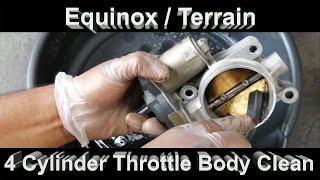
How to confirm: Remove the air intake duct from the throttle body and visually inspect for a thick, black, sticky coating on the throttle plate 🎬 See how to properly clean the Equinox 4-cylinder throttle body and surrounding bore.
Typical fix: Remove the throttle body, clean it thoroughly with a dedicated throttle body cleaner and a soft brush/cloth, reinstall it with a new gasket, and perform an idle relearn procedure.
Est. part cost: $10-$20 for cleaner and a new gasket. - Vacuum Leak 🟡 Medium Probability On the 2.4L engine, the PCV system has two common failure points that create vacuum leaks: a ruptured diaphragm inside the valve cover, or a clogged/frozen PCV orifice in the intake manifold which can blow out engine seals. Aged intake manifold gaskets are also a common leak source.
How to confirm: A ruptured PCV diaphragm in the valve cover often creates a loud hissing or sucking noise from the top of the engine. A smoke test is the most reliable way to find any vacuum leak. High fuel trims (e.g., LTFT >15%) on a scan tool also indicate a vacuum leak.
Typical fix: If the valve cover diaphragm has failed, the entire valve cover must be replaced. If the intake manifold PCV orifice is clogged, the manifold must be removed for cleaning or replaced. Otherwise, replace the specific cracked hose or faulty gasket.
Est. part cost: $10-$200 depending on the source of the leak (e.g., a simple hose vs. a new valve cover or intake manifold). - Failed Electronic Throttle Body ⚪ Low Probability → Shop Fuel Injection Throttle Body
How to confirm: If the throttle body has been thoroughly cleaned, an idle relearn was performed, and there are no vacuum leaks, the internal motor or position sensor may have failed. This is often confirmed by testing the wiring and observing scan tool data for erratic or non-responsive throttle position readings.
Typical fix: Replace the entire throttle body assembly.
Est. part cost: $150-$400
Rare But Worth Checking
- Faulty ECM (Engine Control Module): This is very rare. Before condemning the ECM, all other possibilities, including wiring issues between the ECM and throttle body, must be exhaustively ruled out.
- Wiring or Connector Issue: The wiring harness or connector at the throttle body can become damaged or corroded, causing an intermittent signal. This can mimic the symptoms of a failing throttle body.
Diagnosis Steps
- Scan for any other stored trouble codes to see if they provide more context.
- Remove the air intake hose connected to the throttle body.
- Visually inspect the throttle body bore and plate for carbon buildup. If dirty, proceed to the next step. If clean, skip to step 6.
- Remove, clean, and reinstall the throttle body. Use a new gasket upon reinstallation. Torque the throttle body bolts to 89 lb-in (10 Nm).
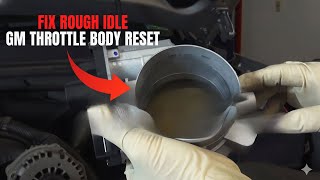
- Perform the GM Idle Relearn Procedure: Start the engine and let it idle in Park for 3 minutes. The ECM should begin to learn and RPMs may decrease. Turn the engine off for at least 60 seconds. Restart the engine and let it idle in Park for another 3 minutes. The idle should now be stable. If not, a drive cycle above 44 mph with several decelerations and extended idles may be required to complete the learning process. 🎬 Watch: How to manually reset and relearn your GM throttle body
- If the problem persists after cleaning and relearning, check for vacuum leaks. Listen for hissing noises, especially around the valve cover (for a failed PCV diaphragm). The most accurate method is a smoke test of the entire intake system.
- Inspect the wiring harness and electrical connector at the throttle body for any signs of damage, corrosion, or loose pins.
- If all previous steps fail to resolve the issue, the electronic throttle body assembly is likely faulty and requires replacement.
Parts You'll Likely Need
- Electronic Throttle Body Assembly
(OEM #12670834)— This is the most common part to replace if cleaning the original unit does not solve the problem. It contains the throttle plate, actuator motor, and position sensor.
Trusted brands: ACDelco, Hitachi, Dorman
OEM price range: $150-$250
Aftermarket price range: $100-$180 - Throttle Body Gasket
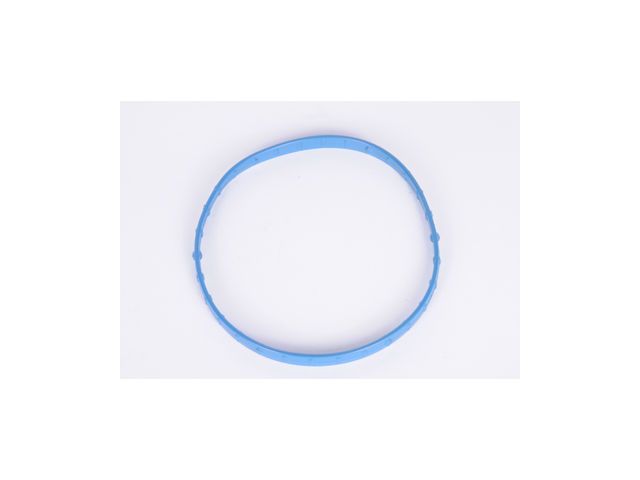
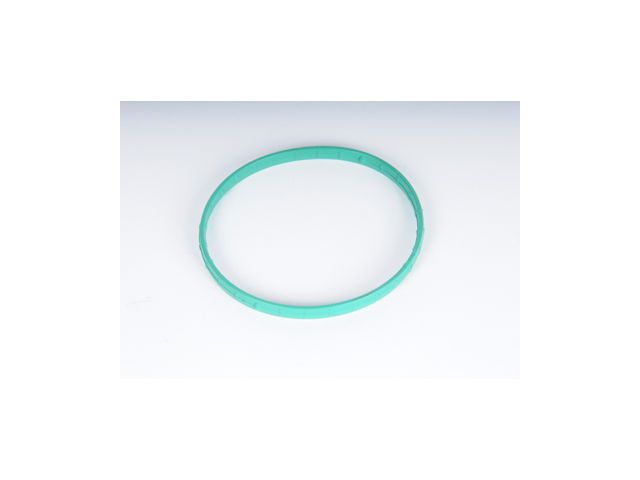
(OEM #Fel-Pro 61539)— A new gasket should always be used when the throttle body is removed and reinstalled to prevent vacuum leaks.
Trusted brands: ACDelco, Fel-Pro
OEM price range: $8-$15
Aftermarket price range: $5-$10 - Throttle Body Cleaner — This is the first and most common fix. A specialized cleaner is required to dissolve carbon buildup without damaging electronic components or coatings.
Trusted brands: CRC, Berryman
Aftermarket price range: $8-$15
Related Codes That Often Appear With This One
- P0506 — This code indicates 'Idle Air Control System RPM Lower Than Expected,' which is a more specific version of the P0505 fault, often caused by heavy carbon buildup restricting airflow.
- P0507 — This code indicates 'Idle Air Control System RPM Higher Than Expected,' which is a more specific version of the P0505 fault, often caused by a large vacuum leak.
- P0171 — This code for 'System Too Lean' will often accompany P0505 if the root cause is a vacuum leak, such as a ruptured PCV diaphragm in the valve cover.
Technical Service Bulletins (TSBs) & Recalls
- GM Special Coverage 14882: Addresses the plugged PCV orifice in the intake manifold that can freeze in cold weather, leading to high crankcase pressure and rear main seal failure. This underlying PCV issue can contribute to the oil vapor that fouls the throttle body.
Platform-Specific Known Issues
- In cold weather climates, the P0505 code can be a precursor to a more serious issue. Moisture from the PCV system can freeze inside the intake manifold's PCV orifice, causing a blockage. This blockage can build extreme crankcase pressure and blow out the rear main engine seal, causing a massive and sudden oil leak. Addressing idle issues promptly is recommended to ensure the PCV system is functioning correctly.
Mechanic-Grade Diagnostic Values
- Throttle Actuator Control (TAC) Motor Resistance — expected: 2 to 15 Ohms between the two motor control pins (A and B) on the throttle body.. Failure: A reading below 1 Ohm (short circuit) or an infinite/OL reading (open circuit) indicates a failed motor.
- Throttle Position Sensor (TPS) Signal Voltage — expected: Approximately 0.5V to 0.7V at idle (throttle closed), sweeping smoothly up to 4.5V - 5.0V at wide-open throttle.. Failure: Voltage that is erratic, jumps, has dead spots, or does not start and end in the expected range indicates a failed sensor.
- ECM Operating Voltage — expected: 13.5V to 14.5V with the engine running.. Failure: Voltage outside this range can cause various control module issues, including erratic idle control.
- ECM Ground Strap Resistance — expected: Less than 0.1 Ω between the ground strap and the chassis.. Failure: Higher resistance indicates a poor ground, which can cause unpredictable electronic behavior.
- PCV System Function Check — expected: With the engine running, removing the oil filler cap should reveal a slight vacuum (air being sucked in).. Failure: Feeling positive pressure (air blowing out) indicates the internal PCV orifice in the intake manifold is clogged.
Hidden / Shadow Codes Worth Checking
- P1516: GM-specific code for 'Throttle Actuator Control (TAC) Module Throttle Actuator Position Performance'. It is often set alongside other throttle-related codes like P0505 or P2101 when the ECM detects a discrepancy between the commanded and actual throttle position. (see via A professional-grade scan tool like a GM Tech2 or GDS2 will show this code; some consumer-level scanners may also display it.)
Scan Tool Commands That Help
- GDS2 / Tech2 (GM Scanners): Idle Learn Reset / Throttle Learn — This function must be performed after cleaning the original throttle body or installing a new one. It resets the learned idle airflow values and allows the ECM to calibrate to the new/clean throttle plate position. Failure to perform this can result in a persistent high idle or P0505 code even after the physical repair is complete.
Wiring & Ground Locations
- Throttle Body Connector — On the left side of the engine, plugged directly into the electronic throttle body assembly.. This is the primary connection for the throttle actuator motor and the dual throttle position sensors. Corrosion or damaged pins here will cause a P0505 or related codes.
- G104 — A primary engine ground located on the rear of the cylinder bank.. A poor engine ground can cause erratic behavior in all engine sensors and actuators, including the electronic throttle body, leading to incorrect idle control.
- Engine Control Module (ECM) — Located in the left front of the engine compartment.. All signals from the throttle body are sent to the ECM. The connectors at the ECM are another potential point of failure for wiring issues.
- X209 Connector — A large, black, lever-lock connector located in the driver's side kick panel area, connecting the instrument panel harness to the body harness.. While more commonly cited for accelerator pedal codes (P2138), critical sensor wiring passes through this connector. Water leaks in the A-pillar area can cause corrosion in this connector, leading to various hard-to-diagnose electronic throttle control issues.
Real Owner Repair Stories
- Chevrolet Forum user (2010 Chevrolet Equinox (3.0L V6 AWD), 80,000 miles) — Sudden engine slowdown in highway traffic, malfunction indicator light on, 'Reduced Engine Power' message.
❌ Tried (didn't work) Restarting the vehicle temporarily restored power but the check engine light remained.
✅ What actually fixed it The entire throttle body assembly was replaced. The owner noted that the throttle position sensor failed but is integrated into the assembly and cannot be replaced separately. The repair cost was $440. - NHTSA ODI #11721239 — An owner of a related GM vehicle reported that after driving up an incline, the car stopped moving forward and began reversing; diagnostic codes included P0505, P0507, and P1101, alongside transmission-related faults.
OEM Part Supersession History
12632101, 12669146→12670834— Standard part revision and consolidation by the manufacturer.
Heads up: The newest part number (12670834) is the correct service replacement for the earlier numbers and is compatible with all 2010-2017 2.4L models.
Model Year Variations Within This Range
- 2010-2013 vs 2014-2017: While the underlying engine design and its flaws (high oil consumption, PCV system design) are consistent across the generation, GM issued a special coverage program for excessive oil consumption primarily covering the 2010-2013 model years. Owners of 2014-2017 models often report the same issues but may have less recourse through the dealership for an out-of-warranty repair.
Diagnostic Flowchart
Other Known Issues on This Vehicle
Issues unrelated to this code that are worth knowing about as an owner of this generation:
- Excessive Oil Consumption (2.4L Ecotec) 🔴 High — Extremely common, often starting around 60,000-80,000 miles. Many engines consume a quart of oil in under 2,000 miles. This is a known design flaw with the piston rings. (Ref: Subject of class-action lawsuits and multiple GM Special Coverage Adjustments/TSBs (e.g., 15285C) over the years.)
- Stretched Timing Chains (2.4L Ecotec) 🔴 High — Common between 80,000-120,000 miles. Often caused or accelerated by the excessive oil consumption issue, which leads to low oil levels and reduced tensioner pressure. A rattling noise on a cold start is the primary warning sign. (Ref: GM issued Special Coverage Adjustment 12313D for some 2010-2011 models, but it is now expired.)
- PCV System Clogging/Freezing (2.4L Ecotec) 🔴 High — Prevalent in colder climates. The PCV orifice in the intake manifold clogs with sludge and moisture, which can freeze. This causes excessive crankcase pressure, often blowing out the rear main seal, leading to a catastrophic oil leak. (Ref: GM Special Coverage Adjustment for Plugged PCV Orifice in Intake Manifold (e.g., bulletin 14882) was issued for many 2.4L vehicles.)
- Cracked Exhaust Manifold (2.4L Ecotec) 🟠 Medium — A very common failure. The original cast iron manifold is prone to cracking from heat cycles, causing an exhaust leak noise (ticking on cold start) and often triggering lean or O2 sensor codes.
- Faulty VVT Solenoids 🟡 Low — Common failure item, often due to oil sludge from the oil consumption issue clogging the solenoid screens. Leads to rough running and codes like P0010 or P0011.
Used vs. New Parts: Buying Guide for This Vehicle
When a used part is the smart pick: A used throttle body from a junkyard is a budget-conscious option, but it is a gamble due to the high failure rate of this part on the 2.4L engine. It should only be considered if it comes from a very low-mileage donor vehicle and preferably includes a short-term warranty from the seller.
Donor-vehicle mileage cap: roughly under 60000 miles for the part to have meaningful remaining life.
What to inspect on the donor part:
- Visually inspect the throttle bore and plate. A relatively clean part suggests the donor engine did not have severe oil consumption issues.
- Ensure the electrical connector and housing are free of cracks or physical damage.
- Ask the salvage yard for the VIN or mileage of the donor car if possible.
OEM-only on this vehicle (don't cheap out):
- Throttle Body Gasket: Always install a new gasket to prevent vacuum leaks.
- Engine Control Module (ECM): Due to VIN-specific programming requirements, a used ECM is very difficult to install correctly and should be avoided.
Aftermarket brands forum-validated for this vehicle:
- ACDelco (GM Original Equipment): This is the OEM part and offers the highest likelihood of proper fit and function. Be aware of different ACDelco quality tiers (OE, Pro, Advantage) and potential counterfeits on online marketplaces.
- Hitachi: Often an OEM supplier for many brands, Hitachi is generally considered a reliable alternative.
Brands owners have reported issues with on this vehicle:
- Unbranded 'White-Box' Parts: Cheap, no-name throttle bodies from online marketplaces have a high rate of premature failure or out-of-box issues with sensor calibration. While Dorman is a major aftermarket brand, owner reviews are mixed, with some reporting success and others reporting early failures.
Real Owner Stories
Aggregated from forums and TSBs cited above. Mileages and costs reflect what owners reported in those sources.
2016 Chevy Equinox 2.4L
Symptoms: Rear main seal leak occurred suddenly after a cold snap.
What fixed it: The failure was linked to pressure buildup from a frozen PCV system; the context suggests addressing the PCV orifice in the intake manifold to prevent this.
Source hint: Reddit r/AskMechanics - '2016 Chevy Equinox Rear Main Seal Leak'
2010-2017 Chevrolet Equinox 2.4L — ~70000 miles
Symptoms: High idle after cleaning a filthy throttle body.
What fixed it: Performing a proper idle relearn procedure, which may include a specific drive cycle above 44 mph with decelerations.
Source hint: GM-Trucks.com - 'Cleaned TB and idle relearn not working'
2010-2017 Chevrolet Equinox 2.4L
Symptoms: Erratic idle and P0505 code caused by carbon and oil vapor buildup on the throttle plate.
What fixed it: Removing the throttle body, cleaning it thoroughly with dedicated cleaner, and installing a new gasket.
Source hint: equinoxforum.net
Related OBD-II Codes
Frequently Asked Questions
Is there a TSB for the PCV issue on my 2.4L Ecotec Equinox that causes these idle problems?
My 2011 Equinox is consuming a lot of oil; is this related to my P0505 idle code?
How do I perform the idle relearn on my Chevrolet Equinox after cleaning the throttle body?
Can a bad valve cover cause a P0505 code on this vehicle?
Is the 2.4L Ecotec timing chain issue related to the idle problems?
What is the torque specification for the throttle body bolts on the Equinox?
Helpful Videos
Used OEM Parts in Stock
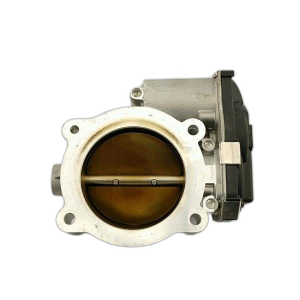
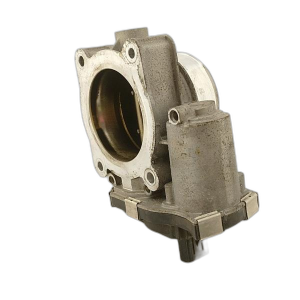
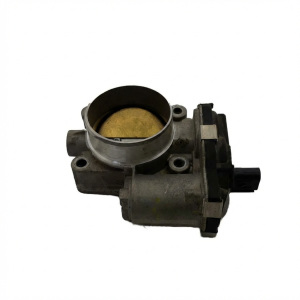
New Aftermarket Parts Available

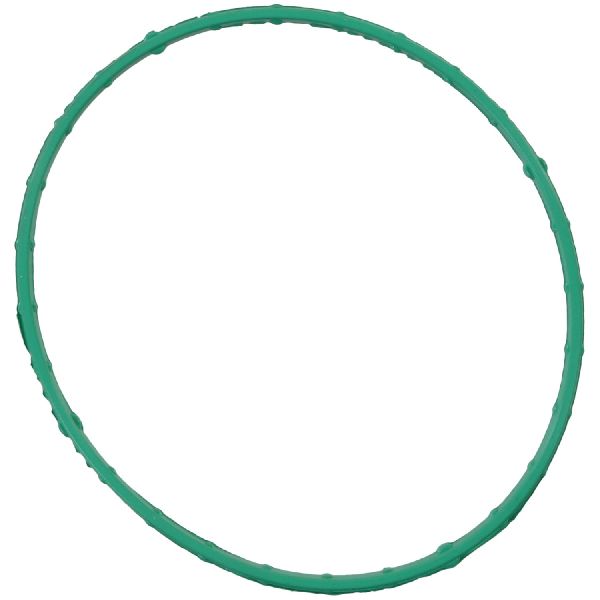


The information in this article is provided for general reference and educational purposes only. Vehicle specifications, procedures, and part compatibility can vary by production date, trim level, and region. Always consult your vehicle's factory service manual and verify part numbers before purchasing or performing repairs. Safety-critical components such as airbags, seat belts, and braking systems should be installed by a qualified professional.
- Chevrolet Equinox:
- 🧭 Diagnostic Flowchart
- 🎬 Helpful Videos
- 🛍️ Shop This Part
- What's Unique About the 2010-2017 Chevrolet Equinox
- Symptoms You May Notice
- Most Likely Causes
- Rare But Worth Checking
- Diagnosis Steps
- Parts You'll Likely Need
- Related Codes That Often Appear With This One
- Technical Service Bulletins (TSBs) & Recalls
- Platform-Specific Known Issues
- Mechanic-Grade Diagnostic Values
- Hidden / Shadow Codes Worth Checking
- Scan Tool Commands That Help
- Wiring & Ground Locations
- Real Owner Repair Stories
- OEM Part Supersession History
- Model Year Variations Within This Range
- Other Known Issues on This Vehicle
- Used vs. New Parts: Buying Guide for This Vehicle
- Real Owner Stories
- 2016 Chevy Equinox 2.4L
- 2010-2017 Chevrolet Equinox 2.4L — ~70000 miles
- 2010-2017 Chevrolet Equinox 2.4L
- Related OBD-II Codes
- Frequently Asked Questions
- 🎟️ Get 5% Off