

P0505 on 1998-2003 Dodge Durango: Idle Control System Causes and Fixes
Code P0505 on a 1st Gen Dodge Durango indicates the computer can't control the engine's idle speed. The most common fix is replacing a faulty Idle Air Control (IAC) valve located on the throttle body, which costs about $30-$80. On 5.9L V8s, this is often a symptom of a deeper issue: a failed intake plenum gasket, which sucks oil into the intake and clogs the IAC.
- P0505 means your Durango's idle speed is out of control, most often due to a bad Idle Air Control (IAC) valve.
- Before replacing parts, always clean the throttle body and IAC port with a dedicated cleaner, as carbon buildup is a very common problem.
- If you have the 5.9L V8, you must check for the classic plenum gasket leak by looking for oil inside the intake manifold; a new IAC will be a temporary fix if the plenum is leaking.
- After replacing the IAC valve, you must reset the computer by disconnecting the negative battery terminal for at least 30 minutes for the PCM to relearn the new valve's position.
- If multiple new IAC valves don't fix the problem and the wiring is good, the expensive Powertrain Control Module (PCM) may have failed.
What's Unique About the 1998-2003 Dodge Durango
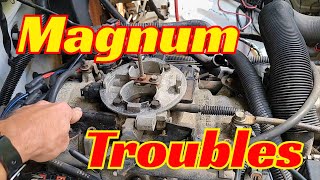
For the 1998-2003 Durango, the cause of P0505 often depends on the engine. While both the 4.7L and 5.9L V8s can suffer from a simple failed IAC valve, the 5.9L Magnum V8 has a well-documented design flaw. Its intake manifold uses a steel plate on the bottom that is prone to leaking. This 'plenum gasket leak' creates an internal vacuum leak that sucks engine oil into the intake, which then fouls the IAC valve and spark plugs, leading to code P0505 and often cylinder misfire codes. This issue is so common that Chrysler issued TSB 09-05-00 acknowledging the problem on Magnum engines.
Symptoms You May Notice
- Engine idles too high (e.g., 1500+ RPM).
- Engine idles too low, is erratic, or stalls when coming to a stop.
- Engine stalls after starting unless you keep your foot on the gas pedal.
- Rough or fluctuating idle.
- Audible sucking or hissing noise from the throttle body or intake manifold area.
- On 5.9L V8s, excessive oil consumption and a puff of blue smoke from the exhaust on startup can also accompany this code, indicating a plenum leak.
- Replacing the Throttle Position Sensor (TPS). While the TPS is located nearby, it measures throttle angle and typically sets different codes when it fails. A bad TPS does not usually cause P0505.
Most Likely Causes
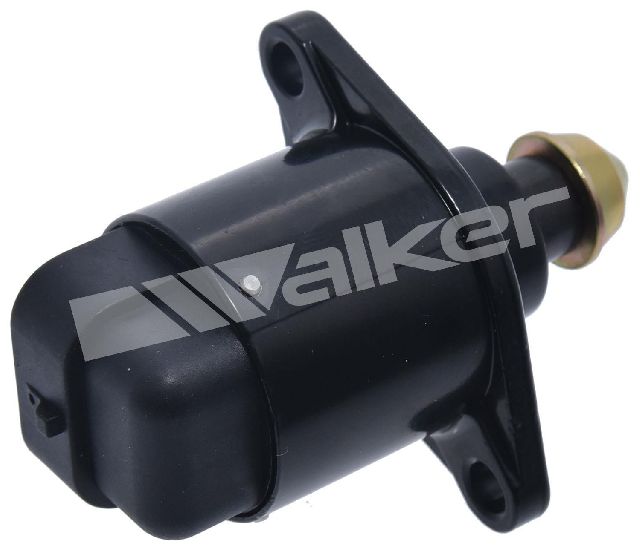
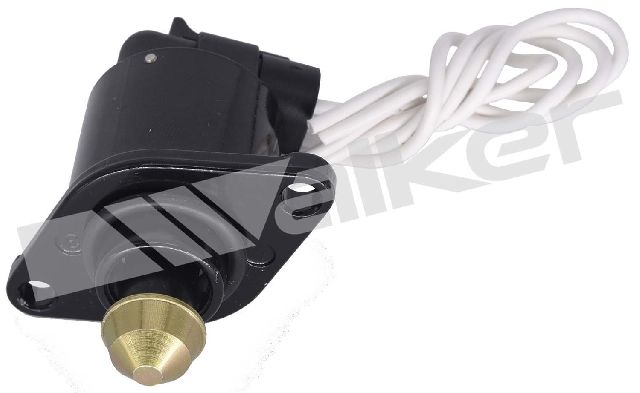
- Faulty or Dirty Idle Air Control (IAC) Valve 🔴 High Probability → Shop Idle Air Control Valve The IAC valve is a small motor with a plunger that constantly moves to regulate airflow. Over time, it gets clogged with carbon buildup or the motor simply wears out, causing it to stick or fail.
How to confirm: Remove the IAC valve from the throttle body (typically held by two T25 Torx screws). Inspect its plunger and the port it sits in for heavy carbon deposits. You can also test the valve's circuit with a multimeter or perform an 'unplug test': if the code doesn't return with the valve unplugged, the valve itself is likely shorted internally. With the valve removed but plugged in, cycling the key to the 'ON' position should cause the pintle to move.
Typical fix: First, try cleaning the IAC valve and the throttle body passages with throttle body cleaner. If this doesn't work, or provides only a temporary fix, replace the IAC valve. 🎬 Watch: How to replace the IAC valve on a 5.9L V8. Always disconnect the battery for at least 30 minutes after replacement to reset the PCM.
Est. part cost: $30 - $80 - Intake Manifold Plenum Gasket Leak (5.9L V8 Only) 🔴 High Probability → Shop Engine Intake Manifold The 5.9L Magnum V8 engine uses a two-piece intake manifold with a steel plate on the bottom. The gasket between the aluminum manifold and steel plate fails due to different thermal expansion rates, creating a vacuum leak that pulls oil from the engine's lifter valley directly into the intake.
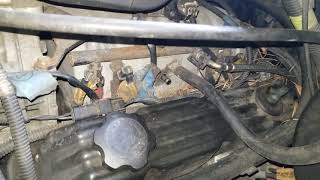
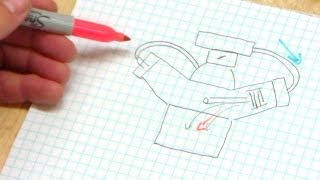
How to confirm: With the engine off, open the throttle plate and use a flashlight to look down into the intake manifold. The presence of pooled liquid oil on the manifold's floor (the 'belly pan') is a definitive sign of a blown plenum gasket. Another test is to remove the PCV valve from the valve cover with the engine running; if you feel a vacuum sucking inward instead of pressure pushing outward, the plenum is likely leaking. 🎬 See how to check if your plenum pan gasket is blown.
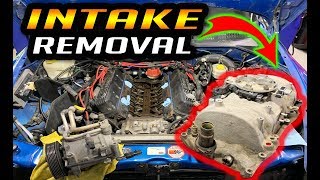
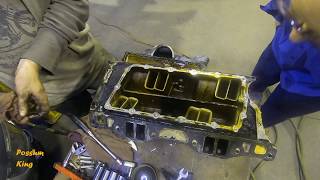
Typical fix: This is an involved repair that requires removing the intake manifold to replace the faulty gasket with an upgraded kit. Many owners opt for a permanent aluminum plate fix from brands like Hughes Engines, which replaces the thin steel plate with a thick 1/4" aluminum one to prevent recurrence. 🎬 Watch this step-by-step guide on repairing the Magnum plenum plate.
Est. part cost: $100 - $250 for an upgrade kit - Vacuum Leak (External) 🟡 Medium Probability The rubber and plastic vacuum hoses in the engine bay become brittle and crack with age and heat cycles, allowing unmetered air to enter the engine and disrupt the air-fuel mixture. The hose to the brake booster is a common culprit.
How to confirm: Visually inspect all vacuum lines connected to the intake manifold for cracks or disconnections. You can also spray short bursts of brake cleaner or starter fluid around suspected vacuum lines with the engine running; a change in idle RPM indicates you've found the leak. A smoke test is the most effective method.
Typical fix: Replace the cracked or broken vacuum hose(s).
Est. part cost: $5 - $30 - Dirty Throttle Body 🟡 Medium Probability → Shop Fuel Injection Throttle Body
How to confirm: Remove the air intake tube from the throttle body and visually inspect the throttle plate and bore for a thick layer of black carbon buildup. This buildup can restrict airflow and interfere with the IAC passages.
Typical fix: Clean the throttle body bore and plate thoroughly with a dedicated throttle body cleaner and a soft brush or rag. Also, clean the IAC passages while the valve is removed.
Est. part cost: $5 - $15 for cleaner
Rare But Worth Checking
- Failed Powertrain Control Module (PCM): → Shop Engine Control Module (ECM) This should be considered a last resort after replacing the IAC valve and verifying the wiring is intact. The internal driver circuit in the PCM that controls the IAC motor can fail, which will set a P0505 code even with a good IAC valve. This is a known issue on these vehicles, as discussed in owner forums.
- Damaged Wiring or Connector: The wiring harness leading to the IAC valve can become frayed, melted, or corroded, causing an open or short in the circuit. This is less common than a failed valve but can mimic its symptoms. Check for 12V power on two of the four pins in the connector with the key on.
Diagnosis Steps
- Read the code with an OBD-II scanner to confirm P0505.
- Visually inspect all accessible vacuum hoses for cracks, brittleness, or disconnection. Pay close attention to the brake booster and PCV hoses.
- If you have the 5.9L V8, open the throttle and look inside the intake manifold for pooled oil, which confirms a plenum gasket leak.
- Remove the air intake hose and inspect the throttle body and IAC passages for heavy carbon buildup. Clean as necessary.
- Remove and inspect the Idle Air Control (IAC) valve. If it's dirty, clean it and the port, reinstall, and reset the PCM by disconnecting the battery for 30 minutes.
- If cleaning doesn't work, test the IAC circuit. With the key on (engine off), unplug the IAC connector and use a multimeter to check for ~12V power on two of the four pins. If voltage is missing, check fuses and wiring.
- If power is present, the IAC valve itself has likely failed. Replace it with a quality part.
- If a new IAC valve does not resolve the issue, perform a smoke test to definitively rule out hard-to-find vacuum leaks.
- If the wiring is confirmed to be good, there are no vacuum leaks, and multiple IAC valves have not fixed the problem, the driver circuit within the PCM is the most likely culprit and the PCM may need to be replaced.
Parts You'll Likely Need
- Idle Air Control (IAC) Valve
(OEM #4861552AC (for 4.7L) / 53030657AC or 53030657AD (for 5.9L))— This is the most frequent failure point for P0505. The internal motor fails or the plunger gets stuck with carbon.
Trusted brands: Standard Motor Products, Delphi, Mopar
OEM price range: $70-$120
Aftermarket price range: $30-$80 - Intake Manifold Plenum Gasket Kit (5.9L V8) — This is the definitive fix for the common plenum leak on the 5.9L V8, which is a primary root cause of P0505 on that engine. The kit should include a new plate, gaskets, and bolts.
Trusted brands: Hughes Engines (1/4" Aluminum Plate), Fel-Pro (Gasket Set)
OEM price range: N/A
Aftermarket price range: $100-$250 - Throttle Body Gasket — It is best practice to replace this gasket anytime the throttle body is removed for cleaning to prevent vacuum leaks.
Trusted brands: Fel-Pro, Mahle
OEM price range: $5-$15
Aftermarket price range: $2-$10
Related Codes That Often Appear With This One
- P0300-P0308 — On the 5.9L V8, a leaking plenum gasket sucks oil into the intake, which can foul spark plugs and cause random (P0300) or specific cylinder (P0301-P0308) misfires.
- P0171/P0174 — A significant vacuum leak from either a cracked hose or the plenum gasket can cause the engine to run too lean, triggering System Too Lean codes for Bank 1 and/or Bank 2.
Technical Service Bulletins (TSBs) & Recalls
- TSB 09-05-00: Addresses spark knock and oil consumption on 3.9L, 5.2L, and 5.9L engines, which is caused by the leaking intake manifold plenum gasket. While not directly for P0505, it diagnoses the root cause of the oil contamination that fouls the IAC valve.
Platform-Specific Known Issues
- The 5.9L Magnum V8 is known for its intake manifold plenum gasket failure. This is not a question of 'if' but 'when' for many owners. The resulting oil consumption fouls components and is a direct cause of P0505. Upgrading to the Hughes Engines aluminum plate is considered a permanent solution by the owner community.
Real Owner Repair Stories
- Multiple owners on DodgeForum.com report chasing a P0505 code by replacing the IAC valve several times, only to find the issue was either a bad PCM driver or a hidden vacuum leak. One user noted that if you can cover the IAC port on the throttle body with your finger while the engine is running and it *doesn't* stall, you almost certainly have a vacuum leak elsewhere. Another owner with a 5.9L V8 finally traced their persistent P0505 to a bad plenum gasket after replacing nearly every other sensor on the engine.
Diagnostic Flowchart
Other Known Issues on This Vehicle
Issues unrelated to this code that are worth knowing about as an owner of this generation:
- Premature Upper Ball Joint Failure 🔴 High — Extremely common on 2000-2003 4x4 models, leading to a major safety recall. Can cause a wheel to separate from the vehicle. (Ref: NHTSA Recall 04V596000 (DaimlerChrysler D47/B47))
- 4.7L V8 Engine Oil Sludge 🟠 Medium — Common if oil change intervals are extended or improper oil is used. The PCV system design can contribute to moisture and sludge buildup in the oil fill tube. (Ref: A revised PCV system was implemented on later models to mitigate this.)
- Automatic Transmission Solenoid Failure 🟠 Medium — Owners report shifting problems, particularly when the transmission warms up, often traced to failing solenoid packs inside the 45RFE/46RE transmissions.
- Cracked Heater Core 🟠 Medium — The heater core is prone to clogging or leaking, resulting in poor heat output or a coolant smell in the cabin. Replacement is labor-intensive as it requires dashboard removal.
- Faulty Central Timer Module (CTM) 🟡 Low — Failure of the CTM can cause erratic behavior of interior electronics, including power locks, interior lights, and the security system. The 'cycling door locks' issue is a common symptom.
- 4.7L V8 Dropped Valve Seats 🔴 High — Occurs primarily after an overheating event. The valve seats can detach from the aluminum cylinder heads, causing catastrophic engine damage.
Real Owner Stories
Aggregated from forums and TSBs cited above. Mileages and costs reflect what owners reported in those sources.
1998-2003 Dodge Durango 5.9L V8
Symptoms: Persistent P0505 code, exploring causes beyond the IAC valve including the plenum leak and potential bad PCM driver.
What fixed it: Cleaning the throttle body seat and addressing the plenum leak; discussion of using a DRBIII tool for the 'Reset IAC' function.
Source hint: DodgeForum.com thread titled 'P0505 information - DodgeForum.com'
Dodge Ram 1500 (Magnum V8)
Symptoms: Extensive troubleshooting for P0505, replaced IAC multiple times, checked wiring and vacuum hoses.
What fixed it: Testing for vacuum leaks using the 'give it the finger trick' by covering the IAC port to see if the engine stalls.
Source hint: DodgeForum.com thread titled 'P0505 Code - Idle Air Control Motor Issues - DodgeForum.com'
Dodge Ram/Durango 5.9L V8
Symptoms: Recurring plenum gasket failure due to the stock thin steel plate and dissimilar metal expansion.
What fixed it: Replacing the stock plenum gasket with a permanent 1/4" aluminum plate fix from Hughes Engines.
Source hint: DodgeForum.com thread titled 'Hughes plenum vs stock - DodgeForum.com'
Related OBD-II Codes
Frequently Asked Questions
I have a 5.9L V8 Durango with P0505; why is there oil inside my intake manifold?
Does TSB 09-05-00 apply to my P0505 issue?
Should I just replace the IAC valve on my 4.7L Durango to fix this?
Is there a permanent fix for the recurring plenum gasket leaks on the 5.9L engine?
How can I tell if my P0505 is a vacuum leak or a bad IAC valve?
Can a bad PCM cause a persistent P0505 code on these trucks?
Helpful Videos
Used OEM Parts in Stock
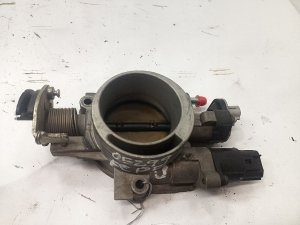
New Aftermarket Parts Available

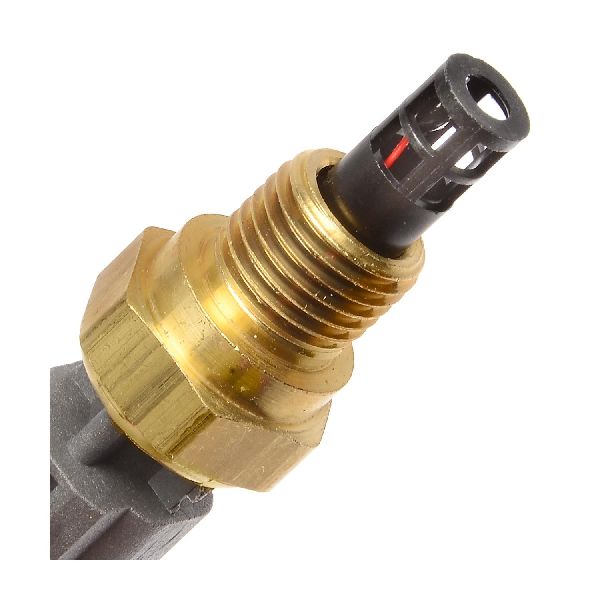

The information in this article is provided for general reference and educational purposes only. Vehicle specifications, procedures, and part compatibility can vary by production date, trim level, and region. Always consult your vehicle's factory service manual and verify part numbers before purchasing or performing repairs. Safety-critical components such as airbags, seat belts, and braking systems should be installed by a qualified professional.
- Dodge Durango:
- 🧭 Diagnostic Flowchart
- 🎬 Helpful Videos
- 🛍️ Shop This Part
- What's Unique About the 1998-2003 Dodge Durango
- Symptoms You May Notice
- Most Likely Causes
- Rare But Worth Checking
- Diagnosis Steps
- Parts You'll Likely Need
- Related Codes That Often Appear With This One
- Technical Service Bulletins (TSBs) & Recalls
- Platform-Specific Known Issues
- Real Owner Repair Stories
- Other Known Issues on This Vehicle
- Real Owner Stories
- 1998-2003 Dodge Durango 5.9L V8
- Dodge Ram 1500 (Magnum V8)
- Dodge Ram/Durango 5.9L V8
- Related OBD-II Codes
- Frequently Asked Questions
- 🎟️ Get 5% Off