

P0505 on 2002-2008 Dodge Ram 1500: Idle Control System Causes and Fixes
P0505 on a 2002-2008 Ram 1500 almost always means the Idle Air Control (IAC) valve is stuck or has failed due to carbon buildup. Cleaning the throttle body and replacing the IAC valve is the most common fix, costing around $40-$90 for the part and is a simple DIY job. Using a quality OEM or aftermarket part is highly recommended, as cheap versions are known to fail quickly.
- P0505 on this Ram is almost always caused by a dirty/failed Idle Air Control (IAC) valve.
- Thoroughly cleaning the throttle body and its air passages is critical when replacing the IAC valve.
- Always perform a PCM reset by disconnecting the battery after the repair to allow the computer to relearn the new idle parameters.
- Use a quality Mopar or reputable aftermarket IAC valve, as cheap parts are known to fail quickly.
- Before assuming the IAC is bad, check for obvious cracked vacuum hoses, as a large vacuum leak can also trigger this code.
What's Unique About the 2002-2008 Dodge Ram 1500
The 2002-2008 (3rd Gen) Ram 1500 uses a cable-actuated throttle with a separate Idle Air Control (IAC) valve across all three engine options for most of this period. Unlike the previous generation which was notorious for plenum gasket leaks causing this code, the 3rd Gen's issue is more straightforward. The problem is almost always carbon and oil vapor buildup from the PCV system caking the throttle body and causing the IAC valve's pintle to stick. The fix is usually cleaning and replacement of the IAC itself, rather than a major internal engine gasket repair. The 4.7L V8, in particular, is known for engine sludge if not maintained, which can exacerbate the fouling of the IAC and throttle body.
Generation note: This guide covers the third generation (DR) of the Dodge Ram 1500. The 2002 model year marked the introduction of this new generation with the 3.7L and 4.7L engines. The 5.7L Hemi V8 was added in 2003. All three engines in this year range use a similar idle air control system, though part numbers may vary slightly. A key change occurred on the 5.7L Hemi around 2005, when it switched to a fully electronic throttle body (Drive-by-Wire), which does not use a separate IAC valve. The 3.7L and 4.7L engines retained the cable-actuated throttle and separate IAC valve for longer.
Symptoms You May Notice
- Engine stalls when coming to a stop or at low speeds
- Idle RPM is too high (e.g., 1500+ RPM) or too low (e.g., under 500 RPM)
- Erratic, surging, or bouncing idle speed
- Difficulty starting the engine without pressing the gas pedal
- Check Engine Light is on
- A 'hanging' idle that is slow to drop when coming to a stop
- Replacing the Throttle Position Sensor (TPS). The TPS is located on the opposite side of the throttle body and has its own set of trouble codes. It does not control idle speed and is not a cause for P0505.
Most Likely Causes
- Dirty or Failed Idle Air Control (IAC) Valve 🔴 High Probability → Shop Idle Air Control Valve The PCV (Positive Crankcase Ventilation) system routes oil vapors into the intake, which combine with carbon to form sludge that gums up the IAC valve pintle and passages. The 4.7L engine is particularly susceptible to sludge buildup which accelerates this process.
How to confirm: Remove the IAC valve from the throttle body (typically held by two T25 Torx screws). Inspect the pintle and air passages for heavy carbon buildup. The valve may be stuck and difficult to move by hand. Test the internal motor with a multimeter for proper resistance between pin pairs.
Typical fix: Replace the Idle Air Control (IAC) valve and thoroughly clean the IAC passages and the entire throttle body with throttle body cleaner and a brush. It is highly recommended to use a Mopar or high-quality aftermarket part, as cheap replacements are known for premature failure.
Est. part cost: $40-$90 - Dirty Throttle Body 🔴 High Probability → Shop Fuel Injection Throttle Body Identical to the IAC valve, the throttle body bore and plate get coated in carbon from the PCV system, restricting airflow at idle and preventing the IAC from functioning correctly.
How to confirm: Remove the air intake hose from the throttle body. Visually inspect the inside of the throttle body and the edges of the throttle plate for a thick black ring of carbon.
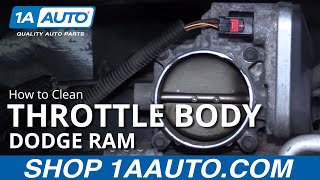
Typical fix: Remove the throttle body from the intake manifold. Clean it thoroughly on both sides with throttle body cleaner and a non-abrasive brush. Replace the throttle body gasket upon reinstallation. 🎬 Watch: How to properly clean the throttle body assembly.
Est. part cost: $5-$15 for cleaner and a gasket - Vacuum Leak 🟡 Medium Probability Rubber vacuum hoses become brittle and crack with age and heat cycles. A notorious failure point on the 4.7L V8 is the PCV hose elbow on the rear of the intake manifold, which deteriorates and causes a large, hidden leak. Intake manifold gaskets are also a very common failure on the 4.7L.
How to confirm: With the engine running, listen for hissing sounds. You can also carefully spray short bursts of brake cleaner around suspected leak areas (like gasket edges and hose connections); a change in engine idle indicates a leak. A smoke test is the most definitive method to find leaks, especially from the intake manifold gaskets.
Typical fix: Replace the cracked vacuum hose or faulty gasket. The rear PCV elbow on the 4.7L is difficult to access but is a common and necessary repair.
Est. part cost: $10-$50 for hoses, $50-$200 for intake gaskets
Rare But Worth Checking
- Faulty Powertrain Control Module (PCM): → Shop Engine Control Module (ECM) This is very rare. Before condemning the PCM, you must rule out a bad IAC valve, wiring issues, and all vacuum leaks. The driver circuit inside the PCM that controls the IAC motor can fail, but this should be the absolute last diagnosis.
- Wiring Harness or Connector Damage: The wires leading to the IAC can become frayed, melted, or corroded over time. If a new IAC valve doesn't fix the problem, check the connector for damage and test the wires for continuity and proper voltage signals from the PCM.
Diagnosis Steps
- Scan for trouble codes to confirm P0505 and check for any other related codes like P0171/P0174.
- Visually inspect all vacuum hoses connected to the intake manifold for cracks, breaks, or loose connections. On the 4.7L V8, pay special attention to the PCV hose and the rubber elbow on the rear of the intake manifold. 🎬 Watch this video to find and fix common vacuum leaks.
- Remove the air intake duct from the throttle body.
- Inspect the throttle body bore and IAC passages for heavy carbon buildup.
- Remove the two T25 Torx screws holding the IAC valve to the throttle body and remove the valve.
- Clean the throttle body and IAC passages thoroughly with throttle body cleaner and a soft brush. Do not spray directly into the IAC electrical connector.
- Install a new IAC valve. 🎬 See this walkthrough for cleaning or replacing the IAC valve. It is often more effective to replace it than to try and clean the old one.
- Install a new throttle body gasket and reinstall the throttle body.
- Reconnect all hoses and electrical connectors.
- Perform an Idle Relearn Procedure: Disconnect the negative battery terminal for at least 15 minutes. Reconnect the battery, turn the ignition key to the 'ON' position (without starting) for 10 seconds, then turn it off. Then, start the engine without touching the gas pedal and let it idle for 5-10 minutes to allow the PCM to relearn the idle values.
Parts You'll Likely Need
- Idle Air Control (IAC) Valve
(OEM #4861552AC, 53030657AC, 4861552AB)— This is the component that most frequently fails or gets stuck due to carbon buildup, directly causing the P0505 code.
Trusted brands: Mopar, Standard Motor Products (SMP), Hitachi, Walker, TRQ
OEM price range: $70-$120
Aftermarket price range: $40-$90 - Throttle Body Gasket — This gasket should always be replaced when the throttle body is removed for cleaning to prevent future vacuum leaks.
Trusted brands: Fel-Pro, Mahle, Mopar
OEM price range: $10-$20
Aftermarket price range: $5-$10
Related Codes That Often Appear With This One
- P0171 / P0174 — These 'System Too Lean' codes strongly indicate a significant vacuum leak is present, which is allowing unmetered air into the engine. This leak is the root cause of both the lean condition and the idle control problem. On the 4.7L, this combination frequently points to failed intake manifold gaskets.
Platform-Specific Known Issues
- The PCV system's rear intake manifold elbow is a notorious failure point. It is made of rubber and sits in a high-heat area, causing it to become brittle, crack, or even melt, creating a large vacuum leak that can be hard to spot.
- This engine is known for developing oil sludge, especially if oil change intervals are extended or low-quality oil is used. This sludge contributes directly to the fouling of the throttle body and IAC valve, making P0505 a more frequent issue.
Mechanic-Grade Diagnostic Values
- IAC Motor Coil Resistance — expected: Approximately 30 ohms between the center pin and each outer pin of a coil set (e.g., pin 2 to pin 1, and pin 2 to pin 3).. Failure: An open circuit (infinite resistance) or a short (near zero resistance) indicates a failed internal coil in the IAC motor.
- IAC Connector Voltage (Key On, Engine Off) — expected: Approximately 12V (battery voltage) on two of the four pins.. Failure: No voltage suggests a power supply issue from the PCM or a break in the wiring.
- IAC Driver Circuit to Ground Resistance (Ignition Off) — expected: Resistance should be above 5.0 ohms.. Failure: Resistance below 5.0 ohms indicates a short to ground in the PCM's driver circuit or the wiring harness.
- IAC Driver Circuit Voltage (Engine Running) — expected: A pulsing voltage signal greater than 5.0V should be present on the control wires from the PCM.. Failure: A steady, non-pulsing voltage or no voltage at all points to a problem with the PCM's driver circuit or a wiring fault.
Scan Tool Commands That Help
- DRB III: Actuate Idle Air Control Motor / IAC Wiggle Test — This factory scan tool command allows a technician to directly command the IAC motor to a specific RPM or to perform a 'wiggle test' while the engine is running. This is used to verify if the IAC motor is physically responding to PCM commands, which helps differentiate between a bad IAC motor, a wiring problem, or a faulty PCM driver.
Wiring & Ground Locations
- IAC Connector Pins (PCM Connector A) — At the Powertrain Control Module (PCM), typically on the firewall.. Knowing the specific pinouts allows for testing continuity and voltage directly from the PCM. For example, on some models: Pin A10 is IAC Driver #2 (Yellow/Black wire), Pin A11 is IAC Driver #3 (Brown/White wire), Pin A19 is IAC Driver #1 (Gray/Red wire), and Pin A20 is IAC Driver #4 (Violet/Black wire).
- G102 / G106 — G102 is the battery ground on the left front of the engine compartment. G106 is on the left rear of the engine compartment.. The PCM and its sensors rely on clean, solid ground connections. A corroded or loose ground at these primary locations can cause erratic sensor readings and incorrect PCM behavior, leading to a variety of codes, including P0505. Technicians often find and fix grounding issues as a root cause for intermittent electronic problems.
Real Owner Repair Stories
- DodgeForum.com user (2000 Dodge Ram Van 1500 3.9L V6 (with engine from '03 Dakota)) — High idle (1500 RPM) and persistent P0505 code.
❌ Tried (didn't work) Replaced IAC valve (twice), Replaced PCV valve and hose, Replaced spark plugs and distributor rotor, Re-routed plug wires per TSB, Replaced brake booster vacuum hose, Performed multiple PCM reset procedures
✅ What actually fixed it The user performed extensive electrical testing, confirming the PCM was sending a pulsed voltage signal to the IAC connector, but the code kept returning. The final resolution was not posted in the thread, highlighting the diagnostic complexity when common fixes fail and wiring appears to be good, often leading towards a suspected intermittent PCM fault.
"I Checked Everything" — The Actual Cause
- In some cases, a smoke test will show no vacuum leaks, the IAC and wiring test good, yet the high idle and P0505 persist. This often points to a faulty driver circuit inside the Powertrain Control Module (PCM). The PCM fails to properly command the IAC to close, but since it's an internal electronic fault, it doesn't present as a typical vacuum leak or wiring issue.
OEM Part Supersession History
4861552AB→4861552AC— Part revision or manufacturer change.
Heads up: The parts are interchangeable. 4861552AC is the current replacement for 4861552AB.
Model Year Variations Within This Range
- 2005-2008 (5.7L Hemi Only): Starting around the 2005 model year, the 5.7L Hemi V8 transitioned from a cable-actuated throttle body with a separate IAC valve to a fully electronic throttle body (Drive-by-Wire). On these later models, the P0505 code is not possible as there is no IAC valve. Idle speed is controlled by the PCM commanding the electronic throttle plate itself. Idle issues on these engines would set different codes related to the electronic throttle control system.
Diagnostic Flowchart
Other Known Issues on This Vehicle
Issues unrelated to this code that are worth knowing about as an owner of this generation:
- Cracked Dashboard 🟠 Medium — Extremely common across 2002-2005 models. The plastic becomes brittle and cracks, often in large pieces, regardless of sun exposure. (Ref: No recall was ever issued, considered a cosmetic problem by the manufacturer.)
- 5.7L Hemi "Tick" / Lifter Failure 🔴 High — Common issue, typically appearing between 70,000 and 130,000 miles. Often caused by lack of oil lubrication to the camshaft at idle. Can be confused with broken exhaust manifold bolts, which is also common.
- 4.7L V8 Oil Sludge Buildup 🔴 High — Very common, particularly in pre-2005 models, but can affect all years. Caused by a combination of PCV system design and heat, leading to oil breakdown. Can cause catastrophic engine failure if severe.
- HVAC Blend Door Failure 🟠 Medium — Common failure where the plastic doors or actuators inside the HVAC box break, resulting in an inability to change air temperature or direction (e.g., stuck on defrost).
- Totally Integrated Power Module (TIPM) Failure 🔴 High — Affects later models in this generation (approx. 2006-2008). The TIPM (fuse box) can fail internally, causing a wide range of bizarre electrical issues, including fuel pump, starter, and lighting problems. (Ref: Subject of numerous complaints and a class-action lawsuit, but recalls were limited.)
- Engine Stalling While Driving 🔴 High — Reported frequently, especially on 2004-2006 models. The engine may shut off unexpectedly at low speeds or while driving, often linked to the TIPM or other electrical issues.
Used vs. New Parts: Buying Guide for This Vehicle
When a used part is the smart pick: A used throttle body assembly from a junkyard can be a cost-effective solution, especially if the issue is suspected to be a worn throttle body shaft and not just the IAC valve. Since the IAC and TPS are often included, it can solve multiple problems at once. However, it's a gamble on the condition of the electronic components.
Donor-vehicle mileage cap: roughly under 120000 miles for the part to have meaningful remaining life.
What to inspect on the donor part:
- Check for minimal carbon buildup inside the throttle bore.
- Manually actuate the throttle plate; it should move smoothly with no binding or excessive side-to-side play in the shaft.
- Ensure the electrical connectors are not cracked, corroded, or have bent pins.
- If possible, choose a donor vehicle that appears to have been well-maintained and is from a dry climate to reduce the chance of corrosion.
OEM-only on this vehicle (don't cheap out):
- Powertrain Control Module (PCM) - Used PCMs often have Vehicle Identification Number (VIN) and security mismatches that prevent them from working without expensive dealer programming.
Aftermarket brands forum-validated for this vehicle:
- Standard Motor Products (SMP)
- Hitachi
- Walker
Brands owners have reported issues with on this vehicle:
- Unbranded, 'white box' parts from online marketplaces are frequently cited in forums as failing within weeks or months, leading to the problem returning.
Real Owner Stories
Aggregated from forums and TSBs cited above. Mileages and costs reflect what owners reported in those sources.
Dodge Ram Van (compatible with 2002-2008 Ram 1500 systems)
Symptoms: The owner experienced persistent idle issues and performed extensive troubleshooting including replacing the IAC multiple times, checking wiring, and attempting various PCM reset procedures.
What fixed it: The owner detailed a process of replacing the IAC and performing specific PCM reset procedures to address the motor issues.
Source hint: DodgeForum.com - P0505 Code - Idle Air Control Motor Issues (https://www.dodgeforum.com/forum/dodge-ram-van/399889-p0505-code-idle-air-control-motor-issues.html)
2002-2008 Dodge Ram 1500
Symptoms: General idle instability and P0505 code common to the platform.
What fixed it: Replacing the IAC and thoroughly cleaning the throttle body.
Source hint: DodgeForum.com: Multiple threads corroborate that P0505 is a very common issue
Related OBD-II Codes
Frequently Asked Questions
Why is my 4.7L V8 Magnum more prone to P0505 than other engines?
I replaced my IAC valve with a cheap part from an auto parts store and the code came back. What should I do?
Is there a specific vacuum leak location I should check on my Dodge Ram 4.7L?
How do I perform the Idle Relearn Procedure on my 2002-2008 Ram after cleaning the throttle body?
Could my P0505 code be related to the 'Hemi Tick' on my 5.7L engine?
Does the P0505 issue affect the Dodge Dakota or Durango as well?
Helpful Videos
Used OEM Parts in Stock
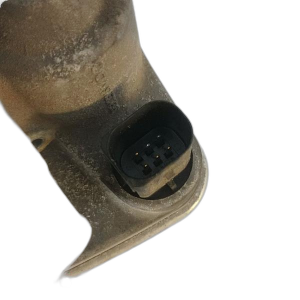
New Aftermarket Parts Available
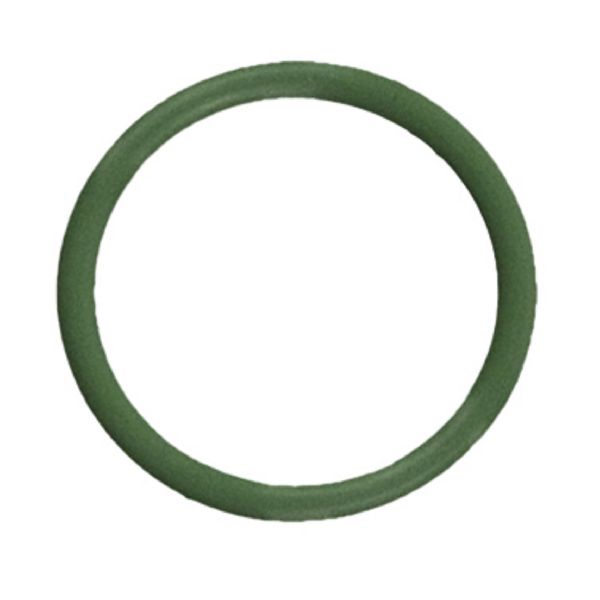
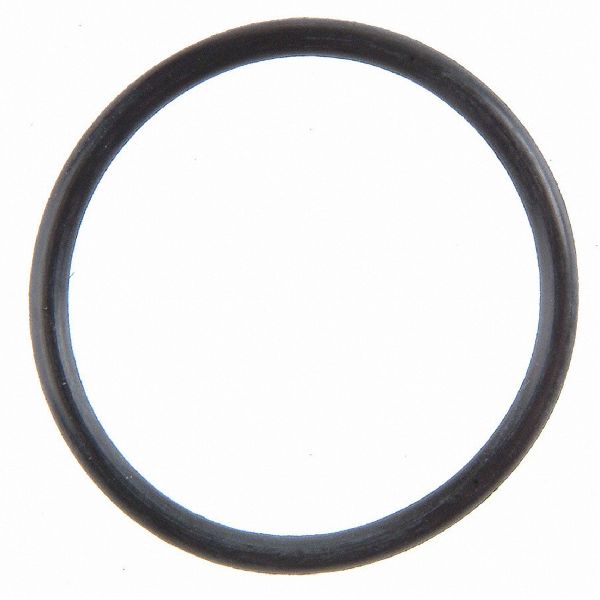


The information in this article is provided for general reference and educational purposes only. Vehicle specifications, procedures, and part compatibility can vary by production date, trim level, and region. Always consult your vehicle's factory service manual and verify part numbers before purchasing or performing repairs. Safety-critical components such as airbags, seat belts, and braking systems should be installed by a qualified professional.
- Dodge Ram 1500:
- 🧭 Diagnostic Flowchart
- 🎬 Helpful Videos
- 🛍️ Shop This Part
- What's Unique About the 2002-2008 Dodge Ram 1500
- Symptoms You May Notice
- Most Likely Causes
- Rare But Worth Checking
- Diagnosis Steps
- Parts You'll Likely Need
- Related Codes That Often Appear With This One
- Platform-Specific Known Issues
- Mechanic-Grade Diagnostic Values
- Scan Tool Commands That Help
- Wiring & Ground Locations
- Real Owner Repair Stories
- "I Checked Everything" — The Actual Cause
- OEM Part Supersession History
- Model Year Variations Within This Range
- Other Known Issues on This Vehicle
- Used vs. New Parts: Buying Guide for This Vehicle
- Real Owner Stories
- Dodge Ram Van (compatible with 2002-2008 Ram 1500 systems)
- 2002-2008 Dodge Ram 1500
- Related OBD-II Codes
- Frequently Asked Questions
- 🎟️ Get 5% Off