

P0505 on 2005-2012 Toyota Avalon 3.5L V6: Idle Control System Causes and Fixes
On a 2005-2012 Avalon, P0505 is almost always caused by a dirty electronic throttle body or a vacuum leak. Cleaning the throttle body and its gasket is a common, low-cost fix (~$15 in materials) that often resolves the issue. If that fails, a faulty throttle body assembly may need replacement. An idle relearn procedure is often required after the fix.
- P0505 on this Avalon means the engine's computer can't control the idle speed correctly.
- The most common and cheapest fix is to clean the carbon buildup from the electronic throttle body.
- Always check for cracked or loose vacuum hoses, especially the PCV hose, as this is a common cause.
- This engine does NOT have a separate Idle Air Control (IAC) valve; don't waste time looking for one.
- If cleaning and fixing leaks don't work, Toyota has a TSB (T-SB-0184-09) that recommends replacing the entire throttle body assembly.
- An idle relearn procedure is often required after performing repairs or disconnecting the battery.
What's Unique About the 2005-2012 Toyota Avalon
The 2005-2012 Avalon's 2GR-FE V6 engine does not have a separate Idle Air Control (IAC) valve, which is a common failure point on older vehicles with this code. Instead, idle control is integrated into the electronic throttle body. Toyota issued a Technical Service Bulletin (T-SB-0184-09) for this exact issue on the Avalon and several other models with the 2GR-FE engine, which points to either vacuum leaks or a faulty throttle body assembly as the primary causes, making diagnosis more straightforward than on other vehicles.
Symptoms You May Notice
- Rough, surging, or fluctuating idle
- Idle speed is too high or too low
- Engine stalling when coming to a stop or at idle
- Hesitation or sluggish acceleration from a stop
- Check Engine Light is on
- Replacing the Mass Airflow (MAF) sensor. While a dirty MAF sensor can cause performance issues, it does not typically cause the P0505 code in isolation on this vehicle.
- Looking for a separate Idle Air Control (IAC) valve. This engine does not have one; the function is built into the electronic throttle body.
Most Likely Causes
- Dirty Electronic Throttle Body 🔴 High Probability → Shop Fuel Injection Throttle Body Over time, carbon and oil residue from the Positive Crankcase Ventilation (PCV) system can build up on the throttle plate and bore. This gummy film restricts the tiny amount of air needed for idle and prevents the plate from moving smoothly to make the fine adjustments commanded by the ECM. This is the most widely reported cause in owner forums.
How to confirm: Remove the air intake hose connected to the throttle body and visually inspect the throttle plate and bore for a black, gummy film of carbon. The buildup is often heaviest on the back side of the plate.
Typical fix: Thoroughly clean the throttle body bore and both sides of the throttle plate using a dedicated throttle body cleaner and a soft cloth or brush. 🎬 Watch: Step-by-step guide to cleaning your throttle body and fixing P0505. It is critical to use a new throttle body gasket upon reassembly to prevent vacuum leaks. Afterwards, an idle relearn procedure may be necessary.
Est. part cost: $10-$25 - Vacuum Leak 🟡 Medium Probability With age and heat cycles, rubber hoses and intake gaskets become brittle and crack. The PCV hose is a particularly common culprit. Any unmetered air that enters the engine after the mass airflow sensor will disrupt the air-fuel ratio and cause the ECM to lose control of the idle speed.
How to confirm: With the engine running, listen for hissing sounds around the intake manifold, PCV hoses, and other vacuum lines. You can also carefully spray short bursts of brake cleaner or use a smoke machine near suspected areas; a change in engine idle indicates a leak. 🎬 See how to easily find vacuum leaks causing engine stalls. TSB T-SB-0184-09 specifically calls for inspecting the PCV hose and air induction system for leaks as a primary step.
Typical fix: Replace the cracked or leaking hose or gasket.
Est. part cost: $15-$100 - Failed Electronic Throttle Body Assembly ⚪ Low Probability → Shop Fuel Injection Throttle Body Toyota TSB T-SB-0184-09 recommends replacing the entire throttle body assembly if no vacuum leaks are found, indicating this is a known, albeit less common, failure mode. The internal motor or position sensors can fail electronically, preventing the throttle plate from responding correctly to the ECM's commands.
How to confirm: After confirming there are no vacuum leaks and that a thorough cleaning of the throttle body did not resolve the issue, this becomes the most likely cause. A professional scan tool can monitor the commanded vs. actual throttle position to help confirm a fault.
Typical fix: Replace the entire electronic throttle body assembly with a new unit and a new gasket. An idle relearn procedure will be required after replacement.
Est. part cost: $200-$500
Rare But Worth Checking
- Faulty Engine Control Module (ECM): → Shop Engine Control Module (ECM) This is a very rare cause. The ECM is the computer that controls the throttle body. Before considering ECM replacement, all other possibilities like wiring, vacuum leaks, and the throttle body itself should be exhaustively ruled out.
Diagnosis Steps
- Read the code with an OBD-II scanner and check for any other stored DTCs. If other codes are present, diagnose them first.
- Visually inspect the air intake system, including the PCV hose and all vacuum lines, for cracks, loose connections, or signs of leaks.
- Remove the air intake duct from the throttle body.
- Inspect the throttle body bore and plate for heavy carbon buildup.
- If dirty, clean the throttle body thoroughly using a dedicated throttle body cleaner and a soft cloth. Do not spray cleaner directly into electrical components.
- Replace the throttle body gasket to prevent future vacuum leaks.
- Reassemble the intake and clear the code. Start the engine and perform an idle relearn procedure. A common method is to warm the engine to operating temperature, turn it off, cycle the ignition ON-OFF twice, then restart and let it idle in Drive (with parking brake set) for 5-10 minutes. 🎬 Watch this video to master the Toyota idle relearn procedure.
- If the code returns, and you are certain there are no vacuum leaks, the electronic throttle body assembly is the most likely faulty component and may require replacement as per TSB T-SB-0184-09.
Parts You'll Likely Need
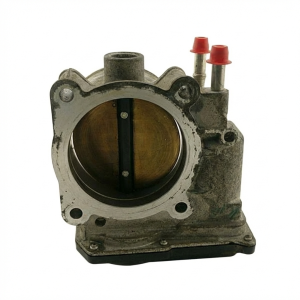
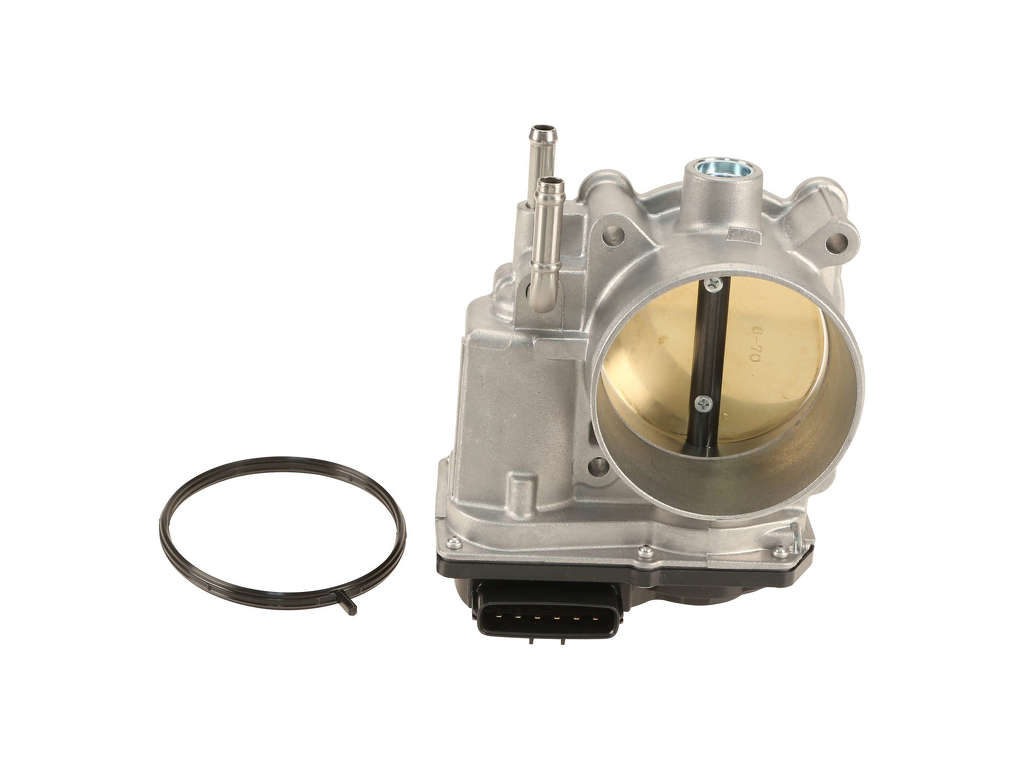
- Electronic Throttle Body Assembly
(OEM #22030-31030)— This is the official fix recommended by Toyota's TSB if cleaning and checking for vacuum leaks does not resolve the P0505 code. This part number is also used on many other 2GR-FE equipped vehicles like the Camry, RAV4, and Lexus ES350/RX350.
Trusted brands: Aisin, Denso, Hitachi
OEM price range: $450-$550
Aftermarket price range: $150-$300 - Throttle Body Gasket
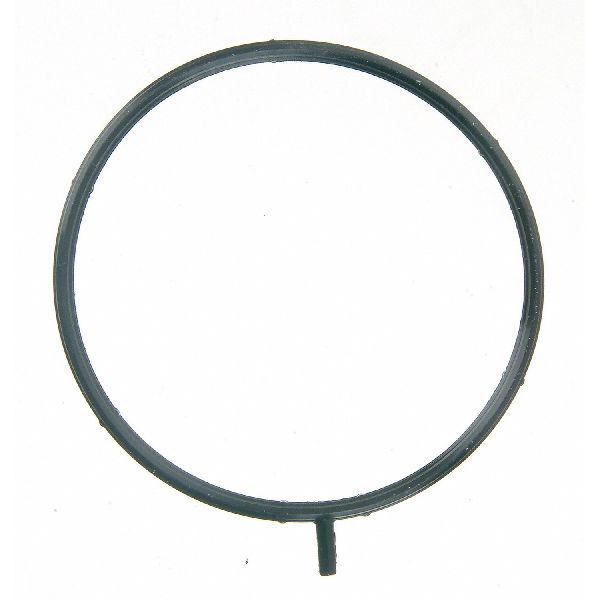
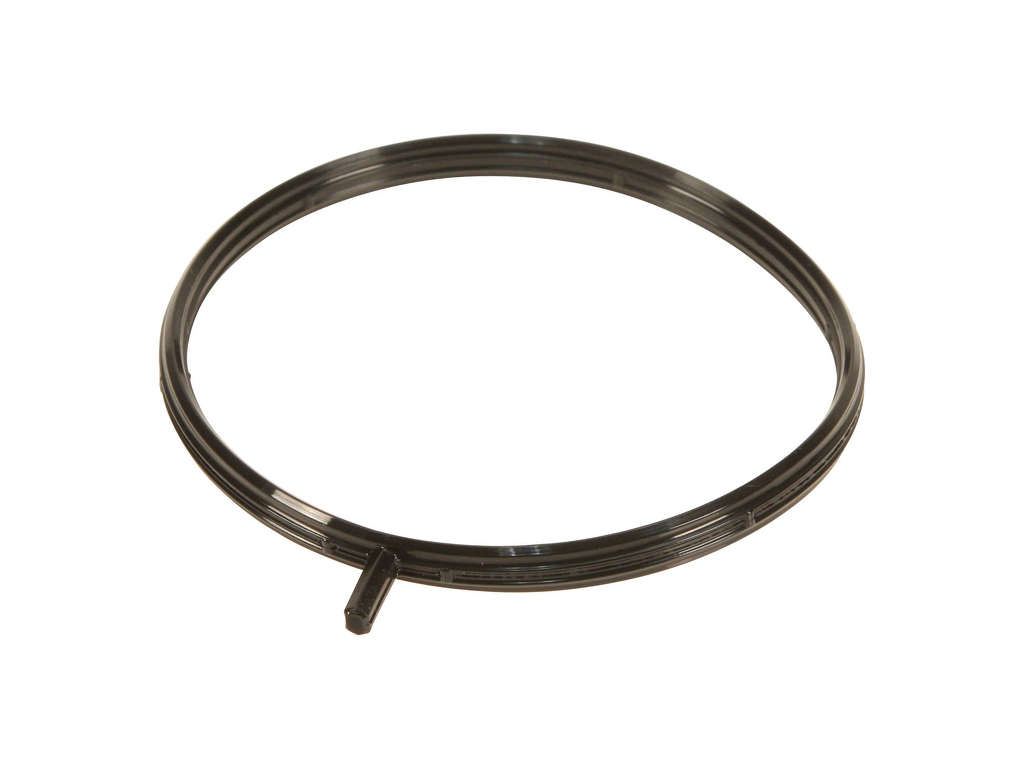
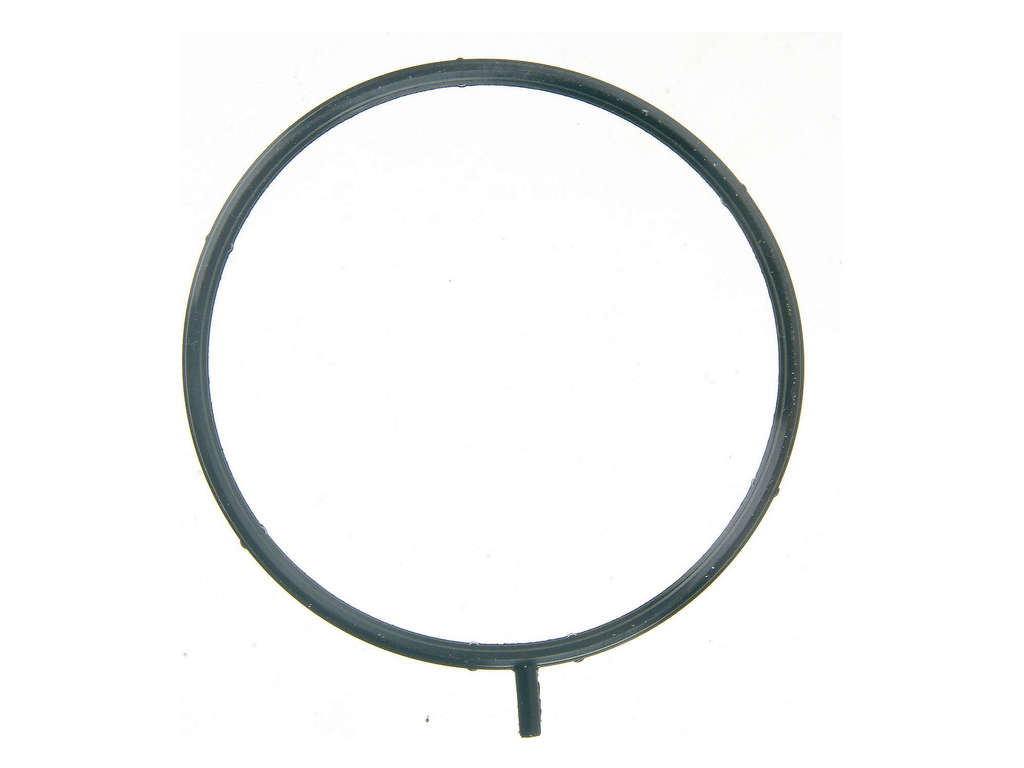
(OEM #22271-0P020)— This gasket should always be replaced whenever the throttle body is removed for cleaning or replacement to prevent vacuum leaks.
Trusted brands: Fel-Pro, Mahle, Toyota OE
OEM price range: $15-$25
Aftermarket price range: $5-$15 - Throttle Body Cleaner — Required for the most common and inexpensive fix: cleaning carbon buildup from the throttle plate and bore.
Trusted brands: CRC, Berryman, Gumout
Aftermarket price range: $8-$15
Technical Service Bulletins (TSBs) & Recalls
- T-SB-0184-09: Addresses MIL ON with DTC P0505 for 2005-2009 Avalon and other 2GR-FE models. The procedure is to inspect for vacuum leaks (PCV hose, intake system) and, if none are found, replace the throttle body assembly.
Platform-Specific Known Issues
- Toyota issued Technical Service Bulletin T-SB-0184-09 specifically for the P0505 code on 2005-2009 Avalons with the 2GR-FE engine, recommending throttle body replacement if vacuum leaks are not present. The same logic applies to 2010-2012 models as the powertrain is identical.
- An idle relearn procedure is often necessary after cleaning the throttle body or disconnecting the battery. Failure to do so can result in a continued high or erratic idle even after the root cause is fixed.
Mechanic-Grade Diagnostic Values
- Throttle Body Motor Resistance — expected: 0.3 to 100 Ω at 20°C (68°F). Failure: A reading outside this range (e.g., open circuit) indicates a failed motor.
- ECM Ground Circuit Resistance — expected: Below 1.0 Ω. Failure: A reading higher than 1.0 Ω indicates excessive resistance in the ground circuit, which can cause erratic ECM behavior.
- Scan Tool Live Data: Throttle Position at WOT — expected: 60% or more. Failure: A value less than 60% at wide-open throttle suggests a fault in the throttle position sensor or throttle body assembly.
- DTC Trigger Condition (from Freeze Frame Data) — expected: Actual idle speed deviation from target is less than 100-200 RPM.. Failure: The P0505 code sets if the ECM records 5 or more instances in a single drive cycle where the actual idle speed varies from the target by more than 100-200 RPM (threshold varies with load).
- Throttle Body Connector Pin Voltages (Key ON, Engine OFF) — expected: VTA1: ~0.5-1.1V (released) to ~2.5-4.5V (depressed), VTA2: ~1.2-2.0V (released) to ~3.4-5.0V (depressed), VC: ~5V reference, E2: Ground (0V). Failure: Voltages that are missing, stuck, or do not change smoothly as the pedal is pressed indicate a wiring or sensor fault.
Hidden / Shadow Codes Worth Checking
- Freeze Frame Data / Mode $06: Toyota systems do not use 'shadow codes' in the same way as some German manufacturers. Instead, critical diagnostic information is stored in the Freeze Frame data when P0505 is set. This data captures a snapshot of all major engine parameters (RPM, coolant temp, vehicle speed, engine load, learned idle air volume) at the moment of the fault. A technician can analyze this to see if the fault occurred when the engine was cold vs. hot, or under A/C load, which helps pinpoint the cause. (see via Any professional OBD-II scan tool, including Toyota's Techstream software.)
Scan Tool Commands That Help
- Toyota Techstream: Reset Memory (or Learning Value Reset) — This function is critical after cleaning or replacing the throttle body, or after fixing a vacuum leak. It erases the old, incorrect idle and fuel trim values stored in the ECM's memory. Failing to perform this reset can cause the high/erratic idle to persist even after the physical repair is complete. The path is typically: Powertrain -> Engine and ECT -> Utility -> Reset Memory.
Wiring & Ground Locations
- Throttle Body Connector (C5) — Directly on the electronic throttle body assembly.. This 6-pin connector provides power and signal lines for the throttle motor and position sensors. Key pins for testing are M+ and M- (motor), VTA1 and VTA2 (position sensors), VC (5V reference), and E2 (sensor ground).
- E1, E03, E04, E05, ME01 — These are critical ECM ground points. On the 2GR-FE, they are typically located on the cylinder heads or engine block, secured by bolts.. A poor ground connection at any of these points can cause the ECM to receive incorrect sensor data or send erratic commands to the throttle body, directly causing idle control issues. Resistance should be checked between the ECM connector pin and the chassis ground.
- Ground Point Ba2 — In the engine compartment, provides a ground path for multiple components including the Engine Control Module.. A corroded or loose main ground point like this can cause widespread electrical issues, including the P0505 code.
OEM Part Supersession History
22030-31030→22030-0P050 (and others)— Standard part evolution and consolidation for different models using the 2GR-FE engine.
Heads up: While multiple part numbers like 22030-31030 and 22030-0P050 are listed for 2GR-FE applications, always verify compatibility with the vehicle's VIN before purchasing. Part number 22030-0T040, for example, is for the smaller 1.8L/2.4L engines and is not compatible.
Model Year Variations Within This Range
- 2005-2012: Wiring colors in the engine control harness, including for the throttle body, may differ for vehicles produced before and after September 2009. This does not change the function or diagnosis but is important to note when consulting a wiring diagram.
Diagnostic Flowchart
Other Known Issues on This Vehicle
Issues unrelated to this code that are worth knowing about as an owner of this generation:
- VVT-i Oil Line Rupture 🔴 High — Common on early production 2GR-FE engines (approx. 2005-2010). A rubber section of the Bank 1 VVT-i oil line degrades and can burst, causing rapid and catastrophic oil loss, leading to engine seizure. (Ref: Toyota issued Limited Service Campaign (LSC) 90K, which expired, to replace the rubber hose (Part No. 15707-31030) with an all-metal line (Part No. 15772-31030).)
- Water Pump Failure 🟠 Medium — The water pump is a known wear item that can fail prematurely, sometimes before 100,000 miles. Failure typically begins with a growling noise or a slow leak from the weep hole before progressing to overheating.
- Melting / Sticky Dashboard 🟡 Low — Common on models produced from 2005-2010, especially in hot climates. The dashboard material can degrade under sun exposure, becoming shiny, sticky, or soft to the touch. (Ref: Toyota initiated a Warranty Enhancement Program (ZE6) to address this, but it has since expired.)
- Transmission Shift Hesitation 🟡 Low — Some owners of various model years within this generation report hesitation or rough shifting, particularly at low speeds between 2nd and 3rd gear.
Used vs. New Parts: Buying Guide for This Vehicle
When a used part is the smart pick: A used OEM throttle body from a reputable salvage yard is a very reasonable choice for this repair. The failure rate is not excessively high, and a used unit is often a fraction of the cost of a new OEM part. Given the primary failure is often electronic, a used part is preferable to a new, unproven aftermarket brand.
Donor-vehicle mileage cap: roughly under 80000 miles for the part to have meaningful remaining life.
What to inspect on the donor part:
- Check for a clean, corrosion-free electrical connector.
- Look at the throttle plate; minimal carbon is okay, but avoid units caked in heavy black residue.
- Ensure there is no physical damage to the housing or connector.
- Ask for the donor vehicle's VIN to verify it had a 2GR-FE engine.
OEM-only on this vehicle (don't cheap out):
- Engine Control Module (ECM)
Aftermarket brands forum-validated for this vehicle:
- Aisin
- Denso
- Hitachi
Brands owners have reported issues with on this vehicle:
- Unbranded, 'white-box' parts from online marketplaces should be avoided, as their internal electronics and motor quality are unverified and can fail prematurely.
Real Owner Stories
Aggregated from forums and TSBs cited above. Mileages and costs reflect what owners reported in those sources.
2005-2012 Toyota Avalon 2GR-FE 3.5L V6
Symptoms: Hesitation below 2k RPM along with code P0505.
What fixed it: Cleaning the throttle body and checking for vacuum leaks.
Source hint: Reddit - r/ToyotaAvalon - Help with P0505, P0100, P0110
2005-2012 Toyota Avalon 2GR-FE 3.5L V6
Symptoms: Idle Control Valve code P0505; owner inquired if cleaning was a viable DIY task.
What fixed it: Cleaning the valve or addressing a vacuum leak.
Source hint: Reddit - r/MechanicAdvice - CODE P0505 Idle Control Valve
Documented NHTSA Reports
NHTSA ODI #11703613
Symptoms: An owner reported an evaporative emission system large leak along with codes P0441, P0505 (Idle control system), P0171 (System too lean Bank 1), P0174 (System too lean Bank 2), and P0172 (System too rich).
NHTSA ODI #11667285 (Toyota RAV4 Reference)
Symptoms: A report for a similar Toyota model noted codes P0171 (System too lean Bank 1), P0505 (Idle Control System), and P117B (Fuel Performance/Direct Injector).
NHTSA ODI #11331260 (Toyota Camry Reference)
Symptoms: An owner of a platform-mate vehicle reported the car was not performing properly with multiple codes including P0171, P0505, P117B, P0441, and P0455, noting a lean fuel/air mixture and fuel pump noise.
NHTSA ODI #10108854 (Toyota Tundra Reference)
Symptoms: A manufacturer report noted that after restarting the vehicle, the check engine light appeared and registered code P0505 for a possible idle control system fault.
Related OBD-II Codes
Frequently Asked Questions
Does TSB T-SB-0184-09 apply to my 2005-2009 Toyota Avalon?
Is there a specific part I should check on my Avalon's vacuum system for this code?
What is the recommended idle relearn procedure for the 2GR-FE engine after cleaning the throttle body?
Can I just clean the throttle body on my 2005-2012 Avalon instead of replacing it?
Are there other Toyota models that share this P0505 issue with the Avalon?
What should I do if cleaning the throttle body doesn't clear the P0505 code on my Avalon?
Helpful Videos

Used OEM Parts in Stock
New Aftermarket Parts Available


The information in this article is provided for general reference and educational purposes only. Vehicle specifications, procedures, and part compatibility can vary by production date, trim level, and region. Always consult your vehicle's factory service manual and verify part numbers before purchasing or performing repairs. Safety-critical components such as airbags, seat belts, and braking systems should be installed by a qualified professional.
- Toyota Avalon:
- 🧭 Diagnostic Flowchart
- 🎬 Helpful Videos
- 🛍️ Shop This Part
- What's Unique About the 2005-2012 Toyota Avalon
- Symptoms You May Notice
- Most Likely Causes
- Rare But Worth Checking
- Diagnosis Steps
- Parts You'll Likely Need
- Technical Service Bulletins (TSBs) & Recalls
- Platform-Specific Known Issues
- Mechanic-Grade Diagnostic Values
- Hidden / Shadow Codes Worth Checking
- Scan Tool Commands That Help
- Wiring & Ground Locations
- OEM Part Supersession History
- Model Year Variations Within This Range
- Other Known Issues on This Vehicle
- Used vs. New Parts: Buying Guide for This Vehicle
- Real Owner Stories
- 2005-2012 Toyota Avalon 2GR-FE 3.5L V6
- 2005-2012 Toyota Avalon 2GR-FE 3.5L V6
- Documented NHTSA Reports
- NHTSA ODI #11703613
- NHTSA ODI #11667285 (Toyota RAV4 Reference)
- NHTSA ODI #11331260 (Toyota Camry Reference)
- NHTSA ODI #10108854 (Toyota Tundra Reference)
- Related OBD-II Codes
- Frequently Asked Questions
- 🎟️ Get 5% Off