

P0506 on 2004-2008 Acura TL: Low Idle Causes and Fixes
On a 2004-2008 Acura TL, code P0506 is almost always caused by carbon buildup in the electronic throttle body. The fix typically involves cleaning the throttle body and performing a mandatory idle relearn procedure. This is a DIY-friendly job costing under $20 for a can of cleaner.
- P0506 on a 2004-2008 TL almost always points to a dirty throttle body.
- The most likely fix is to clean the throttle body with dedicated cleaner, which costs less than $20.
- After cleaning the throttle body or disconnecting the battery, you MUST perform the specific idle relearn procedure for the fix to work correctly.
- Before buying any parts, start with the simple things: check the air filter and clean the throttle body.
What's Unique About the 2004-2008 Acura TL
The third-generation Acura TL uses a 'Drive-by-Wire' electronic throttle body, which means it does not have a separate, older-style Idle Air Control (IAC) valve. Idle speed is managed directly by making small adjustments to the main throttle plate. This design makes the system particularly sensitive to carbon and oil sludge buildup right at the edge of the throttle plate, which can restrict the tiny amount of air needed to maintain a proper idle. Because of this, a thorough cleaning and a subsequent 'idle relearn' procedure is the most common and specific fix for this platform.
Symptoms You May Notice
- Check Engine Light is on
- Engine idles lower than normal, sometimes dropping below 600 RPM
- Rough or vibrating idle
- Engine may stall when coming to a stop, especially with the A/C on or when turning the steering wheel
- Hesitation or difficulty starting the engine
- In some cases, harsh or delayed automatic transmission engagement when shifting from Park/Reverse to Drive.
- Replacing the throttle body before cleaning it. A cleaning is almost always sufficient.
- Forgetting to perform the idle relearn procedure after cleaning the throttle body or disconnecting the battery. This will lead to continued idle problems (either too low or too high).
- Spraying cleaner directly into the running engine or onto the Mass Airflow (MAF) sensor. Cleaner should be applied to a rag or directly to the uninstalled throttle body.
Most Likely Causes
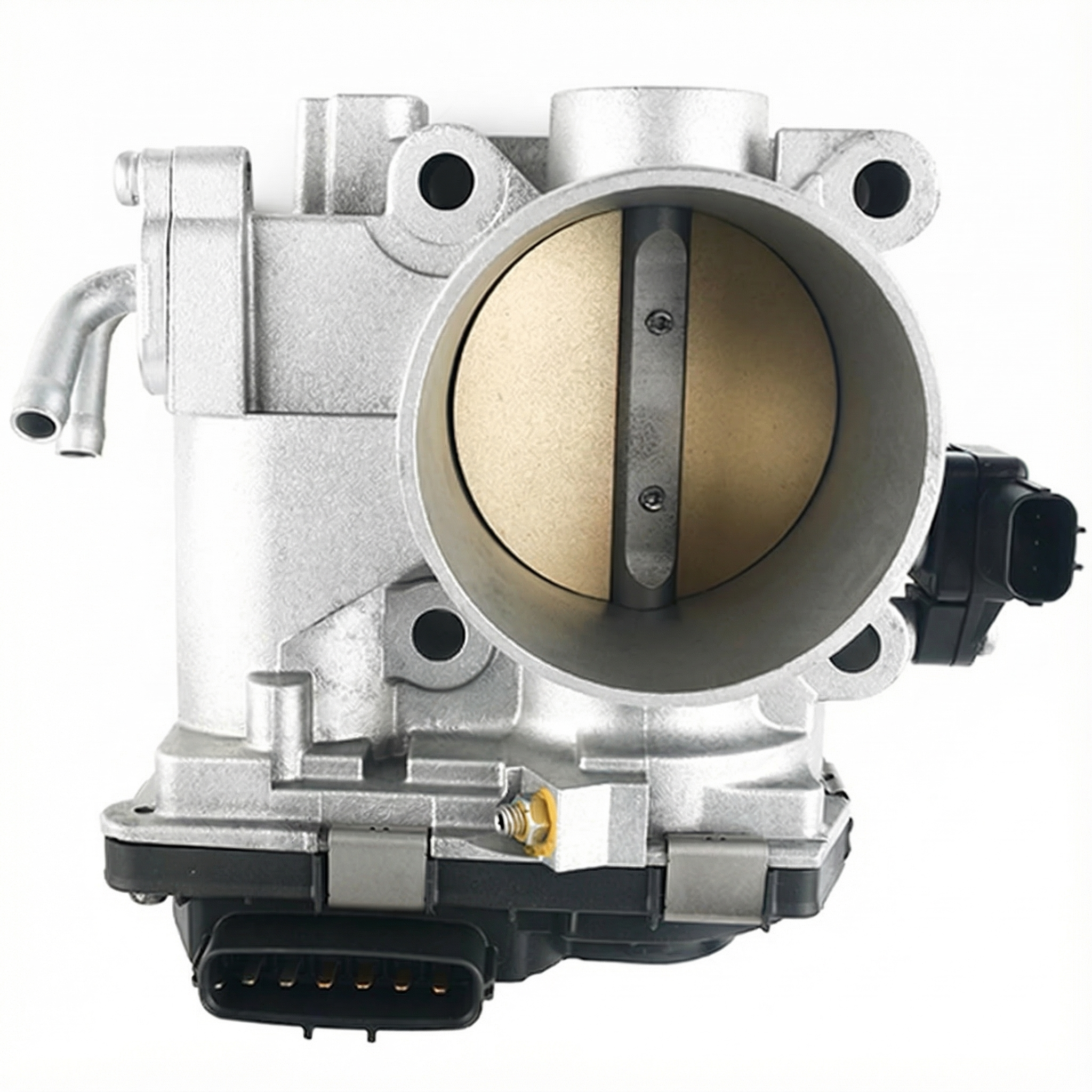
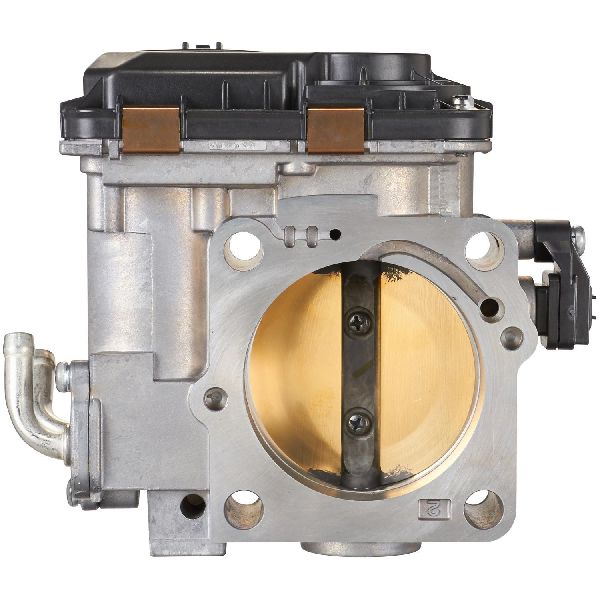
- Dirty Electronic Throttle Body 🔴 High Probability → Shop Fuel Injection Throttle Body The drive-by-wire system is sensitive to buildup. Crankcase vapors (PCV system) are recirculated into the intake, causing oil and carbon to accumulate on the throttle plate and bore over time, restricting the critical idle airflow gap.
How to confirm: Remove the air intake duct from the throttle body and visually inspect the throttle plate and the inside of the bore for a black, sticky layer of carbon. The buildup is often heaviest on the engine side of the throttle plate.
Typical fix: Remove the throttle body for a thorough cleaning using a dedicated throttle body cleaner, a soft brush (like a toothbrush), and a lint-free rag. An idle relearn procedure is mandatory after cleaning.
Est. part cost: $10-$20 - Severely Clogged Engine Air Filter 🟡 Medium Probability → Shop Air Cleaner Assembly
How to confirm: Remove the engine air filter and inspect it. If it is visibly clogged with dirt, leaves, or other debris, it is restricting airflow. One owner on Acurazine found this to be the sole cause after driving in a storm.
Typical fix: Replace the engine air filter. This is a simple maintenance item that should be checked first.
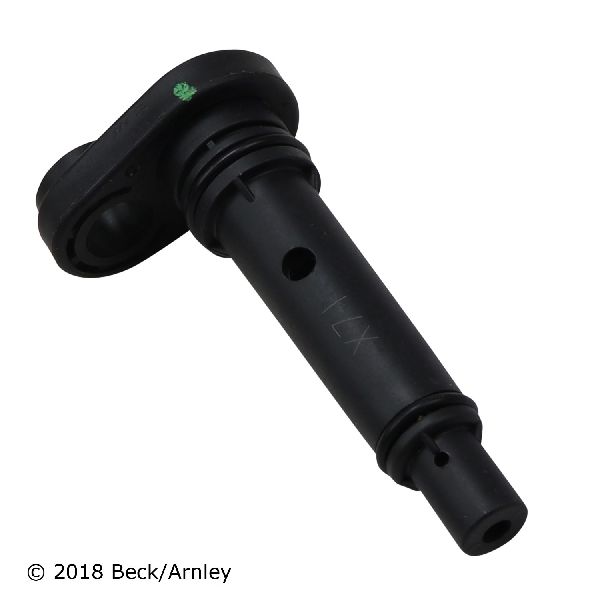
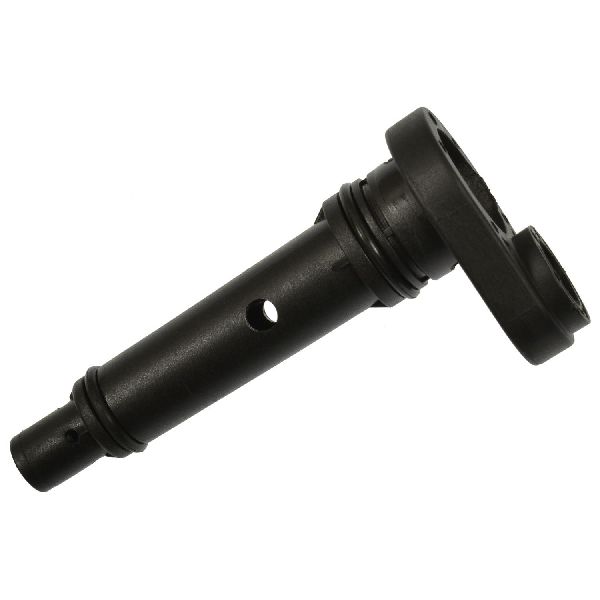
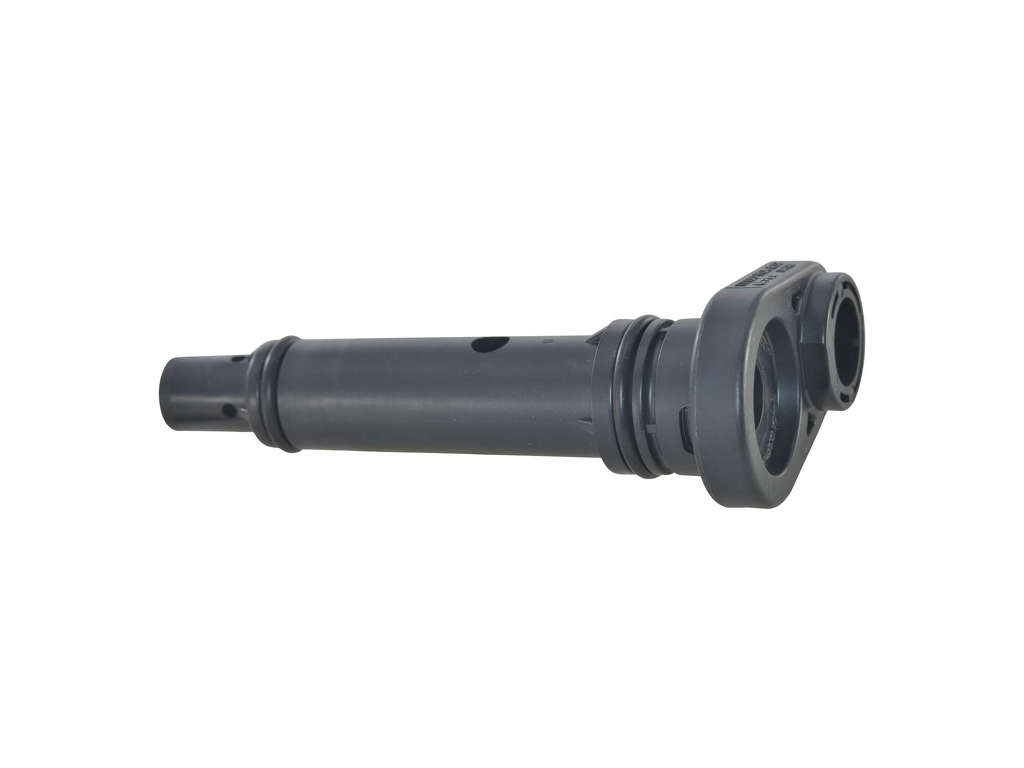
Est. part cost: $15-$40 - Faulty PCV Valve ⚪ Low Probability → Shop PCV Valve The PCV (Positive Crankcase Ventilation) valve can become stuck over time. If it sticks open, it creates a small, unmetered vacuum leak which can disrupt the idle stability.
How to confirm: Remove the PCV valve and shake it. If it does not rattle, it is likely stuck. A smoke test of the intake system can also identify a leaking PCV valve or hose.
Typical fix: Replace the PCV valve and its grommet. It is an inexpensive and easy part to replace as preventative maintenance. 🎬 Watch: How to replace the PCV valve on an Acura V6
Est. part cost: $20-$35
Rare But Worth Checking
- Low A/C System Refrigerant: An Acurazine forum member with a 2010 TL (which shares a similar engine design) reported that a low A/C charge caused the compressor to cycle on and off rapidly, putting a sudden, repeated load on the engine at idle. This dragged the RPMs down and triggered P0506. Recharging the A/C system resolved the issue. If the low idle only occurs when the A/C is on, this is worth investigating.
- Failing Electronic Throttle Body: → Shop Fuel Injection Throttle Body If a thorough cleaning and idle relearn do not solve the problem, and there are no vacuum leaks, the internal motor or position sensor within the throttle body assembly may be failing. This is rare but would require replacing the entire unit.
- Vacuum Leak: While large vacuum leaks typically cause a high idle (P0507), a small or intermittent leak from a cracked hose or faulty gasket can sometimes cause the ECU to overcorrect, resulting in a stumbling, low idle that triggers P0506. A smoke test is the most effective way to find such leaks.
Diagnosis Steps
- Read the code with an OBD-II scanner to confirm P0506 is the primary code.
- Inspect the engine air filter. Replace if it is dirty or clogged.
- Visually inspect the air intake hose between the air filter box and the throttle body for any cracks, tears, or loose connections.
- Remove the intake hose from the throttle body. Inspect the throttle plate and bore for black carbon buildup.
- If dirty, clean the throttle body thoroughly. It is best to remove the four 12mm bolts to take it off the intake manifold for a complete cleaning of both sides of the plate. Use a dedicated throttle body cleaner and a soft cloth or brush. Do not use a wire brush. A new throttle body gasket is recommended.
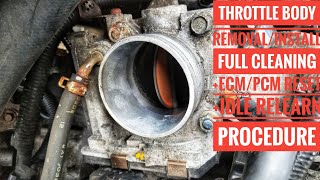
- Reinstall the throttle body and intake hose, ensuring all connections are secure. The four throttle body bolts should be torqued to approximately 16 ft-lbs. 🎬 See this walkthrough for cleaning the throttle body and resetting the ECM
- Perform the Idle Relearn Procedure. This step is critical and must be followed precisely.
- Idle Relearn Procedure:
- a. Make sure all electrical items (A/C, radio, lights, etc.) are OFF.
- b. Reset the ECM/PCM. This can be done by disconnecting the negative battery terminal for several minutes or by using a capable scan tool to clear the throttle position memory.
- c. Turn the ignition key to the ON (II) position for 2 seconds.
- d. Start the engine and hold the RPM at 3,000 in Park or Neutral until the radiator fan comes on, or until the engine coolant temperature reaches 194°F (90°C).
- e. Let the engine idle for approximately 5 minutes with your foot completely off the gas pedal. IMPORTANT: Do not include any time the radiator fan is running in this 5-minute count. If the fan runs, the timer must be paused and resumed after it stops.
- f. Turn the engine off and then restart it. The idle should now be stable around the target RPM.
- If the code returns, perform a smoke test to check for vacuum leaks from hoses, the intake manifold gasket, or the PCV system.
- If no leaks are found and the problem persists, the electronic throttle body assembly itself may be faulty and require replacement.
Parts You'll Likely Need
- Throttle Body Cleaner — This is the required solvent to remove the carbon buildup that is the most common cause of P0506.
Trusted brands: CRC, WD-40 Specialist, Gumout
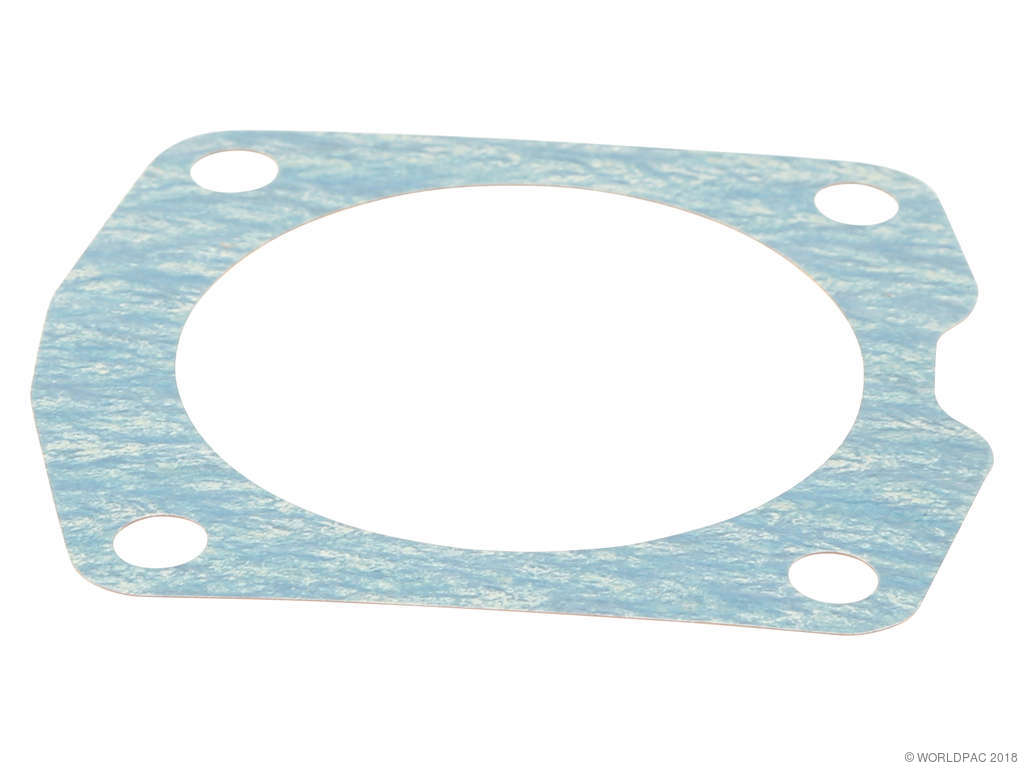
Aftermarket price range: $10-$20 - Throttle Body Gasket
(OEM #16176-RCA-A02)— Recommended to replace whenever the throttle body is removed to ensure a proper seal and prevent vacuum leaks.
Trusted brands: Acura (OEM), Fel-Pro, Mahle
OEM price range: $5-$15
Aftermarket price range: $3-$10 - Electronic Throttle Body Assembly
(OEM #16400-RKB-003)— Only needed in the rare case that a thorough cleaning fails to resolve the issue, indicating a failure of the internal motor or sensor. The part number 16400-RKB-003 supersedes the original 16400-RCA-A01.
Trusted brands: Acura (OEM), Bosch, Hitachi
OEM price range: $400-$550
Aftermarket price range: $150-$250 - PCV Valve
(OEM #17130-RCA-A02)— A potential but less common cause of the code if it gets stuck, creating a vacuum leak. It's an inexpensive part to replace during diagnosis.
Trusted brands: Acura (OEM), Standard Motor Products
OEM price range: $20-$35
Aftermarket price range: $10-$20
Related Codes That Often Appear With This One
- P0507 (Idle Air Control System RPM Higher Than Expected): This code can sometimes appear after cleaning the throttle body if the idle relearn procedure is not performed correctly, as the ECU's learned values are now incorrect for the clean throttle body. —
Mechanic-Grade Diagnostic Values
- Throttle Position Sensor (TPS) Voltage at Closed Throttle — expected: ~0.2V - 1.0V. Failure: A reading of 0V or 5V, or a voltage that does not change smoothly as the pedal is depressed, indicates a sensor or wiring fault.
- Battery/Charging System Voltage at Idle — expected: ~12.5V - 14.5V. Failure: Sustained voltage below 12V can cause various electronic modules, including the one controlling idle, to behave erratically.
Scan Tool Commands That Help
- Autel, Foxwell, or similar professional scanner: Service Function: 'Throttle Position Reset' or 'ECM/PCM Reset' — This is a more reliable and faster alternative to disconnecting the battery to clear the ECU's learned throttle values. It should be used immediately after cleaning or replacing the throttle body, before performing the manual idle relearn procedure.
Wiring & Ground Locations
- G101 — On the engine block or cylinder head, typically near the thermostat housing on the J-series V6 engine.. G101 is a primary engine ground termination point for multiple critical sensors and modules, including the Throttle Actuator Control Module. A loose or corroded G101 ground can cause erratic behavior and fault codes related to the electronic throttle system.
- Throttle Body Connector — A 6-pin connector directly on the electronic throttle body assembly.. Corrosion or a loose connection at this 6-pin connector can interrupt signals between the ECM and the throttle body motor/sensor, directly causing idle control faults like P0506. Wiggling this connector while the engine is running (if possible) may reveal an intermittent connection if the idle stumbles.
Real Owner Repair Stories
- Acurazine forum user 'Teddybear' (2010 Acura TL SH-AWD (4th Gen, but with similar drive-by-wire logic)) — P0506 code triggered at a red light, rough idle, stalling when revved from a stop.
❌ Tried (didn't work) Clearing the code with an OBD2 reader (it returned), Performing an ECU/Transmission reset procedure
✅ What actually fixed it The A/C system was low on refrigerant (freon). The compressor was cycling on and off frequently, causing a significant, repeated dip in engine RPM at idle, which the ECU interpreted as an idle control system failure. Recharging the A/C system resolved the RPM dip and the P0506 code.
"I Checked Everything" — The Actual Cause
- In a documented case on an Acurazine forum for a 2010 TL, a smoke test for vacuum leaks would have come back clean. The actual cause of the P0506 code was a low A/C refrigerant charge, which caused the compressor to rapidly cycle and put a heavy load on the engine at idle, dragging down the RPMs. The fix was an A/C system service, not an engine repair.
OEM Part Supersession History
16400-RCA-A01→16400-RKB-003— Standard part revision and update by the manufacturer.
Heads up: The parts are fully interchangeable. 16400-RKB-003 is the correct service replacement part.
Model Year Variations Within This Range
- 2007-2008 (Type-S only): The Type-S model uses a 3.5L J35A8 engine (vs. the 3.2L J32A3 in the Base model). While the engine displacement is different, the electronic throttle body design, PCV system, and general architecture relevant to P0506 are functionally the same. The diagnostic process does not differ significantly between the Base and Type-S for this specific code.
- 2004-2006 (Manual Transmission Base): The 6-speed manual transmission Base models from 2004-2006 included Brembo brakes and a limited-slip differential (LSD), features later associated with the Type-S. This does not affect the P0506 diagnosis but is a notable variation.
Diagnostic Flowchart
Other Known Issues on This Vehicle
Issues unrelated to this code that are worth knowing about as an owner of this generation:
- Automatic Transmission Failure (2004-2006) 🔴 High — Very common on 2004-2006 models. The design can lead to overheating and failure of the 3rd gear clutch pack. The 2007-2008 models received an updated, more reliable transmission. (Ref: While recalls existed for earlier generations, these model years often experience issues outside of warranty, with many owners reporting failures.)
- Cracked Dashboard 🟠 Medium — Extremely common across all years of the 3rd generation. The dashboard material is prone to developing cracks, especially around the passenger airbag area, due to heat and sun exposure. (Ref: No recall was issued, but it is a widely documented manufacturing defect.)
- HandsFree Link (HFL) Bluetooth Module Failure 🟡 Low — A very frequent problem where the HFL module, located in the overhead console, fails to boot properly. It gets stuck in a loop, gets hot, and creates a parasitic drain that can kill the battery in a few days. (Ref: Acura TSB 08-057 addresses a related software update, but the most common fix is to physically disconnect the module.)
- Worn Front Lower Control Arm Compliance Bushings 🟠 Medium — These rubber bushings wear out over time (typically over 80k miles), leading to a clunking or popping noise from the front suspension when going over bumps or braking.
- Power Steering Pump Whine / Hose Leak 🟡 Low — A common issue is a whining noise from the power steering pump, often caused by a failing O-ring on the pump's inlet hose, which allows air to enter the system. The high-pressure hose is also known to leak over time.
Used vs. New Parts: Buying Guide for This Vehicle
When a used part is the smart pick: A used OEM electronic throttle body from a reputable salvage yard is a very sensible choice for this repair, especially if the original has a confirmed electronic failure (not just dirty). The failure rate of the unit itself is low, and a used part is often a fraction of the cost of a new OEM part.
Donor-vehicle mileage cap: roughly under 120000 miles for the part to have meaningful remaining life.
What to inspect on the donor part:
- Check for a vehicle with a clear history and lower mileage if possible.
- Inspect the connector pins for any signs of corrosion or damage.
- Ensure the throttle plate moves freely and isn't physically damaged (though carbon buildup is expected and can be cleaned).
- Ask for a short warranty period (e.g., 30-90 days) from the salvage yard.
OEM-only on this vehicle (don't cheap out):
- Electronic Throttle Body Assembly: While some aftermarket brands exist, the OEM unit (Keihin, supplied to Acura/Honda) is known for its reliability. Given the sensitivity of the drive-by-wire system, sticking with a used OEM or new OEM part is the safest bet to avoid compatibility or longevity issues.
Aftermarket brands forum-validated for this vehicle:
- For gaskets: Fel-Pro, Mahle
- For PCV Valve: Standard Motor Products (SMP)
Brands owners have reported issues with on this vehicle:
- Unbranded, 'no-name' electronic throttle bodies from online marketplaces. These often have lower quality internal motors and sensors that can fail prematurely or cause inconsistent idle behavior.
Real Owner Stories
Aggregated from forums and TSBs cited above. Mileages and costs reflect what owners reported in those sources.
2004-2008 Acura TL
Symptoms: Rough idle and stalling issues associated with P0506.
What fixed it: Simply cleaning the throttle body resolved the issues.
Source hint: Reddit.com - r/askcarguys - Thread: 'Got a P0506 code -"idle control system RPM lower than expected"?'
2004-2008 Acura TL
Symptoms: P0506 code after driving in a storm.
What fixed it: Replacing a severely dirty K&N air filter that was clogged with leaves.
Source hint: Acurazine.com - Thread: 'P0506 Code help' (https://acurazine.com/forums/1g-tsx-problems-fixes-128/p0506-code-help-762639/)
2009-2014 Acura TL (4G)
Symptoms: P0506 code triggered by excessive load on the engine at idle.
What fixed it: Recharging the A/C system due to a low refrigerant charge.
Source hint: Acurazine.com - Thread: 'Cel p0506' (https://acurazine.com/forums/4g-tl-problems-fixes-297/cel-p0506-981503/)
Related OBD-II Codes
Frequently Asked Questions
Is there a TSB for the Bluetooth module on my 2004-2008 Acura TL that might be related to electrical issues?
Can a low A/C charge cause a P0506 code on my Acura TL?
Do I need to perform a specific procedure after cleaning the throttle body on my TL?
What is the torque specification for the throttle body bolts on the 2004-2008 TL?
Is the transmission failure on 2004-2006 models related to the P0506 idle code?
Can a dirty air filter really trigger a P0506 on this car?
Helpful Videos
Used OEM Parts in Stock
New Aftermarket Parts Available


The information in this article is provided for general reference and educational purposes only. Vehicle specifications, procedures, and part compatibility can vary by production date, trim level, and region. Always consult your vehicle's factory service manual and verify part numbers before purchasing or performing repairs. Safety-critical components such as airbags, seat belts, and braking systems should be installed by a qualified professional.
- Acura TL:
- 🧭 Diagnostic Flowchart
- 🎬 Helpful Videos
- 🛍️ Shop This Part
- What's Unique About the 2004-2008 Acura TL
- Symptoms You May Notice
- Most Likely Causes
- Rare But Worth Checking
- Diagnosis Steps
- Parts You'll Likely Need
- Related Codes That Often Appear With This One
- Mechanic-Grade Diagnostic Values
- Scan Tool Commands That Help
- Wiring & Ground Locations
- Real Owner Repair Stories
- "I Checked Everything" — The Actual Cause
- OEM Part Supersession History
- Model Year Variations Within This Range
- Other Known Issues on This Vehicle
- Used vs. New Parts: Buying Guide for This Vehicle
- Real Owner Stories
- 2004-2008 Acura TL
- 2004-2008 Acura TL
- 2009-2014 Acura TL (4G)
- Related OBD-II Codes
- Frequently Asked Questions
- 🎟️ Get 5% Off