

P0506 on 2014-2017 Buick Regal: Causes for Low Idle Speed and Fixes
On a 2014-2017 Buick Regal, code P0506 is most often caused by a dirty electronic throttle body or loose intake manifold bolts on the 2.0L LTG engine. Cleaning the throttle body is a simple first step. If other codes like P0171, P0101, or P0106 are present, immediately check for loose intake manifold bolts as specified in GM Technical Service Bulletin #PIP5529B, which requires re-torquing with threadlocker.
- P0506 means the engine is idling too slowly.
- For the 2014-2017 Regal, the two most likely causes are a dirty throttle body or loose intake manifold bolts (on 2.0L Turbo engines).
- Start with the easiest and cheapest fix: clean the throttle body and perform an idle relearn.
- If you have multiple other engine codes along with P0506, immediately suspect and check for loose intake manifold bolts as per TSB #PIP5529B.
- Stalling at stops is a real possibility, so address this code promptly for safety.
What's Unique About the 2014-2017 Buick REGAL
For the Buick Regal with the 2.0L LTG turbo engine, this code has a specific, documented cause beyond the usual dirty throttle body. General Motors issued a Technical Service Bulletin (TSB #PIP5529B) acknowledging that loose intake manifold bolts can create a significant vacuum leak. This leak leads to P0506, often accompanied by a wide range of other engine codes related to air/fuel mixture and sensor correlation. This makes checking the manifold bolt torque a critical and primary diagnostic step for this specific platform, which is not a common check on most other vehicles.
Diagnostic Flowchart
Tap your situation to follow the diagnostic path that matches what you're seeing on this vehicle.
Symptoms You May Notice
- Engine idle speed is lower than normal (e.g., below 600-700 RPM)
- Rough or vibrating idle
- Engine stalls when coming to a stop or when shifting into gear
- Hesitation when accelerating from a stop
- Illuminated Check Engine Light
- Engine may be difficult to start when warm
- Replacing the throttle body when it only needed cleaning.
- Replacing O2 sensors or MAF sensors when the root cause is a vacuum leak from loose intake manifold bolts, as the leak causes multiple seemingly unrelated codes.
Most Likely Causes
- Loose Intake Manifold Bolts 🔴 High Probability → Shop Engine Intake Manifold This is a well-documented issue for the 2.0L LTG engine in this vehicle, as per GM TSB #PIP5529B. The bolts can loosen over time, causing a significant unmetered vacuum leak at the manifold-to-head gasket surface.
How to confirm: Check for the presence of other codes listed in the TSB (P0068, P0101, P0106, P0171, P0131, etc.). Manually check the torque of the intake manifold bolts. A smoke test of the intake system will also reveal a leak at the manifold gasket if the bolts are loose.
Typical fix: Per TSB #PIP5529B, remove one bolt at a time, apply medium-strength threadlocker (like Loctite Blue), reinstall, and torque to the manufacturer's specification (typically 18 lb-ft or 25 Nm) in the correct sequence. The intake gasket should only be replaced if it's damaged, which is not usually necessary for this repair.
Est. part cost: $5-$15 for threadlocker - Dirty Electronic Throttle Body 🔴 High Probability → Shop Fuel Injection Throttle Body Carbon and oil vapor from the PCV system can build up around the throttle plate and bore, restricting the small amount of air needed for idle. This forces the idle RPM down, triggering the code. This is a very common issue on most modern fuel-injected vehicles.
How to confirm: Remove the air intake tube connected to the throttle body and visually inspect the throttle plate and bore for black, sticky carbon buildup. The buildup is often worst on the side facing the intake manifold.
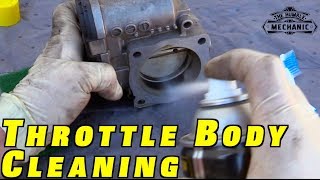
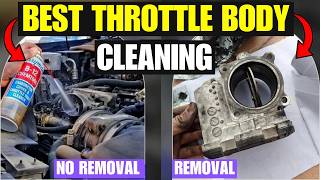
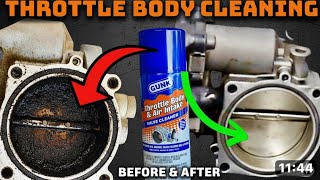
Typical fix: Clean the throttle body bore and plate using a dedicated throttle body cleaner and a soft cloth or brush. Do not spray cleaner directly into the electronic components. 🎬 See this step-by-step guide for cleaning your throttle body safely. An idle relearn procedure is required after cleaning to reset the learned values.
Est. part cost: $10-$20 for cleaner and a new gasket (recommended) - Vacuum Leak (Other than Intake Manifold) 🟡 Medium Probability Hoses, especially those connected to the PCV system, can crack and degrade over time due to heat and oil exposure. A torn PCV diaphragm within the valve cover is also a known issue on GM Ecotec engines that creates a massive vacuum leak.
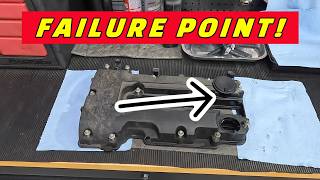
How to confirm: Perform a visual inspection of all vacuum lines for cracks or disconnection, particularly the PCV hoses running to and from the valve cover. For a torn diaphragm, a loud whistling or sucking sound may be heard from the engine cover, and there will be strong suction on the oil fill cap when the engine is running. 🎬 Watch: How to identify a leaking GM integral PCV system. A smoke test is the most effective way to find all other leaks.
Typical fix: Replace the cracked or broken vacuum hose or the entire valve cover assembly if the internal PCV diaphragm has failed.
Est. part cost: $20-$150 depending on the hose or if the valve cover needs replacement - Faulty or Clogged PCV System ⚪ Low Probability A special coverage bulletin existed for 2011-2013 2.4L models for a plugged PCV orifice in the intake manifold. While outside the primary year range, this system can still fail. On the 2.0L LTG, the PCV check valve is often integrated into the valve cover and can tear, causing a large vacuum leak.
How to confirm: Check for excessive pressure or vacuum in the crankcase by removing the oil cap with the engine running. Inspect PCV hoses for blockages or cracks. A whistling noise from the engine cover is a strong indicator of a failed diaphragm on the 2.0L LTG.
Typical fix: Replace the PCV valve/hose assembly. On the 2.0L LTG engine, this often requires replacing the entire valve cover assembly if the internal diaphragm fails.
Est. part cost: $20-$150
Rare But Worth Checking
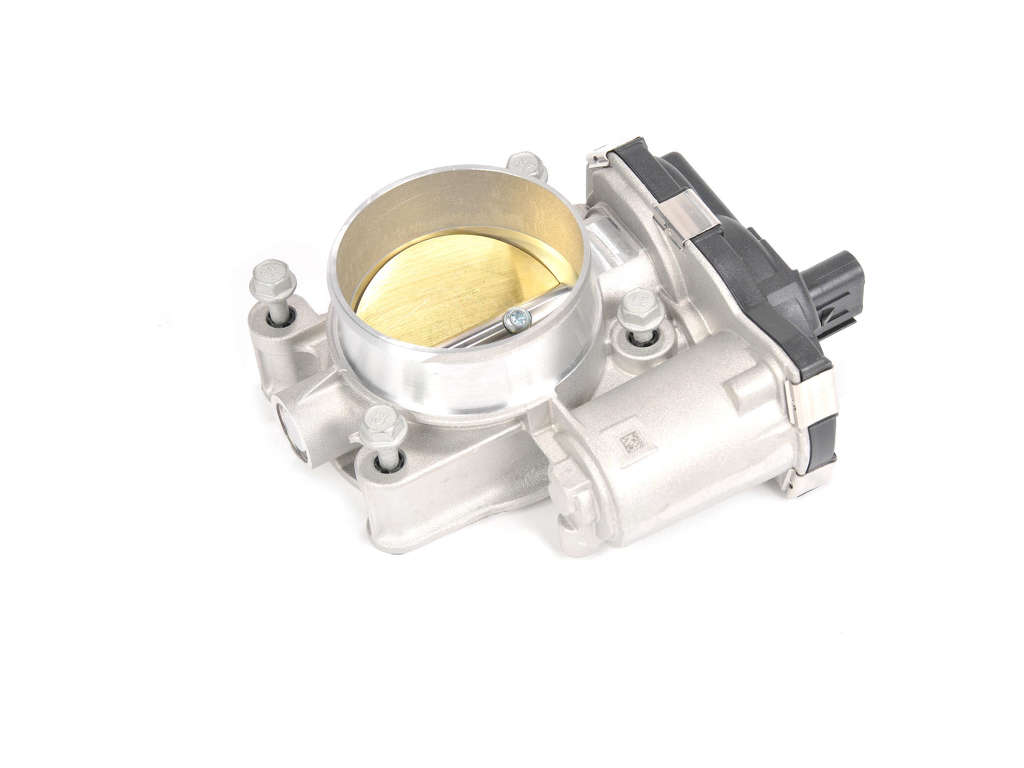
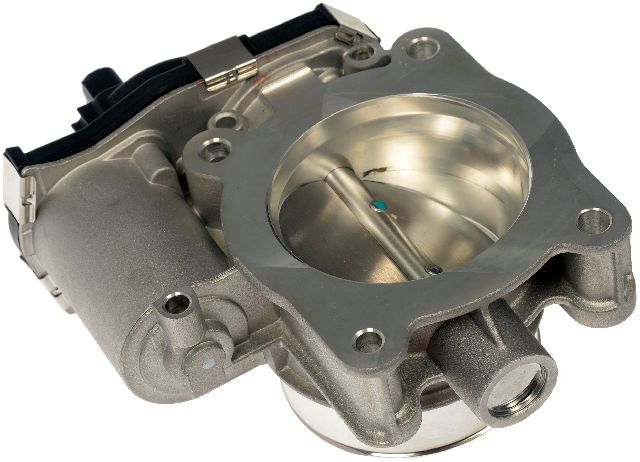
- Failing Electronic Throttle Body: → Shop Fuel Injection Throttle Body While less common than a dirty throttle body, the internal motor or position sensor can fail, preventing it from maintaining the correct idle position. This usually requires replacing the entire unit and performing a programming/relearn procedure.
- Powertrain Control Module (PCM) Issue: In very rare cases, a software glitch or internal hardware failure in the PCM can cause it to command an incorrect idle speed. This should only be considered after all other mechanical and electrical causes have been exhaustively ruled out.
Diagnosis Steps
- Scan for any other trouble codes. If codes like P0171, P0068, P0101, or P0106 are present on a 2.0L LTG engine, immediately suspect a major vacuum leak from the intake manifold.
- If multiple codes are present, inspect the intake manifold bolts for proper torque per TSB #PIP5529B. The torque spec is typically 18 lb-ft (25 Nm). If loose, correct as specified in the TSB by removing one bolt at a time, applying threadlocker, and re-torquing in sequence.
- If P0506 is the only code, start by inspecting the air intake tube for cracks and the air filter for restrictions.
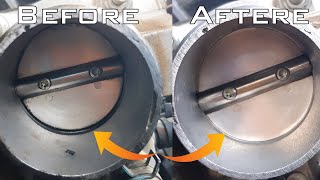
- Remove the intake tube from the throttle body and inspect for heavy carbon buildup. Clean the throttle body thoroughly if it is dirty, using proper throttle body cleaner and a soft cloth.
- After cleaning, perform an idle relearn procedure. A common GM method is to turn the ignition to 'ON' for 2 minutes, then 'OFF' for 1 minute. Start the engine and let it idle for 10 minutes without touching the accelerator. Another method involves several drive/idle cycles.
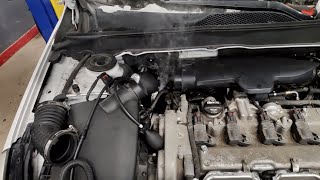
- If the problem persists, perform a smoke test to check for vacuum leaks from hoses, gaskets, or the PCV system. Pay close attention to the PCV hoses and valve cover.
- Inspect the PCV system for clogs or a stuck valve. On the 2.0L LTG, listen for whistling from the valve cover and check for strong suction at the oil cap, which indicates a torn internal diaphragm.
- If no vacuum leaks are found and the throttle body is clean, the electronic throttle body itself may be faulty and require testing or replacement.
Parts You'll Likely Need
- Throttle Body Cleaner — This is the most common fix, used to remove carbon buildup that restricts airflow at idle.
Trusted brands: CRC, ACDelco, Gumout
OEM price range: $10-$15
Aftermarket price range: $8-$12 - Electronic Throttle Body Assembly (2.0L LTG)
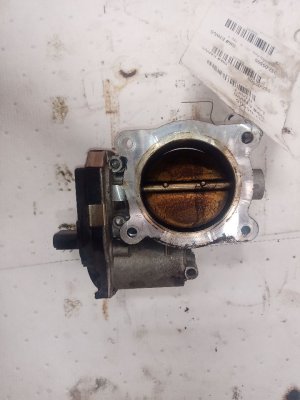
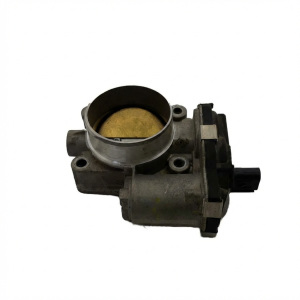
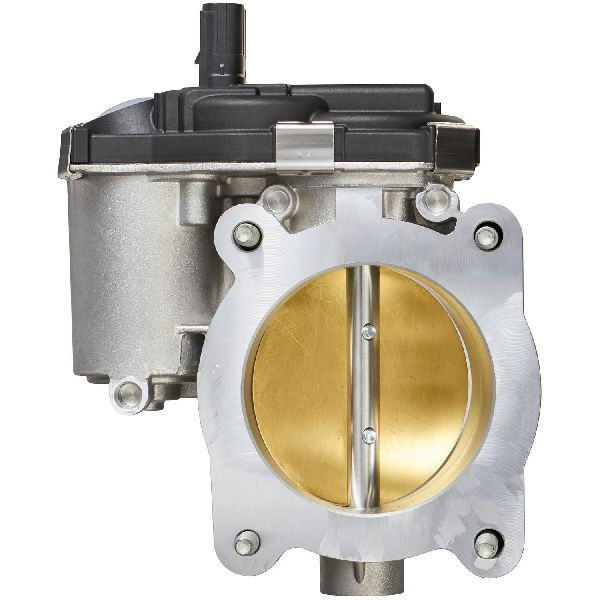
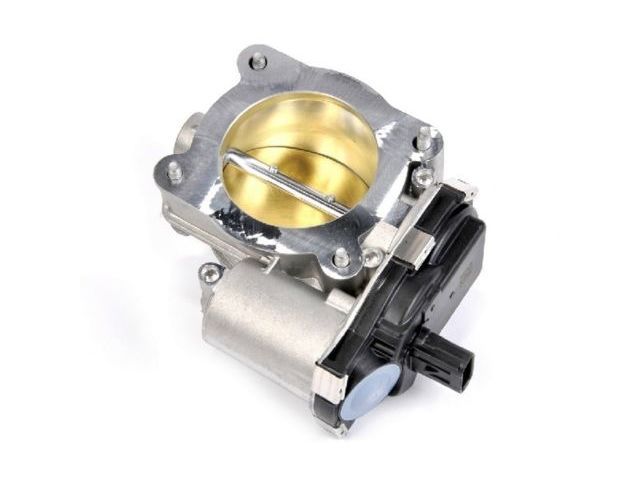
(OEM #12681470)— Replaced only if cleaning does not resolve the issue and the internal motor or sensor has failed. This is the correct part for the 2.0L Turbo engine. Requires a relearn procedure after installation.
Trusted brands: ACDelco, Bosch
OEM price range: $100-$190
Aftermarket price range: $80-$150
Related Codes That Often Appear With This One
- P0171 — System Too Lean. This code is frequently seen with P0506 because a vacuum leak (from loose intake bolts or a cracked PCV hose) introduces unmetered air, creating a lean condition that the ECM detects.
- P0068, P0101, P0106 — These codes relate to MAP/MAF/Throttle Position correlation errors. A large vacuum leak from loose intake manifold bolts can cause the sensor readings to conflict with each other, triggering these codes alongside P0506, as noted in TSB #PIP5529B.
Technical Service Bulletins (TSBs) & Recalls
- PIP5529B: Addresses a stall or hesitation with multiple DTCs, including P0506, P0171, P0101, P0106, and others, caused by loose intake manifold bolts on the 2.0L LTG engine. The specified fix is to apply threadlocker and re-torque the bolts.
Platform-Specific Known Issues
- A known issue documented in TSB #PIP5529B involves loose intake manifold bolts on the 2.0L LTG engine, causing a vacuum leak that triggers P0506 along
Mechanic-Grade Diagnostic Values
- Long-Term Fuel Trim (LTFT) at Idle — expected: -10% to +10%. Failure: A sustained positive value greater than +15% indicates the ECM is adding significant fuel to compensate for unmetered air from a vacuum leak.
- MAP Sensor Voltage (Key On, Engine Off) — expected: ~4.5V at sea level. Failure: A significantly lower voltage (e.g., 2.4V) could indicate a sensor or wiring issue. This reading reflects atmospheric pressure.
- MAP Sensor Voltage (Engine Idling) — expected: ~1.0V to 1.7V. Failure: A higher voltage at idle suggests low engine vacuum, which is a primary symptom of a vacuum leak (the cause of P0506).
- Throttle Position Sensor (TPS) Reference Voltage — expected: 5V DC. Failure: Voltage outside the 4.75V to 5.25V range indicates a problem with the ECM or wiring, not necessarily the sensor itself.
Scan Tool Commands That Help
- GDS2 (GM Dealer Scan Tool): Idle Learn Reset / Throttle Learn Reset — This function must be used after cleaning or replacing the electronic throttle body. It clears the old learned idle airflow values from the ECM, allowing it to adapt to the clean or new throttle plate position.
- Manual Procedure (No Scan Tool): Manual Idle Relearn Procedure — If a scan tool is not available after cleaning/replacing the throttle body. A common method is: Start the engine and let it warm up completely in Park. Let it idle for 3 minutes. Turn the engine OFF for at least 60 seconds. Restart the engine and let it idle for another 3 minutes. The idle should stabilize. A drive cycle with varied speeds and stops may also be required.
Wiring & Ground Locations
- G101 — Located on the lower front of the engine block.. This is a primary ground for the Engine Control Module (ECM) and Mass Air Flow (MAF) sensor. A poor connection here can cause erratic sensor readings and incorrect idle control calculations.
- G103 — Located on the cowl in the left rear of the engine compartment, above the brake booster.. This grounds the Body Control Module (BCM) and the Data Link Connector (DLC). A fault here can cause communication issues with scan tools or other modules that influence engine operation.
- G105 — Located at the left front of the engine compartment, behind the cooling fan relays.. While primarily for lighting and fans, ensuring all major engine bay grounds are clean and tight is a crucial step in diagnosing electronic faults.
OEM Part Supersession History
12632099, 12639457, 12669147, 12670835→12681470— Standard part evolution for improved reliability or manufacturing changes.
Heads up: The superseding part number 12681470 is the correct throttle body for the 2.0L LTG Turbo engine in the 2014-2017 Regal. The previously listed part (12670839) is for the 2.5L engine.
Model Year Variations Within This Range
- 2014+: For the 2014 model year, the 2.0L LTG Turbo engine was significantly updated, receiving a new cylinder head design and a power increase to 259 hp. This makes it important to use parts specified for the 2014+ LTG engine.
Helpful Videos
Used OEM Parts in Stock
New Aftermarket Parts Available



The information in this article is provided for general reference and educational purposes only. Vehicle specifications, procedures, and part compatibility can vary by production date, trim level, and region. Always consult your vehicle's factory service manual and verify part numbers before purchasing or performing repairs. Safety-critical components such as airbags, seat belts, and braking systems should be installed by a qualified professional.
- Buick REGAL:
- 🧭 Diagnostic Flowchart
- 🎬 Helpful Videos
- 🛍️ Shop This Part
- What's Unique About the 2014-2017 Buick REGAL
- Symptoms You May Notice
- Most Likely Causes
- Rare But Worth Checking
- Diagnosis Steps
- Parts You'll Likely Need
- Related Codes That Often Appear With This One
- Technical Service Bulletins (TSBs) & Recalls
- Platform-Specific Known Issues
- Mechanic-Grade Diagnostic Values
- Scan Tool Commands That Help
- Wiring & Ground Locations
- OEM Part Supersession History
- Model Year Variations Within This Range
- 🎟️ Get 5% Off