

P0506 on 2014-2019 Cadillac CTS: Low Idle Causes and Fixes
On a 2014-2019 Cadillac CTS, code P0506 indicates the engine idle speed is too low. The most common cause is a dirty electronic throttle body, which can be cleaned for a low cost. However, a more serious, documented cause is a broken valve spring, which is a significant and expensive repair, especially if codes P0106 or P0300 are also present.
- P0506 on a 2014-2019 CTS means the engine idle is too low.
- Start your diagnosis by thoroughly cleaning the electronic throttle body and performing an idle relearn.
- Do not ignore the possibility of a broken valve spring, especially if codes P0106 or P0300 are also present, as this is a known issue on GM engines of this era.
What's Unique About the 2014-2019 Cadillac CTS
While many vehicles with P0506 simply have a dirty throttle body or a vacuum leak, this generation of Cadillac (and other GM vehicles with the 3.6L V6 and various V8s) has a documented history of this code appearing due to a more severe mechanical problem. Specifically, Technical Service Bulletin PIP5423B directly links P0506 to broken valve springs, especially when it appears with code P0106 (MAP Sensor Performance). This makes it crucial not to automatically assume it's a simple cleaning fix, as ignoring a potential valve spring issue can lead to catastrophic engine failure.
Diagnostic Flowchart
Tap your situation to follow the diagnostic path that matches what you're seeing on this vehicle.
Symptoms You May Notice
- Engine idle is lower than normal (e.g., below 600 RPM)
- Rough, vibrating, or unstable idle
- Engine stalling when coming to a stop or at idle
- Hesitation when accelerating from a stop
- Check Engine Light is on
- A distinct, rhythmic ticking or tapping noise from the engine bay, indicative of a valvetrain problem.
- Replacing the throttle body when it only needed cleaning.
- Replacing the MAP sensor because code P0106 is present. The P0106 code is often a *symptom* of the erratic manifold pressure caused by a broken valve spring, not the cause itself.
- Replacing O2 sensors without diagnosing the root cause, especially when the issue is a simple vacuum leak or dirty throttle body.
Most Likely Causes
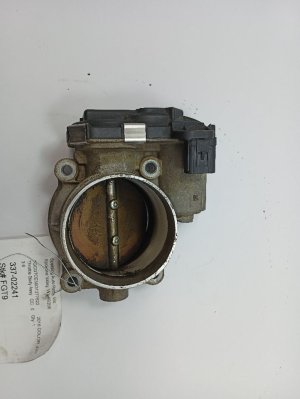
- Dirty or Carbon-Clogged Electronic Throttle Body 🔴 High Probability → Shop Fuel Injection Throttle Body All modern engines with EGR and PCV systems recirculate crankcase vapors and exhaust gases, which can lead to carbon and oil buildup in the throttle body over time, restricting the small amount of air needed to maintain a stable idle.
How to confirm: Remove the air intake duct from the throttle body and visually inspect the throttle plate and bore for a layer of black carbon buildup. The buildup is often heaviest on the back of the plate and the bore where the plate rests at idle.
Typical fix: Clean the throttle body bore and plate with a dedicated throttle body cleaner and a soft cloth or brush. Do not spray cleaner directly into the electronics. An idle relearn procedure is highly recommended after cleaning.
Est. part cost: $5-$15 for cleaner - Vacuum Leak 🟡 Medium Probability Hoses and gaskets made of plastic and rubber can become brittle and crack over time due to heat cycles in the engine bay. Common leak points on the 3.6L LFX engine include the PCV system hoses and the intake manifold gaskets.
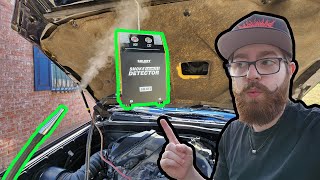
How to confirm: Listen for a hissing sound at idle. A mechanic can perform a smoke test by injecting smoke into the intake system to see where it escapes. This is the most effective method.
Typical fix: Replace the leaking vacuum hose, intake manifold gasket, or other faulty component.
Est. part cost: $10-$200 depending on the source of the leak - Broken Valve Spring ⚪ Low Probability → Shop Engine Valve Spring GM has issued Technical Service Bulletins (TSBs) for various models using the 3.6L, 5.3L, and 6.2L engines, identifying broken valve springs as a cause for P0506, often accompanied by P0106 (MAP Sensor Performance) and P0300 (Random Misfire).
How to confirm: A distinct ticking or tapping noise from the valve cover area is a strong clue. Diagnosis requires removing the valve covers for visual inspection of the springs. A cylinder leak-down test may also be performed to confirm a valve is not sealing properly.
Typical fix: Replace the broken valve spring. It is highly recommended to replace all valve springs on the affected cylinder head (or both heads) at the same time. If the valve has dropped, more significant engine repair or replacement will be necessary.
Est. part cost: $10-$30 for a single OEM spring, but labor is significant (4-6 hours).
Rare But Worth Checking
- Faulty Powertrain Control Module (PCM): This is very rare. All other possibilities, including wiring issues to the throttle body, should be exhaustively ruled out before considering PCM replacement.
Diagnosis Steps
- Check for other DTCs. The presence of codes like P0106 or P0300 is critical information and strongly points towards a mechanical issue like a broken valve spring.
- Listen to the running engine for a rhythmic ticking or tapping sound from the top of the engine, which would suggest a valvetrain problem.
- If no other codes or noises are present, start with the simplest fix. Inspect the air intake system from the air filter to the throttle body for any obstructions or collapsed ducts.
- Remove the intake duct and visually inspect the electronic throttle body for carbon buildup. Clean it thoroughly with throttle body cleaner and a soft cloth if dirty.
- Perform an idle relearn procedure after cleaning the throttle body.
- If the problem persists, check for vacuum leaks using a smoke machine. Pay attention to the PCV system, intake manifold gaskets, and all vacuum hoses.
- If a valvetrain issue is suspected (especially if code P0106 or P0300 is present), the next step is to remove the valve covers to visually inspect the valve springs for breakage. This step may require a professional.
Parts You'll Likely Need
- Throttle Body Cleaner
(OEM #ACDelco 10-201 (X66A))— This is the most common and least expensive first step, as carbon buildup is a frequent cause of a low idle.
Trusted brands: CRC, ACDelco
OEM price range: $10-$15
Aftermarket price range: $5-$10 - Electronic Throttle Body
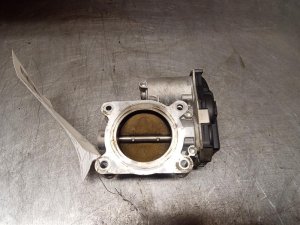
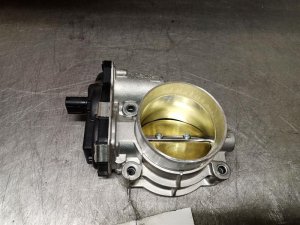
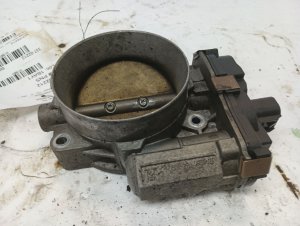
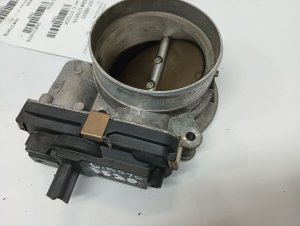
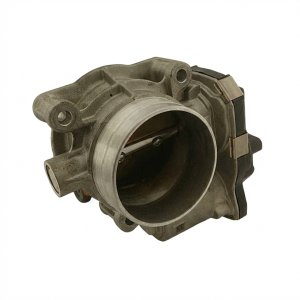
(OEM #ACDelco 12670981 (for 3.6L LFX), ACDelco 12681472 (for 2.0T LTG), ACDelco 12670983 (for 3.6L LF3 Twin Turbo))— If cleaning does not resolve the issue and the internal electronics have failed, the entire unit must be replaced. This is less common than it simply being dirty.
Trusted brands: ACDelco, Bosch, SKP
OEM price range: $250-$400
Aftermarket price range: $150-$250 - Valve Spring
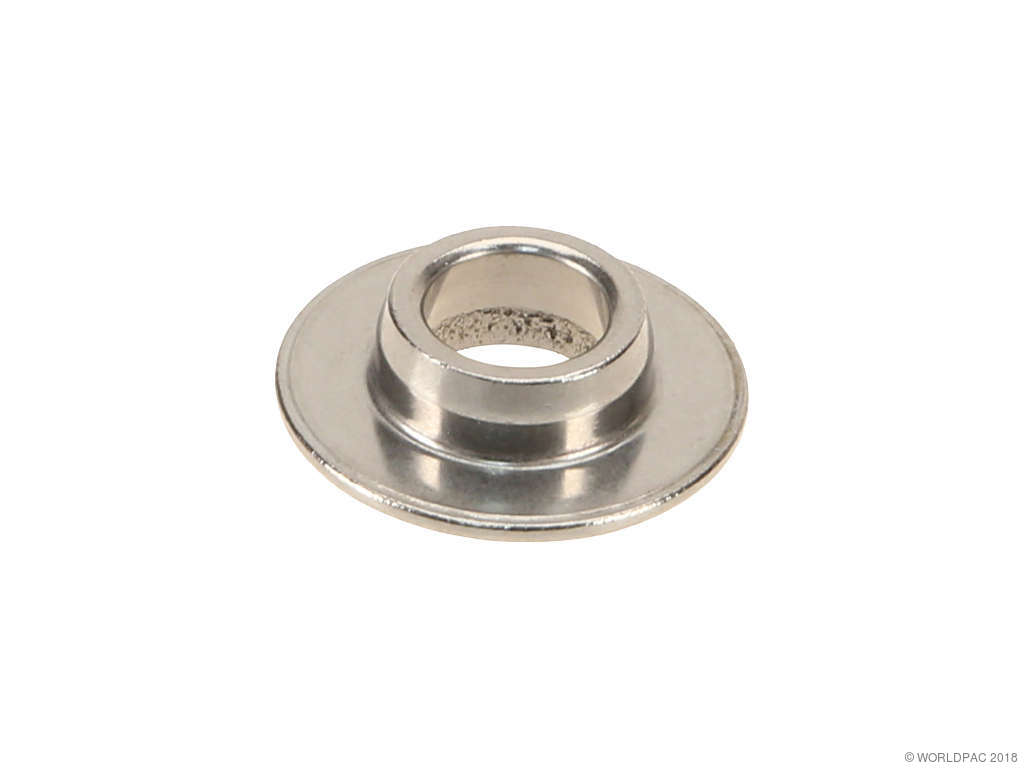
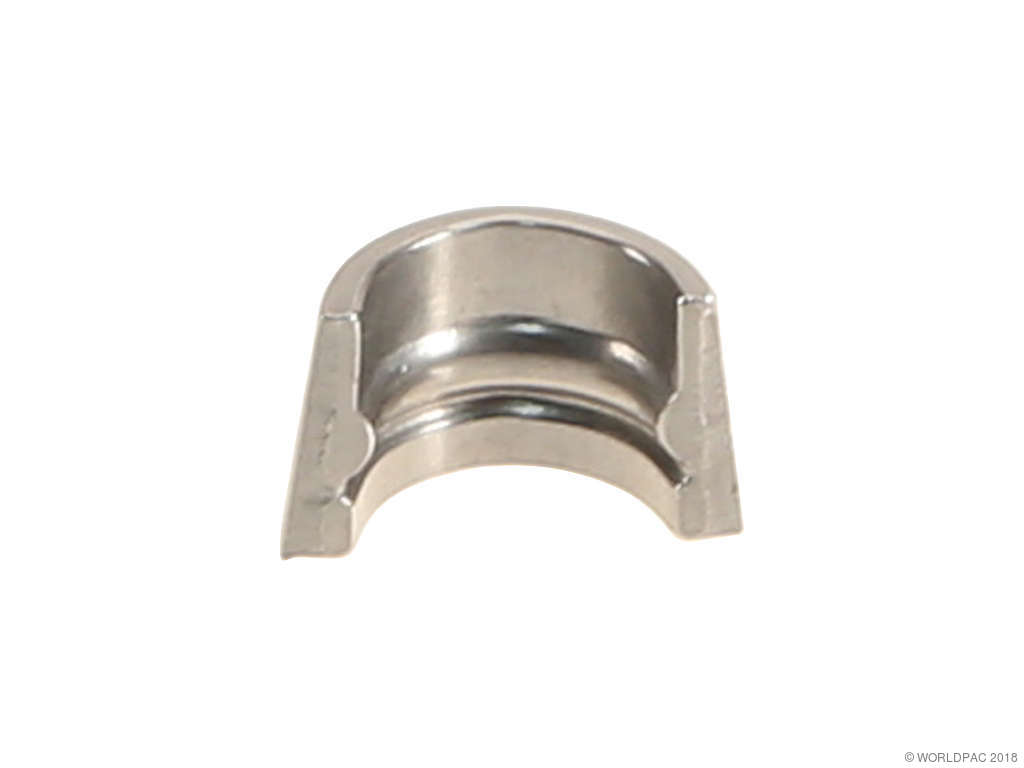
(OEM #ACDelco 12686721 (Fits many GM engines including LFX and LTG))— A known, though less common, cause for this code on GM platforms, as documented in TSBs. Failure leads to improper valve operation and a low, rough idle.
Trusted brands: ACDelco (GM Genuine), Melling
OEM price range: $8-$20 per spring
Aftermarket price range: $6-$15 per spring
Related Codes That Often Appear With This One
- P0106 — The TSB #PIP5423B directly links P0506 and P0106 (Manifold Absolute Pressure/Barometric Pressure Sensor Range/Performance) to a potential broken valve spring. The broken spring causes erratic air pressure in the manifold, which the MAP sensor reports as an out-of-range value.
- P0300-P0308 — A broken valve spring will cause a valve to not seat properly, leading to a loss of compression and incomplete combustion. This results in random (P0300) or cylinder-specific (P0301-P0308) misfires.
Technical Service Bulletins (TSBs) & Recalls
- PIP5423B: Mentions that codes P0106 and P0506 may be found, and the technician should inspect for a broken valve spring.
- PIP5529A: Lists P0506 as one of many potential codes that can illuminate the malfunction indicator lamp.
- PIP5529B: A later version of the above bulletin, also listing P0506 among many other potential codes.
- PIP5752A: A similar TSB for Camaro and Corvette models that also links P0300, P0106, and P0506 to broken valve springs, showing a pattern across GM platforms.
Platform-Specific Known Issues
- TSB PIP5423B: Broken Valve Spring: → Shop Engine Valve Spring This is the most critical TSB. It explicitly states that DTCs P0106 and P0506 can be caused by a broken valve spring and instructs technicians to remove the valve cover to inspect. It applies to a wide range of GM vehicles, including the CTS-V.
- TSBs #PIP5529A and #PIP5529B: General Electrical Faults: These bulletins list P0506 among a large group of codes that can be set due to various electrical system issues, highlighting the need for careful diagnosis and not jumping to conclusions.
- Owner Experience: The Importance of Checking for Other Codes: Forum discussions repeatedly show that when P0506 appears alone, the cause is almost always a dirty throttle body. However, when P0106 and/or P0300 appear with it, the cause is very frequently a broken valve spring, as confirmed by owners who have had the repair done.
Mechanic-Grade Diagnostic Values
- Throttle Body Connector - 5V Reference Voltage — expected: Approximately 5.0 Volts with key on, engine off.. Failure: Fluctuating or absent voltage indicates a wiring or ECM issue, not necessarily a bad throttle body.
- Throttle Body Connector - Ground Pins — expected: Approximately 0.01V - 0.02V.. Failure: Higher voltage readings on ground pins can indicate a poor ground connection, which can cause erratic throttle body behavior.
- Throttle Body Torque Specification — expected: 10-12 Nm (89-106 lb-in).. Failure: Over-tightening can crack the aluminum housing, leading to a vacuum leak.
Scan Tool Commands That Help
- GDS2 / Professional Scan Tool: Idle Learn Reset — This function should be used after cleaning or replacing the electronic throttle body. The ECM stores learned values to compensate for carbon buildup, and these values must be reset for the new, clean throttle plate position to prevent an unstable idle or the return of P0506/P0507 codes.
- GDS2 / Professional Scan Tool: Monitor Desired vs. Actual Idle Speed — During diagnosis, comparing the ECM's commanded idle RPM with the actual RPM reported by the crankshaft position sensor can confirm the fault. If the ECM is commanding 650 RPM but the actual is 550 RPM and the throttle angle is increasing to compensate, it points away from an ECM fault and towards a physical issue (vacuum leak, mechanical restriction, etc.).
Wiring & Ground Locations
- G101 — Located at the front of the engine, lower block.. This is a primary ground for the Engine Control Module (ECM). A poor connection here can cause a wide range of engine management issues, including incorrect idle control, by creating voltage offsets and unstable sensor readings.
- G102 — Located at the left rear of the engine.. This ground is for the ignition coils. While not directly tied to idle control, a faulty ground here can cause misfires (P0300-series codes) which can accompany P0506, especially in valve spring failure scenarios.
- G131 / G136 — Located on the rear of the left cylinder head.. Cylinder head grounds are critical for the sensors located on the engine itself. A loose or corroded ground here could affect sensors that provide input for idle calculations, such as the camshaft position sensors.
- Throttle Body Connector — The 6-pin electrical connector on the electronic throttle body assembly.. Corrosion or loose pins in this connector can interrupt the 5V reference signal, ground, or command signals between the ECM and the throttle body motor, directly causing idle control faults.
"I Checked Everything" — The Actual Cause
- A common scenario on GM 3.6L engines (LFX/LGX) involves a failed PCV valve, which is integrated into the valve cover. A standard smoke test of the intake manifold may not reveal this leak, as the failure is internal to the crankcase ventilation system. Symptoms include a low/stalling idle (P0506), sometimes accompanied by a lean code (P0171). The fix is to replace the entire valve cover assembly.
OEM Part Supersession History
12632172, 12669016→ACDelco 12670981— Standard part evolution for GM's 3.6L LFX engine, likely for improved reliability or manufacturing consistency.
Heads up: The 12670981 part is the current service replacement for many 2012-2015 CTS models with the 3.6L LFX engine. Always verify by VIN, as later models with the LGX engine use a different part.
Model Year Variations Within This Range
- 2014-2015 (and some early 2016): These models primarily used the 3.6L LFX V6 engine. The common throttle body is ACDelco P/N 12670981.
- 2016-2019: These models transitioned to the newer 3.6L LGX V6 engine. The LGX is a significant redesign of the V6 family, sharing very few parts with the LFX. The throttle body, PCV system, and engine management are different, so diagnostic procedures and parts will not be interchangeable with the earlier LFX models. For example, the PCV valve for the LGX is P/N 12714149.
Helpful Videos

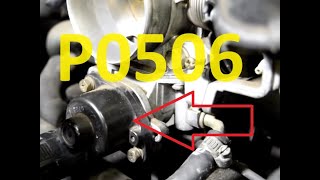
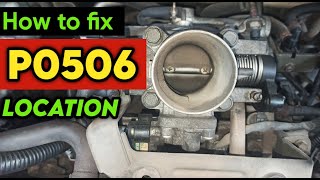
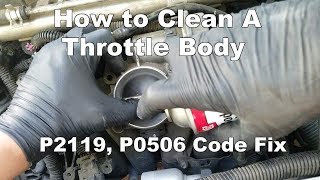
Used OEM Parts in Stock
New Aftermarket Parts Available


The information in this article is provided for general reference and educational purposes only. Vehicle specifications, procedures, and part compatibility can vary by production date, trim level, and region. Always consult your vehicle's factory service manual and verify part numbers before purchasing or performing repairs. Safety-critical components such as airbags, seat belts, and braking systems should be installed by a qualified professional.
- Cadillac CTS:
- 🧭 Diagnostic Flowchart
- 🎬 Helpful Videos
- 🛍️ Shop This Part
- What's Unique About the 2014-2019 Cadillac CTS
- Symptoms You May Notice
- Most Likely Causes
- Rare But Worth Checking
- Diagnosis Steps
- Parts You'll Likely Need
- Related Codes That Often Appear With This One
- Technical Service Bulletins (TSBs) & Recalls
- Platform-Specific Known Issues
- Mechanic-Grade Diagnostic Values
- Scan Tool Commands That Help
- Wiring & Ground Locations
- "I Checked Everything" — The Actual Cause
- OEM Part Supersession History
- Model Year Variations Within This Range
- 🎟️ Get 5% Off