

P0506 on 2015-2018 Cadillac CTS-V: Low Idle Causes and Fixes
On a 2015-2018 Cadillac CTS-V, code P0506 often points to a dirty throttle body, but a known issue is a broken valve spring, especially if code P0106 is also present. Cleaning the throttle body is an easy first step, but a valve spring replacement is a significant repair. This issue is also common on other LT4-powered vehicles like the Corvette Z06 and Camaro ZL1.
- P0506 means the engine is idling lower than the computer's target speed.
- On the 2015-2018 CTS-V, always check for code P0106 or P0300 alongside P0506, as this combination strongly suggests a broken valve spring per multiple manufacturer TSBs.
- The easiest and cheapest first step is to clean the electronic throttle body to remove carbon buildup and perform an idle relearn.
- Do not ignore this code, as it can lead to stalling in traffic and, in the case of a valve spring failure, potentially catastrophic engine damage.
- This is a known issue on the LT4 engine platform, also affecting the C7 Corvette Z06 and Camaro ZL1.
What's Unique About the 2015-2018 Cadillac CTS-V
While most vehicles with a P0506 code suffer from common issues like vacuum leaks or a dirty throttle body, the high-performance 6.2L LT4 engine in the third-generation CTS-V has a specific, documented weakness. A GM Technical Service Bulletin (TSB) directly links P0506, especially when paired with P0106, to a broken valve spring. This elevates a simple low-idle code to a potentially serious internal engine problem that is also seen in its platform mates, the C7 Corvette Z06 and Camaro ZL1.
Diagnostic Flowchart
Tap your situation to follow the diagnostic path that matches what you're seeing on this vehicle.
Symptoms You May Notice
- Rough or unstable idle
- Engine speed drops below the normal 600-800 RPM range.
- Stalling when coming to a stop or at idle.
- Illuminated Check Engine Light
- Hesitation or poor acceleration from a stop.
- Audible ticking or clattering noise from the engine bay 🎬 Watch: Hear what a cracked LT4 valve spring sounds like, indicative of a valvetrain issue.
- Replacing the throttle body when it only needed cleaning.
- Replacing the MAP sensor when P0106 appears with P0506, without first investigating the TSB-indicated valve spring failure.
- Replacing sensors like the Mass Airflow (MAF) or Throttle Position Sensor (TPS) before checking for the more common causes like a dirty throttle body or vacuum leaks.
Most Likely Causes
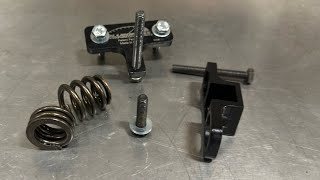
- Broken Valve Spring 🔴 High Probability → Shop Engine Valve Spring A General Motors TSB (#PIP5423B and the related #PIP5752A) specifically identifies broken valve springs as a primary cause for P0506 and P0106 codes on the 6.2L LT4 engine. This is a known weak point across multiple GM platforms using this engine family.
How to confirm: Scan for code P0106 appearing alongside P0506. A technician will then need to remove the valve covers to visually inspect the valve springs for breakage. Per the TSB, if a broken spring is found, a cylinder leakage test should be performed on the affected cylinder to check for further damage before replacing the springs.
Typical fix: The broken valve spring must be replaced. Per TSB PIP5752A, if the vehicle was built within a certain timeframe (e.g., mid-2020 for some models), GM recommends replacing all 16 valve springs on both banks even if only one is found broken. If the valve dropped into the cylinder, more extensive engine repair or replacement is necessary.
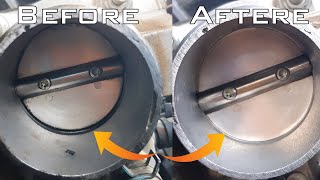
Est. part cost: $20-$50 for a single spring, $300-$600 for a full set. - Dirty or Sticking Electronic Throttle Body 🟡 Medium Probability → Shop Fuel Injection Throttle Body Carbon and oil vapor from the PCV system can build up around the throttle plate, restricting the small amount of air needed to maintain a stable idle. This is a common issue on many modern direct-injection engines.
How to confirm: Remove the air intake tube and visually inspect the throttle body bore and plate for a ring of black carbon buildup. The plate may feel sticky when moved by hand (with the engine off).
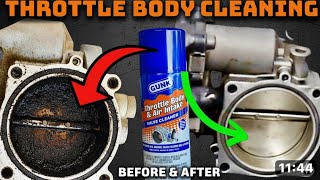
Typical fix: Clean the throttle body thoroughly with a dedicated throttle body cleaner and a soft brush or microfiber towel. 🎬 See this walkthrough on cleaning your throttle body the right way Do not spray directly on the electrical connector. A throttle relearn procedure is often required after cleaning to reset idle parameters.
Est. part cost: $10-$20 for cleaner. - Vacuum Leak ⚪ Low Probability Hoses (especially PCV lines), intake manifold gaskets, and the supercharger lid gasket can crack or degrade over time, allowing unmetered air to enter the engine. This disrupts the air-fuel mixture and can cause the ECM to struggle with idle control.
How to confirm: A smoke test is the most effective method. This involves feeding pressurized smoke into the intake system and watching for where it escapes. Another method involves carefully spraying brake cleaner or a propane torch (unlit) around potential leak points and listening for a change in engine idle.
Typical fix: Replace the leaking hose, gasket, or component. The PCV hose that connects to the intake is a common culprit.
Est. part cost: $10-$200 depending on the source of the leak.
Rare But Worth Checking
- Faulty PCV System:
Diagnosis Steps
- Check for other DTCs. If P0106 and/or P0300 are present, immediately suspect a broken valve spring per TSBs #PIP5423B and #PIP5752A.
- Inspect the air intake system between the air filter and throttle body for any obstructions or unmetered air leaks.
- Remove the air intake duct and inspect the electronic throttle body for carbon buildup. Clean it thoroughly if it's dirty.
- After cleaning the throttle body, perform an Idle Relearn Procedure.
- If the idle is still low, perform a smoke test to check for vacuum leaks from the intake manifold, PCV hoses, supercharger gasket, and other vacuum lines.
- If no leaks are found and P0106/P0300 are present, proceed with removing the valve covers to inspect for a broken valve spring. The TSB also mentions inspecting the intake manifold for a collapsed runner if a broken spring is found.
Parts You'll Likely Need
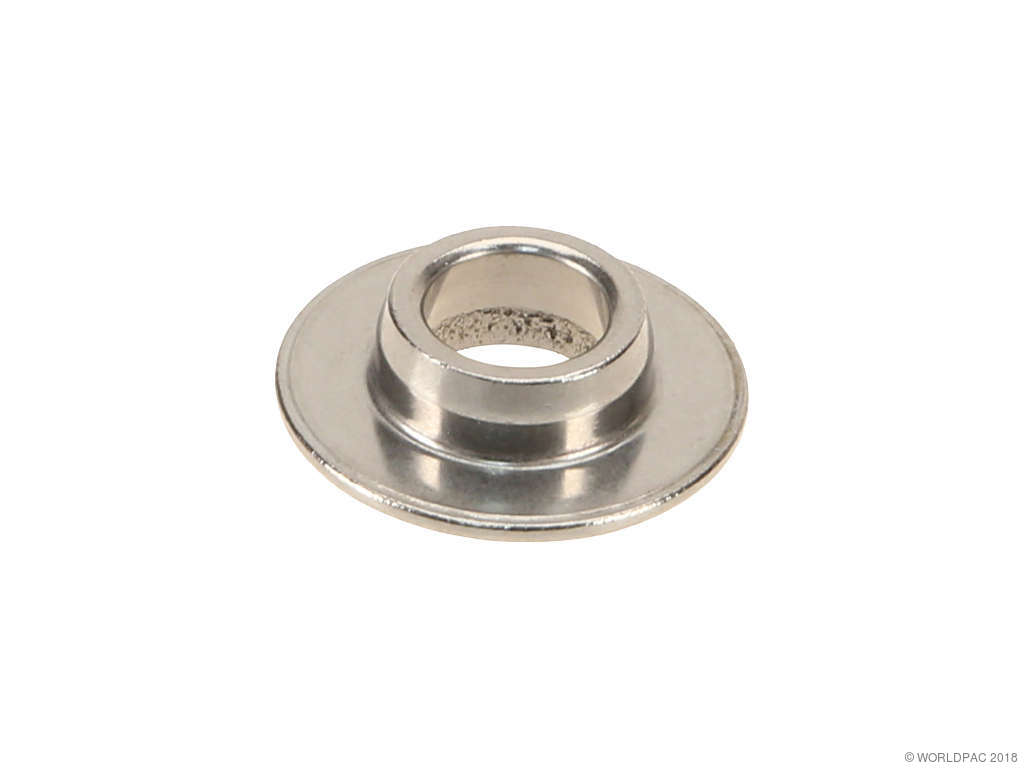
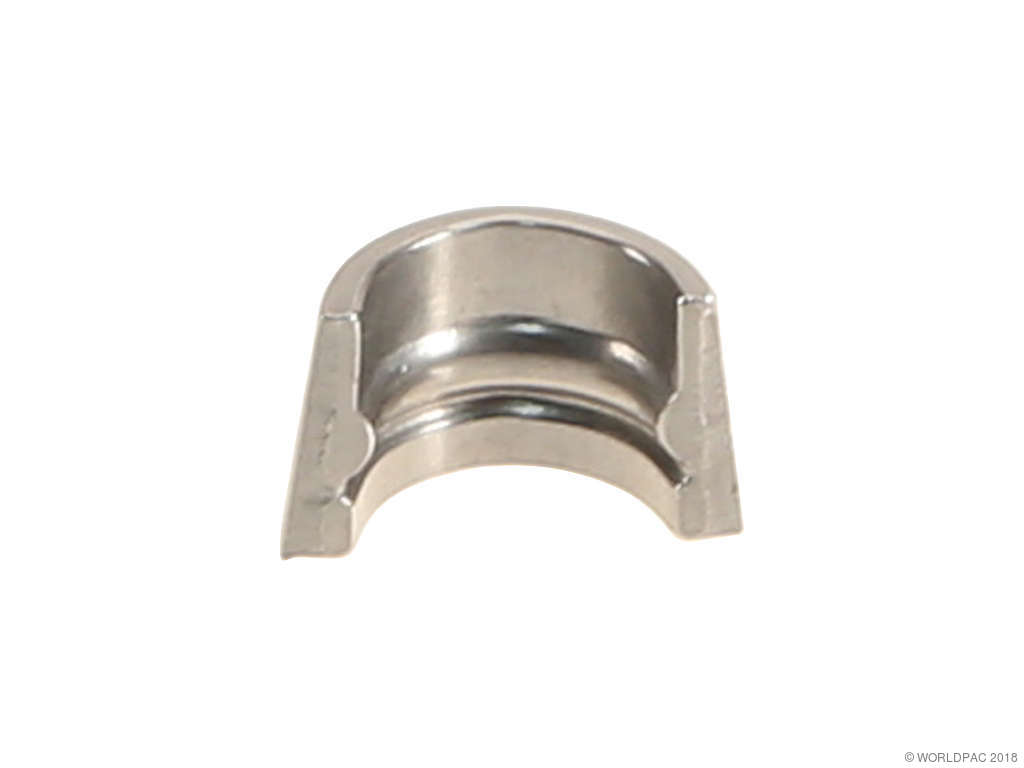
- Valve Spring
(OEM #12728729 (replaces 12691120))— A documented weak point on the LT4 engine that directly causes codes P0506 and P0106, as cited in TSB #PIP5423B.
Trusted brands: ACDelco (GM Genuine), Brian Tooley Racing (BTR)
OEM price range: $20-$40
Aftermarket price range: $25-$50 - Electronic Throttle Body
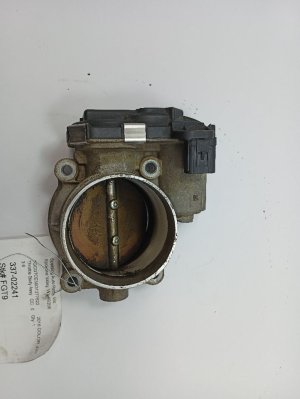
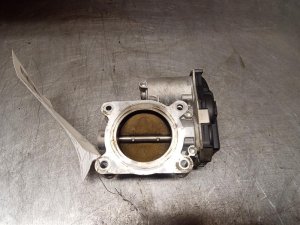
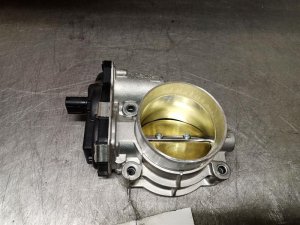
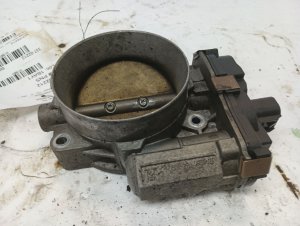
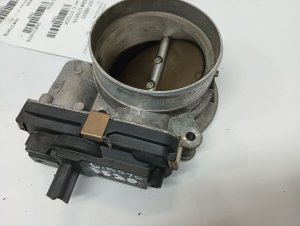
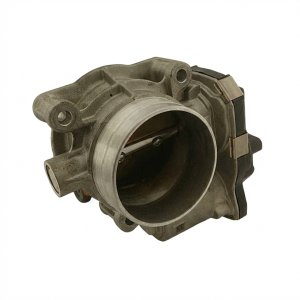
(OEM #12733469 (supersedes 12678223, 12620263, 12729495))— If cleaning does not resolve the issue, the electronic motor or position sensor within the unit may have failed.
Trusted brands: ACDelco (GM Genuine), Bosch
OEM price range: $150-$300
Aftermarket price range: $100-$250 - Throttle Body Cleaner — This is the first and most common fix for an idle speed issue caused by carbon buildup.
Trusted brands: CRC, Berryman
OEM price range: $10-$20
Aftermarket price range: $8-$15
Related Codes That Often Appear With This One
- P0106 — This code for Manifold Absolute Pressure (MAP) sensor performance often appears with P0506. According to TSB #PIP5423B, the combination of these two codes strongly points to a broken valve spring affecting cylinder and manifold pressure. The erratic pressure from a cylinder with a non-functioning valve causes the MAP sensor readings to become irrational.
- P0300 — A random/multiple cylinder misfire code. A broken valve spring will cause the corresponding cylinder to misfire, which can trigger a P0300. The presence of P0300, P0106, and P0506 together is an almost certain indicator of a broken valve spring.
Technical Service Bulletins (TSBs) & Recalls
- PIP5423B: States that codes P0106 and/or P0506 can be caused by a broken valve spring and instructs technicians to inspect and replace as needed. Also advises inspecting for a collapsed intake manifold runner.
- PIP5752A/M: Addresses a Service Engine Light with codes P0300, P0106, and P0506 due to a possible broken valve spring. For certain build dates, it recommends replacing all valve springs on both banks if one is found broken after a successful cylinder leakage test.
Platform-Specific Known Issues
- TSB #PIP5423B documents that a Service Engine Soon lamp with DTCs P0106 and P0506 may be caused by a broken valve spring on 2015-2019 models with the 6.2L LT4 engine.
- TSB #PIP5752A (and its revisions like 'M') also points to broken valve springs causing P0506, P0106, and P0300, noting a bad batch of springs affected some 2020 and later models, but the issue is known on earlier LT4s as well.
Mechanic-Grade Diagnostic Values
- Battery Voltage (pre-diagnostic check) — expected: At least 12.6 volts. Failure: A weak or old battery can cause various electronic issues, including problems with the idle relearn procedure.
- Normal Engine Idle Speed — expected: 750-1000 RPM (typical for many modern engines). Failure: The P0506 code is set when the idle speed drops significantly below this target range.
Scan Tool Commands That Help
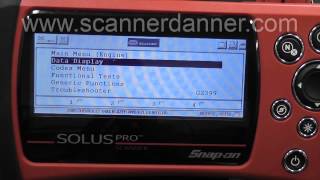
- GDS2 / Professional Scan Tool: Reset ECM Learned Values — This function should be used after cleaning or replacing the throttle body, or replacing the ECM. It forces the computer to relearn idle and throttle position parameters.
- GDS2 / Professional Scan Tool: Throttle/Idle Learn — This is a specific procedure run from the scan tool to stabilize engine idle after the throttle body or ECM is replaced, or after the battery has been disconnected. It may involve a sequence of steps including running the engine at specific temperatures and turning accessories on and off.
Wiring & Ground Locations
- G101 — Typically located on the lower front of the engine block.. This ground is often used for the Engine Control Module (ECM) and Transmission Control Module (TCM). A poor connection here can cause a wide range of engine management and communication issues.
- G102 — Typically located at the left rear of the engine.. This ground is commonly used for the ignition coils. A bad ground can lead to weak spark, misfires, and rough running that could affect idle stability.
- G104 / G108 — Often located on the back of the cylinder heads, with straps connecting to the firewall.. These are major engine-to-chassis grounds. A poor connection can affect numerous sensors and modules, leading to erratic behavior.
- G110 (on previous generation) — On the Gen 2 CTS-V, this was a key ground point.. A GM TechLink article warns that some aftermarket Cold Air Intakes use the G110 ground stud as a mounting point, causing a poor ground connection that leads to multiple intermittent electrical issues and DTCs. While for the 2009-2015 model, this is a critical mechanic-grade tip about the danger of misusing ground points for aftermarket accessories.
Real Owner Repair Stories
- Reddit user in r/askcarguys (Not specified, but experiencing classic P0506 symptoms.) — P0506 code, rough idle (especially on cold start), stalling when in gear but okay in park.
❌ Tried (didn't work) The user posted before trying any fixes.
✅ What actually fixed it Cleaning the throttle body and Idle Air Control (IAC) sensor. The user posted a simple update stating, 'it worked.'
"I Checked Everything" — The Actual Cause
- If a smoke test for vacuum leaks comes back clean and cleaning the throttle body does not resolve the P0506 code, the root cause is likely the known mechanical failure of a broken valve spring, especially if codes P0106 and/or P0300 are also present. A smoke test will not identify this internal engine issue, which requires removal of the valve covers for visual inspection as directed by GM TSBs #PIP5423B and #PIP5752M.
OEM Part Supersession History
12678223, 12620263, 12729495, and others→12733469— Standard part evolution for improved reliability and performance.
Heads up: Part number 12733469 has itself been superseded by 12740727, which should be used for current repairs.12691120→12728729— Likely an update to address the valve spring failure issue.
Helpful Videos
Used OEM Parts in Stock
New Aftermarket Parts Available


The information in this article is provided for general reference and educational purposes only. Vehicle specifications, procedures, and part compatibility can vary by production date, trim level, and region. Always consult your vehicle's factory service manual and verify part numbers before purchasing or performing repairs. Safety-critical components such as airbags, seat belts, and braking systems should be installed by a qualified professional.
- Cadillac CTS-V:
- 🧭 Diagnostic Flowchart
- 🎬 Helpful Videos
- 🛍️ Shop This Part
- What's Unique About the 2015-2018 Cadillac CTS-V
- Symptoms You May Notice
- Most Likely Causes
- Rare But Worth Checking
- Diagnosis Steps
- Parts You'll Likely Need
- Related Codes That Often Appear With This One
- Technical Service Bulletins (TSBs) & Recalls
- Platform-Specific Known Issues
- Mechanic-Grade Diagnostic Values
- Scan Tool Commands That Help
- Wiring & Ground Locations
- Real Owner Repair Stories
- "I Checked Everything" — The Actual Cause
- OEM Part Supersession History
- 🎟️ Get 5% Off