

P0506 on 2015-2019 Cadillac Escalade: Low Idle Causes and Fixes
On a 2015-2019 Escalade, P0506 often points to a dirty throttle body or, more seriously, a broken valve spring, especially if code P0106 is also present. Cleaning the throttle body is a simple first step, but a valve spring issue is a known problem on this engine and requires professional repair.
- P0506 on a 2015-2019 Escalade means the engine is idling lower than the computer expects.
- The easiest and most common first step is to clean the electronic throttle body.
- If code P0106 is also present, a broken valve spring is a very likely cause, as documented in a GM TSB.
- Do not immediately replace the MAP sensor if you see P0106; it is likely a symptom of the underlying mechanical fault.
- Due to the potential for a serious mechanical issue (valve spring), professional diagnosis is strongly recommended if a throttle body cleaning doesn't solve the problem.
What's Unique About the 2015-2019 Cadillac ESCALADE
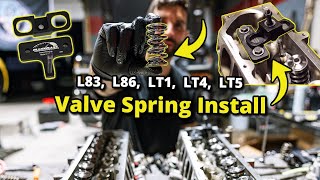
While many vehicles get a P0506 code from a simple dirty throttle body or vacuum leak, this generation of Escalade (and other GM trucks/SUVs with the 6.2L L86 engine) has a specific, documented issue. A GM Technical Service Bulletin (TSB #PIP5423B 🎬 Watch: How to swap broken valve springs on an L86 engine) directly links code P0506 with P0106 (MAP Sensor Performance) to a potential broken valve spring. This elevates a simple low-idle code to a potentially serious internal engine problem that requires immediate and professional attention. This issue is widely reported by owners on forums and is a known failure pattern for the GM Gen V V8 engine family.
Diagnostic Flowchart
Tap your situation to follow the diagnostic path that matches what you're seeing on this vehicle.
Symptoms You May Notice
- Rough or unstable idle, sometimes described as a 'chug'
- Engine speed is noticeably lower than normal at idle (dropping to 500 RPM or below)
- Engine stalling when coming to a stop or at idle, especially when the A/C is on
- Hesitation or sluggishness during acceleration from a stop
- Illuminated Check Engine Light
- A distinct, rhythmic ticking or tapping noise from the engine bay, indicative of a broken valve spring
- Replacing the MAP sensor. If P0106 is present with P0506, the MAP sensor is often blamed. However, TSB #PIP5423B indicates these codes together point towards a mechanical issue like a valve spring, not a faulty sensor.
- Assuming it's only a vacuum leak. While possible, the high incidence of broken valve springs on the L86 engine means this more serious issue should be investigated, especially if a ticking noise is present or if codes P0106/P0300 are also stored.
Most Likely Causes
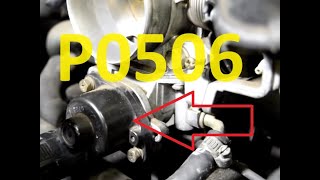
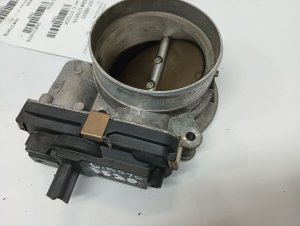
- Dirty or Carbon-Fouled Throttle Body 🔴 High Probability → Shop Fuel Injection Throttle Body The PCV (Positive Crankcase Ventilation) system routes oil vapors back into the intake, which can condense and mix with dirt to form carbon buildup around the throttle plate. This restricts the small amount of air needed for idle, preventing the ECM from maintaining the target speed.
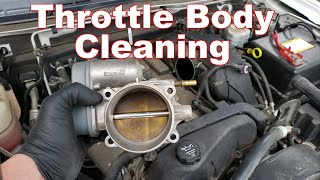
How to confirm: Remove the air intake tube from the throttle body and visually inspect the throttle plate and bore for a black, sticky carbon layer.
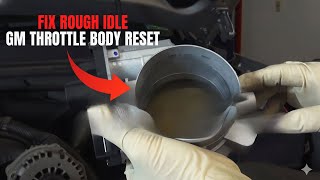
Typical fix: Clean the throttle body bore and plate thoroughly with a dedicated throttle body cleaner and a soft brush or rag. After cleaning, a throttle relearn procedure is required.
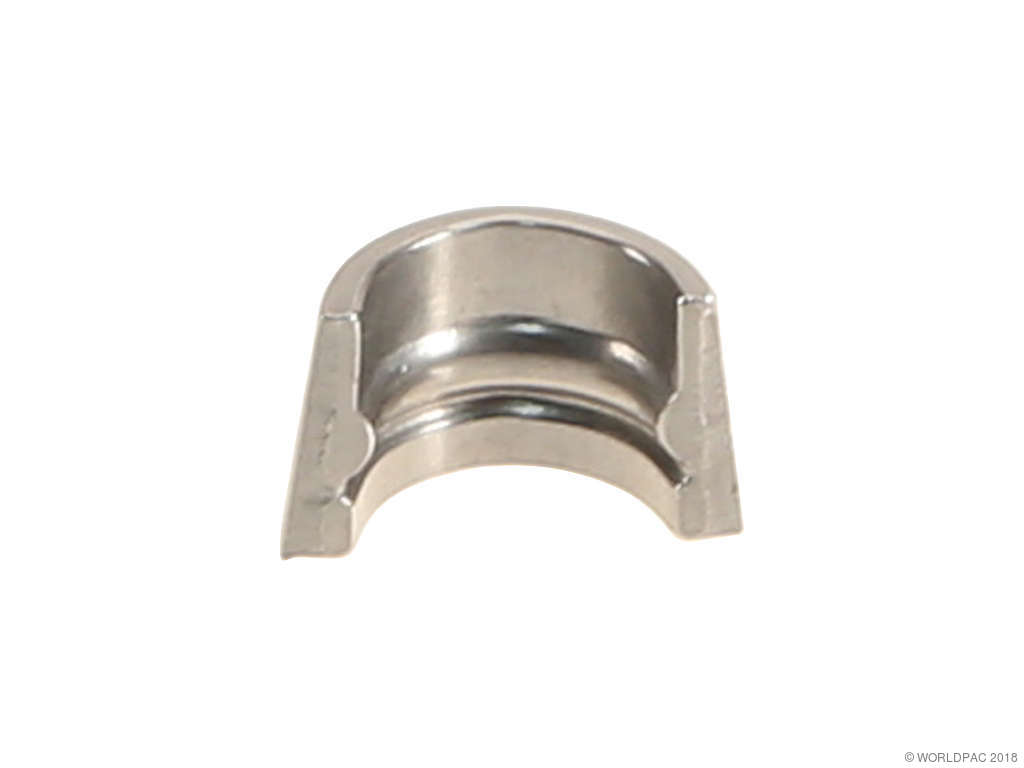
Est. part cost: $10-$20 for cleaner - Broken Valve Spring 🟡 Medium Probability → Shop Engine Valve Spring A known issue on this engine platform, as documented in GM TSB #PIP5423B. This is especially likely if code P0106 is also present. The original valve springs were known to be prone to failure, and GM has released updated part numbers.
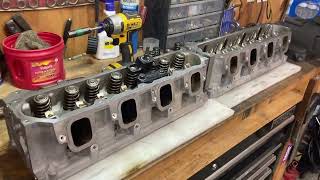
How to confirm: A professional technician will need to remove the valve covers to visually inspect the valve springs for breakage. A ticking noise from the engine is also a strong indicator. In some forum cases, owners have reported hearing a 'pop' noise before the rough idle began.
Typical fix: Replace the broken valve spring and any related damaged components (like the valve stem seal). It is often recommended to replace all springs on the affected cylinder head or all 16 springs with the updated part.
Est. part cost: $10-$15 per spring, plus seals and gaskets. A full set of 16 can cost $80-$200. - Vacuum Leak 🟡 Medium Probability Common sources include a cracked PCV hose, a leaking intake manifold gasket, or a faulty brake booster hose. These components can degrade over time from heat and age. A less obvious source on this platform is a clogged fixed orifice in the driver-side valve cover's PCV system, which requires replacing the entire valve cover to fix.
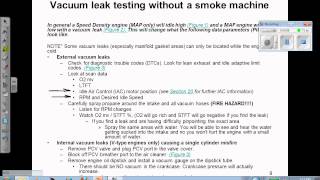
How to confirm: A mechanic will use a smoke machine to pressurize the intake system and visually identify where smoke escapes. Listening for a hissing sound around the engine bay at idle can also sometimes pinpoint a large leak.
Typical fix: Replace the leaking hose, gasket, or affected valve cover.
Est. part cost: $20-$250 depending on the part
Rare But Worth Checking
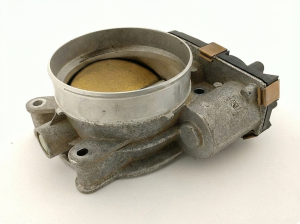
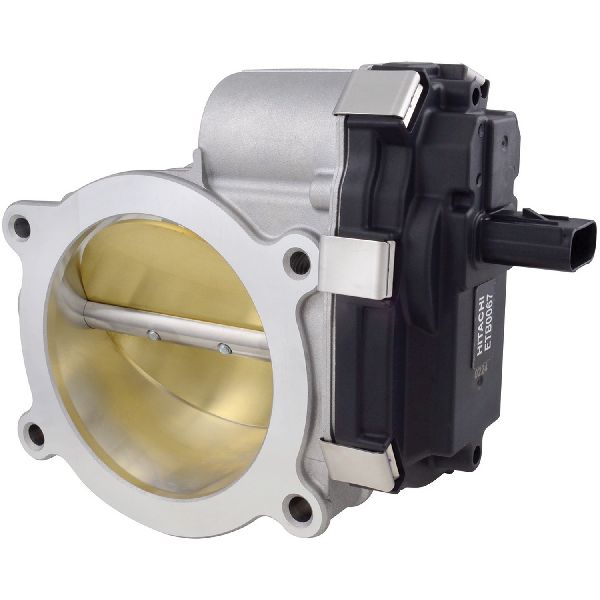
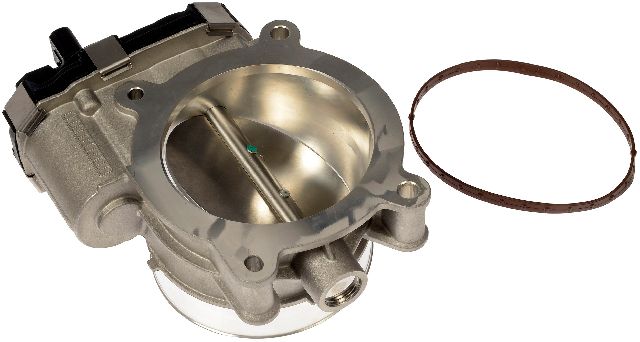
- Failing Electronic Throttle Body: → Shop Fuel Injection Throttle Body While cleaning usually resolves throttle-related issues, the internal electronic motor or position sensor within the throttle body can fail, requiring complete replacement. This can cause a range of symptoms from unstable idle to limp mode.
- Faulty Powertrain Control Module (PCM): This is extremely rare. All other possibilities, especially mechanical faults like valve springs and wiring issues, should be exhausted before considering PCM failure.
Diagnosis Steps
- Scan for all stored DTCs. Pay close attention if P0106 or P0300 are present alongside P0506, as this strongly indicates a mechanical fault.
- Listen for a rhythmic ticking noise from the engine's top end. This is a classic symptom of a broken valve spring on this platform.
- Inspect the air intake tube between the air filter and throttle body for any cracks or loose connections.
- Remove the intake tube and inspect the throttle body for carbon buildup. If dirty, clean it thoroughly with throttle body cleaner and a soft, non-abrasive brush.
- After cleaning, perform a throttle relearn procedure. A common method is to start the engine and let it idle in Park for 3 minutes, turn the engine off for 60 seconds, and repeat this cycle two more times.
- If the problem persists, perform a professional smoke test to check for vacuum leaks from hoses, gaskets, or the PCV system.
- If codes P0106 and/or P0300 are present, or a ticking noise is heard, follow the guidance of TSB #PIP5423B and have the valve springs inspected by a qualified technician. This involves removing the valve covers for a visual check.
- If no mechanical faults are found, use a scan tool to monitor live data from the throttle position sensor to ensure it is responding correctly to commands.
Parts You'll Likely Need
- Throttle Body Cleaner — This is the most common and least expensive first step, used to remove carbon buildup that restricts airflow at idle.
Trusted brands: CRC, ACDelco, Gumout
OEM price range: $15-$25
Aftermarket price range: $10-$20 - Valve Spring
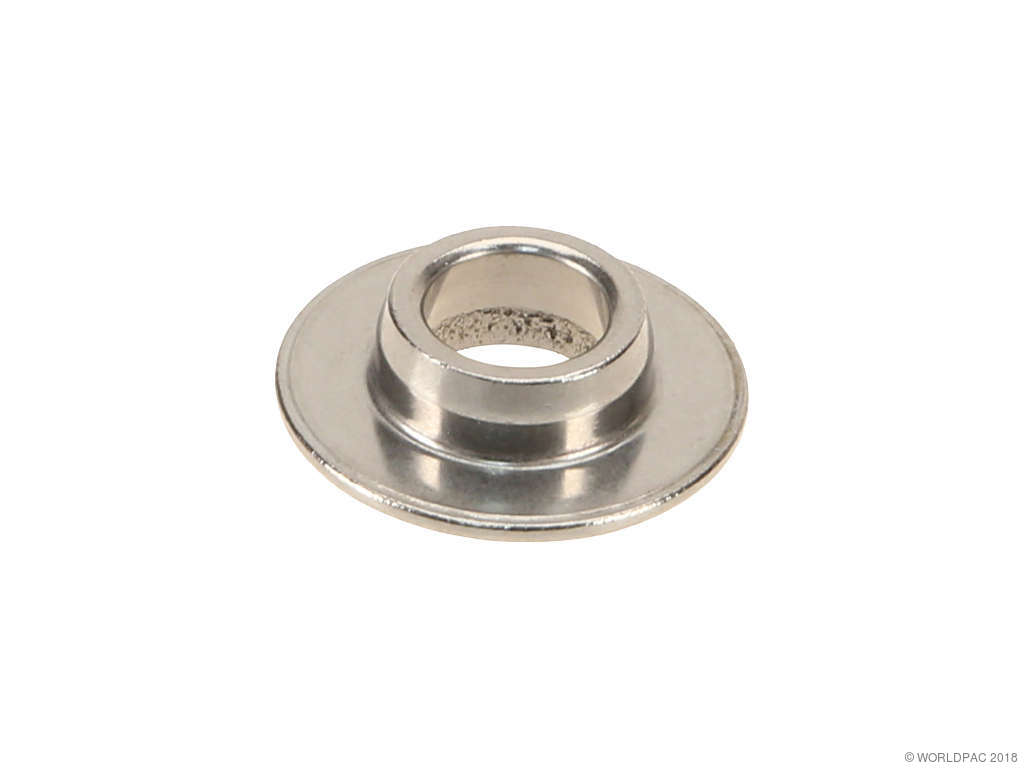
(OEM #12691120 (superseded by 12728729))— A known failure point on this engine that directly causes codes P0506 and P0106, as per TSB #PIP5423B. The original part has been superseded by an updated, more durable design.
Trusted brands: ACDelco (GM Genuine)
OEM price range: $7-$15 per spring
Aftermarket price range: $5-$10 per spring - Electronic Throttle Body Assembly
(OEM #12678223)— If cleaning does not resolve the issue and the internal electronics have failed, the entire assembly must be replaced.
Trusted brands: ACDelco, Bosch, Hitachi
OEM price range: $250-$400
Aftermarket price range: $150-$250
Related Codes That Often Appear With This One
- P0106 — Stands for 'Manifold Absolute Pressure (MAP) / Barometric Pressure Sensor Range/Performance'. GM TSB #PIP5423B explicitly states that P0106 and P0506 appearing together strongly suggest a broken valve spring. The broken spring causes erratic pressure in the intake manifold as the valve fails to seat correctly, confusing the MAP sensor and disrupting idle control.
- P0300 — Stands for 'Random/Multiple Cylinder Misfire Detected'. A broken valve spring will cause the affected cylinder to lose compression and misfire, which can trigger this code along with P0506. TSB #PIP5752A also groups these codes as indicators of a valve spring issue.
Technical Service Bulletins (TSBs) & Recalls
- PIP5423B: Advises technicians to inspect for a broken valve spring when DTCs P0106 and P0506 are present. Also notes to inspect the intake manifold for a collapsed runner if a broken spring is found.
- PIP5752A: A related TSB that also points to a possible valve spring concern when P0106, P0300, and P0506 are present.
Platform-Specific Known Issues
- A notable issue for the 6.2L L86 engine is the potential for broken valve springs, which is officially documented in GM Technical Service Bulletin #PIP5423B. This bulletin specifically advises technicians to inspect for a broken spring when codes P0106 and P0506 are found together.
- The issue is common enough that class-action lawsuits have been filed against GM regarding valvetrain issues, including lifter and spring failures, on this engine family.
- Another potential, though less common, issue is a clogged fixed orifice PCV system within the driver's side valve cover. This can disrupt crankcase ventilation and cause an unstable idle without creating a traditional vacuum leak that a smoke test would find.
Mechanic-Grade Diagnostic Values
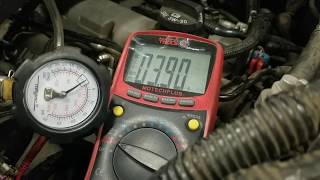
- MAP Sensor Signal Voltage (Key On, Engine Off) — expected: ~4.5 Volts. Failure: Voltage is significantly lower or does not match the BARO sensor reading.
- MAP Sensor Signal Voltage (Engine at Idle) — expected: 1.0 - 1.5 Volts. Failure: Voltage is erratic, higher than expected, or does not change with engine RPM. A higher voltage at idle can indicate a mechanical problem like a broken valve spring causing low vacuum.
- MAP Sensor 5V Reference Voltage (Key On, Engine Off) — expected: ~5.0 Volts. Failure: Voltage is significantly lower than 5V or is absent, indicating a wiring or ECM issue.
- High-Pressure Fuel Rail Pressure (at idle) — expected: 30 ±5 MPa (4352 ±725 psi). Failure: Pressure that is significantly low or erratic could indicate issues with the high-pressure fuel pump (HPFP), which could contribute to a poor idle, although it would typically set other fuel pressure codes.
Scan Tool Commands That Help
- GDS2 / Professional Scan Tool: Idle Learn Reset / Throttle/Idle Learn — This function should be used after cleaning or replacing the throttle body to reset the learned idle values in the ECM. The tool will guide the user through the process, which typically involves starting the engine and letting it idle for a set time while the ECM learns the new airflow characteristics.
- GDS2 / Professional Scan Tool: Cylinder Power Balance Test — If a broken valve spring is suspected (especially with code P0300), this test can help identify the misfiring cylinder. It deactivates one cylinder at a time and measures the RPM drop to see which cylinder is contributing the least power.
Wiring & Ground Locations
- G104 — On the rear of the passenger side (right-hand) cylinder head.. This is a primary engine-to-chassis ground. A loose or corroded connection at G104 can cause erratic behavior and incorrect readings from multiple engine sensors that share this ground path, potentially including the MAP and throttle body sensors, leading to intermittent idle issues.
- G103 — On the front of the passenger side (right-hand) cylinder head.. Another critical engine ground point. While G104 is more commonly cited for sensor issues, ensuring all cylinder head grounds are clean and tight is a key step when troubleshooting electrical-related engine codes.
- Throttle Body Connector — The 6-pin electrical connector on the electronic throttle body assembly.. Damage to the wiring or pins in this connector can interrupt signals between the ECM and the throttle body motor or position sensors, directly causing idle control problems. Wires to check include the 5V reference, ground, and the two motor control wires.
Real Owner Repair Stories
- gm-trucks.com forum user (2015 Chevrolet Silverado 6.2L (L86)) — Rough idle, stalling, and codes P0506, P0106, and P0300 (misfire on cylinder #7).
❌ Tried (didn't work) Cleaning the throttle body, Replacing the MAP sensor
✅ What actually fixed it The owner took the vehicle to a dealer who confirmed a broken valve spring on cylinder #7. Replacing the broken spring and the associated valve stem seal resolved all codes and symptoms.
"I Checked Everything" — The Actual Cause
- A known issue on the L86 and related GM engines is a clogged fixed orifice in the PCV system, located inside the driver-side valve cover. This orifice can get blocked with carbon and sludge, disrupting crankcase ventilation and causing an unstable idle similar to a vacuum leak. However, since it's not an external leak of unmetered air, a smoke test will come back clean. The fix is to replace the entire valve cover assembly, as the orifice is not serviced separately.
OEM Part Supersession History
12691120→12728729— The original valve springs (and prior versions 12629515, 12678635) were prone to breaking. The new part number, 12728729, is an updated design for improved durability.
Heads up: The new part is a direct replacement and is fully compatible. It is highly recommended to use the updated part number for any valve spring replacement on this engine.
Model Year Variations Within This Range
- 2015-2018: These models primarily use the L86 engine with Active Fuel Management (AFM), which deactivates four cylinders under light load. The valvetrain components associated with AFM are often cited as a source of stress and potential failure, including lifters and valve springs.
- 2019: For the 2019 model year, some Escalades were equipped with the updated L87 engine, which replaced AFM with the more advanced Dynamic Fuel Management (DFM) system. While the underlying architecture is similar, DFM offers more complex cylinder deactivation patterns. The valve spring issue is still relevant as the fundamental design is related.
Helpful Videos
Used OEM Parts in Stock
New Aftermarket Parts Available


The information in this article is provided for general reference and educational purposes only. Vehicle specifications, procedures, and part compatibility can vary by production date, trim level, and region. Always consult your vehicle's factory service manual and verify part numbers before purchasing or performing repairs. Safety-critical components such as airbags, seat belts, and braking systems should be installed by a qualified professional.
- Cadillac ESCALADE:
- 🧭 Diagnostic Flowchart
- 🎬 Helpful Videos
- 🛍️ Shop This Part
- What's Unique About the 2015-2019 Cadillac ESCALADE
- Symptoms You May Notice
- Most Likely Causes
- Rare But Worth Checking
- Diagnosis Steps
- Parts You'll Likely Need
- Related Codes That Often Appear With This One
- Technical Service Bulletins (TSBs) & Recalls
- Platform-Specific Known Issues
- Mechanic-Grade Diagnostic Values
- Scan Tool Commands That Help
- Wiring & Ground Locations
- Real Owner Repair Stories
- "I Checked Everything" — The Actual Cause
- OEM Part Supersession History
- Model Year Variations Within This Range
- 🎟️ Get 5% Off