

P0506 on 2021 Cadillac Escalade: Low Idle, Causes, and Fixes
On a 2021 Escalade, P0506 means the idle speed is too low. While a dirty throttle body is a possible cause, this code, especially when paired with misfire codes like P0300 and MAP sensor code P0106, strongly points to a serious and well-documented broken valve spring issue covered by GM TSB #PIP5752N.
- P0506 means the engine idle is too low on your 2021 Escalade.
- Do NOT ignore this code or simply reset it. Pay immediate attention to other codes present.
- If P0300 (misfire) and P0106 (MAP sensor) are also present, it is almost certainly the serious, but well-documented, broken valve spring issue noted in TSB #PIP5752N.
- An audible engine tick is another major symptom of the valve spring failure.
- Due to the potential for catastrophic engine damage, professional diagnosis is essential. The repair should be covered by the powertrain warranty.
What's Unique About the 2021-2021 Cadillac ESCALADE NA
For the 2021 Escalade with the 6.2L L87 V8 engine, a P0506 code demands immediate and serious attention. While common issues like a dirty throttle body are possible, there is a specific and widely discussed Technical Service Bulletin (TSB #PIP5752N) that links this code directly to a broken valve spring. This TSB, along with extensive owner reports, confirms that P0506 frequently appears with P0300 (Random Misfire) and P0106 (MAP Sensor Performance) as a direct result of this mechanical failure. The broken spring prevents a valve from seating properly, causing a misfire and erratic vacuum that the PCM cannot overcome, leading to the low, rough idle.
Diagnostic Flowchart
Tap your situation to follow the diagnostic path that matches what you're seeing on this vehicle.
Symptoms You May Notice
- Rough or vibrating idle
- Engine speed is noticeably lower than normal at idle
- Engine stalling when coming to a stop or at idle
- Check Engine Light is on
- Audible ticking or light clanking noise from the engine, often from one of the valve covers.
- Hesitation or loss of power
- Replacing the throttle body when it only needs cleaning.
- Replacing the MAP sensor because code P0106 is present, without realizing the sensor is reporting correctly on the erratic vacuum caused by a broken valve spring.
- Ignoring the code or resetting it without diagnosis, potentially allowing a mechanical issue like a bad valve spring to cause catastrophic engine damage.
Most Likely Causes
- Broken Valve Spring 🔴 High Probability → Shop Engine Valve Spring As identified in GM TSB #PIP5752N, 2021 models with the 6.2L L87 and 5.3L L84 engines are known to have issues with broken valve springs, sometimes due to a bad batch of parts. This is the most likely cause if P0300 and P0106 are also present. An early version of the TSB identified a particularly bad batch of springs in vehicles built between June 1, 2020, and September 15, 2020.
How to confirm: This requires professional diagnosis. A technician will listen for a characteristic ticking noise, check for related codes (P0300, P0106), and confirm by removing the valve cover for a direct visual inspection of the springs. A cylinder leak-down test may also be performed.
Typical fix: Replacement of the affected valve springs. Per the TSB, GM may recommend replacing all 16 valve springs even if only one is found broken, especially on low-mileage vehicles or those built within the suspect date range. This is a complex, labor-intensive repair but is typically covered under the 5-year/60,000-mile powertrain warranty.
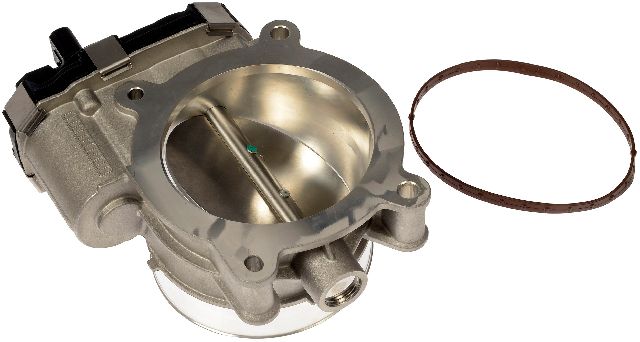
Est. part cost: $50-$200 for springs and seals, but labor costs will be significant if not under warranty. - Dirty Throttle Body ⚪ Low Probability → Shop Fuel Injection Throttle Body Carbon and oil vapor from the PCV system can build up around the throttle plate, restricting the small amount of air needed for idle. While possible, it is a much less likely cause on a 2021 model than the known valve spring issue, especially if other codes are present.
How to confirm: Visually inspect the throttle body bore and plate for a ring of black carbon buildup after removing the intake tube.
Typical fix: Clean the throttle body with a dedicated throttle body cleaner and a soft cloth. A throttle relearn procedure is often required afterward.
Est. part cost: $5-$15 for cleaner - Vacuum Leak ⚪ Low Probability Hoses can crack or connections can loosen, allowing unmetered air to enter the intake manifold. On a newer vehicle, this is less likely than a component failure but still possible. A disconnected charge air cooler tube at the throttle body is one specific possibility noted in other GM TSBs.
How to confirm: A smoke test is the most effective method. A technician introduces smoke into the intake system and looks for where it escapes.
Typical fix: Replace the cracked hose or faulty gasket that is causing the leak.
Est. part cost: $10-$100 depending on the part
Diagnosis Steps
- Scan the PCM for all stored trouble codes. Note if P0300 or P0106 are present with P0506, as this combination strongly suggests a valve spring failure.
- Listen for an audible, rhythmic ticking or tapping noise from the engine valve cover areas. This is a very strong indicator of a broken valve spring.
- If no noise is present and only P0506 is stored, proceed with inspecting the air intake system from the air filter to the throttle body for any restrictions or loose connections.
- Inspect the throttle body for carbon buildup. If dirty, clean it thoroughly using appropriate cleaner and a soft rag.
- After cleaning, perform a throttle relearn procedure as specified by the manufacturer. This may involve specific idle/drive cycles.
- If the code returns, or if codes P0300/P0106 are present, the vehicle must be taken to a professional for diagnosis of the engine's mechanical condition, specifically referencing TSB #PIP5752N for a broken valve spring.
- The definitive diagnostic step for the valve spring is removing the valve covers for a direct visual inspection.
Parts You'll Likely Need
- Valve Springs
(OEM #12691120)— If diagnosis confirms the issue described in TSB #PIP5752N, the valve springs will need to be replaced to resolve the underlying cause of the misfire and low idle. This part number was placed on restriction by GM due to this issue.
Trusted brands: ACDelco (GM Genuine)
OEM price range: $100-$200 (for a set)
Aftermarket price range: $90-$180 (for a set) - Throttle Body Cleaner — This is the first and cheapest step for the unlikely event the low idle is caused by a simple restricted throttle plate and not the common valve spring failure.
Trusted brands: CRC, ACDelco
OEM price range: $10-$20
Aftermarket price range: $5-$15
Related Codes That Often Appear With This One
- P0300 — A random misfire code almost always appears with P0506 when the cause is a broken valve spring, as the unseated valve leads directly to a misfire. This combination is explicitly mentioned in TSB #PIP5752N.
- P0106 — This MAP (Manifold Absolute Pressure) sensor code is triggered alongside P0506 and P0300 because the broken valve spring causes exhaust gases to pulse back into the intake manifold, creating pressure readings that the PCM deems irrational.
Technical Service Bulletins (TSBs) & Recalls
- PIP5752N: The most relevant bulletin. It explicitly states that a 2021 vehicle with a 6.2L L87 or 5.3L L84 engine may exhibit a service engine light, misfire, and engine noise with DTCs P0300, P0106, and P0506 due to a possible broken valve spring. It provides diagnostic steps and repair instructions, including replacing all springs on low-mileage vehicles.
Platform-Specific Known Issues
- A widely known issue documented in GM TSB #PIP5752N points to a 'Possible broken valve spring' on the 6.2L L87 engine that causes a service engine light with codes P0506, P0300, and P0106.
- This issue was prevalent enough to be mentioned in class-action lawsuit filings against GM regarding valve train defects in their V8 engines.
Mechanic-Grade Diagnostic Values
- Normal Engine Idle Speed (fully warm) — expected: 600-800 RPM.. Failure: The P0506 code may set when idle is persistently 90+ RPM below the target.
- Scan Tool Live Data: Desired Idle Speed vs. Actual Engine Speed — expected: Actual RPM should closely match Desired RPM.. Failure: If Desired RPM is high (e.g., 1000 RPM) but Actual RPM is low (e.g., <800 RPM) and throttle command percentage is high, it indicates the PCM is attempting to correct a low idle but cannot, pointing to a mechanical fault (like a broken valve spring) or a major air leak.
Hidden / Shadow Codes Worth Checking
- Mode $06, Test ID for Misfire Counts: This is not a DTC, but a diagnostic mode that shows raw self-test data. It displays misfire counts for each individual cylinder, often before the count is high enough to trigger a P0300 or specific P030x code. (see via Requires an advanced OBD-II scan tool with Mode $06 capability. A technician can use this to see if a single cylinder is the source of misfires, which strongly suggests a localized mechanical fault like a broken valve spring on that cylinder.)
Scan Tool Commands That Help
- GDS2 (GM Global Diagnostic System 2): Configuration/Reset Functions > Idle Learn — This is the manufacturer-specified method for performing the throttle body relearn procedure after cleaning or replacement. While a manual procedure often works, using the factory scan tool function is the definitive way to reset idle adaptations.
- GDS2 or equivalent professional scan tool: Misfire Data (Current & History) — When P0300 is present, viewing the misfire counters for each cylinder is the fastest way to determine if the 'random' misfire is actually biased toward one cylinder, which would direct the physical inspection (e.g., removing a specific valve cover first).
Wiring & Ground Locations
- G103 — On the front or rear of the passenger side (right) cylinder head.. This is a primary engine-to-chassis ground. A loose or corroded connection can cause erratic sensor readings and contribute to general ECM issues, although it is not a primary cause for this specific code combination.
- G104 — On the left rear corner of the engine, mounted to the left cylinder head.. Another critical engine ground point. Ensuring all major engine grounds are clean and tight is a foundational step in any complex diagnosis.
- G102 — Located at the left rear of the engine block.. This is the ground for all 8 ignition coils. A poor connection here could cause weak spark and contribute to the P0300 (Random Misfire) code that often accompanies P0506.
- Engine Harness Chafe Points — Per TSB 21-NA-149, inspect harness near the upper control arm bushings, near PCV hose clamps, and at the X160 inline connector.. While extremely unlikely to be the cause of the P0506/P0300/P0106 combination, these are known problem areas on the T1 platform where wiring damage can occur, leading to a wide variety of DTCs. This is a good-to-know location for technicians if primary diagnosis fails.
"I Checked Everything" — The Actual Cause
- In the context of a 2021 Escalade presenting with P0506, P0300, and P0106, the most common 'everything checks out but it's still broken' scenario involves a technician cleaning the throttle body and performing a smoke test for vacuum leaks, finding nothing. The actual cause is the internal mechanical failure of a valve spring, which won't be found with these external tests. The fix requires removing the valve covers for visual inspection.
OEM Part Supersession History
12691120→12728729— Standard part revision and improvement by the manufacturer. Often done to address a known weakness or change suppliers.
Heads up: The new part number (12728729) is the correct replacement for 12691120 and its predecessors (12629515, 12678635).
Model Year Variations Within This Range
- 2021 (Early Production): TSB #PIP5752A identified a high-risk population of vehicles built between June 1, 2020, and September 15, 2020. For these vehicles with 6.2L engines (including the L87), the bulletin recommended replacing all 16 valve springs on both banks if even one was found broken, suggesting a known bad batch of parts was used during this period.
Used OEM Parts in Stock
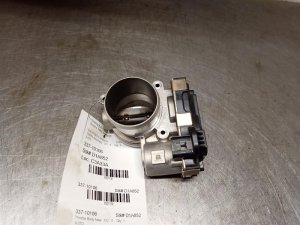
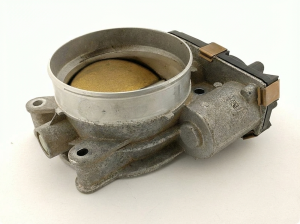
New Aftermarket Parts Available
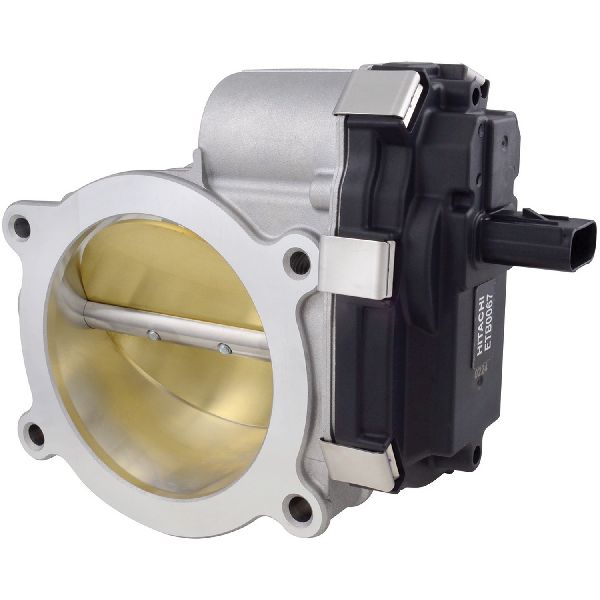


The information in this article is provided for general reference and educational purposes only. Vehicle specifications, procedures, and part compatibility can vary by production date, trim level, and region. Always consult your vehicle's factory service manual and verify part numbers before purchasing or performing repairs. Safety-critical components such as airbags, seat belts, and braking systems should be installed by a qualified professional.
- Cadillac ESCALADE NA:
- 🧭 Diagnostic Flowchart
- 🛍️ Shop This Part
- What's Unique About the 2021-2021 Cadillac ESCALADE NA
- Symptoms You May Notice
- Most Likely Causes
- Diagnosis Steps
- Parts You'll Likely Need
- Related Codes That Often Appear With This One
- Technical Service Bulletins (TSBs) & Recalls
- Platform-Specific Known Issues
- Mechanic-Grade Diagnostic Values
- Hidden / Shadow Codes Worth Checking
- Scan Tool Commands That Help
- Wiring & Ground Locations
- "I Checked Everything" — The Actual Cause
- OEM Part Supersession History
- Model Year Variations Within This Range
- 🎟️ Get 5% Off