

P0506 on 2015-2017 Chevrolet Colorado: Low Idle Causes and Fixes
On a 2015-2017 Colorado, P0506 is most often caused by a dirty throttle body (all engines) or loose intake manifold bolts (2.5L engine only). Start by cleaning the throttle body for about $15 in supplies. If you have the 2.5L engine and other codes like P0171, the intake manifold bolts are the likely culprit and must be re-torqued to 10 Nm (89 lb-in) with threadlocker per TSB PIP5529B.
- P0506 on the 2015-2017 Colorado means the idle is too low.
- If you have the 2.5L engine, the most likely cause is loose intake manifold bolts, a known issue covered by a TSB. Check for this first, especially if you also have codes P0171 or P0106.
- For all engines (2.5L, 3.6L, 2.8L Diesel), the second most likely cause is a dirty throttle body that needs cleaning.
- The fix is often low-cost, requiring only throttle body cleaner or threadlocker, and is a manageable DIY job for many owners.
- Do not immediately replace the throttle body or intake gasket, as cleaning or re-torquing bolts is the correct first step.
What's Unique About the 2015-2017 Chevrolet COLORADO
For the 2015-2017 Colorado equipped with the 2.5L LCV four-cylinder engine, this code has a very specific and well-documented cause. General Motors issued Technical Service Bulletin #PIP5529B which identifies that loose intake manifold bolts can create a significant vacuum leak. This leak leads to an unstable idle, stalling, and often triggers P0506 along with a host of other codes, making it a critical first check for any 2.5L owner with this issue. The 3.6L V6 (LGZ) engine available in these years does not share this specific intake manifold issue; for V6 models, P0506 is almost always caused by a dirty throttle body.
Diagnostic Flowchart
Tap your situation to follow the diagnostic path that matches what you're seeing on this vehicle.
Symptoms You May Notice
- Rough or vibrating idle
- Engine idle speed is noticeably lower than normal (e.g., below 600 RPM)
- Engine stalling when coming to a stop or when idling, especially in Drive
- Difficulty starting the engine.
- Hesitation when accelerating from a stop
- Check Engine Light is on.
- Stalling may worsen when the A/C is turned on due to increased engine load.
- Replacing the throttle body when it only needs cleaning.
- Replacing the intake manifold gasket on a 2.5L engine when simply re-torquing the bolts with threadlocker would have fixed the leak.
- Replacing MAP or MAF sensors when the root cause is a vacuum leak from the intake manifold.
Most Likely Causes
- Loose Intake Manifold Bolts (2.5L LCV Engine Only) 🔴 High Probability → Shop Engine Intake Manifold This is a known issue documented by GM in TSB #PIP5529B. The bolts can back out over time, allowing unmetered air to enter the engine, creating a vacuum leak. This issue is widespread across multiple GM vehicles using the 2.5L LCV engine.
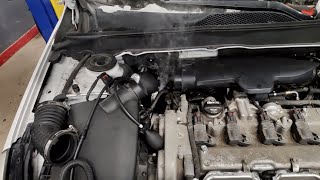
How to confirm: Check for other codes like P0068, P0101, P0106, or P0171, which often accompany this issue. Physically inspect the intake manifold bolts to see if they are loose. A smoke test will definitively show a leak around the intake manifold gasket if the bolts are loose. 🎬 Watch: How to perform a smoke test and fix loose bolts.
Typical fix: Remove one intake manifold bolt at a time, apply medium-strength threadlocker (e.g., Loctite Blue 242), and reinstall, torquing in sequence to 10 Nm (89 lb-in). Do not replace the gasket unless it's proven to be damaged after torquing the bolts.
Est. part cost: $5-$15 for threadlocker - Dirty Throttle Body 🔴 High Probability → Shop Fuel Injection Throttle Body All modern engines recirculate crankcase vapors (PCV system), which can deposit oil and carbon inside the intake. This buildup occurs around the throttle plate, restricting the small amount of air needed for a stable idle and causing the plate to stick. This is the most common cause for the 3.6L V6 engine.
How to confirm: Remove the air intake tube connected to the throttle body and visually inspect the throttle plate and bore for black carbon buildup.
Typical fix: Remove the throttle body (four 10mm bolts) from the intake manifold for a thorough cleaning. Use a dedicated throttle body cleaner and a soft brush or microfiber towel to remove all carbon deposits from the plate and bore. Reinstall and perform an idle relearn procedure.
Est. part cost: $10-$20 for cleaner and a gasket if needed - Vacuum Leak (Other than Intake Manifold) ⚪ Low Probability
How to confirm: Listen for hissing sounds around the engine bay at idle. Visually inspect all vacuum hoses, including the PCV lines and the brake booster hose, for cracks or disconnection. A smoke test is the most effective way to find a leak.
Typical fix: Replace the cracked hose or faulty component (e.g., PCV valve, purge solenoid).
Est. part cost: $10-$50
Rare But Worth Checking
- Faulty Throttle Body Assembly: → Shop Fuel Injection Throttle Body While cleaning usually resolves the issue, the electronic motor or position sensor within the throttle body can fail, requiring a complete replacement. This is much less common than it simply being dirty but can also trigger codes like P2135.
- Poor Ground Connection: First-generation Colorados were known for bad grounding packs (SP-105/SP-106) causing widespread electrical issues. While less common on the second generation, a poor engine or chassis ground can still cause erratic sensor readings and drivability problems, including low idle. Check that the main ground straps are clean and tight.
Diagnosis Steps
- Scan for Codes: Use an OBD-II scanner to confirm P0506 and check for any other stored codes. Note any accompanying codes like P0171, P0106, or P0068, as this strongly points to the 2.5L engine's intake manifold issue.
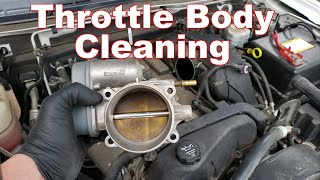
- Inspect and Clean Throttle Body: Disconnect the battery. Remove the air intake duct from the throttle body. Visually inspect for carbon buildup. If dirty (or if you have the 3.6L V6), this is your most likely cause. Remove the four 10mm bolts, disconnect the electrical connector, and clean it thoroughly off the vehicle using throttle body cleaner and a soft cloth. 🎬 See this step-by-step guide to cleaning your Colorado's throttle body.
- (2.5L Engine Specific) Inspect Intake Manifold Bolts: If you have the 2.5L engine, especially with other vacuum-related codes, locate the intake manifold and check the tightness of its mounting bolts. If they are loose, this is the likely cause.
- Perform TSB #PIP5529B Fix (if applicable): For loose intake manifold bolts on the 2.5L, remove them one at a time, apply medium-strength threadlocker, and torque to 10 Nm (89 lb-in) in the proper sequence. This repair is documented to take approximately 0.4 labor hours.
- Check for Other Vacuum Leaks: If the throttle body is clean and the intake bolts are tight, perform a smoke test to check all other vacuum lines, the PCV system, and the brake booster hose for cracks or loose connections.
- Perform Idle Relearn Procedure: After cleaning/replacing the throttle body or fixing a major vacuum leak, an idle relearn is required. A common procedure is: Start the engine and let it idle in Park for 3 minutes. Turn the engine off for 60 seconds. Restart the engine and let it idle in Park for another 3 minutes. The idle should now be stable. A short drive cycle with varied speeds may also be needed.
- Test Drive: Clear the codes and drive the vehicle, including stop-and-go situations, to see if the P0506 code returns. Monitor the idle speed to ensure it is stable.
Parts You'll Likely Need
- Throttle Body Cleaner
(OEM #ACDelco 19375579 (Top Engine and Fuel Injector Cleaner))— This is required to clean the carbon buildup from the throttle body, which is the most common fix for all engines, especially the 3.6L V6.
Trusted brands: CRC, ACDelco, Gumout
OEM price range: $15-$25
Aftermarket price range: $8-$12 - Medium Strength Threadlocker — Required for the TSB-specified fix for loose intake manifold bolts on the 2.5L engine to prevent them from backing out again.
Trusted brands: Loctite (Blue 242/243), Permatex (Blue)
OEM price range: $10-$15
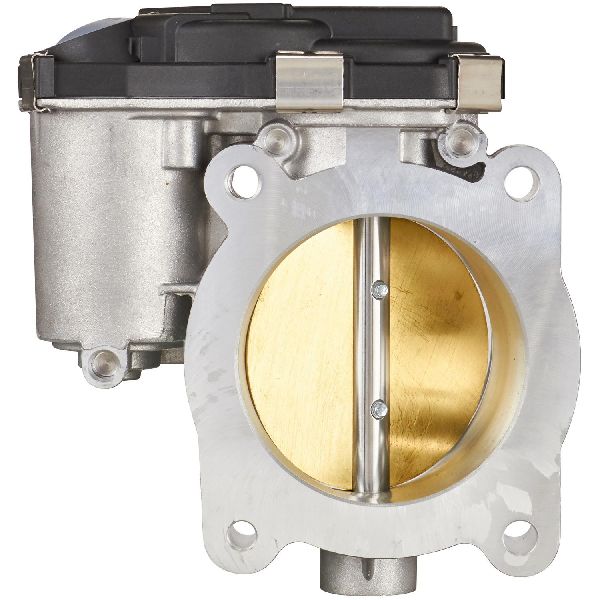
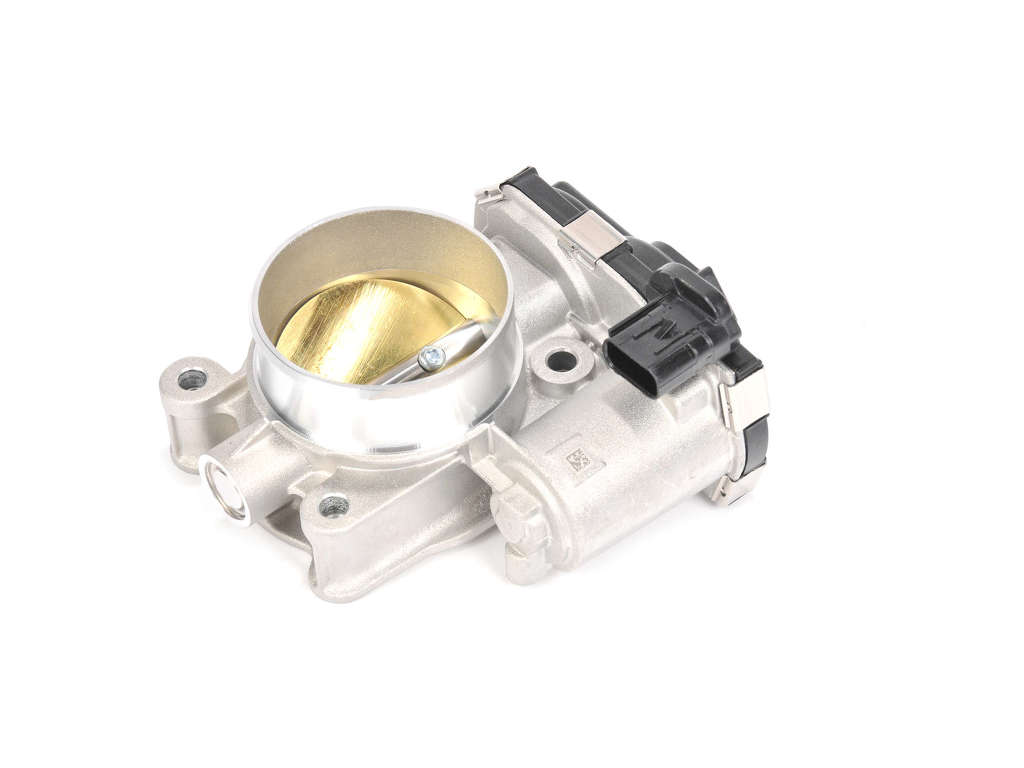
Aftermarket price range: $5-$10 - Throttle Body Assembly (3.6L V6)
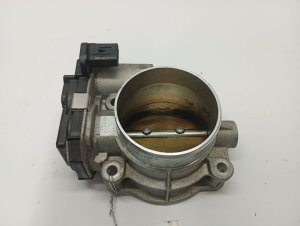
(OEM #12670838)— If cleaning the throttle body does not resolve the issue on the V6 engine, the internal electronics may have failed, requiring complete replacement. This part is shared with the GMC Canyon.
Trusted brands: ACDelco (OEM), Hitachi, Standard Motor Products
OEM price range: $150-$250
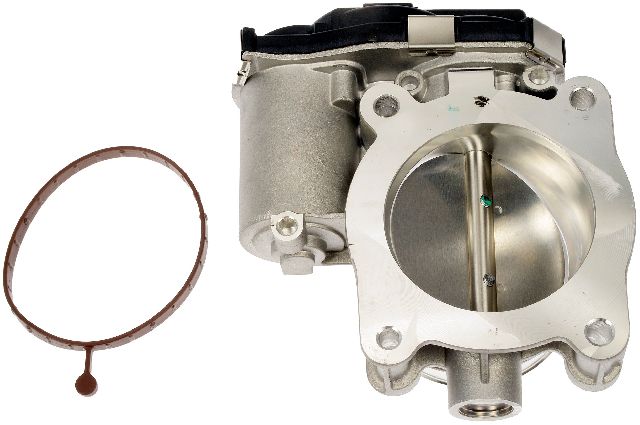
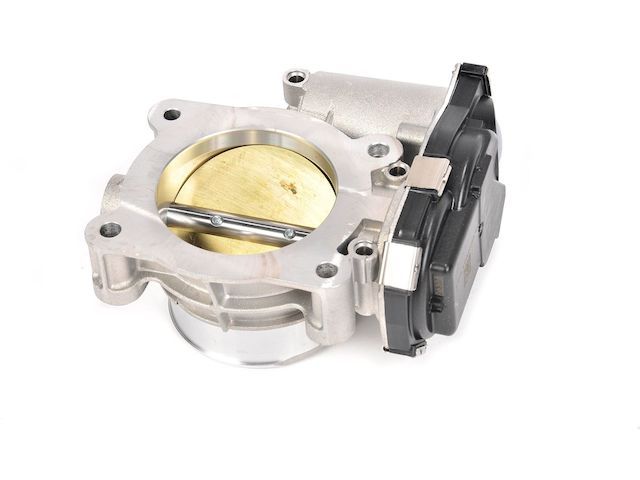
Aftermarket price range: $80-$180 - Throttle Body Assembly (2.5L I4)
(OEM #12670839)— If cleaning the throttle body does not resolve the issue on the 4-cylinder engine, the internal electronics may have failed, requiring complete replacement. This part number has superseded previous versions.
Trusted brands: ACDelco (OEM), Dorman, Standard Motor Products
OEM price range: $150-$250
Aftermarket price range: $80-$180
Related Codes That Often Appear With This One
- P0106 — Often appears with P0506 on 2.5L engines due to the intake manifold vacuum leak described in TSB PIP5529B.
- P0171 — Indicates a 'System Too Lean' condition, which is a direct result of a vacuum leak letting unmetered air into the engine. It's commonly seen with the loose intake manifold bolt issue.
- P0068 — This code relates to a mismatch between the MAF sensor, MAP sensor, and throttle position. A large vacuum leak can cause this correlation fault, and it is listed in TSB PIP5529B.
Technical Service Bulletins (TSBs) & Recalls
- Bulletin #PIP5529B: The most current version, updated in 2019. It explicitly mentions that a combination of DTCs, including P0506, can be caused by loose intake manifold bolts on the 2.5L LCV engine. It provides the definitive correction to apply medium-strength threadlocker and re-torque the bolts to 10 Nm.
- Bulletin #PIP5529A: An earlier version
Platform-Specific Known Issues
- A primary issue for the 2015-2017 Colorado with the 2.5L LCV engine is loose intake manifold bolts causing a vacuum leak, as documented in GM TSB #PIP5529B. This can cause P0506 and a range of other DTCs. This TSB also applies to its platform mate, the GMC Canyon, and other GM vehicles with the same engine.
Mechanic-Grade Diagnostic Values
- Throttle Actuator Control (TAC) Motor Resistance — expected: 2 to 15 Ohms. Failure: A reading of less than 1 Ohm or an over-limit (OL) reading indicates a defective motor.
- Throttle Position Sensor (TPS) Voltage at Closed Throttle — expected: Just under 1.0 Volts. Failure: Voltage significantly different or not stable.
- Throttle Position Sensor (TPS) Voltage Sweep — expected: Smoothly rises from ~1.0V at closed throttle to ~5.0V at wide-open throttle.. Failure: Any glitches, spikes, or dropouts in voltage as the throttle is slowly opened.
- Engine Idle Speed (Fault Trigger) — expected: Approx. 750 RPM or higher. Failure: Engine idle speed drops below 750 RPM, which can trigger the P0506 code.
Scan Tool Commands That Help
- GDS2 / Professional Scan Tool: Idle Learn Reset / Throttle/Idle Learn — This function must be used after cleaning or replacing the throttle body. It resets all learned airflow correction values, forcing the Engine Control Module (ECM) to relearn the new baseline idle parameters. Failure to perform this reset is a common reason for the code to return or for a high/unstable idle after the repair.
- GDS2 / Professional Scan Tool: Engine Speed and Throttle Control Test — This bidirectional test allows a technician to command the throttle plate to specific angles and the engine to specific RPMs, verifying the functionality of the throttle actuator motor and confirming the ECM's ability to control idle speed.
Wiring & Ground Locations
- Throttle Body Connector — Directly on the electronic throttle body assembly, where the engine air intake tube connects.. This 6-pin connector provides power, ground, and signal lines for the internal throttle position sensors and the actuator motor. Corrosion or damage to these 20-gauge wires or terminals can cause erratic throttle behavior and trigger P0506.
Real Owner Repair Stories
- YouTube channel 'Backyard Chevy' (2005 Chevrolet Colorado (First generation, but demonstrates a common cause)) — P0506 code, idle dropping into the 500 RPM range.
✅ What actually fixed it The throttle body was removed and thoroughly cleaned of heavy carbon buildup. After reinstallation, a manual idle relearn procedure (idling in Park for 3 min, off for 1 min, repeat) was performed, which resolved the low idle issue. - Reddit user in r/chevycolorado (Chevrolet Colorado with a manual transmission) — Check engine light with code P0506 comes on intermittently.
❌ Tried (didn't work) Clearing the code, only for it to return.
✅ What actually fixed it The user identified that the code would set specifically when shifting into second gear at too low of an RPM, causing the engine to lug and the idle speed to drop below the PCM's threshold. The 'fix' was to adjust driving habits to avoid lugging the engine during shifts.
"I Checked Everything" — The Actual Cause
- On the 2.5L LCV engine, a smoke test for vacuum leaks may come back clean even if the root cause is loose intake manifold bolts as per TSB #PIP5529B. The gasket may still seal enough under the low pressure of a smoke test, but will leak under the significant vacuum of a running engine. The actual cause is the loss of clamping force from the bolts, not necessarily a failed gasket, which is why the fix is to re-torque with threadlocker, not just replace the gasket.
OEM Part Supersession History
12627217, 12669073→12670839— Standard part evolution for design improvements or manufacturing changes.
Heads up: This part number is specific to the 2.5L I4 engine. The 3.6L V6 uses a different throttle body, part number 12670838.
Model Year Variations Within This Range
- 2017: For 2017, the 3.6L V6 engine was updated to the LGZ version (from the previous LFX) and was paired with a new 8-speed automatic transmission, replacing the previous 6-speed.
- 2016-2017: A 2.8L Duramax turbo-diesel engine became an available option starting in 2016.
- 2015-2017: The 2.5L LCV I4 engine, which is prone to the loose intake manifold bolt issue (TSB PIP5529B), remained the standard base engine throughout this period without major changes.
Helpful Videos
![[HOW TO] Install a Ported Intake Manifold & Replace Spark Plugs on 2017-2022 Colorado/Canyon LGZ V6](https://img.youtube.com/vi/9uUB9O86pVY/mqdefault.jpg)
Used OEM Parts in Stock
New Aftermarket Parts Available


The information in this article is provided for general reference and educational purposes only. Vehicle specifications, procedures, and part compatibility can vary by production date, trim level, and region. Always consult your vehicle's factory service manual and verify part numbers before purchasing or performing repairs. Safety-critical components such as airbags, seat belts, and braking systems should be installed by a qualified professional.
- Chevrolet COLORADO:
- 🧭 Diagnostic Flowchart
- 🎬 Helpful Videos
- 🛍️ Shop This Part
- What's Unique About the 2015-2017 Chevrolet COLORADO
- Symptoms You May Notice
- Most Likely Causes
- Rare But Worth Checking
- Diagnosis Steps
- Parts You'll Likely Need
- Related Codes That Often Appear With This One
- Technical Service Bulletins (TSBs) & Recalls
- Platform-Specific Known Issues
- Mechanic-Grade Diagnostic Values
- Scan Tool Commands That Help
- Wiring & Ground Locations
- Real Owner Repair Stories
- "I Checked Everything" — The Actual Cause
- OEM Part Supersession History
- Model Year Variations Within This Range
- 🎟️ Get 5% Off