

P0506 on 2012-2013 Chevrolet Impala: Idle Speed Low Causes and Fixes
On a 2012-2013 Impala with the 3.6L V6, P0506 almost always points to a dirty electronic throttle body. Carbon buildup from the PCV system restricts airflow at idle, causing the RPM to drop below the target. A thorough cleaning with dedicated cleaner, followed by a specific idle relearn procedure, is the most common and effective fix, often avoiding the cost of a new throttle body.
- P0506 on your Impala means the idle is too low, most likely due to a dirty throttle body.
- Before buying any parts, your first step should be to remove the air intake hose and clean the throttle body with specialized cleaner.
- After cleaning the throttle body, an 'idle relearn' procedure is necessary for the ECM to adapt to the clean throttle plate.
- If cleaning doesn't work, the next most likely cause is a vacuum leak from a cracked hose or bad gasket.
What's Unique About the 2012-2013 Chevrolet Impala
The 2012-2013 Impala was the first to feature the 3.6L LFX V6 engine, which replaced older V6 options. This engine's combination of a Positive Crankcase Ventilation (PCV) system and a direct injection design makes it particularly susceptible to carbon buildup on the throttle body and intake valves. Because fuel is injected directly into the cylinders, it never washes over the throttle plate to clean it. This makes a dirty throttle body a highly common cause for P0506 on this specific platform. GM Technical Service Bulletin (PIP4578B) confirms that carbon buildup is a known issue across many GM engines that can cause various idle-related codes, including P0506, and explicitly recommends cleaning the throttle body and performing an idle learn reset.
Symptoms You May Notice
- Engine idle is lower than normal (e.g., below 600 RPM)
- Rough, shaky, or vibrating idle
- Engine stalling when coming to a stop, while parked, or when shifting into gear
- Hesitation when accelerating from a stop
- Check Engine Light is on
- Engine RPMs drop significantly when the A/C is turned on
- Steam or vapor coming from the front grille or radiator area, as noted in manufacturer service bulletin #PI1203B
- Replacing the throttle body before cleaning it. A thorough cleaning and idle relearn procedure is the prescribed first step by GM and fixes the vast majority of cases.
- Replacing the MAP or MAF sensors. These sensors are rarely the cause of an isolated P0506 code. Their failure would typically be accompanied by other specific codes like P0101, P0106, or P0068.
- Forgetting the idle relearn procedure. After cleaning the throttle body, the ECM's learned compensation must be reset. Skipping this step can lead to a new code, P0507 (Idle RPM Higher Than Expected), and continued idle problems.
Most Likely Causes
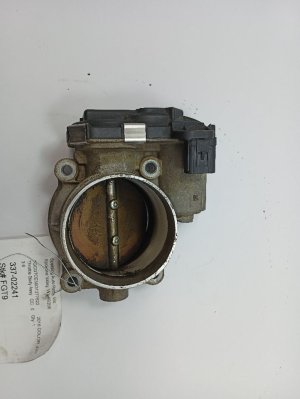
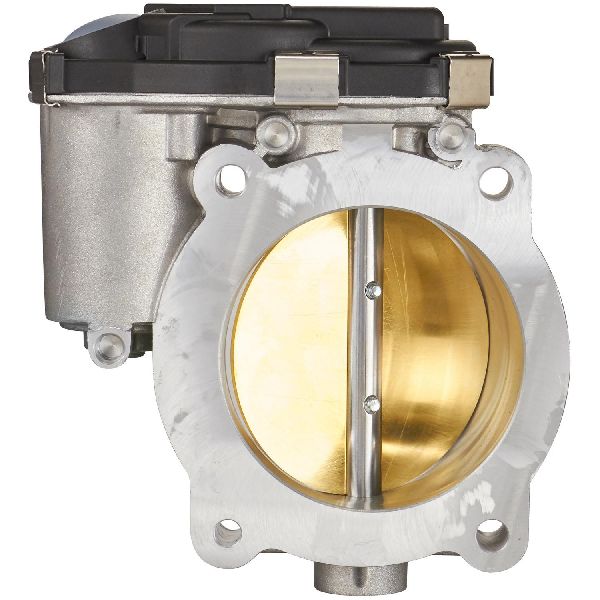
- Dirty Electronic Throttle Body 🔴 High Probability → Shop Fuel Injection Throttle Body The LFX engine's PCV system routes oil vapors and carbon into the intake. Since it's a direct-injection engine, no fuel washes over the throttle plate, allowing this grime to bake on and restrict the small air gap needed for idle.
How to confirm: Remove the air intake duct from the throttle body. Visually inspect the throttle plate edges and the bore for a thick, black, sticky layer of carbon buildup.
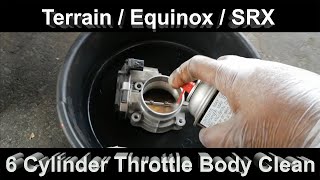
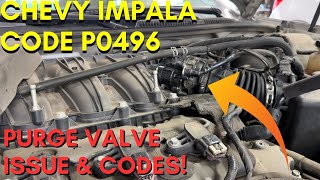
Typical fix: Clean the throttle body thoroughly with a dedicated throttle body cleaner and a soft brush or microfiber rag. 🎬 Watch: How to clean the throttle body on this engine. It is critical to perform an idle relearn procedure afterward, as the ECM has learned to compensate for the buildup and will now cause a high idle (P0507) if not reset.
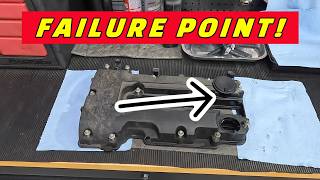
Est. part cost: $5-$15 for cleaner - Vacuum Leak 🟡 Medium Probability Hoses and gaskets become brittle with age and heat cycles. A known issue on the LFX and similar GM engines is a torn PCV valve diaphragm, which is integrated into the valve cover and may not be found with a typical smoke test. Loose intake manifold bolts have also been identified as a cause of vacuum leaks on this engine family (see TSB PIP5529B).
How to confirm: With the engine running, listen for hissing sounds. A professional smoke test is the most effective method to find leaks. Check long-term fuel trims with a scan tool; high positive numbers (e.g., >15%) strongly suggest a vacuum leak.
Typical fix: Identify and replace the cracked hose, failed gasket, or leaking component. If the PCV diaphragm in the valve cover is torn, the entire valve cover must be replaced. 🎬 See how to identify a leak in the PCV diaphragm.
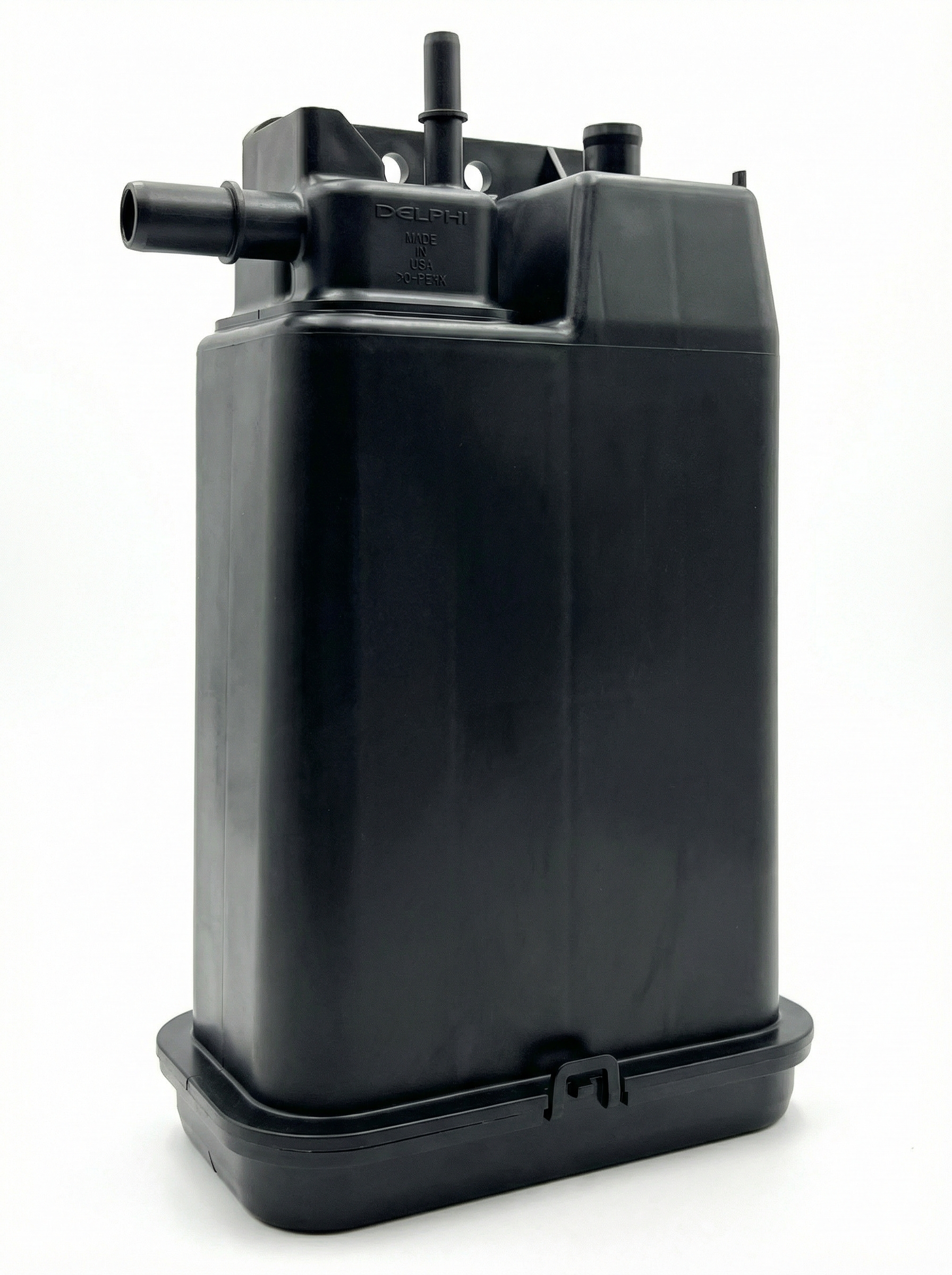
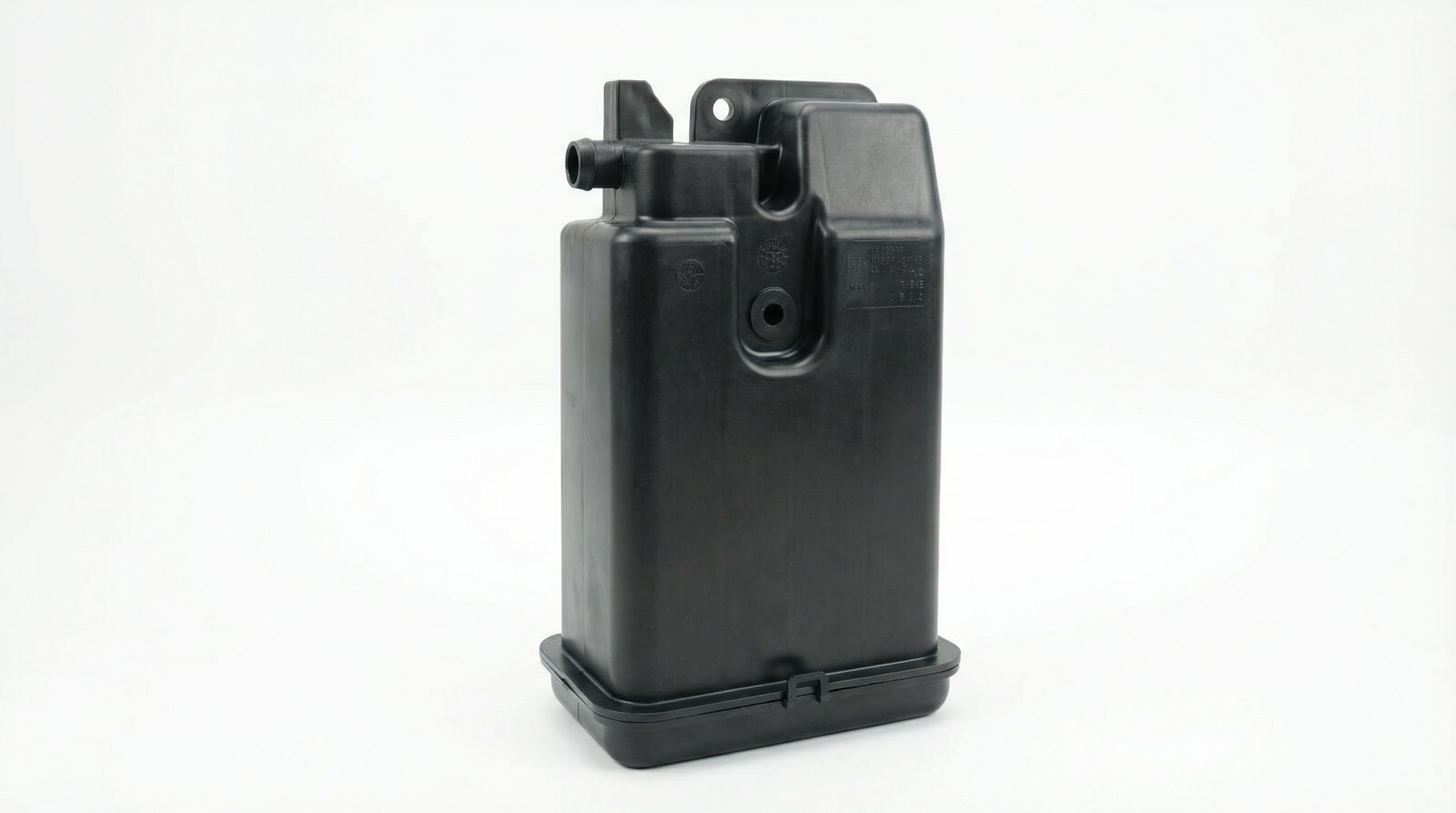
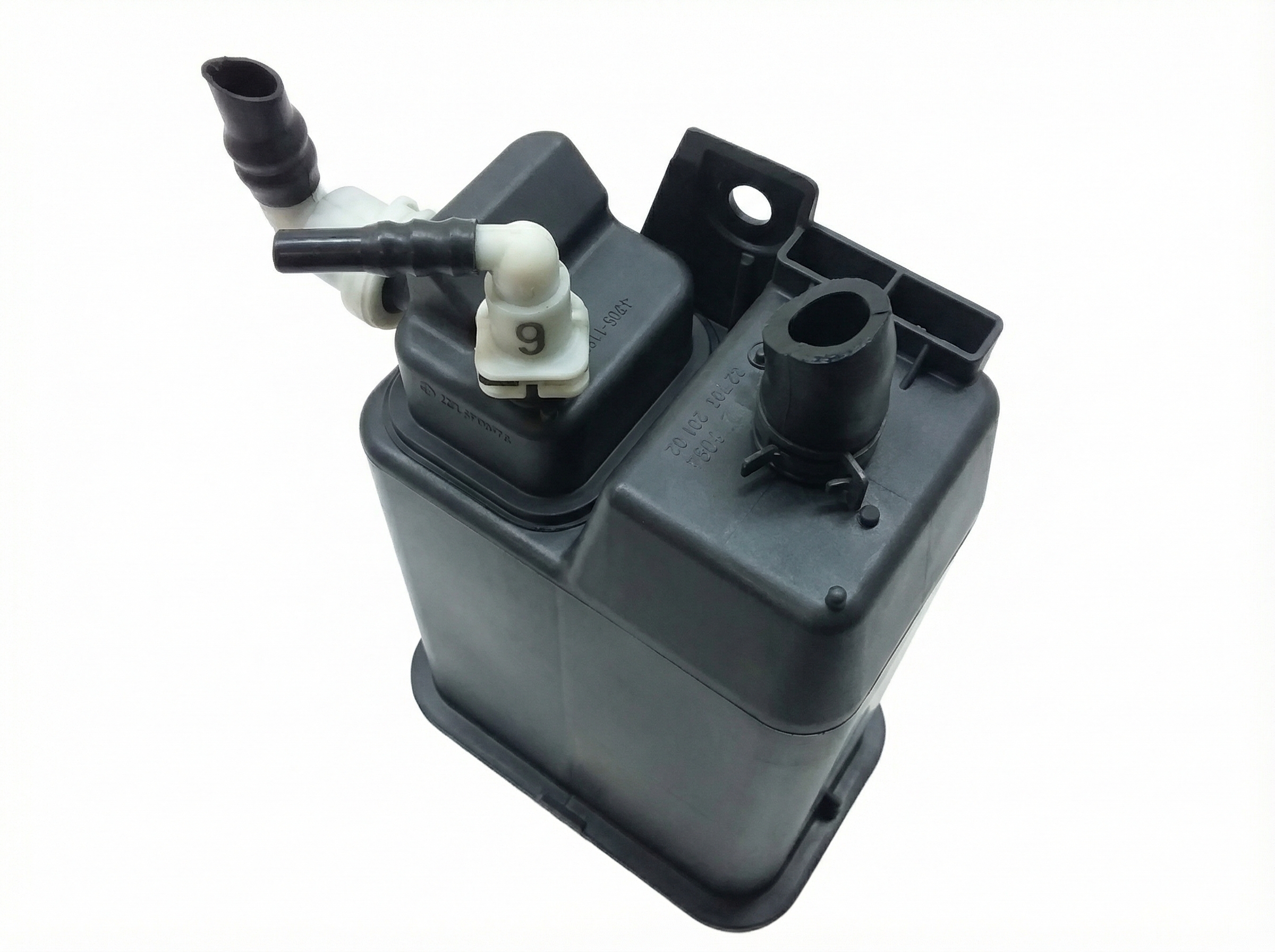
Est. part cost: $10-$150 depending on the source of the leak (hose vs. valve cover) - Faulty EVAP Purge Solenoid ⚪ Low Probability → Shop Vapor Canister The EVAP purge solenoid is a very common failure part on many GM vehicles, including the Impala. If it fails by sticking open, it creates a constant vacuum leak that disrupts the idle air-fuel mixture, potentially causing a P0506.
How to confirm: With the vehicle off, disconnect the hose from the purge valve and try to blow through it. If air passes through, it's stuck open and faulty. It is located right next to the throttle body for easy access.
Typical fix: Replace the EVAP purge solenoid valve. It is a simple repair held by one 10mm bolt and two connections. The GM Genuine part is 214-1680; Dorman offers a replacement as 911-082.
Est. part cost: $25-$60
Rare But Worth Checking
- Faulty Electronic Throttle Body: → Shop Fuel Injection Throttle Body If a thorough cleaning and an idle relearn do not resolve the issue, and no vacuum leaks are present, the internal motor or position sensor of the throttle body itself may have failed. This should only be considered after all other common causes are ruled out.
- Wiring Harness Chafing: GM issued TSB PI0631I for 2012-2013 Impalas, warning that the engine wiring harness can rub against the transmission case, potentially causing shorts in various circuits, including those for the throttle body. The TSB lists P0506 as one of many potential resulting codes. Inspection of the harness near the transmission is warranted if multiple, seemingly unrelated codes are present.
- Broken Valve Spring: → Shop Engine Valve Spring While less common, GM has a Technical Service Bulletin (PIP5423B) for the 3.6L LFX engine family that directly links P0506 to a broken valve spring, especially when accompanied by code P0106 (MAP Sensor Performance). This is a more serious mechanical issue that should be investigated if cleaning the throttle body does not resolve the code.
Diagnosis Steps
- Read the codes with an OBD-II scanner to confirm P0506 and check for any other stored codes like P0507, P0068, or P0171.
- Visually inspect the air intake system from the air filter to the throttle body for any cracks, loose clamps, or disconnected hoses.
- Remove the intake duct from the throttle body. Inspect for heavy carbon buildup around the throttle plate and bore.
- If dirty, clean the throttle body thoroughly. Remove it from the vehicle for best results. Use dedicated throttle body cleaner and a soft cloth or brush. Do not aggressively force the throttle plate open by hand.
- Check for vacuum leaks. Listen for hissing noises at idle. A smoke test is the most effective method. Pay attention to the PCV hoses and intake manifold gasket area. Manufacturer bulletin #PIP5529A notes that P0506 can appear in combination with codes like P0101, P0171, and P0324.
- Test the EVAP purge solenoid. With the engine off, remove the valve and try to blow through it. If air passes, it is stuck open and needs replacement.
- After any cleaning or repairs, clear the codes. Perform a specific GM idle relearn procedure. A common manual method is: 1) Start the engine and let it idle in Park for 3 minutes. 2) Turn the engine off and wait 60 seconds. 3) Restart the engine and let it idle for another 3 minutes. The idle should now be stable. Using a scan tool to perform the 'Idle Learn Reset' is the most reliable method. 🎬 Watch: How to perform a manual idle relearn reset.
- If the code returns, investigate more complex causes like a faulty throttle body assembly, chafed wiring harness (per TSB PI0631I), or potential valvetrain issues.
Parts You'll Likely Need
- Throttle Body Cleaner — This is the most common requirement to fix the code. A dirty throttle body is the leading cause of P0506 on this vehicle.
Trusted brands: CRC, Berryman, ACDelco
OEM price range: N/A
Aftermarket price range: $5-$15 - Electronic Throttle Body
(OEM #12632190)— Only needed if a thorough cleaning and diagnosis confirm the original unit has failed electronically or mechanically. It is often replaced unnecessarily. The current ACDelco service replacement part may be updated to 12670981.
Trusted brands: ACDelco (GM OE), Bosch, Hitachi
OEM price range: $150-$250
Aftermarket price range: $80-$150 - EVAP Purge Solenoid Valve
(OEM #214-1680)— A possible, though less frequent, cause. If it fails stuck open, it creates a vacuum leak that can set P0506. It's a common GM failure part.
Related Codes That Often Appear With This One
- P0507 — This code for 'Idle RPM Higher Than Expected' can appear after cleaning the throttle body if the idle relearn procedure is not performed. The ECM continues to compensate for the old carbon buildup, now holding the clean throttle plate too far open.
- P0068 — This code indicates a conflict between the MAP sensor, MAF sensor, and throttle position. A dirty throttle body or a significant vacuum leak can cause this correlation error, triggering both codes. TSB PIP4578B specifically mentions this code combination.
- P0171 — This code for 'System Too Lean' is a classic indicator of a vacuum leak, as unmetered air is entering the engine. A vacuum leak is also a potential cause of P0506.
- P0106 — This code for 'MAP Sensor Performance' often appears with P0506 when a serious mechanical issue, like a broken valve spring, is present, as noted in TSB PIP5423B. The erratic vacuum caused by the valvetrain issue confuses the MAP sensor.
Technical Service Bulletins (TSBs) & Recalls
- PIP4578B: Addresses idle surge, low idle (P0506), high idle (P0507), and other DTCs caused by carbon buildup in the throttle body. Mandates cleaning and performing an 'Idle Learn Reset' with a scan tool.
- PI0631I: Details a potential for the engine wiring harness to chafe on the transmission case, causing a multitude of electrical issues and DTCs, including P0506.
- PIP5423B: Links DTCs P0506 and P0106 to possible broken valve springs on the 3.6L LFX engine, indicating a potential for a more serious mechanical failure.
- PIP5529B: Notes that P0506 may occur in combination with codes such as P0101, P0106, P0171, P0131, P0137, P0324, P0326, and P0331, potentially leading to a malfunction indicator lamp illumination.
- PI1203B: Provides information regarding customer concerns of the engine running rough or stalling, or a technician finding DTC P0506 set, sometimes accompanied by steam or vapor from the front grille area.
Platform-Specific Known Issues
- A GM Technical Service Bulletin (PIP4578B) exists for a wide range of GM vehicles, including V6 and V8 models, noting that carbon buildup in the throttle body is a common cause of idle issues and codes like P0506, P0507, and P0068. The recommended fix is to clean the throttle body and perform an idle learn reset with a scan tool.
- A user on ImpalaForums.com with a 2012 Impala LFX reported the classic P0506 symptoms of low idle and stalling. The consensus from other members was to start with a thorough throttle body cleaning, which ultimately resolved the user's issue.
Mechanic-Grade Diagnostic Values
- Throttle Position Sensor (TPS) Signal Voltage, Closed Throttle — expected: ~0.5V - 0.9V. Failure: Voltage is significantly higher, lower, or erratic at closed throttle.
- Throttle Position Sensor (TPS) Signal Voltage, Wide-Open Throttle (WOT) — expected: ~4.5V - 4.9V. Failure: Voltage does not reach the expected range at WOT or does not sweep smoothly from closed to open.
- Manifold Absolute Pressure (MAP) Sensor, Key On Engine Off (KOEO) — expected: ~4.5V or ~100 kPa (should match BARO). Failure: Reading is stuck low or does not correlate with barometric pressure for the current altitude.
- Manifold Absolute Pressure (MAP) Sensor, Engine Idling (Warm) — expected: 1.0V - 1.5V or 20-40 kPa. Failure: Voltage/pressure is high (closer to KOEO reading), indicating a vacuum leak or poor engine vacuum.
- Long-Term Fuel Trim (LTFT) at Idle — expected: -10% to +10%. Failure: Consistently high positive values (e.g., > +15%) strongly indicate a vacuum leak the ECM is trying to compensate for.
- Throttle Body Idle Airflow Compensation (Scan Tool PID) — expected: 0% after idle learn reset. Failure: Value is not 0% after a reset, indicating the ECM has not successfully learned the new baseline idle airflow.
Scan Tool Commands That Help
- GDS2 (GM Dealer Scan Tool): Idle Learn Reset — This is the most reliable method to reset the learned throttle body airflow values after cleaning or replacing the throttle body. It is located under 'Configuration/Reset' or 'Module Setup' and is more effective than manual relearn procedures, especially if a P0507 code appears after cleaning.
- GDS2 (GM Dealer Scan Tool): Throttle Position Sensor 1 and 2 Voltage Display — To monitor the dual TPS signals in real-time. The ECM uses two sensors for redundancy. A discrepancy between the two can indicate a failing throttle body, even if the voltage sweep appears smooth on one sensor alone.
Wiring & Ground Locations
- Q38 Throttle Body Connector — Directly on the electronic throttle body assembly, at the top of the engine.. This is a 6-pin connector that provides power, ground, and signal lines for the throttle motor and dual throttle position sensors. Poor connection, corrosion, or damage to these pins can cause P0506 and other throttle-related codes. The ECM supplies a 5V reference, low reference, and control circuits through this connector.
- G111 — On the LFX engine, this ground is typically located on the rear of the driver's side cylinder head.. This is a primary engine ground point. A loose or corroded G111 can cause erratic behavior in multiple engine sensors, including the throttle body, leading to incorrect readings and idle control problems.
- G102 — Located on the lower left front of the engine block.. This is another critical engine block ground. A poor connection here can affect the Engine Control Module's (ECM) ability to properly control actuators like the electronic throttle body.
- Engine Harness (Chafe Point) — The area where the engine wiring harness passes near the transmission case and bellhousing.. As per TSB PI0631I, this harness can rub against the transmission, causing wires for the throttle control circuits to short to ground or each other. This can directly cause P0506 and other intermittent electrical faults.
Real Owner Repair Stories
- ImpalaForums user (2012 Chevrolet Impala LTZ, 3.6L LFX) — Stalling at idle, rough idle, P0506 code present.
❌ Tried (didn't work) Cleaned the throttle body multiple times., Performed idle relearn procedure., Replaced the MAF sensor.
✅ What actually fixed it The problem was ultimately a failed PCV system. The diaphragm inside the driver-side valve cover had torn, creating a large, unmetered vacuum leak. Replacing the entire valve cover assembly (which includes the non-serviceable PCV valve) resolved the P0506 code and stalling issues.
"I Checked Everything" — The Actual Cause
- A common scenario for the LFX engine is a failed PCV valve diaphragm, which is integrated into the valve cover. A standard smoke test introduced through a vacuum line or the intake boot may not properly pressurize the crankcase to reveal this specific leak, leading technicians to believe no vacuum leak exists. The definitive test is often to remove the oil cap while the engine is running; a significant change in idle and a loud sucking sound indicates the diaphragm is torn.
OEM Part Supersession History
12632190→12670981— Standard part update and consolidation by GM/ACDelco. The new part may feature minor internal improvements for durability or performance.
Heads up: The new part number (12670981) is a direct replacement and fully compatible. However, some documentation states it may require programming or a special setup procedure, reinforcing the need to perform the Idle Learn Reset with a scan tool after installation.
Diagnostic Flowchart
Other Known Issues on This Vehicle
Issues unrelated to this code that are worth knowing about as an owner of this generation:
- Premature Timing Chain Stretch 🔴 High — Common, especially on vehicles with extended oil change intervals. Often manifests between 70,000 and 120,000 miles. The LFX engine had improvements over the prior LLT, but the issue persists. (Ref: Multiple TSBs exist for the GM 3.6L engine family (e.g., P0008, P0017 codes), though no specific recall for the Impala.)
- Transmission Hesitation / Erratic Shifting 🟠 Medium — Frequently reported by owners. The 6T70 transmission can exhibit gear-hunting or hesitation at low speeds. Sometimes related to fluid condition or control module software.
- Engine Wiring Harness Chafing 🟠 Medium — Common enough to warrant a specific TSB (PI0631I). Can cause a wide range of difficult-to-diagnose electrical problems and DTCs. Affects vehicles built before VIN D1207466. (Ref: TSB PI0631I)
- Carbon Buildup on Intake Valves 🟠 Medium — An inherent issue with all direct-injection engines, including the LFX. Over time, it can cause misfires (P0300) and reduced performance, typically noticeable after 60,000+ miles.
Used vs. New Parts: Buying Guide for This Vehicle
When a used part is the smart pick: A used electronic throttle body can be a cost-effective option, as the primary failure mode on this car (carbon buildup) is a cleaning issue, not a hard part failure. A used valve cover (with integrated PCV) is also a viable option if it comes from a low-mileage, well-maintained donor.
Donor-vehicle mileage cap: roughly under 80000 miles for the part to have meaningful remaining life.
What to inspect on the donor part:
- For a throttle body: Inspect the connector for bent or corroded pins. Manually (gently) move the throttle plate to ensure it's not binding or excessively loose.
- For a valve cover: Inspect thoroughly for any hairline cracks, especially around bolt holes. Ensure the PCV orifice is not clogged with sludge. Avoid parts from engines that show signs of heavy oil sludge or neglect.
- Check the donor vehicle's history if possible to avoid parts from cars with major engine issues.
OEM-only on this vehicle (don't cheap out):
- Engine Control Module (ECM) - Requires vehicle-specific programming that makes used units difficult to implement.
Aftermarket brands forum-validated for this vehicle:
- ACDelco (GM Original Equipment)
- Bosch (Often the OE manufacturer)
- Hitachi
Brands owners have reported issues with on this vehicle:
- Ultra-low-cost, unbranded throttle bodies from online marketplaces often have high failure rates with their internal electronics and may not calibrate correctly.
Real Owner Stories
Aggregated from forums and TSBs cited above. Mileages and costs reflect what owners reported in those sources.
2012 Chevrolet Impala 3.6L LFX
Symptoms: The car's RPM would drop significantly and the engine would stall at stops.
What fixed it: A thorough throttle body cleaning and performing an idle relearn procedure.
Source hint: ImpalaForums.com - Thread Title: '2012 Impala LTZ Stalling Issue P0506'
2012 Chevrolet Impala 3.6L LFX
Symptoms: Fluctuating idle and codes P0506 and P0507.
What fixed it: Cleaning the throttle body to remove carbon buildup.
Source hint: ChevroletForum.com thread regarding 2012 Impala fluctuating idle
Related OBD-II Codes
Frequently Asked Questions
Does TSB PIP4578B apply to my 2012 Chevrolet Impala with the 3.6L LFX engine?
Can a wiring issue cause a P0506 on my 2013 Impala?
Is it true that a P0506 could mean a major engine failure like a broken valve spring?
Why does my Impala stall specifically when the A/C is turned on or when I shift into gear?
Do I need to replace the whole valve cover if I have a vacuum leak at the PCV valve?
What is the specific manual idle relearn procedure for the 2012-2013 Impala?
Helpful Videos
Used OEM Parts in Stock
New Aftermarket Parts Available


The information in this article is provided for general reference and educational purposes only. Vehicle specifications, procedures, and part compatibility can vary by production date, trim level, and region. Always consult your vehicle's factory service manual and verify part numbers before purchasing or performing repairs. Safety-critical components such as airbags, seat belts, and braking systems should be installed by a qualified professional.
- Chevrolet Impala:
- 🧭 Diagnostic Flowchart
- 🎬 Helpful Videos
- 🛍️ Shop This Part
- What's Unique About the 2012-2013 Chevrolet Impala
- Symptoms You May Notice
- Most Likely Causes
- Rare But Worth Checking
- Diagnosis Steps
- Parts You'll Likely Need
- Related Codes That Often Appear With This One
- Technical Service Bulletins (TSBs) & Recalls
- Platform-Specific Known Issues
- Mechanic-Grade Diagnostic Values
- Scan Tool Commands That Help
- Wiring & Ground Locations
- Real Owner Repair Stories
- "I Checked Everything" — The Actual Cause
- OEM Part Supersession History
- Other Known Issues on This Vehicle
- Used vs. New Parts: Buying Guide for This Vehicle
- Real Owner Stories
- 2012 Chevrolet Impala 3.6L LFX
- 2012 Chevrolet Impala 3.6L LFX
- Related OBD-II Codes
- Frequently Asked Questions
- 🎟️ Get 5% Off