

P0506 on 2014-2017 Chevrolet Impala: Low Idle, Stalling Causes & Fixes
On the 2014-2017 Impala, P0506 is most often caused by a dirty electronic throttle body needing a good cleaning and an idle relearn procedure. For 2.5L models, it can also be caused by a specific issue where water enters the air intake after a car wash, which is addressed by a factory TSB. In rare cases, loose intake manifold bolts can also trigger this code per TSB PIP5529B.
- P0506 on a 2014-2017 Impala means the idle is too low.
- The most common fix is cleaning the electronic throttle body and performing an idle relearn.
- If you have a 2.5L engine and the car stalls after a car wash, the problem is likely water getting into the air intake, which has a specific TSB fix (PI1203B).
- Always check for vacuum leaks (cracked hoses, bad PCV) as a potential cause.
- Before replacing the expensive throttle body, always try cleaning it first.
What's Unique About the 2014-2017 Chevrolet IMPALA
While a dirty throttle body is a common cause on many modern cars, the 2014-2017 Impala, particularly with the 2.5L engine, has a unique design vulnerability. The air intake snorkel is positioned where it can ingest water vapor steaming off the hot radiator, especially after a car wash or in heavy rain. This sudden intake of moist air disrupts combustion and can directly trigger a P0506 code with stalling, an issue so specific that GM issued a technical service bulletin (PI1203B) to address it. Additionally, TSB PIP5529B notes that on rare occasions, loose intake manifold bolts can cause a vacuum leak leading to P0506 among other codes.
Diagnostic Flowchart
Tap your situation to follow the diagnostic path that matches what you're seeing on this vehicle.
Symptoms You May Notice
- Check Engine Light is on
- Engine idle is lower than normal (e.g., below 600 RPM)
- Rough, shaking, or vibrating idle
- Engine stalls when coming to a stop or when shifting into gear
- On 2.5L models, symptoms may be most noticeable immediately after a car wash or in heavy rain.
- Replacing the entire throttle body assembly when only a cleaning and idle relearn procedure were necessary.
- Replacing spark plugs or ignition coils, which are less likely to cause a consistent low idle issue without other misfire codes being present.
- Replacing the intake manifold gasket when the bolts were simply loose and needed to be re-torqued with threadlocker per TSB PIP5529B.
Most Likely Causes
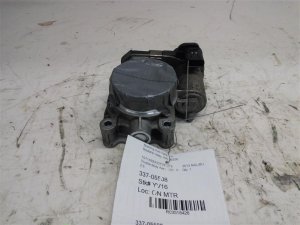
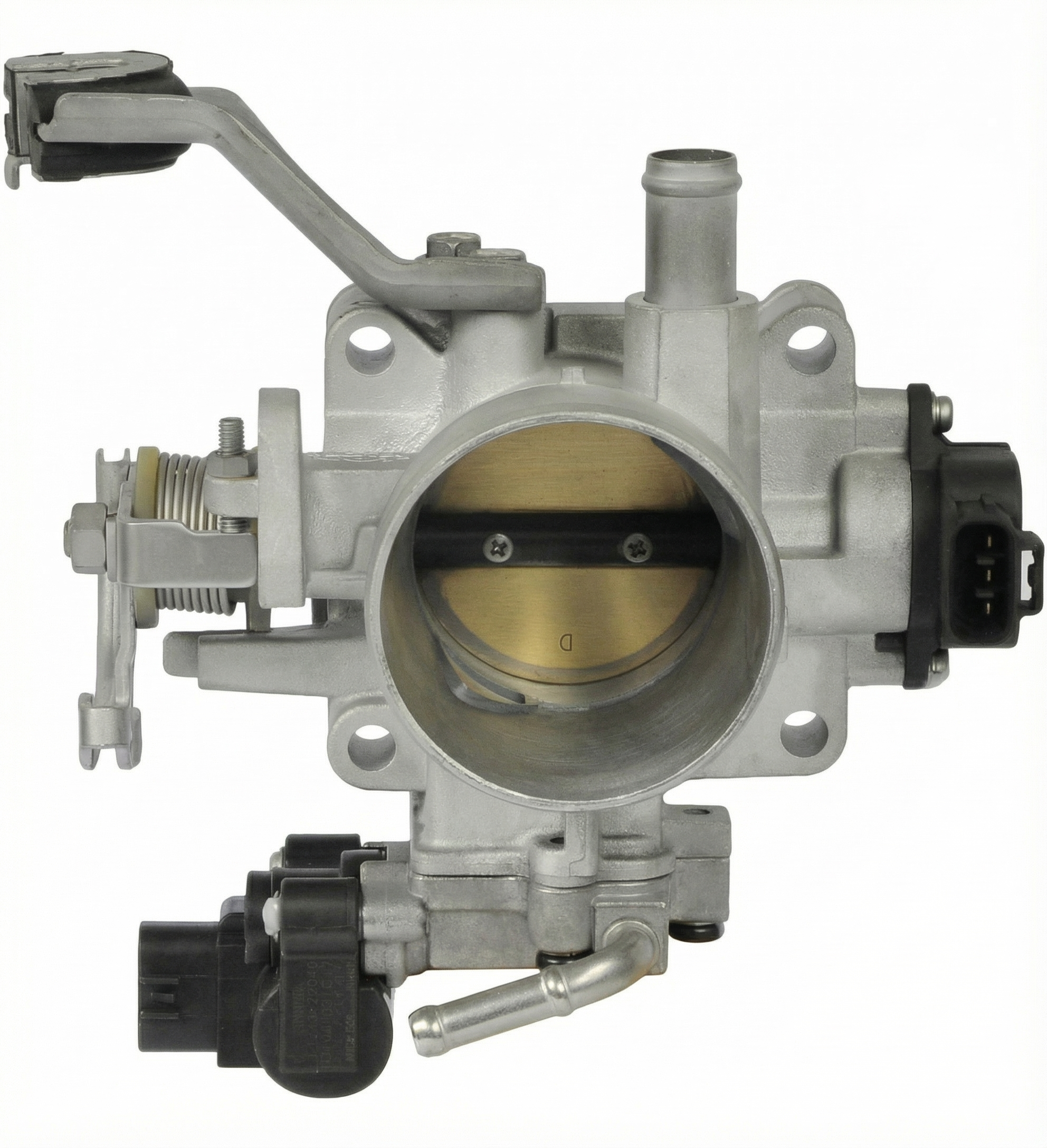
- Dirty Throttle Body 🔴 High Probability → Shop Fuel Injection Throttle Body All modern engines with PCV and EGR systems recirculate oil vapor and exhaust gases, which can bake onto the throttle plate. Over time, this carbon buildup restricts the tiny gap the throttle blade uses to control idle airflow, causing the idle to drop too low.
How to confirm: Remove the air intake tube connected to the throttle body. Visually inspect the throttle plate and the bore for a thick, black layer of carbon, especially around the edges where the plate closes.
Typical fix: Clean the throttle body bore and plate thoroughly with a dedicated throttle body cleaner and a soft brush or rag. 🎬 See this walkthrough on how to properly clean the throttle body Afterwards, an 'idle relearn' procedure is required.
Est. part cost: $5-$15 for cleaner - Water Ingestion into Air Intake (2.5L Engine) 🔴 High Probability As documented in TSB PI1203B, the air inlet is positioned in a way that it can suck in steam/vapor rising from the radiator/condenser after they get wet. This unmetered, moisture-laden air causes a temporary disruption in the air-fuel ratio, leading to a stall or rough idle.
How to confirm: The problem occurs almost exclusively after the front of the car gets wet (car wash, heavy rain). The TSB itself confirms the diagnosis if these conditions are met.
Typical fix: GM released a specific repair kit that involves applying special BRS tape to the front compartment sight shield and replacing the radiator air upper baffle with a revised part (No. 23199629) to redirect airflow and prevent vapor ingestion.
Est. part cost: $20-$50 for the revised baffle and tape - Vacuum Leak (including Loose Intake Manifold Bolts) 🟡 Medium Probability Hoses and gaskets made of plastic and rubber can become brittle and crack over time with exposure to engine heat. Specifically for the 2.5L LKW and other GM engines, TSB PIP5529B identifies that intake manifold bolts can loosen over time, creating a vacuum leak.
How to confirm: Listen for a hissing sound at idle. A mechanic can perform a smoke test, which feeds pressurized smoke into the intake system to reveal the exact location of any leaks. To check for the issue in TSB PIP5529B, a technician would inspect the intake manifold bolts for proper torque.
Typical fix: Replace the cracked hose or failed gasket. If intake manifold bolts are loose, the fix is to remove one bolt at a time, apply medium-strength threadlocker, and torque them to specification in the correct sequence.
Est. part cost: $10-$150 depending on the source of the leak
Rare But Worth Checking
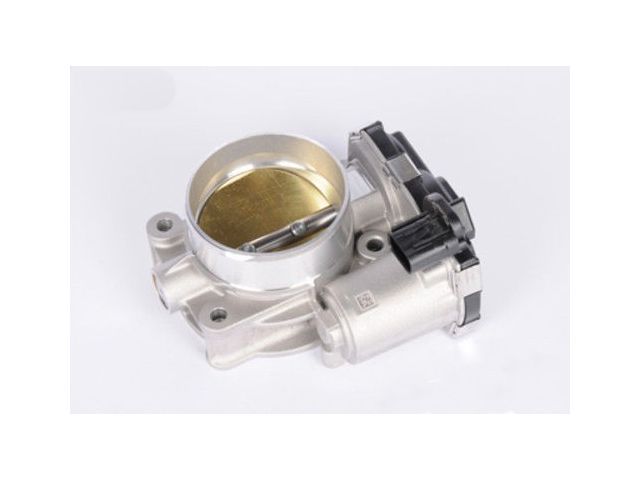
- Failed Electronic Throttle Body: → Shop Fuel Injection Throttle Body While cleaning often resolves the issue, the electronic motor or position sensor within the throttle body assembly can fail outright, requiring complete replacement. This part may require programming after installation.
- Engine Harness Chafing: Other GM bulletins for this platform (like PI0631I for the 2012-2013 Impala) have noted issues with the engine wiring harness rubbing through on the transmission case. While not directly linked to P0506 in the documentation, a shorted wire related to the throttle body could cause this code.
Diagnosis Steps
- Scan for all DTCs. If other codes are present, especially for vacuum leaks (P0171) or timing (P0017), address them first as they can be the root cause.
- Check for applicable TSBs. Review TSB PI1203B for 2.5L engines with symptoms after getting wet. Review TSB PIP5529B if multiple codes like P0068, P0101, or P0171 are present, and inspect intake manifold bolts for looseness.
- Inspect for Vacuum Leaks. Listen for hissing noises. A professional smoke test is the most effective way to find a leak. Pay close attention to the intake manifold area.
- Inspect and Clean the Throttle Body. Disconnect the battery. Remove the intake duct and check for heavy carbon buildup. If dirty, clean it thoroughly using throttle body cleaner and a soft cloth. Do not move the throttle plate manually with force if possible.
- Perform an Idle Relearn Procedure. After cleaning or replacing the throttle body, the PCM's learned values must be reset. A common GM procedure is: Start the engine and let it idle in Park for 3 minutes. Turn the engine off for 1 minute. Start the engine again and let it idle in Park for another 3 minutes. The relearn should be complete.
- If symptoms persist, test the throttle body connector and wiring for damage or voltage drops.
- If all else fails, the electronic throttle body assembly itself may be faulty and require replacement.
Parts You'll Likely Need
- Throttle Body Cleaner — This is the first and most common fix for a carbon-fouled throttle body causing low idle.
Trusted brands: CRC, ACDelco, Gumout
OEM price range: $10-$15
Aftermarket price range: $5-$10 - Radiator Air Upper Baffle and Deflector
(OEM #23199629)— This is the revised part required to perform the fix outlined in TSB PI1203B for the water ingestion issue on 2.5L models.
Trusted brands: ACDelco (GM OE)
OEM price range: $20-$40 - Electronic Throttle Body Assembly
(OEM #12670981)— If cleaning the throttle body doesn't work and it's diagnosed as faulty, the entire assembly must be replaced. This part number is for the 3.6L V6, but is often cited. Always verify with VIN. It supersedes parts 12632172, 12648415, 12669016, and 12671015.
Trusted brands: ACDelco, Bosch, Hitachi
OEM price range: $150-$250
Aftermarket price range: $80-$180
Related Codes That Often Appear With This One
- P0068 — This code indicates a conflict between the MAP sensor, MAF sensor, and throttle position. A dirty throttle body or vacuum leak can cause this correlation error. TSB PIP5529B also lists this code in conjunction with P0506 for loose intake manifold bolts.
- P0101 — Indicates a problem with the Mass Air Flow (MAF) sensor performance. A vacuum leak or water ingestion can cause airflow readings that don't match what the PCM expects for a given throttle angle, triggering both codes.
- P0171 — Indicates the engine is running too lean (too much air, not enough fuel). This is a classic companion code for a vacuum leak, which is also a potential cause of P0506.
Technical Service Bulletins (TSBs) & Recalls
- PI1203B: Addresses a concern of steam/vapor from the front grille, rough running, stall, and DTC P0506 after a car wash or in heavy rain on 2014 models with the 2.5L engine.
- PIP5529B: Addresses a rare case of stalling or hesitation with multiple DTCs (including P0506) caused by loose intake manifold bolts on 2014-2017 model
Platform-Specific Known Issues
- TSB PI1203B: Water Ingestion Stalls (2.5L Engine): Specifically for 2014 models with the 2.5L engine, this bulletin addresses a condition where the engine runs rough, stalls, and sets DTC P0506 after going through a car wash or driving in heavy rain. The cause is water vapor being ingested into the air intake. The fix requires installing a revised radiator air baffle (Part No. 23199629) and applying special adhesive tape to the sight shield.
- TSB PIP5529B: Loose Intake Manifold Bolts: → Shop Engine Intake Manifold This bulletin applies to 2014-2017 Impalas with the 2.5L engine (among many other GM vehicles). It notes that in rare cases, a stall, hesitation, and a combination of codes including P0506 can be caused by loose intake manifold bolts. The prescribed fix is to remove, apply medium-strength threadlocker, and re-torque the bolts to specification rather than replacing the gasket.
Mechanic-Grade Diagnostic Values
- Throttle Position Sensor (TPS) Signal Voltage — expected: 0.5V - 0.9V at closed throttle, sweeping smoothly up to 4.5V - 4.9V at wide-open throttle.. Failure: Voltage is erratic, has dead spots, or does not change smoothly when the throttle is opened.
- Manifold Absolute Pressure (MAP) Sensor Signal Voltage — expected: Key-On Engine-Off (KOEO): ~4.5V. Engine running at idle: ~1.0V - 1.5V (will vary with engine vacuum).. Failure: Voltage at KOEO is significantly different, or voltage at idle is high (e.g., over 2.0V), indicating low vacuum or a sensor fault.
- Throttle Body 5V Reference Voltage — expected: 4.8V - 5.2V at the throttle body connector with the key on, engine off.. Failure: Voltage is low or absent, indicating a wiring issue or a problem with the ECM's 5V reference circuit.
- Normal Idle RPM (Scan Tool Data) — expected: Typically between 600-800 RPM once the engine is at operating temperature.. Failure: Actual RPM is consistently 100-200 RPM below the 'Desired Idle RPM' PID on the scan tool.
Scan Tool Commands That Help
- GDS2 (GM Global Diagnostic System 2): Module Diagnosis > ECM > Configuration/Reset Functions > Idle Learn Reset — This is the official GM-specified method to reset all learned idle values in the Engine Control Module (ECM) after cleaning or replacing the throttle body. It is more reliable than manual procedures.
- High-End Bidirectional Scan Tool: Idle Air Control Reset / Throttle Relearn — Used to command the ECM to begin the idle relearn process. This function forces the computer to find the new closed-throttle position and adjust idle airflow accordingly after service.
Wiring & Ground Locations
- G103 — On the front of the passenger side (right side) cylinder head.. This is a primary engine ground. A loose or corroded G103 can cause erratic sensor readings and unpredictable behavior from the ECM and throttle body.
- G111 — On the lower left rear of the engine block.. This ground is part of the engine wiring harness ground distribution. A poor connection here can affect multiple engine sensors, including those involved in idle control.
- Underhood Fuse Block — On the driver's side of the engine bay, next to the battery.. This block contains the primary fuses and relays for the ECM and other engine control components. A poor connection or corrosion on the main power feeds to this block can cause low voltage issues that affect idle control.
- Throttle Body Connector — Directly on the electronic throttle body assembly.. The 6-pin connector provides power, ground, and signal lines for the two internal throttle position sensors and the throttle actuator motor. Damaged pins or wires here are a direct cause of throttle-related codes.
Real Owner Repair Stories
- Chevrolet Forum user (2014 Chevrolet Impala 2.5L) — P0506, P0171 (System Too Lean), and rough idle, especially when coming to a stop.
❌ Tried (didn't work) Cleaned the throttle body multiple times., Replaced the throttle body., Cleaned the MAF sensor., Performed a smoke test which showed no leaks.
✅ What actually fixed it The PCV valve diaphragm, located inside the valve cover, had a small tear. This created a vacuum leak that was not detectable by a smoke test. Replacing the entire valve cover assembly (which includes the non-serviceable PCV valve) resolved all codes and the rough idle.
"I Checked Everything" — The Actual Cause
- In one documented case for a 2.5L engine, a smoke test repeatedly came back clean, showing no vacuum leaks. The actual cause was a torn diaphragm in the integrated PCV valve within the valve cover. This type of leak is difficult for a smoke test to detect as the pressure may not be sufficient to reveal the tear, but under engine vacuum, it opens up, causing a lean condition and low idle, triggering P0506 and often P0171.
Helpful Videos
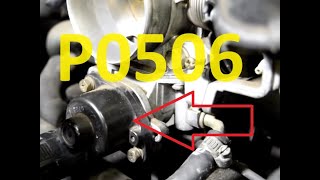
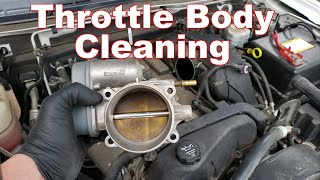
Used OEM Parts in Stock
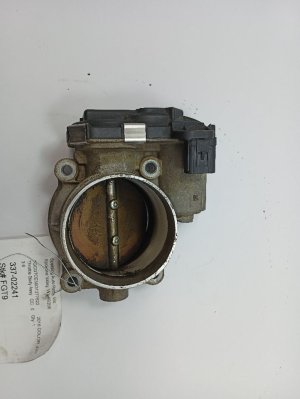
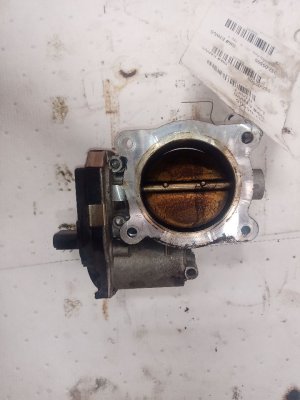
New Aftermarket Parts Available


The information in this article is provided for general reference and educational purposes only. Vehicle specifications, procedures, and part compatibility can vary by production date, trim level, and region. Always consult your vehicle's factory service manual and verify part numbers before purchasing or performing repairs. Safety-critical components such as airbags, seat belts, and braking systems should be installed by a qualified professional.
- Chevrolet IMPALA:
- 🧭 Diagnostic Flowchart
- 🎬 Helpful Videos
- 🛍️ Shop This Part
- What's Unique About the 2014-2017 Chevrolet IMPALA
- Symptoms You May Notice
- Most Likely Causes
- Rare But Worth Checking
- Diagnosis Steps
- Parts You'll Likely Need
- Related Codes That Often Appear With This One
- Technical Service Bulletins (TSBs) & Recalls
- Platform-Specific Known Issues
- Mechanic-Grade Diagnostic Values
- Scan Tool Commands That Help
- Wiring & Ground Locations
- Real Owner Repair Stories
- "I Checked Everything" — The Actual Cause
- 🎟️ Get 5% Off